

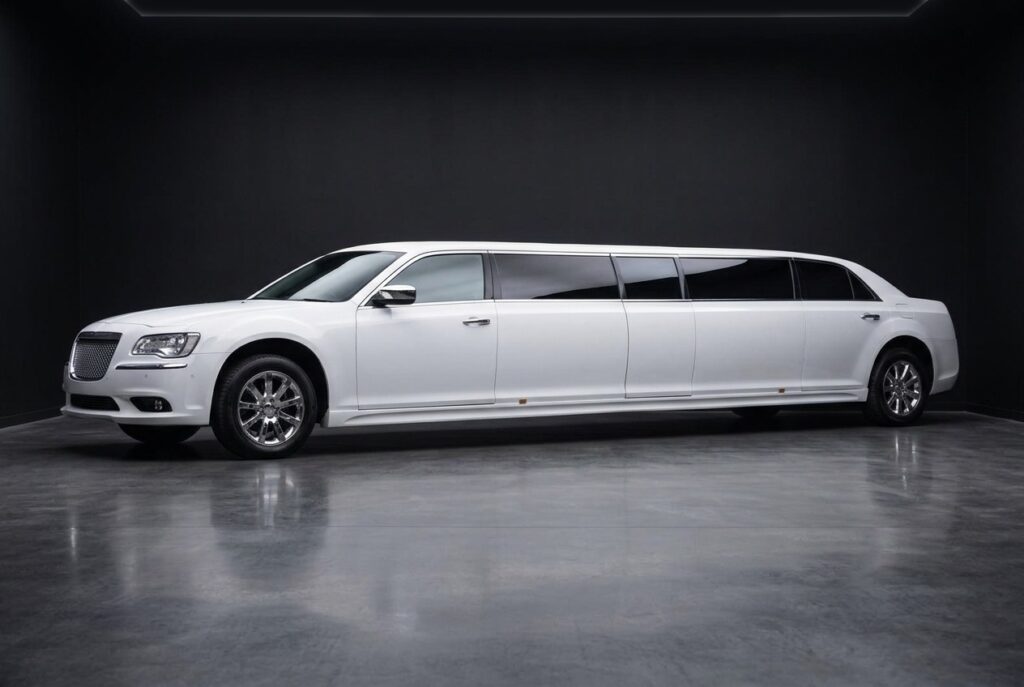
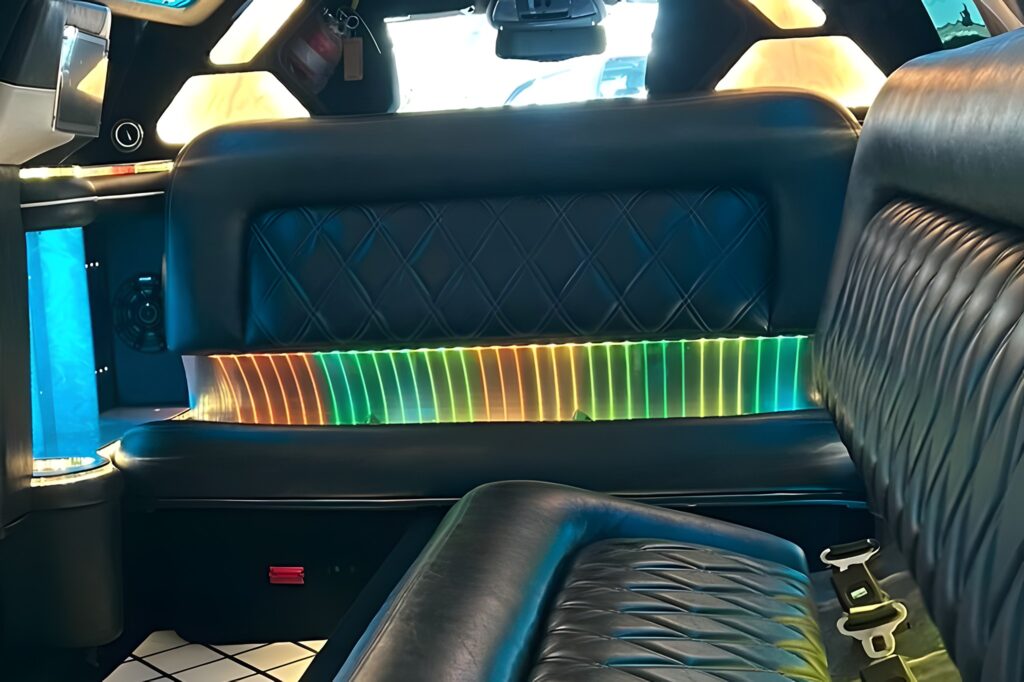
Book the Chrysler 300 Jet Door Limousine with a chauffeur. Send us the date, the times and where you are going, and we will confirm the Chrysler 300 Jet Door Limousine for your night.
Book NowCall 0468 011 118For many Samoan and Tongan families, the end of school is a family occasion as much as a student one. Relatives gather, the photographs matter and the meal that follows often brings together people from several generations. The details differ between families, between islands, between Samoa and Tonga and between Australia and the Pacific. This article describes the general shape of these celebrations with respect, then compares them with the Australian Year 12 formal that most Sydney families know.
Two Pacific nations and the ties that cross the ocean
Samoa and Tonga are two independent nations in the Pacific, each with its own language, history and everyday customs. Many families who now live in Sydney have roots in one or both countries, and they bring those roots into celebrations of every kind. Family and community ties run deep for many people, and a school milestone is often seen as something the whole extended family shares.
The two countries are not the same, and it would be wrong to treat them as one. Samoan and Tongan families may hold different customs, speak different languages at home and make different choices about how to celebrate. Some families are very traditional, others blend old and new, and many have their own way of marking each milestone. Asking before assuming is the respectful starting point.
This article describes the general shape of the end-of-school celebrations that families in these communities often hold, then compares them with an Australian Year 12 formal. Where practice differs between families or places, we say so, and we encourage readers to ask the families involved how they like to do things.
Timing: the school year and the family calendar
The timing of the end of school depends on the education system a student is in. Australian students usually finish Year 12 in the second half of the school year, around the time of the formal. Students in Samoa and Tonga follow the school calendars of their own countries, and families who move between places may find that the milestone falls at a different point in the year from the one they remember.
For Sydney families, the Year 12 formal is often the anchor of the calendar. The date is usually set well ahead, and the car, the photographs and the relatives' travel plans are arranged around it. Some families also plan around church or community events, weddings and holidays, so the calendar can be fuller than the school timetable alone would suggest.
The season changes the feel of the day. A warm Sydney spring evening may suit an outdoor photograph session, while a cooler night calls for layers and a shorter plan. Checking the forecast early and keeping an indoor option in mind helps the day feel relaxed for everyone.
Leavers, families and the community around them
A leaver's milestone in these communities often involves more people than the student alone. Parents, grandparents, aunts, uncles and cousins may all want to be part of the day, and families sometimes plan together so that everyone has a role. The day can become a shared family project, with each person contributing in their own way.
The Australian formal is usually organised by the school with students and families, and the group arranges many of the details. The contrast is one of scale: a formal is often a night for the year group, while a family celebration can be built around one student's relatives and the people who helped them through school.
Whichever model a family prefers, it helps to agree early who is coming, who is doing what and where the photographs will happen. A short list of roles, with a named person for the timetable, the transport and the photographs, keeps the day from depending on one person's memory.
Customs, faith and the choices families make
Some families attach a blessing, a service or a short prayer to a milestone like this one, and others do not. Practices differ widely, and families are free to decide what suits them. We do not make assumptions about what any family believes, and we would never ask a family to explain their customs to us in order to book a car.
What many families share is the wish to honour the student in front of the people who matter most. That might mean a formal portrait, a speech by an elder or a gift from the family. Each choice is personal, and the respect shown by the wider community is often the part students remember most clearly.
For Australian families, the lesson is to ask rather than guess. A short conversation with the student's parents or a trusted relative can reveal what matters most to the family, which in turn helps shape the timetable, the photographs and the arrival.
Dress: the outfits and the family photographs
Dress for the day is a family decision as well as a personal one. Students may wear a dress, a suit or a traditional outfit for the celebration, and relatives often want to see the outfit before the day. Choosing the look a few weeks ahead, with a fitting if needed, makes the morning of the event much calmer.
The family photograph is a central part of the day. Relatives may want to gather for several pictures, sometimes across more than one generation, and the photographs can become a treasured record. Agreeing the order of the photographs and the people in each one in advance keeps the session warm and manageable.
Australian formals include a similar emphasis on photographs, although the scale and the order can be different. A clear shot list, a time limit and a short family session before the group photographs make the whole process smoother and more enjoyable for everyone.
Getting there: arrivals that bring the family together
Transport for these celebrations depends on the venue, the distance and the number of people. Some families travel together in a single vehicle, others arrange several cars, and some groups choose a hired car for a more memorable arrival. The right answer depends on the family, and it helps to decide early so the timing and the drop-off do not depend on chance.
For students who want to arrive together, a chauffeured car is a practical choice. Anyone under 18 rides in the back while a professional driver handles the road, and the family can enjoy the journey rather than managing it. No student takes the wheel of a hired car on the way to or from a formal or a family celebration, and that rule holds on every leg.
Plan the arrival around the entry time, and leave room for a relaxed step-out. Ask the driver where the car can stop, how long it can wait and where the group will gather. An unhurried arrival gives relatives a chance to greet the student and makes the first photographs easier.
Want the Chrysler 300 Jet Door Limousine for your date? Send us the date, the times and where you are going, and we will confirm the Chrysler 300 Jet Door Limousine for your night.
Book NowCall 0468 011 118Food, the umu and the gathering afterwards
Food is central to many Samoan and Tongan gatherings. Some families cook for a large group, and the meal may be prepared in an umu, the traditional earth oven that many families still use for special occasions when they can. Even where a family uses a modern kitchen, the shared meal is often the heart of the celebration.
Music, conversation and time together usually follow the meal. Relatives may sing, share stories or take turns with speeches. The gathering can run long, and families differ on how late it should go, so it helps to agree a finish time with the venue and the people who are hosting.
The Australian formal follows a tighter pattern, with dinner, dancing and a set finish. Families planning a formal can borrow the idea of a generous meal shared around a table, and they can make space in the timetable for relatives to speak, sing or simply sit and talk together.
Rules for younger students: the chauffeur and the alcohol
Students under 18 need the same care whatever the celebration. Our standard is that they always travel chauffeured, and no student drives a hired car to or from a celebration we plan. That rule covers the short journeys between home, the photographs and the venue as well as the longer trips.
There is no alcohol for anyone under 18, in any car, for the whole day and evening. Schools set their own guidance, and families should read it closely before finalising the plan. Explaining the reasons behind the rules to the students usually works better than a list read out at the last minute.
Adults who want to drive can arrange their own transport, and that choice belongs to them. The young people's ride should sit in its own chauffeured booking, so the timetable stays clear and everyone knows who is responsible on the day.
How these celebrations compare with an Australian formal
The two traditions share a lot. Both mark the end of a stage of school, both involve smart dress and photographs and both bring people together around a meal or a celebration. Both also depend on a good plan, because timing, transport and photographs have to fit together for the day to feel relaxed.
The biggest difference is often the role of extended family. Many Samoan and Tongan celebrations draw in relatives across several households, while the Australian formal is more often a night for the students and their closest friends, with families present for the start. Both approaches show care, and each suits its own community.
The arrival is where the Australian formal often feels most distinctive. A chauffeured group entrance, with students stepping out together at a set time, gives the night a clear opening. Family celebrations can include similar moments, but they are usually shaped around relatives and are less uniform from one family to the next.
Close: the featured Chrysler 300 Jet Door Limousine
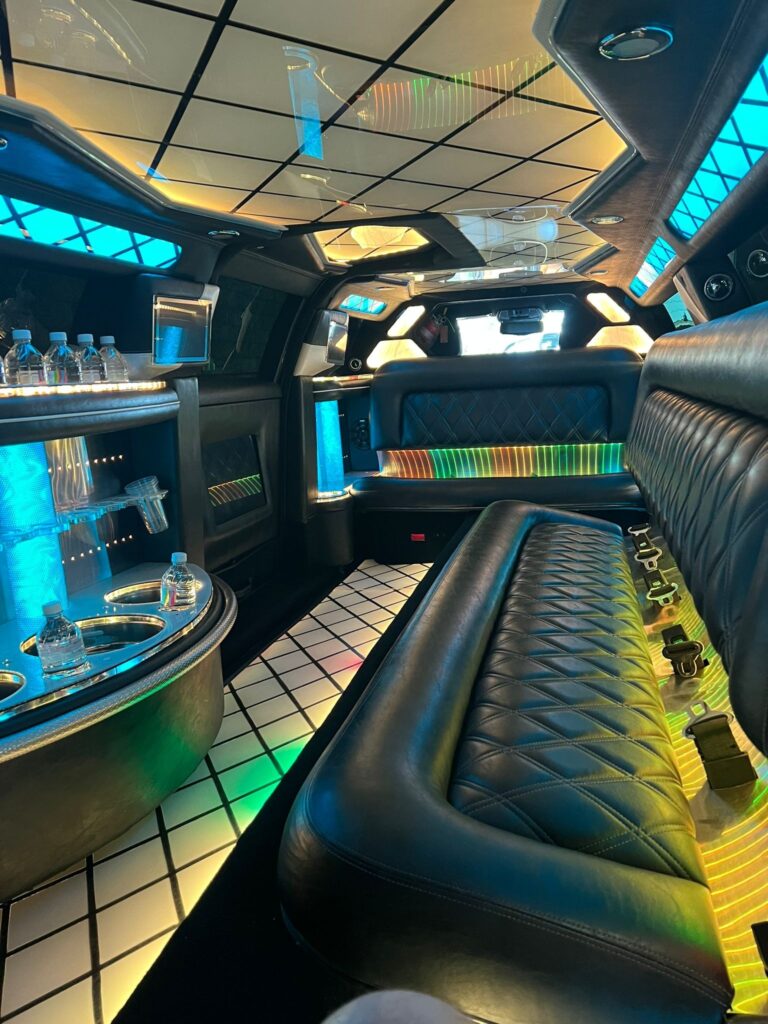
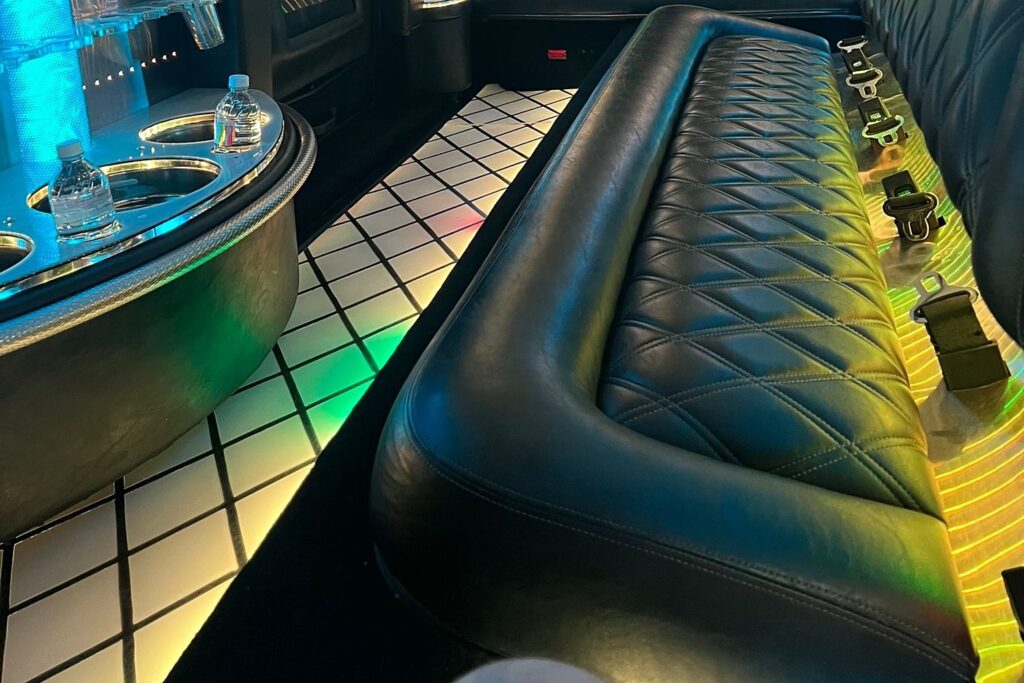
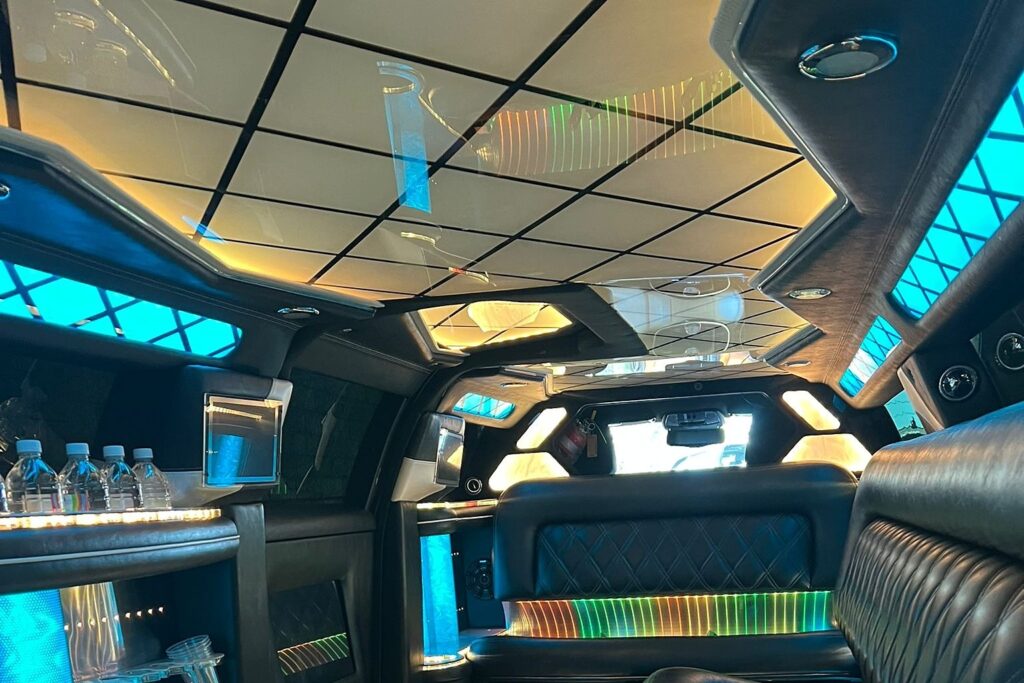
For a group that wants a distinctive and dignified arrival, our featured choice is the Chrysler 300 Jet Door Limousine. It is chauffeured only, so the students can arrive composed while one of our drivers manages the route, the turns and the kerb. It suits a family that wants the arrival to be a moment everyone remembers.
Other choices suit other groups. A Rolls-Royce Phantom offers a calm and formal arrival for a smaller party, a Hummer H2 Stretch Limousine brings a bolder look and a van keeps a larger family group together in one vehicle. The fleet page lays the options side by side, so compare them with the timetable you have in mind.
When the plan is ready, send the request with the pickups, the venue time and the return. The Chrysler 300 Jet Door Limousine page sets out the details for your date. Each quote follows the date, the hours and the route, and the final figure is confirmed in writing before anything is settled. We would be pleased to help your family arrive together and enjoy the day.
Frequently asked questions
What is a leavers' celebration for Samoan and Tongan families?
It is a family and community milestone that marks the end of school. Relatives may gather for photographs, a shared meal, music and speeches. The shape of the day varies between families, islands and households, so the most helpful step is to ask the student's parents or a trusted relative how they would like to mark it.
Is a family leavers' celebration the same as an Australian formal?
They share a purpose, which is to honour the end of school with the people who matter most. A family celebration often draws in extended relatives and centres on a shared meal, while an Australian Year 12 formal is usually one evening built around dinner, dancing and the arrival at the venue. Both benefit from careful planning of timing, transport and photographs.
Do students under 18 need a chauffeur for a formal or a family celebration?
Yes. Our standard is that students under 18 always travel chauffeured, and no student drives a hired car to or from a formal or any other celebration we plan. The rule covers every leg of the day, including the short journeys between home, the photographs and the venue.
Are the alcohol rules the same for a family celebration?
No alcohol is allowed for anyone under 18, in any car, for the whole day and evening. Schools set their own guidance, and families should follow it alongside the plan. Explaining the reasons behind the rules to young people usually makes them easier to accept.
Should we ask a family how they want to mark the day?
Yes, asking is the respectful approach. Families differ in their customs, in the languages they speak at home and in how they like to celebrate. A short conversation with the student's parents or a trusted relative helps shape the timetable, the photographs and the arrival in a way that suits them.
Can a family book the featured Chrysler 300 Jet Door Limousine for a celebration?
You can ask for it. The Chrysler 300 Jet Door Limousine is chauffeured only, so the students can ride together while one of our drivers handles the route. It is our featured choice for a distinctive arrival. Share the pickups, venue time and return plan with the booking team, and they will confirm availability for your date.
Ready when you are. Send us the date, the times and where you are going, and we will confirm the Chrysler 300 Jet Door Limousine for your night.
Book NowCall 0468 011 118