

Book the Rolls-Royce Phantom with a chauffeur. Send us the date, the times and where you are going, and we will confirm the Rolls-Royce Phantom for your night.
Book NowCall 0468 011 118A charity ball is one of the few nights where the guests, the cause and the cars all matter at once. Planning it well means looking past the venue to the timeline, the dress code, the arrival and the ride home. This guide walks through each stage in order, so the organiser can make decisions early, avoid last minute scrambles, and spend the evening focused on the cause rather than on logistics that could have been settled weeks before the doors open.
Start with the purpose and the guest list
Every good charity ball begins with a clear purpose. Before anyone chooses a venue or a theme, the committee should agree on what the night is raising money for and how much it hopes to bring in. That goal shapes everything that follows, from the number of tables to how long the program runs. Write it down and share it with the whole team so that each decision can be tested against it before money is committed.
The guest list comes next. Confirm roughly how many people will attend, how many are sponsors, how many are donors who may bring a partner, and whether any guests need accessibility support. A realistic headcount prevents over-ordering and keeps the seating plan manageable. It also tells you how many transport bookings you will need later, which is easy to overlook when the focus is on the room and the menu.
Finally, agree on who signs off decisions. Many charity balls struggle because three people approve the same spending line and nobody owns the final call. A small group with clear roles, perhaps a chair, a treasurer and an events lead, will move faster and keep the evening on track without endless rounds of emails. Put those names on the planning sheet so every volunteer knows who to ask.
Build a timeline that works backwards from the night
Work backwards from the event date. Eight to ten weeks out is a sensible point to lock the venue, the entertainment, the caterer and the auction items. Each of these usually needs a deposit and a written agreement, so ask for the terms in writing and file them where the whole committee can see them. Verbal promises made over the phone are the most common source of confusion later.
Around six weeks before the ball, send the invitations and open ticket sales if you have not already. Track who has paid, who has asked about a table, and who needs a special meal. This is also the right time to confirm your speakers, your emcee and any guest of honour, because their schedules can shift quickly as the date gets closer and a late change can throw out the whole run sheet.
In the final fortnight, confirm headcounts with the venue, print the run sheet, and brief the volunteers in person if you can. Send guests a short note with arrival details and the suggested time to leave. A run sheet with minute by minute timings is the single most useful document on the night, so keep copies on paper and on a phone in case one device runs flat during the evening.
- Ten weeks out: venue, caterer and entertainment booked in writing
- Six weeks out: invitations sent and ticket sales open
- Two weeks out: final numbers confirmed and volunteers briefed
- The day before: run sheet, name cards and transport confirmed

Choosing the dress code and the look
Dress codes do more than tell people what to wear. They set the tone for the photographs and make the room feel unified rather than a mix of styles. Black tie is the most common request for a charity ball, but many organisers now use cocktail attire or a themed colour palette that the cause can build around. State the code clearly on the invitation and give an example or two so guests are not left guessing what the committee means.
Think about comfort as well as style. A long evening with standing, dancing and walking between rooms calls for shoes and fabrics that people can manage for hours. Some guests will arrive straight from work, so a short note on whether jackets are optional can ease nerves without lowering the standard for the room. Simple, honest guidance tends to produce a better looking room than a long list of rules.
Families and guests come to charity balls from many backgrounds, and they bring different views on formal dress. Be relaxed about cultural and personal choices, and say that plainly in the invitation so nobody feels out of place on arrival. A warm welcome matters more than a rigid rule, and guests who feel at ease tend to stay longer, talk to more people and give more generously when the appeal begins.
Deciding who drives and who rides
Transport is the part of the plan that guests remember longest. Work out early whether the group will travel together, whether couples will arrive separately and whether any guests will need to leave early. Each choice changes the number of vehicles, the pickup times and the overall shape of the evening. A quote is the only reliable guide to cost, and it reflects the day you choose, how long the car is needed and the distance involved.
If any guest is under 18, the rule is simple. Students under 18 always travel chauffeured, with one of our drivers at the wheel and the students in the back seat. Nobody under that age should be handed the keys to a hired car, however mature they seem and however close the venue may be. A chauffeured car also removes the question of who is fit to drive at the end of the night, which keeps the evening relaxed for everyone.
Adults planning their own night have more choice. Only grown adults may take the wheel on a self-drive booking, and the minimum age for each vehicle is listed on that vehicle's page. Many of our showpiece cars are chauffeured only, which suits a charity night well because the driver can wait nearby, plan the return and keep the group together. The chauffeur planner on our site lets you set out pickups and stops and send the request in one place.
- Write down each guest's pickup address and the time they want to leave
- Confirm whether the group will travel together or in separate cars
- Check the minimum driver age on any self-drive booking before you go ahead
Making the arrival count
The arrival sets the tone before a single speech is made. Guests who step from a car onto a red carpet, or into a foyer lined with volunteers, feel the night has begun. Plan the drop-off point so that cars can pull up safely without blocking the entrance, and assign one volunteer to greet guests and point them in the right direction. A good first impression costs little but is remembered for hours.
Stagger the arrivals where you can. If a whole group of cars turns up in the same ten minutes, the foyer jams and the first drinks take ages to reach the guests who are waiting. Give each group a suggested arrival window on the invitation or the reminder note. Many committees find that a soft start, with quiet music and a welcome table, works well while the later guests trickle in and settle.
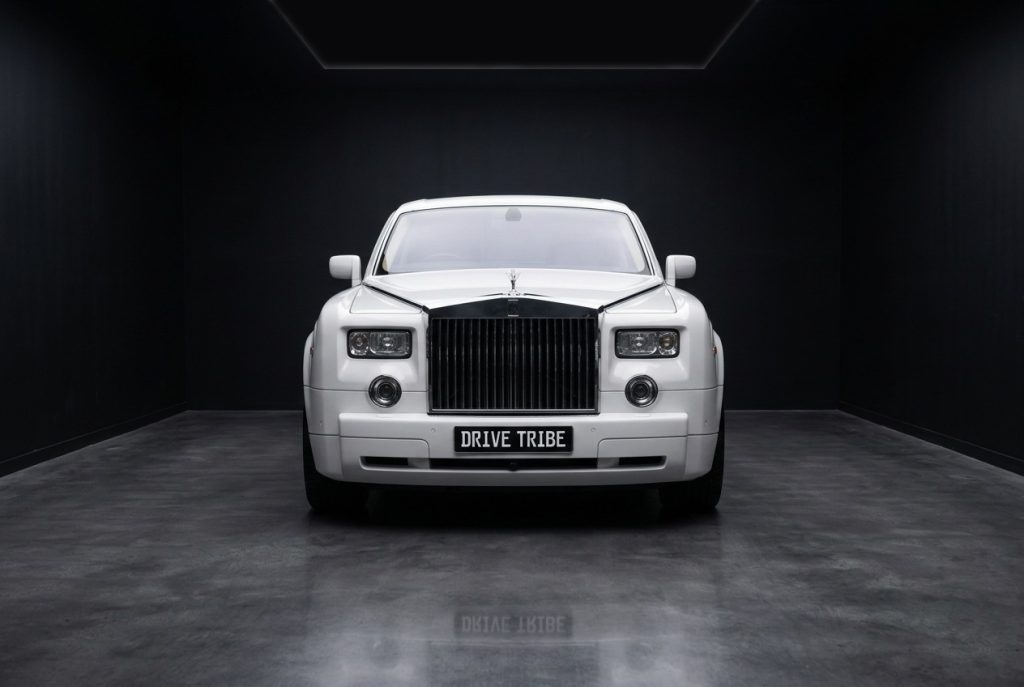
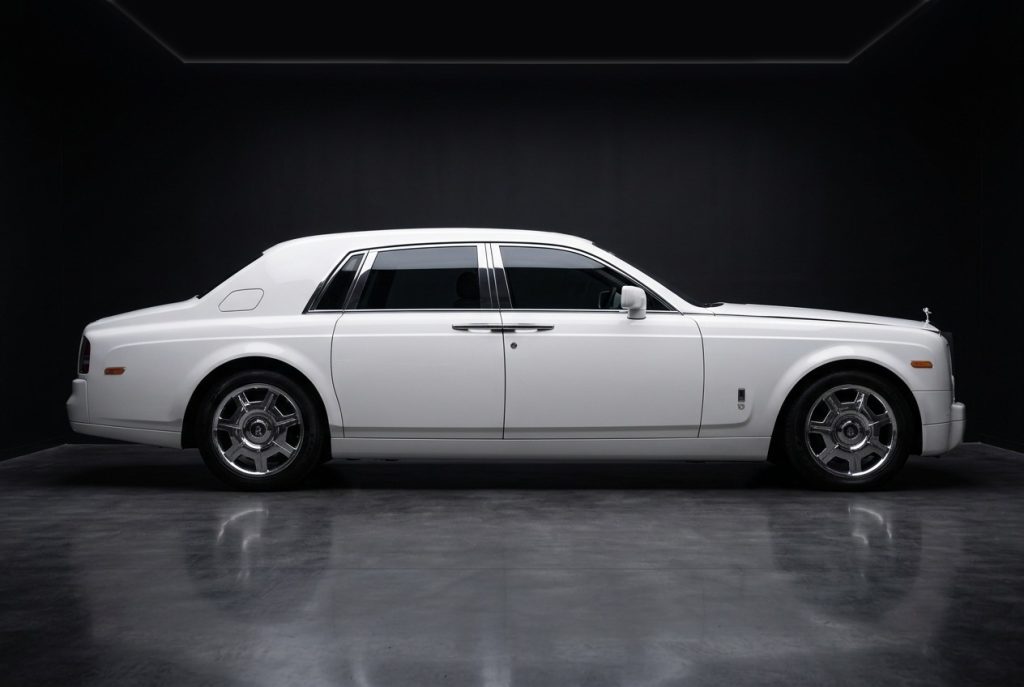
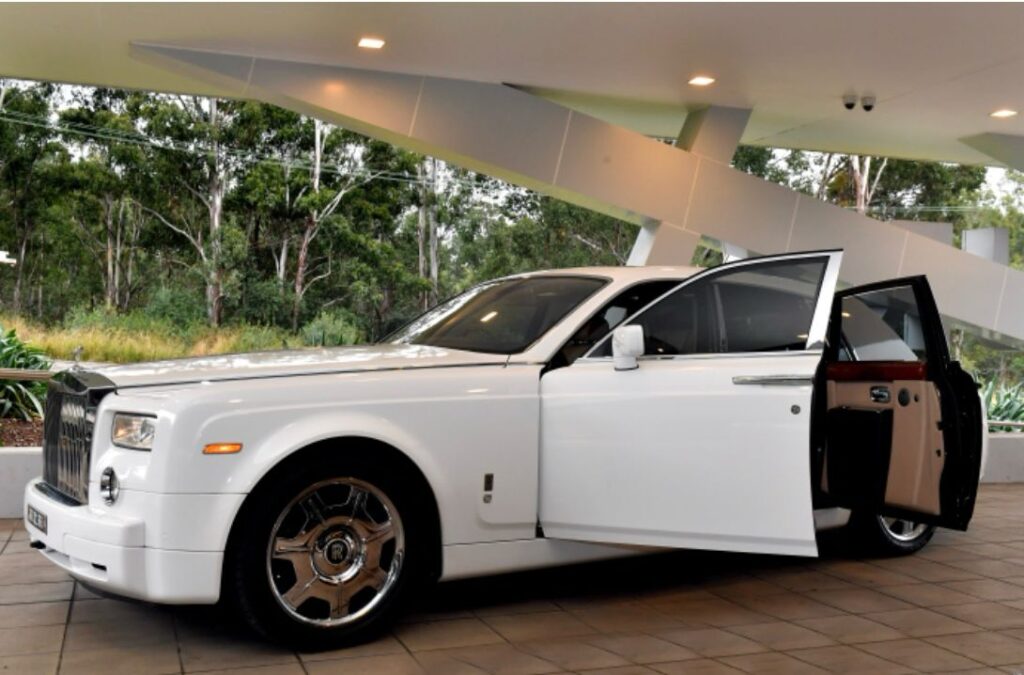
For a headline entrance, our Rolls-Royce Phantom is a strong choice. It is chauffeured only, so the driver manages the approach, the doors and the turn into the venue while the guests simply step out. Ask the driver to call ahead to the venue so the entry team knows the car is coming. The car is the most striking option in our fleet for this moment, and you can see it on its page before you decide.
Photographs and the first hour
Photographs matter because they carry the cause long after the night is over. Book a photographer who understands low light and can work quickly through a crowded room. Agree a shot list with the committee in advance, including group photos for each table, the emcee and speakers, the auction host, and any sponsors who have paid for a logo wall or a backdrop near the entrance.
Schedule the photographs for the first hour, before people are tired and before the room gets loud. A short window at the entrance and in front of a backdrop gives the photographer control over the light and the crowd. Guests who have had a cold drink and found their table are far more relaxed in front of the lens than they are after the dancing starts, so protect that early window.
Keep the first hour simple. Let guests settle, find their name cards and enjoy a welcome drink without being rushed. Save the formal welcome for when most people are seated, and keep the opening remarks short. The best charity balls often feel effortless, but that ease comes from a team that has worked out the order of events long before the first guest walks through the door.
- Book the photographer for the first hour, not the last
- Agree the shot list with sponsors and speakers
- Print name cards and a clear table plan at the entrance
Want the Rolls-Royce Phantom for your date? Send us the date, the times and where you are going, and we will confirm the Rolls-Royce Phantom for your night.
Book NowCall 0468 011 118Running the evening at a steady pace
A charity ball runs on pace. Guests will forgive a slightly late start but not a long gap between courses, appeals and entertainment. Break the program into blocks of about twenty to thirty minutes and keep a volunteer responsible for each block. When a speaker runs long, that volunteer can signal the emcee to move on, which is far kinder than letting the room drift away from the cause.
The auction or appeal is usually the moment that matters most for the cause. Prepare the item descriptions in advance, test the screen and the microphone, and rehearse the handover between the emcee and the auctioneer. Keep the donation process quick and clear, with staff ready at the table so no one feels pressured to stay seated while everyone else is moving. A calm, visible process builds trust in the room.
Drinks need a plan too. Set a sensible service schedule, offer water and soft options with the same prominence as the other drinks, and make sure the bar team knows the finish time. Clear communication with the venue keeps the room calm at the end. Guests who are not drinking should feel as welcome and as well served as everyone else, because a charity night belongs to the whole table.
Getting home safely
The ride home is where a well run charity ball can unravel. Guests leave at different times, some want to stay late, and a few have had more to drink than they realise. Set the return plan before the night starts, so that the final hour is as organised as the first. A short message to each table with the expected departure window helps people plan without asking the organiser on the night.
Remember the rules on alcohol. Nobody under 18 may drink alcohol, in any car or at any event, and schools set their own formal rules that families should follow closely. For anyone under 18, a chauffeur is the only sensible way to travel. An adult who has been drinking should never drive, and the simplest answer for everyone is a booked return with a driver who will wait for the group.
Ask the transport provider to plan drop-offs in a sensible order, and tell guests the time their car will be waiting. Our chauffeur planner lets a family or a group set out pickups and stops and send the request in one place, which takes a lot of pressure off the organiser on the night. Plan the return with the same care you gave the arrival, because a calm exit is what guests remember when they talk about the evening afterwards.
Looking after the cause and the paperwork
A charity ball is a fundraiser first, so the paperwork matters. Keep clear records of ticket sales, sponsorship, donations and auction results, and reconcile them within a few days of the event. Thank donors promptly and personally, because the goodwill from a well organised night can carry straight into the next appeal and the one after that.
Be clear with guests about where the money goes. A simple statement on the invitation or the program saying which causes will benefit builds trust before the first ticket is sold. If any gifts are tax deductible, confirm the rules with the beneficiary organisation and an accountant before you promote them, because the details depend on the structure of the event and the organisation receiving the funds.
Thank your volunteers and suppliers too. A short follow-up message, a photograph from the night and a summary of what was raised make people want to help again. Book a debrief meeting for about two weeks after the event, so the lessons from this year shape the next one before the memory fades and the same problems return.
- Reconcile ticket and donation records within a week
- Send thank you notes to donors, sponsors and volunteers
- Hold a short debrief while the details are still fresh
Making the night one to remember
The best charity balls feel like an occasion rather than a fundraiser with a dress code. That comes from small touches: a welcome that makes guests feel expected, music that suits the room, and a closing moment that reminds everyone why they came. Decide early on the single moment you want people to remember, then build the rest of the night around it so the evening has a clear shape.
When the night ends, make the exit as smooth as the entrance. Send cars in clear waves, have a volunteer by the door to help with coats and bags, and give the group a moment to say goodnight to the people who made the evening possible. A calm departure leaves guests with a good feeling about the cause and makes them far more likely to book a table next year.
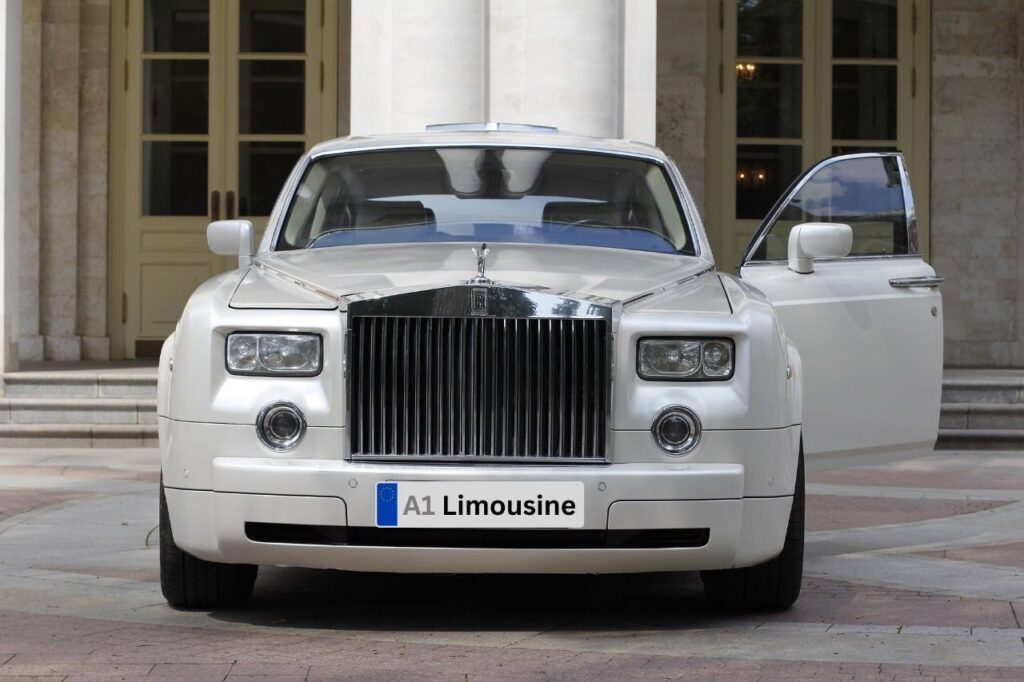
If you want the arrival and the departure to feel special, the Rolls-Royce Phantom is the car many committees choose for a headline moment. It is chauffeured only, so the driver manages every door and every turn, and the guests can simply enjoy the ride. Open the Phantom page to see the car in detail, then get in touch with your dates and your group size, and we will talk you through what suits your night.
Frequently asked questions
How far ahead should a charity ball be planned?
Most committees start about three to four months out. Lock the venue, entertainment and caterer first, because those dates fill quickly in busy seasons. Invitations and ticket sales usually open around six weeks before the night, with the run sheet and transport confirmed in the final fortnight. Starting earlier gives volunteers time to plan properly and gives guests time to book their own travel.
Is black tie required for every charity ball?
No. Black tie is common, but many charity balls choose cocktail attire or a themed palette instead. Whatever you pick, state it clearly on the invitation and include an example or two. Clear guidance stops guests guessing and keeps the room looking unified in photographs, which is useful for the sponsors and for the cause afterwards.
Can students under 18 travel to a formal by hired car?
Students under 18 always travel chauffeured. One of our drivers drives and the students ride in the back. A student should never be given the keys to a hired car. Schools set their own formal rules, and families should follow them, including any rules on alcohol, which are never permitted for anyone under 18.
Who can drive a hired car to a charity ball?
Only adults can drive on a self-drive booking, and the minimum driver age for each vehicle sits on its own car page. Many of our showpiece cars are chauffeured only, so the driver handles every journey. If you are unsure which option suits your group, check the car page first or ask for a quote, which will confirm the details for your date.
How do I plan transport for a group?
Start by listing each guest's pickup address and the time they want to leave. Then use the chauffeur planner on our site to set out pickups and stops and send the request in one place. Cost turns on the day, the hours and the route, so ask for a quote to see the figure for your own plan. Booking the return at the same time as the arrival avoids last minute confusion.
What should happen after the night?
Reconcile ticket, sponsorship and donation records within a week, then send thank you notes to donors, sponsors and volunteers. Share a short summary of what was raised, along with a photograph from the night. A debrief about two weeks later will capture what worked, so the next charity ball starts from a stronger plan.
Ready when you are. Send us the date, the times and where you are going, and we will confirm the Rolls-Royce Phantom for your night.
Book NowCall 0468 011 118