
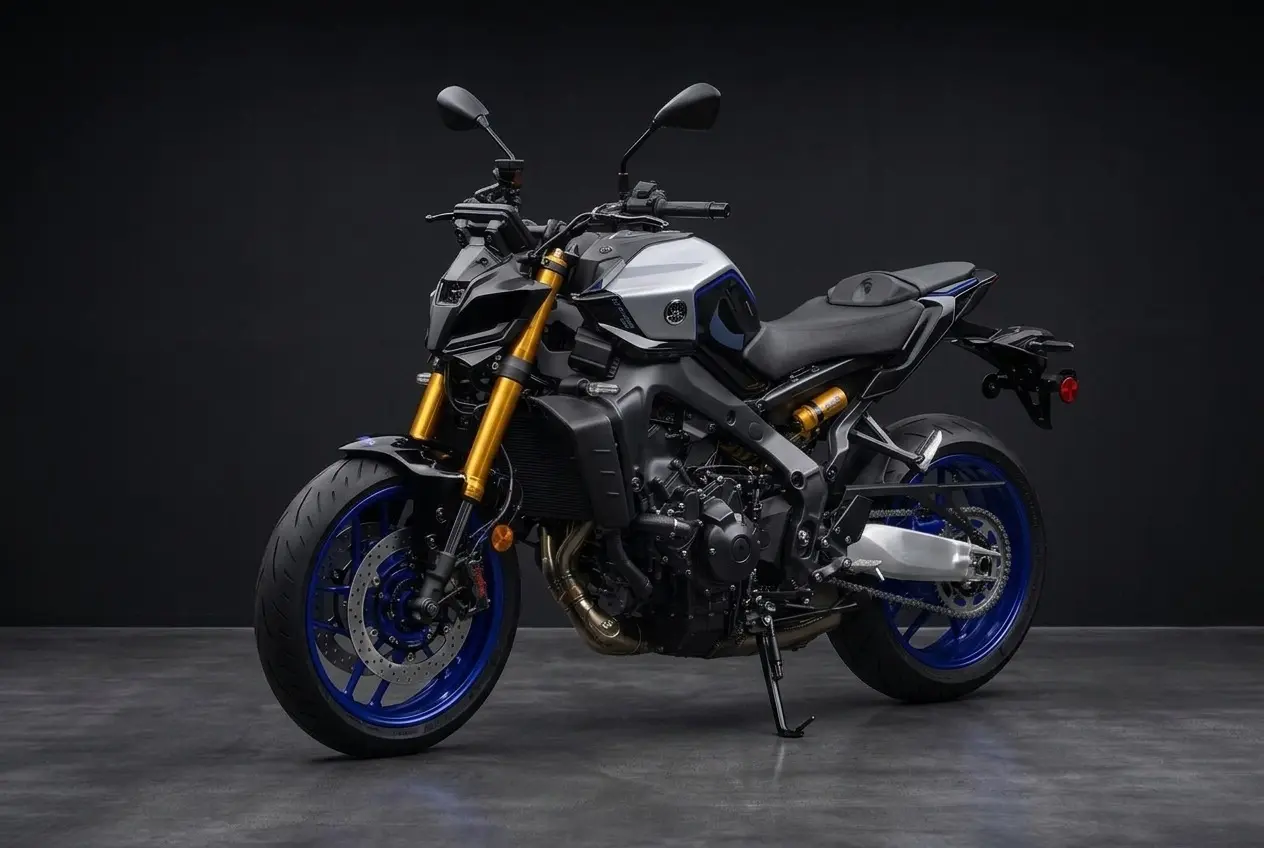
Book the Yamaha MT-09 SP. Pick your dates and book the Yamaha MT-09 SP online, or call us and we will sort it with you.
Book NowCall 0468 011 118Town streets hold plenty of hidden corners, and the worst of them are the gaps between parked trucks and delivery vans. A large vehicle at the kerb blocks your view of pedestrians, side streets and the driver who is about to step out. Its doors, its ramp and the reverse lights of the next van can change the picture in a second. This guide explains how to read those gaps, how to set your speed around them and how to keep an escape route open.
New to riding with us? Our page on motorbike hire in Sydney covers the bikes, the rider rules and how pick-up works.
Why parked trucks change the picture in town
A parked truck is one of the most effective sight blockers on any street. It hides the pavement on its far side, the cars waiting to pull out of a side road and the pedestrians who step between vehicles without looking. Your eyes naturally follow the open road beyond the truck, which is exactly where the danger often is not. Treat every large parked vehicle as a wall that hides something, not as a simple obstacle.
Delivery vehicles are also often parked in places where the road narrows. The lane you planned to use may suddenly shrink to a single metre of clear tarmac, with a van on one side and a trolley or a pallet on the other. In those moments, your speed has to drop before the gap appears, not after you reach it. Planning early means you never need to swerve to avoid a wall of steel.
Busy town centres add another layer. Shoppers, cyclists, cafe tables on the footpath and drivers circling for parking all compete for the same few metres. The truck itself may be stationary, but everything around it is moving. Read the whole scene rather than the single vehicle, and keep asking yourself what could appear from behind, between or beside it.
Reading the gap between two parked vehicles
When you see two parked trucks with a gap between them, the gap is not a road. It is a hazard that could conceal a person, a dog, a trolley or a driver stepping out with a box. Look through the gap to see what is on the other side, but do not assume that a clear view means a clear path. Slow down before you reach it, and let the space reveal itself as you approach.
Watch for the small signs of activity. A tailgate half down, a pallet on the kerb, a driver walking with a clipboard or a van with its back doors open all suggest that someone is about to move. Brake lights glowing on a vehicle further along are another clue that traffic may pull out. When you see signs of life, treat the gap as occupied and adjust your speed before you are level with it.
Keep your line wide enough to leave room on your left and right. Hugging the parked vehicles leaves you no escape if something appears in front of you. A line about a metre from the kerb-side vehicles gives you space to react, and it keeps you away from opening doors. Riding a steady line also helps the drivers approaching from the opposite direction understand where you are going.
Doors, drivers and people stepping out
Open doors are a classic hazard. A driver who climbs out of a parked truck or van may open the door without checking the lane, and the gap that looked clear a second ago can close in an instant. Anticipate this by looking at the cab of every parked vehicle you pass. Do you see a driver inside, a door that is ajar or a shadow that suggests movement? Each of these is a reason to ease off and widen your line.
Pedestrians are harder to predict. People often step out from between vehicles to cross, especially where there is no marked crossing nearby. They may also look at their phones or at shop windows, and they rarely expect a motorcycle to be moving quickly along a street they assume is quiet. Slow your approach through shopping areas, and keep your attention on the footpath edges where people are most likely to appear.
Children and dogs follow no rules at all. They may run out to chase a ball or a pet, and they can appear with no warning from behind a van. In a busy town, a slow crawl through the most crowded stretch is a sensible choice, even when the posted limit is higher. The goal is not to be fast; it is to be able to stop if someone steps out.
Loading bays, reversing vans and sudden pull-outs
Loading bays are busy for most of the morning. Delivery vans reverse into them, trucks unload onto the footpath and drivers move quickly between vehicles to save time. Reverse lights and beeping alarms are often the first clues that a van is about to move. If you see a van reversing, do not try to squeeze past it. Wait behind a safe distance until it has settled, then carry on with a clear view.
Pull-outs from loading bays are often sudden. A driver may pull out in front of you without looking, especially when they are late for their next drop. Watch the wheels of parked vehicles as well as the drivers. A wheel that turns or a brake light that flickers can signal an imminent move. Slow early, leave a margin and be ready to brake gently rather than hard.
A simple rule keeps you safer here: if you cannot see the driver's face in a truck mirror or a van's side window, assume you have not been seen. This is not a comfortable thought, but it encourages a defensive approach. Stay out of the blind spot beside a large vehicle, avoid riding alongside a moving truck for longer than necessary, and always keep an exit route open to your left or right.
Setting your speed when your view is blocked
Speed is your main tool in a blocked-view situation. When you cannot see around a vehicle, you need enough time to react to what is hidden. That means riding at a pace where you could stop comfortably within the distance you can see clearly, not the distance you hope is clear. If a gap closes in front of you, the bike should already be slowing, not waiting for a decision.
Smooth gear choices help. Select a gear that gives you control and a quick response, so you can ease the throttle or add power without fuss. Avoid heavy braking into a gap, because a sudden lever squeeze can unsettle the bike and make the rear end move. Gentle, early adjustments keep the bike settled and the rider calm.
Build the habit of managing your speed before you reach the vehicle. Begin to slow as soon as you see the parked row begin, and keep a steady pace through the section. Think of the bike as a tool for threading through a difficult space, not a machine for racing from one set of lights to the next. Patience in town pays off with fewer surprises.
Lane position and staying visible
Lane position is part of your defence. On a two-lane town street with parked trucks on one side, your best line is usually a little away from the parked row, so that you are visible to oncoming drivers and clear of doors. Avoid riding in the very middle of the lane where it gets crowded, and watch for moving vehicles coming back the other way.
Visibility is also about how drivers see you. Keep your headlight on, sit upright so your silhouette is clear and avoid lingering in a truck's mirror blind spot. If a driver pulls up beside you while you wait at a junction, move ahead or back to a position where they can see you and you can see them.
Finally, leave yourself room to pull away. A stopped truck with its engine running can move forward without warning, and a rider who is boxed in has no options. Keep at least a few car lengths between you and any moving vehicle, and always know where your escape route is before you need it.
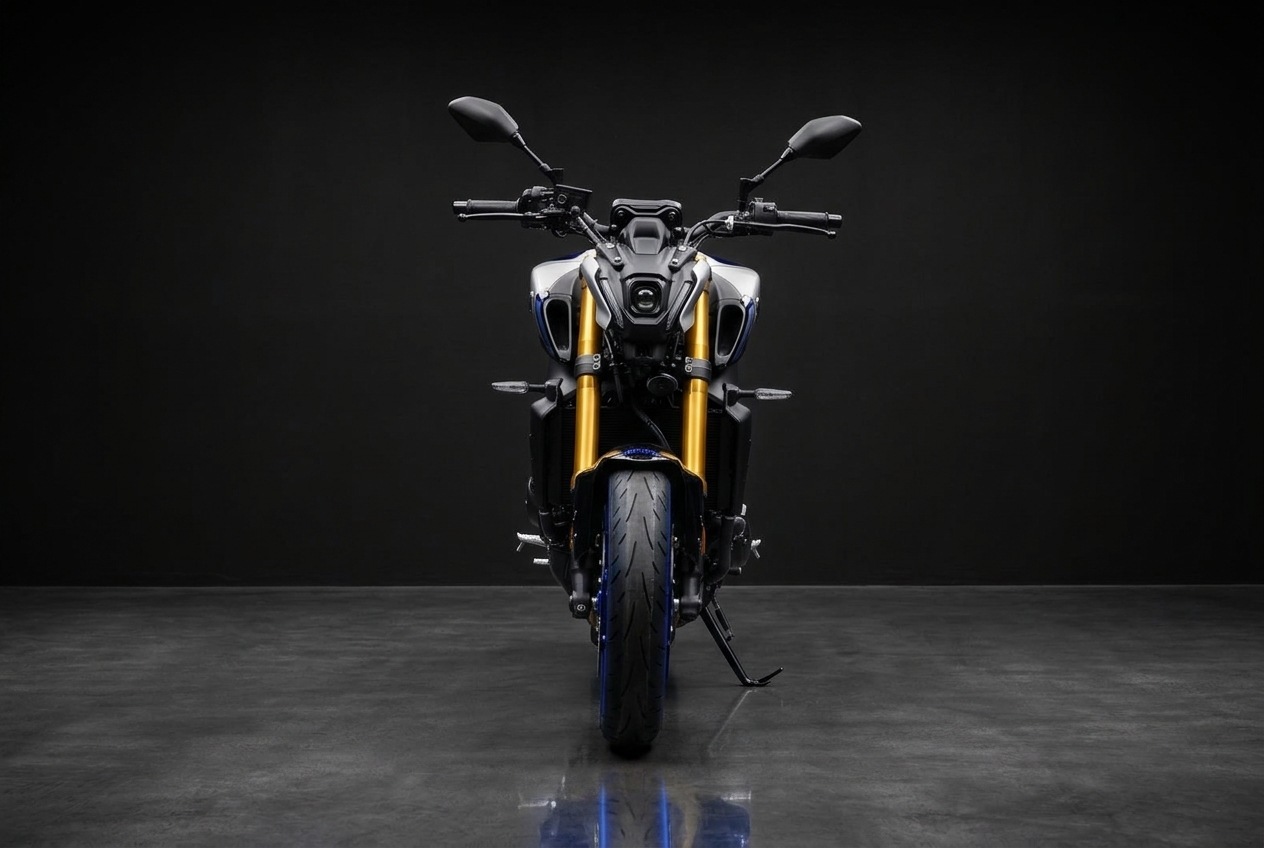
Want the Yamaha MT-09 SP for your date? Pick your dates and book the Yamaha MT-09 SP online, or call us and we will sort it with you.
Book NowCall 0468 011 118The best time of day and season for town riding
The quietest time for town riding is usually early on weekday mornings, before the loading rush and the lunchtime crowds. Deliveries tend to peak between mid-morning and early afternoon, when more vans are parked and more people are walking between them. Plan your run so you pass busy shopping strips before they fill up, and avoid the windows when trucks are loading in narrow streets.
Seasonal changes affect the picture too. Autumn and spring offer mild weather and fewer glare problems, while summer heat brings people onto footpaths and into the road earlier. Winter mornings can be frosty in outer suburbs, and damp leaves can coat the kerb. Plan extra time in cold weather, because a slippery patch beside a parked truck can be hard to spot.
Fuel and food matter on a long town run. Top up before you enter the busiest centres, because it is much easier to refuel on the approach than in a crowded street. A short break at a cafe away from the main strip gives you time to reset your focus. Weekend crowds in shopping towns can be intense, so ride midweek or early on Saturdays for a calmer experience.
Practice routes and town roads to learn on
Windsor, in the Hawkesbury region, has a historic main street with a lot of parked vehicles, shoppers and tight corners. It is a good place to practise reading gaps between parked trucks and vans at a moderate pace. Keep your speed low, watch the footpath edges and expect people to step out at any time, especially around cafes and shops.
The town centres along the Pacific Highway and the Great Western Highway can also present parked trucks and delivery vehicles at busy times. Choose the quieter weekday mornings to practise, and treat every loading bay as a potential surprise. Stay alert for drivers who pull out from kerbside spaces with little warning.
Check road conditions with Transport for NSW before you leave, and remember that town roads often have worn surfaces, painted lines and drain covers that can be slippery when wet. Choose a route that suits your experience and build up gradually as your confidence grows.

Gear, fatigue and riding within your ability
Protective gear matters when you ride close to parked vehicles. A helmet that fits well, a jacket with strong abrasion protection, gloves and boots that cover the ankle are all sensible. Choose bright or reflective colours where possible, because drivers in parked trucks may struggle to see you against the street. Keep your visor clean and your mirrors adjusted before you enter the busiest stretches.
Town riding is tiring because it demands constant attention. Each gap, door and pedestrian asks for a decision, and that adds up over an hour or two. Stop for a short break when you feel your focus slipping, drink water and sit for a moment before going on. Never ride after drinking alcohol, and ride within your ability at every stage.
Hire rules, in short: bikes are self-drive from our Parramatta base on a three day minimum hire, and you must hold a full motorcycle licence for at least 3 years and be aged 25 or over on every bike. Helmets (Shark, AGV or Bell) can be hired from us in small, medium or large for $50 per hire, or you can bring your own. We do not supply jackets, gloves, pants or boots, so bring your own riding gear.
Book the Yamaha MT-09 SP for your town and country rides
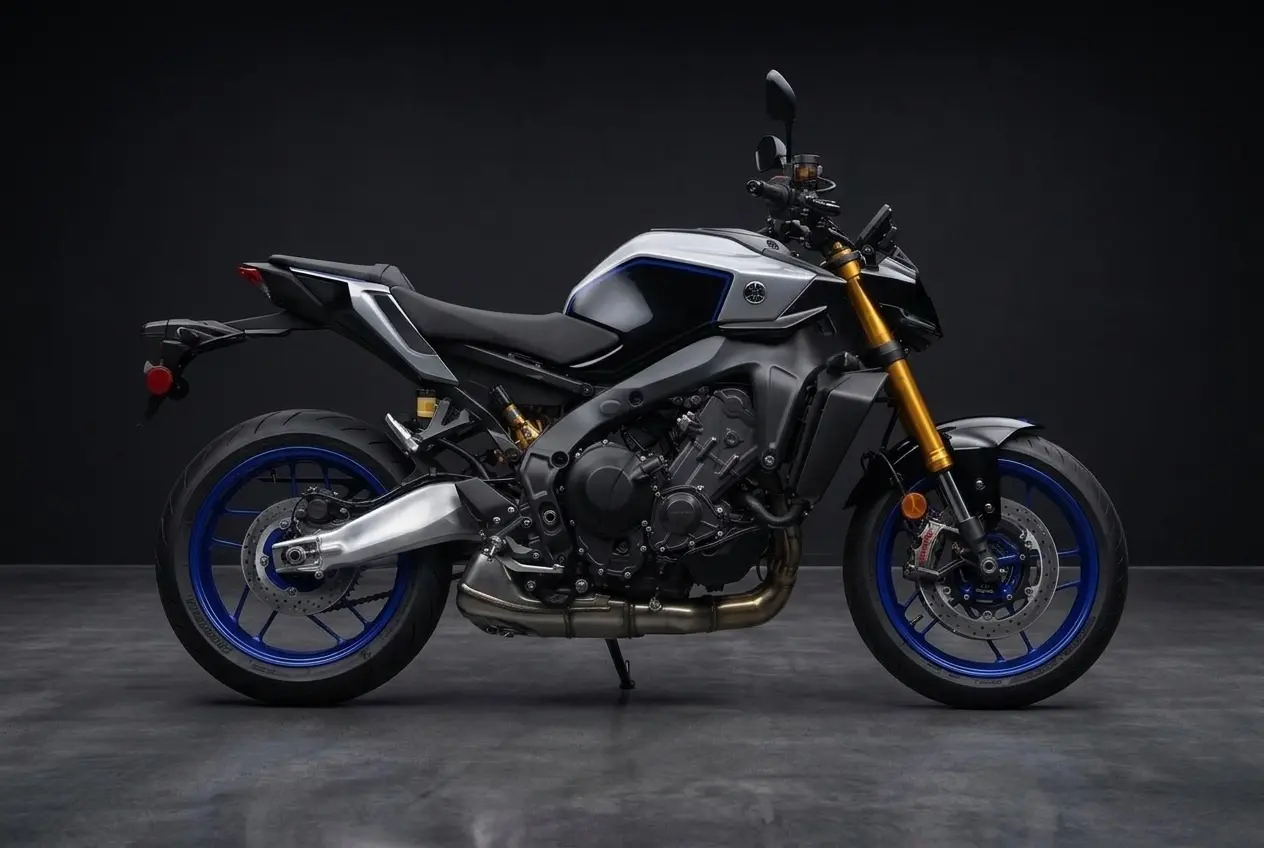
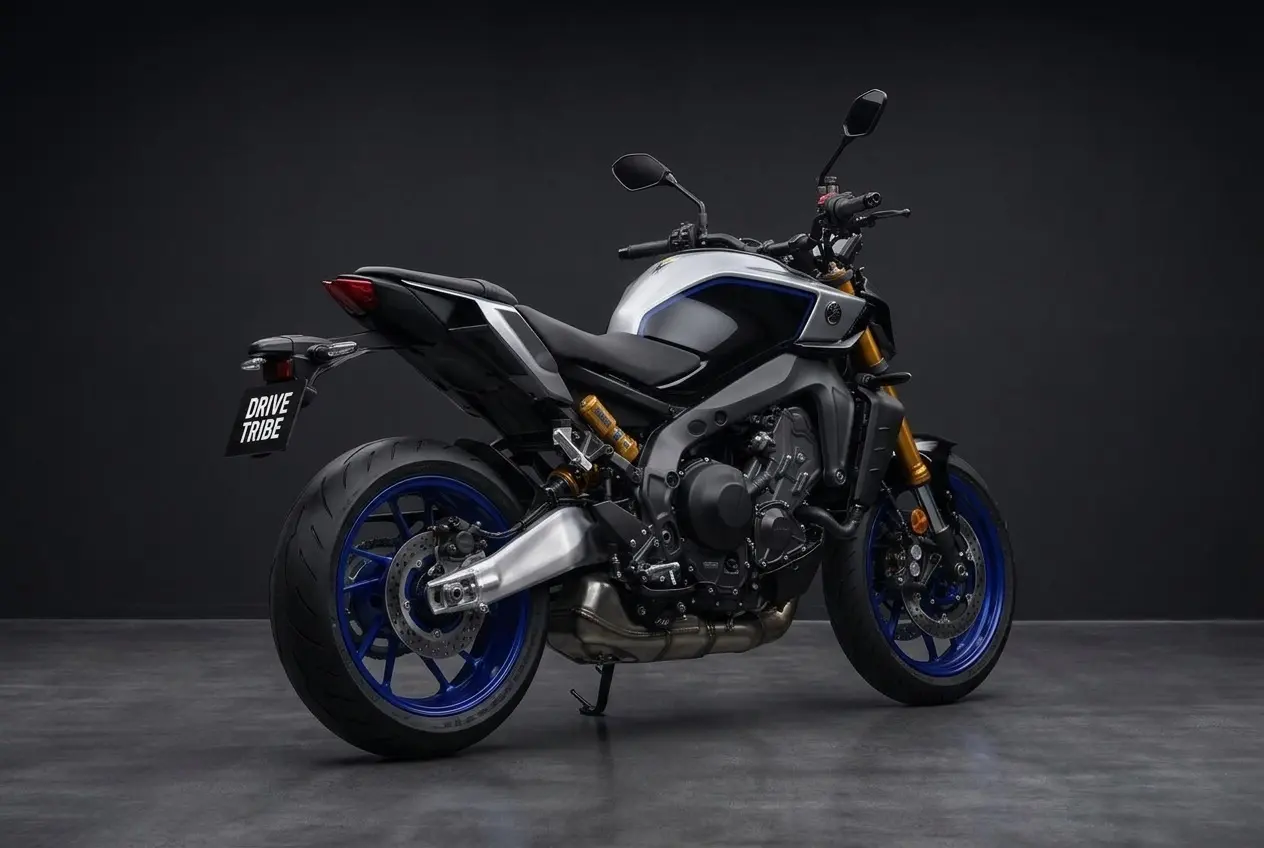
The Yamaha MT-09 SP is an inline three performance naked bike with premium adjustable suspension and strong brakes. Its naked design keeps the road ahead open to view, which is useful in town where you need to read the street quickly. Gold front forks mark the bike out, and its strong brakes give you confidence when a gap closes faster than expected.
Once you have practised reading the gaps in quiet town centres, the MT-09 SP is a bike that rewards a relaxed and attentive rider. Its adjustable suspension lets you tune the ride to the surfaces you meet, from worn town tarmac to smoother country roads. Smooth, patient riding will do more for your enjoyment than any race to the next set of lights.
When you are ready, check out the Yamaha MT-09 SP page for full details and availability. You can also look at the fleet index to compare every bike we rent before you choose your ride.

Frequently asked questions
Should I pass a parked truck on the inside?
No. Passing a parked vehicle on the side where doors open, drivers step out and pedestrians cross is one of the riskiest moves in town. Stay in your lane, keep a steady line away from the kerb and wait for a clear view ahead before moving. If the road is too narrow to pass safely, slow down and follow the traffic rather than squeezing through.
What should I do if a driver steps out without looking?
Brake progressively, keep the bike upright and steer gently away from the door if you have room. Avoid a sudden lever squeeze, which can unsettle the bike. Stay calm, check your mirrors and look for an escape route on the other side. Once the situation is clear, take a moment to slow down further and reassess the next section of street before continuing.
How far should I stay from parked vehicles?
Aim for about a metre of clear space from the kerb-side vehicles where the road allows it. That distance keeps you away from opening doors, gives you room to react to a pedestrian and makes it easier for oncoming traffic to see you. Where the road narrows, slow to a pace that lets you stop safely within the distance you can see, rather than squeezing into the gap.
Is it safe to filter past delivery vans in heavy traffic?
Treat gaps between delivery vans as hazards rather than routes. A van can reverse, a driver can step out or a pallet can appear without warning. Keep your speed low, stay visible and plan your line before you reach the gap. If the space is not clearly wide and quiet, wait behind the traffic until the road opens up naturally.
Does the time of day change how risky a town street is?
Yes. Mornings and lunchtimes bring deliveries, reversing vans and busy footpaths, while quieter early mornings are usually calmer. Weekends can bring crowds that spill onto the road, and cold weather may leave damp patches beside the kerb. Plan your route for quieter windows where possible, and adjust your speed when the street fills up.
What can I do to stay seen beside large vehicles?
Keep your headlight on, sit upright and avoid staying in a truck's blind spot for longer than necessary. Ride a line where drivers can see you in their mirrors and avoid riding alongside a moving truck. If you pause near a junction, move to a position where the driver can see you clearly, and make sure you have room to leave if the truck starts to move.
Ready when you are. Pick your dates and book the Yamaha MT-09 SP online, or call us and we will sort it with you.
Book NowCall 0468 011 118