
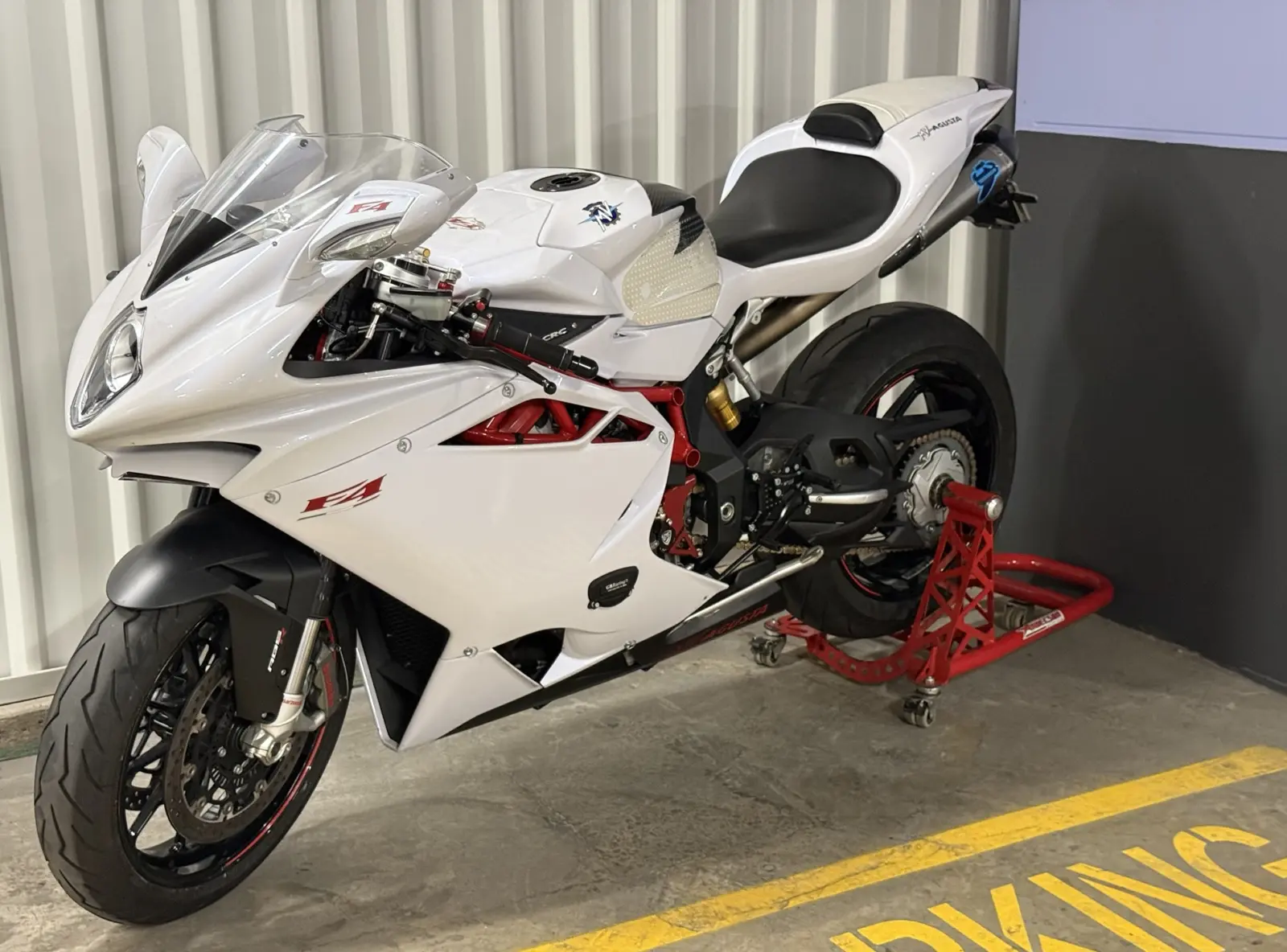
Book the MV Agusta F4. Pick your dates and book the MV Agusta F4 online, or call us and we will sort it with you.
Book NowCall 0468 011 118The engine note changes as soon as the road starts to climb. Cambewarra Mountain Road lifts out of the valley in a sequence of bends that asks a bike to pull cleanly, hold its line and then slow down gracefully near the top. At the lookout the reward is a wide view across the Shoalhaven and out toward the coast on a clear day. For this climb we would point experienced riders toward the MV Agusta F4, whose inline four gives strong, even pull on the way up and calm control when the bends tighten.
Everything to know before you book, from the licence rules to the bond, is on our Sydney motorbike hire page.
The climb from the valley floor
Every good ascent begins with the first few hundred metres, and on Cambewarra Mountain Road those early kilometres set the tone for the whole ride. The road leaves the lower country with a steady gradient and open, readable bends. It is a good place to settle into your riding position, check that the bike feels right and get a feel for the surface before the mountain bends start to close in around you.
Riders often make the mistake of arriving at the bottom of the climb already rushing. That leaves little room for the bends to come. Take a moment before you turn off the main road, select a gear that will keep the engine pulling smoothly, and set a pace you could hold comfortably all the way to the top. The climb is a long one, and a rider who starts calm arrives at the lookout with more energy and better judgement.
Watch for the transition from the valley to the mountain. The gradient steepens, the trees close in and the first tighter bend appears, usually sooner than you expect. Look for the signs that the road is about to change, such as the line of trees thickening or the shoulder narrowing, and be ready to brake in a straight line before each turn rather than halfway through it.
Bends, camber and braking on the mountain
The mountain bends on this road come in a rhythm of tighter turns and short straights. Each corner has its own camber and its own character, and the best approach is to read them one at a time. Brake in a straight line before the turn, then lean the bike gently into the bend. Once you are through the apex, roll on the throttle smoothly so the bike stands up and carries you to the next section.
Braking is where many riders lose control on a climb. Grip is best when you brake firmly and cleanly before the corner, then ease off as you turn in. Avoid grabbing a handful of brake mid-bend, especially if the surface is dusty or a patch of wet leaves sits on the line. Smooth inputs keep the bike planted and stop the front from washing out when you are most committed.
Look through the corner to the exit, not at the edge of the road below you. The mountain drops away in places, and a rider who fixes their gaze on the drop tends to drift toward it. Eyes up, shoulders relaxed and a steady grip on the bars keep the bike tracking well. Practise this on the lower bends before you tackle the tighter sections near the top.
Low-speed balance near the top
The final stretch before the lookout is where low-speed balance matters most. The bends tighten, the gradient can feel steeper, and you may be riding in second or first gear with the bike at walking pace. A bike that feels heavy or unstable at low speed is hard to control here, so take time to settle into a slow, deliberate rhythm. Keep the revs up enough that the engine responds, and use the clutch and throttle together with care.
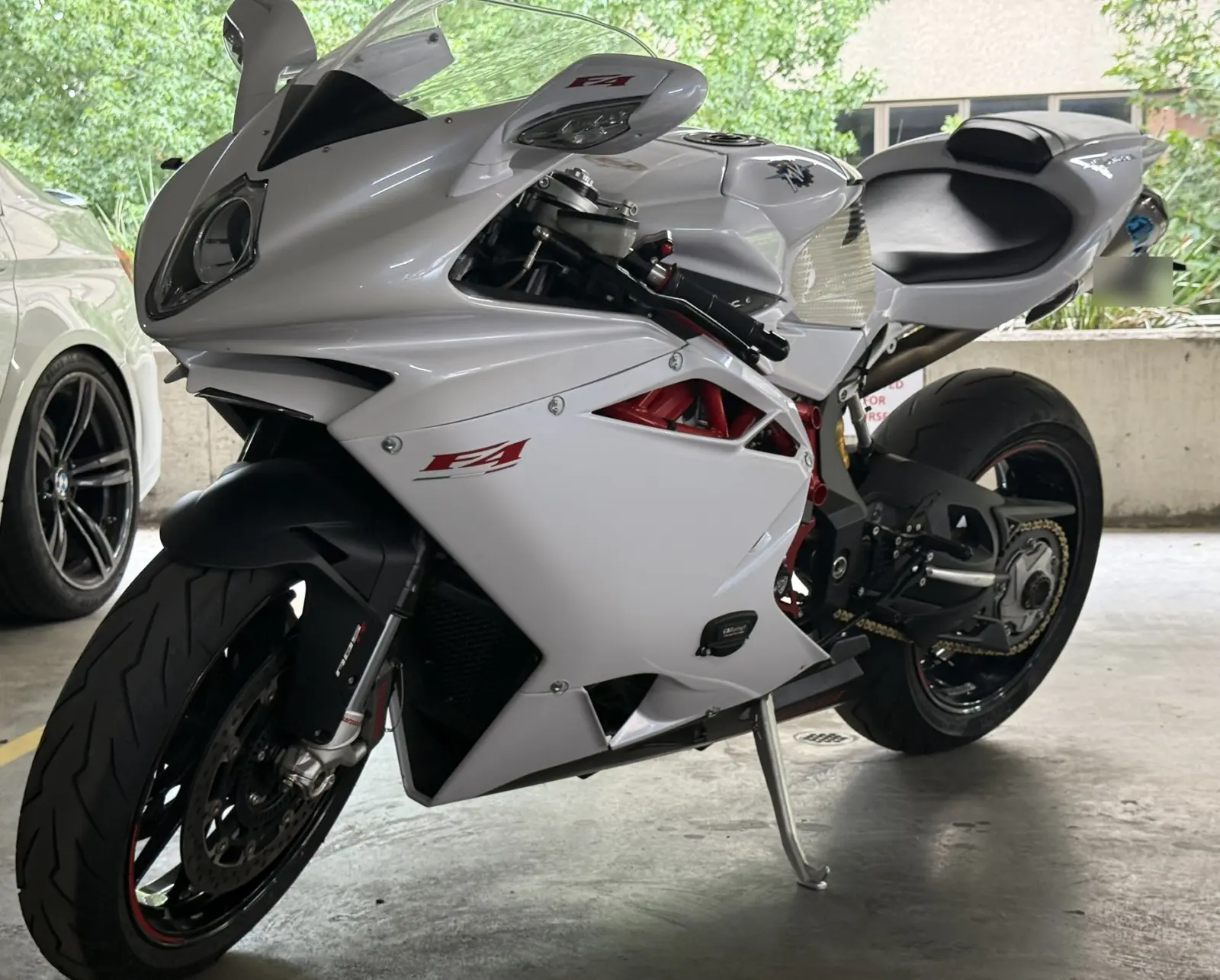
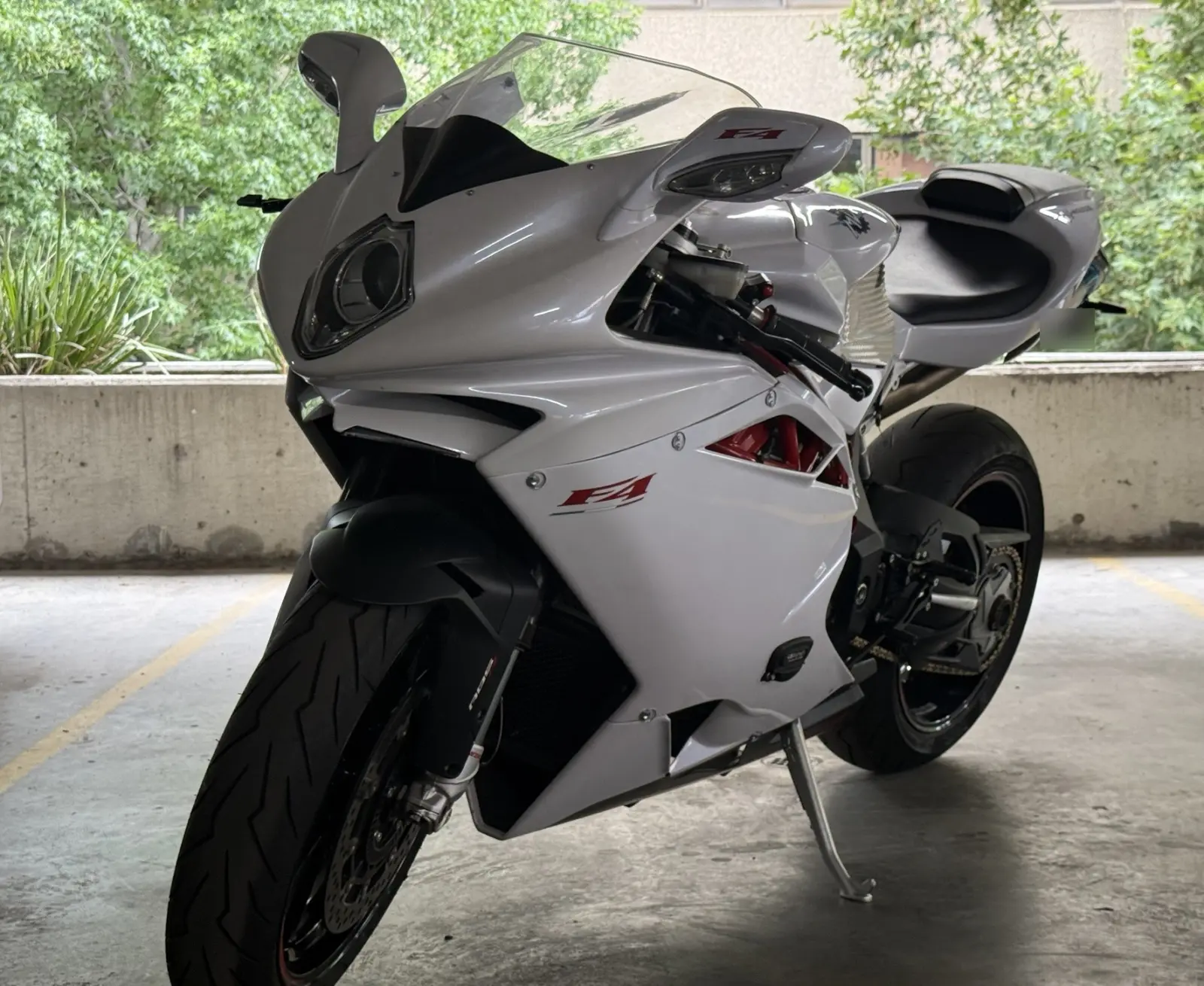
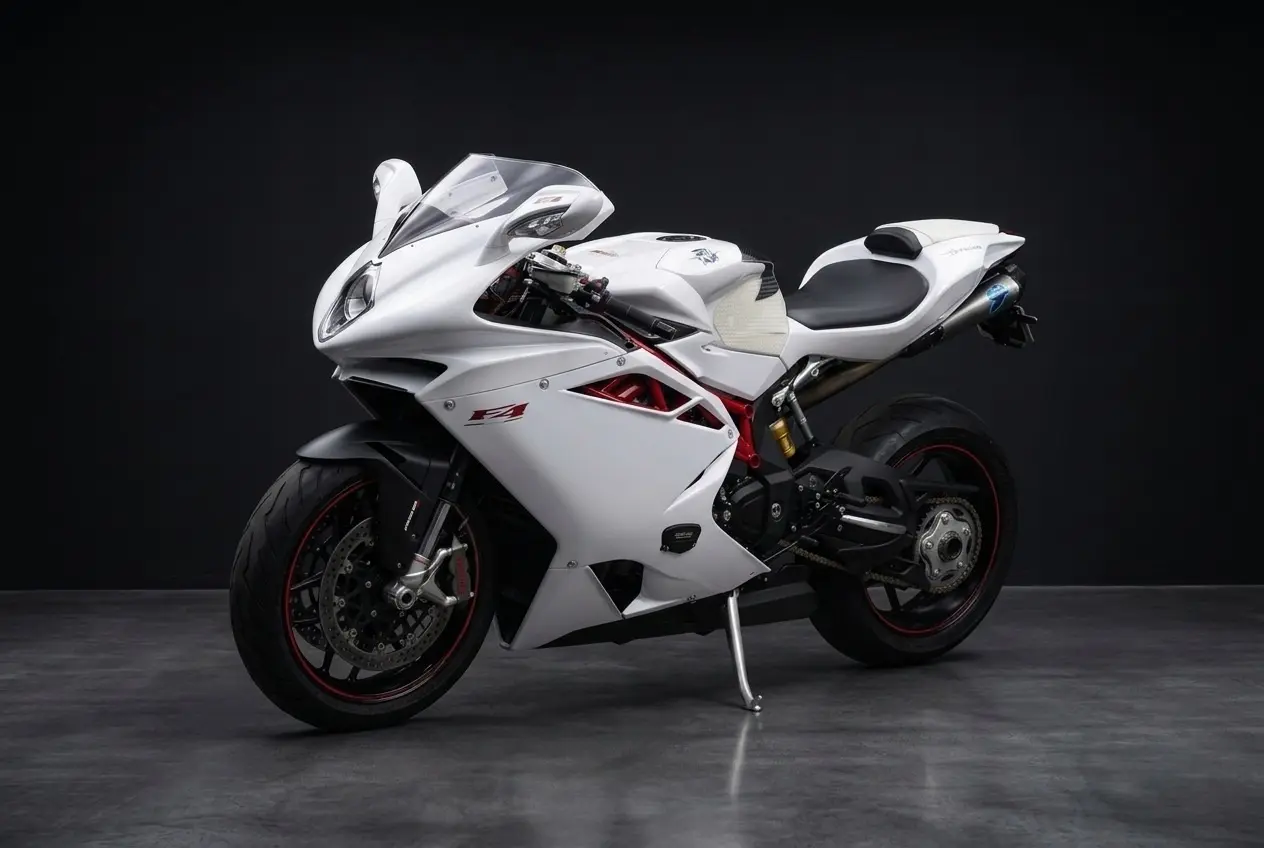
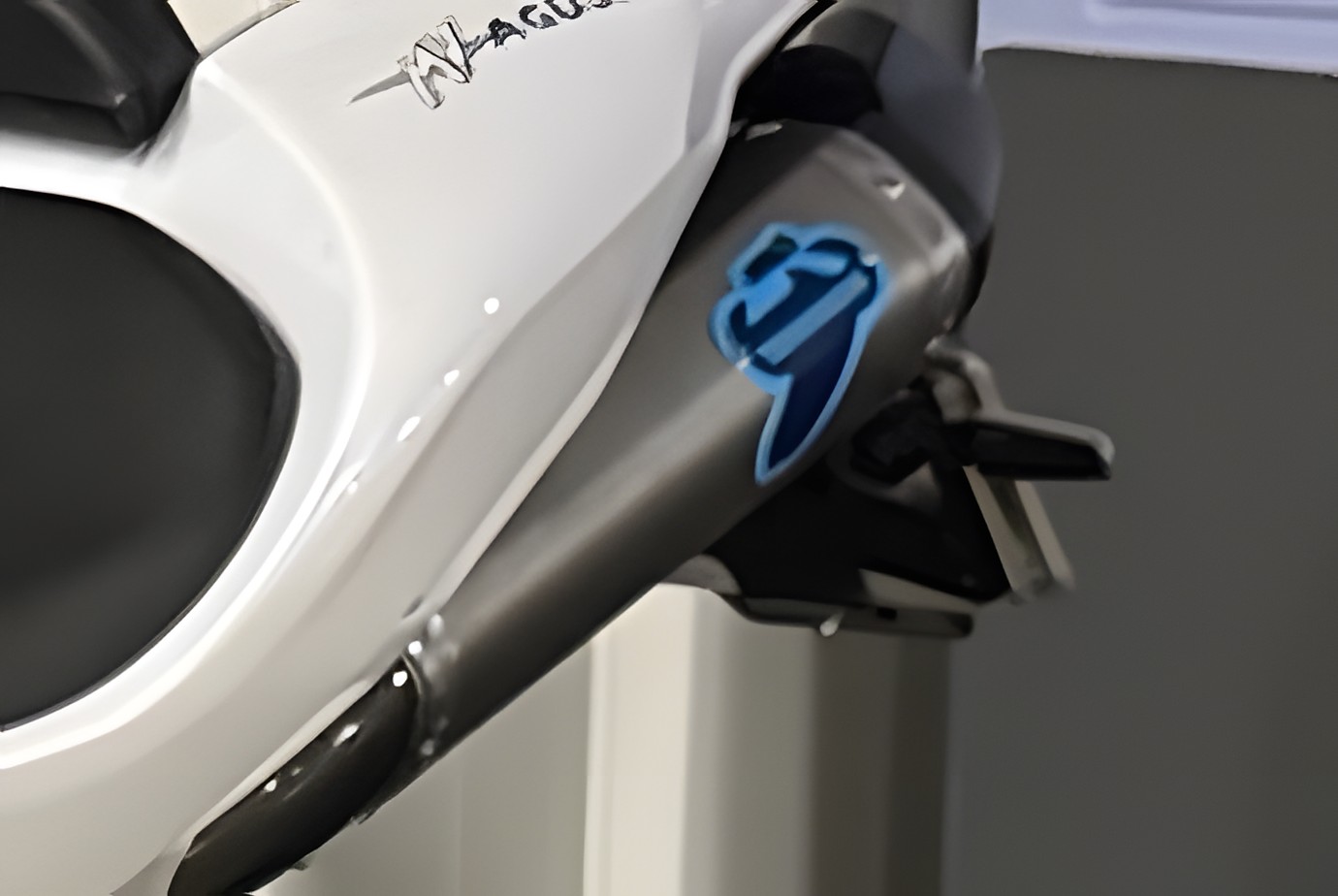
The MV Agusta F4 is well suited to this kind of riding. Its 998cc inline four delivers a smooth, controllable spread of power, which helps you hold a line at low speed without constant corrections. Pearl white paintwork and a red trellis frame make it an eye-catching machine, and the performance exhaust gives it a distinct voice when you are working through the bends and climbing toward the view.
Low-speed manoeuvres should be practised before the climb rather than discovered on it. Find a quiet car park, practise tight turns and slow stops, and get a feel for how the bike turns at walking pace. Once you are comfortable, the final bends of the mountain become a pleasure rather than a worry. Confidence at low speed is one of the most useful skills a rider can bring to a mountain climb.
Surface, shade and the mountain's weather
Surfaces on the mountain vary with the shade. Sections under thick tree cover stay damp long after the sun has risen, and leaves, bark and small debris gather on the edges of the lane. Some corners carry patches where the seal has worn, and painted lines can be very slippery in the wet. Ease your inputs over these areas and keep the bike upright through them, even if the road looks clean at first glance.
The mountain creates its own weather. Fog can settle in the hollows on cold mornings, and the temperature can drop noticeably as you climb. Wind funnels around the bends near the top, and a sudden gust can push you wide if you are not ready for it. Layer up before you start, and be prepared to slow down if visibility shortens or the road surface changes.
Gravel and loose dirt should be avoided altogether. Our road bikes are built for sealed roads, and any unsealed side track or lookout approach that looks rough should be left alone. Stick to the sealed route you have checked before you leave, and turn back if the surface changes in a way you do not expect. Good decisions on the mountain are made before the bends begin.
Stops for fuel, food and the view
Fuel should be sorted before you reach the foot of the climb. Services are spaced out in the surrounding country, and the stations in the nearby villages may close earlier than the main highway outlets. Check your range against the full loop, including a return trip, and leave a margin for the climb itself, since engines work harder on steep roads and fuel use rises accordingly.
Food and drink can be found in the nearby villages, and the lookout itself is a good place to stop for a break. Carry water, since riding in full gear on a warm day draws out more fluid than you expect. A light lunch works well, and it is easier to ride the tighter bends with a settled stomach than with a heavy meal weighing you down on the way up.
The lookout is a rewarding place to pause. Pull into a sealed car park well clear of traffic, turn the bike off and take a few minutes to enjoy the view. Check your tyres, mirrors and lights before the descent, and remember that the bends look different going down. Take your time, because the descent asks just as much care as the climb.
Want the MV Agusta F4 for your date? Pick your dates and book the MV Agusta F4 online, or call us and we will sort it with you.
Book NowCall 0468 011 118Timing the climb through the year
Autumn and spring are the most comfortable seasons for this climb. The air is cool enough to keep you alert, the mountain is usually drier than in winter, and the lookout has a pleasant mix of visitors without the peak-day crowds. Starting from 6am or later gives you a quiet road and a clear view of the valley as the morning light comes up, which is one of the great rewards of riding the mountain.
Summer can be hot and busy, particularly on weekends when day-trippers head up to the lookout. Ride early to avoid the heat, and expect more cars on the bends. Winter is cold, and frost or fog can linger in shaded corners well into the morning. In winter, give yourself extra time, use gentle inputs and keep your speed well within your comfort zone.
Weekday rides are the quietest, and the mountain feels much more like your own road when traffic is light. Watch for slow-moving vehicles and cyclists on the climb, and give them room when you pass. Good timing turns a demanding climb into a relaxed, enjoyable ride that you will want to repeat.
Hire rules and planning the day
Three points matter most when you plan this ride. Our bikes are self-drive and are collected from our Parramatta base, and a three-day minimum applies to every hire. To ride with us you need a full motorcycle licence held for at least three years, and you must be aged 25 or over on every bike. The MV Agusta F4 is a single-seat machine, so it is for solo riding only.
Plan the route with the climb and the return in mind. Map the sealed roads, the stops and the riding time, and leave room in your schedule for enjoying the lookout. Check road conditions with Transport for NSW before you leave, because works, closures and weather can change the mountain road from one day to the next, and it is better to know before you set out.
Keep the overnight rules in mind when you plan a longer trip. The bike must be kept in a locked garage or secure off-street parking between 9pm and 6am, so choose accommodation with a safe place to keep it. A sensible plan gives you a relaxed start, a steady climb and a safe place to rest at the end of the day.
Safety on the climb and the ride home
Protective gear is essential on a mountain road. A well-fitted helmet, gloves, a jacket with armour, long pants and sturdy boots reduce the risk of injury if you come off. You can hire riding gear for a fee or bring your own. Make sure the helmet fits snugly, the visor is clean and the gloves give you a firm grip on the bars through the tighter bends.
Fatigue and cold are the quiet risks on this climb. Stop before you feel tired, drink water and take breaks in the sun if the morning is cold. Alcohol has no place on the mountain or on the way down. Riding within your ability means choosing a pace that matches your skill, your bike and the conditions, however quiet the road looks at the foot of the climb.
Wildlife and changing light deserve attention too. Animals move on the mountain roads near the edges of the bush, particularly at dawn and dusk, and sudden shade can hide a hazard around a bend. Keep your lights on, ride with a steady pace and be ready to brake gently. When you are ready to climb the mountain, the MV Agusta F4 is available to book at this page, and the lookout is waiting at the top.
Frequently asked questions
Is Cambewarra Mountain Road suitable for a big four-cylinder bike?
Yes, for an experienced rider who wants a strong, controllable climb. The MV Agusta F4 has a 998cc inline four with smooth power delivery, which helps on the steeper sections. Pay attention to low-speed balance near the top, practise slow manoeuvres before you climb and keep your pace steady through the tighter bends toward the lookout.
What should I watch for near the top of the climb?
The final bends tighten and the road can feel steeper, so expect to ride at walking pace in lower gears. Watch for patches of worn seal, leaves in the lane and gusts of wind around the bends. Look through each corner to the exit, brake before you lean and keep the bike upright. Slow is safe on the final stretch.
How long does the climb and lookout stop take?
Allow a relaxed morning for the climb and the lookout. The ascent itself is more demanding than long, so take it at a comfortable pace and give yourself time to stop, take in the view and settle before the descent. Riders who rush the bends tend to tire faster, so a steady, unhurried approach gives a better ride.
Is there fuel and food near the mountain?
Fuel is spaced out in the surrounding country, so fill up before you reach the foot of the climb. Stations in the nearby villages may close earlier than main highway outlets. Food is available in the villages, and the lookout is a good spot for a break. Carry water and a light snack for the ride.
When is the best time of year to climb the mountain?
Autumn and spring suit this climb best, with cool air, drier roads and manageable crowds at the lookout. Summer is hot and busy on weekends, so ride early. Winter can bring fog and frost in the shaded corners, so allow extra time and ride gently until the road warms up.
What gear do I need for the lookout ascent?
Full protective gear is the sensible choice. A well-fitted helmet, gloves, a riding jacket with armour, long pants and sturdy boots cover you for cold mornings and warm afternoons alike. Layers help on the climb, since the temperature drops as you gain height. Keep your visor clean and your gloves dry for a confident grip.
Ready when you are. Pick your dates and book the MV Agusta F4 online, or call us and we will sort it with you.
Book NowCall 0468 011 118