

Book the Ducati 1199R. Pick your dates and book the Ducati 1199R online, or call us and we will sort it with you.
Book NowCall 0468 011 118The Cobb Highway runs through the heart of the Riverina, where the land opens into wide plains, irrigation channels and long, clean horizons. For a motorbike rider it is a different kind of ride from the mountains: fewer corners, more space and a steady rhythm that rewards focus and good planning. The best months depend on what you want from the day. Winter brings cold, clear mornings, spring paints the paddocks with colour, and summer heat can turn a long run into a test of endurance.
New to riding with us? Our page on motorbike hire in Sydney covers the bikes, the rider rules and how pick-up works.
Why the Riverina suits a long, steady ride
The Riverina is one of the most open landscapes in New South Wales, and the Cobb Highway carries you through it with very few distractions. Instead of tight switchbacks, you get long straights, gentle bends and wide views that stretch to the horizon in every direction. For riders who enjoy a steady rhythm and a chance to settle into the bike, that openness is the appeal. It is a ride built on concentration rather than cornering drama.
The plains are also a good place to test your fundamentals. Smooth throttle control, steady lines through slow bends and early, gentle braking all matter when the road runs straight for kilometres at a time. Many riders find they relax into the ride after the first hour, which is exactly when attention can drift. Staying alert on a quiet road is the real skill, and the sections below explain how to manage it through each season.
Choosing the right season is the biggest decision you will make. The Riverina swings from cold, foggy winters to hot, dry summers, and the spring and autumn months sit in the sweet spot between them. Each season changes the road, the air, the wildlife and your fuel plan, so think about the kind of day you want before you pick a date.
Reading the Riverina plains
Flat country plays tricks on the eye. Distant trucks and farm vehicles look closer or further away than they are, and a long straight ahead can make your speed feel lower than it really is. Scan the road well ahead and check your mirrors regularly, because a vehicle coming up behind you on a long straight can arrive faster than you expect. Build a habit of glancing at the gauges and the road ahead in equal measure.
Wind is the other feature of open country. A strong crosswind across an exposed stretch can push a light bike sideways, especially when a heavy vehicle passes and the air pressure shifts around you. Hold a relaxed grip, keep your body loose and let the bike track through the gust rather than fighting it. Easing off gently before a large vehicle comes alongside gives you more margin than any quick correction.
Surfaces change more often than the scenery suggests. Sections of the highway may have patched areas, edge breaks and loose material where farm entries join the road. Read the surface through the front tyre and keep your inputs gentle. If the edge looks broken or rough, move towards the centre of your lane, where the seal is usually most even.

Winter: frost, fog and a low sun
Winter in the Riverina is the season for crisp, clear days and cold mornings. Frost can settle on the paddocks before dawn, and fog often sits low over the flats, cutting visibility until the sun lifts it. Plan to leave after the fog has cleared, which is usually later in the morning than you might expect. The afternoons can be pleasantly mild, which makes winter a good choice for a warm lunch in a country town.
The low winter sun is the real hazard on a clear day. It sits almost directly in your line of sight when you are heading east or west, and it can wash out the road and the vehicles ahead. Good eye protection, a clean visor and a little extra following distance make a big difference. Watch for patches of icy-looking shade where the sun has not yet reached the road surface.
Dress for the cold start, not the warm finish. A thermal base layer, a windproof outer layer, warm gloves and a neck warmer will cover the first hour, and you can shed layers once the sun is up. Fuel up before you leave, because the towns are spread out and cold weather makes you tire faster. Winter days are short, so plan to finish before the light goes.
Spring: paddocks in colour
Spring is the season many riders choose for the Riverina. The days warm steadily through September and October, the frosts fade and the paddocks begin to show colour. Wheat and canola fields turn from green to gold, and the open country looks fresh and alive. The air is mild enough to ride comfortably for long stretches without the strain that summer brings.
Spring also brings wind and sudden weather changes, so keep an eye on the forecast. A warm, still morning can turn into a windy afternoon, and showers can cross the plains faster than you expect. Pack a light waterproof layer and check the sky before you set out. Wet weather on a flat, quiet road can be slippery where oil and dust have built up over a dry spell, so ease off earlier than you normally would.
Spring weekends are relaxed on the Cobb Highway, with far fewer visitors than on the coastal routes. Traffic is mostly local farm vehicles and heavy transport, which keeps the road purposeful. Take time in the country towns to stop and look around. A good spring ride is one where you have time to enjoy the change in the land, not just the distance covered.

Autumn: cool, steady and quiet
Autumn is the most comfortable time to ride the Cobb Highway. Days cool through March, April and May, the summer heat fades and the air carries a clean, steady feel. Riding for several hours becomes easy, and the plains look their best in the soft light of the afternoon. Many riders consider autumn the sweet spot for a longer trip with a few planned stops along the way.
Autumn also brings fog and frost on the coldest mornings, so the winter precautions still apply in the first hours. A light layer under your jacket and warm gloves for the start will keep you comfortable until the sun is up. The afternoons often reach a pleasant temperature for a relaxed ride, and the road is generally quiet outside school holidays.
Autumn is also sowing time on the plains, so tractors and seeding equipment may share the road near farm entrances. Dust can hang in the air after machinery passes. Keep your distance, watch for vehicles turning off the highway, and pass only when the road is clear and visibility is good.
Summer: beating the heat
Summer on the Riverina plains is hot and dry, and temperatures can climb well above what is comfortable for riding. Heat drains concentration and water quickly, and the dark seal adds warmth from below. For most riders the answer is simple: ride early, finish early and avoid the middle of the day, when the heat peaks and the air shimmers over the road.
Leaving as soon as the morning allows gives you cool air, quiet roads and a window to cover the miles before the afternoon heat builds. Wear breathable gear, drink water regularly and stop in shaded spots to rest rather than pushing on when you feel the heat getting to you. Dehydration creeps up quietly, so sip water even when you do not feel thirsty.
Summer also brings storms, dust and strong winds. A hot afternoon can build into a fast-moving storm that drops heavy rain and cuts visibility in minutes. Check the forecast, carry water and watch the horizon for changing cloud. If conditions turn, slow down, pull off onto firm ground and wait it out rather than riding into the weather.

Want the Ducati 1199R for your date? Pick your dates and book the Ducati 1199R online, or call us and we will sort it with you.
Book NowCall 0468 011 118Road character: straights, sweepers and passing trucks
The Cobb Highway is a sealed road with long straights, broad sweepers and few tight corners. The bends are usually easy to read, but a dip or crest can hide the apex, so set up early and aim for the exit rather than the edge of the seal. The surface is mostly good, though patches of worn seal and drop-offs at the edges appear in places.
Traffic is the big variable. Heavy transport, grain trucks and farm vehicles use the highway, and they can be slower on the uphill sections and wider than you expect. Pass only when the road is clear for a long distance and you can see the oncoming lane properly. Give heavy vehicles room, avoid sitting in their blind spots and watch for debris they may throw up.
Crowds are rarely a problem on this route. Weekend traffic is light outside school holidays, and you can ride for long stretches without seeing another rider. That quiet is a gift, but it also means help can be a long way off. Let someone know your route, carry a basic repair kit and make sure your phone is charged before you leave the last town.
Fuel, food and town stops
Fuel is the most important planning step on the Cobb Highway. Towns can be a long way apart, and a stretch that looks short on a map can take much longer with a headwind or a detour. Fill up before each long gap, keep an eye on your range and treat half a tank as your signal to start looking for the next station. Never assume a fuel stop will be open when you arrive.
Food stops are part of the charm. The country towns along the way have cafes, pubs and bakeries where you can get a hot meal, a coffee or a cold drink in the shade. Plan your lunch around the towns rather than the clock, and allow for opening hours, which can be shorter outside peak periods. Pack some snacks in case you reach a closed town or a quiet stretch.
Breaks should be regular and planned. A stop every hour or so keeps your focus sharp, lets you check the bike and gives your back and shoulders a chance to loosen. Find a level, firm spot to park away from soft verges, and remember that a proper break is far more restorative than a quick snack taken on the move.
- Fill the tank in the last larger town before a long stretch
- Check the range against the distance to the next fuel
- Carry water even on short stops
- Plan lunch in a country town with a cafe or bakery
Wildlife, fatigue and staying alert
Wildlife is the biggest hazard on the Riverina plains, especially at dawn and dusk. Kangaroos, emus, sheep and cattle can wander onto the road without warning, and a collision with a large animal can be serious. Slow down in the low light, scan the verges constantly and watch for movement in the paddocks beside the road. Never rely on a single sighting, because animals often travel in groups.
Fatigue is the quiet threat on a long, flat road. The sameness of the landscape can dull your attention faster than you expect, and the steady hum of the engine becomes a trap on a long afternoon. Take a break every hour, shift your position on the seat, drink water and stop if your eyes feel heavy. Riding within your ability matters most when the road seems easy, because that is when it is tempting to relax too much.
Alcohol and riding never mix, and that includes the evening meal after a long day in the saddle. Make sure your gear is in good condition, your lights are working and your tyres are at the right pressure before you leave. Check your fuel plan again before the last stretch, because a breakdown on an empty road is a long walk.
Planning the ride and booking the Ducati
Here is the planning detail that matters before you book. Bikes are self-drive and hired from Drive Tribe in Parramatta, with a three day minimum hire that suits a proper loop across the plains. You must hold a full motorcycle licence that you have held for at least 3 years, and be aged 25 or over on every bike. Between 9pm and 6am the bike is kept in a locked garage or secure off-street parking, so plan for that at every overnight stop.
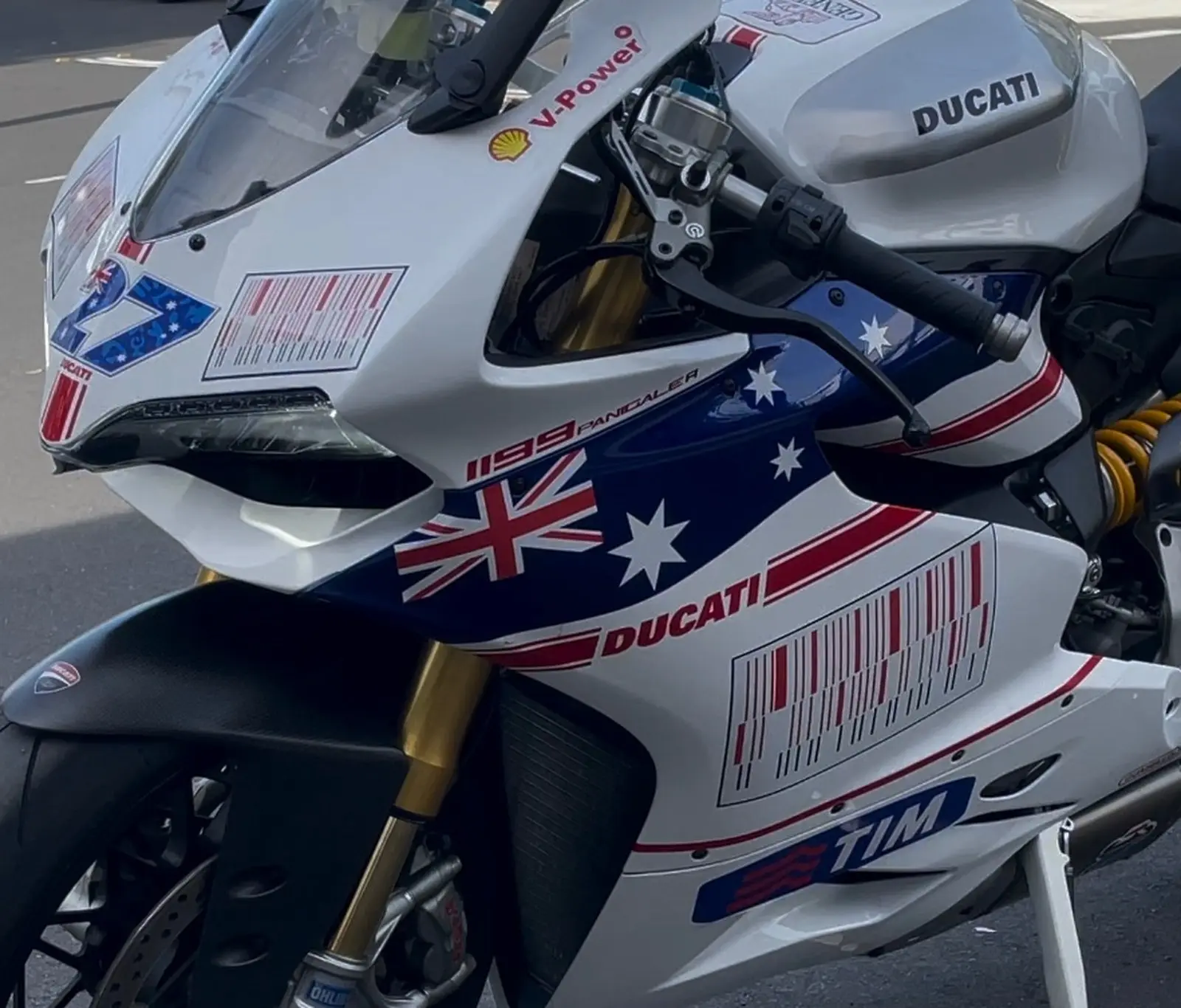
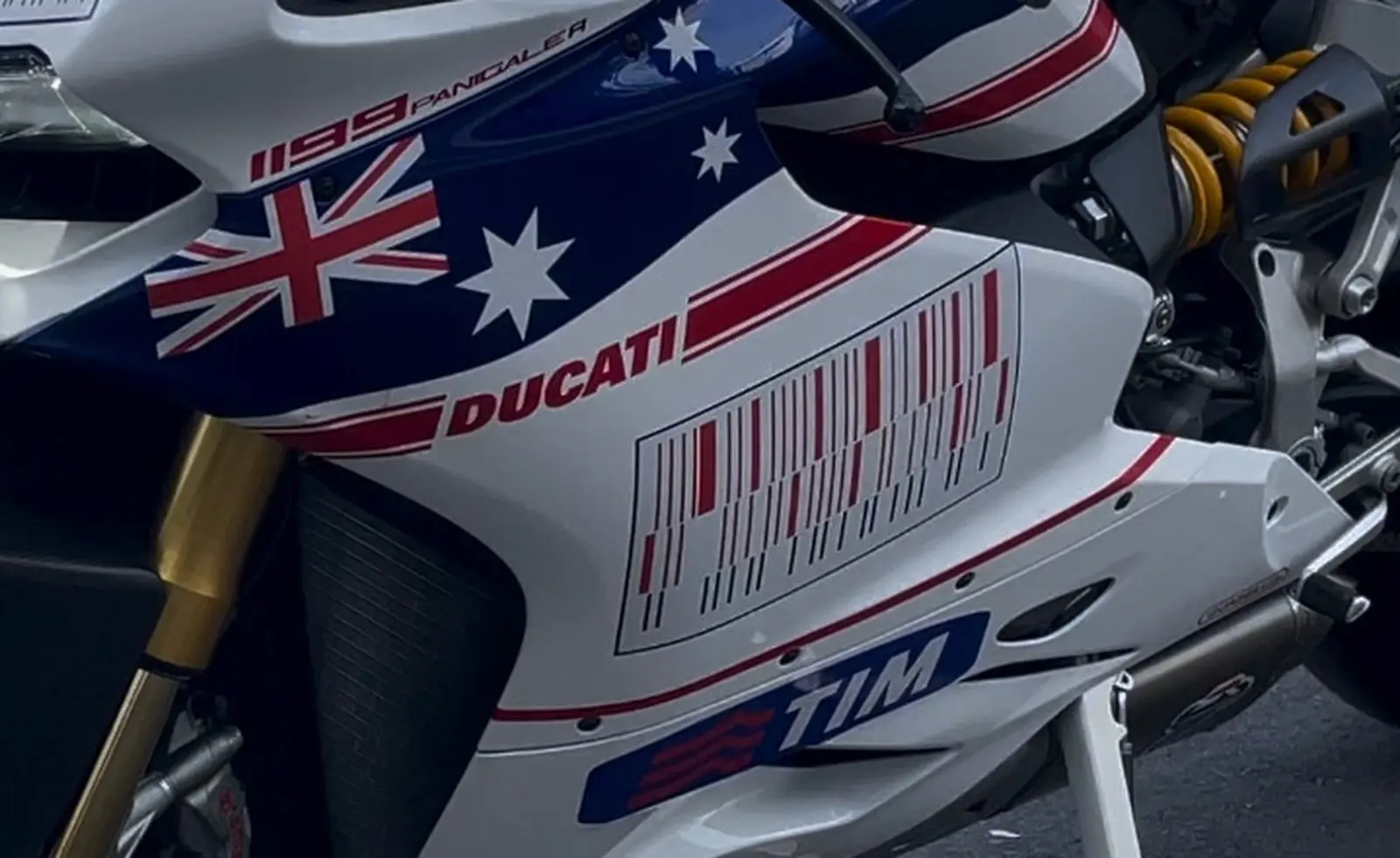
The Ducati 1199R is a superbike built for experienced riders, and its 143 kW V-twin rewards a rider who knows how to use it. On a long, open highway like the Cobb it feels composed and purposeful, provided you ride within your limits. Its Australian flag livery is hard to miss on a quiet road. You can see the bike on our Ducati 1199R page and browse the rest of the range on our fleet page.
Check road conditions with Transport for NSW before you leave, because works, closures and weather can change at short notice. Set your route, plan your fuel stops and choose a season that suits the way you ride. Once your dates are set, the Ducati is ready to take you across the plains on a ride that is quiet, focused and memorable.
Frequently asked questions
When is the best time of year to ride the Cobb Highway?
Autumn and spring are the most comfortable seasons on the Riverina plains. Autumn offers cool, steady days with quiet roads, while spring brings colour across the paddocks and mild afternoons. Winter suits riders who can handle cold, foggy mornings and a low sun, and summer is best approached with very early starts and plenty of water. Choose the season that matches the kind of ride you enjoy most.
Is the Cobb Highway a good road for a long first ride?
It can be, provided you are an experienced rider who is comfortable at steady speeds on long roads. The lack of tight corners makes it less demanding than mountain routes, but the long distances between towns, the wind and the heavy traffic all require concentration. Build a conservative plan, ride within your ability and treat the quiet stretches with the same attention as busy ones.
How far apart are the fuel stops?
Towns on the Riverina plains can be a long way apart, so the spacing depends on which section you ride. Plan from town to town and check your range before each long gap. Fill up at the last larger town before a stretch of open road, and never rely on a fuel stop being open when you arrive. A reserve margin is sensible on any leg that looks longer than your range.
What should I watch for on a flat, straight road?
The main hazards are wildlife at the edges, drifting attention on long straights, crosswinds on exposed sections and heavy vehicles that pass with a rush of air. Keep scanning the road well ahead and the verges beside it, take regular breaks and ease off before passing trucks. Vary your head movements and keep a relaxed grip so you can respond smoothly to a gust.
Are there places to stop for food along the way?
Yes, the country towns along the highway have cafes, pubs and bakeries where you can stop for a meal or a cold drink. Opening hours can be shorter outside busy periods, so check ahead or plan your lunch for the middle of the day. Carry snacks and water as a backup in case a planned stop is closed or the next town is further than you expected.
What is the biggest mistake riders make on long flat roads?
The most common mistake is letting attention drift. The landscape is uniform, the road is straight, and it is easy to ride on autopilot for an hour without noticing. Build in regular breaks, shift your position on the seat, drink water and keep scanning the verges and the horizon. Treat every quiet stretch as seriously as a busy intersection, and you will arrive fresher and safer.
Ready when you are. Pick your dates and book the Ducati 1199R online, or call us and we will sort it with you.
Book NowCall 0468 011 118