

Book the MV Agusta F4. Pick your dates and book the MV Agusta F4 online, or call us and we will sort it with you.
Book NowCall 0468 011 118A long descent can catch out a rider who has been relaxed on the flat. The bike gathers speed quietly, the brakes start to feel busy and a heavy squeeze on the rear can lock the wheel in a bend. The answer is not to avoid steep roads but to plan the descent before the gradient begins. This piece explains how to combine engine braking with a light touch on the rear brake, so the bike stays settled and the rear wheel keeps turning. The MV Agusta F4 rewards a rider who manages speed with a calm, measured hand.
Everything to know before you book, from the licence rules to the bond, is on our Sydney motorbike hire page.
Why descents ask more of the brakes
On a steep descent gravity works on your bike the whole time, pushing it forward and loading the front wheel. That weight shift helps front-end grip, but it also makes the rear wheel lighter and easier to lock. A rider who arrives at the top of a grade with too much speed is forced to brake harder, and that is when the risk climbs.
The escarpment roads west of Sydney show the challenge well. Their grades are steady, their bends come close together and the views draw your eye away from the road at the wrong moment. Expect the bike to gather speed quickly once the road drops, and treat the first few hundred metres as the most important part of the descent.
Planning is the answer. Decide where you will slow, which gear you will use and how much room you need before each bend. A descent handled from the top is far calmer than one sorted out halfway down with the brakes already warm.
Choosing the right gear before the grade
Select a lower gear before the descent begins, not when the bike is already rolling quickly downhill. Changing down while the bike is leaning or braking can unsettle it, so make the change on a straight section while the bike is upright and steady.
A gear that suits the grade lets the engine hold the speed for you. You will feel the engine slow the bike as the throttle closes, and that resistance is your first line of control. Find the gear that keeps the bike comfortably in check, with room to move up if the road eases.
Check the gradient before you commit. Road signs, the lie of the land and the note of the engine all give clues. If the grade looks steeper than expected, drop another gear early rather than relying on the brakes to recover the situation later.

Engine braking: letting the motor do the work
Engine braking is the quiet tool on a long descent. When you close the throttle, the engine resists the rear wheel and slows the bike without any hand or foot involvement. Used well, it takes much of the heat and wear off the brakes and gives you a predictable rate of deceleration.
The effect is strongest in the lower gears and builds as the revs rise. Keep the bike in a gear where the engine is working but not labouring. Avoid snapping the throttle shut, which can unsettle the rear wheel, and roll off gently instead.
Engine braking works best when the bike is upright. A sudden change of throttle while leaning into a bend can make the rear step out, so set your speed on the straight and let the engine do its job through the corner.
A light touch on the rear brake
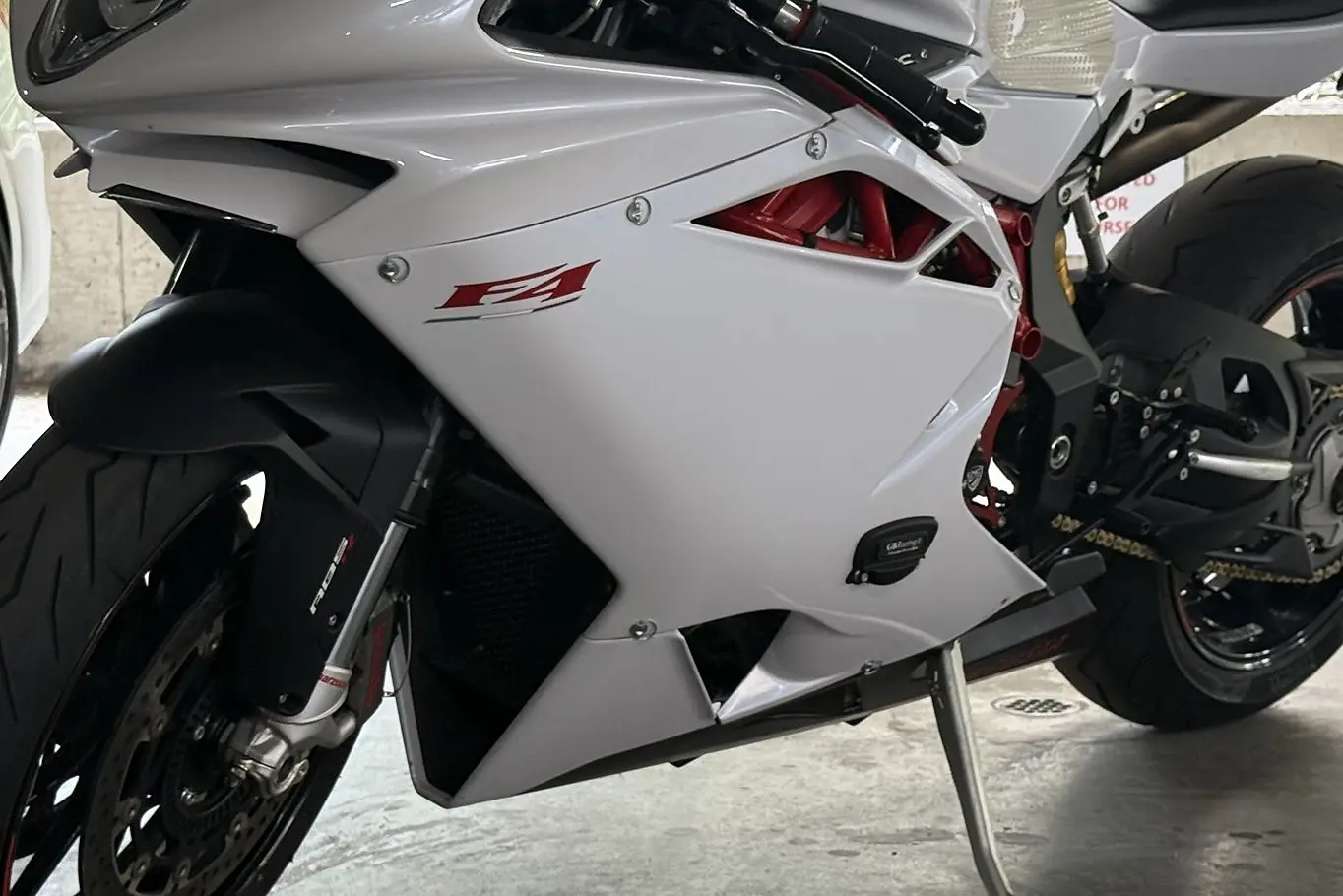
The rear brake can help on a descent, but only with a light and steady touch. Apply it gently, with just enough pressure to keep the bike settled, and avoid any sudden or heavy squeeze. A long, firm hold on the rear brake is the most common way to lock the wheel on a grade.
Think of the rear brake as a trim tool rather than a stopping tool. It stops the bike running away while the engine handles most of the slowing. If you feel the rear begin to skip or chatter, release the pressure immediately and let the wheel regain its grip before you try again.
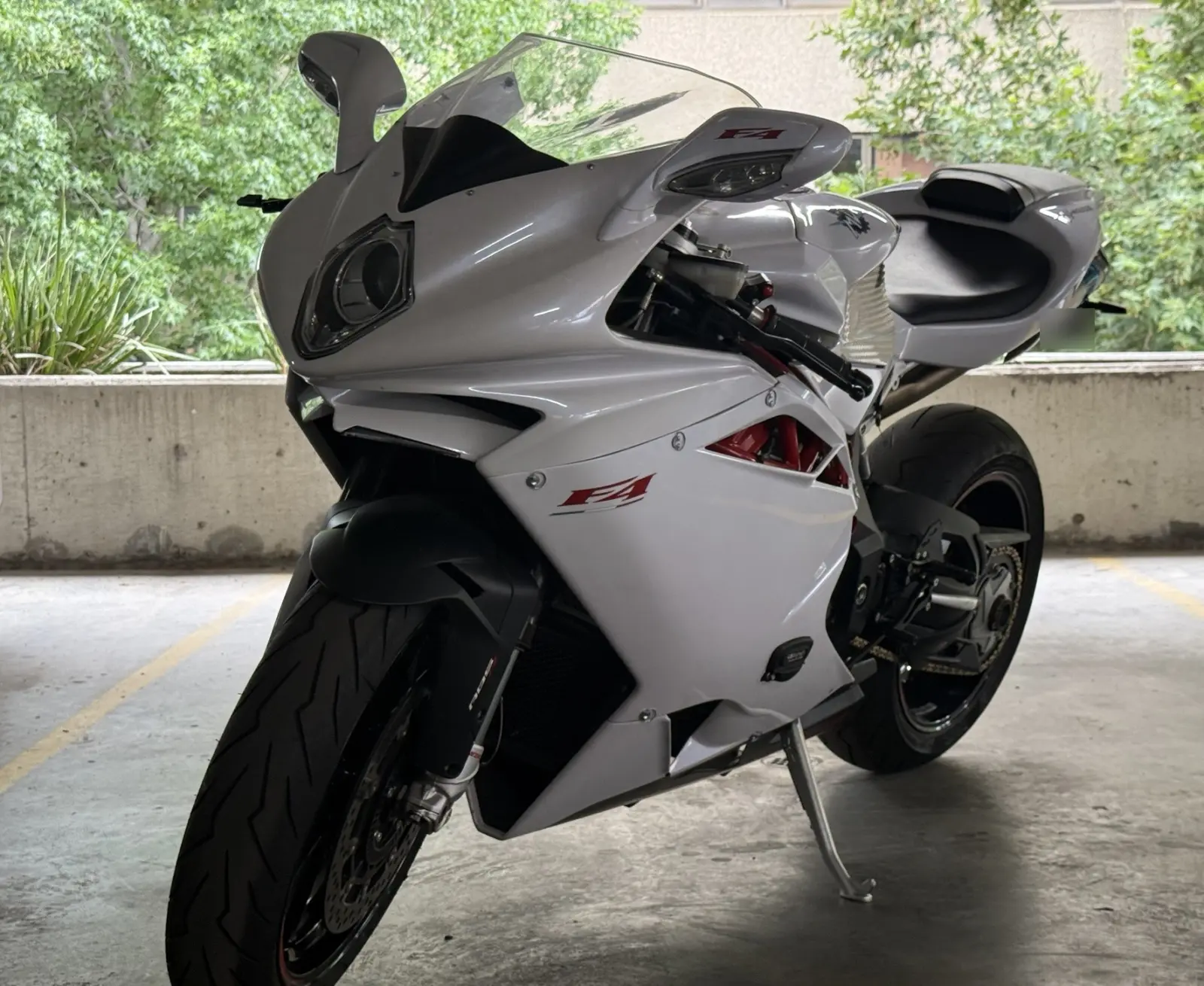
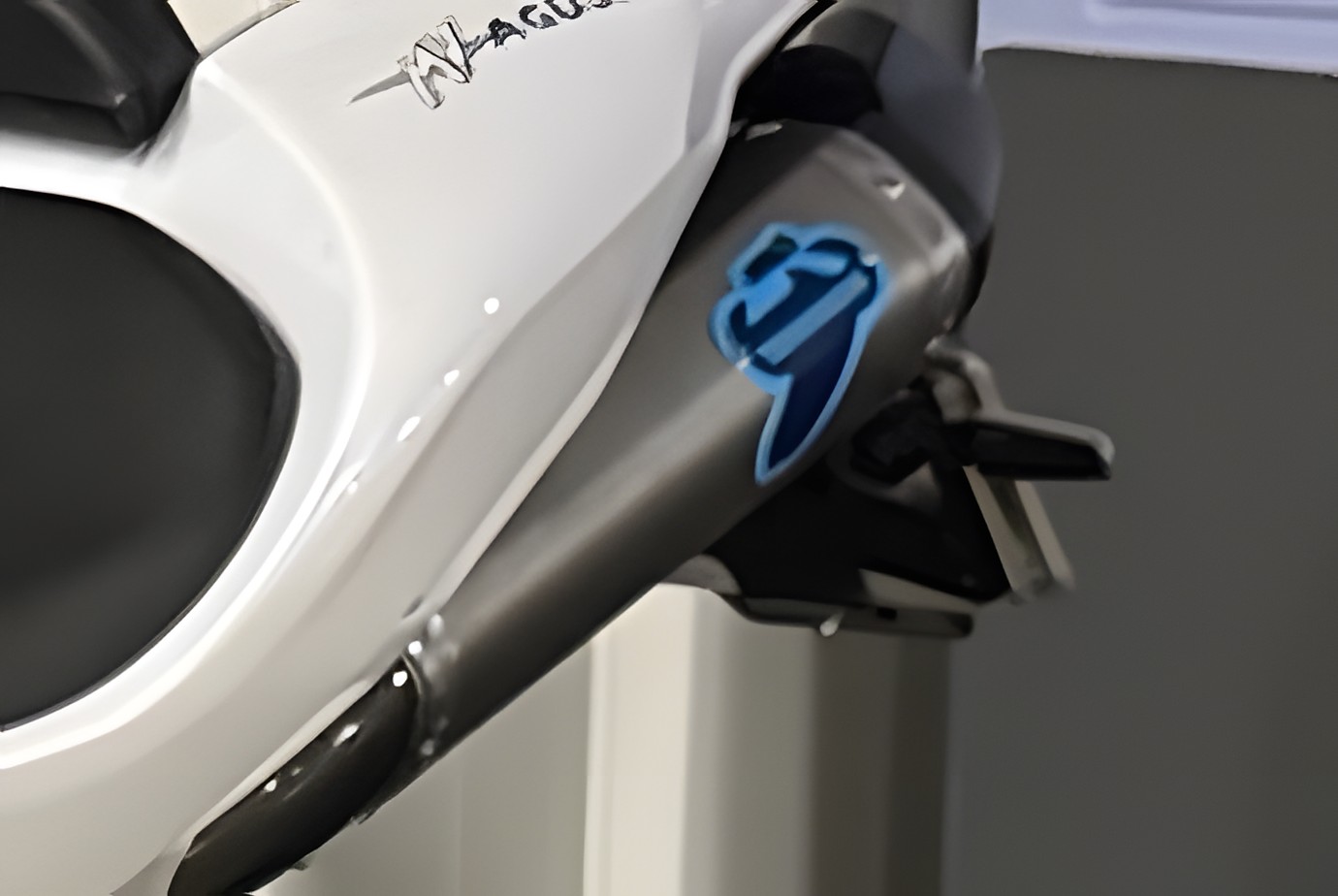
The MV Agusta F4 is a striking bike for a rider who respects the brakes. Its 998cc inline four and performance exhaust give it a strong, lively character, and that character is best matched with a patient approach on long descents, where the brakes are asked to hold steady for longer than most riders expect.
Keeping the rear from locking on loose or wet surfaces
Surface matters enormously on a steep road. Wet bitumen, fallen leaves, dust and grit all reduce the grip of the rear tyre, and the wheel can lock with much less pressure than on a dry day. Adjust your technique as soon as the surface changes, and expect the rear to need even less brake than usual.
Look for shiny patches in shaded hollows, where moisture lingers long after the rest of the road has dried. A thin film of dust or grit on a bend is just as slippery, and it often hides beneath a clean-looking surface. Ease off the throttle earlier, reduce your engine braking slightly and make smaller, slower inputs.
If the rear begins to slide, ease off the brake and keep the bike upright. Do not add more brake in an attempt to stop the slide, since that usually deepens it. Steady the bars, look where you want to go and let the wheel regain traction before you resume any braking.
Hairpins and bends on the way down
Hairpins are where a descent becomes demanding. The bike must slow significantly, turn sharply and then accelerate out of the bend, and each stage needs a clean set-up. Brake in a straight line before the entry, select the right gear and roll on gently through the apex.
The inside of a hairpin can be tighter than it looks from above, and the outside edge may be less clear. Use the full width of the lane where the road allows, and keep your eyes up on the exit. A bend that narrows unexpectedly is the moment when a rider must trust a slow, steady approach.
Oncoming traffic on mountain bends can use more of the road than expected, particularly larger vehicles. Keep to your side of the centre line, make your presence visible early and never assume the oncoming driver will hold their line through a tight turn.
Want the MV Agusta F4 for your date? Pick your dates and book the MV Agusta F4 online, or call us and we will sort it with you.
Book NowCall 0468 011 118Best time of day and season on the grades
Autumn and spring are the best seasons for long descents. Temperatures are moderate, the roads are usually dry and the brakes do not overheat as quickly as they can on a summer afternoon. Summer heat can make the road hot and the brakes work harder, while winter brings cold, damp mornings, frost on shaded bends and fog in the valleys.
The early morning is the most relaxed time to ride steep roads. Traffic is lighter, the surface is cooler and the light is soft. Let first light come up before you set out, since no ride should begin before 6am. Midday brings heavier traffic and heat, and afternoons can bring a cool change that wets the road quickly.
Before you set off, check conditions with Transport for NSW, since roadworks and closures often affect steep roads. Weekend traffic on popular mountain routes can be heavy, with visitors pulling over at lookouts, so keep a generous gap and be patient with slower vehicles.
Fuel and rest stops on the way up and down
Fuel is easiest to find in the larger towns on the main road, and steep country often has fewer stations on the side roads. Top up before you start a long climb, so you arrive at the top with a comfortable margin and no urgent need to refuel on a grade.
Food stops are a welcome break on a long descent. A café in the mountain towns is a good place to rest, but eat lightly, since a heavy meal before a demanding bend can leave you sluggish. Drink water regularly, especially in warm weather, because climbing and braking both take a toll on your body.
Rest on level ground, well clear of the carriageway and away from the edges of lookouts. Check the brakes and tyres while the bike is cool, and make sure the chain and controls are in good order. A pause at the top of a grade lets your hands and head reset for the descent.
Gear, fatigue and wildlife on the grades
Good gear protects you if a slide happens on a steep road. A full face helmet, gloves, a protective jacket, long trousers and boots that cover the ankles belong on every ride. Sturdy gloves help your grip on the bars and on the brake and clutch levers, which matters a great deal on long descents.
Fatigue is a serious issue on mountain roads. Concentration fades on repetitive bends, and a tired rider may apply the rear brake harder than intended. Stop every hour or so, stretch, drink water and return to the road only when you feel alert.
Kangaroos and wallabies may appear near the edges of the forest at dusk and dawn. Slow down during those hours, and cover the brake lightly when you see movement, so you can react without a sudden hard squeeze that could lock the rear.
Hire rules and booking the MV Agusta F4
Each rental is self-drive and starts from our Parramatta base, with a three day minimum. Overnight the bike is kept in a locked garage or secure off-street parking between 9pm and 6am, so plan where you will stop for the night. Trackers sit on every bike in the fleet.
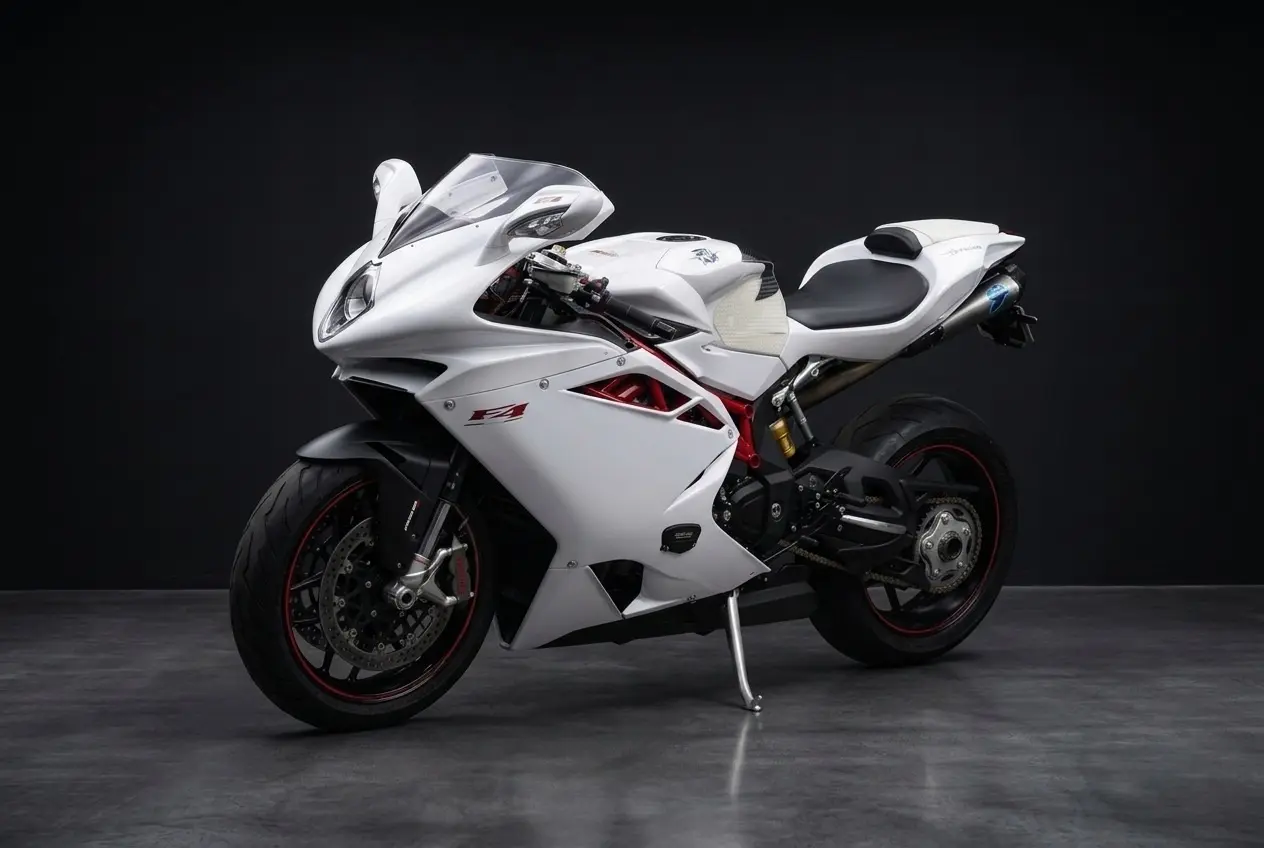
The MV Agusta F4 is a 998cc inline four with 143 kW, finished in pearl white with a red trellis frame. It suits experienced riders who want a focused, striking machine on demanding roads, and it rewards a calm approach to every descent.
Ready to ride the grades? Book the MV Agusta F4, plan your descents before you leave and let us know your route when you book so we can help you prepare. Browse the full fleet for the other options.
Frequently asked questions
Should I use the rear brake on a long descent?
Only lightly. The rear brake works best as a trim tool that keeps the bike settled while the engine does most of the slowing. Apply it with a gentle, steady touch, and release the pressure the moment you feel the rear begin to skip.
Which gear should I choose before a steep grade?
Choose a lower gear before the descent starts, on a straight section while the bike is upright. Pick a gear where the engine holds the bike comfortably in check, with room to move up if the road eases. Dropping gears mid bend can unsettle the bike, so make the change early.
What should I do if the rear starts to skip?
Ease off the brake right away and keep the bike upright. Do not add more brake, because that usually deepens the skip. Steady the bars, look where you want to go and let the wheel regain traction before you resume any braking.
Does engine braking wear out the brakes?
Engine braking takes much of the load off the brakes, which is one reason it matters on long descents. The brakes still need to be checked regularly, especially before a long run in the mountains. If the brakes feel spongy or fade, stop somewhere safe and let them cool before you continue.
How do I keep the brakes from overheating on a long descent?
Use the engine to hold your speed, apply the brakes lightly and in short, steady applications rather than long firm holds. Plan the descent so you rarely need strong braking. A short stop at a safe pull-off lets the brakes cool and gives you time to refocus.
Can I ride steep roads in the rain?
You can, but only with much more caution. Wet bitumen and oil films reduce grip, and the rear wheel can lock with very little pressure. Slow down earlier, use a lower gear, keep your inputs smooth and increase the gap to the vehicle ahead.
Ready when you are. Pick your dates and book the MV Agusta F4 online, or call us and we will sort it with you.
Book NowCall 0468 011 118