
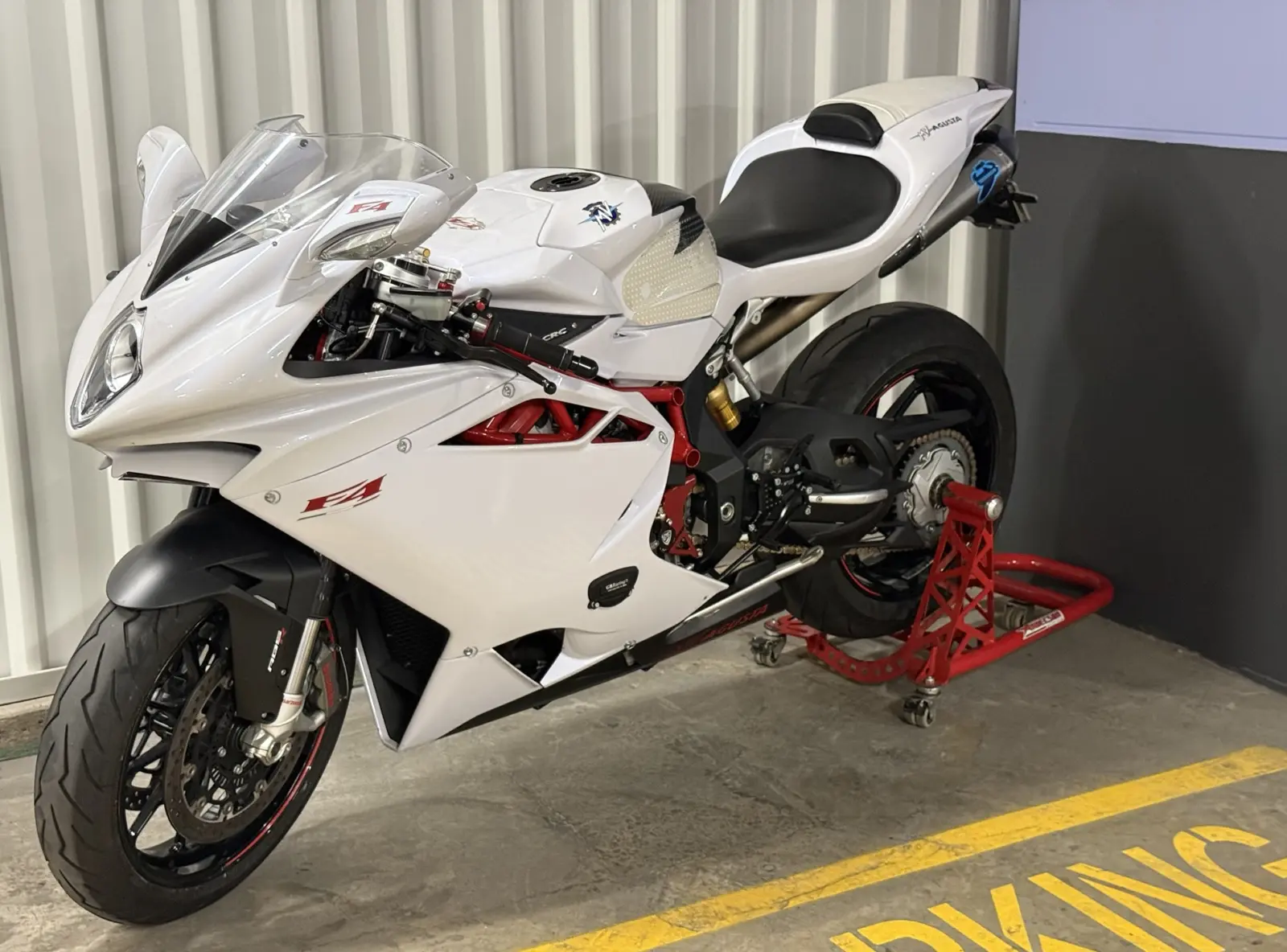
Book the MV Agusta F4. Pick your dates and book the MV Agusta F4 online, or call us and we will sort it with you.
Book NowCall 0468 011 118The Central Tablelands can look calm one minute and turn hostile the next. A bank of dark cloud builds over the ridge, the air cools sharply, and then the first hailstones rattle off the helmet like gravel. Hail on a motorbike is not just uncomfortable. It can sting bare skin, bruise the rider and leave the road covered in a slippery layer of ice. This guide explains how to read the warning signs, where to shelter and how to ride on once the storm has passed.
New to riding with us? Our page on motorbike hire in Sydney covers the bikes, the rider rules and how pick-up works.
Reading the sky before the first stone falls
Hail usually comes from a storm that has been building for an hour or more, so the warning signs are often there long before the ice arrives. Look for towering cumulus clouds with dark, flat bases, a sudden drop in temperature and a freshening wind that changes direction. A clear blue sky ahead can still hide a cell building behind a ridge, so keep scanning the whole horizon rather than just the road in front.
The Central Tablelands are particularly exposed. The land rises and falls, the air moves across open country and a storm can form over a single valley while the neighbouring hills stay clear. Riders should check forecasts and warnings before leaving, and check again at the first fuel stop. Riders should also check road conditions with Transport for NSW before leaving, because storm damage and debris can close lanes at short notice.
Trust your instincts. If the sky looks wrong, the wind has gone cold or you can smell rain on the air, it is time to think about shelter. Waiting a little longer on a sunny day costs you a few minutes. Riding into a hailstorm can cost far more, both in comfort and in control.
What hail does to a rider and a bike
Hailstones strike with real force, especially when they fall in large numbers and the wind drives them sideways. Exposed skin, hands and the face suffer most, and the helmet and jacket offer protection, but they cannot shield every part of the body. A rider who is struck repeatedly can lose concentration, flinch at the wrong moment and let the bike drift off line. The pain is distracting in itself.
The road is the bigger problem. Hail covers the surface with loose, rolling pellets that behave like ball bearings under the tyres. Grip can vanish in a few metres, and a rider who brakes hard or leans into a corner can lose the front or rear without warning. Painted lines, manhole covers and the edges of the lane become especially treacherous when the ice builds up.
Visibility falls too. Heavy hail can obscure the road ahead, bounce up off the surface and fog the visor or glasses. A rider who cannot see clearly and cannot grip properly is in a dangerous position, and the only sensible response is to stop safely before the conditions get any worse.
- Hail stings exposed skin and can distract a rider sharply.
- Loose pellets on the road act like ball bearings under the tyres.
- Visibility drops quickly as hail bounces and clouds the visor.
Finding safe shelter quickly
The best shelter is a solid building, a covered rest area or a roadside structure with a firm roof and walls. Pull in well off the carriageway, switch the engine off and dismount calmly. A petrol station forecourt or a wide shoulder with a clear view of approaching traffic is a practical second choice, as long as you are not stopped where other vehicles could strike you. Never shelter on a bend or a crest.
Avoid trees, especially large or old ones, because branches can break under hail and wind and fall without warning. Keep away from power poles and wires, and do not shelter under a bridge or culvert where water and debris may gather. Turn your back to the wind and keep the bike upright, but do not try to hold it in a gusty crosswind if it is safe to lay it down in a clear area as a last resort.
Once you are sheltered, stay put until the hail has eased and the visibility has improved. Use the time to check your gear, drink some water and let your heart rate settle. A rider who has been struck by hail often feels shaky afterwards, so take the time to recover before getting back on the bike.
Riding on after the hail stops
Hail can leave a thin layer of ice and loose stones on the road even after the storm has passed. Ride slowly and smoothly on the first kilometres after the shower, keep your inputs gentle and avoid sudden braking or steering. Watch for slick patches in shade, under trees and on bridges, where ice lingers longer than on the open road.
Keep your eyes well ahead and look for debris. Fallen branches, flattened vegetation and a scatter of ice on the verge can all mark a difficult section. Give yourself extra room from the vehicle ahead, and expect the drivers around you to be cautious too. Some may pull over, and others may drive slowly or unpredictably.
When the surface looks clear, do not assume it is safe. Hail often melts unevenly, and a patch that looks dry may still be cold and slippery underneath. Build your speed back up gradually, and let the bike tell you how much grip it has before you lean into a corner.
The MV Agusta F4 and cautious control
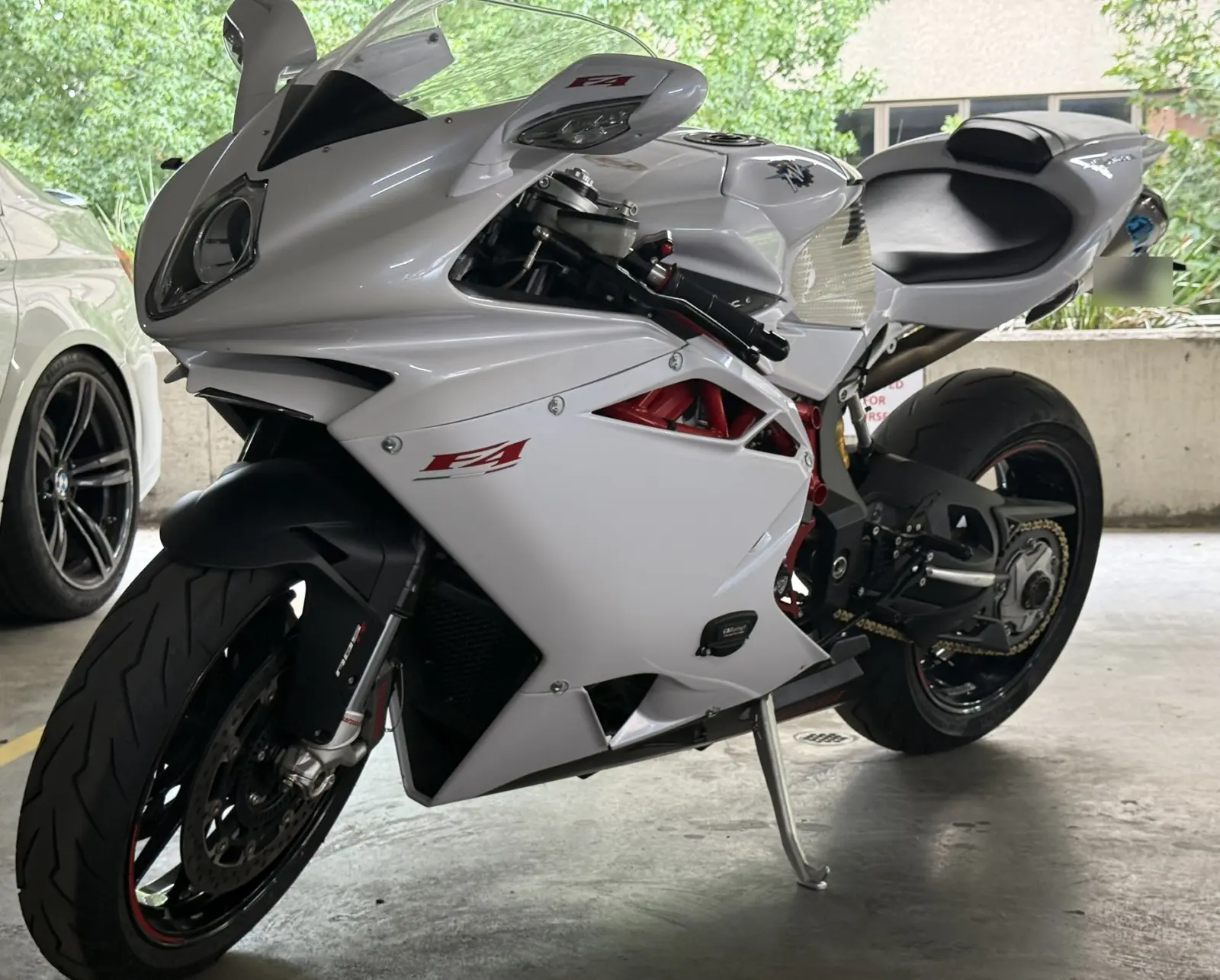
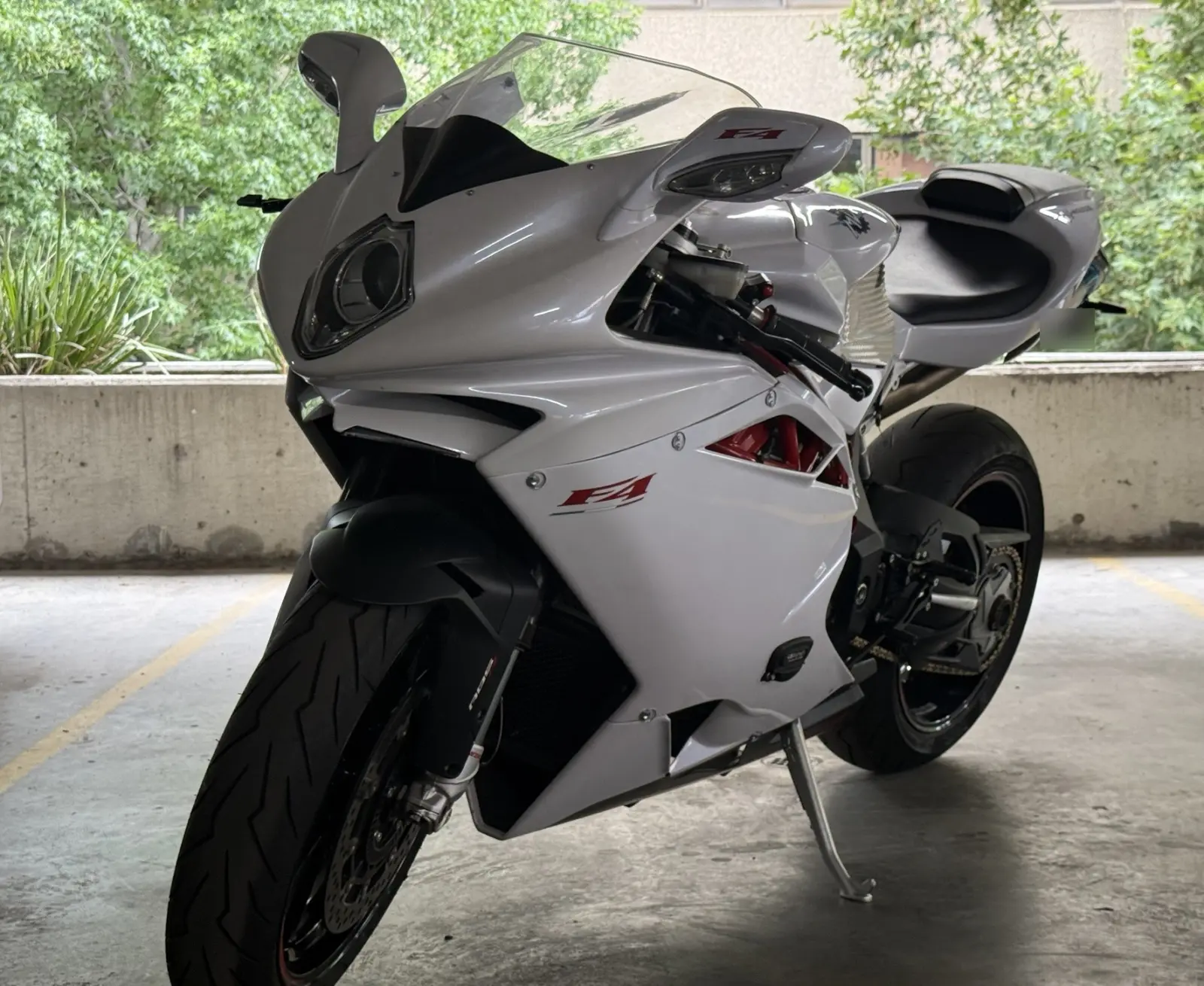
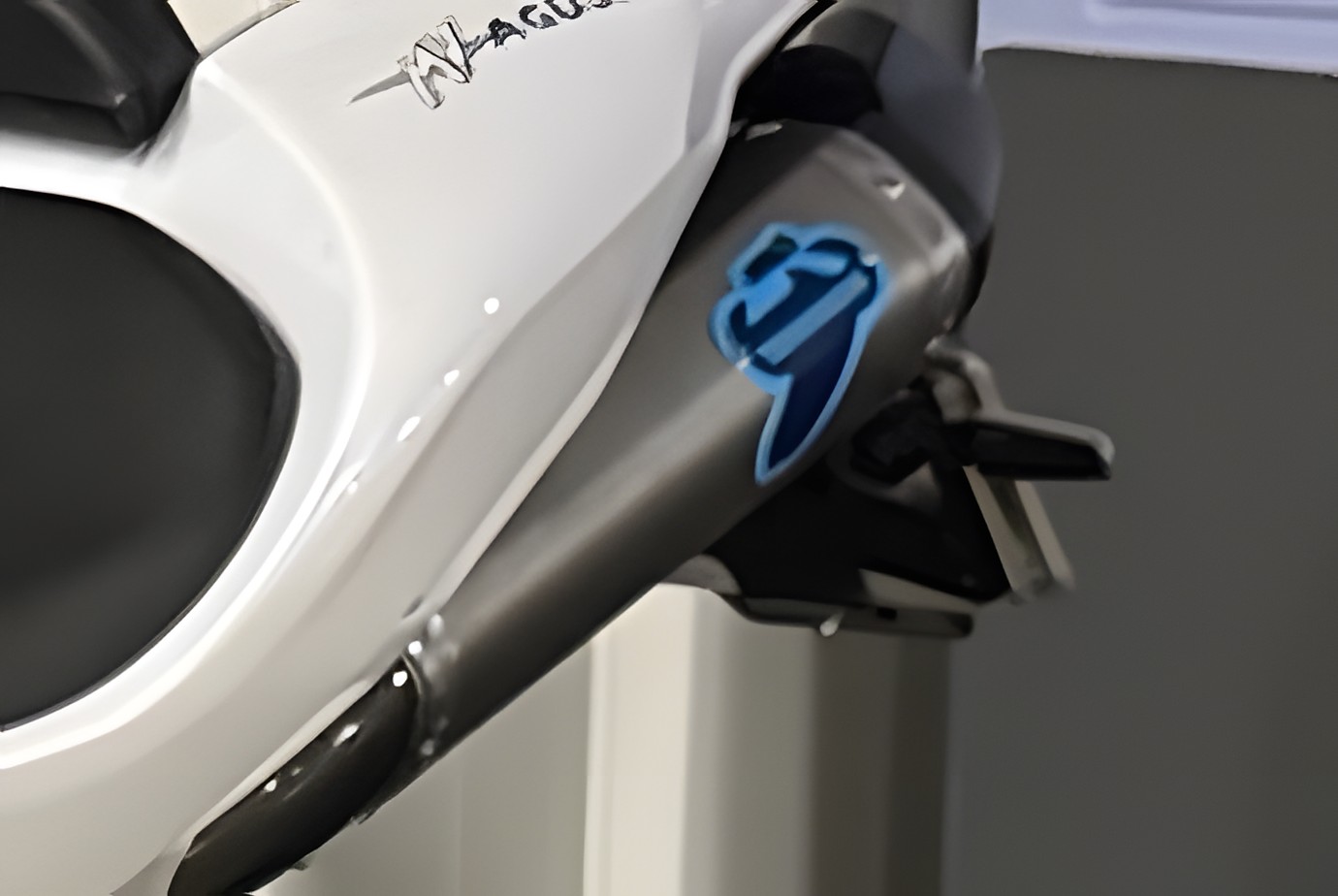
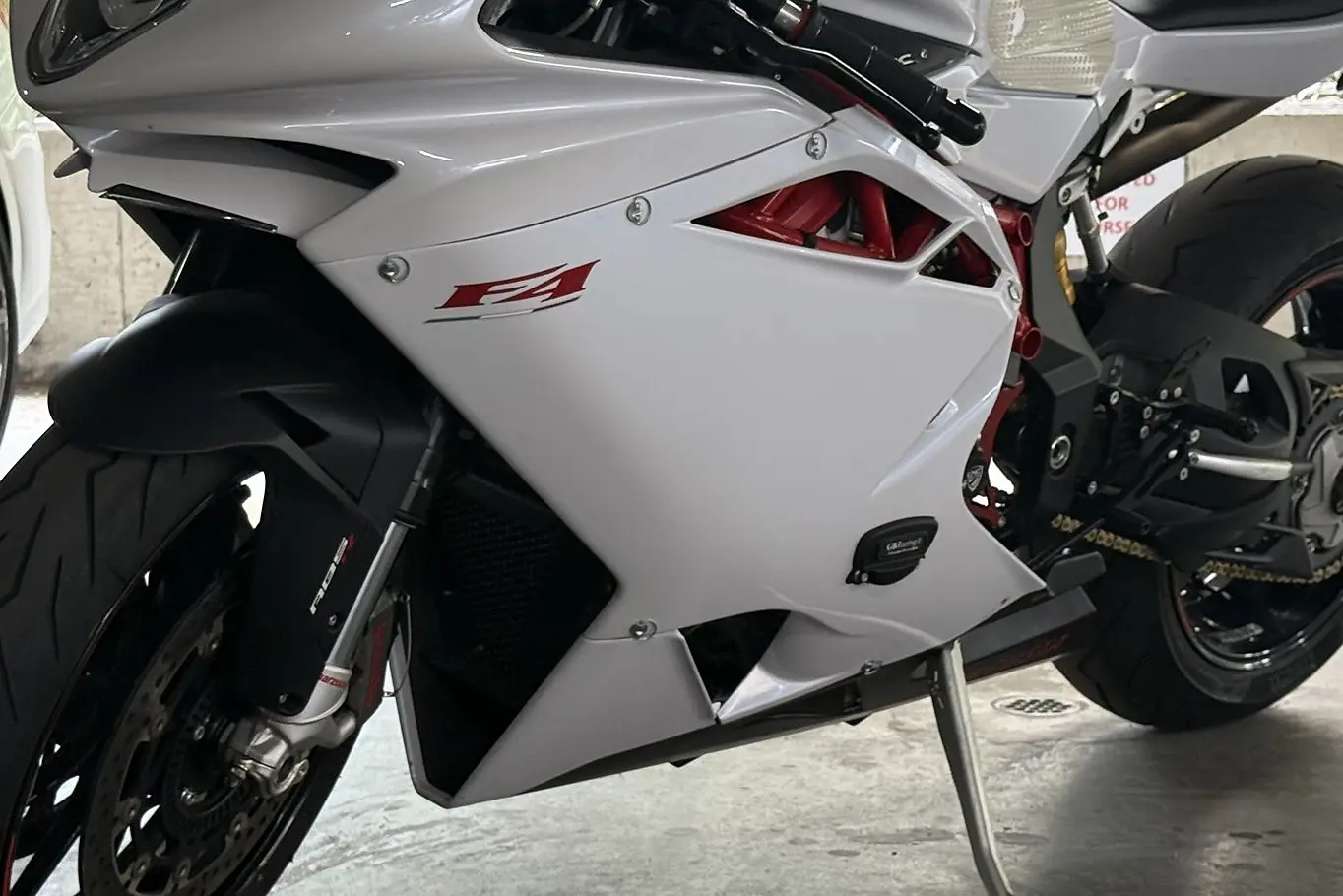
The MV Agusta F4 is a sporty machine with a 998cc inline four, a pearl white finish and a red trellis frame. Its performance exhaust gives it a strong character on a clear road, and that character is exactly why it demands care when the surface turns to ice. Power and responsiveness are not useful on a slippery surface unless they are applied with restraint.
On a hail covered road, keep the throttle gentle and avoid any sudden changes in power. Brake early and lightly, and use the gears to slow the bike rather than relying on heavy lever pressure. Keep the bike upright through the straights and make your lean angles modest through the bends until you are sure of the grip.
Riders on a sporty bike sometimes feel the urge to ride out of trouble, but this is the time to be patient. The machine rewards a calm, measured rider, and it will still be there when the road is dry. Ride within your ability at all times, and let the conditions set the pace.
Gear and preparation for mountain storms
Good gear is the first line of defence against hail. A helmet with a clear visor, gloves that keep your hands warm and protected, and a jacket and trousers rated for riding will all help. Helmets (Shark, AGV or Bell) can be hired from us in small, medium or large for $50 per hire, or you can bring your own. We do not supply jackets, gloves, pants or boots, so bring your own riding gear. Whichever you choose, check it is in good condition before setting off.
Carry a dry layer and a spare pair of gloves in your pack. Hail and the rain that follows can soak you quickly, and a chill on the Tablelands can lead to a loss of concentration. Keep a cloth to clean your visor, and pack some water and a light snack so you can ride on comfortably after the storm.
Before any ride across the tablelands, plan your fuel and rest stops. Know where the nearest sheltered spot is along your route, and carry your phone in a secure pocket so you can call for help if you need it. Preparation is the difference between a storm that becomes an adventure and one that becomes a crisis.

Want the MV Agusta F4 for your date? Pick your dates and book the MV Agusta F4 online, or call us and we will sort it with you.
Book NowCall 0468 011 118Roads and routes on the Tablelands
The Bells Line of Road climbs toward the Tablelands through bush country where storms can build quickly, and the tight bends and changing surfaces make slippery patches more dangerous. Keep an eye on the sky as you climb, and watch for sudden darkening over the ridges ahead. The Great Western Highway over Victoria Pass near Mount Victoria is another route where the weather can change rapidly.
Jenolan Caves Road winds through the hills toward the caves, with steep sections, shady stretches and open views across the valleys. A passing storm can leave wet, slippery corners in the shade long after the open road has dried. Riders should slow down through these sections and give themselves time to adjust to the surface.
Choose your routes with the forecast in mind, and be ready to shorten the ride if the storm builds. Stick to sealed roads, avoid gravel and unsealed shoulders, and never use a track or a dirt road as a shortcut when the weather is turning. The sealed highway may be the longer option, but it is the safer one.
Best season and time of day on the Tablelands
Hail is most common in the warmer months, when strong storms build over the ranges during the afternoon. Late spring and early summer can bring the most dramatic storms, and the heat of the day feeds the clouds that grow into hail-bearing cells. Autumn and early winter are typically calmer, with cooler, steadier weather, though cold snaps can still bring hail and sleet.
A morning departure often gives you the best chance of a clear run, because the storms usually develop through the afternoon. Start early enough to reach your destination before the building heat, but keep in mind that the bike must be garaged overnight, so plan your return with that in mind. Mid morning to early afternoon is a good window for a relaxed day out.
Weekends bring more visitors to the Tablelands towns and lookouts, so the roads can be busier and the stops more crowded. Plan your rest breaks at quieter spots, and keep your focus on the sky as well as the traffic. A rider who is alert to changing weather is far less likely to be caught unprepared.
Hire terms and the decision to stop
Two conditions in our hire terms are worth keeping in mind on a mountain run. Our bikes are self-drive from Parramatta with a three day minimum hire, so you have time to pick the right weather window rather than pushing through a bad day. We may also end a hire if we judge a rider to be unsafe, which is a reminder that stopping when the weather turns is the responsible choice.
Choosing to stop is not a failure. It is the calmest and most sensible way to respond to a storm you did not expect. A rider who shelters early, waits out the hail and rides on carefully when the road allows will get home in one piece, with the hire intact and a story worth telling.
Ready to ride the Tablelands with a clear plan
Hail on the Tablelands is a reminder that mountain weather can change quickly. Read the sky, shelter early, ride gently on slick roads and never let the pull of a good route override your judgement. With those habits in place, the hills and valleys become a rewarding place to ride rather than a source of worry.
If you are looking for a bike that rewards measured, confident riding once the weather clears, the MV Agusta F4 is a strong choice. Its pearl white finish and red trellis frame stand out on any road, and the MV Agusta F4 page sets out the details and availability. To compare the wider range, see our fleet page.
Tell us about the route you have in mind and the weather window you prefer. We will help you plan a day that suits the Tablelands and the conditions you are likely to meet.
Frequently asked questions
What should I do if hail starts while I am riding?
Slow down steadily, keep the bike upright and look for a safe place to stop. Pull in well off the carriageway, away from bends and crests, and switch the engine off. Shelter under a solid building or a covered area if one is close. Avoid trees, power poles and bridges. Stay put until the hail eases and the visibility improves, then ride on slowly.
Can hail damage a motorbike or its rider?
Hail can sting exposed skin and cause bruising, particularly on the hands and face, and a rider who is struck repeatedly may lose concentration. The bike itself can be marked by large stones, but the bigger hazard is the slippery surface it leaves behind. Wear proper gear, keep your visor clear and treat the road with caution until it is clearly safe to ride on.
How do I ride on a road covered in hail?
Ride slowly and smoothly, keep inputs gentle and brake early and lightly. Avoid leaning into corners until you are sure of the grip, and watch for slick patches in shade and on bridges. Give the vehicle ahead extra room and expect other drivers to be cautious. Build your speed back up gradually as the surface improves.
Is it safe to keep riding through a light hail shower?
A light shower that passes quickly may be manageable if you can see clearly and keep control of the bike. However, if the hail is heavy, the visibility is poor or the road is covering with ice, the safest decision is to stop and wait. Do not push on hoping the shower will end. A short wait in a safe place is far better than a loss of control on a slippery surface.
What gear helps most against hail on a mountain ride?
A helmet with a clear visor, gloves that keep your hands warm and protected, and a riding jacket and trousers are the core items. Carry a dry layer and spare gloves in your pack, since rain and hail can soak you quickly. Check everything is in good condition and fits properly before setting off.
When is the best time of year to ride the Tablelands?
Autumn and early winter often give the steadiest weather, though cold snaps can bring hail and sleet. Late spring and early summer can produce the most dramatic storms, because the afternoon heat feeds strong cells over the ranges. A morning start, a flexible plan and a check of the forecast before you leave will help you avoid the worst of the afternoon weather.
Ready when you are. Pick your dates and book the MV Agusta F4 online, or call us and we will sort it with you.
Book NowCall 0468 011 118