

Book the Ducati 1199R. Pick your dates and book the Ducati 1199R online, or call us and we will sort it with you.
Book NowCall 0468 011 118A superbike rewards preparation. Its performance is serious, and the riders who enjoy it most are the ones who arrive with their basics already settled. A four-week plan gives you a sensible way to build familiarity, control and judgement one step at a time, so that the first proper ride feels calm rather than daunting. The plan below is designed for riders who already hold a licence and want to arrive ready. Each week adds one layer of skill, and each one ends with a clear check on whether you are ready to move on.
For the bikes we hire, who can ride them and how a hire runs, see motorbike hire in Sydney.
Why a plan beats a single big ride
Many riders make the mistake of treating their first serious ride as a test they must pass in one go. The pressure of a single big day can lead to rushed decisions and a tense grip on the bars. A structured plan spreads the learning over four weeks, so each new element builds on the one before, and the ride itself becomes a confident extension of what you have already practised.
A plan also makes progress visible. You will know what you are working on each week and when you have achieved it. That clarity helps you spot gaps early, whether they are in gear, low-speed control or the judgement needed on open roads, and it lets you adjust the plan rather than hoping things will settle.
Above all, a plan keeps the focus on safety. Every stage asks you to stay within your ability and to stop when something feels wrong, which is exactly the attitude a superbike demands.
Week one: gear, controls and the bike's feel
Start with the basics that have nothing to do with speed. Check that your helmet, gloves, jacket and boots fit well, and that the gear suits the weather you expect. Sit on a bike at a standstill and learn where the controls are without looking down, including the clutch, brakes, gear lever and indicators. Practise these movements until they feel familiar.
Spend time on the feel of the machine at walking pace. Get used to the balance, the steering lock and the weight of the bike as you move it in a straight line and turn it on the spot. These are the foundations that everything else rests on, so take your time.
Finish the week by reviewing your gear and your comfort on the bike. If anything feels awkward, adjust it now rather than on the road. You should finish week one feeling settled in the saddle and clear about what you need to work on next.
Week two: low-speed control in a private space
Week two focuses on low-speed control. Find a private, empty space where you have permission to ride, such as a large car park that is closed to the public or a quiet paddock. Practise moving off smoothly, stopping in a straight line and making slow turns. The aim is a steady creep rather than sudden jerks, using the clutch and throttle together.
Build up the drills gradually. Practise tight turns, figure-of-eight patterns and slow stops, always at walking pace and always with clear space around you. Keep an eye on the surface, looking for oil, paint, drain covers and loose gravel that could affect grip.
End the week by asking yourself whether the bike feels predictable at low speed. If you still feel unsure, repeat the drills until they are comfortable. Do not move on until low-speed control feels natural, because that control is what keeps the bike steady when you need it most.
Week three: short runs on quiet sealed roads
Week three introduces the road, but in a measured way. Choose short runs on quiet, sealed roads that you know well, ideally in daylight and on a weekday. Keep the route simple and the pace easy, and concentrate on smooth inputs, steady lines and good observation. Our bikes are for sealed roads, so avoid any route that turns to dirt or gravel.
Pay attention to how the bike behaves on the bends, over the surface changes and at the junctions. Practise scanning the road ahead, checking your mirrors and reading the traffic. The goal is to build the habits that keep you safe when the road gets busier.
Keep each run short enough that you finish feeling fresh. A rider who is tired on the way home is making mistakes, so stop early rather than pushing on. Review each run afterwards, noting one thing that went well and one thing to improve.

Week four: longer planning and a final review
In week four, plan a longer run on a route you have chosen with care. Look at the distance, the fuel points, the food stops and the road character along the way. Think about the traffic you may meet, the weather you expect and the points where you would turn back if conditions changed. A good plan includes a sensible turnaround time, so you are never tempted to race the clock.
Make the run a rehearsal of everything you have learned. Keep the pace relaxed, observe carefully and take regular breaks. Notice how the bike feels over a longer stretch, how your concentration holds and how your body responds to the time in the saddle.
Finish the month with a formal review. Ask whether you are comfortable with low-speed control, whether you read the road confidently and whether you are rested and focused. If the answer is yes, you are ready for a proper hire. If not, extend the plan by another week and keep building.
Best time, season and the stops that matter
The best time for practice is a weekday morning, once the bike has come out of the garage after 6am and the traffic is still light. Cool air and quiet roads help you concentrate, and the first hour of daylight gives you a good view of the surface. Be alert for wildlife at dawn and dusk, since kangaroos, wallabies and cattle can step onto quiet roads with little warning.
Autumn and spring give the most comfortable conditions for this kind of training, with mild temperatures and good visibility. Summer heat can make a long session tiring, so keep sessions short and drink water regularly. Winter mornings can be cold and damp, with frost in the shaded corners, so take each run gently until the surface is dry.
Plan fuel and food around each week's ride. Top up before any longer run, since rural fuel stops can be spaced further apart than they look. Pick a food stop in a larger town with a café or bakery, and avoid stopping on the grade or the bend. Weekend traffic and touring groups can make popular roads busy, so keep your practice runs to quieter days.

Want the Ducati 1199R for your date? Pick your dates and book the Ducati 1199R online, or call us and we will sort it with you.
Book NowCall 0468 011 118The Ducati and the hire rules
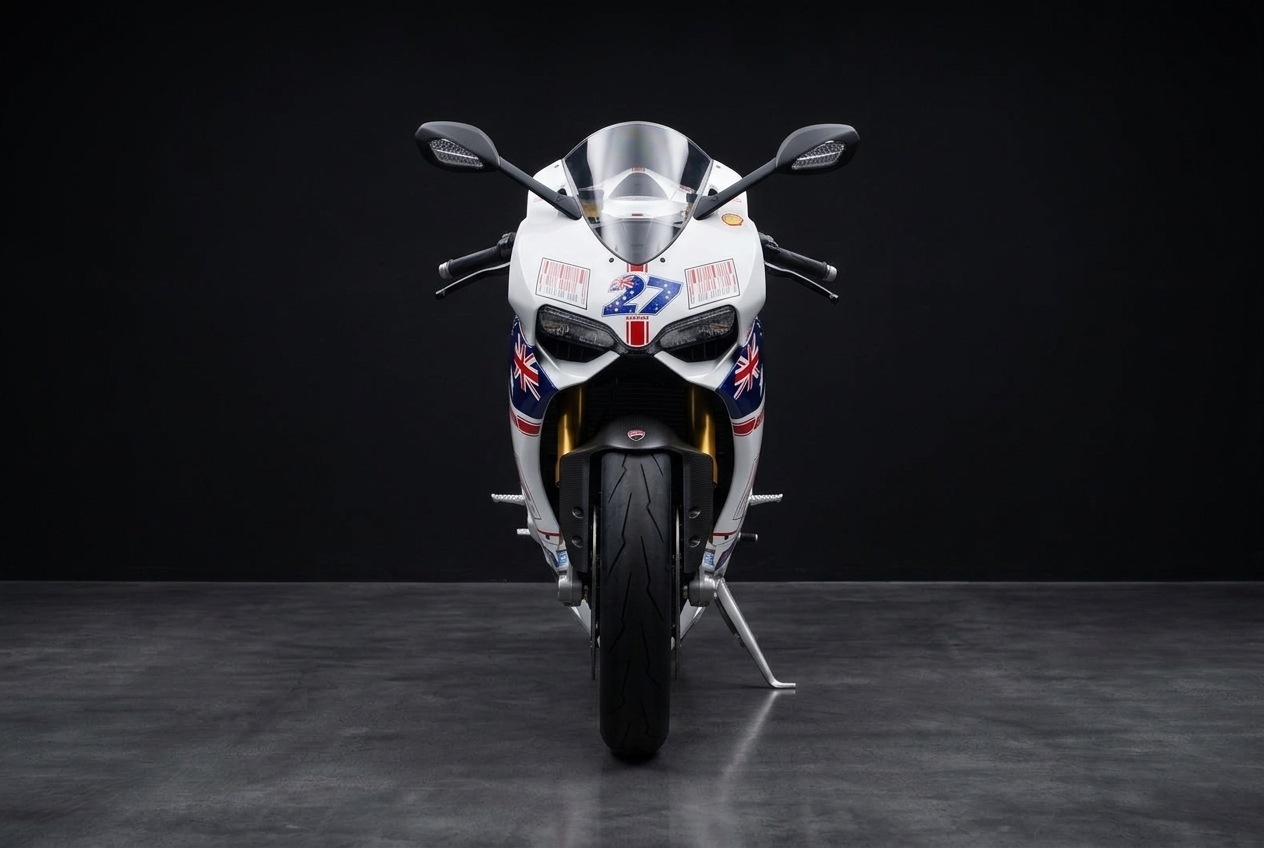
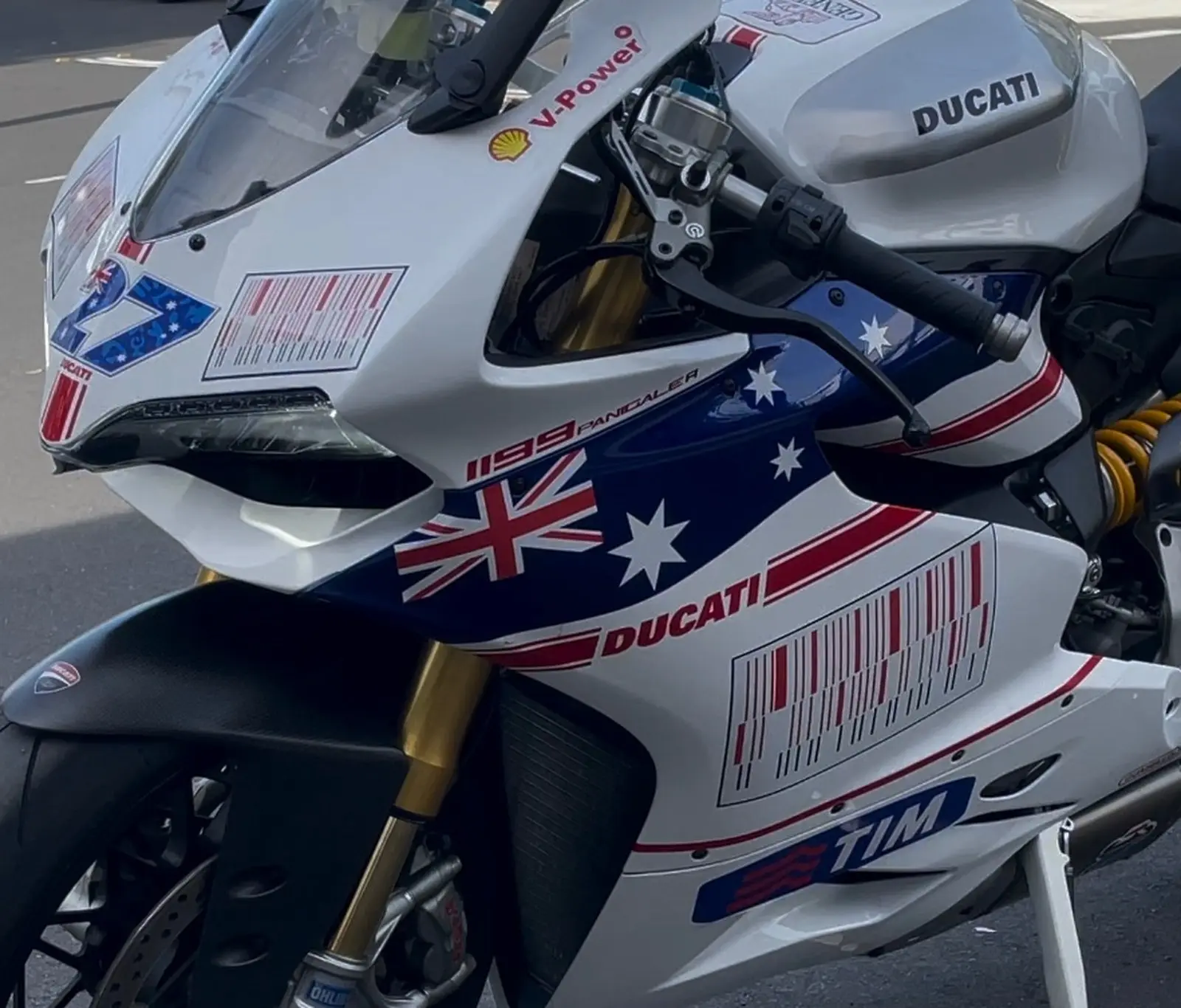
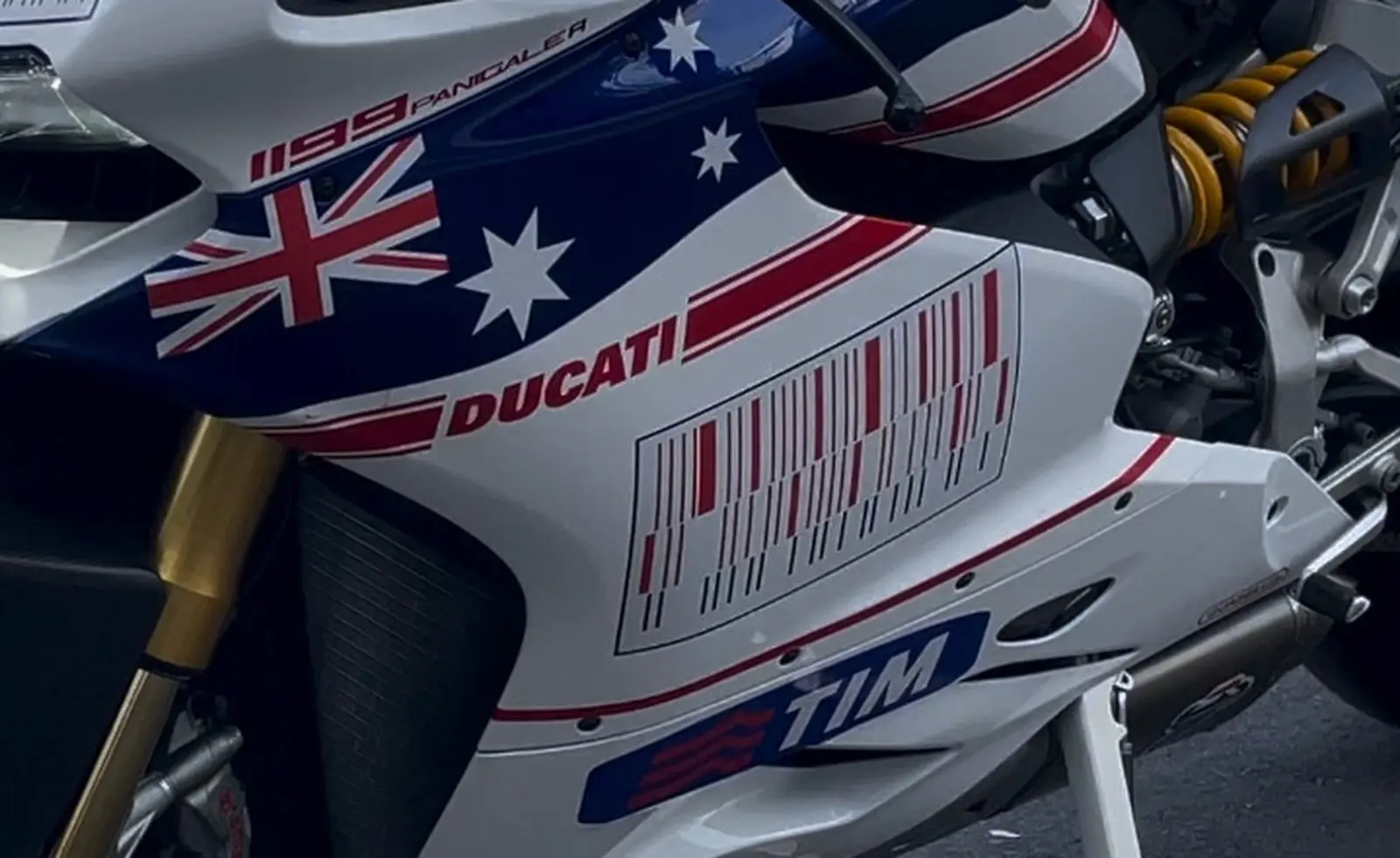
The Ducati 1199R Panigale is our featured bike for this plan. It is a superbike for experienced riders, with gold front forks, black forged wheels and a V-twin rated at 143 kW. Treat it with respect from the first week, because its performance rewards a rider who has built the basics before the first real ride.
Two hire points matter for a first ride on a superbike. You must hold a full motorcycle licence that has been held for at least three years, and be 25 or older. Also remember that riding 30 km/h or more over the posted limit ends the hire, and the bond is forfeited, so set your pace with the posted limit in mind on every stretch.
Warning signs and when to pause the plan
Stop the plan if you feel unsure at any point. A sense of unease at low speed, a tense grip that will not relax or a feeling that the bike is getting ahead of you are all signs to step back a week. Stepping back is a sign of good judgement, not failure.
Be honest about your fatigue and your focus. If you have had a poor night's sleep, a stressful day or a long session already, postpone the practice. Never ride after drinking alcohol, and ride within your ability at all times, whatever the week's plan says.
Trust your instincts. If a road looks different from the last time you rode it, or the weather has changed, turn around and try again on another day.
Gear, weather and road checks
Wear full protective gear for every session, including the early drills at walking pace. A helmet that fits well, gloves, a jacket with protection and boots that cover your ankles all matter, because even a slow tip-over can cause serious injury. Carry a warm layer for cool mornings, since the air can be colder than you expect at the start of a session.
Weather can change a plan quickly. Rain makes every surface slippery, and gusty wind can unsettle the bike on open stretches. Keep the bike on sealed roads, watch for gravel at the edges and adjust the session if the surface is damp.
Before each run, check road conditions with Transport for NSW and look at the forecast. Know where any roadworks, closures or slow sections lie, and choose a route that avoids them.
Finishing the plan and booking your superbike
A good plan ends with calm confidence rather than a rush to finish. Give yourself a clear view of what you have achieved, and remember that the goal is a safe, enjoyable ride rather than a race against your own impatience. Riders who take the plan seriously tend to be the ones who enjoy superbikes most.
The reward is a ride that feels controlled from the first kilometre to the last. When the basics are settled, you can focus on the road, the scenery and the rhythm of the bike, rather than wondering whether you are ready for what comes next.
If you have worked through the four weeks and feel ready, we would be glad to help you plan your first superbike hire. Browse the fleet, then use the Book Now option on the Ducati's page to reserve your date. Tell us about your experience when you book, and we will help you choose the right route and the right bike.
Frequently asked questions
Do I need to finish the plan before booking?
Yes, it is best to work through the plan before you book a superbike. Each week builds a skill the next week relies on, and finishing the sequence gives you a clear basis for judging your readiness. If you are unsure whether you have completed a stage, repeat it until you feel confident.
Where is the right place for low-speed practice?
A private, empty space where you have permission to ride is the right place for low-speed drills. Avoid public car parks, footpaths and busy roads, because the practice can put pedestrians and other road users at risk. Choose a flat, clean surface and clear the area of obstacles before you begin.
Can I skip the early weeks if I have ridden before?
Past experience helps, but it is still worth working through the early weeks, particularly if the bike is different from what you are used to. Gear, controls and low-speed feel vary between machines, so treat the first sessions as a refresher. Skipping them can leave gaps that only show up under pressure.
How do I know when I am ready for a longer run?
You are ready when low-speed control feels natural, your reading of the road is steady and you finish short runs feeling fresh rather than tired. Look for calm concentration rather than a sense of excitement. If you are still second-guessing your inputs, keep building on shorter routes.
What if the weather changes during the month?
Adjust the plan rather than forcing the session. Rain, wind and cold can all change the grip and the feel of the bike. Move the session to a drier day or shorten the ride, and keep the basics in mind. The plan works best when you stay flexible about the timing.
Should I bring a friend to watch my practice?
A friend can be a helpful spectator, provided they stand well clear of the area you are riding in and do not distract you. Keep the focus on the bike and the surface, and avoid any form of coaching that pulls your attention away from your own control. Your own judgement should guide each session.
Ready when you are. Pick your dates and book the Ducati 1199R online, or call us and we will sort it with you.
Book NowCall 0468 011 118