
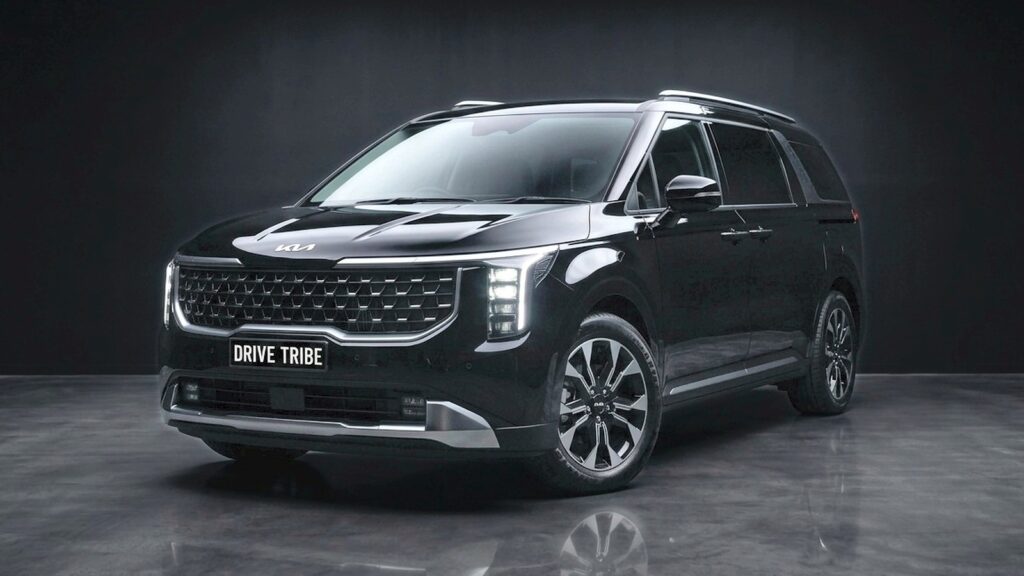
Book the Kia Carnival GT-Line. Pick your dates and book the Kia Carnival GT-Line online, or call us and we will sort it with you.
Book NowCall 0468 011 118Six to nine people in Sydney raises a question most groups answer too quickly: should you hire one large car, or two smaller ones? The answer shapes how the trip feels, from the first pickup to the final drop off. Space, flexibility and parking each pull in a different direction, so it helps to weigh them honestly before you book. Here is how we would think it through, section by section, with the trip itself in mind.
Start with the number of people and their bags
Before comparing cars, count the people who will really travel. Six adults is a different job from six adults plus two children in car seats, and a group of nine changes the arrangement entirely. Write the total down, then add a line for the bags: suitcases, golf clubs, a pram, an esky or whatever the trip needs. This short list does more to decide between one car and two than any brochure.
Think about who will sit where. Older relatives may need the front passenger seat or easy access to the rear. Children may need to sit together, or apart, depending on how they get along. Couples often want to sit side by side in the second row. Drawing a simple seating plan on paper takes five minutes and shows quickly whether one car is comfortable or merely possible.
Also consider the trip itself. A day out in the Blue Mountains is not the same as a three-day stay with stops at lookouts, a winery tasting and long lunches, even when the people are identical. Longer trips with more stops, shared meals and extra luggage push the balance towards a larger vehicle, while day trips often suit two cars that can split up and regroup.
Space and comfort for the whole group
One large car gives everyone the same cabin, the same air and the same conversation. Nobody is left in a second vehicle wondering what the other car is doing, and there is no quiet frustration about who got the better seat. For groups that like to talk through the day, a shared space is often the biggest reason to choose one vehicle. It also means a single set of rules for the day, which avoids arguments about music, windows and air conditioning.
Two cars spread the load differently. Each vehicle has its own boot, its own seats and its own comfort settings, so luggage can be divided without anyone sitting on a case. Children can ride in one car with a parent while the adults take the other, and nobody has to squeeze in beside a suitcase for three hours. The extra room can matter more than the extra car when the trip is long.
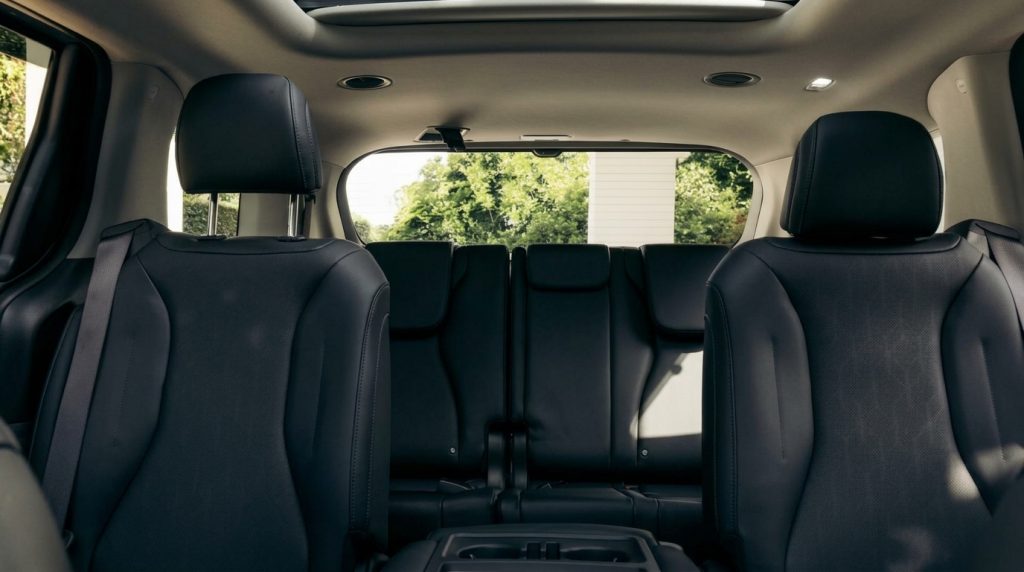
Check the seat count on each car page before you decide. The Kia Carnival GT-Line is an eight-seat people mover, so it suits a group of six to eight when everyone is travelling with modest luggage. A group of nine is a different calculation, and that is where a larger vehicle or a second car is usually the answer. Be honest about the bags as well as the people, because a full cabin with cases on laps is no fun for anyone.
Keeping everyone together on the road
A group split across two cars travels as two groups. One car stops for fuel while the other keeps going, a turn is missed, and the phone calls begin. Keeping everyone together is simpler with one vehicle, especially on unfamiliar roads where a wrong turn is easy to make. Shared trips feel more like a single outing than a convoy. That unity matters most when the group is mixed in age and ability.
Two cars can work well if you plan the meeting points. Agree on who leads, share the route before departure, and decide what happens if one car is delayed. Keep phones charged and make sure every driver has the same destination saved. A short catch up at a set point is far easier than trying to find each other in a busy car park or a crowded street.
Think also about the hard stops: toilet breaks, children who need to get out, and people who prefer the air conditioning on. With one car, one person decides. With two cars, two people decide, and the group needs to agree how often to stop. Neither approach is wrong, but the difference matters on a long day. Set expectations early so the trip flows and nobody feels overruled.
Flexibility when plans split
Groups rarely do everything together. Some people want the beach while others head to a museum or a long lunch. Two cars let the group divide for an afternoon and reunite for dinner, which is the single biggest advantage of the two-car plan. One larger car means the whole group travels at the same pace and to the same places, which suits a shared occasion beautifully.
There is a middle path. Use one car for the main journeys and arrange a second car for side trips. This works well when a few people want to leave early for an event, or when older guests prefer a quiet return. Plan the timing so both vehicles are not waiting in one place for hours. A clear plan for the split is the difference between flexibility and chaos.
Flexibility also brings more coordination, more messages and more decisions on the day. Be honest about how much your group enjoys shared time. If the reunion is the point of the trip, one car keeps everyone in the same story. If independence is the goal, two cars give room to roam. Either answer is valid, so choose the one that matches how your group actually likes to spend a day.
Parking, kerbs and city driving
Parking can make a big car feel like a bigger problem. Many streets have restricted spaces, loading zones and tight kerbs, and a larger vehicle needs more room to turn and reverse. Before choosing one large car, check the parking near your accommodation and at the places you plan to visit, and allow time to find a legal space. Allow extra time at the start and end of the day too, when the group is loading and unloading.
Two smaller cars can be easier to park, especially in older areas or in busy car parks with narrow bays. They can also leave separately when one car needs to reach a different street. The trade-off is that you will need two spaces, and two spaces can be harder to find than one, especially near a popular beach or a crowded eatery. Plan where each car will wait before you arrive.
Always read the car page for the vehicle's dimensions and suitability before you commit. If you are unsure whether a larger vehicle will suit a particular car park or kerbside, ask us before the day so the plan works around it. We are happy to talk through the route before you book, and a short conversation now can save a lot of circling later.
Want the Kia Carnival GT-Line for your date? Pick your dates and book the Kia Carnival GT-Line online, or call us and we will sort it with you.
Book NowCall 0468 011 118When two cars make more sense
Two cars make most sense when the group naturally splits: two couples with different plans, a family with young children alongside a group of friends with a separate itinerary, or guests who need to leave at different times. Each car can carry its own luggage and its own snacks, and nobody is stuck waiting for someone else's bathroom break. The arrangement keeps the day light for everyone involved.
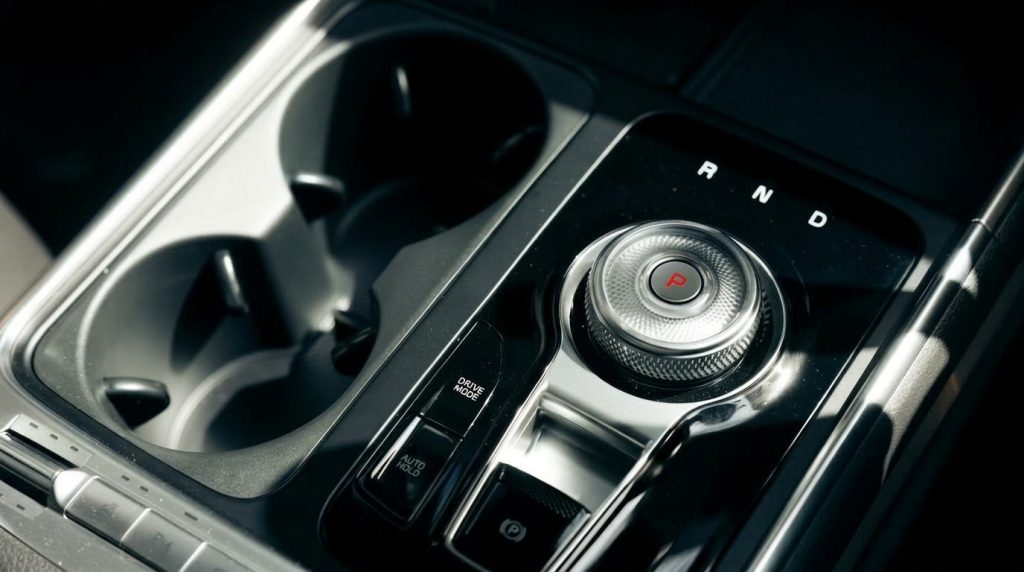
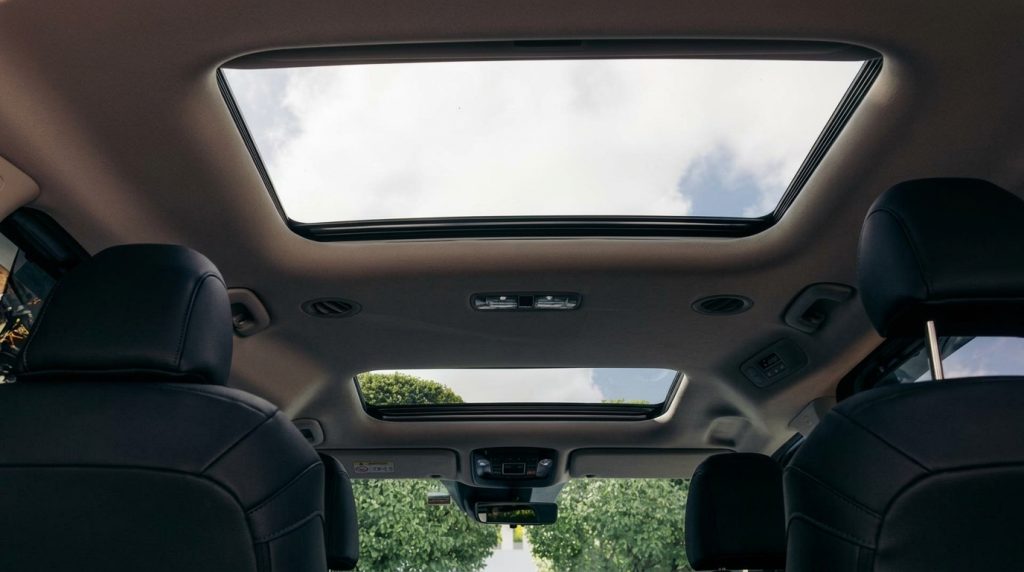
The Kia Carnival GT-Line is a useful example for the two-car approach, or for a single car with a slightly smaller group. It is an eight-seat hybrid people mover with sliding doors, which makes loading children and bags easier in tight parking spaces. Self-drive needs a full licence and the minimum age shown on each car page, so check that before you assign drivers.
If you want the whole group in one vehicle without the arithmetic, look through our whole fleet to compare options for your dates and passenger count. Browse the range, read each car page, and note the seat counts and driver ages that matter to you. Then the choice between one car and two becomes practical rather than guesswork, and you can decide with confidence.
Chauffeured or self-drive for a group
Who drives changes the answer as much as the number of cars. A self-drive group needs at least one driver who holds a full licence and meets the minimum age shown on the car page, and everybody else should know who that is. Group trips often run long, so agree on a rotation if more than one adult is able to drive. Anyone who has been drinking should not drive at all, so for alcohol the answer is a chauffeur or another sober arrangement.
A chauffeured trip can change the whole plan. One of our drivers takes the wheel, so the group can relax, talk and enjoy the scenery without parking stress. For a larger group that wants a single vehicle with a driver, the Mercedes-Benz Sprinter 415 CDI Minibus is chauffeur only, which suits a group that wants to stay together for the whole day.
Guided drives are another option for groups who enjoy driving but want an experienced driver beside them on a planned scenic route. You do the driving, and our team member sits alongside you. Routes stay on public roads at or under the posted limit, and the planner is on our site so you can see how the route is shaped. Guided drives are quoted per job, so tell us the group size when you ask.
Making the split work if you choose two
If two cars are the right answer, plan the logistics as carefully as the cars themselves. Confirm which car leads, which car carries the bags for the first stop, and where each vehicle will wait. Share a single itinerary with times, addresses and one shared contact number. A small plan on paper removes most of the confusion. Keep the list short, and send it to everyone before you leave.
Give each car a clear purpose. One might carry the children and the snacks, the other the adults and the luggage, or the two cars might simply be shared out evenly. Rotate passengers on longer days so nobody is stuck in the same seat for hours, and so friendships are not limited to one car. Rotation also gives the drivers a chance to swap in and out without the group grinding to a halt.
Agree on a fallback too. If one car is delayed or a passenger falls ill, the plan should bend without anyone feeling left behind. Keep spare phone chargers in each car, store every driver's mobile number in every phone, and decide in advance who calls whom first. A calm plan is a kind plan, and it turns a hiccup into a small detour rather than a family argument.
Booking your group with confidence
The right answer usually comes down to three questions: how many people and bags you have, how much the group wants to stay together, and who will drive. Answer those honestly and the choice between one car and two becomes clear. If the answer is still unclear, try the simplest test: picture the first hour of the trip in each setup, and notice which picture feels calmer.
Check minimum driver ages, seat counts and car sizes on each car page, because they differ across the range. Availability is confirmed on the car page or by quote, so book early for busy periods and avoid settling on a plan that depends on a car being free without checking. Holiday weeks and events can change demand, so check the official notices for any event near your trip.
Ready to choose? Browse the car pages, book the car that suits your group on its page, or message or call us to plan the trip, the seating and the timing together. Tell us how many people you have and how you plan to travel, and we will help you pick the setup that keeps everyone comfortable from the first pickup to the last drop off.
Frequently asked questions
Is one large car or two smaller cars better for a group of six?
For six people with normal luggage, one large car usually keeps the group together and avoids splitting plans. Two cars make sense if the group wants to separate for part of the day, or if the luggage would crowd a single vehicle. Check the seat count on each car page, and message us if you want help choosing.
Can a group of nine travel in one car?
Not always. A single eight-seat people mover such as the Kia Carnival GT-Line suits groups up to eight, so nine people usually need a larger vehicle or a second car. Check the seat count on each car page before you commit, and message us if you want to talk through the options for your date.
Can teenagers ride in a group car hire?
Yes, but people under 18 never drive a hire car, so they travel as passengers. Self-drive needs a full licence and the minimum age shown on each car page, and every adult driver must meet it. For a group that wants to relax together, a chauffeured vehicle is the simplest answer for the whole day.
Is a chauffeur better for a group that will drink?
Yes. If anyone in the group plans to drink, a chauffeur or another sober arrangement is the answer, because drinking and driving is never an option. A chauffeured trip lets the whole group enjoy the day together, and the driver stays in charge of the route. Plan the pickup and the drop off in advance so everyone knows the timing.
Can a group book a guided drive instead of a car?
Yes, if the group wants to drive with an experienced driver beside them on a planned scenic route. Guided drives are quoted per job, so tell us the route, the number of people and your preferred dates. Routes run on public roads at or under the posted limit, and the planner on our site can help you shape the route.
How early should a group book for the holiday period?
Book as early as you can, because larger cars and group dates fill faster when families and friends travel together. Choose the car on its page to see availability, or message us for a quote on a specific date. Availability is confirmed on the car page or by quote, so get the date locked in early.
More guides to read next
- 7 Seater SUV or People Mover? Which to Hire in Sydney
- 8 Seater Car Hire in Sydney for Groups and Families
- A 7 Seater for the Airport Pick-Up: Bags, Kids and Calm
Ready when you are. Pick your dates and book the Kia Carnival GT-Line online, or call us and we will sort it with you.
Book NowCall 0468 011 118