
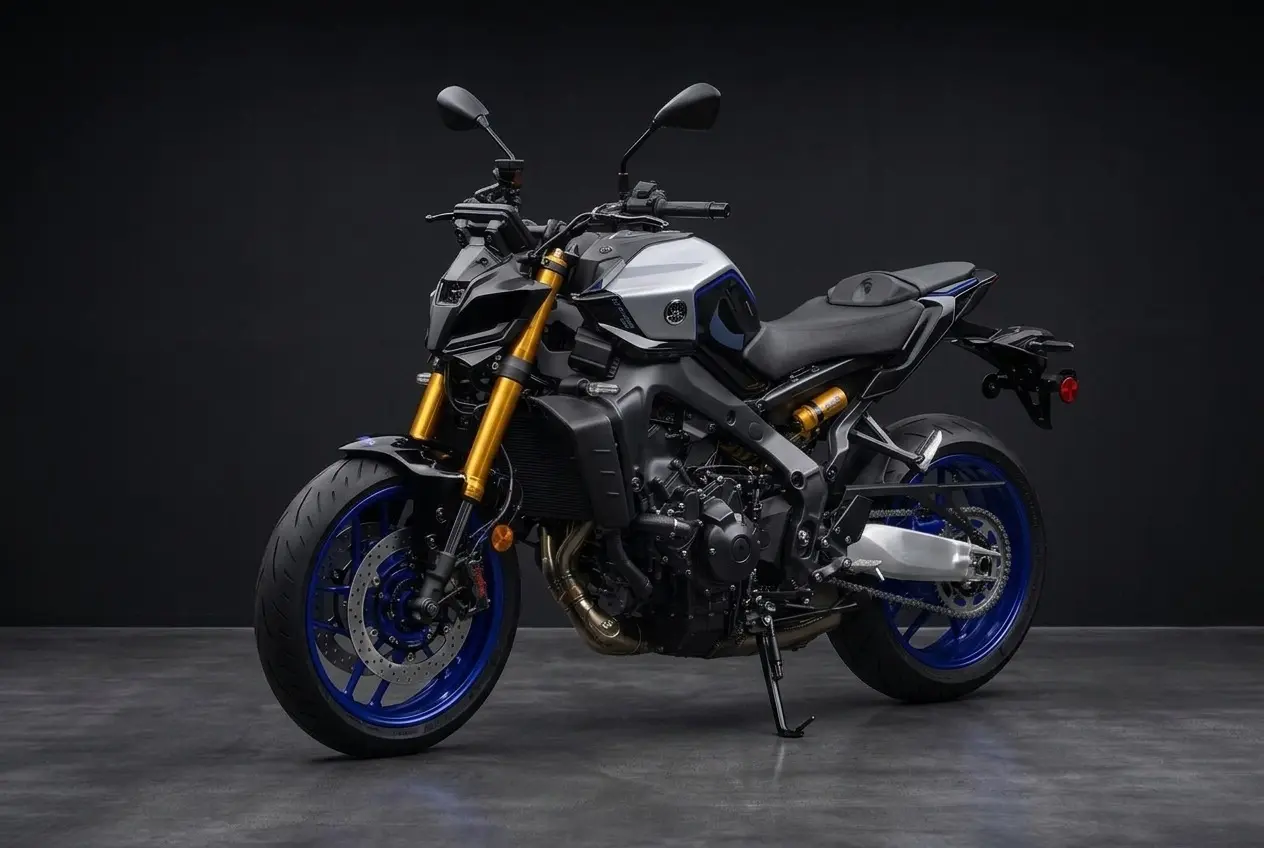
Book the Yamaha MT-09 SP. Pick your dates and book the Yamaha MT-09 SP online, or call us and we will sort it with you.
Book NowCall 0468 011 118A tyre that starts to lose air rarely announces itself with drama. More often the bike begins to feel slightly wrong: the steering seems heavier or lighter than it should, the bike drifts a little on a straight and the rider has the sense that something is not quite right. How you respond in the first few seconds matters far more than the fault itself. This article explains what to feel for, how to keep the bike upright, how to bring it to a safe stop and what to plan for afterwards. We have built the advice around a Yamaha MT-09 SP on a typical country road.
New to riding with us? Our page on motorbike hire in Sydney covers the bikes, the rider rules and how pick-up works.
Recognising the first signs
The first sign of a soft tyre is usually a change in the way the bike handles. The front may feel vague or heavy in a bend, or the bike may pull gently toward one side on a straight. A rear tyre losing air can make the back feel loose or squirmy under power. These feelings are easy to dismiss as a bump or a gust, so take them seriously and check the bike at the next safe stop.
Listen as well as feel. A flapping or rhythmic thumping from a wheel can signal that the tyre is no longer holding its shape. A hiss, though not always audible over the engine and wind, may be a sign of a slow leak. A rider who has ridden the same bike for a while will notice changes faster, which is one reason why regular checks before every hire ride matter.
Do not wait for a dramatic moment. Riders who notice a change and ease off early nearly always have a far better outcome than those who hope the feeling will go away. Your job is to respond calmly while the bike is still stable and the road is still clear.
Stay calm and keep the bike upright
The instinct when something feels wrong is to grip the bars and tense the body. Resist it. A tight, tense rider transmits every movement into the handlebars and makes it harder for the bike to settle. Keep a light, steady grip, relax the shoulders and keep your eyes up and ahead, looking where you want the bike to go rather than at the problem.
Do not brake hard, and do not make sudden movements with the bars. Sharp inputs can make a soft tyre roll off the rim or cause the bike to snake. Instead, close the throttle gradually, hold the bike in a straight line where the road allows and let the speed bleed away. Gentle, deliberate actions keep the bike stable while the tyre settles.
If the bike is leaning into a bend when you notice the problem, avoid any sudden change of angle. Hold the line through the corner with steady, smooth input, and ease the throttle rather than snapping it shut. The bend will usually end sooner than you expect, and the time to decide where to stop is once the bike is upright and straight.
Easing off and holding the line
Once you have the bike steady, ease off the throttle and let the speed fall gradually. Plan your path to a safe stopping area and begin to slow in a straight line wherever you can. Use the brakes lightly and progressively, and keep them gentle until you see how the bike is responding. A sudden grab on the brakes is the most common way a soft tyre turns into a crash.
Keep your position on the bike relaxed. Sit square, keep your weight low and central, and let your knees hold the tank lightly. Your feet should stay on the pegs, ready to adjust. A rider who is in a settled position can feel the bike's response and make small corrections without overreacting.
Watch the road ahead for gravel, debris and changes in surface. The area around a soft tyre can be unpredictable, and the stopping point you choose should be clear of loose material. If you cannot see the surface clearly, slow more, because a hidden patch of sand or gravel will make the situation worse.
Finding a safe place to stop
Look for a wide, level pull-off well clear of the traffic lane. A gravelled shoulder is not a good choice, because loose material can catch the bike, and it may be hard to pull off a soft or unstable surface cleanly. A sealed car park or a flat, firm verge with room to park is usually the best option. Indicate your intention early, so drivers behind know what you are doing.
Avoid stopping on a blind bend, the crest of a hill or a narrow section of road where other vehicles cannot see you. Give yourself time to choose the spot, and do not rush into a dangerous place because you want the problem to end. A few more hundred metres at a steady pace is often safer than an abrupt stop on the wrong ground.
Once you are on the pull-off, switch off the engine, put the bike on its stand carefully and step away from the traffic. Stay on the safe side of the bike, and keep your helmet on until you are sure that the area is clear.
Checking the tyre and the options
When the bike is stationary, look at the tyre carefully. Check for a visible object in the tread, a split in the sidewall or a clear flat section where the tyre has lost its shape. Do not ride on a visibly flat tyre to reach a shop. Many problems that look minor can turn into serious damage with a few more kilometres under load.
Decide what to do based on what you find. A small object that has not caused damage may be a case for a repair, but a sidewall problem or a tyre that has come off the bead is a case for recovery. If you are uncertain, call for assistance rather than risk a second, worse failure on the road. Keep your phone for calling help, not for navigation, and keep the bike safe while you wait.
Plan for the tyre repair or replacement with someone who works on motorcycles. Ask them to check the rim and the wheel as well as the tyre, since a hit or a strike can cause damage that is not obvious from the outside. Do not ride the bike again until it has been properly inspected and repaired.
Surfaces, weather and the tyre's grip
Weather and surface change the consequences. A soft tyre on a wet road reduces grip quickly, and the bike may slide or wobble on painted lines and oily patches. Be especially cautious on wet days, and slow down earlier than you would on a dry road. In hot weather, the road surface can soften, and tyres can heat up on long runs, so plan regular breaks and check the tyre after each stop.
Stay on sealed roads at all times. Gravel and dirt sections are not suitable for our road bikes, and a soft tyre on loose ground is one of the most difficult situations a rider can face. Avoid any side track that looks like it might lead to unsealed surfaces, and keep your route on the bitumen.
Watch for the surface under your tyres as the day changes. Morning frost, afternoon shade and evening dew can all affect the grip, and a soft tyre magnifies those effects. Adjust your speed to the conditions, and never assume the road will hold the same grip it had an hour ago.
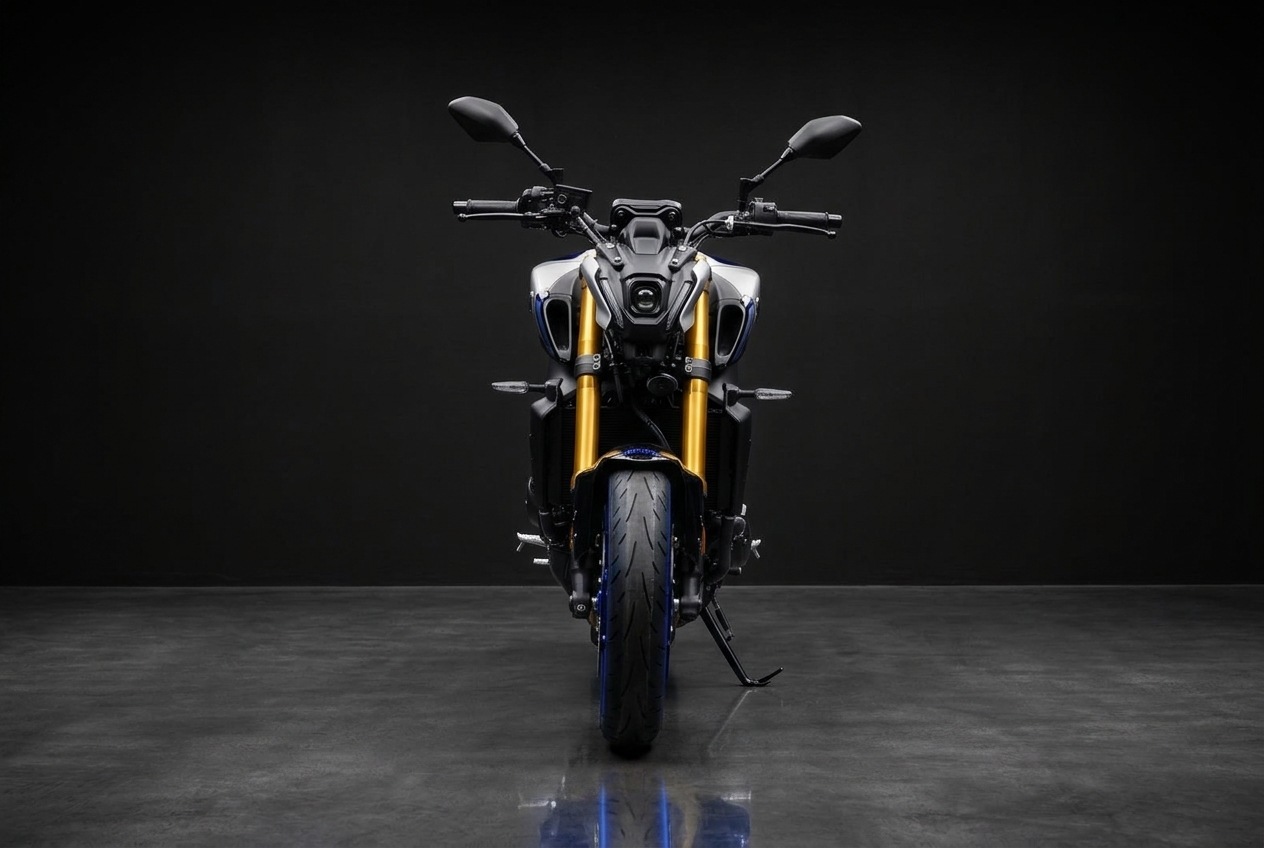
Want the Yamaha MT-09 SP for your date? Pick your dates and book the Yamaha MT-09 SP online, or call us and we will sort it with you.
Book NowCall 0468 011 118Preparing before the ride
Prevention is the best cure. Check the tyres before every ride, looking for cuts, bulges, embedded objects and wear. Check the pressures with a gauge, using the figures in the owner's handbook, and check them when the tyres are cold. A few minutes at the start of the day can save you a lot of trouble on the road.
Keep a basic kit in your tank bag or with the bike. A small pump or gauge, a basic tool for the wheel and a note of the nearest service options can make the difference when something goes wrong. Plan your route with the knowledge that help may take time to arrive, and carry water and a warm layer in case you need to wait.
Before you set off, make sure your gear is in good order and fits properly. Gloves and boots protect you when you stop on the roadside, and a fitted helmet and jacket with armour matter in any unexpected incident. Helmets (Shark, AGV or Bell) can be hired from us in small, medium or large for $50 per hire, or you can bring your own. We do not supply jackets, gloves, pants or boots, so bring your own riding gear.
Season, daylight and the time of the ride
Autumn and spring offer the most stable riding conditions, with mild days and roads that dry quickly after rain. Summer brings heat that can increase tyre pressures and soften the road surface, so check the tyres after long runs. Winter brings cold, frost and wet, shaded sections that need extra care, and a soft tyre in those conditions is especially unpleasant.
Start after 6am, and plan to finish with daylight to spare. Good light makes it much easier to see debris and changes in the road surface, and it gives you time to deal with a problem before dusk. Wildlife is most active at dawn and dusk, and a bike with an unexpected problem may be harder to control if an animal crosses the road.
Weekends can bring more traffic and more visitors who may pull out without warning. Give yourself space around other vehicles, and be ready to stop safely if a problem develops. Weekdays can be calmer, but the same care applies to every ride.

Riding the Yamaha MT-09 SP with care
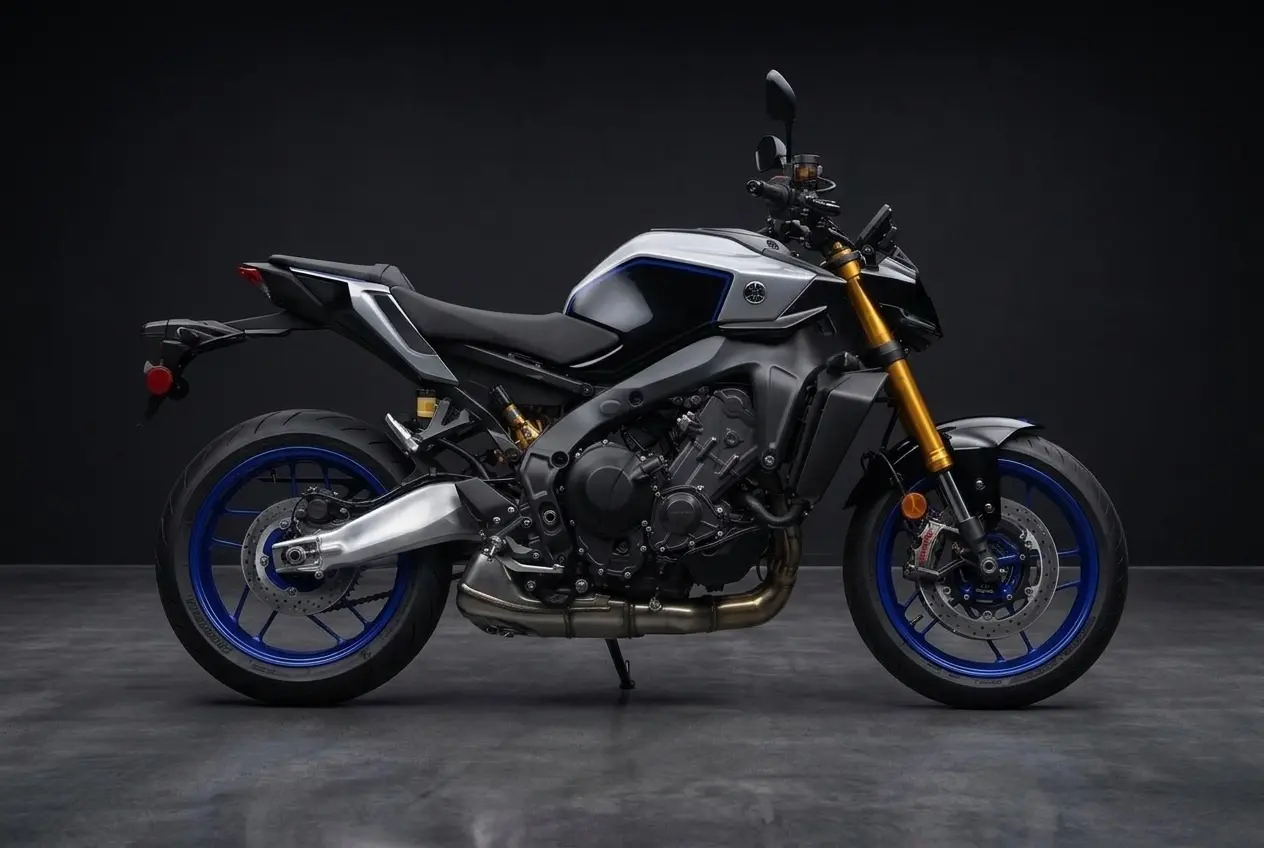
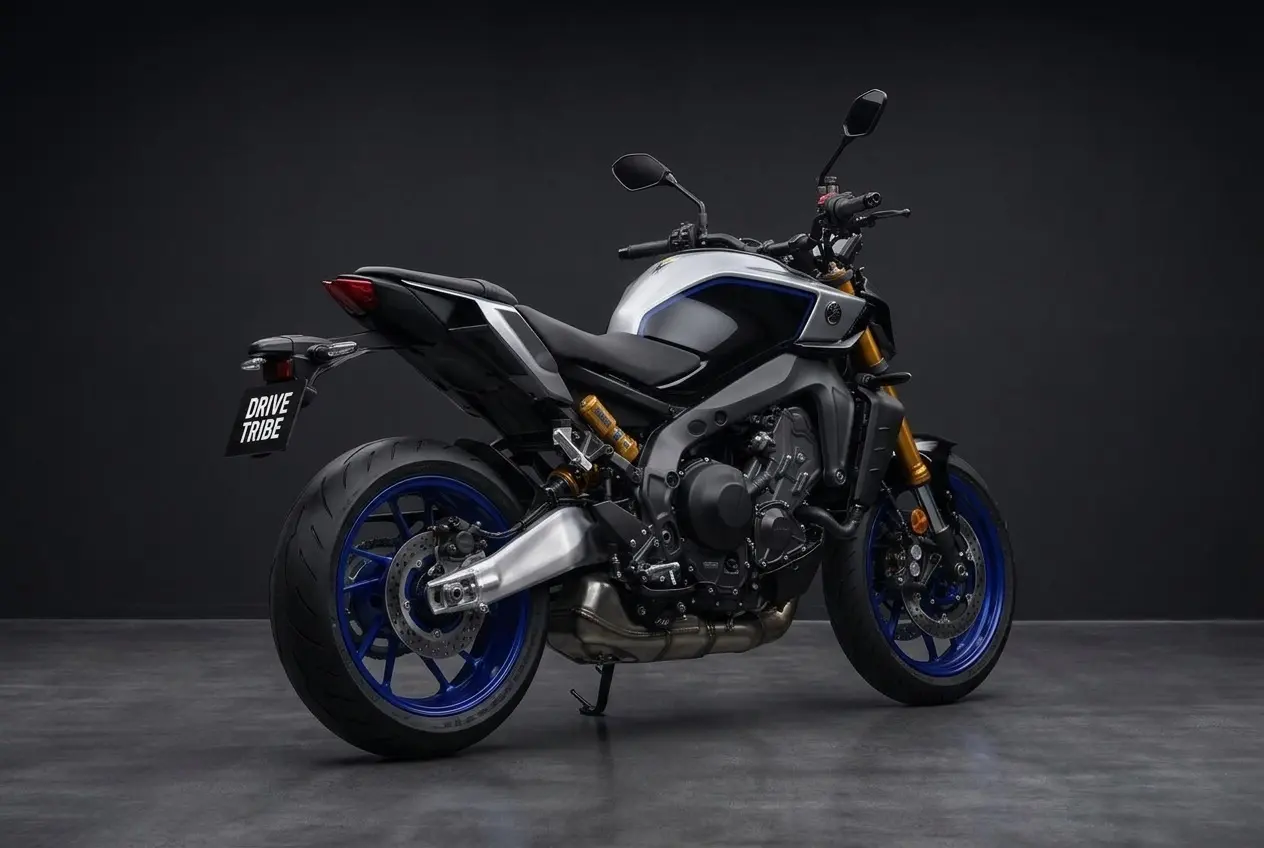
The Yamaha MT-09 SP is an inline three performance naked bike with premium adjustable suspension, gold front forks and strong brakes. Its suspension and brakes help a rider manage an unexpected change in handling, but they cannot replace calm, deliberate responses. Use the bike's stability and braking carefully when something feels wrong, and let the machine settle under you.
The MT-09 SP is the only bike in our range that carries a passenger. If a passenger is with you when a tyre problem develops, they should sit still, keep their weight in line with the rider and wait for the bike to stop. Explain the plan before you set off, so that you both know what to do if the bike starts to feel wrong.
Take the time to get to know the bike's handling in a quiet area before you tackle a long run. Feeling how the bike responds in normal conditions makes it much easier to notice when something has changed.
Road conditions shift with weather and works, so look at Transport for NSW before you go.
Booking the Yamaha and what to know first
Before you book, a few points matter. Our bikes are hired from Parramatta, and the minimum hire period is three days. The rider must hold a full motorcycle licence held for at least three years, and be 25 or over on every bike. Passengers are carried only on the Yamaha, and only one passenger aged 16 or over may ride.
When you are ready to ride with confidence, use the booking link on this page to reserve the Yamaha MT-09 SP. You can browse the full fleet to compare the machines and their pages. Good tyre care and a calm response to trouble will serve you well on every ride, so check your bike and your plan before you leave.

Frequently asked questions
What does a soft tyre feel like on a motorbike?
A soft tyre often feels like a change in handling rather than a sudden event. The front may feel vague or heavy in a bend, the bike may pull toward one side on a straight, or the rear may feel loose under power. A rhythmic thumping or flapping can also signal a problem. Take any change seriously and stop to check the bike at the first safe place.
Should I brake hard if I think I have a puncture?
No. Hard braking can make a soft tyre roll off the rim and can unsettle the bike. Close the throttle gradually, keep the bike in a straight line where possible and let the speed fall with light, progressive braking. Keep a relaxed grip and eyes up, looking where you want to go.
Can I ride to a repair shop on a flat tyre?
It is not a good idea. Riding on a visibly flat tyre can cause serious damage to the tyre and the wheel, and it can make the bike much harder to control. Stop safely, check the tyre and call for assistance if you are uncertain. Have the bike inspected by someone who works on motorcycles before you ride it again.
Which Drive Tribe bike is best for a country ride with a passenger?
The Yamaha MT-09 SP is the bike to choose if you plan to carry a passenger, since it is the only bike in our range that takes one. Its premium adjustable suspension and strong brakes help the bike stay composed on country roads. The MV Agusta F4 and the Ducati 1199R are single-seaters, so the rider should book the Yamaha for a shared trip.
How do I check tyres before a hire ride?
Look for cuts, bulges, embedded objects and visible wear, and check the pressures with a gauge when the tyres are cold. Use the figures in the owner's handbook rather than guessing. A few minutes of checking at the start of the day can prevent a problem later, and it helps you spot changes you might otherwise miss.
Is a tyre problem a reason to stop the ride altogether?
A tyre problem is a reason to stop safely, check the bike and decide whether the ride can continue. A minor issue may allow a short, careful return, but a visibly damaged tyre should not be ridden on. If you are unsure, call for help and wait somewhere safe. Riding within your ability means accepting that a planned ride can end early.
Ready when you are. Pick your dates and book the Yamaha MT-09 SP online, or call us and we will sort it with you.
Book NowCall 0468 011 118