

Book the Chrysler 300 Gullwing Stretch Limousine with a chauffeur. Send us the date, the times and where you are going, and we will confirm the Chrysler 300 Gullwing Stretch Limousine for your night.
Book NowCall 0468 011 118In Portugal, the queima das fitas is one of the most distinctive end-of-year traditions. Its name means burning of the ribbons, and in its best-known form it belongs to university students, who mark the close of their studies with coloured ribbons, music and a week of celebration. Secondary school leavers have their own occasion, often called the finalists' ball. This article describes how these traditions work and how they compare with an Australian Year 12 formal.
A ribbon-burning tradition with a long memory
The queima das fitas is a celebration that many Portuguese families know well, even if they did not attend university themselves. Its heart is a ritual in which final-year students burn the ribbons that have marked their course or faculty over several years. The ribbons carry colours and names, and the act of burning them symbolises the end of one stage and the start of the next.
The tradition is closely associated with university towns, where the celebrations can fill the streets for days. Music, parades and gatherings bring students, graduates and older generations together, and the atmosphere is often described as lively and proud. The best-known versions are strongly tied to local identity, which is one reason the traditions differ from one city to another.
This article describes the common shape of these celebrations, then compares them with an Australian Year 12 formal. Practices differ between cities, universities, schools and families, and where they do, we say so. The aim is to describe the traditions with respect and to show where Australian families might find an idea worth noting, or a habit worth keeping.
Universities first, secondary schools second
The queima das fitas belongs first to university students, usually adults who have finished their final year of study. Those celebrations are organised by student associations and academic communities, and they can involve a long programme of events across several days. The university version is the one most people picture when the phrase is used.
Secondary school leavers in Portugal have their own end-of-school occasion. In many schools, the final-year students hold a finalists' ball, a formal evening with a meal, music and speeches. The details vary from school to school, and some schools also hold a gathering for families or a day of activities before the ball. This is the version closest to an Australian formal in age and feel.
Because the two occasions involve different ages, the rules differ too. Our own standards apply to any younger students we help plan for. Under-18s always travel chauffeured, and there is no alcohol for anyone under 18 in any car. Families should keep those rules in view when they compare a university celebration with a school ball.

Academic dress and the coloured ribbons
Academic dress is a visible part of the tradition in some Portuguese university towns. Students may wear a traditional cape and gown, and the colours and styles can reflect a particular faculty or history. The clothing gives the celebrations a sense of continuity, because the outfits connect today's students with those who came before them.
The ribbons are the centrepiece. Students collect them over their studies, often decorating them with signatures, dates and small messages from friends. Each ribbon marks a stage of the course, and the act of burning them is a moment of shared emotion. Families often keep a ribbon as a memento, and older relatives may recall their own celebrations with real affection.
For a school leaver, the equivalent is less formal in its symbolism but still meaningful. Many students keep a yearbook, a shirt or a signed item from their final year. The shared sense of marking a milestone is one of the strongest links between the Portuguese traditions and the Australian formal.
A week of celebration in the university towns
In the university towns, the celebrations can run across several days, with concerts, parades, sporting contests and informal gatherings in squares and gardens. The programme is often published in advance, and the events draw large crowds, including families who travel to see the students take part. The rhythm is energetic, and the days can be long.
For families who are not local, the timing of the celebrations is worth planning around. Accommodation, travel and the arrangements for getting around can take more time than expected when a whole town is busy. Checking the programme early, and agreeing a meeting point and a time for each day, keeps the celebrations enjoyable for everyone.
The week can also feel demanding, especially for students who are finishing a long course. Taking breaks, eating well and keeping in touch with family makes the celebrations more relaxed. Families who plan around those needs often find that the whole week feels more generous and less exhausting.

The finalists' ball and the school leavers
The finalists' ball is the school version of a farewell evening, and it can be the highlight for students who are leaving secondary school. A typical ball includes a meal, a short programme of speeches or awards and a long period of dancing. A number of schools put together a slideshow of recollections, and parents tend to enjoy it nearly as much as the students.
The ball usually brings together the whole final-year group, with teachers and families present for part of the evening. Students often arrive in groups, and the photographs at the entrance and during the evening form a large part of the memory. A clear plan for the arrival, the photographs and the ride home makes the night easier to enjoy.
The school's own rules shape the evening. Schools set expectations about conduct, guests, alcohol and the times students must arrive and leave. Families should read those expectations carefully and talk them through with their children, so the rules are understood before the night rather than announced at the door.
Dress for the finalists' ball and the family photographs
Dress for the finalists' ball is a personal choice. Many students wear dresses or suits, and some choose something made for the occasion, while others reuse an outfit from a family celebration. Shoes and accessories are part of the decision, and the outfit often comes together over several weeks of trying things on with friends or family.
Taking pictures with the family sits at the heart of the occasion. Parents, siblings and grandparents often gather at home before the group leaves, and a short session in the street or the garden is a familiar scene. Some families invite neighbours or extended relatives, while others keep the photographs to the household. Both are valid, and the choice reflects each family's own customs.
Australian families who plan a formal will recognise the same care. Picking an outfit with care, holding a brief photo session and mapping out the opening and closing shots all help the evening run smoothly. Dressing well for a significant evening is one of the most widely shared traditions across cultures, and it gives families a warm point of connection.

Want the Chrysler 300 Gullwing Stretch Limousine for your date? Send us the date, the times and where you are going, and we will confirm the Chrysler 300 Gullwing Stretch Limousine for your night.
Book NowCall 0468 011 118Getting there: the arrival at the ball
Transport for the finalists' ball depends on the school, the venue and the group. Some students walk or take a short trip, others travel by family car, and some groups choose a hired car for a more memorable arrival. The right answer depends on the group, and it helps to decide early so the timing and the parking are not left to chance.
When a set of students wants to turn up as one party, a car with a chauffeur is a sensible option. Young people under 18 are transported by chauffeur through our service, seated as passengers while a driver handles each leg of the journey. A student should never drive a hired car to or from a formal or a ball, and that rule covers the short trips as well as the long ones.
Plan the arrival around the school's entry time, and allow room for a relaxed step-out. Find out the spot where the car may pull in, the length of time it may remain, and the meeting place for the group. A calm arrival makes the first photographs easier and gives students a moment to enjoy the evening before the dancing starts.
Families, regions and respect for different customs
Portugal has strong regional identities, and families bring different customs to the end of school. Some communities hold large gatherings with extended family, while others keep the celebration close and personal. Traditions vary by city, by university and by household, and nobody should assume that one family's approach represents them all.
That variety is worth respecting. Families who are new to the traditions can ask the school or the student association how the celebrations usually run, and what the expectations are for guests and for families. Asking politely and early is a simple way to show respect, and it helps everyone feel welcome.
For Australian families reading about the Portuguese traditions, the lesson is not to copy the customs exactly. The useful takeaway is to see what a community gains from common rituals, a shared understanding of priorities and moments reserved for those who helped the student reach the milestone. Such habits suit families of any background, regardless of how the day is traditionally observed.
Rules for younger students: the chauffeur and the alcohol
Whichever event it is, students under 18 deserve identical attention to their safety. Our standard is that they are always chauffeured, with a professional driver at the wheel and the young people as passengers. A student never drives a hired car to or from a formal, a ball or any other celebration we plan, and that rule holds for every leg of the evening.
There is no alcohol for anyone under 18, in any car, and that applies to the whole night. University celebrations involving drinks are intended for adult students, and younger students should not be part of those activities. Households ought to honour the school's guidance too, since every school determines what it expects from its pupils.
Grown-up guests may arrange their own lifts, and that is their decision to make. The young people's ride should stay in its own booking, chauffeured and clearly organised from start to finish. Keeping the two arrangements apart means the timetable stays readable and nobody is unsure who is responsible on the night.
How the Portuguese traditions compare with an Australian formal
The two traditions share more than people might expect. Both mark the end of a stage of study, both involve formal or smart dress and both bring families together for an evening of food, music and photographs. Both also depend on a good plan, because the timing, the transport and the photographs need to fit together for the night to feel calm.
The biggest difference is often the scale and the setting. The queima das fitas can spread across days and across a whole university town, while the Australian formal is usually a single evening held at one venue. The finalists' ball is closer in scale to a formal, but its customs, its symbols and its place in the calendar differ from ours.
It is at the arrival that the Australian formal tends to stand apart most clearly. A group entrance by chauffeur, arranged around one continuous trip, sets the evening off cleanly. Portuguese celebrations include memorable arrivals too, but the custom is less uniform, and many families make their own arrangements for the day.
Close: the featured Chrysler 300 Gullwing Stretch Limousine
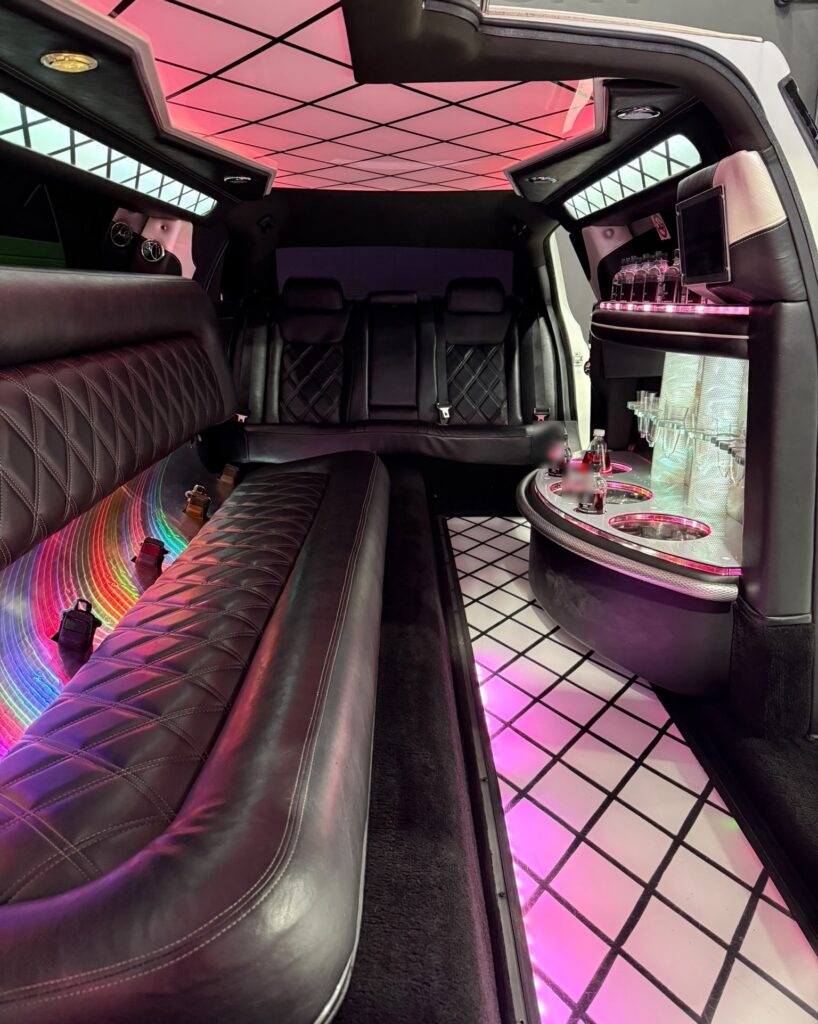
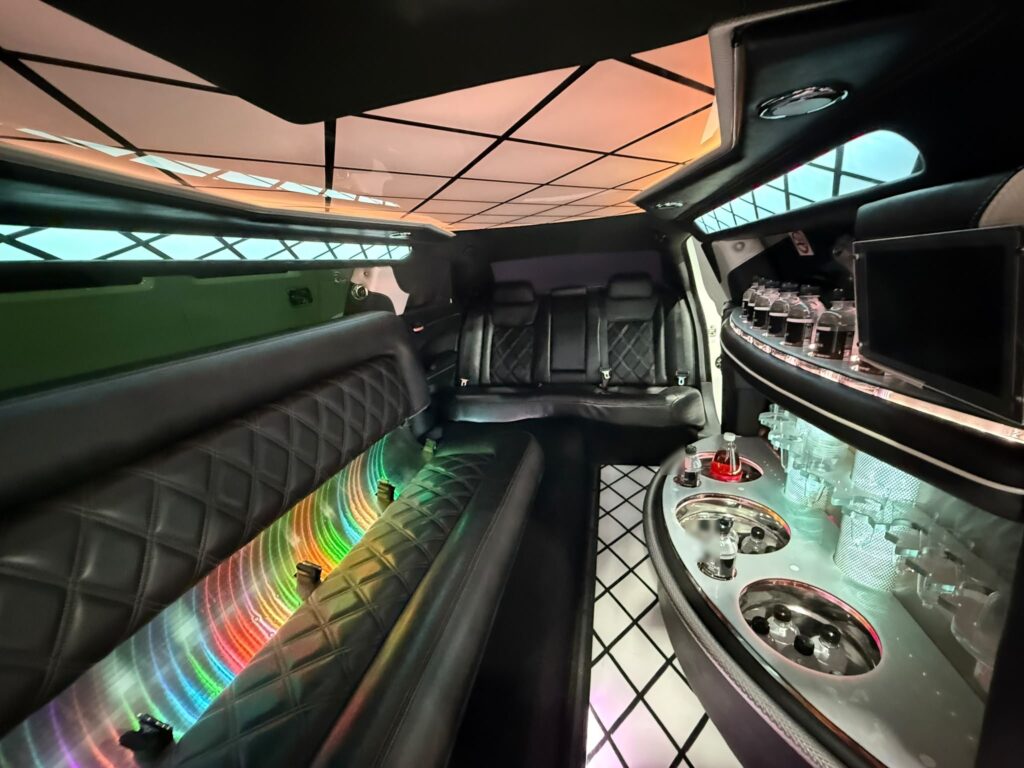
For a group that wants a memorable start to a celebration, our featured choice is the Chrysler 300 Gullwing Stretch Limousine. Chauffeur-only access applies, so the group sits together in a roomy, convivial interior while a driver takes care of the route, corners and pick-up point. It suits a group that values the arrival as much as the evening that follows.
Other choices suit other groups. A Rolls-Royce Phantom offers a calm and formal arrival for a smaller party, a Hummer H2 Stretch Limousine brings a bolder look and a van keeps a larger group together in one vehicle. Browse the fleet page for comparisons, then check your schedule against whichever vehicle appeals most.
Once your schedule is finalised, submit the request together with the collection points, the venue time and the return arrangements. Open the Chrysler 300 Gullwing Stretch Limousine page for the specifics of your date. Pricing depends on the day, the duration and the journey, and we put every figure in writing before anything is settled. We would be pleased to help your group arrive together and enjoy the whole evening.
Frequently asked questions
What is the queima das fitas?
The queima das fitas, which means burning of the ribbons, is a Portuguese end-of-study tradition. In its best-known form it belongs to university students, who burn the ribbons that marked their course over several years. The celebrations often include music, parades and gatherings, and they can run for several days in university towns.
Is the queima das fitas the same as an Australian formal?
They share a purpose, which is to mark the end of a stage of study with friends, family and a celebration. The queima das fitas is a university tradition that can spread across days, while an Australian Year 12 formal is usually one evening held at one venue. The finalists' ball in Portuguese schools is closer in scale to a formal.
Do students under 18 need a chauffeur for a finalists' ball?
Yes. Under-18s must always be chauffeured with us, a driver in charge of the vehicle and the students riding as passengers. Students should never drive a hired car to or from a ball, a formal or any other celebration we plan, and the rule covers every leg of the evening.
Are the alcohol rules the same for a school celebration?
Anyone under 18 is barred from drinking in any vehicle, and the prohibition holds for the entire evening. University celebrations involving drinks are intended for adult students, and younger students should not take part in those activities. Each school sets its own expectations, and families should follow them alongside our plan.
Do families in Portugal all celebrate in the same way?
No. Portugal has strong regional identities, and families bring their own customs to the end of study. Some hold large gatherings with extended family, while others keep the celebration close. Asking the school or the student association how things usually run is a respectful way to learn what is expected.
Can a family book the featured Chrysler 300 Gullwing Stretch Limousine for a school night?
Yes, you can ask for it. The Chrysler 300 Gullwing Stretch Limousine only runs with a chauffeur, so the group rides together and a driver takes charge of the route. We put this model forward as our top pick for a group entrance that people remember. Share the pickups, venue time and return plan when you ask, and the booking team will confirm availability for your date.
Ready when you are. Send us the date, the times and where you are going, and we will confirm the Chrysler 300 Gullwing Stretch Limousine for your night.
Book NowCall 0468 011 118