

Book the MV Agusta F4. Pick your dates and book the MV Agusta F4 online, or call us and we will sort it with you.
Book NowCall 0468 011 118Iluka Road has a character that surprises many riders. It starts in the wide, flat country of the Richmond River and runs out toward the coast through farmland, river channels and open views that stretch to the horizon. The road itself is simple, but the season you choose changes how it feels from the first kilometre to the last. Winter brings clear, cool mornings. Spring fills the paddocks with colour. Summer delivers humidity and sudden downpours. This guide walks through each season so you can pick the right time for your ride.
For the bikes we hire, who can ride them and how a hire runs, see motorbike hire in Sydney.
A flat and open ride with a coastal finish
Many coastal rides are defined by climbs and crests, but Iluka Road is different. The country around Woodburn is low and level, with the river never far from view and the land opening out into broad paddocks. Riders who enjoy a steady rhythm will find the road easy to settle into, with long straights, gentle curves and a sense of space that is hard to match closer to the city.
The landscape changes as you approach the coast. Sugar cane and grazing land give way to scrubby dunes and coastal vegetation, and the light shifts toward a clearer, saltier glow. The air often carries a breeze that was not present inland, which can push a motorbike sideways on exposed stretches. Keep a firm grip on the bars and expect the wind to shape how the last part of the ride feels.
Because the road is open and visible for much of its length, it can encourage riders to go faster than they should. Resist that urge. Long, flat stretches can hide patches of loose gravel near farm entrances and can lull a rider into losing concentration. Treat each kilometre as one that deserves the same attention, and keep the pace relaxed enough that you can react to anything that changes ahead.
Winter: cool mornings and the cleanest air
Winter is one of the most pleasant seasons for this route. Days are mild, humidity is low and the air is clear enough that the river and the distant hills stand out sharply. Mornings can feel crisp, particularly in the low-lying parts where cool air settles overnight. Layer up with a thermal base and a windproof outer, and plan to warm up at your first stop rather than in the first few kilometres.
Morning mist can linger over the flatter ground and over the river channels, reducing visibility until the sun gets to work. Ride slowly through any patches of mist, use your headlight and keep well back from the vehicle in front. Ground moisture can also make the road slick in shaded spots, so brake early and avoid sudden inputs until the surface has dried out.
Winter visitors are fewer, and that makes the road calmer for riders. You will often have long stretches to yourself, and the small villages along the way are quiet and easy to stop in. It is a good season for a relaxed day with time for photographs, a leisurely lunch and a walk along the coastal edge before the ride back. Start late enough to let the cold lift, but not so late that the afternoon feels rushed.

Spring: green paddocks and river views
Spring is when the countryside looks its best. The paddocks turn lush and green, wildflowers appear along the verges and the river takes on a lively, sparkling quality in the morning sun. Temperatures are comfortable, and the wind is often lighter than in the high summer months. For many riders this is the season that makes the trip worth repeating.
Spring weather can be changeable, though. A clear morning can turn into a showery afternoon with little warning, and the road can be wet for a while after rain falls. Carry a light waterproof in your luggage, check the forecast before you leave and watch the sky as you ride. Painted lines and metal surfaces such as bridge joins become especially slippery after the first few drops, so ease off the throttle and brake gently when the road turns wet.
Food and fuel are easy to plan in spring. The towns along the route have fuel and small cafes, but numbers are modest, so top up before you leave the main towns and do not assume a station will be open on a quiet stretch. A shaded picnic spot beside the river is a lovely place for lunch, provided you pick a level, sealed area to park. Keep water on hand and drink little and often throughout the day.
Summer: heat, humidity and afternoon storms
Summer on the Northern Rivers is hot and humid, and the flat terrain offers little shade on the open stretches. Temperatures can rise quickly through the morning, so get going early and plan a shaded stop before the sun is at its strongest. A heavy jacket becomes uncomfortable within minutes, so choose a vented option and lightweight layers that keep you cool without exposing your skin to the sun.
Afternoon storms are common in summer. Heavy cloud can build over the coast and drift inland, bringing sudden rain, strong gusts and reduced visibility. When you see storms building, look for a safe place to stop and wait until the weather passes. Roads become slippery with oil and dust once the rain starts, so give yourself plenty of space and expect the surface to be much grippier once it is fully wet and cleaned.
Summer also brings more holiday traffic toward the coast, including caravans, cars with boats and groups of visitors heading to the beaches. Ride midweek or leave early on weekends to find calmer roads. Keep your eyes on the vehicles behind you, as they may be heading faster than expected. Fatigue creeps in quickly in the heat, so schedule breaks before you feel tired and drink water regularly.
Road character, traffic and surface
Iluka Road is mostly sealed and broad, with gentle bends that reward a smooth, consistent line. The corners are generally open and well sighted, but there are sections where the verge is soft and where farm entrances bring loose material onto the bitumen. Enter every bend at a speed that lets you see the exit, and check the surface before committing to any turn in the shade.
Traffic is steady but rarely heavy. Locals in utes and tractors use the road regularly, and some vehicles may pull out from side tracks without much warning. Give slow machinery plenty of room and avoid overtaking near crests or junctions. Use your mirrors often, particularly on straight sections where drivers can underestimate the speed of a motorbike.
Gravel near the verges is the main surface hazard on this road. Stay on the sealed carriageway, avoid loose edges and be ready for a change in grip where gravel has been spread at a junction. Our road bikes are not suited to unsealed roads, so turn back if a side road looks rough or unsealed rather than trying to explore it. A tidy line and a calm approach will keep the road enjoyable from start to finish.
Want the MV Agusta F4 for your date? Pick your dates and book the MV Agusta F4 online, or call us and we will sort it with you.
Book NowCall 0468 011 118Fuel, food and where to rest
Fuel stops are spaced further apart on this route than in the city, so plan carefully. Fill up in the larger towns before you head out toward the coast, and treat half a tank as your signal to look for the next station. Never refuel with the engine running, and keep your gloves on while you fill up so that your hands stay protected from a hot nozzle or a stray splash.
Food stops are easy to enjoy on this run. Small cafes and bakeries in the towns serve light lunches, and the coastal end of the route is a pleasant place to stop for a bite with a view. Choose something light, such as a salad, a wrap or fresh fruit, rather than a heavy meal that could slow your afternoon. Drink water at every stop, even when you do not feel thirsty, because heat and wind dehydrate riders quickly.
Rest is part of the plan. Stop at least every ninety minutes, and longer on warm days. Find a flat, sealed spot to park, put the side stand down on firm ground and take time to stretch your back, neck and hands. Watch for fatigue signs such as drifting focus, delayed braking or sore wrists, and treat them as your cue to stop rather than push on.

Safety for the flat and open ride
Gear matters on any road, and an open, fast-looking run can tempt riders to relax their standards. Wear a properly fitted helmet, a jacket with armour, gloves that handle a sudden slide and sturdy boots that cover the ankle. Check zips and fastenings before you leave, because a loose sleeve or flapping collar can become distracting at speed.
Wildlife is active near the roadside at dawn and dusk. Kangaroos, wallabies, birds and livestock may cross without warning, and the flat land gives you a long view of animals that have not yet decided to move. Ease off as the light changes, keep your speed in line with the conditions and give yourself time to react. Brake calmly if an animal steps out, and avoid swerving hard, since a sudden change of line can be more dangerous than the animal itself.
Riding within your ability is the most important safety decision of the day. Flat roads can make it difficult to judge your speed, and a long, uninterrupted stretch can dull your concentration. Take a break before you feel tired, and if the wind is strong or the rain has started, slow down and accept a shorter, more comfortable day. Avoid alcohol entirely while you ride, and save any celebratory drink until the bike is parked for the day.
It pays to check Transport for NSW for closures and roadworks before you point the bike out of Parramatta.
Hire terms and the MV Agusta for this coast
Bikes are self-drive, collected from our Parramatta base, and hire runs for a three day minimum. A rider needs a full motorcycle licence held for at least three years, and must be aged 25 or over on the bike they ride. The bond is held against the bike's class, and personal injury cover beyond compulsory third-party insurance is the rider's own to arrange if they want it.
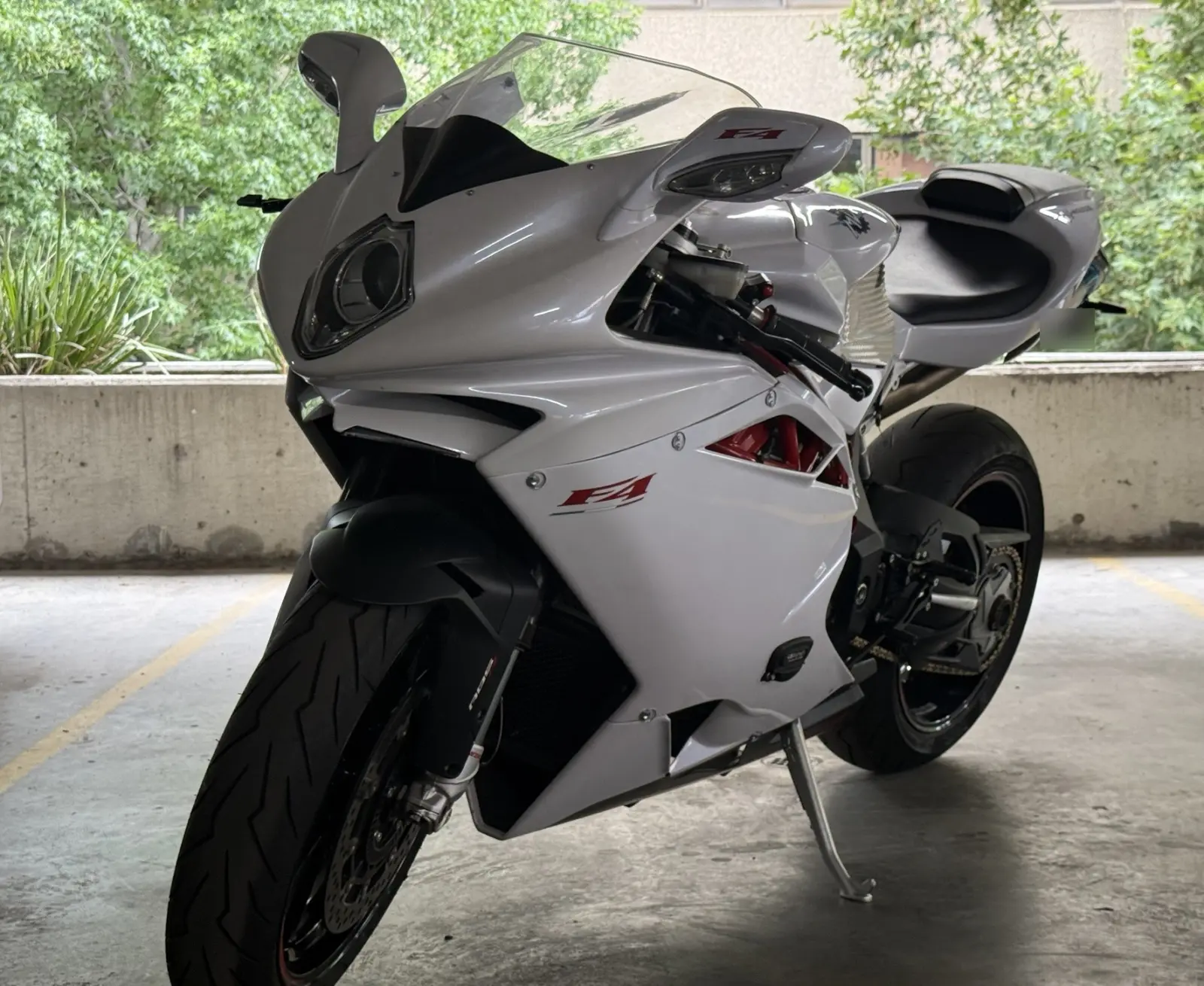
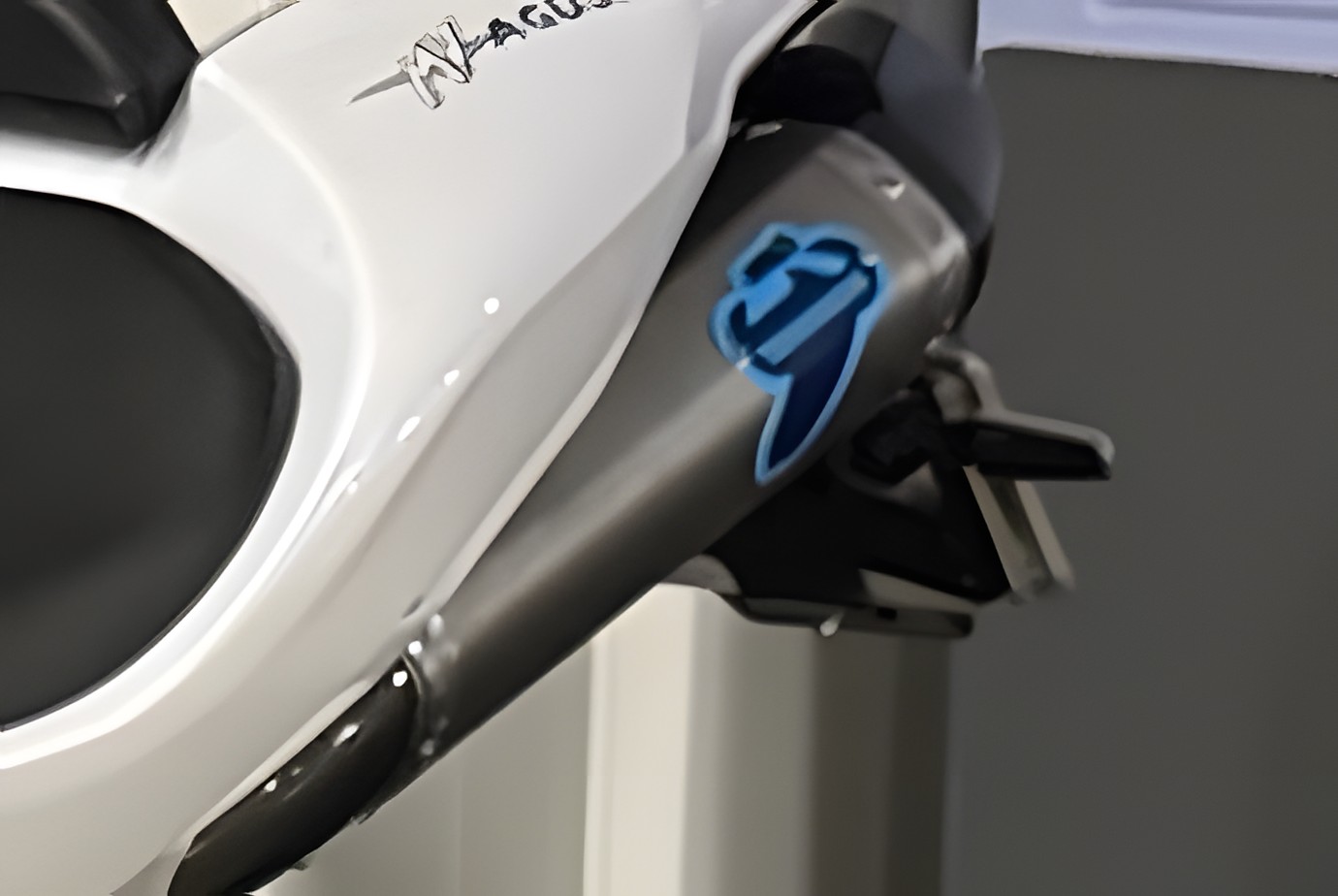
The MV Agusta F4 suits a rider who enjoys a sharp, focused machine on a long, open coast road. Its 998cc inline four pulls strongly through the gears, and the performance exhaust adds a satisfying note when the road opens up. It is a single-seater, so plan this ride as a solo trip and keep your attention on the surface, the wind and the traffic rather than on any extra weight.
If the season suits your plans, the MV Agusta F4 is a strong choice for a flat, open coastal ride that rewards careful, steady riding. Book early for the weekends you prefer, and browse the full range on our fleet page before you decide.
Frequently asked questions
What is the best season to ride Iluka Road?
Winter and spring are generally the most comfortable seasons for this route. Winter offers clear air, mild days and fewer visitors, though morning mist and shaded moisture need care. Spring brings green paddocks, lively river views and comfortable temperatures, with a few changeable showers to watch for. Summer is hot and humid with afternoon storms, so it suits early starts and calm weather. Choose the season that fits your tolerance for heat and your interest in the scenery.
Is Iluka Road suitable for a beginner rider?
The road is flat and mostly sealed, which makes it a gentler place to build confidence than a mountain route. However, long straights can hide complacency, and wind on exposed stretches can be a surprise. A less experienced rider should ride within their comfort zone, keep the pace relaxed and take regular breaks. Riding within your ability matters more than the road's gentle character, so choose the day and the speed that feel right for you.
How long does the ride to the coast take?
Allow around an hour and a half to two hours of riding time for the main stretch if you do not stop, though most riders plan a longer day with breaks for food, photographs and a walk along the coast. The total time depends on where you start, the weather and how many stops you make. Build in a buffer so the ride feels unhurried, particularly if you plan to explore the towns along the way.
What gear should I wear on a summer ride?
Choose a helmet that fits well, a vented jacket with armour, lightweight gloves and sturdy boots that protect your ankles. Light-coloured, breathable layers help you stay cool, and a sun-protective neck covering is useful on exposed stretches. Keep a light waterproof in your luggage for sudden storms, and check that everything is securely fastened before you leave. Gear should protect you without making the heat unbearable.
Are there fuel and food stops on the way?
Fuel stations are spaced further apart than in the city, so fill up in the larger towns and treat half a tank as your signal to look for the next station. Small cafes and bakeries in the towns offer light lunches, though opening hours can be limited on quieter days. Plan your food stop before you need it, and carry water and a small snack in case a town is quieter than expected.
What should I do if I encounter animals on the road?
Ease off as soon as you see an animal near the road, particularly at dawn and dusk. If one steps out, brake firmly but calmly, keep the bike upright and avoid swerving sharply, since a sudden change of line can cause a fall. Expect a second animal to follow the first, and stay alert. If you are shaken, stop at the next safe, sealed spot and recover before you continue.
Ready when you are. Pick your dates and book the MV Agusta F4 online, or call us and we will sort it with you.
Book NowCall 0468 011 118