
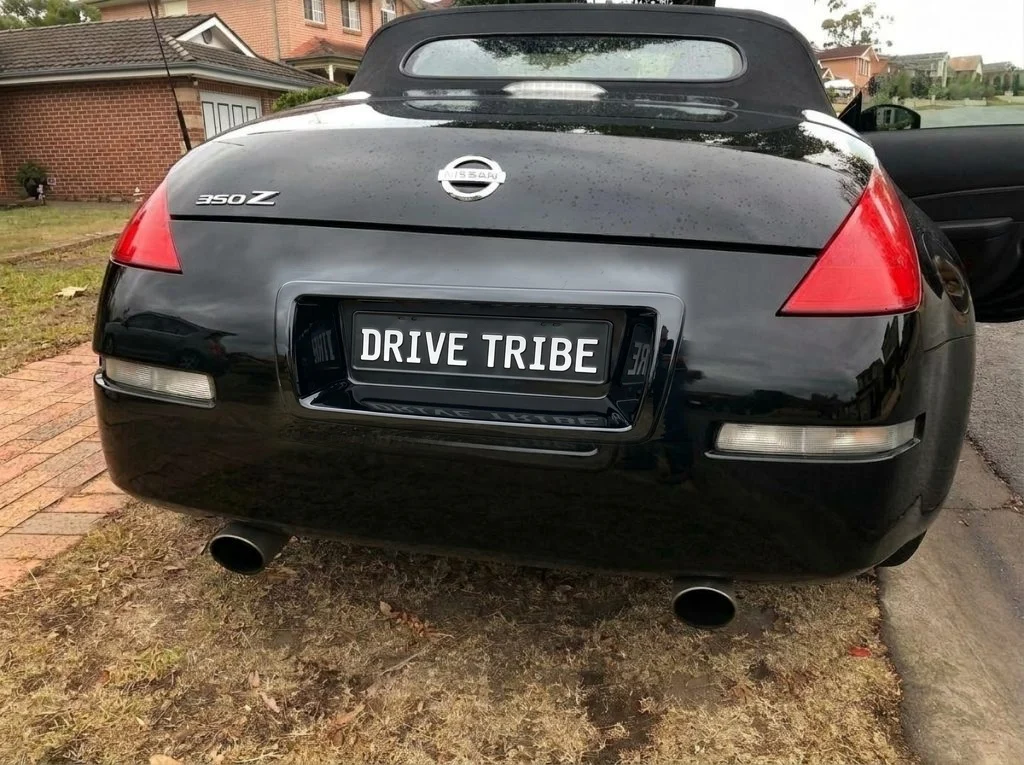
JDM car culture in Sydney is a mix of owners, enthusiasts and meets built around Japanese performance cars from the 1990s and early 2000s: Skylines, Supras, RX-7s, 350Zs and more. If you want to experience it by driving rather than watching, we offer guided drives in a 350Z roadster and a bridgeport-rotary RX-7.
What JDM actually means
Japanese domestic market describes cars sold in Japan, often with different engines, trim or tuning than the export models. Over time the term widened to mean Japanese performance cars of a particular era, especially rear-wheel-drive coupes with strong engines and strong tuning potential. Enthusiasts value originality, but also the many ways owners modify their cars, which is why two cars of the same model can feel so different.
Why Sydney took to it
- Sydney has a large community of car enthusiasts, and Japanese cars have always been part of it.
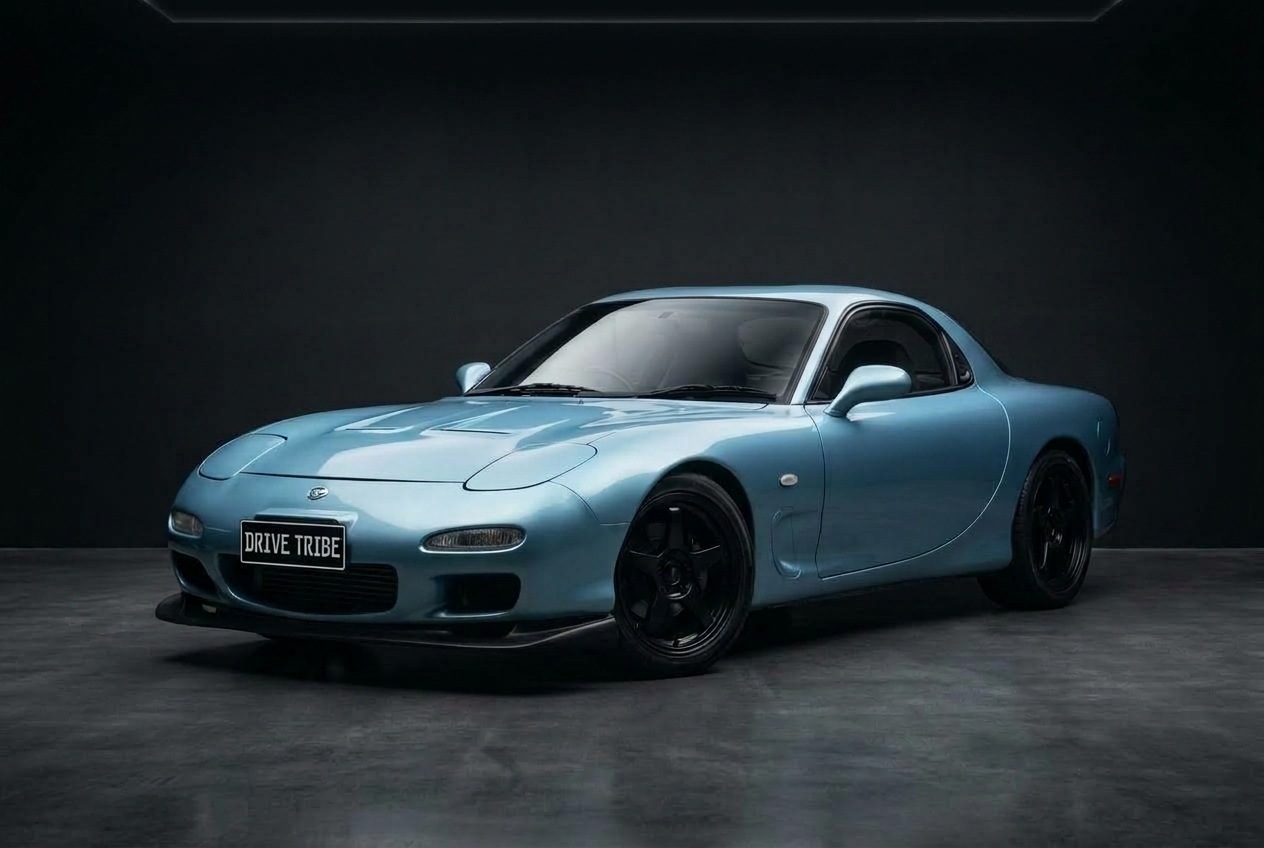
- Video games and anime made the cars famous to people who never saw one on the road. The FD RX-7 appears in the Initial D anime and the Gran Turismo games, and an RX-7 features in the first Fast and the Furious film.
- Many Sydney drivers had a Japanese car as a first performance car, which gives the culture emotional weight.
How the scene shows up
You will find JDM culture at organised meets, at car shows, in photography groups and online, and in the way people talk about their cars: the engine, the wheels, the tune. A meet is a social event where owners park, talk and look. It is not a place to drive fast, and the best ones are friendly and respectful of their neighbours.
Our own RX-7 and car meets in Sydney article looks at how the blue RX-7 fits in. For an evening version of the scene, see the RX-7 JDM night.
Cars you can drive with us
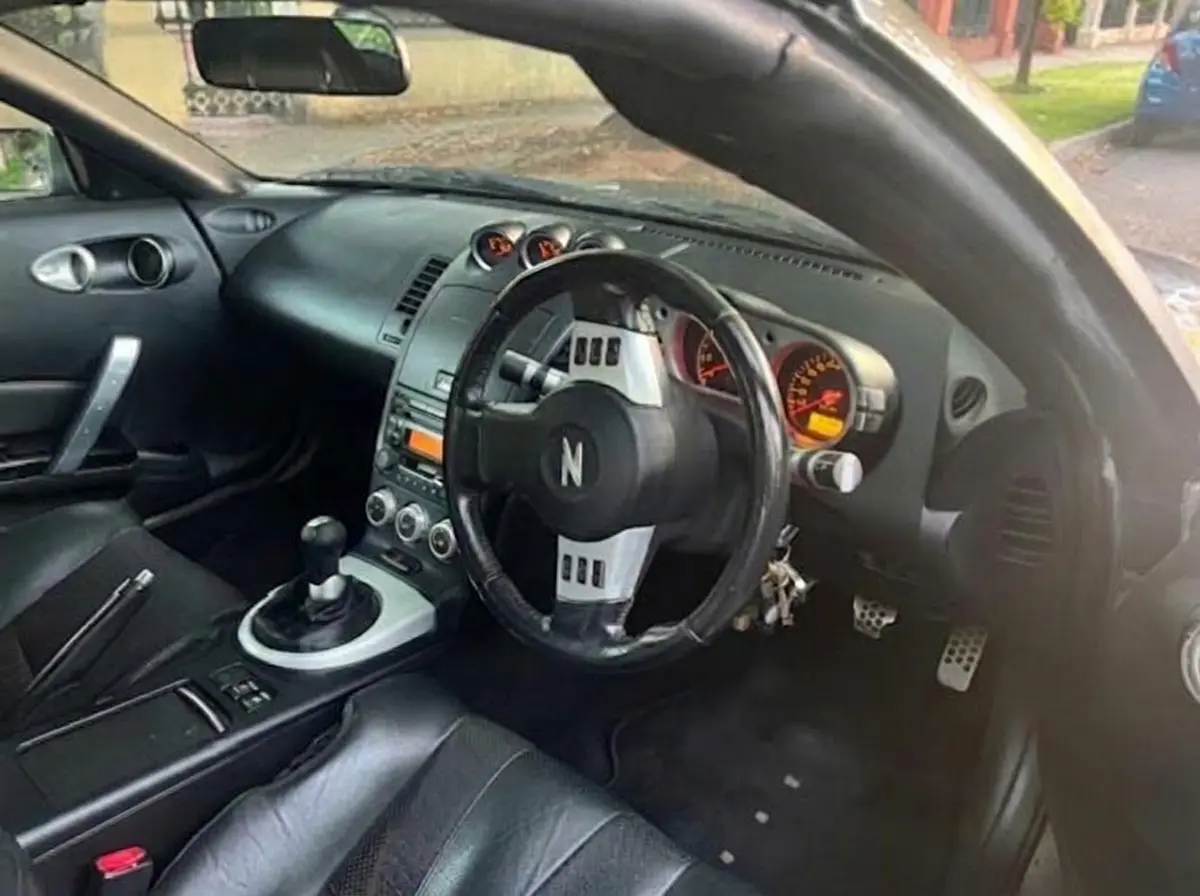
- The Nissan 350Z Convertible Track Edition: a V6 roadster with a six-speed manual, rear-wheel drive and a folding roof.
- The Mazda RX-7 FD Bridgeport: a bridgeported 13B rotary on a single G42 turbo in light metallic blue. Mazda is the only maker to win Le Mans with a rotary, the 787B in 1991, and the FD is a road car that carries that engineering story. It is normally chauffeur only, so a guided drive is how you get to drive it.
We do not hold a Skyline GT-R, a Supra, an NSX or an S2000. If one of those is your dream, we will be honest about that and glad to hear what you want.
Why a guided drive suits the culture
JDM culture is about the driver. A guided drive keeps that front and centre: you are at the wheel and our experienced driver is beside you, handling the route and the pace so that you can concentrate on the car. There is no group briefing, no queue and no one else's schedule. See how a guided drive works for the format.
Respect on the road
Enthusiast culture has a reputation to protect. Obey road laws and the posted speed limit on public roads, and leave fast driving to the track. We never encourage speeding or street racing, and we do not encourage chasing exhaust effects or noise on the road. Part of being a good member of the scene is keeping the neighbours and the police on side.
How to get involved
- Visit a local meet and talk to owners about their cars.
- Ask for a guided drive to experience one first-hand.
- Follow the JDM drive experiences category for more guides.
- Tell us which car you would love to drive.
The cars behind the culture
The 1990s were a high point for Japanese performance. Makers built lightweight, rear-drive and all-wheel-drive coupes that were affordable to enthusiasts and rich in tuning potential. The rotary engine is a good example: Mazda introduced the Cosmo Sport in 1967 as the first twin-rotor production rotary car, and the RX-7 ran through three generations (SA22C, FB, FC) before the FD3S of the early 1990s, which stayed in production until 2002. The FD used a sequential twin-turbo 13B-REW in standard form, and owners have been modifying them ever since.
That modification culture is why bridgeporting matters. A bridgeport enlarges and re-shapes the ports in the rotor housing so the engine can breathe more freely. It is a specialist job, which is why the bridgeported rotary needs expert hands article explains why we pair the car with an experienced driver.
What newcomers should know
- Many owners treat their cars as long-term projects, so ask before you touch one.
- Meets are social: park where you are told, keep noise down, and leave tidily.
- Photography is welcome when the owner is happy with it.
- Nobody respects a driver who is loud or dangerous on the way out.
If you simply want to feel what the fuss is about, a guided drive is the least intimidating route in. The RX-7 in pop culture piece covers why so many people know the car without ever having seen one in person.
FAQ
Is JDM only about Skylines and Supras?
No. It covers a wide range of Japanese performance cars, including roadsters like the 350Z and rotary coupes like the RX-7.
Can I drive a JDM car in Sydney without owning one?
Yes. We offer guided drives in the 350Z and the RX-7.
Do you run meets?
We do not run public meets. Ask us if you want the RX-7 at an event you are organising.
Is the RX-7 original?
It is a bridgeported example with a 13B rotary on a single G42 turbo. We do not publish power figures for it.
How is a guided drive priced?
Guided drives are quoted per job, so ask us with your date and route.
To go ahead, ask for a guided drive quote on the 350Z page or the RX-7 page, send us a WhatsApp message, or phone 0468 011 118. Tell us the date, the times and where you would like to go, and we will plan the route and stops with you.
More reading: JDM drive experiences in Sydney, Mazda hire in Sydney and Nissan hire in Sydney.