
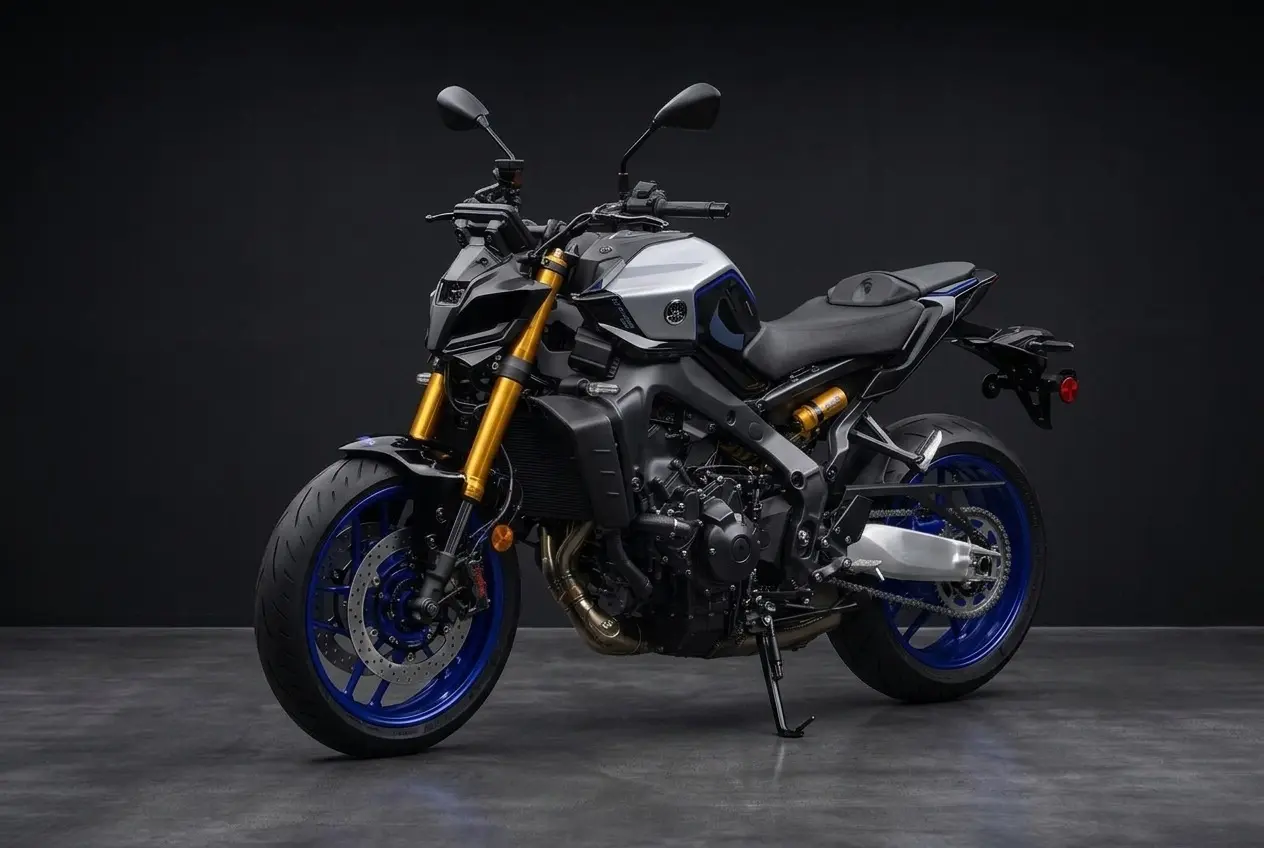
Book the Yamaha MT-09 SP. Pick your dates and book the Yamaha MT-09 SP online, or call us and we will sort it with you.
Book NowCall 0468 011 118Byron Bay asks something different from a motorbike than a long country run does. The town streets are slow and busy, the parking is tight, and the road out toward the lighthouse winds along the coast with walkers and cyclists sharing the way. A short ride like this still deserves careful planning, and the right bike makes the difference between a relaxed afternoon and a stressful one. Here is how to choose, ride and enjoy the lighthouse run without the usual frustrations.
Everything to know before you book, from the licence rules to the bond, is on our Sydney motorbike hire page.
A short ride that still needs planning
On paper the lighthouse run is a short trip from the town centre, but its character is shaped by the places around it rather than by its length. Town traffic, slow turns, pedestrians stepping out between parked cars and the final coastal climb all ask for steady attention. Riders often underestimate a short trip because they expect it to be easy. In practice the best rides here are the ones where you ride with patience and give the town its space.
Think of the day as three separate pieces: the town, the climb and the lighthouse itself. Each one needs different skills. In town you are managing low speeds and crowded kerbs, on the climb you are reading bends with cars and bikes sharing the road, and at the top you are dealing with people on foot who are often distracted by the view. Planning for each part separately makes the whole outing feel calmer and more enjoyable.
Our first advice is to choose a bike that suits the slow work as well as the open road. A machine that is easy to balance at walking pace, with brakes you can trust, will serve you well here. The Yamaha MT-09 SP is the most natural fit for this kind of riding, and the sections below explain why the rest of the range fits in less neatly.
Town riding: slow traffic and tight streets
Byron Bay's centre is busy, and the streets are narrow in places. Expect cars pulling out without warning, people crossing mid-block and cyclists weaving close to the kerb. Low-speed manoeuvres take more concentration than cruising does, because you are often balancing the bike at walking pace while watching several hazards at once. Set your mirrors before you leave the kerb, and keep your head moving through every junction.
Slow, stop-start traffic is where clutch control and smooth braking earn their keep. Keep your speed low and your line predictable, leave space ahead for the car in front to stop without a surprise, and avoid sitting in the blind spot of large vehicles for longer than you need to. If you are in a queue, hold the bike steady with your feet ready and your eyes looking beyond the vehicle ahead, so you see a gap opening before anyone else does.
Walkers are the hazard that catches out many riders. Visitors step off the footpath to look at a shop window or a map, and they often do not look for motorbikes at all. Treat every pedestrian crossing and every driveway as a possible movement. Slowing early is safer than braking hard at the last second, and a steady pace gives the people around you time to notice you.
Parking, pick-up and where to stop
Parking is the frustration most riders mention first. In busy periods the central streets fill quickly, and the best spaces go to the first arrivals. Look for signed motorcycle parking where it exists, and keep the bike off footpaths, out of the way of doors and clear of loading zones. A bike that blocks a driveway attracts attention you do not want, so take the extra minute to find a proper space.
Think about parking before you leave the place you stayed. If you cannot find a close space, a side street a short walk from the centre is often easier, and the stroll back can be a pleasant part of the day. Lock the bike using whatever method you have, remove loose items from the seat and keep valuables out of sight. Fold your helmet and gloves into a secure bag rather than leaving them on the handlebars where they catch the sun.
If you plan to stop for a coffee or lunch, choose a spot where you can see the bike from the table. Ask the staff whether there is a sheltered place to leave your riding gear, and avoid leaving anything on the seat in full sun. Heat builds quickly in a parked bike and can make a short wait feel much longer than it should.
The climb toward the lighthouse
Once you leave the town behind, the road toward the lighthouse climbs through a series of bends that reward a smooth, progressive approach. The corners are not always tight, but they can tighten suddenly, and some sections have short sight lines. Keep your speed under control on the way up, look through each bend before committing, and use the full width of your lane on the entry so you can see what is coming.
Traffic on the climb is a mix of locals, visitors in hire cars and cyclists taking the hill at their own pace. Stay well back from cyclists and give them plenty of room when you pass, because they may move unpredictably on the steeper parts. Passing on a blind bend is never worth it, and a short queue behind a slow vehicle is a minor delay compared with the risk of a crash.
The reward at the top is the view along the coast, and that view can draw attention away from the road. Pull into a designated area when you want to look, rather than stopping on a corner, and keep your eyes on the road in the moments between bends. A good rhythm on the climb means arriving at the top relaxed rather than tense, and that calm carries into the ride back down.
Surfaces, corners and coastal conditions
The surface on the coastal approach can change with the season and the weather. Salt, sand and leaf litter collect at the edges after rain, and shaded corners can stay damp well into the morning. Painted lines and manhole covers turn very slippery when wet, so treat each one as a hazard until you have checked it. Brake in a straight line where possible and avoid sudden lean angles on damp stretches.
Wildlife is a real consideration on the quieter edges of the coastal road, particularly at dawn and dusk. Animals may cross without warning, and a sudden movement can catch you out on a bend. Keep your speed in check when visibility is poor, use your lights and be ready to brake gently rather than swerve. Riding within your ability is the best protection against the unexpected.
Loose sand and gravel on corners are the surprises most riders remember. A thin layer can sit in a line you thought was clean, particularly after windy days or heavy rain. If you see sand on the road, ease off, sit upright and avoid braking or accelerating hard through the affected bend. Keep the bike upright for as long as possible and let the grip return before you lean again.
Morning light and the quiet hours
Timing matters more here than many riders expect. The early part of the morning is often the calmest, with light traffic in town, fewer walkers and the first clear light over the water. Any departure should wait until after 6am, once the streets begin to wake up. The coastal light can be superb at this time, with long shadows stretched across the headland and the water still calm.
Late afternoon brings a different atmosphere. The crowds thin as the day cools, the light softens and the coastline takes on warmer colours. Riding toward dusk requires care, because low sun can glare off the water and wildlife becomes more active near the verges. Use your lights, slow down through the shaded bends and plan your return with enough daylight to spare.
Mid-morning to early afternoon is when the town and lighthouse are at their busiest, especially on fine weekends. The lighthouse walk fills up, cars circle for parking and traffic moves slowly through the centre. If you can, aim for a window before the midday rush, or ride back in the late afternoon when the day trippers have started heading home.
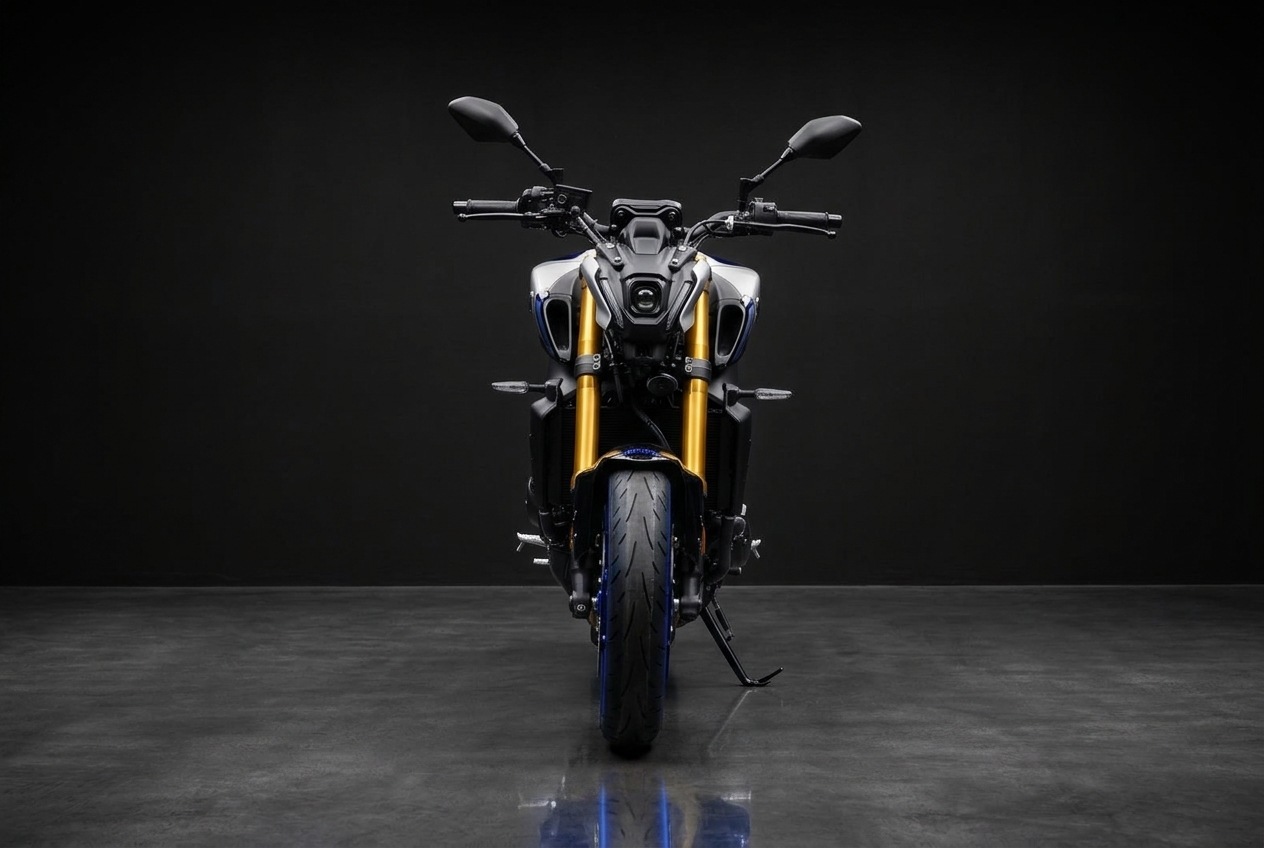
Want the Yamaha MT-09 SP for your date? Pick your dates and book the Yamaha MT-09 SP online, or call us and we will sort it with you.
Book NowCall 0468 011 118Weekend crowds and holiday peaks
Weekends bring the heaviest traffic and the most distracted road users. Visitors are often unfamiliar with the roads, they stop without warning and they pay more attention to the scenery than to the vehicles around them. Build extra time into the plan, expect slow queues and keep a wider gap between you and the vehicle in front than you would on a quiet weekday.
School holidays and long weekends can push the traffic even higher. In those periods the centre may be congested for hours, and the parking near the lighthouse can fill early. If you must ride at a busy time, pick your route in advance, avoid the main street when you can and keep your riding slow, deliberate and predictable. Patience is a safety feature on a crowded day, and it costs nothing.
Being a motorcyclist in a crowd also means being visible. Wear bright, well-fitting gear, position yourself where drivers can see you and avoid riding in other vehicles' blind spots for long stretches. A dull grey jacket can disappear in a busy street, so consider a jacket with reflective panels for the hours you spend in heavy traffic.
Fuel, food and rest stops
Byron Bay has fuel in and around the town, so fill the tank before you head out toward the lighthouse, and allow for the extra fuel used in stop-start running through the centre. Consumption rises in slow traffic, and the climb adds a small extra load. Check your fuel before you leave, and note where the nearest station is in case the day runs long.
Food is one of the best parts of a Byron day. Eat before you set out so you ride with a clear head, and pack water for a ride that may involve hot periods. Choose a cafe near the centre where you can see your bike from a table, and avoid a heavy lunch right before a climb. Fatigue on a short ride can still creep up, especially after a long walk in the sun.
Rest stops are part of a good plan. The lighthouse area has places to pause, look out and stretch your legs, so aim to stop once you reach the top rather than riding straight back down. Take a few minutes away from the bike, drink some water and check the parking area for loose items before you remount.
- Fill up in town before heading out
- Carry water for hot afternoons
- Wear gloves that suit both the warmth and the wind
- Pause at the top rather than riding straight back down

Choosing a bike for a short, varied loop
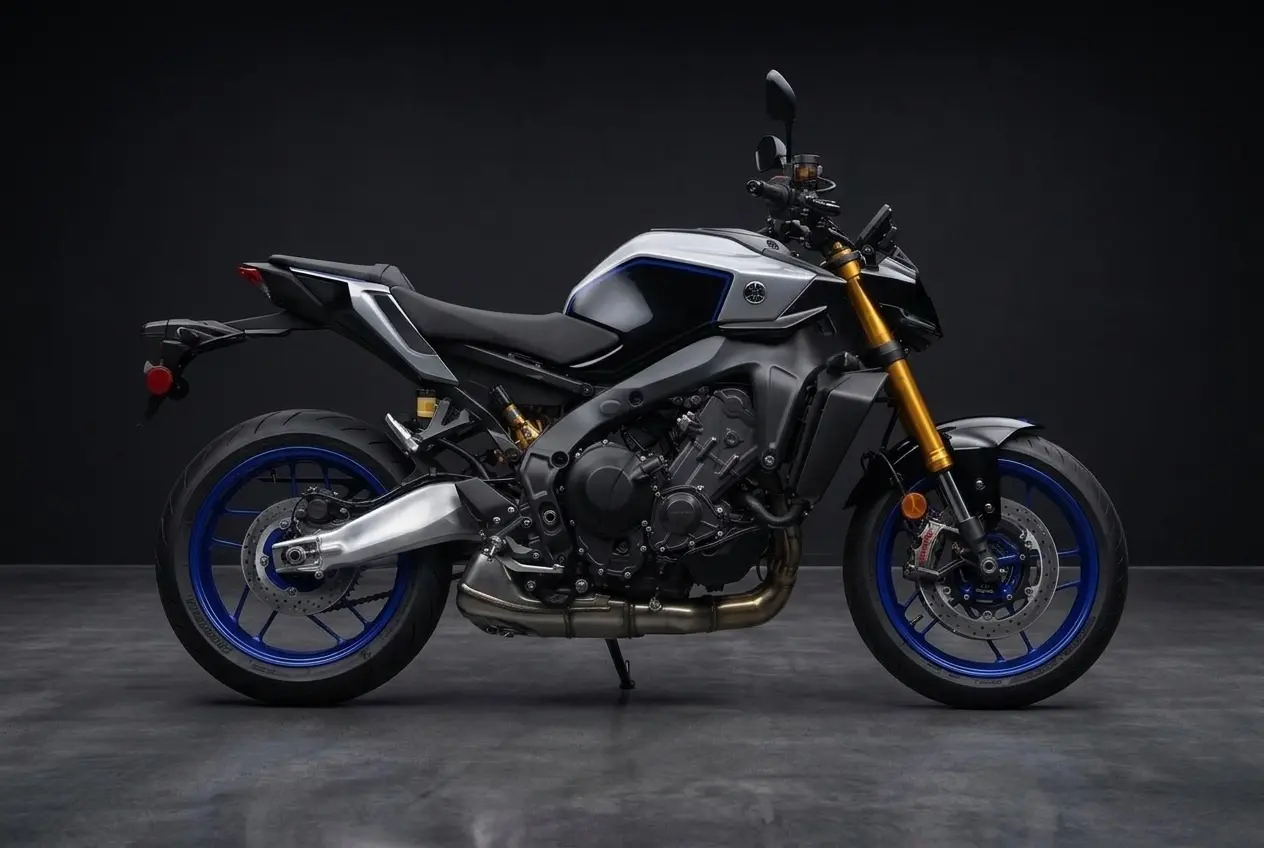
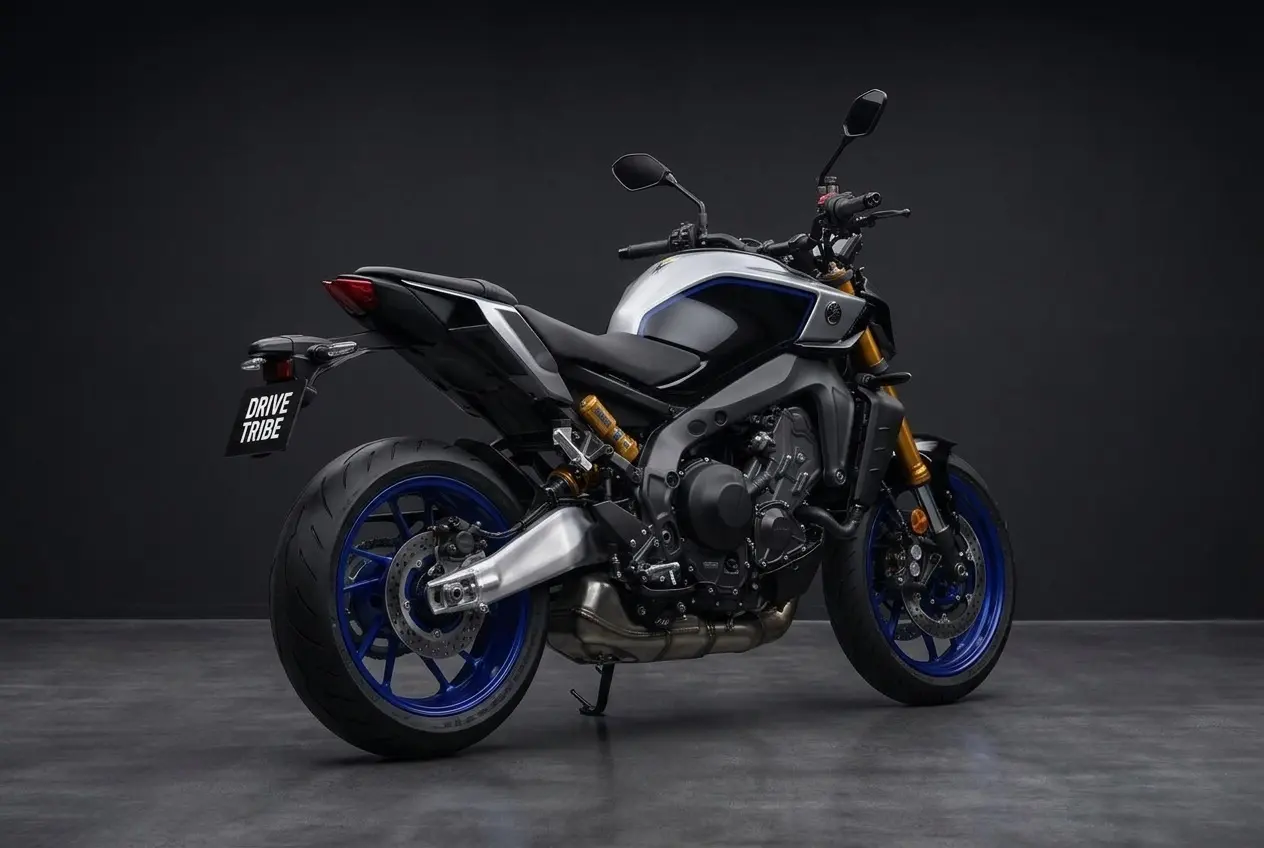
A short loop through town, a climb and a lighthouse stop asks for a bike that feels easy at low speed and rewarding on the open road. The Yamaha MT-09 SP suits that mix well. It is an inline three performance naked bike with premium adjustable suspension, gold front forks and strong brakes, and those brakes give useful confidence when a slow vehicle stops suddenly ahead of you in town.
The Ducati 1199R Panigale is a superbike for experienced riders, and the town environment is not where its character shines. Its power and focused handling are best saved for quieter, clear roads. If you are a seasoned rider who wants a special bike for a day trip, talk to us about whether it fits the traffic you will face, because a short ride in town can feel harder than a long one on an empty road.
The MV Agusta F4 is another sharp machine for experienced riders. Its inline four and performance exhaust reward a rider who wants a strong, focused bike, but the same character that makes it exciting can be demanding in slow, crowded streets. For a town-focused day we usually point riders toward the Yamaha, because its manners at walking pace suit the short trip.
Hire rules and planning your lighthouse day
Before you book, these rules matter for a town and coastal day. You must hold a full motorcycle licence that you have held for at least three years, and be aged 25 or over on every bike. A passenger is allowed on the Yamaha MT-09 SP only, one passenger aged 16 or over. Between 9pm and 6am the bike has to be tucked away in a locked garage or off-street parking that is secure.
Plan a short day that fits around the bike, not the other way around. Leave the centre with time in hand, so you are not rushing the climb or the parking. Set a clear turn-around point, and if the crowds or the weather make the ride uncomfortable, head back early and enjoy a coffee in town. Transport for NSW publishes current road conditions, so look there before you set out.
Ready to ride? Pick your date and bike, and we will help you plan the lighthouse run around the traffic and weather you expect. The Yamaha MT-09 SP is our featured bike for this run, and you can see its details on its fleet page. Browse the wider fleet if you want to compare options before you book your ride, and tell us your riding background so we can suggest the right fit.

Frequently asked questions
Which bike is best for riding around Byron Bay?
For town riding and the lighthouse run, the Yamaha MT-09 SP is usually the easiest choice. Its premium adjustable suspension and strong brakes make slow traffic, stop-start junctions and changing surfaces easier to manage. Experienced riders who want a sharper machine can ask us about the Ducati or the MV Agusta, though those bikes suit quieter roads better than busy town streets.
Is parking hard to find in Byron Bay?
It can be, especially on busy weekends and school holidays. Look for signed motorcycle parking where it is provided, keep the bike off footpaths and out of the way of driveways and loading zones, and arrive earlier than you think you need to. A short walk from a quieter side street is often easier than circling the centre for a close spot.
What should I watch for on the lighthouse climb?
Watch for bends that tighten without warning, cyclists who move unpredictably on the steeper sections, and vehicles that stop at pull-off points. Keep your speed controlled, look through each bend before you commit, and avoid passing on blind corners. Once you reach the top, use the designated areas to stop rather than pausing on the road.
Can I ride to the lighthouse at dusk?
You can, but dusk brings low sun glare off the water, reduced visibility and more wildlife active near the verges. Slow down on the shaded bends, switch on your lights and leave extra space ahead of you. Most riders prefer to head back while there is still good light, so plan your return with time to spare.
How do I stay safe around pedestrians in town?
Ride at walking pace where the crowds are thickest, keep your mirrors checked and treat every pedestrian crossing and driveway as a possible movement. Slowing early is safer than braking hard at the last moment. A steady, predictable line gives people time to notice you, and bright gear helps a great deal in busy streets.
Do I need experience before riding in Byron Bay traffic?
You should be comfortable with low-speed control, smooth braking and reading traffic in busy streets before tackling the town and the climb. Build up on quieter roads if you are unsure. Ride within your ability, avoid alcohol completely, and remember that fatigue can creep in after a long walk or a hot afternoon. Speak to our team about which bike suits your skills.
Ready when you are. Pick your dates and book the Yamaha MT-09 SP online, or call us and we will sort it with you.
Book NowCall 0468 011 118