

Book the MV Agusta F4. Pick your dates and book the MV Agusta F4 online, or call us and we will sort it with you.
Book NowCall 0468 011 118Open highways look forgiving, with long straights, wide lanes and few junctions, but they reward riders who leave themselves room to react. The real safety margin is not a number on a dash. It is the gap you keep to other traffic, the time you have to respond to a surprise and the calm pace that stops a small problem becoming a serious one. This guide explains how to build that margin below the posted limit, how to handle the surprises that come with long open roads and how the MV Agusta F4 fits into a measured approach to a good day in the saddle.
Everything to know before you book, from the licence rules to the bond, is on our Sydney motorbike hire page.
Why a margin matters more on open road
On a motorway or an open highway, the danger is often not the corner you can see but the event you did not expect. A truck can drift a few centimetres over a line, a tyre can shred on the lane ahead, or a car can pull out from a rest area without a second look. Each of those moments takes a fraction of a second to develop, and the rider who has room to act is the one who arrives home.
Riders sometimes assume that open road means they can ride at the edge of what the bike can do. In practice, the opposite is true. The wider and quicker the road, the more time a rider needs to notice, decide and act, and every extra bit of pace shortens that window. A margin is simply the buffer you keep for the moments you cannot predict.
Building that buffer is a skill. It is less about hitting a target and more about setting a pace that lets you see, think and respond with ease, even when the road throws something unexpected at you.
Thinking in gaps and time, not in numbers
Experienced riders often think in gaps and seconds rather than in exact figures. Choose a fixed point ahead, such as a sign or a bridge, and make sure you can pass it no sooner than a couple of seconds after the vehicle in front. That gap gives you room to brake, steer or change lanes if the vehicle ahead does something unexpected.
Keep the gap wider in wet weather, on a downhill run and when the lane is crowded with trucks. Trucks need far more distance to stop and their load can shift in a crosswind, so give them space and avoid sitting in their blind spots for long periods. A gap that feels generous on a dry day can shrink quickly in the rain.
Your attention matters as much as the gap. If you are looking at your phone, a map or the instrument panel, you are not watching the road, and the margin you thought you had quietly disappears. Keep your eyes moving well ahead and check your mirrors regularly so you always know what is around you.

Reacting to surprises on the road
Surprises on open highways tend to fall into a few familiar groups. There is debris from a truck, a tyre fragment or a branch that has come down in a storm. There is a car drifting between lanes, a driver who brakes suddenly to make an exit or a vehicle merging from an on-ramp without enough room. Each one calls for a calm, prepared response rather than a panic reaction.
Practise your responses in your head before you need them. If you see debris ahead, look for a clear line and ease off smoothly rather than grabbing the brakes. If a car is drifting, give it space and avoid staying alongside it. A sudden change in traffic is a cue to ease the throttle, widen your gap and look for an escape route, not to speed up and hope.
Keep your braking progressive. Sharp, late braking on a highway can unsettle the bike and surprise following traffic, so brake early and gently. Smooth inputs leave you with more options when something unexpected happens.
Holding a steady pace in the traffic flow
A steady pace is one of the most underrated safety tools on a highway. Riding with the flow of traffic, but not in the middle of a cluster of cars, lets you keep your own space and avoid being boxed in. Sit in a lane where you can see the road ahead, and move out of the way of faster vehicles that want to pass.
Overtaking should be planned, not rushed. Check your mirrors, look over your shoulder and make sure the lane ahead is clear for the full distance you need. Do not overtake on a crest or on a blind bend, and avoid tucking in close behind a large vehicle while you wait for the gap to open.
On long straights, it is easy to drift into a rhythm that feels comfortable but leaves little margin. Check your position and your pace at regular intervals, and adjust before the road asks you to react.
Highway character: surface, wind and crowds
Open highways vary more than they look. Some sections have fresh seal and smooth lanes, while others carry patches, joins and rutted edges where heavy vehicles have worn the surface. Stay alert for loose material on the shoulder, and avoid the edge of the lane where dust and gravel collect. Our road bikes are for sealed roads only, so keep to the main highway and avoid any side track that looks like a shortcut.
Crosswinds are a common feature of exposed highways, particularly on bridges and open ridgelines. A gust can push a bike sideways, and a passing truck can create a sudden buffet as it goes by. Hold the bars with a relaxed grip, keep your body loose and be ready for a small correction rather than a large one.
Weekend traffic adds its own complication. Holiday drivers may be unfamiliar with the road, and caravans, trailers and slower vehicles can build up at the back of a group. Stay patient, pick your overtaking moments with care and do not let a long queue tempt you into a risky pass.
Best time of day and season for open highways
The best window for a highway ride is generally the early part of the day, after about 7am, when traffic is lighter and the air is cool. Morning light can be low and glaring, so keep your visor clean and be aware that sun in your eyes can hide a vehicle ahead. Avoid rushing the start, and plan the evening before so the bike is put away safely for the night.
Dawn and dusk bring a specific risk: wildlife. Kangaroos, wallabies and native birds move to the edges of the road in these windows, and a highway verge that looks clear can hide an animal that steps out without warning. Reduce your pace when the light is low, scan the verges constantly and remember that a collision with an animal is most likely in the cooler, quieter hours.
Summer heat makes the highway tiring, and the tarmac can soften on the hottest afternoons. Autumn and spring offer the most comfortable conditions. Winter brings cold mornings, frost in the low spots and damp shade that can linger into the late morning, so warm the tyres gently and be cautious until the road is fully dry.
Want the MV Agusta F4 for your date? Pick your dates and book the MV Agusta F4 online, or call us and we will sort it with you.
Book NowCall 0468 011 118Fatigue, the silent margin eater
Fatigue is one of the biggest threats to a safety margin. A tired rider sees less, reacts more slowly and makes small errors that quickly add up on a long highway run. The margin you planned at the start of the day can shrink without you noticing, so build regular breaks into your plan and stop before you feel exhausted.
Set a rhythm of short breaks every hour or so. Stretch your legs, drink water and check the bike over. Long riding can leave the shoulders and wrists stiff, and a relaxed grip is a better partner for a steady pace than a clenched one.
Never ride after drinking alcohol. Alcohol dulls judgement and reaction time, and no highway view is worth that risk. If you feel drowsy at any point, pull off in a safe place and rest before continuing.
Why the MV Agusta F4 suits a measured rider
The MV Agusta F4 is a 998cc inline four with 143 kW, and that power is exactly why it rewards a measured approach. On an open highway, a bike with that much capability can make it tempting to ride beyond what the road and the traffic justify. The best riders treat that power as a reserve rather than an invitation, and they keep it in hand for the moments that need it.
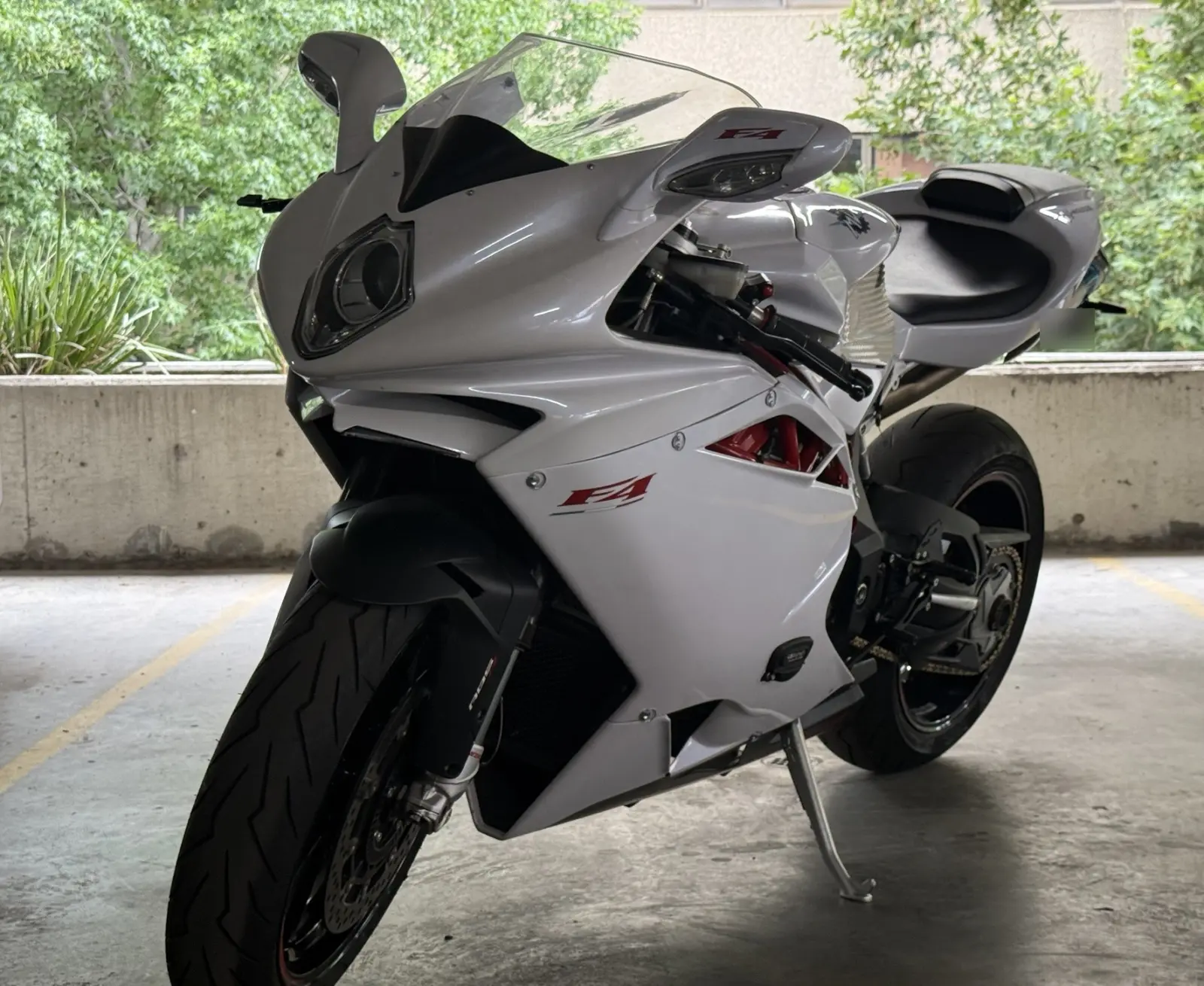
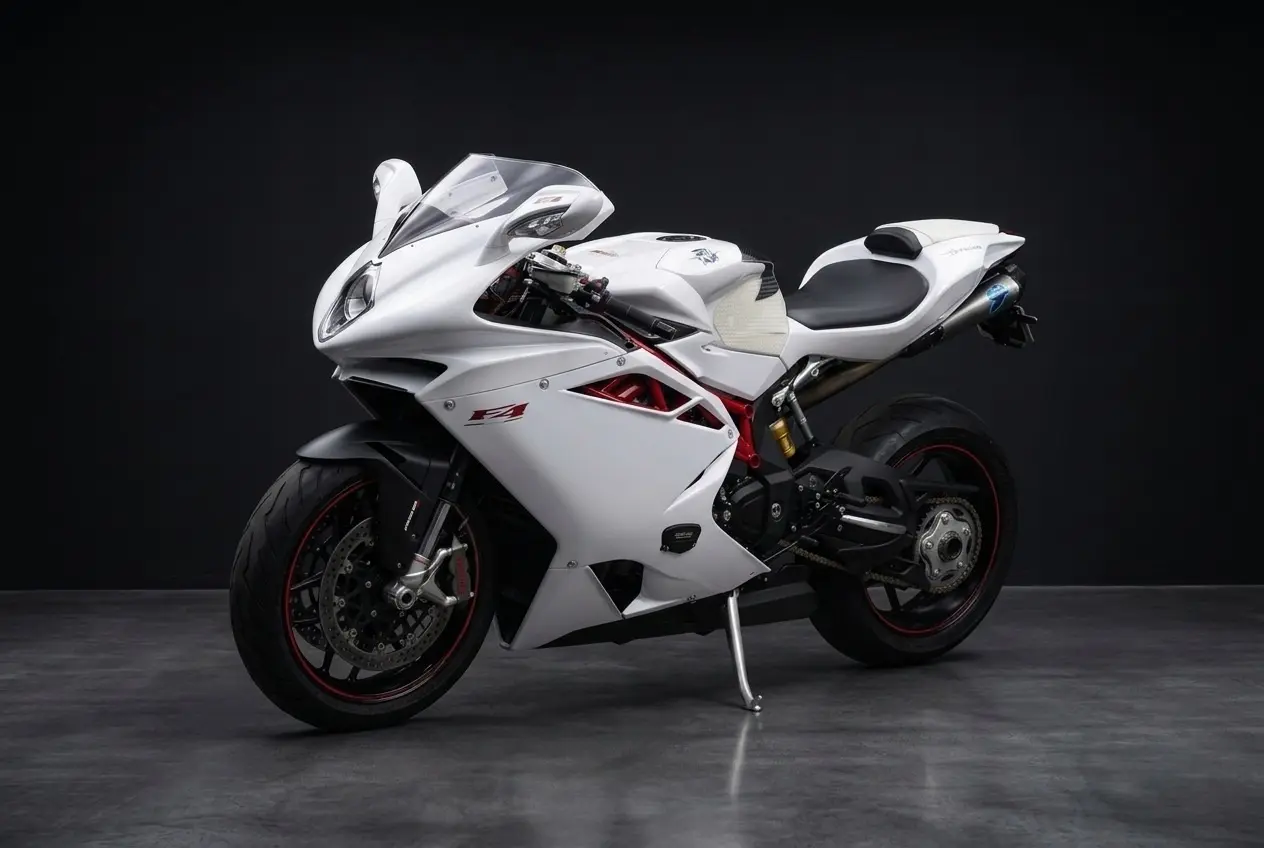
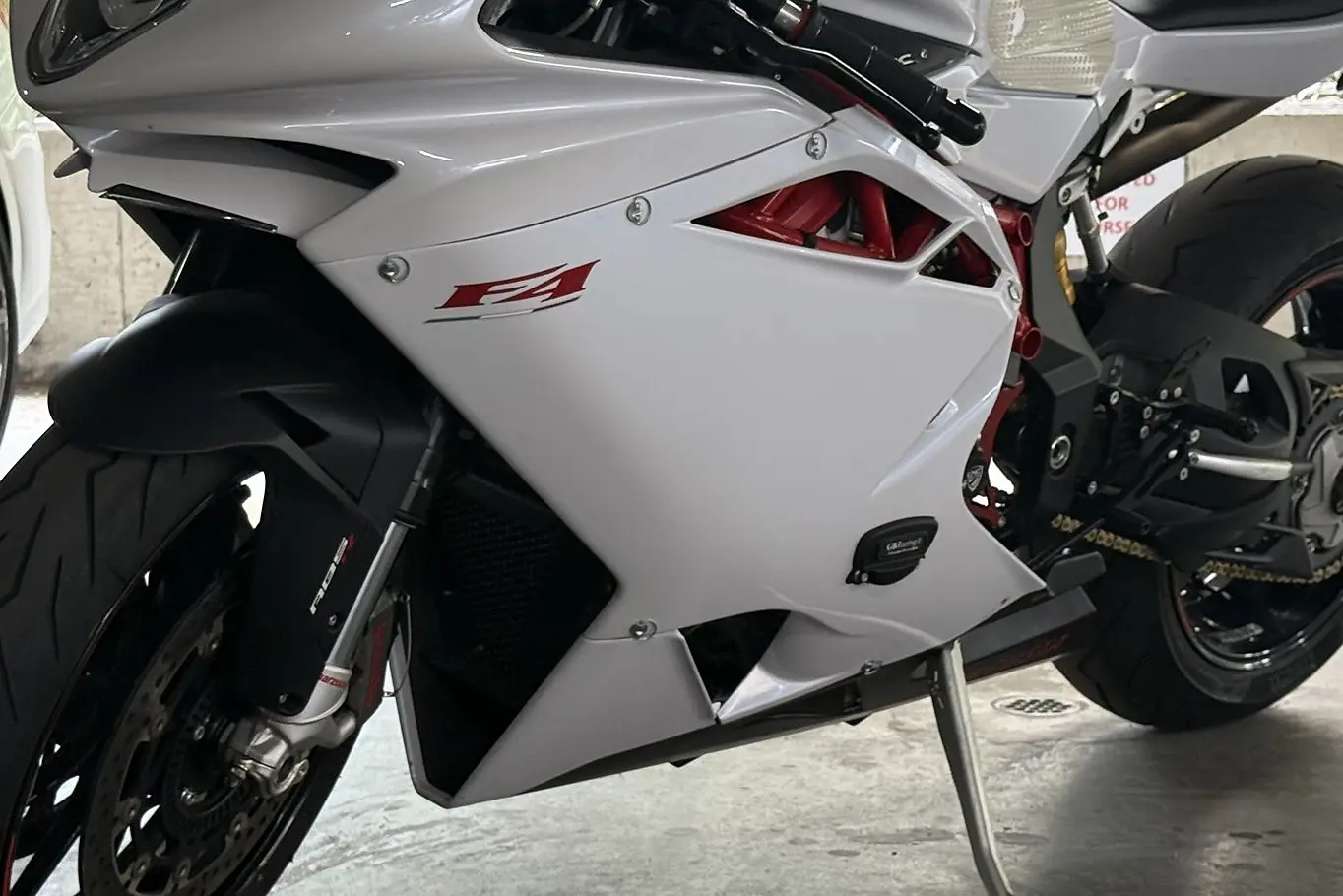
Its pearl white finish and red trellis frame make the bike a pleasure to ride, and a relaxed, controlled pace lets you enjoy that character without pushing the limits of the road. The MV is built for one rider, so it suits a focused solo run where your attention stays on the road and the traffic around you.
The rules that apply to every hire
Three rules frame any highway ride with us. You need a full motorcycle licence that has been held for at least three years, and you must be aged 25 or over on every bike. Riding well above the posted limit is taken seriously: riding 30 km/h or more over the posted limit ends the hire and the bond is forfeited, and if we judge a rider unsafe we may end the hire. Bikes are self-drive from Parramatta, with a three day minimum hire.
Ride with room to spare and book
A good highway ride is one where you arrive relaxed, with the same sharp focus you started with. Keep your gap, read the road, plan your breaks and let the margin do its job when a surprise appears. That approach makes the open road feel calm rather than tense, and it gives you the confidence to enjoy the long straights and the scenery.
If you want a bike that rewards a measured, confident rider, the MV Agusta F4 is the machine we would recommend. Check availability for your dates and we will help you confirm the details, so your next highway ride starts with a clear plan and plenty of room to spare.
Frequently asked questions
What does a safety margin mean on a highway?
A safety margin is the room you keep around the bike to react to surprises. It includes the gap to the vehicle ahead, the time you have to respond, and a calm pace that lets you see and think clearly. It is not a target to chase, and it shrinks quickly in rain, at dusk, in crosswinds or when you are tired. Set your pace so you always have room to act.
How big should the gap to the vehicle ahead be?
Many experienced riders aim for a gap of at least a couple of seconds, measured by passing a fixed point such as a sign. Increase that gap in wet weather, behind trucks and on downhill runs. The aim is to have time to brake, steer or change lanes if the vehicle ahead does something unexpected. Adjust the gap to the conditions rather than following a rigid rule.
Why does fatigue matter so much on a highway?
Fatigue slows reaction time and reduces the amount of detail you notice on the road. A tired rider can lose the margin without realising it, which is why regular breaks matter. Stop roughly every hour, stretch, drink water and rest before you feel drained. Never ride after drinking alcohol, and pull over if you feel drowsy at any point.
Can I ride the MV Agusta F4 on a highway?
Yes, the MV Agusta F4 is designed for an experienced rider who values control at every speed. It has a 998cc inline four and plenty of power for open roads, but that strength should be held in reserve. Keep your gap, watch the traffic and use the bike's capability to respond to surprises rather than to push the pace. It is built for one rider.
What licence do I need to hire a bike for highway riding?
You need a full motorcycle licence that has been held for at least three years, and you must be aged 25 or over. Check your paperwork before you book, and carry your licence on every ride. Good preparation means the highway is the only thing you have to focus on once you are underway.
Is wildlife a bigger risk on highways than in town?
It can be, especially at dawn and dusk when kangaroos, wallabies and birds move to the verges. Highways can have long stretches of open country where animals are more likely to appear suddenly. Reduce your pace in low light, scan the verges constantly and be ready to brake in a straight line. Check road conditions with Transport for NSW before you leave, particularly in the early hours.
Ready when you are. Pick your dates and book the MV Agusta F4 online, or call us and we will sort it with you.
Book NowCall 0468 011 118