
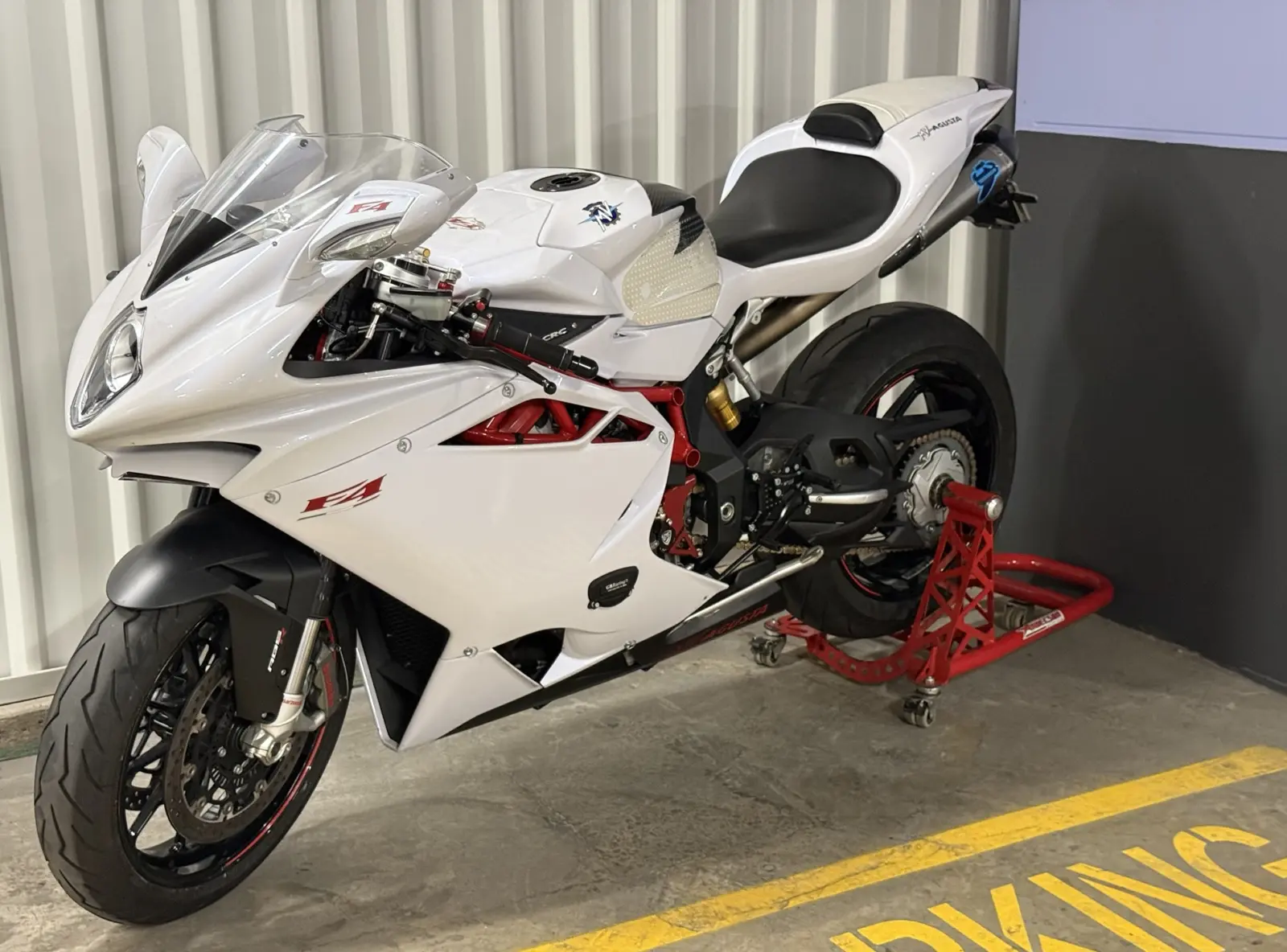
Book the MV Agusta F4. Pick your dates and book the MV Agusta F4 online, or call us and we will sort it with you.
Book NowCall 0468 011 118Standing at the pump with a sports bike is a moment many riders rush, yet the choice of fuel matters more than most people think. The MV Agusta F4 is a high performance machine, and it deserves the grade its makers specify rather than whatever happens to be closest to the nozzle. Before you fill up, the handbook and the label near the filler cap answer the question for you. Here is how we approach the pump, what to check, and why it is worth taking a minute to get it right.
Still choosing a bike? Start with our guide to motorcycle hire in Sydney, which sets out the licence, age and pillion rules.
Why the grade you choose is not a small detail
Fuel is more than energy. The grade you use influences how an engine runs under load, how it responds to the throttle and how cleanly it burns. A performance engine is designed around a particular specification, and running a different grade is a gamble on the bike's behaviour, not a neat shortcut. That is why we never guess at a pump, and why we ask hire riders to think about it as part of the ride.
The MV Agusta F4 uses a 998cc inline four with plenty of output, and a motor like that expects a clean, consistent supply of fuel. Consistency is the word to hold on to. Filling up with a mix of grades across a single trip can make the bike feel uneven, and an unfamiliar grade can make it feel flat or hesitant on the throttle, especially when you are working the engine hard on a long climb.
The good news is that the answer is written down and easy to check. The owner's handbook sets out the required specification, and the fuel filler area carries a label that reinforces it. Those two sources should always match, and if they do not, we will sort it out with you before the bike leaves the depot rather than leaving you to decide at a pump in the middle of nowhere.
Reading the handbook and the filler label
Begin with the handbook supplied with the bike. Look for the section on fuel, which states the recommended grade and any restrictions on additives or blends. Do not skip it because you think you know the answer. Manufacturers update their guidance, and a short read at the start of the hire prevents a mistake that could cost you a lot of time.
Next, look at the label near the filler cap. It is designed to be read quickly, and it should be consistent with the handbook. If the wording is worn or hard to read, tell us straight away. We would rather replace a label than have a rider guessing at the pump, and we will confirm the correct grade with you before you set off.
If you ever find yourself unsure, the safest option is the grade the handbook states, bought from a reputable station. Avoid fuel from unmarked containers or from sources you cannot verify, as contaminated or poor quality fuel can cause running problems. Trust the printed specification over habit, memory or a rule of thumb you picked up on another bike.
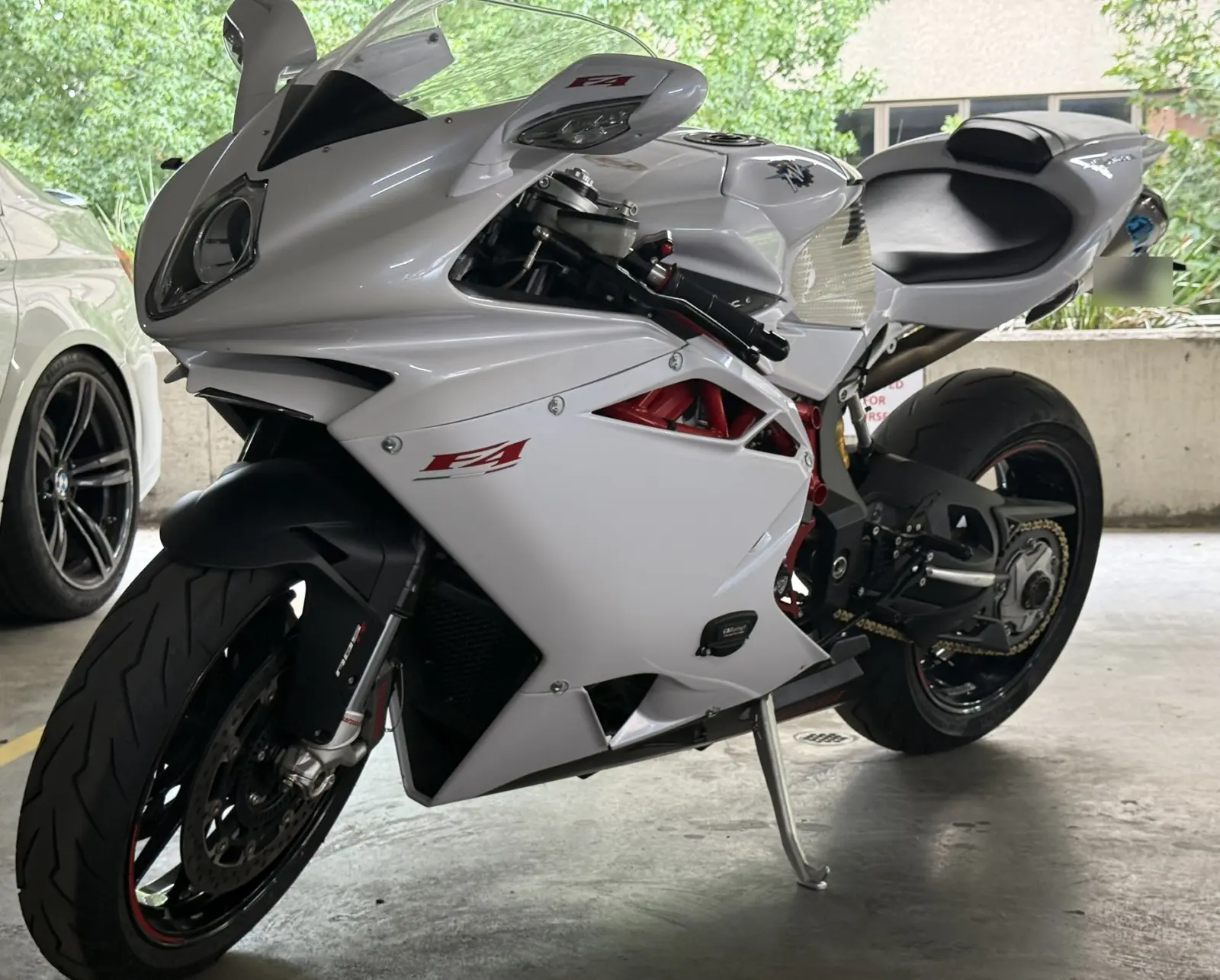
A pump checklist for hire riders
Before you lift the nozzle, take a moment to run through the same few checks every time. Good habits at the pump keep you safe and protect the bike, and they only take a minute once you have made them routine.
Check the grade on the pump and the label on the bike. Make sure they match, and do not be swayed by a promotion or a cheaper option. Turn the engine off, keep away from ignition sources, and make sure the bike is upright and stable on the stand before you begin. Keep your helmet on until the fuel is paid for and you are ready to ride, and never smoke near the bike.
- Confirm the grade in the handbook matches the label on the bike.
- Switch the engine off and keep the bike upright and stable.
- Stay clear of ignition sources and never smoke at the pump.
- Look at the pump screen before you start, not after you have finished.
Filling up on the road: where to stop and when
Plan your fuel stops along the route rather than waiting until the warning light appears. On the main roads around Sydney, stations are plentiful, but on quieter routes the gaps lengthen, and some stations close early or are unmanned after dark. A rule of thumb is to refuel whenever the tank drops to about half on any ride that takes you away from the populated areas.
Choose stations with good access, a flat forecourt and clear sightlines. Avoid stopping on a camber or on loose gravel near the pumps. If a station is crowded, wait patiently and keep a safe distance from other vehicles. A calm approach at the pump is easier than trying to manoeuvre a heavy bike in a tight space with people around you.
Note the nearest station ahead before you ride past one. It is common for riders to assume the next town will have fuel, only to discover that a closed pump has turned a short detour into a long wait. Keep a mental list of the next two or three stops, and update it as you go.
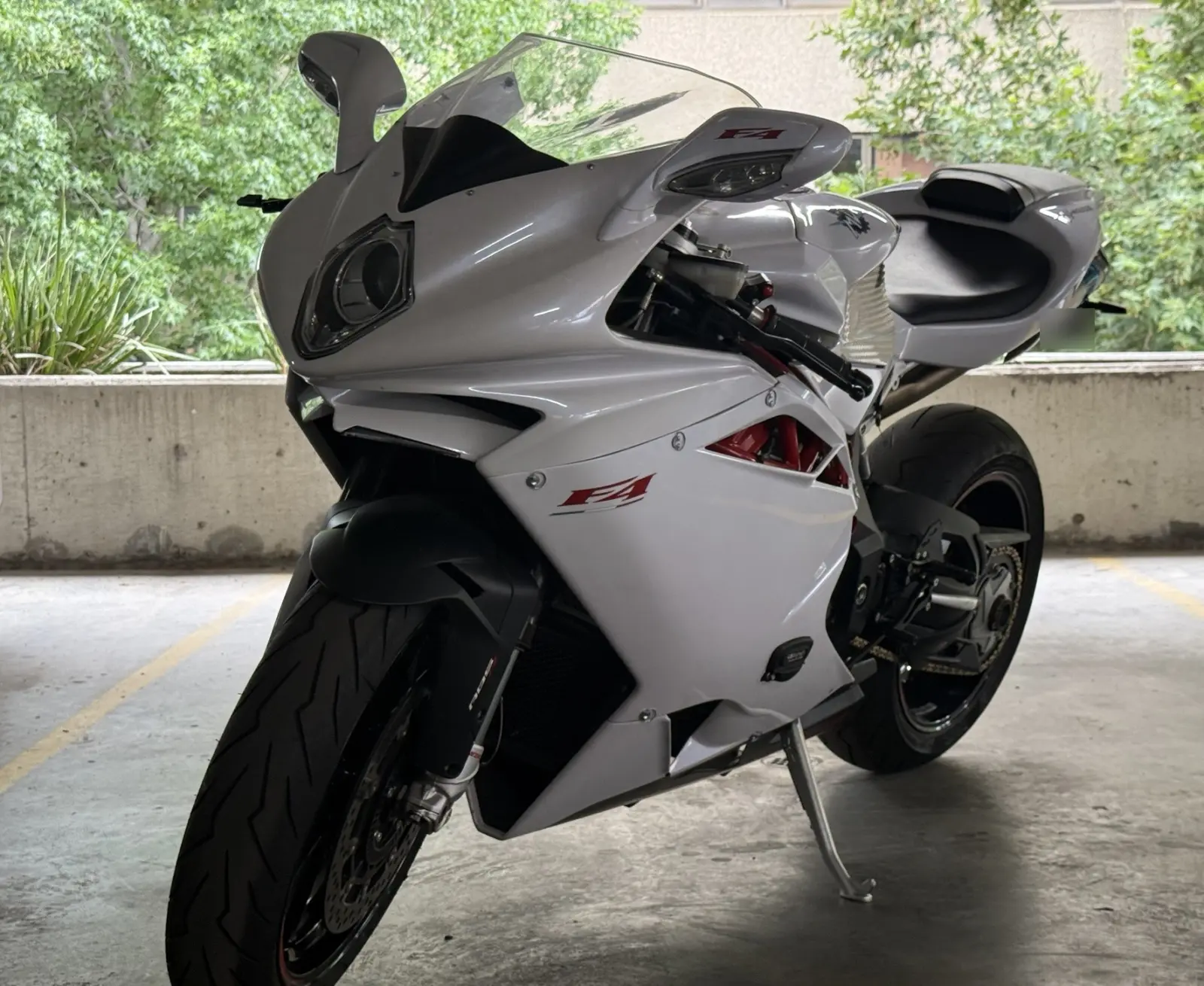
Performance riding and the cost of a wrong fill
Riders who enjoy the F4 often push it on open roads, and that is when fuel quality becomes more noticeable. Heavy throttle use, long climbs and fast sweeping bends all make the engine work harder, which exposes any inconsistency in the fuel or the way it burns. A bike that runs well at a steady cruise can feel quite different under sustained load.
If you ever suspect the bike is running badly after a fill, do not carry on as normal. Ease off, find a safe place to stop and call us. Describe what you noticed, such as a flat patch, hesitation or unusual noise, and do not attempt repairs on the roadside. We can then decide whether the bike should come back to the depot for inspection.
Fuelling is also a reminder to ride within your ability. A powerful machine rewards smooth, deliberate inputs, and it punishes rushed decisions. Keep the throttle progressive, use the brakes in good time and treat each new road as an unknown until you have seen how it bends and what the surface is like.
Fast hill runs are not the place to experiment with a new habit. If you want a livelier ride, build up gradually over several outings and keep your fuel plan simple. A bike that is fuelled properly and ridden within your limits gives you more margin, and margin is what keeps a ride enjoyable rather than stressful when the weather or traffic changes.
Want the MV Agusta F4 for your date? Pick your dates and book the MV Agusta F4 online, or call us and we will sort it with you.
Book NowCall 0468 011 118Season, time of day and the best window for a fuel stop
Autumn and spring are the most comfortable seasons for riding the F4 on the roads around Sydney. Temperatures are mild, and the bike warms up evenly. Summer afternoons can be hot and humid, so plan fuel stops for the cooler parts of the day where you can. Winter mornings are cold, and a fuel stop is a good moment to warm your hands and check your gear.
Early morning is a good time to refuel, because the stations are quieter and the forecourt is less busy. Weekend mornings bring cyclists and groups of riders, while weekday afternoons bring commuters and trucks. Choose a time that lets you pull in, fill up and leave without rushing.
Fuel stops are also a natural point to eat, drink and check the route. Many stations near main roads have small shops, and nearby towns often have cafes that fill up at lunchtime. Stop, look at the map again and make sure the next leg is clear before you rejoin traffic.

The hire terms that apply to your fuel plan
Our hire terms are clear and we go through them at pickup. Bikes are self-drive, hired from Drive Tribe in Parramatta on a three day minimum. To hire, you need a full motorcycle licence that you have held for a minimum of three years, and you must be at least 25 on every bike we rent. Those conditions apply whatever route you choose.
Keep the bike out of sight overnight, from 9pm until 6am, inside a locked garage or an off-street space that is secure. If your fuel plan includes a stop in a town at night, check where the bike will be kept before you arrive. Trackers are fitted to all of our bikes as well, which is worth knowing if you plan to park somewhere unfamiliar.
If anything about the fuel grade or the route is unclear, ask us before you leave. We would much rather spend a few minutes on the phone at the start of the hire than have you sort out an uncertain situation far from the depot.
Make checking Transport for NSW part of your pre-ride routine, alongside tyres, fuel and weather.
Ride within your ability and book the MV Agusta F4
Ride within your ability, and keep alcohol away from every ride. Wear proper gear, including a helmet, gloves, boots and abrasion resistant clothing. Riding in the hills, along coastal roads or through town requires the same attention to detail, so keep your speed sensible and your mind on the surface and the traffic at all times.
The right fuel is one of several small details that make a sports bike feel reliable. Checking the grade, planning the stops and taking your time at the pump all add up to a calmer, safer ride. Those habits matter more than any single decision you make on the road.
If you would like to ride the MV Agusta F4, you can see its details and check availability on its fleet page. Ask us anything about the bike, the route or the fuel plan before you commit, and we will be pleased to help.
Frequently asked questions
What fuel grade does the MV Agusta F4 need?
The correct grade is the one stated in the bike's handbook, and the label near the filler cap should match it. Those two sources are the reliable guide, not a general rule of thumb. If you are ever unsure, check the handbook before you fill up, or ask us. We will confirm the grade with you at pickup so you start the hire with a clear answer and avoid guessing at a pump on the road.
Can I mix fuel grades on a sports bike?
Mixing grades is best avoided. A consistent fuel supply helps the engine run predictably, especially under hard throttle. An unfamiliar grade can make the bike feel flat or hesitant, which is unwelcome on a fast road. Stick with the grade in the handbook, and if the bike has been running differently after a fill, stop somewhere safe and call us so we can advise you on the next step.
What should I do if the bike runs badly after refuelling?
Do not carry on as normal. Ease off the throttle, find a safe place to stop away from traffic and call us. Describe what you noticed, such as hesitation, a flat patch or an unusual sound. Avoid attempting repairs on the roadside, as this can make matters worse and expose you to traffic. We will work out whether the bike needs to come back to the depot for inspection, and we will help you get home safely.
Is it safe to refuel with the engine running?
No. Turn the engine off before you refuel, keep the bike upright and stable on its stand, and stay clear of anything that could ignite fuel vapour. Keep your helmet on until you are ready to leave, and never smoke near the bike or the pump. A short pause to switch off and check the area takes very little time and protects you, the bike and everyone else at the station.
How often should I refuel on a day ride?
A sensible habit is to refuel when the tank reaches about half, particularly if you are heading into hilly or remote areas. Look at the stations ahead before you ride past them, and do not assume the next town will be open or have fuel. Refuelling in good time gives you options if traffic, weather or a detour changes your plan. It is much better to stop early than to run low on a road with few services.
Does the time of day affect fuelling?
It can. Early mornings tend to be quieter, which makes it easier to pull in, fill up and leave without rushing. Weekend mornings can be busy with cyclists and groups of riders, while weekday afternoons bring commuters and trucks. Choose a time that suits the stop, and use the visit to eat, drink and check the next leg of the route before you head back on the road.
Ready when you are. Pick your dates and book the MV Agusta F4 online, or call us and we will sort it with you.
Book NowCall 0468 011 118