
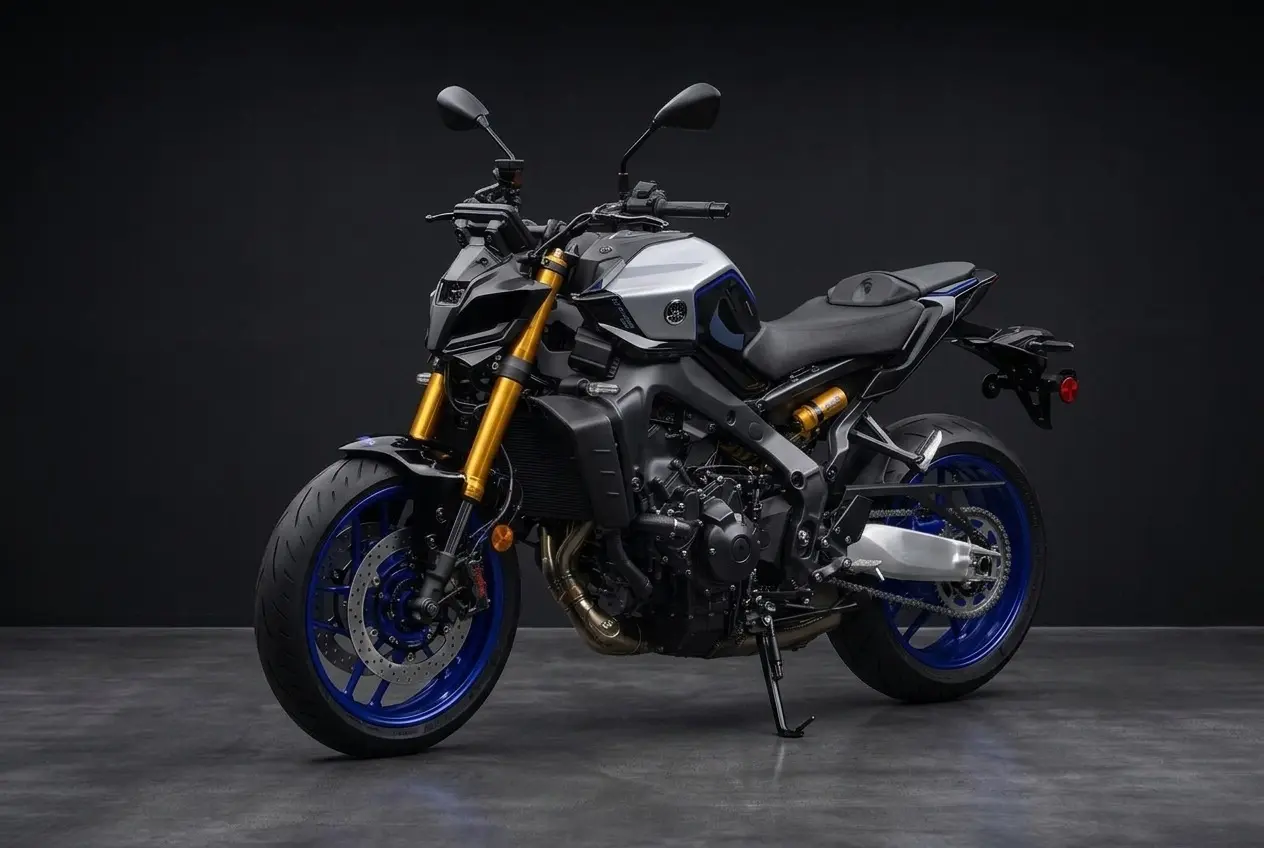
Book the Yamaha MT-09 SP. Pick your dates and book the Yamaha MT-09 SP online, or call us and we will sort it with you.
Book NowCall 0468 011 118Orange sits high in the Central Tablelands, a few hours west of Sydney, and it makes a very sensible overnight base for riders who want more than a single day in the saddle. The town is known for its cool climate, its orchards and its food, and the surrounding country offers quiet roads, open views and the volcanic bulk of Mount Canobolas to circle. Here is how we would plan an overnight stop, from the ride out of the mountains to the loop around the peak and the slow ride home.
New to riding with us? Our page on motorbike hire in Sydney covers the bikes, the rider rules and how pick-up works.
Why Orange Makes a Sensible Overnight Base
Riders often treat Orange as a place to pass through on the way somewhere else, but it works far better as a destination in its own right. The town sits high enough that the air stays fresh even in summer, and the streets have the calm of a regional centre without the crowds of a tourist hub. A night here gives you time to ride the surrounding roads at a relaxed pace, eat well and wake up ready for another day in the saddle.
The practical case is simple. Orange is far enough from Sydney that a single day becomes long and tiring, yet close enough that the ride is an easy weekend trip. The roads around town are quieter than the main routes to the coast, and there are plenty of places to stop for lunch, look at the view and stretch your legs. An overnight stop lets you spread the riding out, so the trip feels like a holiday rather than a race to the next town.
Our Yamaha MT-09 SP is the natural choice for this kind of trip. It is comfortable enough for longer days, with the premium adjustable suspension soaking up rough patches on the country roads, and it is comfortable for a relaxed two-up overnight. The stops along the way become part of the pleasure when you share the ride.
The Ride Out Over the Mountains and Across to Bathurst
The journey to Orange starts with the climb over the Blue Mountains, which is the same climb many riders take to Bathurst. The Great Western Highway carries you through the upper mountains in long bends and forested stretches, and the first hour is the most demanding part of the day. Start early, keep your concentration high on the bends and treat the lookouts as places to rest rather than places to rush.
Once you descend past Lithgow the country opens up and the road becomes more relaxed. Bathurst is the main waypoint, and from there the route heads west towards Orange on the Mitchell Highway, which runs over long, rolling stretches of farmland. Expect wide straight sections where the road is well sealed, but keep an eye on the surface edges, where trucks may have pulled wide and left loose gravel near the white lines.
Plan a fuel stop before the final hour into Orange. The country between Bathurst and the Central Tablelands has fewer services than the mountains, and some stops are small and close early in the day. Top up the tank, drink some water and check the weather, because the temperature can drop sharply as you climb toward Orange, especially in the cooler months.
The Mount Canobolas Loop
Mount Canobolas is the defining feature of the district. It is an extinct volcano rising above the surrounding plains, and the roads that wind up its flanks give some of the best views in the region. The loop around the peak is a fine way to spend a relaxed afternoon, with the bends easy to read, the surfaces generally good and the scenery changing from open paddock to forest and back again.
The climb is steady rather than extreme, but the bends tighten in places and the shaded sections stay damp long after the open road has dried. Use your gears to control speed on the descents, and keep your line tidy through each bend. In cold weather the wind on the higher sections can be sharp, so wear a windproof layer and keep your gloves dry. A short pull over at a lookout is a good way to reset before the return.
Be alert for wildlife on the loop. Kangaroos, wallabies and the occasional deer are common in the forest edges, and they tend to move at dawn and dusk. Slow down when you see animals near the verge, cover the front brake and avoid sudden swerves. The loop is quiet most of the time, but tractors, farm vehicles and the occasional tour bus can appear without warning, so ride with the same care you would on any open road.
Orchards, Lookouts and Quiet Country Roads
The country around Orange is known for its orchards, and in the right season the drive between the towns passes rows of apple and cherry trees on gentle slopes. The landscape changes with every bend, from neat orchards to grazing land and then to scrubby hills with rocky outcrops. These quiet roads reward a rider who likes to slow down, take in the scenery and stop when something catches the eye.
Lookouts give a wide view over the Central Tablelands, and they are good places to pause for photographs. Park safely off the road, and make sure your bike is stable on any gravel. Riders can take a short walk to stretch their legs, check the tyres and enjoy the quiet of the countryside. The silence on these roads is one of the best parts of the trip, particularly early in the morning before the day warms.
Be careful on the gravel shoulders and the unsealed side roads that branch off the main routes. A slight drop of the front wheel onto loose stone can upset the bike in a corner, so stick to sealed surfaces unless you are comfortable on gravel and have checked the route first. The main roads are generally the safest choice, and a short detour is rarely worth the risk on a bike.
Food, Fuel and Rest Stops in Orange
Orange has a surprisingly strong food scene for a regional town. Cafes and restaurants in the centre serve local produce, cool-climate wines and simple, honest meals that suit a rider who is hungry after the mountain climb. A relaxed lunch in the centre of town is a good way to break the day, and the cafes near the main street are easy to reach on foot after you park the bike.
For fuel, fill the tank before you reach town and check the range again before you head out to Mount Canobolas. Several fuel stations are on the main roads, but not every stop is open late, so plan your refuelling around daylight. Carry a bottle of water and a small snack in your luggage, particularly for the loop, where there are few services and the bends can take longer than you expect.
Take real breaks between stops. A proper rest every hour or so keeps your reactions sharp and gives your hands and back time to recover. Avoid a heavy meal just before the afternoon ride, because a full stomach and the warmth of a sunny day can make you drowsy on the bends. Light meals, plenty of water and a short walk make the best combination for a day of riding.
Hire Rules for an Overnight Stop
Bikes are self-drive, hired from Drive Tribe in Parramatta, with a three day minimum hire. An overnight stop in Orange fits neatly into a longer hire, so plan the pickup and return around your riding days and confirm the times with us before you leave Sydney. Make sure your accommodation and your route are settled before you collect the bike, so the first day runs smoothly.
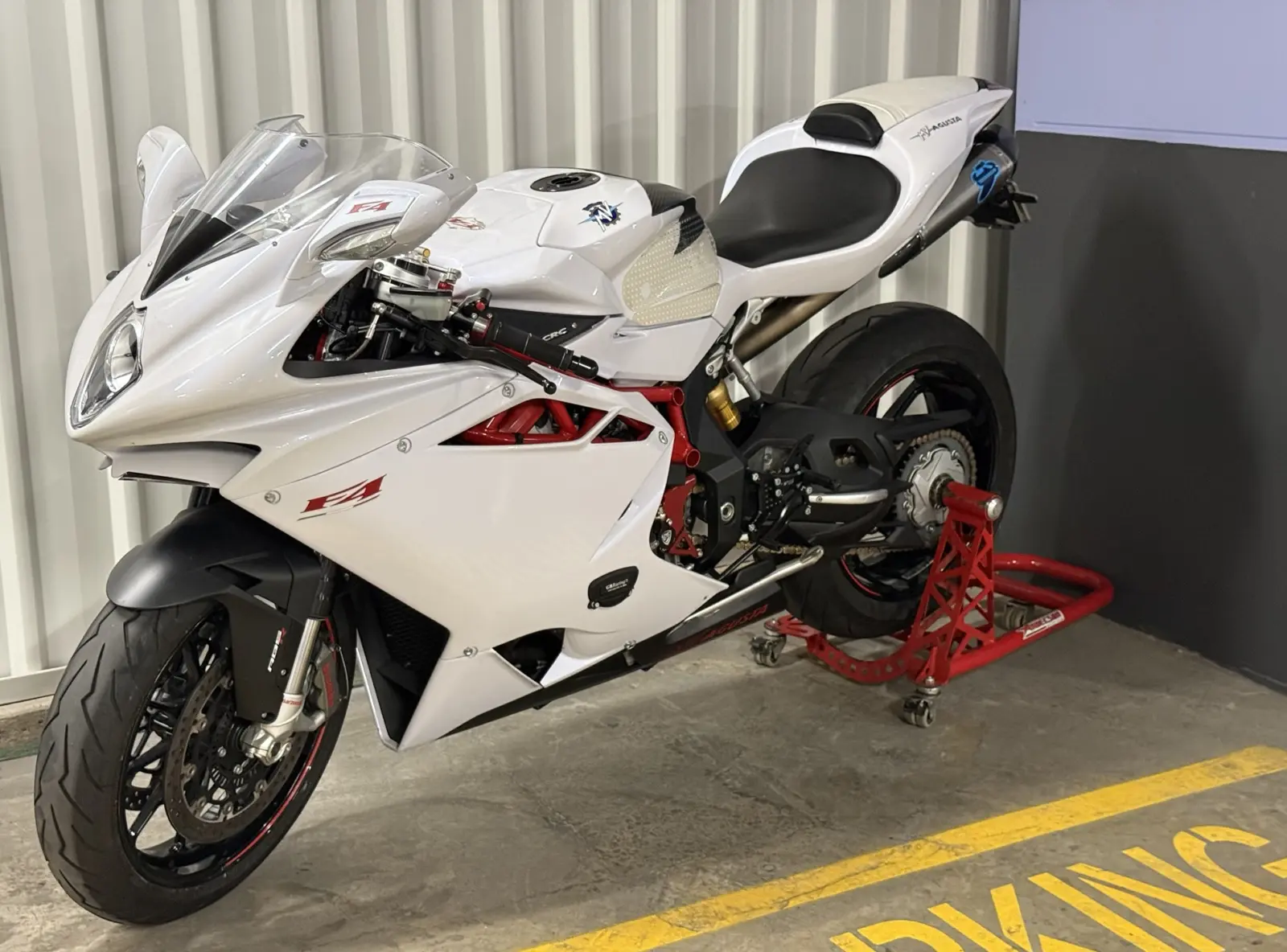
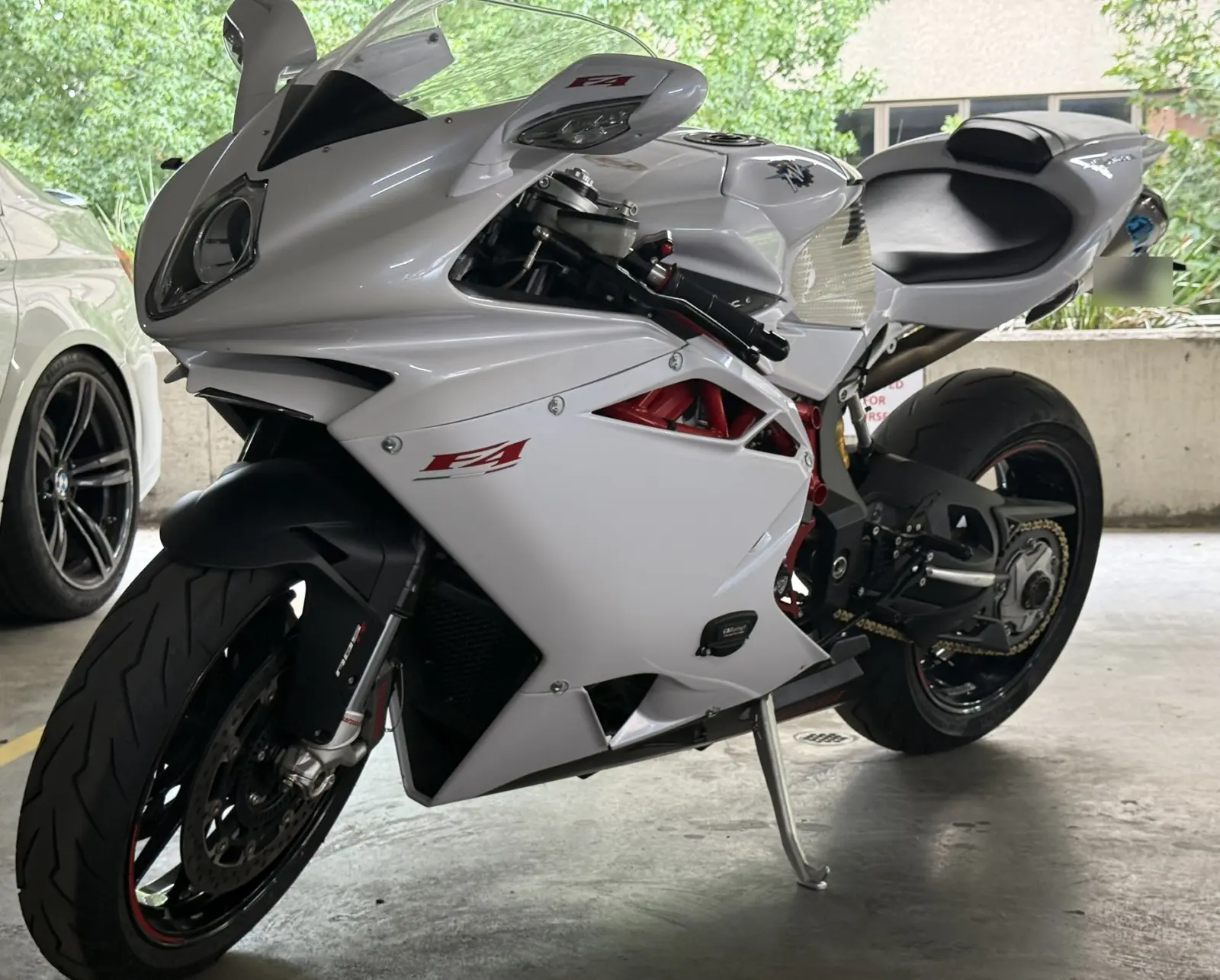
Our bikes require a full motorcycle licence held for three years or more, and riders aged 25 or over. Passengers ride only on the Yamaha MT-09 SP, one person aged 16 or older. Only one rider fits on the Ducati 1199R or the MV Agusta F4. Helmets (Shark, AGV or Bell) can be hired from us in small, medium or large for $50 per hire, or you can bring your own. We do not supply jackets, gloves, pants or boots, so bring your own riding gear. A lost or broken helmet costs a replacement fee.
Car damage cover does not extend to motorcycles. The bond is set by bike class and held for the duration of hire. Anything above compulsory third-party injury cover is for the rider to arrange. Overnight the bike must be kept in a locked garage or secure off-street parking between 9pm and 6am, so choose accommodation that offers secure parking before you book. Trackers are fitted to all the bikes.
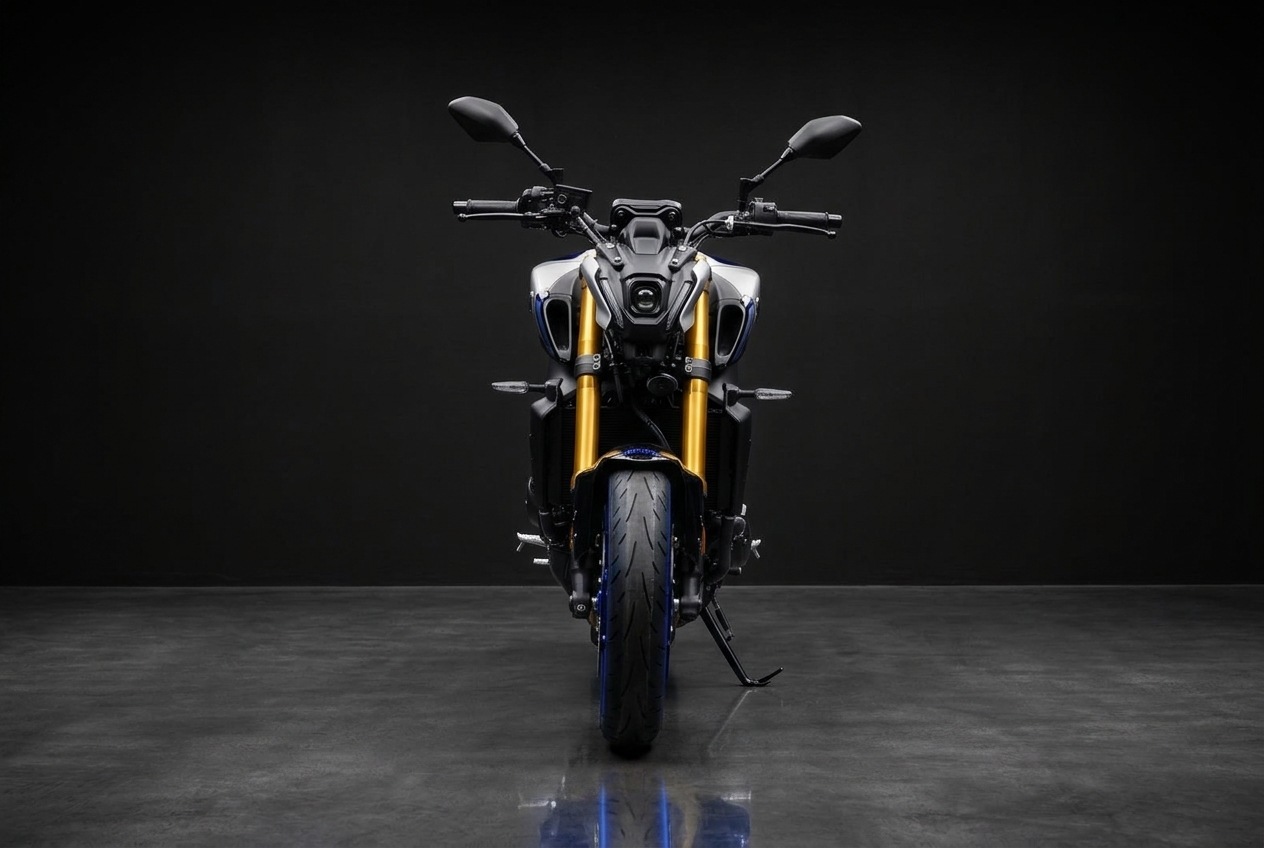
Want the Yamaha MT-09 SP for your date? Pick your dates and book the Yamaha MT-09 SP online, or call us and we will sort it with you.
Book NowCall 0468 011 118The Best Season and Time to Ride
Autumn is a wonderful time to ride to Orange. The days are mild, the orchards show their colours, and the mornings are crisp without being harsh. Spring is equally appealing, with blossom on the trees, green paddocks and a steady flow of visitors through the town. Both seasons suit an overnight ride well, with comfortable temperatures for long days on the bike.
Winter in the Central Tablelands is cold, and the mornings can be well below comfortable riding temperature. Frost settles on the paddocks and fog can sit in the low ground until late in the morning. Plan to leave later in the day, wear thermal layers and expect the first hour in the saddle to be the coldest. Ice is rare on the main roads but possible on the higher country, so ride cautiously on any surface that looks shiny.
Summer is warm, and the afternoons can be hot on the open stretches between Bathurst and Orange. An early start keeps the riding cool and gives you more time to enjoy the town in the evening. Whatever the season, the best time to ride is in the morning, when the roads are quiet, the air is fresh and the wildlife is still active near the verges.
Safety: Wildlife, Cold Mornings and Fatigue
Gear is the first line of protection on any trip like this. A certified helmet, a jacket with back and shoulder armour, gloves, long riding trousers and boots that cover the ankle are essential. Bright layers help you stand out on the open roads, and a waterproof outer layer stored in your luggage will keep you dry if the weather changes. If you are wearing your own gear, check its condition and fit before you leave Sydney.
Wildlife is the hazard most visitors underestimate. Kangaroos, wallabies, cattle and horses can all appear on the road, most often at dawn and dusk. Slow down through the grazing land, use the high beam only when it is safe and avoid swerving hard at speed if an animal steps out. Gravel on corners and wet leaves in shaded bends are the other hazards to look for across the whole route.
Fatigue builds quickly on a long run, even when the bends are gentle. Plan a break every hour or so, stretch your back and drink water. Heavy eyelids, a wandering line or a missed braking point are clear signs you need to stop. Riding within your ability is the safest rule of all, and if the road feels too demanding, it is better to slow down than to push on tired. Alcohol is not part of the riding day in any form.
The Return Ride and the Road Character
The ride back to Sydney is best done in daylight, so plan to leave Orange with time to clear the mountain sections before dusk. Check road conditions with Transport for NSW before you leave, including any closures or roadworks on the highways and the mountain roads. The return is usually a longer run than the outward trip, so plan your breaks and fuel carefully.
The road character changes across the day. The stretch from Orange to Bathurst is wide, open and steady, with long straights that invite speed. The mountain descent calls for a different approach, with tighter bends, shaded surfaces and busier traffic. Adjust your speed and your focus at each change, and remember that tired riders are more likely to make mistakes in the afternoon.
Quieter roads are easier to enjoy on a midweek trip. Early in the morning the highways are calm, the air is cool and the wildlife is more visible near the verge, so slow down and keep your eyes up. A mid-morning start on a weekday gives you the road almost to yourself, which is one of the great rewards of an overnight ride out of the city.
Book the Yamaha Overnight Ride
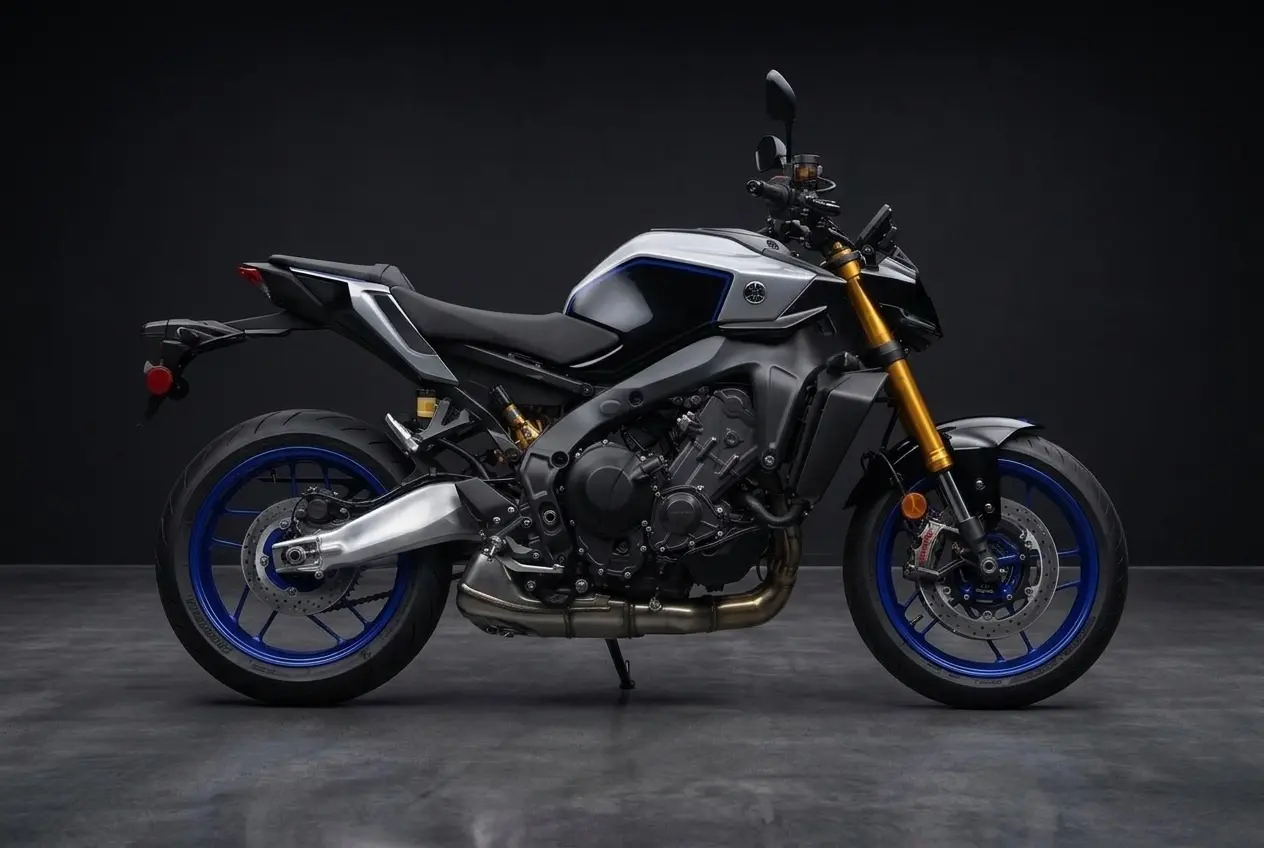
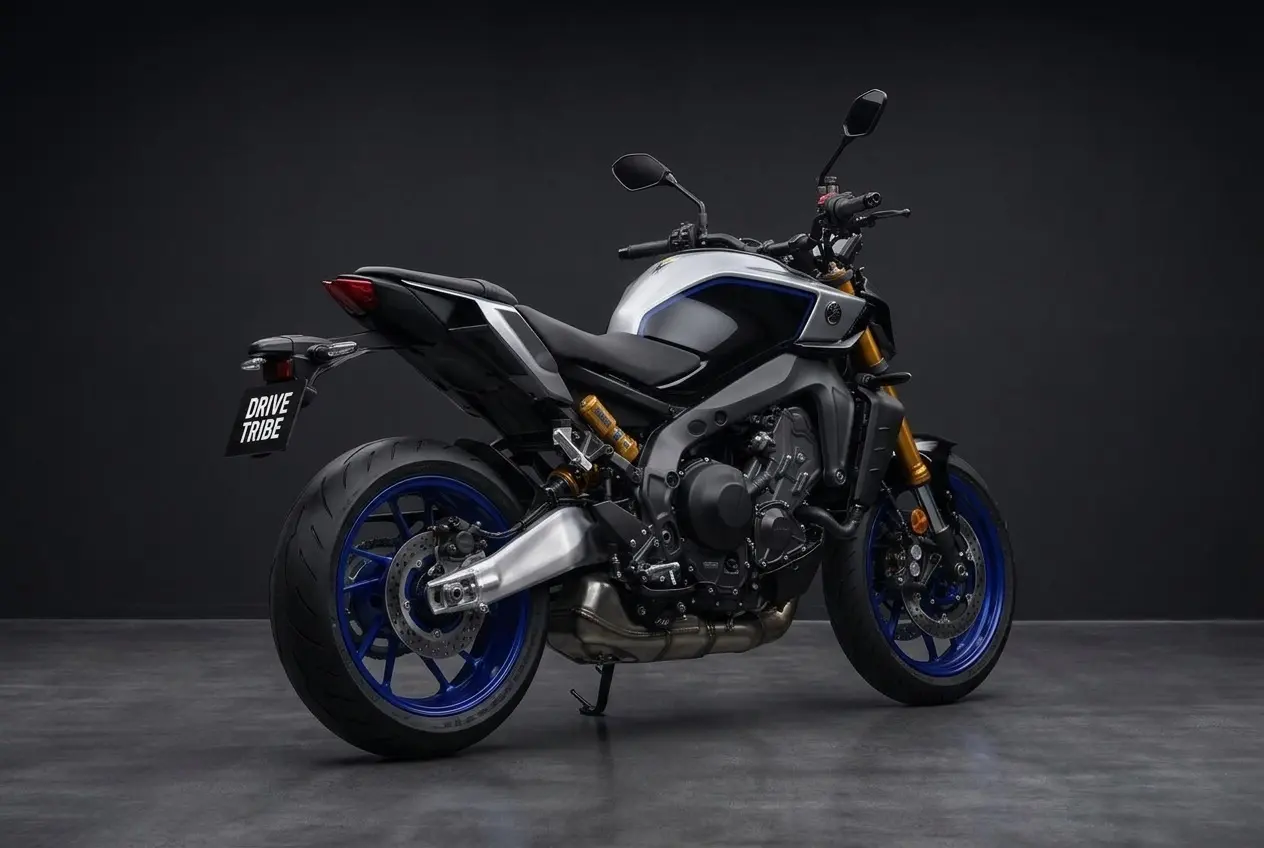
The Yamaha MT-09 SP is our recommended bike for this overnight ride. Its inline three engine delivers a strong, flexible pull that suits the hills and the open highway, and the strong brakes give confidence on the descents. The gold front forks and premium adjustable suspension make it a comfortable bike for longer days, whether you ride solo or two-up.
If you are travelling with a companion, the seating and the upright riding position make the long highway stretches easier, and the stops in Orange become a shared pleasure. Plan the route together, agree on rest stops and keep the pace comfortable for both riders.
When you are ready to plan your overnight stop, tell us your preferred dates, your licence details and whether you are bringing your own gear. We will talk through the pickup and return times, the fuel plan and the secure parking for the night. Orange and Mount Canobolas are ready for you, and the Yamaha is built for exactly this kind of relaxed, well-planned ride.
Frequently asked questions
How long does the ride to Orange take from Sydney?
Allow roughly four hours of steady riding for the main route, not counting fuel, food and photo stops. Most riders leave early to clear the mountain sections in good light and stop for a relaxed lunch in Bathurst or on the way. Add extra time for weekend traffic near the lookouts and for cold mornings in the cooler months, when the highway can be frosty early in the day.
Is Mount Canobolas suitable for a relaxed afternoon ride?
The loop around Mount Canobolas is a good choice for a relaxed afternoon, with steady climbs, scenic views and generally good road surfaces. The bends tighten in places and the shaded sections stay damp, so ride with care and use your gears on the descents. Plan to finish the loop before dusk, when wildlife becomes active near the forest edges and the light is lower on the bends.
What food is available in Orange?
Orange has a good range of cafes and restaurants in the town centre, serving local produce and simple, honest meals. Cool-climate wines and fresh fruit from the surrounding district often appear on menus. A relaxed lunch after the mountain climb is a good way to break the day, and most of the centre is easy to reach on foot after you park the bike safely.
Can I take a passenger on an overnight ride?
Passenger rules depend on the bike, and the passenger requirements are set out in the hire section of this article. Whatever the bike, plan the route together, agree on rest stops and keep the pace comfortable for both riders. Long highway stretches are easier with a stable seat and a relaxed pace, so take breaks more often than you think you need.
What should I pack for an overnight trip?
Pack light and keep weight low and secure in the luggage. Bring a spare layer for cold nights, a waterproof outer layer for showers, a small first aid kit, a phone charger and a bottle of water. Store heavier items low and strap everything down before leaving. A torch is useful at the accommodation and for roadside checks in the quieter country sections.
What is the best time of year for this trip?
Autumn and spring offer the most comfortable riding, with mild days, crisp mornings and good visibility across the tablelands. Winter is cold, with frost and fog in the low ground, so leave later in the day and layer up. Summer can be hot on the open stretches, so ride early. Choose the season that suits your tolerance for cold and heat.
Ready when you are. Pick your dates and book the Yamaha MT-09 SP online, or call us and we will sort it with you.
Book NowCall 0468 011 118