
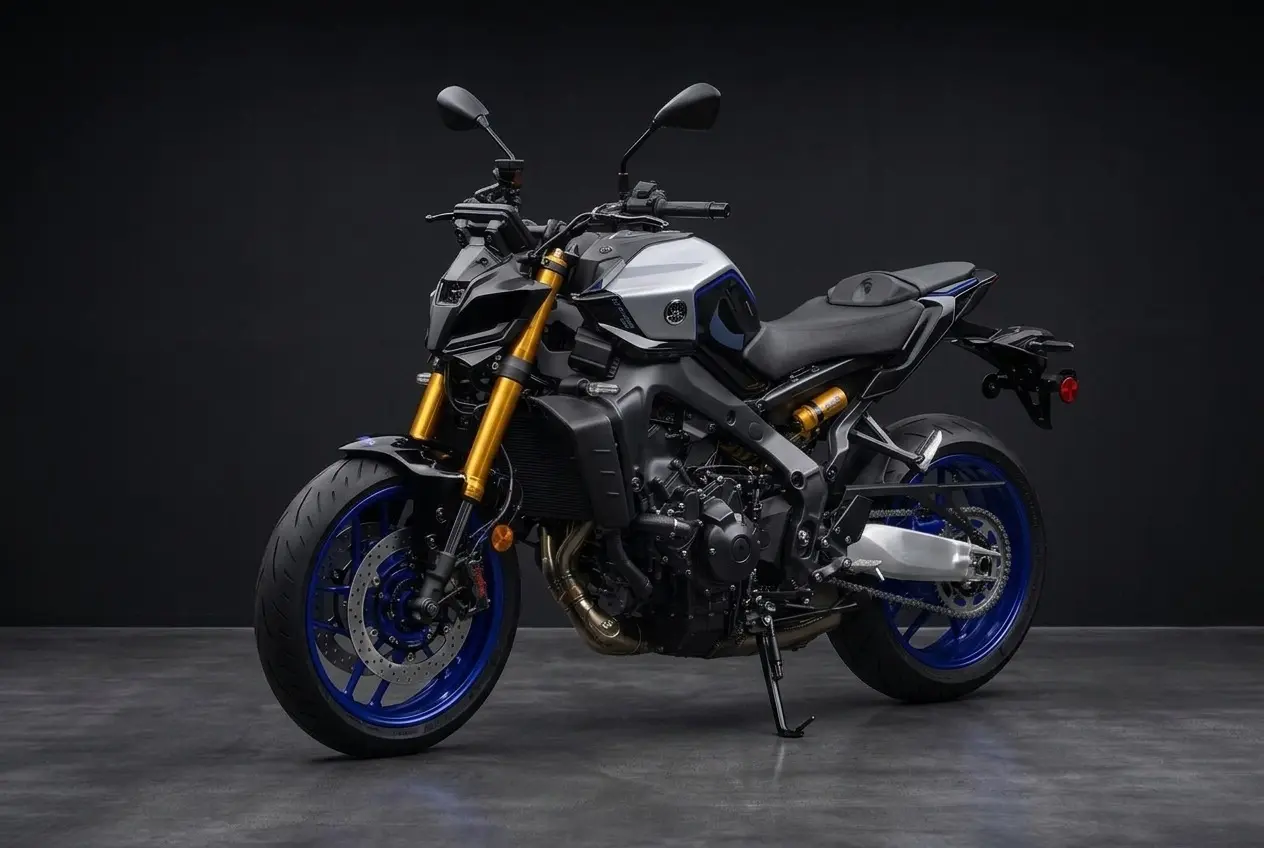
Book the Yamaha MT-09 SP. Pick your dates and book the Yamaha MT-09 SP online, or call us and we will sort it with you.
Book NowCall 0468 011 118School holidays turn many familiar NSW roads into a different place. Coastal routes fill with caravans and family cars, mountain lookouts gather queues, and the usual rhythm of a ride shifts to one of patience and gaps. A little planning changes everything. Knowing which roads fill first, when the traffic peaks and how to ride a calmer line lets you enjoy the road rather than fight it. This guide shows how to plan a hire around holiday traffic in New South Wales.
For the bikes we hire, who can ride them and how a hire runs, see motorbike hire in Sydney.
Why school holidays change the road
During school holidays, the roads across New South Wales carry a different kind of traffic. Families travel to the coast and the mountains, caravans and trailers join the stream, and many drivers are unfamiliar with the roads they are on. The result is slower speeds, more unexpected stops and more vehicles pulling out from lookouts and driveways. For a rider, the road becomes less predictable, and the plan needs to allow for that.
The timing of holiday traffic is not even across the day. Heavier volumes often build late morning and early afternoon, while the first hours of the day can be quieter. Departure and return days are busier than the middle of the break, and Sunday afternoons tend to bring a steady flow of vehicles heading back to the city. Knowing the rhythm lets you choose windows that suit your route.
The best way to think about holiday riding is to treat the traffic as part of the terrain. A caravan on a bend is a hazard in the same way a patch of gravel is, and it needs the same respect. Planning around it from the start is far more effective than reacting to it halfway along the route.
Which NSW routes fill up first
Coastal routes are usually the first to fill. The Princes Highway carries strong holiday traffic heading south, and the Grand Pacific Drive is popular with visitors who want to stop at lookouts and villages along the escarpment and coast. Sections near beaches and towns can slow to a crawl during peak afternoons, so plan your timing around them rather than trying to make progress through the worst of it.
The mountain roads also see heavy use. The Great Western Highway and Bells Line of Road carry visitors heading into the Blue Mountains, and the lookouts can fill quickly on sunny days. Expect a steady stream of cars and, on busy weekends, coaches. The road character changes as you climb, so keep your speed and your following distance under control.
Major arterial routes out of Sydney are busy in both directions at the start and end of holidays. Plan an approach that avoids the most congested sections where you can, and build in extra time to reach your destination.
- Princes Highway and the coastal towns on the way south
- Grand Pacific Drive and the lookouts along the coast
- Great Western Highway and Bells Line of Road into the mountains
- Major city approach roads at the start and end of the break
When to ride to avoid the crowds
Early and late timing matters more than the day itself. Start after the morning has settled and aim to be through the busiest sections before the holiday rush builds. Riding in the cooler part of the morning, once the first commuter wave has passed and before the lookouts fill, gives you calmer roads and easier parking. Keep every start at a sensible hour, never before 6am, so the day stays fresh rather than rushed.
Midweek rides are the most relaxed option during school holidays. Traffic on a Tuesday or Wednesday is usually lighter than on a Friday or Sunday, and the lookouts and cafes are less crowded. If you can fit your trip around midweek, you will notice the difference in the road and in your own stress level.
Late afternoon rides can be pleasant, but the return flow of holiday traffic can make the last hour of daylight more demanding. Plan to finish your riding before the evening rush and allow time for slow sections on the way home.
Quieter alternatives and sealed back roads
If the main coastal and mountain routes are heavy, consider quieter sealed roads that carry less through traffic. Many secondary roads in NSW are signposted for local traffic and are less busy than the highways, and they often offer a more relaxed riding character with fewer trucks and caravans. Always check that a road is sealed before you commit, since some side roads and access tracks are not suitable for our road bikes.
Quieter routes take more planning. Check the surface, the distance between services and the local signage before you set off. Some roads have fewer fuel stations and food stops, so plan your stops in the larger towns and keep your tank topped up. A quieter road is only a benefit if you have the range and the supplies to enjoy it.
Local knowledge helps too. Ask the accommodation or a local business about the roads they recommend in the region, and avoid taking a shortcut you do not know well. A familiar sealed road at a steady pace is almost always better than an unknown short cut in a busy holiday period.
Caravans, campers and slow traffic
Caravans, campervans and boat trailers are the defining feature of holiday traffic on many NSW roads. They travel at a slower pace, take up more of the lane and pull out with little warning. On the bends, a slow vehicle can force you to wait for a long stretch, so approach each section with a clear plan for when you will pass and when you will hang back.
Overtaking should be done only where the road is clear and it is safe and legal to do so. Look well ahead for a long straight, check your mirrors and make sure you have space to complete the pass before a vehicle comes the other way. Avoid overtaking on blind rises, near driveways or on bends where you cannot see the road ahead.
Patience pays. A relaxed following distance gives you room to react when a driver brakes suddenly or drifts across the lane. Many riders find that once they stop trying to keep pace with the traffic, the ride becomes far more enjoyable, with more time to look at the scenery and far less tension in the shoulders.
Want the Yamaha MT-09 SP for your date? Pick your dates and book the Yamaha MT-09 SP online, or call us and we will sort it with you.
Book NowCall 0468 011 118Lane filtering and traffic rules that matter
Lane filtering is legal in NSW for fully licensed riders, at up to 30 km/h, between slow or stopped traffic. It is not allowed beside the kerb or parked cars, and it is not allowed in school zones during school-zone hours. Lane splitting above 30 km/h is illegal. Holiday traffic can be stop-start on the approaches to towns, so know these limits before you use the filtering option.
School zones are a particular point of care during holiday periods. Check the school zone hours on the roads you plan to ride, since the hours when school-zone rules apply can vary, and do not assume that a quiet street is free of school-zone restrictions. Ride cautiously past any school zone signage and keep your speed well within the posted limit.
Rules aside, the safest approach in heavy traffic is to ride with room to stop. Keep your speed in check, watch for vehicles pulling out from driveways and car parks, and be ready for doors opening near parked cars. A good rider reads the traffic several vehicles ahead and responds early rather than late.
Season, weather and fuel stops in peak periods
Holiday season changes the weather as well as the traffic. Summer holidays bring heat and afternoon storms, while winter holidays bring cold mornings and frost in the mountains. Autumn and spring breaks can be mild and pleasant. Pack the right layers for the season, and carry a light wet-weather layer whatever the forecast looks like.
Fuel stops can be busy in peak periods. Queues form at the pumps in popular towns, and some stations may run short of fuel after a heavy weekend. Fill up before the busiest stretch, and avoid leaving refuelling until the tank is nearly empty. Choose a quieter station away from the main road if one is nearby.
Food stops also fill quickly. Cafes and bakeries in holiday towns can have long queues at lunch, so plan a light meal or a mid-morning snack. A shaded rest spot away from the main lookout can be a more relaxing place to stop and check your gear.
Safety in heavy holiday traffic
Concentration is the most important safety tool on a holiday ride. Traffic can change quickly, and tired riders miss things. Take a break every hour or so, stretch, drink water and check your gear. Never ride after drinking, and avoid riding when you are unwell or badly rested. Animals are most active near dusk and dawn, so take extra care on the rural stretches late in the day.
Gear is the foundation of safe riding in traffic. A certified helmet, a riding jacket with protection, gloves, boots and motorcycle pants guard you against the most common injuries, and they keep you comfortable through long stop-start stretches. Choose gear that suits the weather of the season, and check the fit before you leave.
Ride within your ability. Heavy traffic is not the place to test new skills. Leave a generous gap, use your mirrors early, and keep your eyes up. Check road conditions with Transport for NSW before you leave, and if the traffic or the weather becomes too much, pull off somewhere safe and wait it out.

Plan the trip on the Yamaha MT-09 SP
Our bikes are self-drive from our Parramatta base, with a three day minimum, and each rider needs a full motorcycle licence held for at least three years, while being aged 25 or over. A longer booking gives you room to pick the calmer days and avoid the busiest stretches, so the holiday traffic becomes one factor in the plan rather than the whole trip.
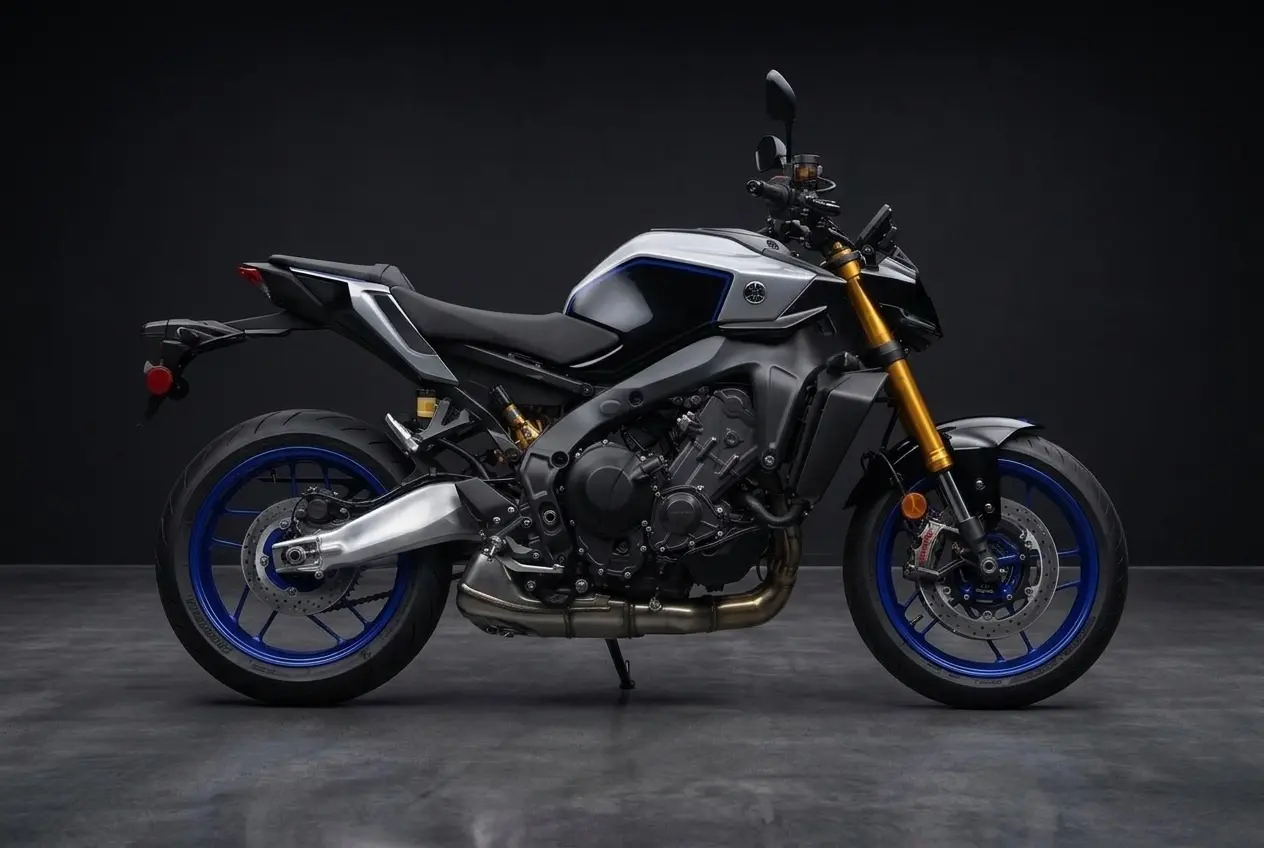
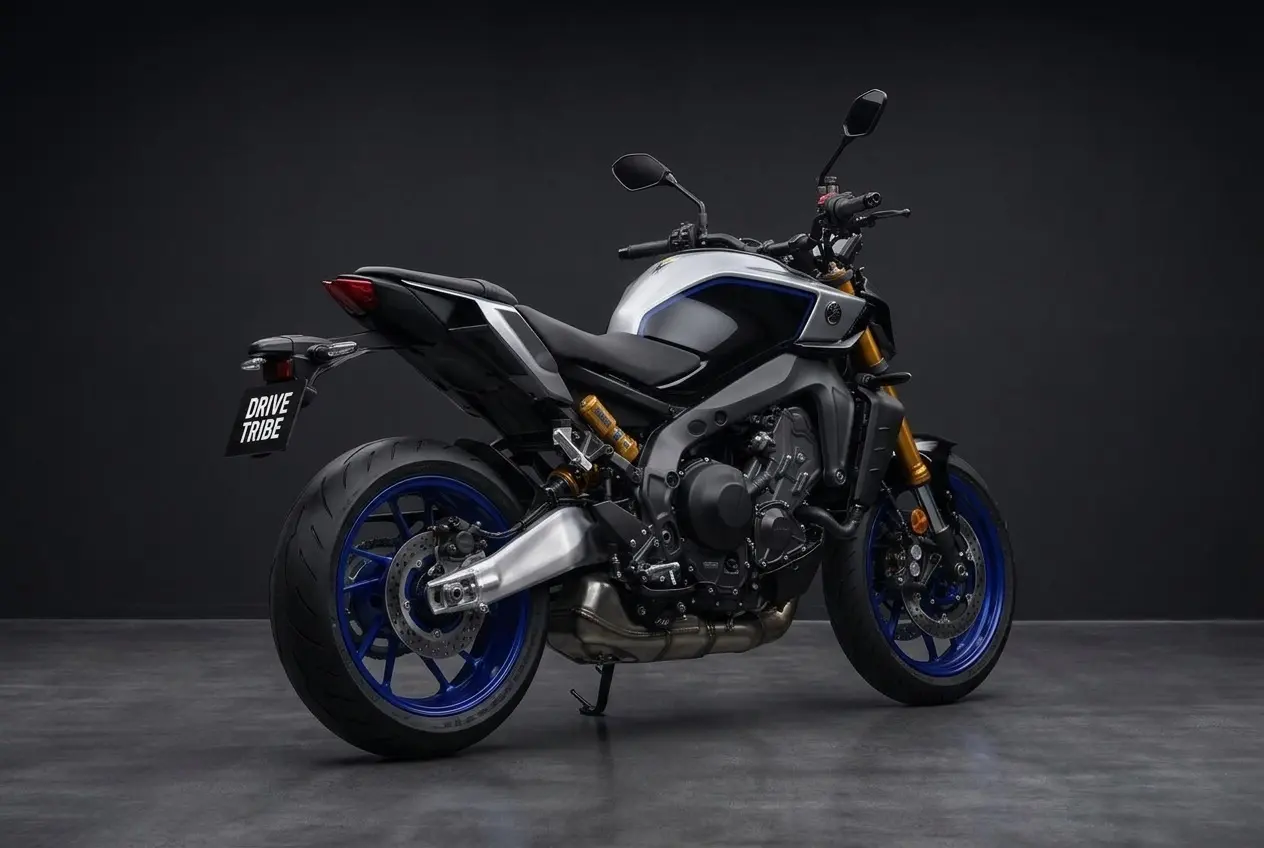
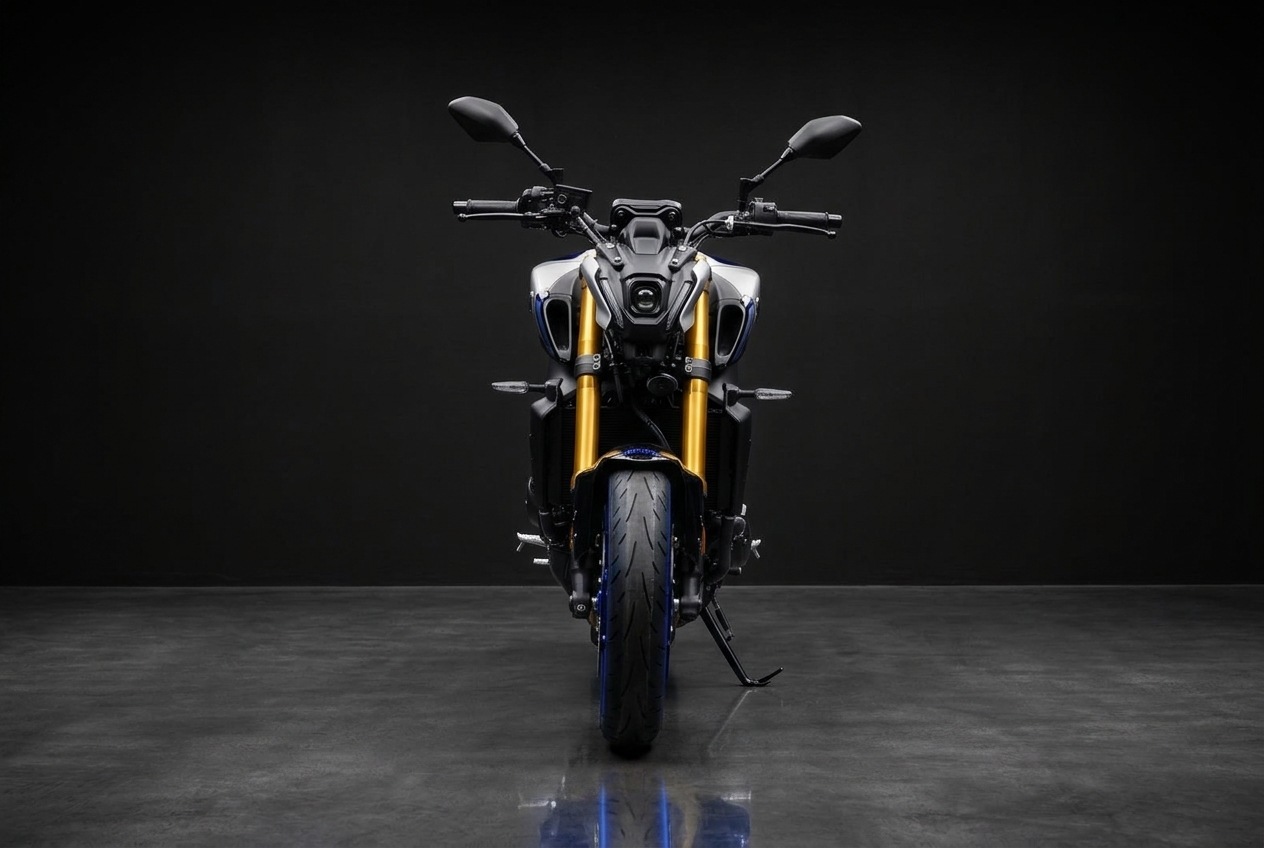
The Yamaha MT-09 SP suits holiday roads well. Its adjustable suspension and strong brakes help it handle changing surfaces and sudden braking, and its upright naked riding position gives you a clear view of the traffic around you. It is a practical bike for a day that mixes open road, coastal bends and busy approaches.
When you are ready to plan your holiday ride, book the Yamaha MT-09 SP and choose the days and routes that suit you. Plan wisely, ride calmly and enjoy the roads as they are meant to be enjoyed.
Frequently asked questions
When is the busiest time on NSW roads during school holidays?
Heavy traffic often builds at the start and end of the break, and on the Friday and Sunday afternoons when families travel to and from the coast and mountains. Late morning and early afternoon are usually busier than the early hours. Midweek is generally quieter than weekends, so choose a day that suits your route and give yourself extra time for the approaches to towns.
Is it safe to filter through holiday traffic on a motorbike?
Lane filtering is legal in NSW for fully licensed riders, at up to 30 km/h, between slow or stopped traffic. It is not allowed beside the kerb or parked cars, or in school zones during school-zone hours. Lane splitting above 30 km/h is illegal. Use filtering with care and keep your speed low, especially where traffic is moving in short bursts.
Should I avoid the Grand Pacific Drive during school holidays?
Not necessarily, but expect heavier traffic and slower progress at lookouts and through villages, especially on sunny afternoons. Riding earlier in the day or midweek helps. Plan your stops in advance, keep a generous gap to the vehicles ahead and be ready for drivers who pull over without much warning.
How do I ride safely around caravans on a holiday road?
Approach each caravan with patience and a clear plan for when you will pass. Leave a generous gap, look well ahead for a safe overtaking opportunity and avoid passing on blind rises or near driveways. Expect sudden movements and slow speeds, and do not try to keep pace with traffic. A relaxed following distance gives you time to react.
Are the Blue Mountains lookouts crowded in holidays?
Yes, many lookouts fill quickly on sunny holiday days, and parking can be limited. Arrive early, ride on a weekday where you can, and allow time for the crowds. Keep to the marked areas, respect the barriers and be patient at busy car parks. A quieter stop further along the road can give you a similar view with far less queuing.
Do I need extra gear for a holiday ride?
Choose gear for the weather you expect, and carry a light wet-weather layer whatever the forecast. A certified helmet, a riding jacket with protection, gloves, boots and motorcycle pants are the core of a safe setup. Carry water, snacks and a basic first aid kit, and keep your phone charged for the day.
Ready when you are. Pick your dates and book the Yamaha MT-09 SP online, or call us and we will sort it with you.
Book NowCall 0468 011 118