

Book the Ducati 1199R. Pick your dates and book the Ducati 1199R online, or call us and we will sort it with you.
Book NowCall 0468 011 118The first hour of a hills ride is where most of the risk sits. Frost forms on shaded bends, dew turns the road into a thin film and the air at the top of the range can bite through a single layer. Plan the start properly and the rest of the ride settles into a rhythm, but ignore it and the first corners become a test of nerve. This guide sets out how to read the morning, prepare for it and ride the cold section with control.
New to riding with us? Our page on motorbike hire in Sydney covers the bikes, the rider rules and how pick-up works.
The first hour carries most of the risk
Most hills rides are remembered for the views, but the first hour decides how the day feels. Cold tyres, a damp surface and stiff hands make the early kilometres demanding even for experienced riders. Those few kilometres deserve a slower pace, a simpler route and an honest check of how you feel before you commit to the climb.
The difficulty is that the conditions can look harmless. A road that appears dry in the car park can carry a glassy film in a shaded dip, and a bend that looks clear from the top of the hill can hold frost in the trees. Assume the hidden surface is there until you have proven otherwise.
Plan the ride so the cold section comes first, while you are fresh and the light is strengthening. Save the more open, sunnier country for later, when the temperature has climbed and the road has dried out. The sequence matters as much as the distance.
Hire terms for an early hills start
Overnight the bike must be kept in a locked garage or secure off-street parking between 9pm and 6am, so an early hills start is planned around that window, with the bike ready once the morning is under way. To ride, you need a full motorcycle licence that you have held for at least three years, and you must be aged 25 or over on any bike we rent. On the gear side, you may take ours at a daily add-on charge per rider or wear your own, whichever suits the morning best.
Sorting the logistics the evening before keeps the early start calm. Check where the bike is kept, lay out your layers and make sure your documents are in the same place as your gloves. A morning that begins with a search for missing items is a morning that starts with frayed nerves.
Set the alarm with a margin, and give yourself time to dress properly. Rushing into the cold with a half-zipped jacket is one of the most common ways riders end up chilled before they have even left the car park.
How frost and dew form on the hills
Frost forms when the ground and the air close to it cool below freezing, which usually happens on clear, still nights with little cloud to hold the warmth in. Hills are especially prone because cold air drains downhill and pools in the low points, so the valley floor and the shaded dips can be far colder than the ridge above.
Dew is the quieter cousin. It forms when moisture in the air condenses on surfaces that have cooled overnight, and on a road it creates a thin film that can be hard to see. Dew is most noticeable on the shaded side of the bends, where the sun takes the longest to arrive.
Both effects are strongest on still mornings, and the first sun can start to melt the surface unevenly. The top of a bend may be dry while the exit is still damp, so the road can change character within a single corner.
Reading the morning before you leave
Before you start the bike, look at the sky, the grass and the wind. Clear skies and still air suggest frost, especially on grass and on the roof of a parked car. Wet grass and a heavy dew on the bike's seat are good signs that the road will carry moisture too.
Check the temperature the evening before, and again on the morning of the ride. A forecast low close to freezing is a clear signal to delay the start, leave the hills for later or choose a different route. There is no shame in waiting for a warmer morning when the signs are poor.
Trust what you see more than what the schedule says. If the grass is white and the windscreens of the cars in the car park are frosted, your timetable needs an extra margin before the hills become sensible.

Layering for a frosty start
Dress in layers, starting with a thermal base layer that keeps moisture away from the skin. Add a warm mid-layer that you can take off easily, and finish with a windproof shell that stops the air from pulling heat out of the body. A neck warmer and thin liner gloves help the hands and face through the first kilometres.
Your feet can be the coldest part of the body on a frosty ride. Warm socks, boots that fit without squeezing, and a dry spare pair in a sealed bag make a noticeable difference by lunchtime. Damp socks chill quickly, so change them if your feet have been wet for long.
Keep the layers reachable. A mid-layer buried under the bag is useless at a stop, while one that sits within easy reach can be put on in seconds. Plan the morning around comfort, and you will ride more steadily through the cold section.
Riding the shaded bends
Shaded bends are where frost and dew do the most damage. Brake gently and early, well before the bend, so the bike is settled when you lean. Avoid sudden throttle changes and keep your inputs smooth, because a rear wheel that loses grip on a frosty patch can give little warning.
Lean less than you would on a dry road, and keep the bike upright through the most exposed part of the turn. Look well ahead to see the change in the surface, and be ready to adjust your line if the shine of frost or the dark patch of dew appears in front of you. A wide, calm line usually beats a tight, fast one.
Gravel and leaf litter can gather on the outside of bends in the early morning, and a loose patch can feel very different from the surrounding tarmac. Keep the lean gentle where the surface looks dull, and give the verges a wide berth.

Want the Ducati 1199R for your date? Pick your dates and book the Ducati 1199R online, or call us and we will sort it with you.
Book NowCall 0468 011 118Wildlife at dawn and dusk on the hill roads
Dawn and dusk are the busiest times for wildlife on the rural edges of the hills. Kangaroos, wallabies and other animals move about near the bush and the paddocks, often close to the road edge and without much warning. Slow down on rural stretches at those times, and keep a wide view of the verges rather than focusing only on the road ahead.
Mist and low light make animals harder to see, and cold mornings can keep them close to the road where the ground holds a little warmth. Use your headlight, keep your speed in check and be ready to brake firmly but smoothly if something appears. Sudden swerves on a damp road are far more dangerous than a controlled stop.
Give animals space, and do not stop to watch them from the road. A quick glance is enough, and a planned stop in a safe spot is a better place to enjoy them.
Fuel and food stops along the hills loop
Fuel is worth planning before the climb, because the stops on the tableland are fewer and more spread out. Top up in Bilpin, Lithgow or the larger towns along the way, and keep the tank comfortably full before you head into the cold. A rider who keeps an eye on the range never needs to hurry the middle of the ride.
A warm breakfast is one of the best ways to end a cold start. Choose a café on a sunny main street, or a bakery with space to stand near a heater, and let your hands and feet return to normal before the next leg. Keep the stop short, so the chill does not settle back in.
Carry a flask or water and a snack in the pack, because the roadside options can be limited on the early hills. Plan a break after the coldest section, when the sun has begun to warm the road and your fingers have come back to life.
- Bilpin or Lithgow for a fuel top-up before the cold
- A sunny main street for a warm breakfast
- A sheltered spot for a short break after the cold section
Best season, time of day and weekend crowds
Autumn and winter mornings are the true test of these hills, with the coldest starts and the most frost. Spring can be fresh and damp in the early hours, while summer brings warm dawns and humidity that lingers in the valleys. The principle is the same across the seasons: the first hour needs the most care, whatever the month.
Weekends bring visitors to the lookouts and the villages, so the early hours are the quietest and the safest. Mid-week rides are calmer still, and they let you enjoy the cold section without a stream of tour traffic behind you. Plan the start to suit the crowd, not the other way round.
The best time to ride the cold section is once the sun has lifted the temperature enough to clear the surface. Wait until the frost has gone from the shaded bends before you commit to the steep ones, and use the later part of the morning for the open country. A calm, patient start often gives you the best ride of the day.
Make checking Transport for NSW part of your pre-ride routine, alongside tyres, fuel and weather.
Staying alert and booking the Ducati
Cold makes you tired faster than most riders expect, and stiff muscles reduce your control at the very moment you need it. Take a break once you are warm, stretch your legs and check your hands and feet. Ride within your ability, and remember that a rider who is shivering is not fully in command of the bike.
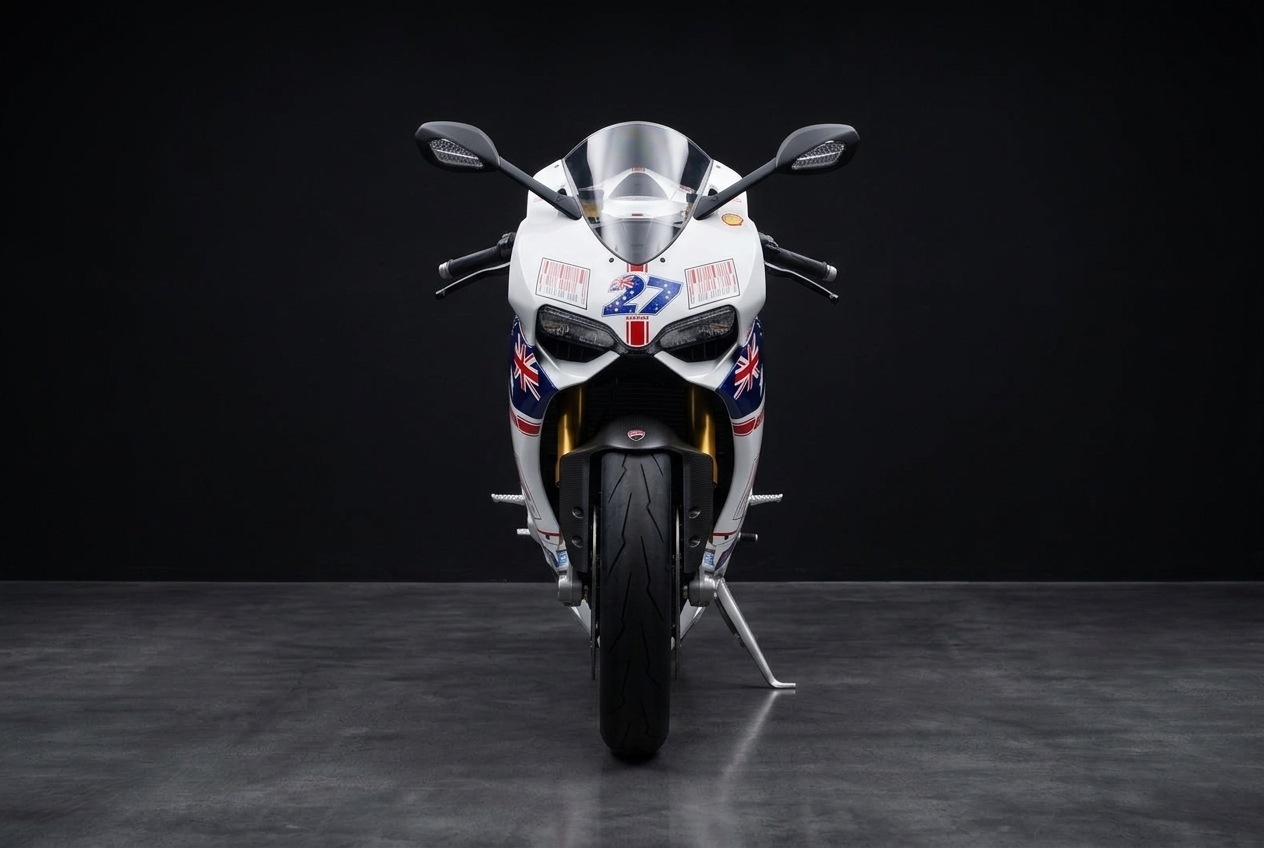
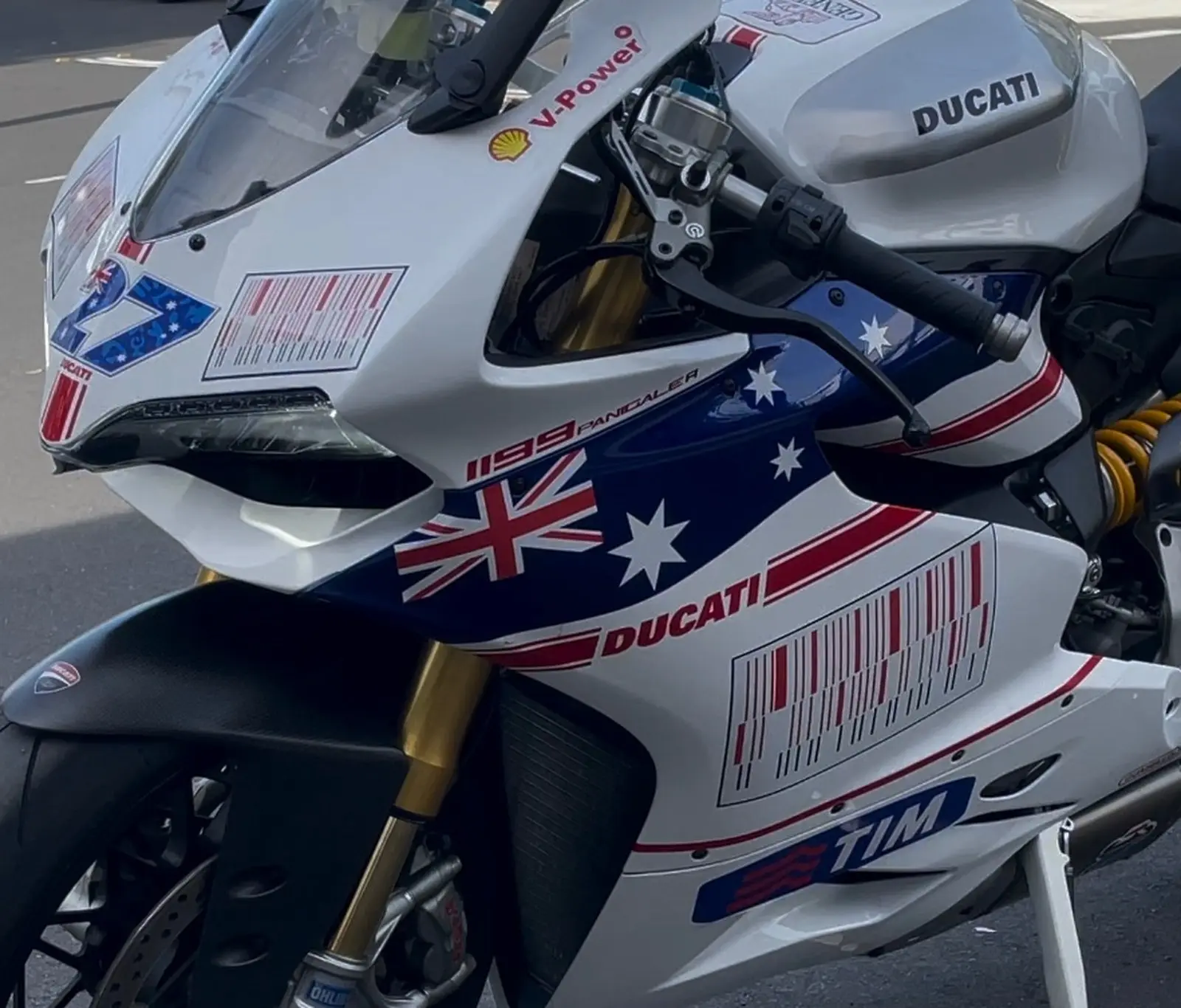
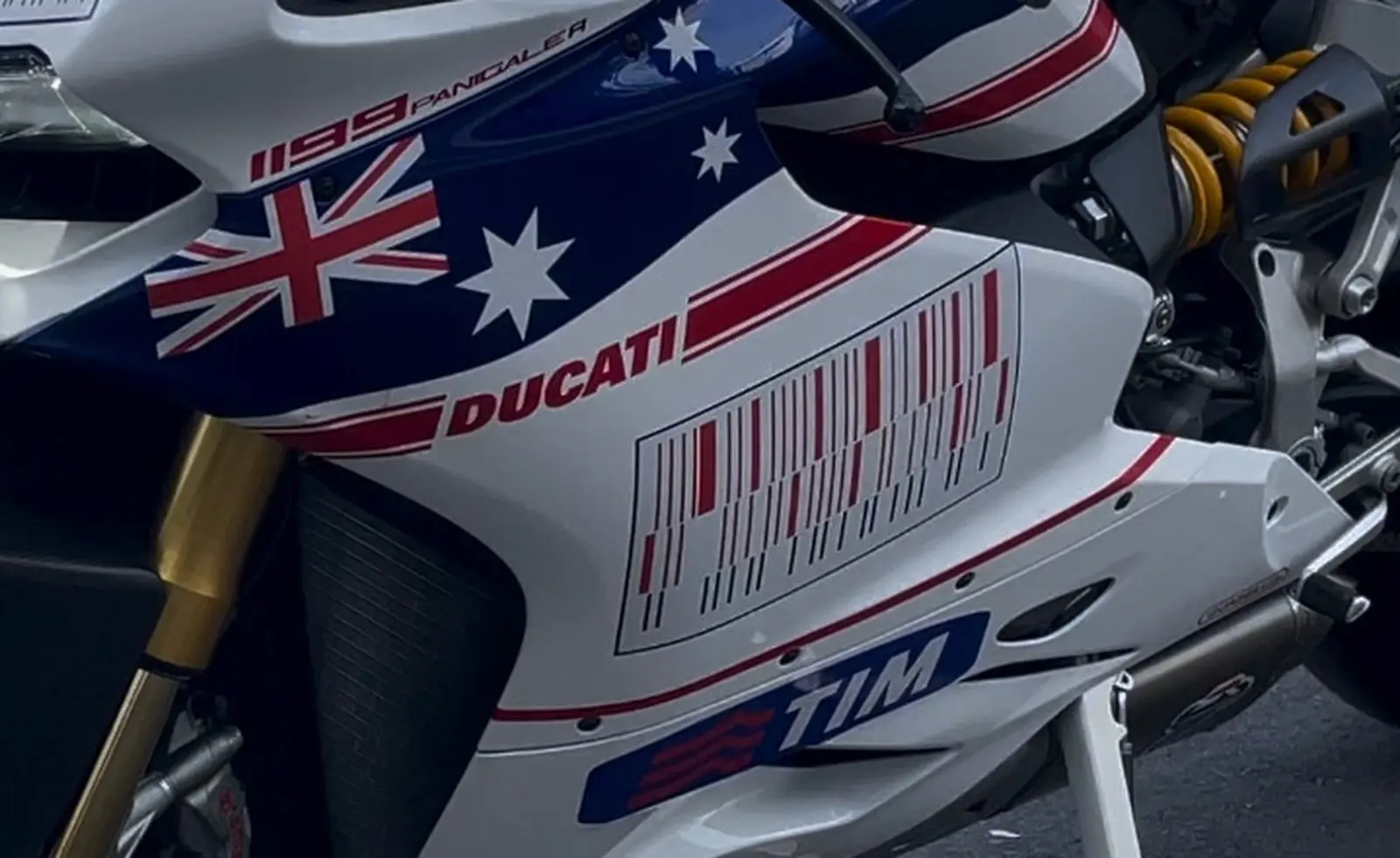
No alcohol before or during riding, even when a warm drink feels like the right way to end a cold morning. The Ducati 1199R Panigale is a superbike for experienced riders, and its V-twin rewards a calm, precise approach to the bends. Treat the cold section as the start of the ride, not a test of how fast you can go.
When you are ready to plan the morning, book the Ducati for your hills ride and tell us your intended start. We will help you plan the timing, the stops and the route, so the first hour is calm and the rest of the day is simply a pleasure.
Frequently asked questions
How do I know if the road has frost before I ride?
Look for white grass, frosted car windscreens and a dull, grey sheen on the road in shaded spots. Frost is most likely on clear, still mornings in low-lying areas and on the shaded side of the hills. If you are unsure, wait for the sun to clear the surface, or choose a route with more open, sunny sections for the first hour.
Is it safe to ride once the frost has melted?
Once the sun has melted the frost, the surface can still hold a film of moisture in the shade. Ride the shaded sections gently until the road looks uniformly dry, and keep your lean light on the bends. Wait a little longer before the steep descents, where the surface can stay cold for a while after the open road has warmed.
What layers should I wear for a cold hills start?
Start with a thermal base layer, add a warm mid-layer and finish with a windproof shell. Keep the mid-layer easy to reach so you can remove it at the first stop, when the sun begins to warm you. A neck warmer and thin liner gloves help the hands and face, and warm socks keep the feet comfortable through the early kilometres.
Can dew make the road as slippery as rain?
Dew can create a thin film that is hard to see, and on a cold morning it can behave like a light wet surface. The effect is strongest on shaded bends and painted lines, so treat those spots with extra care. Brake earlier, lean less and keep your inputs smooth until the road has dried in the sun.
What should I do if I start to feel the cold badly?
Stop somewhere safe, step away from the bike and move your hands and feet to restore circulation. Drink something warm if you have it, and wait until your fingers can work the controls confidently before you continue. Shivering and numbness reduce your ability to ride well, so a short rest is always the better choice.
Is it worth starting very early to avoid traffic?
An early start can be rewarding, but it should never mean rushing the cold section or riding while the light is still poor. Time the start so that you ride after 6am and reach the more demanding bends once the light and the temperature have improved. A calm, patient start usually beats an early one that leaves you cold and tense.
Ready when you are. Pick your dates and book the Ducati 1199R online, or call us and we will sort it with you.
Book NowCall 0468 011 118