

Book the Yamaha MT-09 SP. Pick your dates and book the Yamaha MT-09 SP online, or call us and we will sort it with you.
Book NowCall 0468 011 118A good motorcycle route is rarely the one with the most trucks on it. Heavy vehicles bring wind blasts, spray in the wet, long braking distances and a driving style that can leave little room for a rider. A route that keeps you clear of the busiest freight corridors can be safer, calmer and more enjoyable, even when it adds some kilometres. This guide explains how to spot the freight routes, plan around them and ride the stretches you cannot avoid.
New to riding with us? Our page on motorbike hire in Sydney covers the bikes, the rider rules and how pick-up works.
Why trucks shape the best route
Heavy vehicles change the feel of a road in ways that many car drivers never notice. A large truck pushes a wall of air ahead of it and throws a blast of wind sideways as it passes, which can pull a light motorcycle off line for a moment. On wet roads the spray from a loaded trailer can cut visibility to almost nothing. Each of these effects is manageable, but they add up over a long day.
Stopping distances are another factor. A loaded truck needs far more room to slow than a car, and the driver may not be able to see a motorbike tucked close behind in the mirror. Rear-view mirrors on large vehicles have blind areas, and a rider who sits in those areas is easy to lose. Keeping clear of the heaviest traffic is one of the simplest ways to reduce those risks.
Planning around trucks is not about avoiding every freight vehicle, which is impossible on many roads. It is about choosing a route where the heavy traffic is lighter and more predictable, and where you have space to ride at your own pace. The rest of this guide shows how to find those roads and how to handle the ones you cannot skip.
The freight corridors to know
Several major routes carry a large share of Sydney and regional freight, and they are the first places to check when you plan a ride. The Hume Highway and the Pacific Highway are among the best known, and both see heavy traffic for long stretches. Parramatta Road is another busy corridor, with steady truck movement through its built-up sections. These roads can be perfectly good for riding, but the heavy traffic is the main factor to plan around.
Freeway sections carry the most trucks, and the on-ramps and merges are where they bunch together. Some of the highest-volume stretches run through the urban fringe, where trucks and cars share narrow lanes and frequent merges. If your route takes you onto any of these roads, look at the time of day and the direction of travel before you commit, because freight movements often peak at different hours from the commuter traffic.
Freight routes also change through the year. Harvest seasons, building projects and port activity can shift the balance of traffic, sometimes with little warning. A road that was quiet last month can carry a steady stream of heavy vehicles after a big project starts nearby. Before you build a route around quieter roads, check whether anything has changed in the area you plan to ride through.
Reading truck traffic on a rural road
Rural roads can be surprisingly busy with trucks, especially where they link towns, farms and processing sites. Look for signs of heavy traffic before you commit, such as wide shoulders worn by repeated use, large loading areas and regular stops near industrial sites. A road that looks quiet on a map may still carry a steady stream of heavy vehicles at certain hours.
When a truck is in front of you on a winding road, back off early and keep a generous gap. Trucks often need more time to climb and less time to slow than you expect, and a sudden stop can happen with little warning on a hill. Do not sit in the driver's blind zones, which tend to be just behind the cab and along the flanks of the trailer. Wait for a clear stretch before passing, and never pass into a corner.
On wet days, keep even more distance. Spray from a heavy vehicle can hang in the air for several seconds, and a rider who enters that spray at speed can lose sight of the road edge. Ride with the visor clear, keep your speed moderate and let the truck lead you through the worst of the spray rather than racing to get past it.
Planning the route before you leave
Start with a map and mark the main freight corridors on your planned route. Then look for alternatives that run parallel to them, using smaller local roads with good surfaces and steady traffic. A longer route that stays off the busy corridors can be far more pleasant than a direct one, and it often gives you better views and quieter corners.
Use a mapping app for the basic route, but check it against what you know about the road. Many apps prioritise the fastest journey, which is often the busiest freight corridor. Look at each suggested section and ask whether it fits your riding plan, rather than trusting the first answer the app gives you. Make notes of two or three alternative roads so you are ready to change course if traffic builds.
Check road conditions with Transport for NSW before leaving, particularly if your route crosses a major freight link or a construction zone. Closures and roadworks can push trucks onto roads you had planned to ride quietly, so an up-to-date check on the morning of your ride is worth doing. A five-minute review before you leave can save you a great deal of frustration on the road.
Timing the ride around freight peaks
Trucks run on schedules, and those schedules often differ from commuter traffic. Many freight movements happen overnight and in the early morning, while others run through the middle of the day. Look at the pattern on the route you plan to ride, and choose a window when the heavy vehicles are fewer. Mid-morning and mid-afternoon are often quieter than the early and late hours on busy corridors.
Leave the start of the ride until after 6am, when the roads have warmed to daytime traffic and the first freight runs have settled into their pattern. Riding in the first hour of daylight is pleasant, but the roads near depots and distribution sites can be busy with vehicles starting their routes. Give yourself time to pass those areas before the busiest hour of the morning.
Weekends often bring a different pattern. Freight volumes can drop on some corridors, but leisure traffic, caravans and tourist vehicles increase on routes that lead to the coast or the mountains. Plan around both groups, and allow more time than you expect when the road is shared by holidaymakers and heavy vehicles at the same time.
Quieter alternatives through the hills
Hill country often offers the best alternatives to the freight corridors. Local roads that wind through valleys and forest can be superb to ride, with changing scenery and steady, flowing bends. These roads usually carry fewer trucks, but they still have their own hazards, such as tight corners, reduced sight lines and occasional farm vehicles that enter the road without much warning.
The Great Western Highway through the Blue Mountains carries plenty of heavy traffic, but it also has sections where the road climbs and bends in a way that encourages careful riding. Some riders prefer to plan a route that uses the highway for a short distance and then switches to a quieter local road for the scenic stretches. Choose the switch points carefully, and make sure the local road suits your experience.
On quieter roads, keep your speed sensible and your attention forward. The absence of trucks can lull riders into a false sense of ease, so keep scanning for gravel, wet leaves and wildlife at the edges of the road. Stay within your ability, and remember that a quiet road is still a road that demands full concentration from the rider.
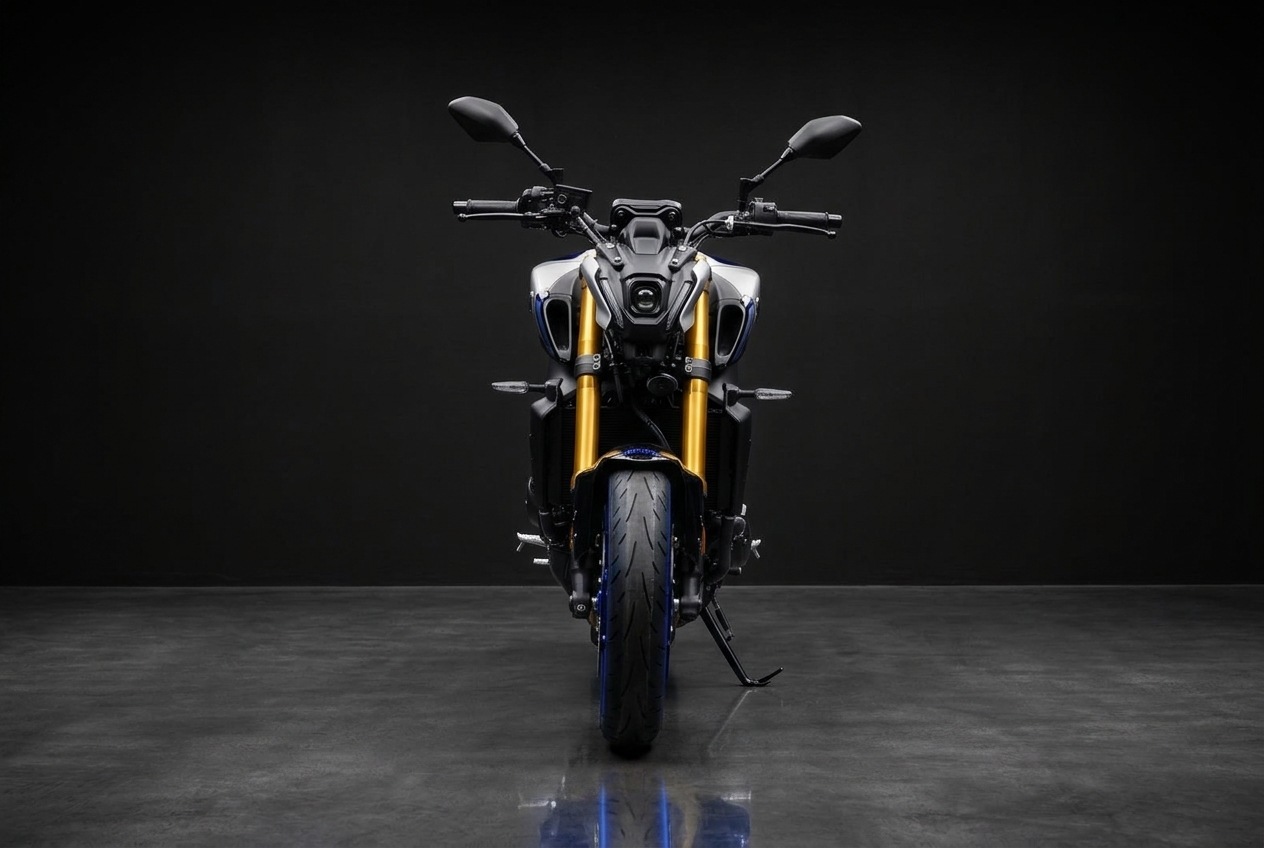
Want the Yamaha MT-09 SP for your date? Pick your dates and book the Yamaha MT-09 SP online, or call us and we will sort it with you.
Book NowCall 0468 011 118Fuel, food and rest on a truck-free route
Fuel is worth planning carefully when your route avoids the main corridors. Truck stops and large highway service stations are often the busiest places on a freight route, but they are also the most reliable for fuel. On a quieter route, the stations can be further apart, so fill up before you leave the larger centres and plan the gaps before you set off.
Food stops along a quieter route can be a highlight. Villages and small towns often have cafes that suit a relaxed break, and they tend to be less crowded than the stops on a main freight road. Choose a place where you can park the bike in view, and avoid eating so much that you feel sluggish through the next section of bends.
Plan rest breaks on a schedule rather than on how you feel. Stop every hour or so, stretch your neck, shoulders and wrists, and check the bike over. A rider who stops regularly tends to make fewer mistakes, and the rest is especially useful on long routes where the road is quiet and the mind can drift.
Passing heavy vehicles and staying safe
Passing a heavy vehicle needs a clear section of road, a clear view ahead and a clear reason. Only pass when you can see at least a long stretch of straight road in front, and when the truck's speed and the traffic ahead make the move straightforward. Check your mirrors twice, signal your intent and accelerate decisively so you spend as little time alongside the truck as possible.
Never pass into a corner, over a crest or on a short stretch of road that you cannot see clearly. Trucks often take up more space than their size suggests, and a gust of wind near the trailer can push you toward the edge of your lane. Keep a little distance from the side of the vehicle, which also gives you room to react if the driver drifts or a tyre fails.
Consider waiting rather than passing. Sitting behind a truck for a few kilometres can feel slow, but it gives you the chance to ride at a steady pace and enjoy the road. If the truck is moving slowly up a hill and the way ahead is not clear, take the opportunity to rest your concentration and wait for a better moment.

Hire rules for a planned route
Three rules matter most when you plan a route like this. You must hold a full motorcycle licence that you have held for at least three years, and be aged 25 or over on every bike. A passenger is allowed only on the Yamaha MT-09 SP, one passenger aged 16 or over, while the Ducati 1199R and the MV Agusta F4 are single-seaters. Every bike in our fleet carries a tracker, which is worth knowing if you plan a route with overnight stops.
Pick the route, then the bike
A calm route starts with a clear idea of what you want from the day. Some riders want the most scenic roads they can find, while others need a predictable run with few surprises. Decide which matters most, then build the route around that choice. A route built on scenery, quiet roads and sensible timing is usually more enjoyable than one that simply shaves minutes off the clock.
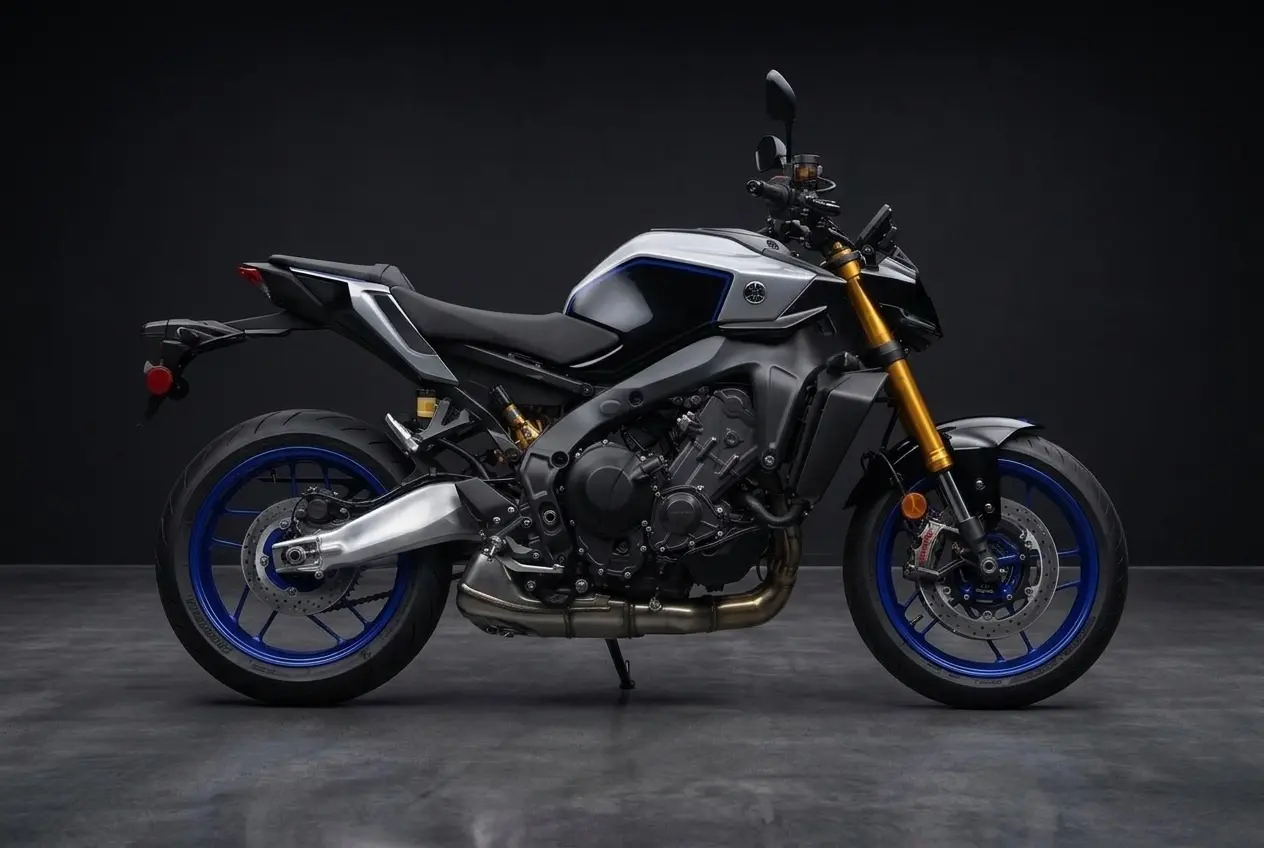
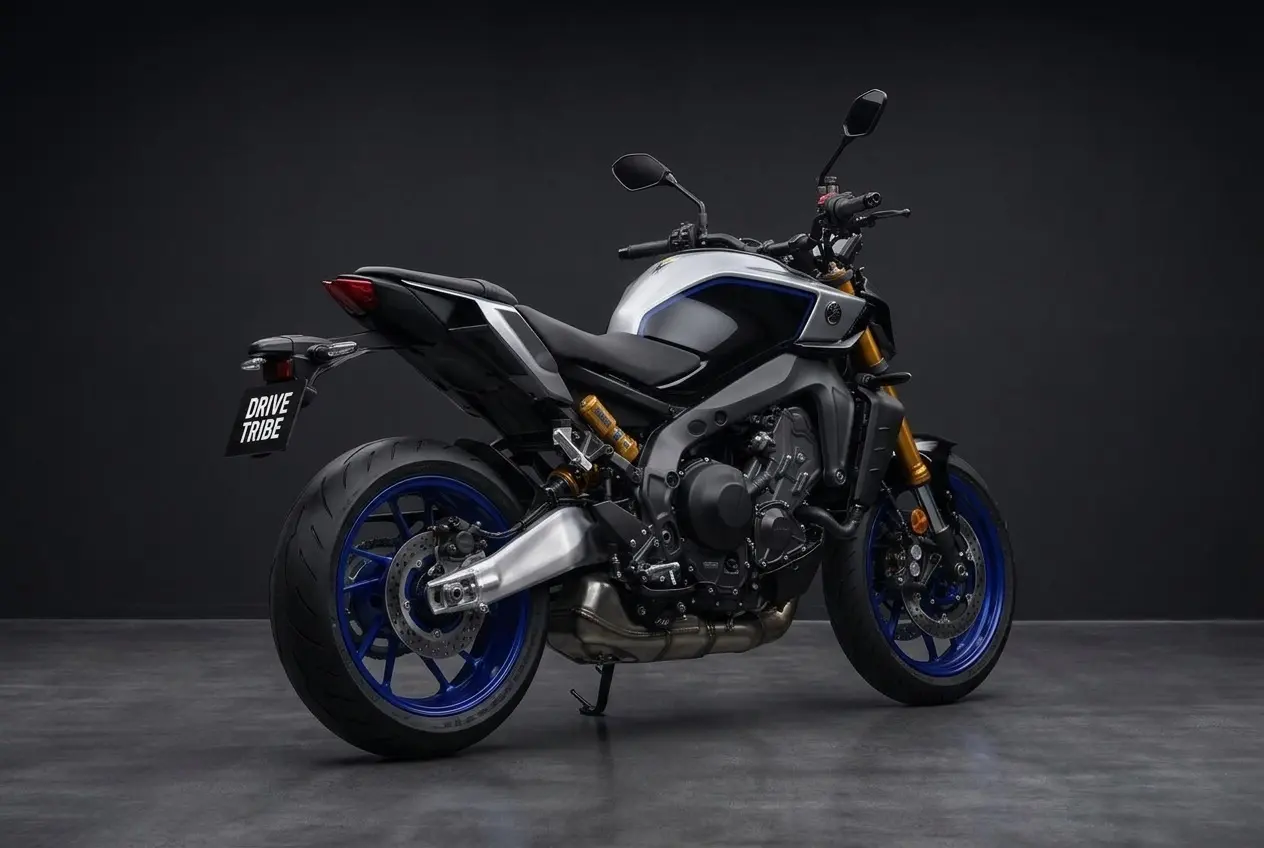
The Yamaha MT-09 SP suits a route that mixes busy and quiet sections. Its premium adjustable suspension lets you tune the setup for rougher surfaces, and its strong brakes give you confidence when a truck ahead slows more quickly than expected.
When you are ready, the Yamaha MT-09 SP is our featured bike for this kind of planning, and you can see its details on its fleet page. Browse the full fleet to compare the other options, then book your ride once you have a route you are happy with, and we will help you check the plan before you set off.

Frequently asked questions
How do I find a motorbike route that avoids trucks?
Start by marking the main freight corridors on your map, then look for parallel local roads that offer better surfaces and steadier traffic. Check the route at the time of day you plan to ride, because freight volumes change through the day and the week. Keep two or three alternatives in mind, and be ready to switch if traffic builds unexpectedly.
Are the Hume Highway and Pacific Highway safe for motorbikes?
Both are used by motorcyclists, but they carry heavy freight for long stretches, so they demand more care. Expect wind blasts and spray from trucks, long merges and slow-moving heavy vehicles on climbs. Plan your timing around the quieter parts of the day, keep plenty of space around large vehicles and check current conditions before you go.
How do I pass a truck safely on a rural road?
Pass only where you can see a long, clear stretch ahead, and avoid corners, crests and short sight lines. Check your mirrors, signal your intent and accelerate decisively so you spend as little time alongside the truck as possible. If the way ahead is not clear, it is better to wait behind the truck and ride at its pace.
Do trucks create wind and spray that affect a motorbike?
Yes. A large vehicle pushes air ahead of it and creates a wake that can move a light machine sideways for a moment. On wet roads the spray from a loaded trailer can cut visibility sharply. Keep your distance, hold a steady line and let the truck lead you through the spray rather than racing to get past it.
Is a quieter route always the better choice?
Not always. A quieter route can still include tight corners, loose material, wildlife and farm vehicles, and it may have fewer services along the way. It is a good choice when the road suits your experience and you have planned fuel and rest stops. Choose the route that fits your riding, not simply the one with the fewest trucks.
How do I keep my own pace steady on a route with trucks?
Pick a speed that you can hold without effort, then let the traffic come to you rather than chasing gaps. Settle behind a truck at a distance that keeps you clear of its spray and wake, and resist the urge to close up on its tail. A steady rhythm reduces fatigue and keeps your reactions sharp, which matters most when a heavy vehicle brakes unexpectedly on a hill.
Ready when you are. Pick your dates and book the Yamaha MT-09 SP online, or call us and we will sort it with you.
Book NowCall 0468 011 118