

Book the Mercedes-Benz V-Class Black with a chauffeur. Send us the date, the times and where you are going, and we will confirm the Mercedes-Benz V-Class Black for your night.
Book NowCall 0468 011 118Organising a formal reunion means finding people who have drifted apart, convincing them to come back and giving them a night worth the effort. The guest list is only the start. The organiser also has to choose a date that works for most people, pick a venue that suits the crowd and build a program that gives everyone a reason to talk. This guide follows the planning in the order it tends to unfold, from the first search for old classmates to the message that closes the night.
Setting the shape of the reunion before anything is booked
Start with a clear picture of what the reunion should feel like. A relaxed dinner with a few short speeches is a very different event from a formal evening with a sit down meal, a slideshow and a dance floor. Write down three words that describe the mood you want, then use them to test every choice that follows, from the menu to the music.
Decide early who the reunion is for. Some groups want the whole year group, others prefer a smaller circle of the people who stayed close, and some want to mix both. Each choice changes the guest numbers, the venue size and the tone of the speeches, so settle it before the first invitation goes out rather than halfway through the planning.
Name a small committee of two to four people with defined roles. One person can manage the guest list, another the venue and bookings, and a third the program and the messages. Clear roles stop the group chat from turning into a debate about every detail, and they give guests an obvious person to contact.
Finding people and building the guest list
Tracking people down is the part of the job that takes the most patience. Start with the people everyone remembers, then ask them to help find others. A shared online group, a list of old contacts and a simple message asking friends to pass on the invitation can reach people who have moved, changed their names or simply lost touch with the group.
Keep the guest list in a single spreadsheet or document with a column for each stage: invited, replied, confirmed, paid and attending. Record any dietary needs, accessibility requirements and plus ones as they come in. A clean list makes the seating plan, the catering order and the name tags far easier to produce when the deadline arrives.
Be respectful of people who do not wish to be found. Some classmates may prefer not to attend, or may have had a difficult time at school. Send invitations that are warm and short, make it easy to decline and do not pressure anyone to share personal details. A reunion that welcomes people gently tends to draw the right crowd.
- Start with the people everyone remembers
- Track each guest through invited, replied, confirmed and attending
- Record dietary needs and accessibility requirements early

Choosing a date that suits most people
A reunion date should work for the largest number of people, which often means a Saturday in the middle of the calendar. Avoid school holidays if the group includes parents with children, and check for major sporting events or public holidays that may pull people away. A quick poll with three or four options usually gives a clear answer within a few days.
Give people plenty of notice. Most guests need at least two to three months to plan travel, arrange childcare and organise time away from work. An early save the date message, followed by the formal invitation a few weeks later, gives people room to say yes and to bring a partner if they wish.
Consider the people travelling from interstate or overseas. If several guests are flying in, a longer weekend program with a casual lunch the day before can make the trip feel worth the effort. Keep the main evening on the date that suits local guests, and invite the travellers to the smaller events around it.
Venue, layout and the feel of the room
Choose a venue that suits the size of the group and the tone you want. A room that is too large makes a small reunion feel empty, while a cramped room makes the group feel crowded and tired. Ask for a floor plan, check the sightlines to any stage or screen and confirm how the bar and the entrance will work when the room is full.
Think about the seating plan with care. Mixing tables helps people who have not seen each other for years, while letting friends sit together gives them a comfortable anchor. A good approach is a mix of long tables for conversation and a few smaller tables where people can settle for the meal and move around later.
Make sure the venue has quiet corners. A reunion is often about catching up, and guests need a place to talk without shouting over the music. A lounge, a balcony or a separate room with comfortable seats gives people space to reconnect, and it lets older guests rest without leaving the evening.
A program that gives everyone a reason to talk
Build the program around conversation rather than long speeches. A welcome, a short memory segment and a toast give the evening a shape without taking up the whole night. Ask the emcee to keep each part brief, and to invite guests up for a few words rather than relying on one or two long speakers.
A slideshow or a memory wall is a lovely way to bring the years back. Ask guests to send photographs in advance, label them clearly and check the file sizes so the screen loads smoothly on the night. Keep the slideshow to a reasonable length, and let it run quietly in the background during dinner rather than as a big moment that takes over the room.
Plan a few light activities that suit the group. A name tag game, a short quiz about old school memories or a photo challenge can break the ice without feeling forced. Choose activities that include people who are shy, and make sure nobody is put on the spot without a warning or a way to opt out.
Dress, photos and name tags
State the dress code clearly on the invitation. Formal reunions often use black tie, cocktail attire or smart dress, and a short example helps people who are unsure what to wear. Be relaxed about individual choices, because guests will feel more comfortable when they can express themselves within the code.
Name tags make a bigger difference than most organisers expect. Print names in a clear font and include a year or a short label where it helps people place each other. Many guests will not recognise faces after many years, and a name that is easy to read gives them a gentle starting point for conversation.
Book a photographer for the arrival and a few key moments, such as the welcome toast and the group photograph. Plan a short window for photos at the start of the evening, before people settle and the room gets loud. A simple shot list with the year group, the friendship groups and the organisers means nobody is left out of the album.

Want the Mercedes-Benz V-Class Black for your date? Send us the date, the times and where you are going, and we will confirm the Mercedes-Benz V-Class Black for your night.
Book NowCall 0468 011 118Catering, dietary needs and accessibility
Confirm the menu with the venue well before the night, and check the dietary requirements in writing. Vegetarian, vegan, gluten free and halal options are common requests, and guests will appreciate a clear menu that shows which dishes suit each diet. Ask the caterer to label every dish, so guests can see what they are eating without asking.
Plan for accessibility from the start. Check the entrance, the lifts, the toilets and the path between the tables, and ask guests in advance whether they need any support. Some guests will have mobility or hearing needs, and a simple question on the invitation is far better than finding out on the night that the room is hard to navigate.
Keep the drink service calm and well managed. Offer water and soft drinks with the same prominence as the other choices, and make sure the bar team knows the finish time. Nobody under 18 may drink alcohol at any event, and a reunion that includes younger relatives or guests should make that rule clear to the venue and the staff.
Getting guests there with the V-Class
Transport is the detail that quietly makes a reunion run smoothly. A group arriving together feels like a shared event, while scattered arrivals can leave people standing alone at the door. Ask the guests to tell you early if they would like a seat in a shared car, and gather their addresses and departure times into one list.
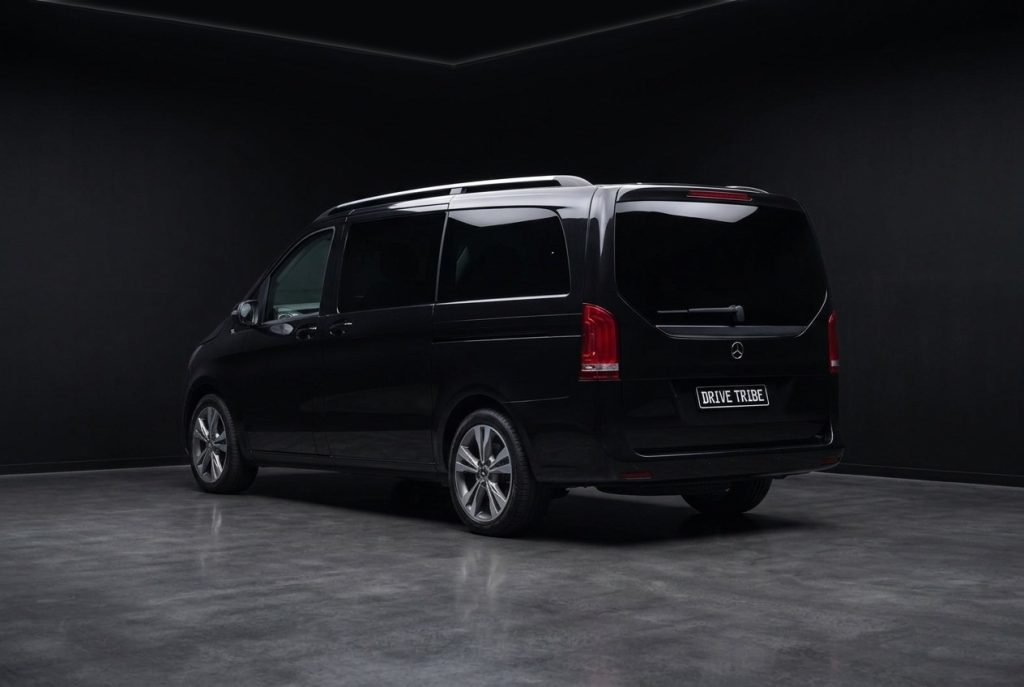
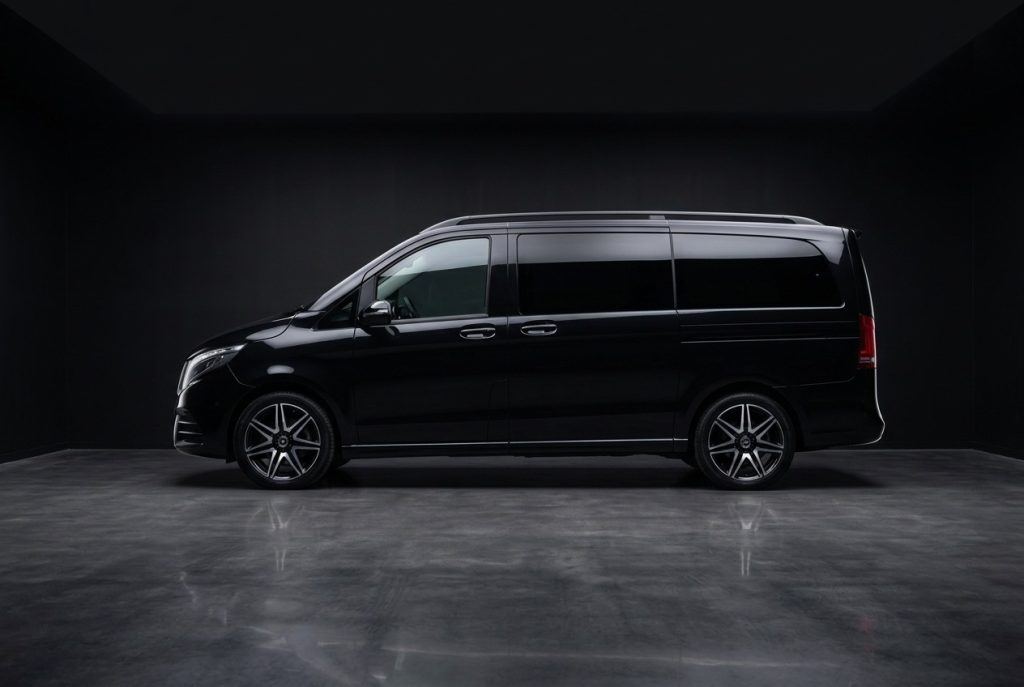
A Mercedes-Benz V-Class Black suits groups that want to travel together and talk in comfort on the way. It is chauffeured only, so one driver manages the trip while the group catches up. Send the pickup plan through the chauffeur planner on our site, which lets you set out pickups and stops in one place.
Build the return into the plan. Ask the driver to confirm the drop-off order before the night, and make sure every guest has a time and a place to wait. Keep a note of the driver's contact details in the organiser's phone and in the shared plan, so questions on the night are answered quickly and calmly.
Looking after people after the night
The reunion does not end when the final song plays. Send a short thank you to the venue, the caterer, the photographer and the driver, and then send a message to every guest. A warm note that shares a photograph or two and thanks people for coming is often the message that starts the next conversation.
Collect the photographs, the memory wall messages and any notes from the evening into one shared album. Give guests a way to add their own pictures for a few weeks, and keep the album open so people can look back and reconnect over the coming months. A group that stays in touch is far more likely to plan another night together.
Hold a short debrief with the committee within two weeks. Ask what worked, what caused delays and which suppliers were a pleasure to work with. Write the answers into a plan for the next gathering, so the lessons stay with the group rather than fading as the memories do.
Keeping the group connected for the next gathering
A formal reunion often sparks a wish to meet again, perhaps for a smaller lunch or a sporting day. Ask guests what they would like to do next and keep a short list of the ideas that come up. The best second gatherings are usually the ones that guests suggested themselves, because they already feel invested in the outcome.
Share a simple contact list if guests agree, and make it easy for people to opt out. Some classmates will be happy to stay in touch, while others will prefer a quieter approach. Respect those choices, and make sure nobody feels pressured to share personal details they would rather keep to themselves.
Finish with a thank you that names the people who made the night possible. A reunion is a community effort, and the group remembers the people who gave time, energy and care. A closing message that says thank you, shares one favourite photograph and asks what the group would like to do next is a good way to end the planning cycle.
Frequently asked questions
How far ahead should a formal reunion be planned?
Most organisers plan for about four to six months, which gives people time to track down contacts, book a venue and send a save the date. The formal invitation can go out about two to three months before the night. Early planning makes it easier for guests to take time off work and to arrange childcare or travel.
How do we find old classmates who have lost touch?
Start with the people everyone remembers and ask them to share the invitation with others. A shared online group, a list of old contacts and a warm, short message can reach people who have moved or changed their names. Keep the invitation simple and make it easy to decline, so people feel welcome rather than pressured.
Should a formal reunion have a dress code?
A dress code helps the room look unified in photographs and gives guests a clear sense of the occasion. Black tie, cocktail attire or smart dress are all common choices. State the code on the invitation with a short example, and say that personal style is welcome within it, so every guest feels comfortable on arrival.
How do we cater for different dietary needs?
Ask every guest about dietary requirements when they reply, and record the answers in the guest list. Confirm the menu with the venue well before the night and ask the caterer to label each dish clearly. Vegetarian, vegan, gluten free and halal options are common requests and should be planned from the start.
Can guests travel to a reunion together?
Yes. Gather pickup addresses and departure times early and offer a seat in a shared car to anyone who would like one. A chauffeured vehicle lets the group travel together and talk on the way. Send the plan through the chauffeur planner, and confirm the drop-off order before the night so everyone gets home at a sensible hour.
What should the organisers do after the reunion?
Send thank you messages to the venue, caterer, photographer and driver, then share the photographs and any memories with the whole group. Keep the shared album open for a few weeks so people can add their own pictures. Hold a short debrief within two weeks to capture what worked for the next gathering.
Ready when you are. Send us the date, the times and where you are going, and we will confirm the Mercedes-Benz V-Class Black for your night.
Book NowCall 0468 011 118Want a car nobody else will arrive in? See the Private Signature Collection: rare chauffeured wedding and formal cars, by appointment.