
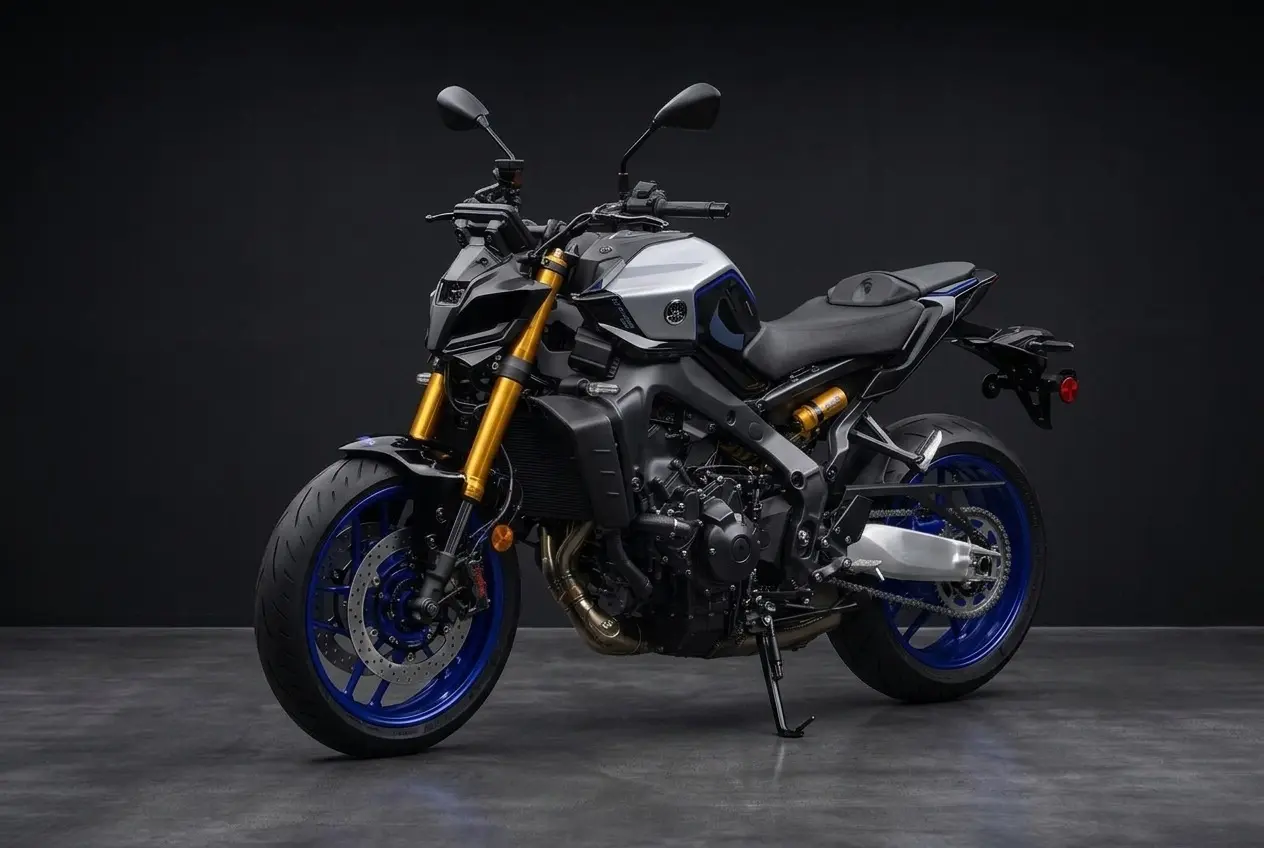
Book the Yamaha MT-09 SP. Pick your dates and book the Yamaha MT-09 SP online, or call us and we will sort it with you.
Book NowCall 0468 011 118Your first hire day in the Sydney hills is not a test of speed. It is a chance to learn how a bike behaves on real roads, how your concentration holds up and how well you read the bends. This guide explains how to set a realistic pace before you leave, how to hold it when the road tempts you on, and why the Yamaha MT-09 SP suits a rider who wants a steady, controlled pace.
Still choosing a bike? Start with our guide to motorcycle hire in Sydney, which sets out the licence, age and pillion rules.
Why pace matters more than speed on day one
On day one, the best pace is the one that leaves you feeling in control at the end of the day. Speed can wait. The first few hours on a new bike are about learning how it steers, brakes and responds, and how your own body handles the hills. A rider who finishes feeling calm and capable has had a successful first day, whatever the odometer says.
Many new riders feel they must keep up with the rider in front, or match a pace they have seen in videos. That pressure can push you past the edge of your comfort zone quickly. Give yourself permission to ride at a pace that feels slow, because a steady rider learns faster than one who is always catching up.
The Sydney hills make pace a real question. Bends tighten and open out, the surface changes and a few kilometres of steady climbing can tire you more than you expect. Setting a sensible pace is the most useful skill you can practise on day one.
Setting your pace before you leave the base
Decide your pace before you leave, while you are relaxed and the bike is still in the car park. Write down a simple target: a comfortable feel through the bends, a planned number of breaks and a finish time that leaves room to spare. Having the target in mind makes it easier to hold when the road invites you on.
Get familiar with the controls and the bike's responses before you commit to any hill. Take a few minutes to find the clutch and throttle feel, check the mirrors and test the brakes gently. A bike that feels familiar is far easier to ride at a steady pace.
Keep the route simple for the first day. A loop with a clear outward and return road, and an obvious place to stop, takes the decisions out of the ride and leaves you free to concentrate on the riding.
How the hills test your pace
The hills test pace in a particular way. Climbs use more of your attention and energy than flat roads, and descents need careful speed control. A pace that feels easy on the flat can feel demanding on a long grade, so plan slower stretches before you reach them rather than reacting halfway up.
Corners in the hills vary in shape. Some open into long sweepers that reward a steady line, while others tighten suddenly and catch riders who carried too much speed in. Read each bend before you commit, and set your speed on the approach rather than in the middle of the turn.
Descents deserve special care. Brakes can heat up if you ride them all the way down, and the bike feels heavier when the road drops away. Use the gears to help control speed where you can, brake in a straight line before the bend, and ease off the brakes as you lean in.
Reading the road to hold a steady line
A steady pace comes from a steady line, and a steady line comes from looking ahead. Pick your line early, and look through the bend to the exit rather than at the edge of the road. Your hands and body follow your eyes, and the bike settles into the corner.
Smooth inputs keep the pace controlled. Roll on the throttle gently, brake before you lean and avoid sudden changes in direction. A bike ridden smoothly is more predictable, and it is far easier to hold a pace that feels comfortable.
Give yourself a visual target for each stretch of road. A tree, a fence post or a road marking can show you where you are going, and it helps you judge your speed against the bend. Over time these small habits make the pace feel natural rather than forced.
When the road tempts you to go faster
Every rider feels the pull of a clear, empty stretch of road. The bike is capable, the view is open and the urge to push a little harder can be strong. Notice the feeling when it arrives, and remind yourself that the pace you agreed is still the right one for you today.
Watch for the small signs that you are pushing too hard: a tighter grip on the bars, braking later than planned, a quicker breath or a sense that you are rushing the bends. When you notice them, ease off, take a breath and reset. Nobody is timing you on a hire day.
Slowing down is a skill, and a valuable one. Riders who can hold a steady pace on a hill are often the ones who ride most confidently over time. Enjoy the view, the smell of the bush and the note of the engine, and let the pace follow from that enjoyment.
Best time of day, season and stops for a relaxed first day
Autumn and spring are ideal for a first hire day in the hills. Temperatures are comfortable, the roads are calmer than in summer and the light is kind to new riders. Summer heat can make a long day tiring, so start early and plan shaded breaks. Winter mornings are frosty in shaded spots, so dress warmly and wait for the sun to warm the road.
Fuel up before you start the climbs, and plan one food stop in a town with options, so you can rest and eat without rushing. Fuel stops in the hills can be further apart than they look, so keep an eye on the tank and do not wait for the warning light. A mid-morning break gives you a natural reset.
Weekday rides are calmer, and they give you room to set your pace without a crowd behind you. Weekends bring cars, cyclists and tourists to popular hill roads, so leave the busier stretches for later in the day or choose a quieter route.
- Fuel: top up before the climbs
- Food: choose a town with several options
- Breaks: stop roughly every hour
- Crowds: weekday rides are easier to pace
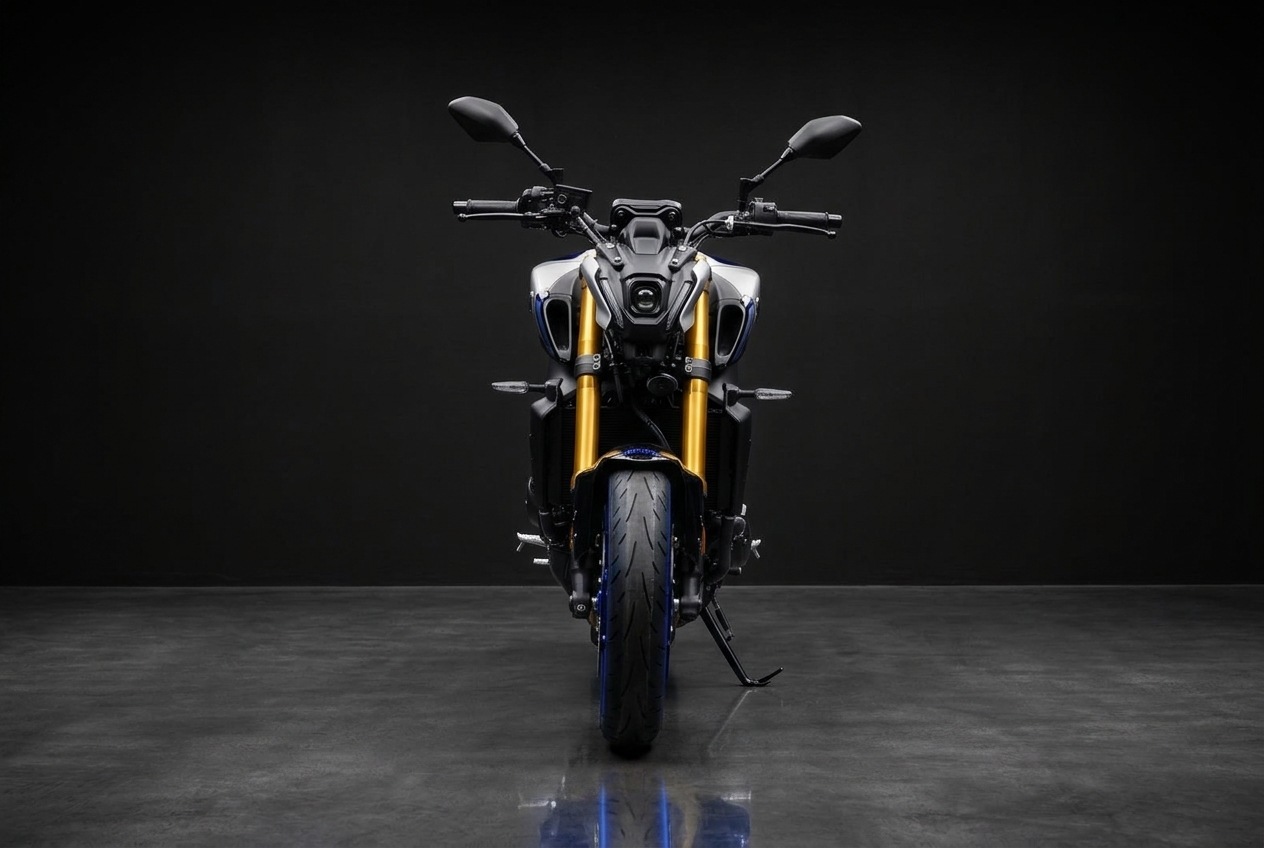
Want the Yamaha MT-09 SP for your date? Pick your dates and book the Yamaha MT-09 SP online, or call us and we will sort it with you.
Book NowCall 0468 011 118Road character, surfaces and traffic in the hills
The hills offer a mix of corner types. Long, flowing bends invite a rhythm, tight corners demand patience, and short crests can hide oncoming traffic or animals. Identify the type of corner before you turn in, and set your pace for the tightest bend you can see.
Surfaces change too. Patched tarmac, tar snakes and sand on the outside of corners are common, and they can catch out a rider who is tense or pushing. Read the road through each bend, and treat any change in colour or texture as a reason to ease off a notch.
Traffic in the hills is light on weekdays but can build at weekends, with cars, cyclists and tour groups sharing the same road. Keep a generous gap to the vehicle ahead, pass only where it is safe and legal, and allow extra room for cyclists on narrow shoulders.
Safety and fatigue on a long first day
Gear is essential for a first day in the hills. Your kit should cover a full-face helmet, an armoured jacket, gloves, long trousers and ankle-supporting boots at minimum. Layer up for cooler mornings and high points, and carry a waterproof layer in case the weather shifts.
Fatigue builds quietly on a long day, and it affects pace as much as concentration. Take a break every hour, drink water and eat something before you feel hungry. If your shoulders are tense or your focus is slipping, stop and reset before you ride on.
Wildlife is most active at dawn and dusk, so slow down on rural edges when the light is low. Check road conditions with Transport for NSW before leaving, especially after rain, and treat shaded corners as wet. Never drink alcohol before or during a ride, and ride within your own ability at every stage of the day.
- Ride within your own ability, and slower than feels necessary at first
- Never drink alcohol before or during a ride
- Keep fuel above a safe reserve
- Stop and reset if your focus starts to slip
The hire terms that matter on day one
Bikes are self-drive, hired from our Parramatta base, and the minimum hire is three days, so a first day can sit inside a longer plan. If you would rather not bring your own kit, our gear hire is an extra charge for each rider on each day, and a helmet replacement fee applies if a helmet is lost or damaged. If we judge a rider unsafe we may end the hire, and riding thirty kilometres an hour or more over the posted limit ends the hire and the bond is forfeited.
The terms are simple, and they reward a steady rider who respects the limits. Read them before you arrive, and ask us about anything you are unsure of while there is still time to plan around it.
Plan the first day with the terms in mind, and keep the pace relaxed from the first kilometre. A calm start sets up the whole hire.
Book the Yamaha MT-09 SP for your first hire
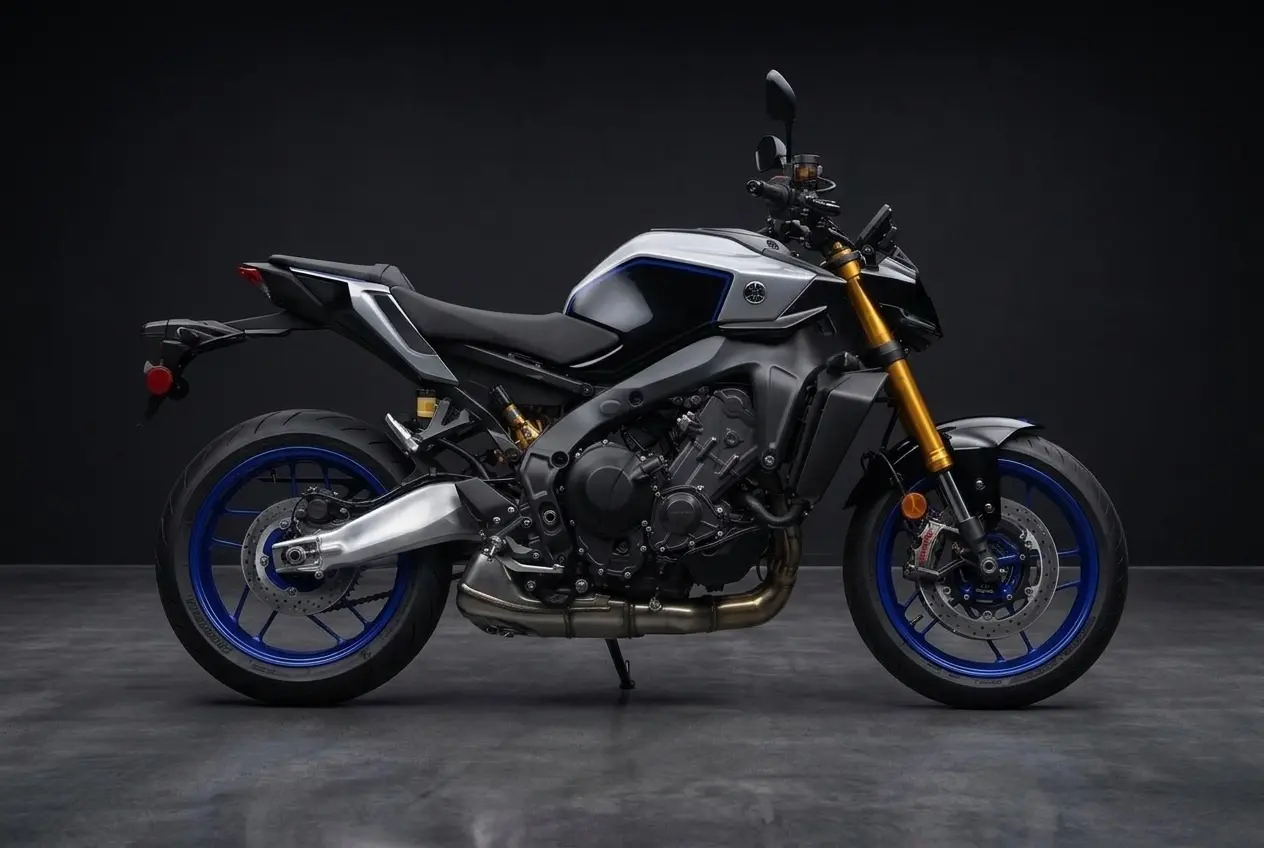
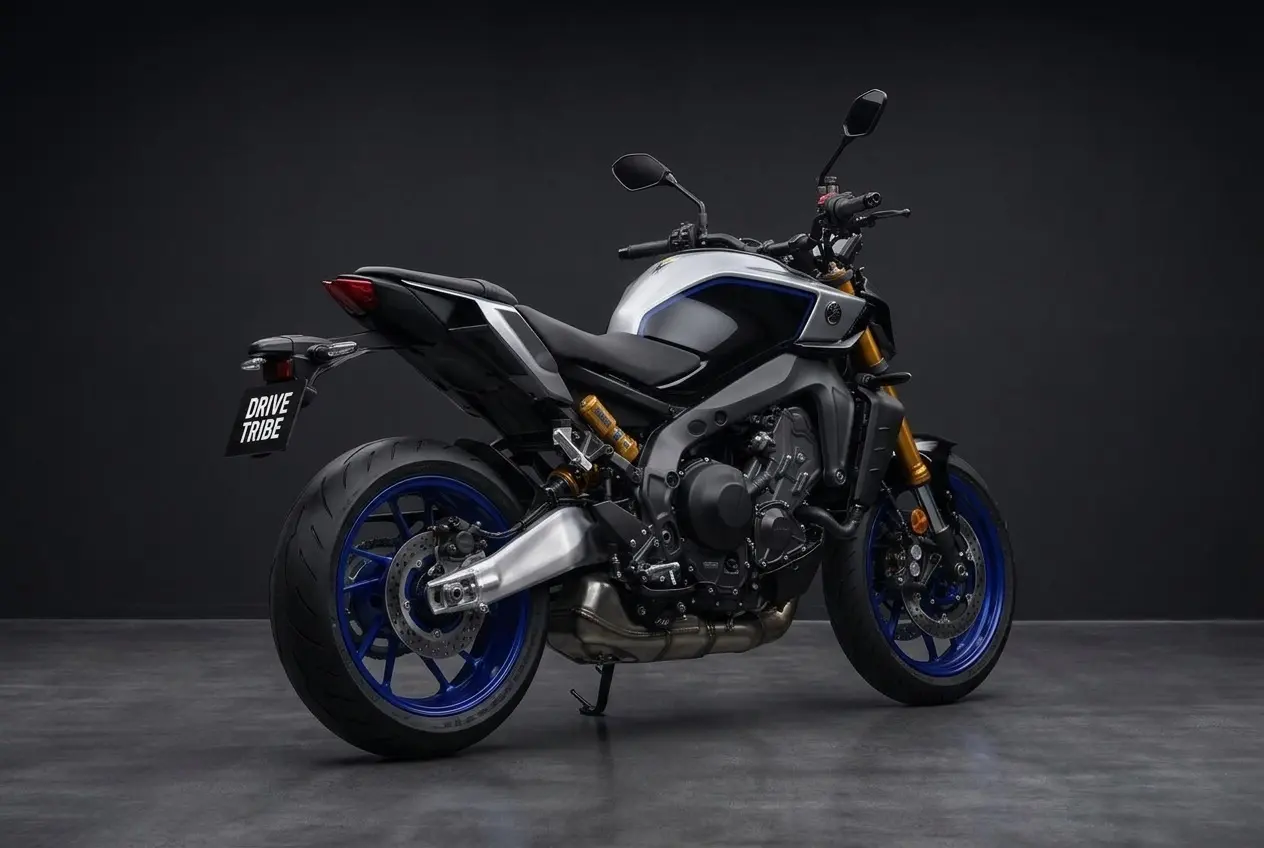
The Yamaha MT-09 SP is a performance naked bike with an inline three, premium adjustable suspension and strong brakes. Its character is engaging without being intimidating for a rider who respects the bike, and it suits a rider who wants a controlled, enjoyable pace in the hills.
Take your first day in the hills slowly, and let the steady pace become a habit. The road will still be there tomorrow, and each measured kilometre builds the skills that make the next ride more rewarding.
Book the Yamaha MT-09 SP now and tell us you are planning a first hire. We look forward to welcoming you to Parramatta and helping you set off with a plan you can enjoy.
Frequently asked questions
How fast should a first-timer ride in the hills?
There is no set speed. The right pace is the one that keeps you calm, in control and able to stop within the distance you can see. Pace is about the road, the bike and your own confidence. Start slower than you think you need, and build up gradually as the bends start to feel familiar.
What if other traffic makes me feel rushed?
Let faster traffic pass where it is safe and legal, and do not try to keep up with it. Pull over at a safe spot if the pressure builds, and take a moment to reset. Your pace is yours to set, and a relaxed rider is a safer rider on hills and bends.
How do I stop myself going too fast on descents?
Brake early and in a straight line before the bend, use the gears to help control your speed and ease off the brakes as you lean in. Look through the corner to the exit, and avoid braking mid-turn. If the brakes feel hot or spongy, stop somewhere safe to let them cool before you continue.
Is the Yamaha MT-09 SP good for a first hire day?
It can be, for a rider who meets our criteria and wants a bike that responds smoothly to measured inputs. Its premium adjustable suspension and strong brakes give confidence on the hills, and its inline three rewards a steady, controlled throttle. Take the first kilometres gently, and let the bike show you what it does before you ask more of it.
How many breaks should I plan?
Plan a break roughly every hour, with longer stops for food and water. Breaks keep fatigue at bay, let you check the bike and give you time to take in the view. If you feel tired or distracted at any point, take an extra break without guilt, since a rested rider is far safer on hills.
What should I do if the pace starts to feel like too much?
Slow down, pull over somewhere safe and reset. Check your breathing, loosen your grip and look ahead to the road you want to ride. If the day has become too demanding, shorten the route and head for a relaxed lunch. A calm decision keeps the hire enjoyable and the trip on track.
Ready when you are. Pick your dates and book the Yamaha MT-09 SP online, or call us and we will sort it with you.
Book NowCall 0468 011 118