
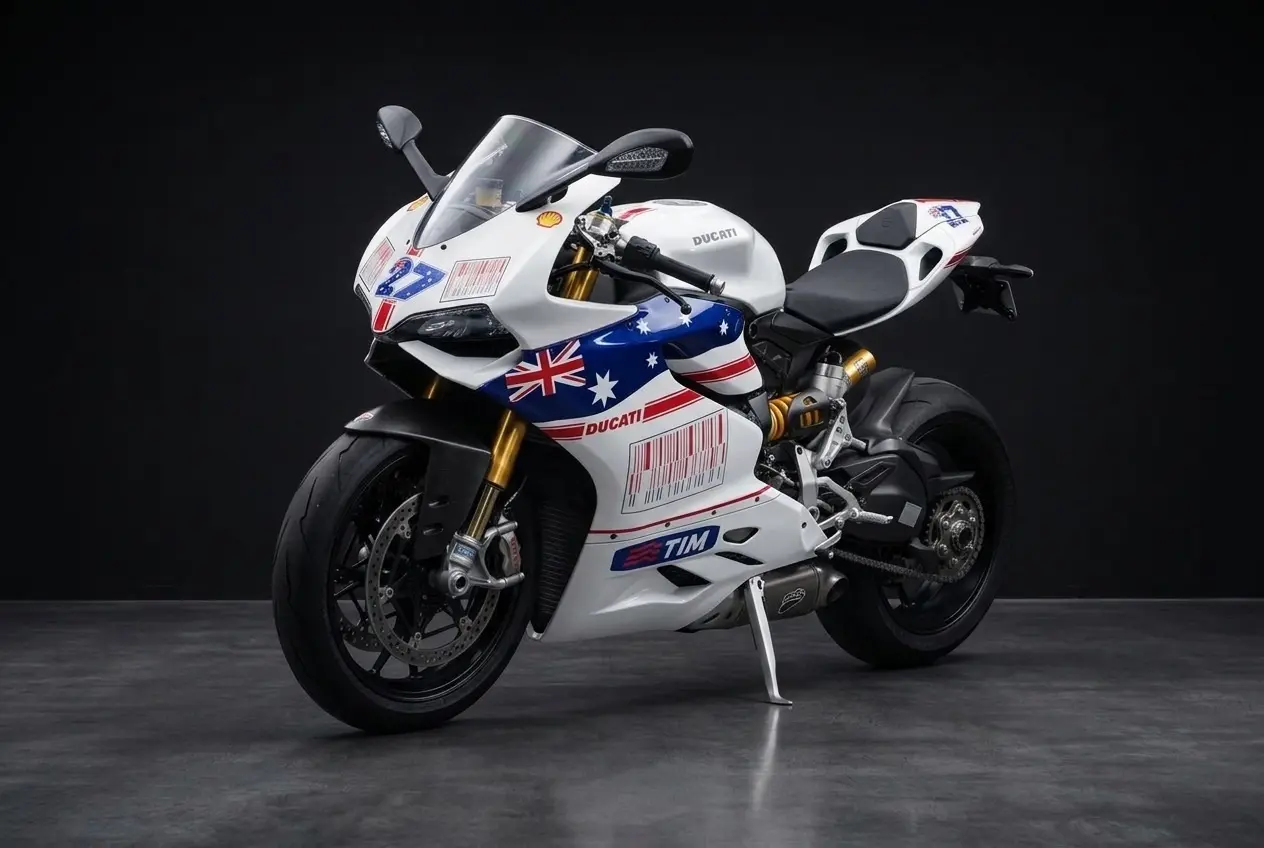
Book the Ducati 1199R. Pick your dates and book the Ducati 1199R online, or call us and we will sort it with you.
Book NowCall 0468 011 118The slip road is where a motorbike rider has the least space and the most traffic. The highway moves quickly, the gap you need may close fast and the on-ramp can be shorter than it looks on a map. Done well, the join is calm and unremarkable. This guide shows how to plan the merge from the moment you see the sign, using the length of the slip road, the gaps in the traffic and a steady, deliberate line.
For the bikes we hire, who can ride them and how a hire runs, see motorbike hire in Sydney.
Why the slip road is the riskiest few seconds
Most of the risk in a highway join sits in the final few seconds. You have just left a quieter road, your speed may be lower than the traffic around you, and your attention is split between the gap ahead and the mirrors. That mix of speed difference and divided focus is why the merge deserves a plan rather than a guess.
On a busy motorway, drivers in the lane you are joining may not expect a motorbike to appear at the edge of the traffic. They may be watching the car in front, following lane markings or glancing at a phone mount. A motorbike is narrower than a car and can slip into a blind spot, so assume you are harder to see than you would like.
The good news is that a planned join gives you control. Choose your moment, use the full length of the ramp and keep your line predictable. A rider who has thought about the merge before reaching the ramp rarely finds it difficult.
Reading the gap ahead and behind
A good gap is one you can reach comfortably without asking anyone to slow for you. Look ahead for a space you can use safely and check how much room exists behind it. A gap that looks generous from the ramp can shrink quickly as a fast car closes from behind, so read the lane as a moving picture rather than a snapshot.
Use your mirrors early, then check over your shoulder before you commit. The mirror gives you the overall picture, and a quick glance confirms what the mirror cannot show clearly, particularly in the blind spot. Keep both checks short and deliberate, and never rely on one alone.
Watch the trucks closely. Large vehicles create turbulence and take longer to slow or speed up. A truck with a gap behind it may leave less room than a passenger car would, so leave a bigger margin around heavy vehicles.
Using the full length of the slip road
The slip road is your acceleration lane, and its length is your best friend. Use the whole ramp to build speed, rather than joining the highway while still crawling round the curve. A steady build-up gives you a smooth, confident merge and a clearer view of the traffic as you approach.
Ride a clean line on the ramp. Stay toward the outside of the curve, where the road is usually widest, and keep the bike upright until you are comfortable with your speed. Avoid braking on the curve, since a sudden change of load while leaning can unsettle the bike at the very point you need it most.
Be wary of the surface on slip roads. Sand, debris and painted markings can gather at the edges, and wet patches may linger in the shade of an overpass. Keep your line in the cleaner part of the ramp, and treat any patch of grit as a reason to ease off.
Matching the traffic before the merge
Matching the speed of the traffic is the single most important part of the join. If you arrive at the highway much slower than the cars around you, the gap closes quickly and you are forced to accelerate sharply into the stream. Build your speed on the ramp so that you are moving with the flow when you reach the merge point.
Think of your speed in terms of the gap you need. If the traffic moves at a steady pace, your job is to slot into the stream, not to overtake it. Adjust your throttle smoothly on the ramp, and avoid reaching the joining point too late with too little speed.
The Ducati 1199R builds speed quickly with its V-twin and 143 kW, but on a merge that power has to be used with restraint. A smooth, progressive roll-on is more useful than a sudden punch, because the traffic around you cannot anticipate surprises.
The merge itself: lines, mirrors and a steady hand
When you reach the merge, keep the bike steady and your line predictable. Look where you want to go, which is into the gap in the lane you are joining, and let the bike follow your eyes. A relaxed grip and gentle inputs help the bike settle into the new lane.
Signal your intention clearly before the merge begins, and make sure the signal is visible to the traffic behind you. A clear indication gives drivers time to adjust, and a predictable line shows them that you are moving with purpose rather than hesitation.
Once you are in the lane, stay with the flow and avoid weaving. Settle into a steady position, check your mirrors again and keep a safe following distance from the car ahead. The first few seconds in the new lane set the tone for the rest of the highway section.
When to wait and when to commit
Waiting is often the right choice. If the gap is too small, the traffic is too fast or the ramp is too short, let the vehicles pass and wait at the top of the ramp for a clearer opening. There is no shame in a longer wait, and a rushed join is far more dangerous than a patient one.
Commit only when the gap is clear, your speed is matched and the lane ahead is open. Once you have started the move, stick with it rather than changing your mind halfway. A half-hearted join leaves you hesitating in the most dangerous place on the road.
Trust your judgement, but test it. If you are unsure, take the next gap that clearly suits you. On busy highways a patient rider will usually find an opening that feels comfortable and safe within a short time.
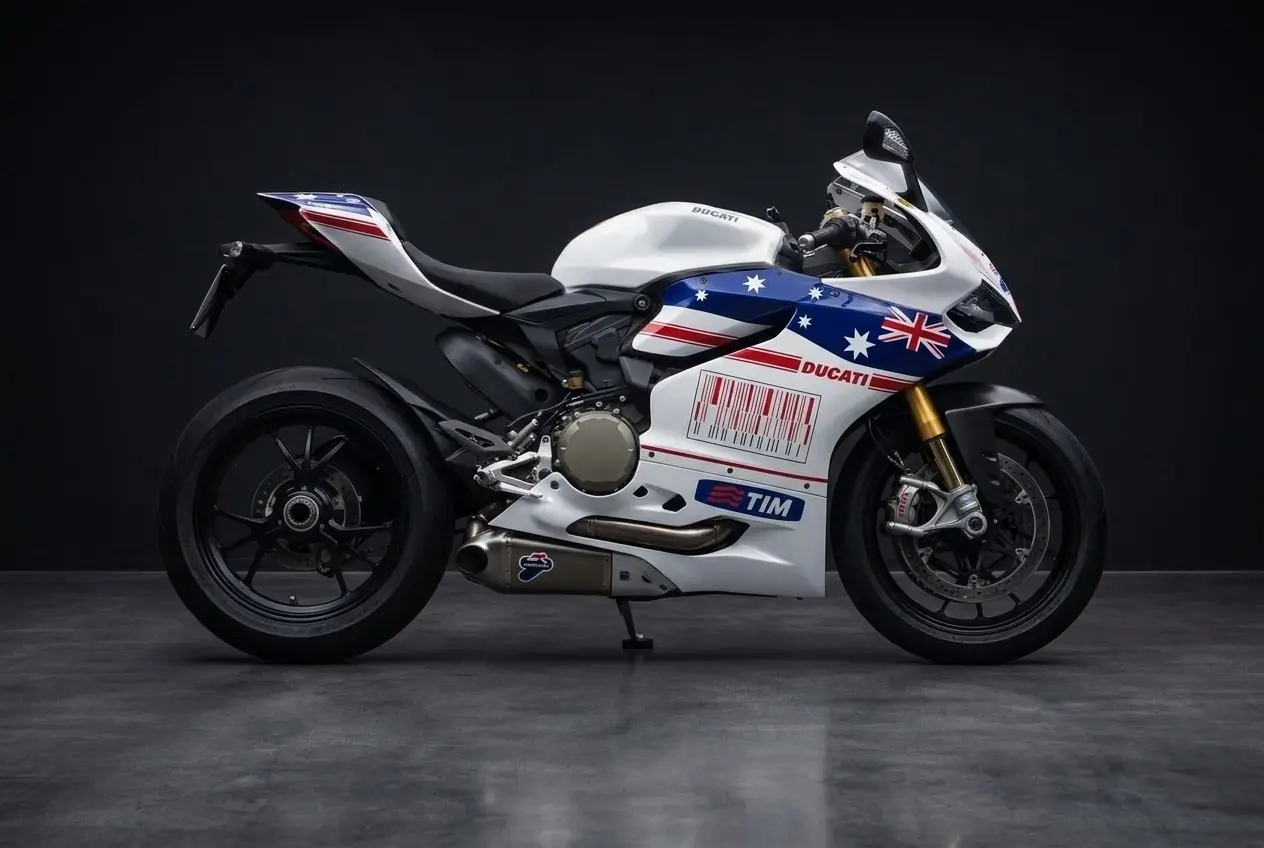
Want the Ducati 1199R for your date? Pick your dates and book the Ducati 1199R online, or call us and we will sort it with you.
Book NowCall 0468 011 118Best time of day and season for highway joins
Autumn and spring offer the most comfortable conditions for highway joins. The roads are usually dry, the light is clear and the traffic flows more evenly than in the holiday months. Summer heat can make the bitumen shimmer and distances harder to judge, while winter brings early darkness and wet roads that reduce grip on the ramp.
Peak traffic is the main challenge. Morning and afternoon rush hours bring dense, fast-moving traffic, and gaps can close in seconds. Mid morning and mid afternoon are often calmer, though the timing depends on the highway. Plan your join for a window when the traffic is steady rather than surging.
Before you join, check conditions with Transport for NSW, since roadworks, lane closures and ramp changes can alter the joining point without much warning. Weekends bring visitors and heavy freight on some routes, so allow extra time and extra margin.
Fuel and food near the on-ramp
Fuel is easiest to find near the major highway interchanges, where stations sit close to the on-ramps. Top up before you join the highway for a long run, so you are not forced to leave the motorway in a hurry to find a station.
Food stops near the highway can be busy and noisy. Choose a quieter spot where you can park the bike safely and step away from the traffic. A light meal before a long highway run keeps you alert, while a heavy one can leave you drowsy on a flat stretch.
Rest on level ground well away from the traffic. Check the tyres, look at the road and make sure your gloves and visor are clean before you rejoin. A short pause helps you reset your focus before the next merge.
Gear, fatigue and conditions at the merge
Gear matters when the traffic is fast and close. A full face helmet, gloves, a jacket with armour, long trousers and boots that cover the ankle protect you in a sudden slide or contact. Choose bright or reflective colours on dull days, since visibility is a real safety tool in busy traffic.
Fatigue reduces your judgement of gaps, and a tired rider is more likely to misread the speed of approaching vehicles. Stop when your concentration drops, and avoid joining highways at the end of a long day when your reactions are at their slowest.
Wind and crosswinds can push the bike on exposed sections of the highway, particularly near overpasses and open bridges. Hold a steady line, keep your grip relaxed and reduce your lean angle if gusts arrive during the merge.
Hire rules and booking the Ducati 1199R
You need a full motorcycle licence held for at least 3 years, and you must be 25 or over to ride any of our bikes. The Ducati 1199R is a single-seater, and a security bond is held, set by the class of bike. Those points shape every booking we take.
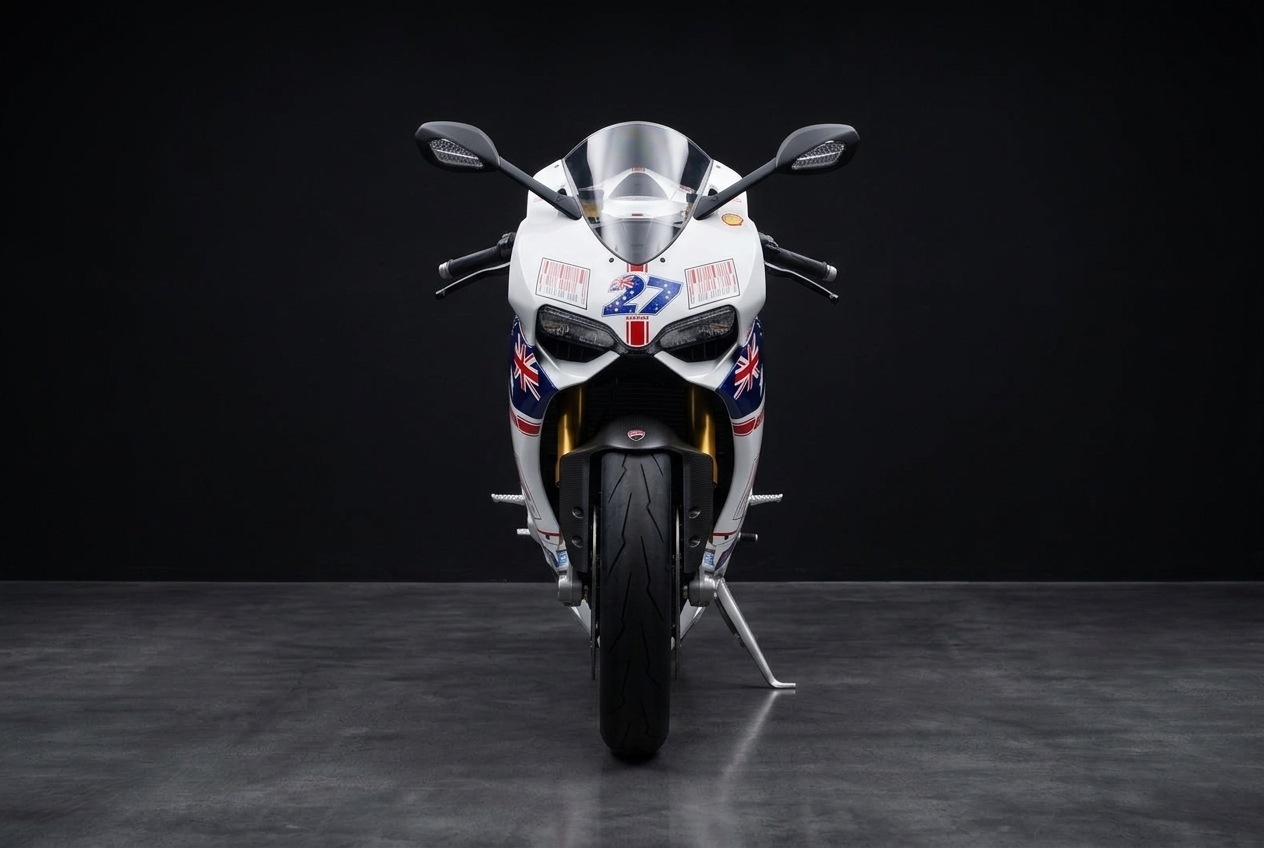
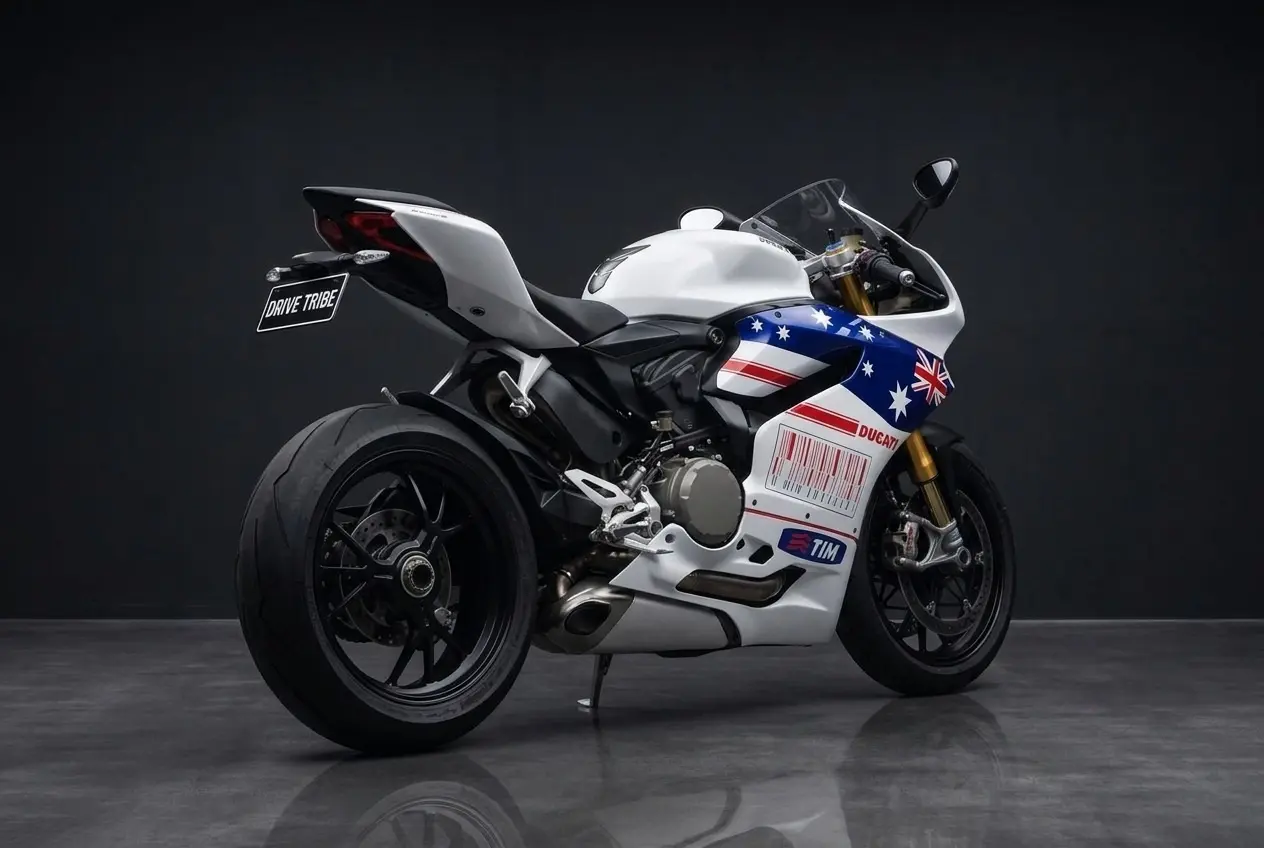
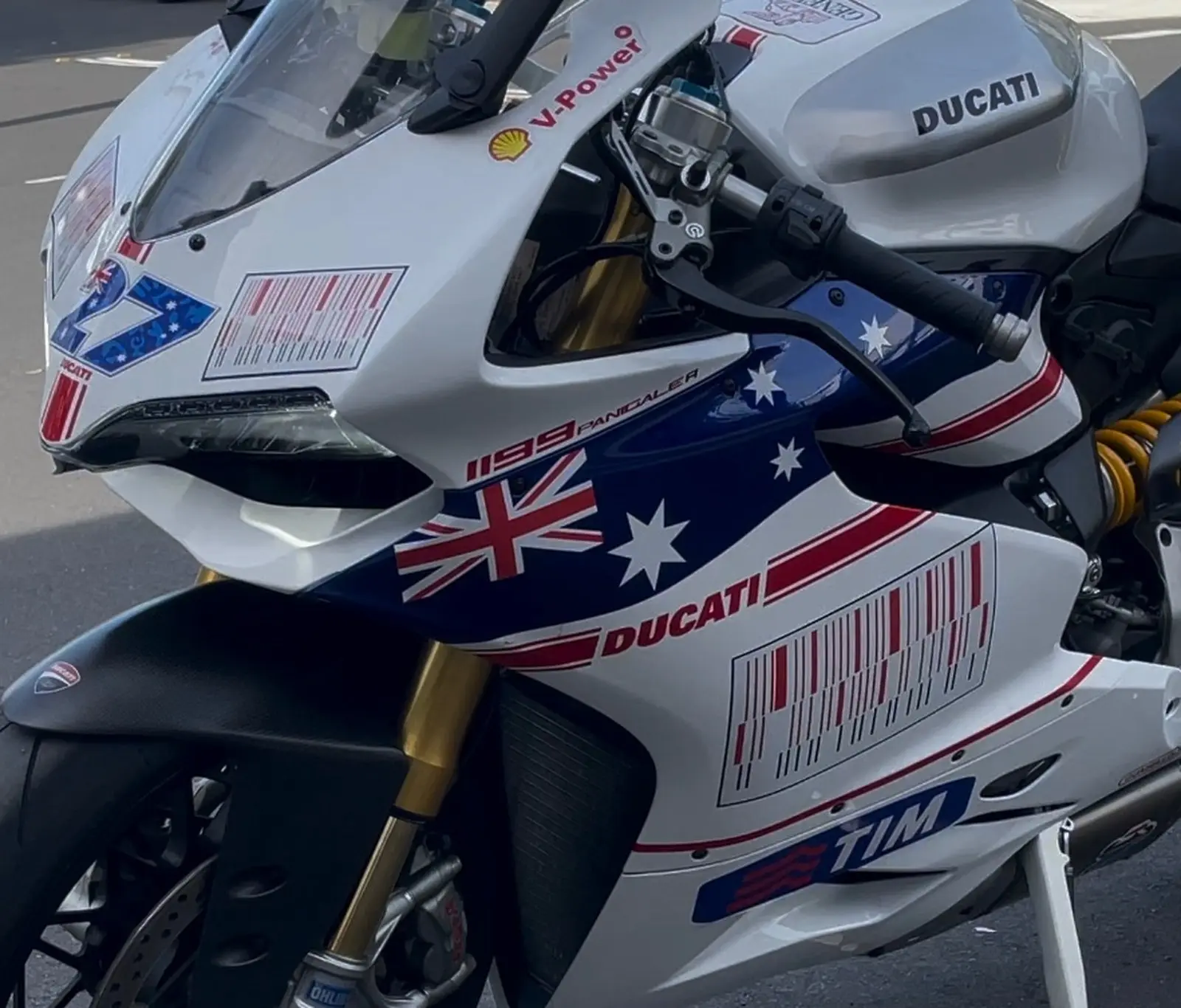
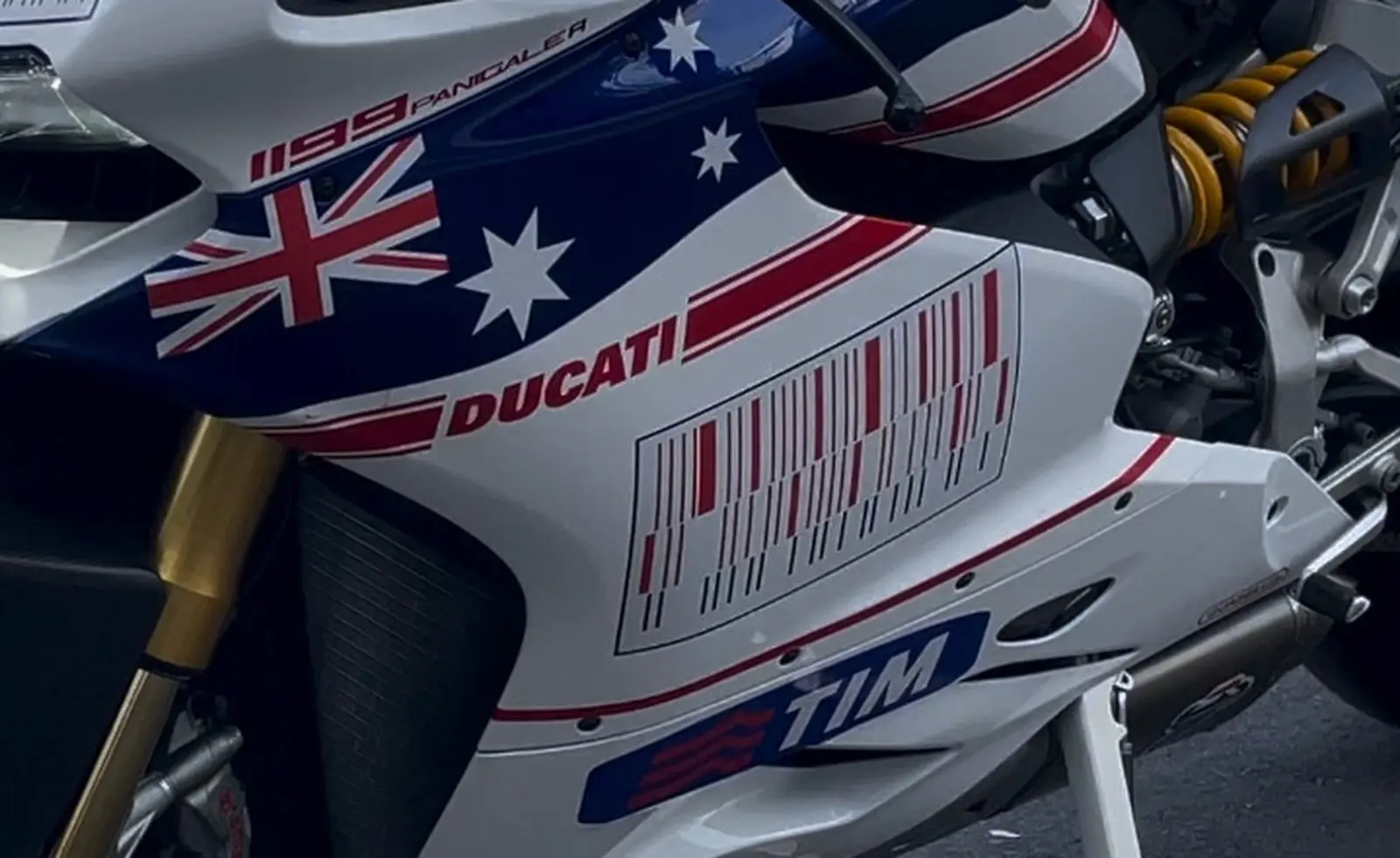
The Ducati 1199R is a superbike for experienced riders. Its Australian flag livery is a tribute livery, and its gold front forks and black forged wheels make it stand out on the road. Choose it when you are confident in the merge and comfortable with a sharp machine.
Ready to join the highway with confidence? Book the Ducati 1199R, plan your joins before you leave and tell us about your route and experience when you book. We will help you prepare, and you can browse the full fleet to compare the other bikes.
Frequently asked questions
How long should a slip road be to join safely?
There is no fixed length that suits every merge, but a longer ramp gives you more room to build speed and judge the gap. If the ramp is short and the traffic is fast, wait for a larger gap or choose a different join. Never try to force a merge that the ramp cannot support.
Should I stop at the top of the slip road?
Generally no, because stopping forces you to accelerate hard into the traffic. Use the ramp to build speed and match the flow instead. Stop only if there is no safe option and you have a clear, safe place to wait.
What is the best way to check my blind spot?
Use a short, deliberate head check over your shoulder just before you move. The mirror shows the wider picture, but the blind spot needs a direct look. Keep the check brief, then move smoothly once you know the lane is clear.
Can I join a highway in the rain?
Yes, but allow more space and slow earlier. Wet paint and oil on the ramp reduce grip, so keep your inputs smooth and avoid braking on the curve. Give the traffic more time to notice you, and choose a bigger gap than you would in dry conditions.
How close to the traffic speed should I be?
You want to be moving with the flow when you reach the merge point, so that you slot into the gap without sudden acceleration or braking. Build your speed steadily on the ramp and make the adjustment well before the lane. A rider who matches the pace of the traffic rarely needs to force a gap.
What should I do if I miss the gap?
Stay calm, keep the bike upright and use the remaining length of the ramp to slow gently if you must. Look for the next opening and do not stop on the shoulder unless it is safe and necessary. A patient second attempt is always better than a rushed move.
Ready when you are. Pick your dates and book the Ducati 1199R online, or call us and we will sort it with you.
Book NowCall 0468 011 118