

Book the MV Agusta F4. Pick your dates and book the MV Agusta F4 online, or call us and we will sort it with you.
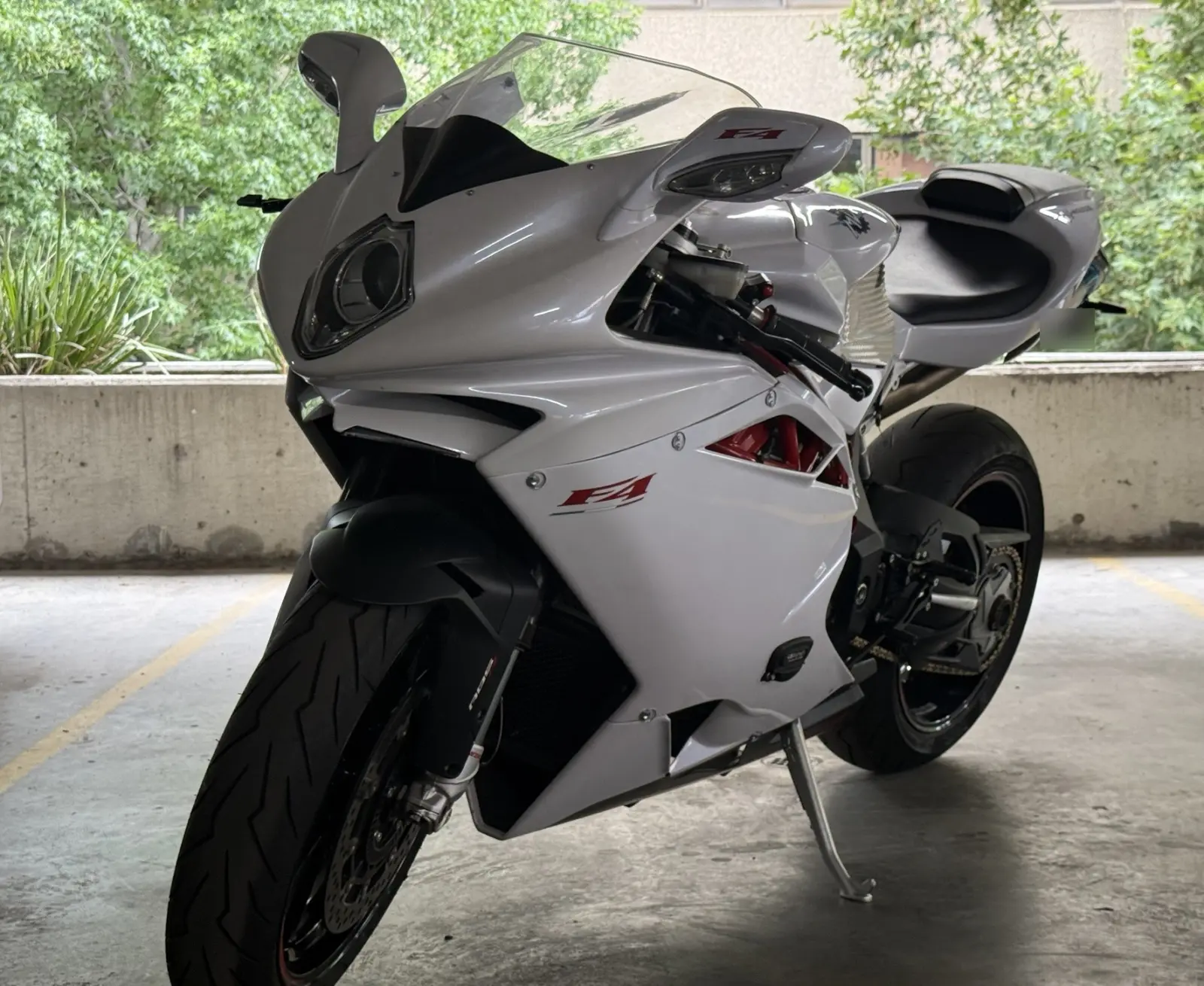
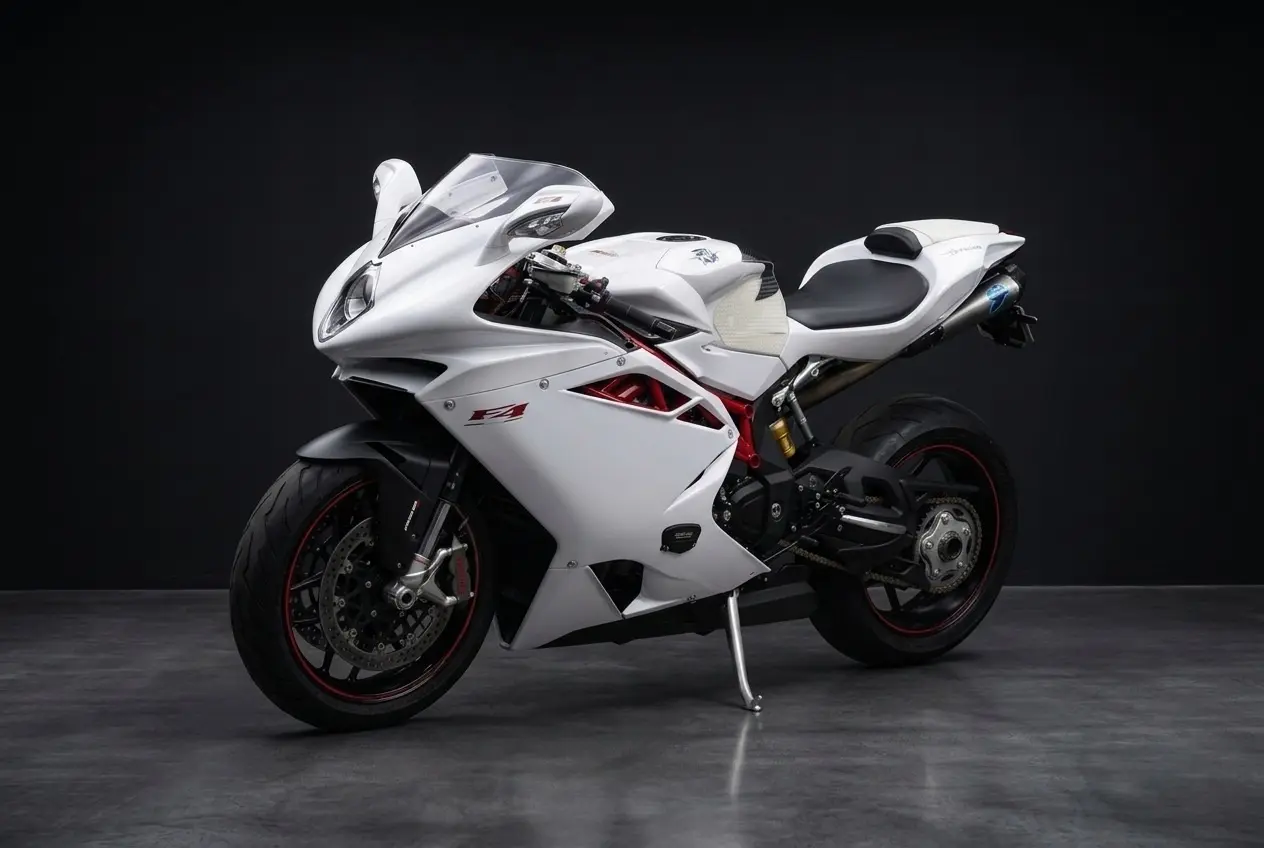
Book NowCall 0468 011 118A five minute walkaround before you ride is the simplest habit that prevents a bad day on a fast bike. The MV Agusta F4 is a 998cc inline four with 143 kW on tap, and it rewards a rider who knows the machine is sound before the first gear change. This checklist walks through the bike from front to back, covering tyres, brakes, the drive, lights, fluids and setup. Use it at Parramatta before every hire, and again after any stop that involved a drop or a rough patch.
Everything to know before you book, from the licence rules to the bond, is on our Sydney motorbike hire page.
Why the walkaround matters on a hire bike
A hire bike has been ridden by other people, in other conditions, and you have no history with it. That is a good reason to look before you lift a leg over the seat. Most roadside problems on hire machines are small and visible: a soft tyre, a loose fairing bolt, a lever out of line, a light that does not work. A calm inspection finds them while the bike is still in the car park, not on a bend.
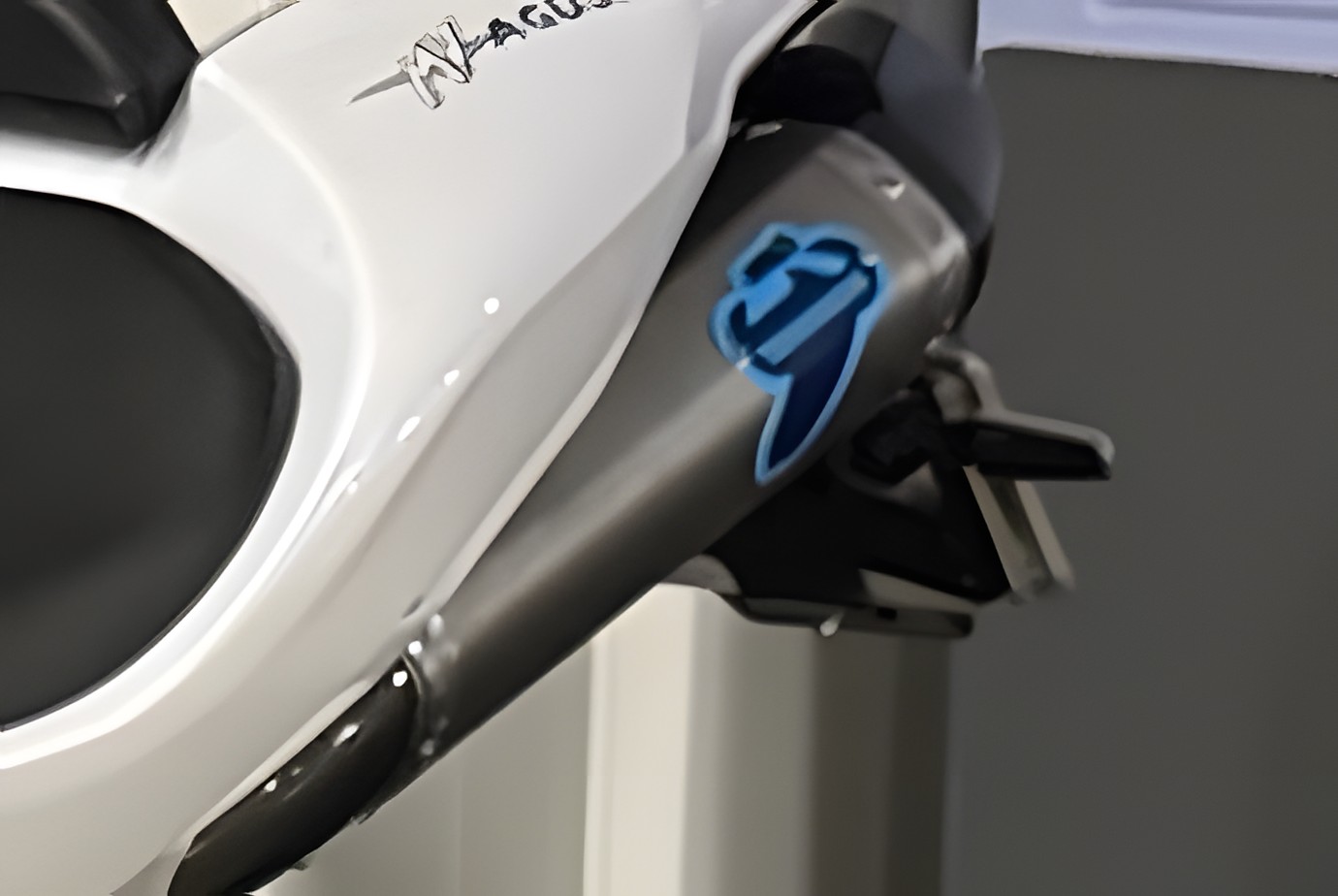
The F4 is a precise machine, and precision depends on the basics being right. Its performance exhaust, its trellis frame and its race derived chassis all assume tyres at the correct pressure, brakes that bite evenly and a drive that is clean and tensioned. When any of those is off, the bike feels nervous in ways that are easy to misread as rider error.
Make the walkaround a routine, not a test. Work the same order every time, from the front wheel back, so that nothing is skipped when you are in a hurry. Five minutes spent this way is one of the best investments a rider can make before a day on the road.
Step one: tyres and wheels
Start with the front tyre. Look for cuts, bulges, embedded stones and wear across the tread. Check the pressure with a gauge rather than by eye, and compare it with the figure in the owner's information for the bike. Spin the wheel slowly and watch for any wobble or sideways movement that suggests a bearing or a loose spindle.
Move to the rear tyre and repeat the same checks. The rear tyre carries the drive and the bulk of the braking on many corners, so wear and damage here matter a great deal. Look at the sidewalls for cracks, and check that the valve cap is fitted. A flat rear tyre at speed is one of the most serious problems a rider can meet.
Check the wheel rims for dents or scuffs, and look at the spokes or alloy surfaces for any cracking. A small flaw on a rim can grow under load, so note anything unusual and tell the team before you ride. If the tyres look worn or uneven, do not accept the bike until they have been dealt with.

Step two: brakes and levers
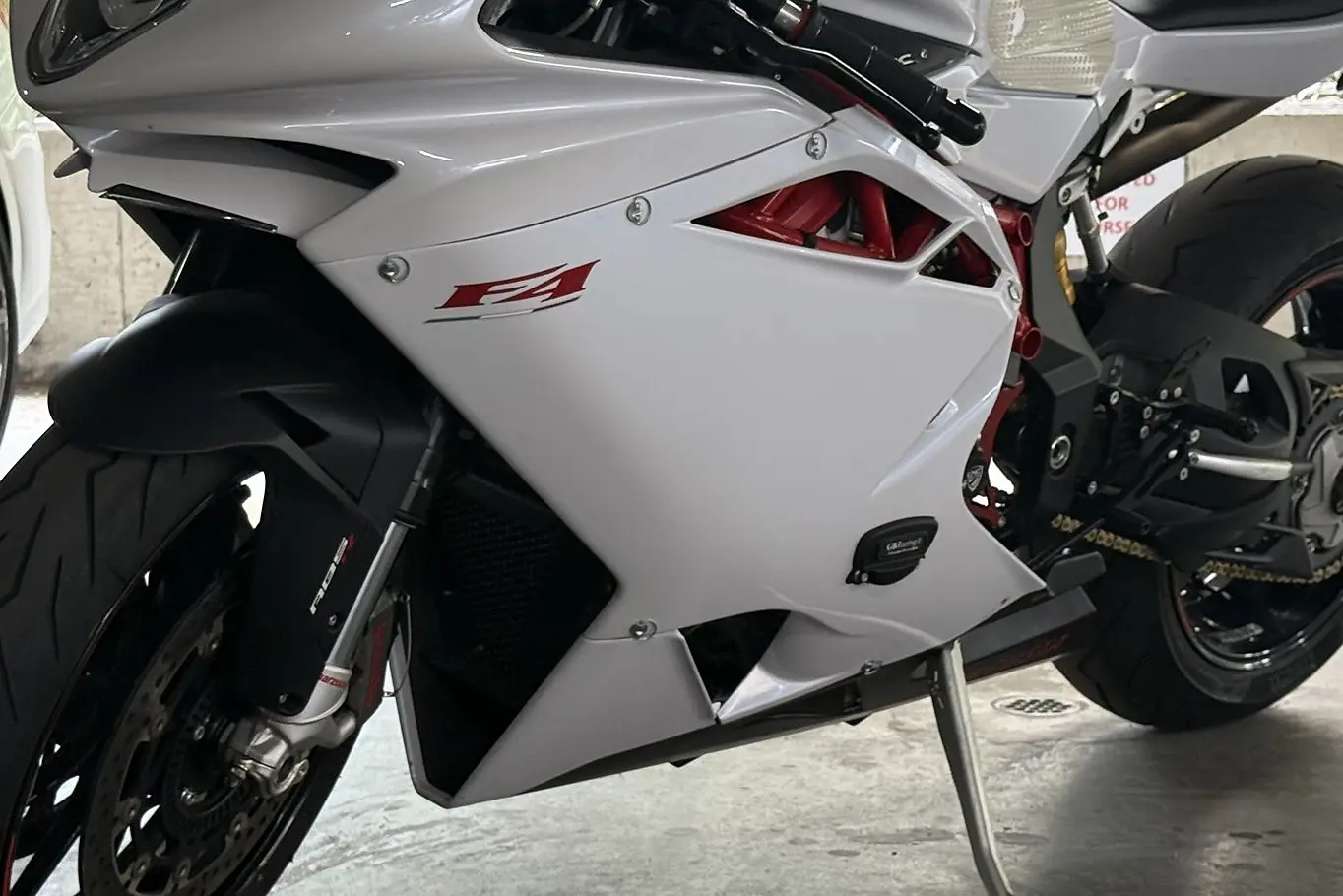
Squeeze the front brake lever a few times and feel the response. It should be firm, with no sponginess and no sudden travel. Look at the front discs for scoring, glazing or obvious heat marks, and check the brake pads through the calipers where you can see them. A lever that feels soft or travels too far points to air in the line or fluid that needs attention.
Repeat the check on the rear brake pedal. Press it gently and listen for any grinding or rubbing sound as the wheel turns. Confirm the pedal returns smoothly and that the rear brake engages without sticking.
Adjust the levers to suit your hands before you move off. Reach and angle matter on a superbike, because a lever that is too far away forces your fingers into an awkward position under braking. Test the clutch lever for smooth engagement and make sure it does not feel stiff or grab.
Step three: chain, sprockets and drive
Look at the chain along its full length. Check for rust, dry links and any stiff links that do not move freely. Rotate the rear wheel slowly and watch the chain run smoothly over the sprockets without binding or skipping.
Check the chain tension against the specification in the owner's information. Too loose and the chain can slap or derail, too tight and the transmission works harder and wears quickly. Look at the sprocket teeth for hooked or worn profiles, and check the chain guard is secure and clear of the wheel.
Confirm the rear axle nut and the swingarm fixings are tight. A bike that has been loaded and unloaded many times can gradually loosen, so a quick look and a feel for any play at the wheel is worth doing. If anything seems loose, leave the bike in the shed and report it.
Step four: lights, indicators and the dash
Switch the ignition on and let the dash run through its start up sequence. Look for any warning light that stays lit, and note it before you ride. Check the headlight on high and low beam, the tail light and the brake light. Operate each indicator in turn, looking for steady flashing at the correct rate.
Test the horn, since it is the simplest way to alert a driver or cyclist at a junction. Check the mirrors are secure, undamaged and clear of dirt, and adjust them so you can see the traffic behind you without moving your head much.
Look at the dashboard for any unusual readings, such as a temperature that climbs quickly at idle or a fuel level that does not match the gauge. If anything looks off, do not ride until it is explained. A few seconds on the dash can save a long, uncomfortable afternoon.
Step five: fluids, leaks and the engine
Look under the bike for fresh drips or puddles on the floor. Check the coolant level in the expansion tank against its marks, and look at the brake fluid reservoirs to confirm they are between the markings. Any leak that is wet to the touch is a stop sign.
Check the engine for oil seepage around the gaskets, the cam covers and the drain plug. A little dust on the surface is normal, but wet oil or a sticky patch is not. Glance at the exhaust for any new staining that suggests a leak at a joint.
Start the engine and let it idle for a minute while you watch for smoke, odd noises or a sudden change in tone. The F4 should settle quickly into a steady idle with no misfires or hesitation. If the bike runs rough, do not ride it, and tell us straight away.
Want the MV Agusta F4 for your date? Pick your dates and book the MV Agusta F4 online, or call us and we will sort it with you.
Book NowCall 0468 011 118Step six: mirrors, controls and seating
Sit on the bike and set your position before you ride. Adjust the seat height, the reach to the bars and the footpeg position so that your knees are relaxed and your wrists are not bent under load. A rider who is comfortable on the bike makes smoother inputs and holds a clean line better.
Set the mirrors so you can see the road behind you with minimal head movement. Check the throttle returns smoothly to closed when you release it, and test the kill switch and the starter button to confirm they work without sticking.
Run through the gear shift and the clutch once more while stationary. Shift through the box gently, feeling for clean engagement in each gear. A sticky gearbox or a jerky clutch is worth reporting before you leave the car park.
Step seven: kit, straps and loose items
Check your gear before you ride. Your helmet should fit firmly with the chin strap secured, your gloves should fit without pinching and your jacket and boots should close properly. Make sure any bags or accessories are strapped low and cannot touch the wheel, chain or exhaust.
Look for loose items on the bike, such as a loose number plate, a bungee strap that could catch the wheel or a tool roll that could rattle. Anything that can move at speed should be secured before you start the engine.
Keep your keys, phone and documents in a pocket or secured bag, never on the seat or on the tank. A small item dropped at a stop can cause a sudden problem in traffic, so take a moment to fasten everything before you move off.
Best time, weather and where to check the bike
Do the walkaround in a flat, well lit space, away from traffic and slopes. Early morning in the car park is ideal, because the bike is cool and the light makes leaks and cracks easy to see. Avoid checking the bike on a hot surface, since the tyres and brakes will be warmer than normal and some readings can be misleading.
Weather changes the checks. After rain, look hard at the chain for rust, and check the tyres for mud or debris caught in the tread. In cold mornings, give the tyres a little more attention because pressures drop as the air cools, and let the engine warm gently before you ride.
Plan the inspection as part of the morning, not an afterthought. Start the walkaround before you put on your riding gear, so you can stop and rectify any problem without rushing. A calm pre ride routine is one of the easiest ways to ride within your ability on a bike this capable.
Look up Transport for NSW for current conditions before setting off; it saves turning back halfway.
Hire rules, safety and booking the F4
The F4 is self-drive from our Parramatta base, with a three day minimum hire. Riders need a full motorcycle licence held for at least three years and must be 25 or over. The F4 is a single seater, so only the rider may use it.
Keep the walkaround going while you ride. Stop at a safe place after the first few kilometres to check the tyres, brakes and temperatures again. Fatigue, cold, alcohol and wildlife at dawn and dusk are the real risks on any run, so keep a steady pace and stop early when you need to. If you have any doubt about the bike, tell us before you ride, and we will sort it out.
If you are ready to ride a machine that rewards a careful start, book the MV Agusta F4 for a three day window and we will have it checked and ready at Parramatta. We will go through the walkaround with you on collection, so you know exactly what to look for. Reserve your F4 today.
Frequently asked questions
How long does the walkaround take?
A thorough walkaround takes about five to ten minutes once you are familiar with the routine. Working in the same order each time makes it quicker and means nothing gets missed. A rider who is new to the bike may take a little longer on the first few checks, and that time is well spent.
What tyre pressure should I expect on the F4?
Check the pressure with a gauge against the figure in the owner's information for the bike, rather than relying on how the tyre looks. Tyres lose pressure as the air cools, so a cold morning check is especially important. If a tyre looks soft or the gauge reads low, do not ride until it has been corrected.
What should I do if the front brake feels soft?
Do not ride the bike. A soft lever can mean air in the line, low fluid or worn components, and each of these matters on a machine with this much power. Report it straight away so the bike can be checked properly before it goes back on the road.
How do I know if the chain tension is right?
Compare the chain tension with the specification in the owner's information, measuring at the point it is set out. Too loose and the chain can slap or derail, and too tight it wears the transmission quickly. If the chain looks dry, rusty or stiff, flag it before you ride.
Can I skip the walkaround on a short ride?
No. Short rides can be the ones where a small fault becomes a problem, particularly if the bike is cold or the route involves a sudden change in traffic. The walkaround takes only a few minutes, and it is the simplest way to protect yourself on any run.
What should I do if a warning light stays on?
Stop, switch off and look at the owner's information for what the warning means. Do not ride with a warning light that you cannot explain. Tell the team before you leave, and let them check the bike, because a warning on a fast bike is not something to test at speed.
Ready when you are. Pick your dates and book the MV Agusta F4 online, or call us and we will sort it with you.
Book NowCall 0468 011 118