
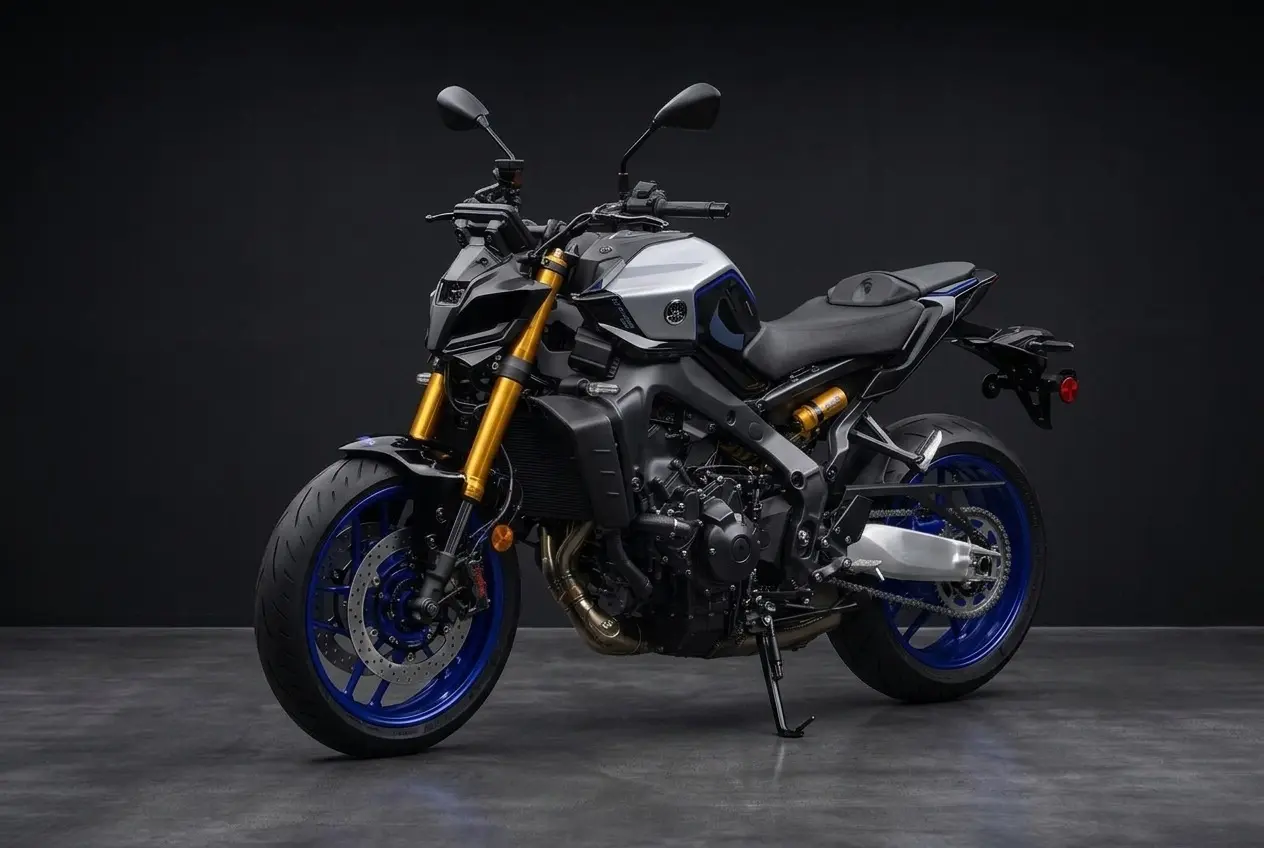
Book the Yamaha MT-09 SP. Pick your dates and book the Yamaha MT-09 SP online, or call us and we will sort it with you.
Book NowCall 0468 011 118The descent from Mount Victoria in the Blue Mountains is one of the best-known stretches of road for riders heading west from Sydney, and it has a character all of its own. The bends arrive in a rhythm that can lull you into a false sense of pace, and then a tighter turn appears with more lean than you planned. Most of the trouble starts at the entry, so this guide shows how to set a calm, sensible approach before the corner asks anything of you.
Everything to know before you book, from the licence rules to the bond, is on our Sydney motorbike hire page.
A descent that rewards a patient entry
Mount Victoria Pass drops from the top of the escarpment in a series of bends that feel gentle one moment and sharper the next. The Great Western Highway carries a lot of mixed traffic, so the road asks you to read it constantly rather than settle into a single rhythm. A rider who arrives at each bend a little too fast will find that the sharper turns close in quickly, and the line that looked open from a distance suddenly narrows.
The biggest difference between a relaxed descent and a rushed one is the entry. Get the entry right and the rest of the bend tends to look after itself, because the bike is already where it needs to be. Get it wrong and every later input has to be a correction, which is tiring over a long run and risky if traffic arrives in the middle of the turn.
Our aim is a descent that feels unhurried from the first kilometre to the last. That does not mean riding slowly for the sake of it. It means choosing an entry speed you can hold through the whole bend, with room to see the exit and enough margin to deal with a surprise, such as a slow vehicle on the wrong part of the road.
The four entry mistakes we see most often
Most overcooked entries follow the same pattern. The rider sees the bend open up, gets a little excited by the flow of the road and carries more pace than the corner allows. The mistakes that lead to that moment are very similar from one rider to the next, and they are worth knowing before you reach the first hairpin.
The usual errors are easy to recognise once you have ridden the descent a few times. Check the list below against your own riding, and if one of them sounds familiar, take the next bend a little more calmly.
Each one has a simple fix. The idea is not to ride more timidly, but to set your entry more deliberately and keep your eyes further through each corner.
- Judging the bend from the first corner you can see, rather than the one that is actually coming up.
- Holding the brake too late and then trying to scrub speed while the bike is already leaning.
- Turning in from too far toward the centre of the lane, which leaves no room for the exit.
- Looking at the front wheel or the road directly ahead rather than through the bend to the exit.
Reading each hairpin before you reach it
Read the bend before you commit to it. Look past the apex to the point where the road straightens again, and note whether it tightens, opens or doubles back. Many of the turns on this descent change character partway round, so the entry that suits the first half may be too fast for the second. Learning to see the whole shape of a bend is one of the most valuable skills you can build on any mountain road.
Watch for the cues that the road gives before the turn itself. A change in the colour of the tarmac, a warning sign, a cutting of the bank or a slight narrowing of the verge can all signal a tighter section ahead. Treat these as prompts to check your speed early, rather than as details to notice once you are already committed to the lean.
Use your mirrors and your ears as well as your eyes. A vehicle coming up behind you can make a bend feel crowded, and the sound of an engine labouring up the grade can warn you of a truck about to fill the lane. Plan your entry with that information in mind, so that you are not forced to brake hard halfway round because something arrived unexpectedly.
Setting the approach with the brakes
The brakes set the entry, so use them early and gently. Slow the bike in a straight line before the turn, with the bike upright and the front wheel loaded evenly, then release the lever as you approach the point where you want to tip in. A brake input that begins at the right moment lets the bike settle into the bend rather than fighting you through it.
A common temptation on this road is to brake in short, firm bursts as each bend arrives. That habit can unsettle the bike, especially when the surface is damp or cold, and it teaches you to react rather than plan. A single, progressive squeeze that ends before the lean begins gives you a steadier result and a calmer rider on the bike.
If you realise halfway into a bend that your entry was too quick, do not panic. Stay as upright as the road allows, widen your line if the lane permits, and let the bike carry its own momentum rather than snatching at the brakes. Next time, begin the braking a few metres earlier on the straight, and you will find the same corner becomes much easier.
Trucks, caravans and the lane you cannot see round
Heavy vehicles are a constant feature of the Great Western Highway, and they change the way a hairpin feels. A truck or a caravan takes more of the lane than a car, can swing wide on exit and may be slower on the grade. Their presence means the apex you can see is often not the one that matters, because the vehicle ahead may be occupying the space you were planning to use.
Give large vehicles a generous gap and avoid following one closely through the bends. If a slow vehicle is ahead, resist the urge to overtake on a blind bend, and settle into a steady, patient rhythm behind it. Waiting for a clear straight is always better than making a pass that depends on the road ahead being empty.
Lane position is part of the entry. On a bend with poor sight lines, keep the bike positioned so you can see the road ahead and so that any oncoming traffic has room to pass. Do not assume a vehicle coming the other way will hold its line perfectly, and keep enough space in reserve to react if it drifts toward the centre.
Want the Yamaha MT-09 SP for your date? Pick your dates and book the Yamaha MT-09 SP online, or call us and we will sort it with you.
Book NowCall 0468 011 118The Yamaha MT-09 SP for a hairpin day
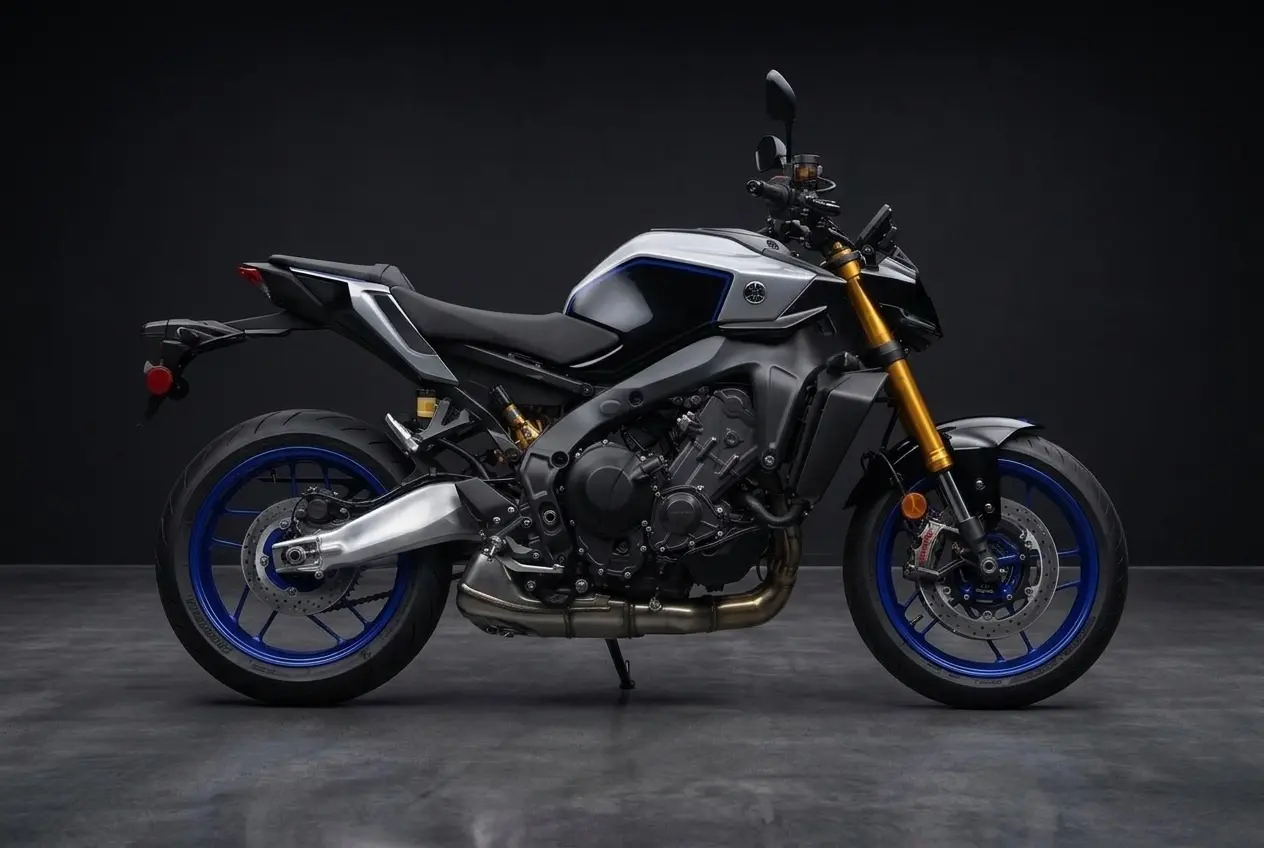
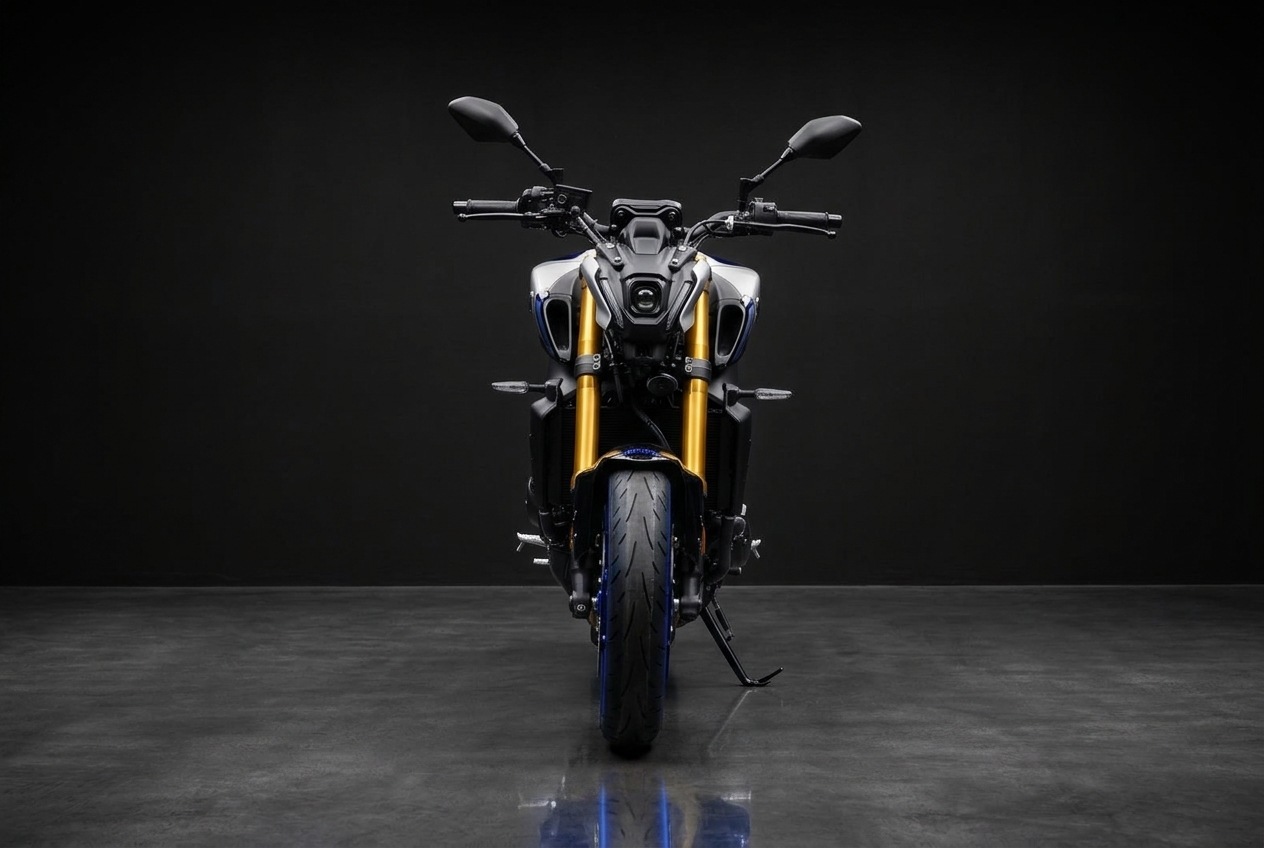
The Yamaha MT-09 SP is a strong choice for a day of hairpins because it sits upright and gives you a clear view over the bars. Its inline three delivers a broad, usable spread of power, so you can hold a steady drive through a bend without needing to snap the throttle open or shut. That makes it easier to match your entry to the corner and then ride the exit with confidence.
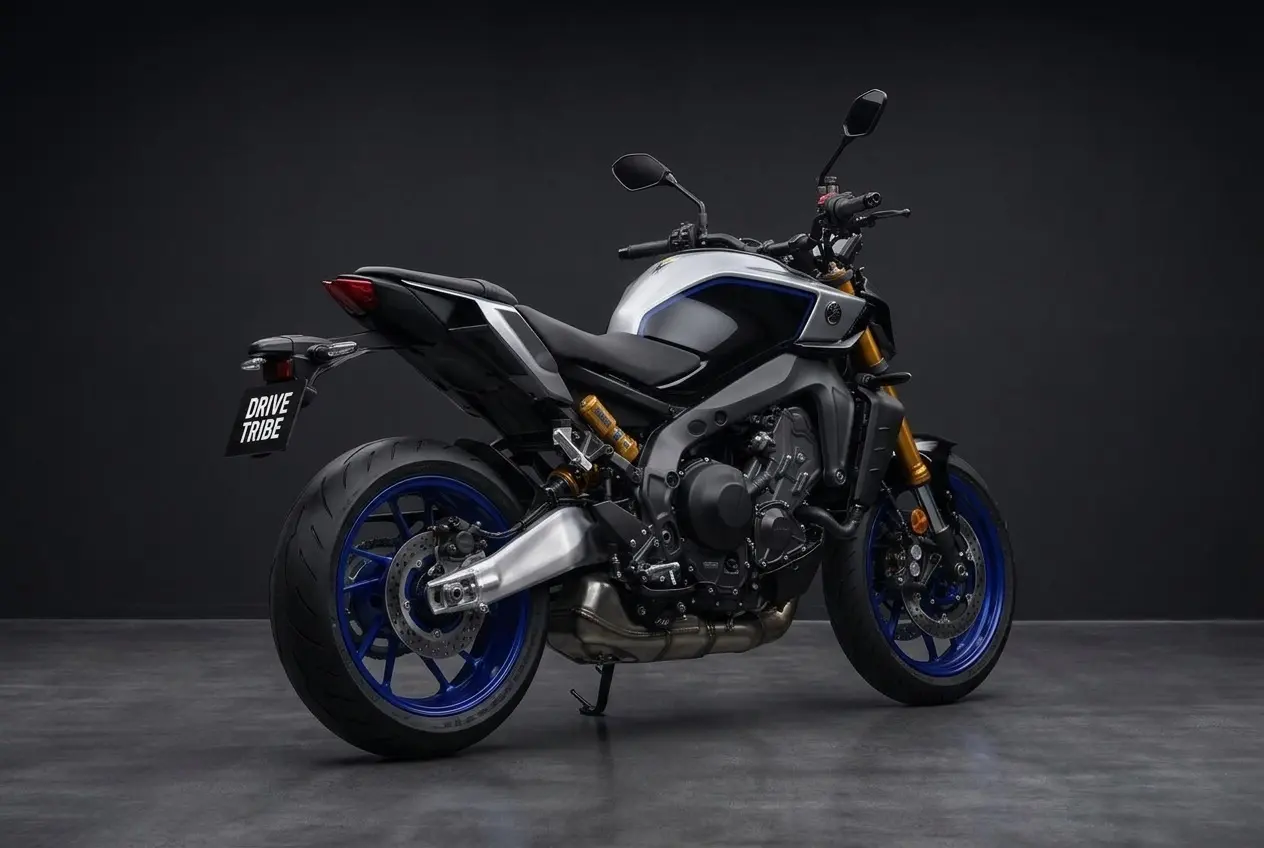
Premium adjustable suspension is valuable on a road like this, where the surface changes from smooth to patched and where the bike is repeatedly loaded and unloaded through the turns. Set the suspension to suit your weight and riding style before you start, and check it again after the first few bends. A bike that is set up well for you is far easier to place accurately.
The strong brakes on the MT-09 SP reward the early, progressive approach described in this guide. Use them to set your entry on the straight, keep the bike upright, and then let the lean come gradually once the speed is where you want it. For a more detailed look at the bike, our page for the Yamaha is linked from the Book Now button below.
Best time of day, season, fuel and food stops
Mid morning on a weekday is a good window for this road. The early commuter and freight traffic has usually settled, the sun is up and the road has had time to dry from any overnight dampness in the shaded bends. Starting once it is fully light gives you clear sight lines through the hairpins, and the traffic on weekend mornings is often heavier with tourists heading for the mountains.
Autumn and spring suit this descent best. Winter mornings can leave the shaded bends cold and slick with frost or damp, and summer afternoons bring heat and a steady flow of holiday traffic. Fill the tank before you reach the top of the pass, because you will want to stop with a comfortable margin before the drive back, and the fuel options along the quieter sections are limited.
Plan your food stop at the top of the range rather than at the bottom of a bend, where there is little room to pull off safely. The village of Mount Victoria has places to stop and a pleasant place to rest with a view. Choose a spot clear of the highway and look back over the bends you have just ridden, which is a good moment to reset your approach for the return leg.
Safety on a mountain road: gear, fatigue and cold
Protective gear does real work on a mountain road. A properly fitted helmet, a jacket with armour, gloves, boots that cover the ankle and motorcycle trousers all matter, and the layers you choose should suit the temperature at the top of the range, which can be noticeably colder than Sydney. A chilled rider loses feeling in the hands and grip on the bars, so dress for the coldest part of the ride.
Fatigue creeps in quietly on a long descent. Concentration drops after a few hours of constant bends, and a rider who was sharp at the bottom of the hill may be tired by the time they climb back up. Stop every hour or so, stretch your shoulders and wrists, and drink water. Wildlife is also most active around dawn and dusk, so ease your pace and watch the verges closely in those hours.
Riding within your ability is the single most important safety rule on any mountain road. Choose an entry speed you can comfortably hold, and never ride after drinking alcohol or while unwell. Check road conditions with Transport for NSW before you leave, because roadworks, slips and debris can change a familiar descent without warning. If a bend is beyond what you feel ready for, let the traffic pass and take the next one at your own pace.
Hire terms and booking the Yamaha
Bikes are self-drive, so you are responsible for the machine from the moment you collect it at our Parramatta base. Hire runs for a minimum of three days. To ride one of our bikes you must hold a full motorcycle licence that you have had for at least 3 years, and you must be 25 or older. Helmets (Shark, AGV or Bell) can be hired from us in small, medium or large for $50 per hire, or you can bring your own. We do not supply jackets, gloves, pants or boots, so bring your own riding gear.
Because the descent rewards planning, we recommend setting your route and your stopping points before you leave the Parramatta base. Decide where you will refuel, where you will eat and which section you plan to ride first, so that the day unfolds at a pace that suits you rather than the traffic around you.
When you are ready to take on the hairpins with a bike that rewards measured inputs and offers a comfortable upright position, the Yamaha MT-09 SP is available from our fleet. Use the Book Now button on this page to reserve it, and make your first run over the pass unhurried. A good entry on the first bend is the best way to enjoy the rest of the descent.
Frequently asked questions
What is the most common mistake on the Mount Victoria Pass bends?
Carrying too much speed into the entry is the most common error. Riders often judge the bend from the first corner they can see rather than the tighter one that follows, and they brake too late while already leaning. The fix is to read the whole shape of each bend before you reach it, slow in a straight line, and let the bike settle before you tip in.
Should I overtake a truck on the descent?
Generally no. Overtaking on a bend or a blind rise is risky, and a heavy vehicle can take up more of the lane than you expect. Hold a steady distance behind a slow vehicle and wait for a clear straight with good sight lines. Patience is safer than a pass that depends on the road ahead being empty.
Is it better to ride the pass in the morning or the afternoon?
Mid morning once the road has warmed and the early traffic has eased is usually the most comfortable time. Winter mornings can leave shaded bends cold and damp, while afternoons often bring heavier tourist traffic. Choose the window that suits the conditions on the day, and check the forecast before you set out.
How do I stop an entry going wrong once I am already into the bend?
Stay as upright as the road allows, widen your line if the lane permits, and let the bike carry its momentum rather than grabbing the brakes. Look through the corner to the exit, and keep your inputs smooth. Afterwards, begin your braking a few metres earlier on the straight so the next bend is easier.
Does the Yamaha suit a day of hairpins?
Yes, it is a good choice for a bike that sits upright and gives a clear view through the corners. Its inline three offers broad, usable power, and the premium adjustable suspension helps on a road with changing surfaces. Set the suspension to suit your weight and style before you start, and take the first few bends at a measured pace.
What should I wear for the ride over the top?
Dress for the coldest part of the ride, which is often the top of the range. A helmet that fits well, a jacket with armour, gloves, boots that cover the ankle and motorcycle trousers all help. Layers you can add or remove are useful, and a windproof outer layer keeps the chill from reaching your hands and body as you descend.
Ready when you are. Pick your dates and book the Yamaha MT-09 SP online, or call us and we will sort it with you.
Book NowCall 0468 011 118