

Book the MV Agusta F4. Pick your dates and book the MV Agusta F4 online, or call us and we will sort it with you.
Book NowCall 0468 011 118Some of the best riding near Sydney is also the shortest. The Berowra Valley road drops into bush country within easy reach of the city, where the traffic thins, the tree cover closes in and a creek runs quietly beside the picnic area. A short ride like this asks very little of the day and gives back a great deal: a bit of twisting road, a clear head and a shady lunch by the water. This guide covers the road, the stopping points, the timing and the safety notes that matter when the bush is close and the ground is damp.
New to riding with us? Our page on motorbike hire in Sydney covers the bikes, the rider rules and how pick-up works.
Why a short valley ride works so well
Not every good ride needs a long route or a full day in the saddle. Sometimes an hour of quiet road and a picnic by the water is exactly what a rider needs. The Berowra Valley offers that balance, with bush on both sides of the road, fresh air that feels cooler than the streets behind you and a sense of distance that arrives long before the kilometres do. For a rider who has limited time, it is a practical way to get the benefits of a proper outing.
The short format also makes the ride easy to plan around other commitments. You can leave after a morning coffee, stop for lunch and be back in the suburbs before the afternoon traffic builds. There is no pressure to cover a set distance, and no reason to rush the bends. The day stays simple: a steady ride, a good spot to sit and an easy trip home.
We like to think of this kind of ride as a reset. The bike does the work of carrying you away from the noise, and the bush does the rest. Keep the expectations modest and the pace relaxed, and the valley often delivers more than the map suggests.
Leaving the suburbs for the bush
The early kilometres run through suburban streets, where school traffic, buses and cars reversing from driveways demand a steady, watchful style. Take the first section gently, check your mirrors often and keep your speed close to the posted limit. Each junction is a chance for someone to pull out without looking, so read the traffic before you commit to a turn and cover the brake as you approach intersections.
As the houses fall away the road begins to change. Gum trees and stringybark crowd the verges, the footpaths disappear and the traffic becomes lighter and more predictable. This is the point where the riding starts to feel like a holiday. Settle your shoulders, relax your grip and begin to notice the way the road curves through the trees.
The transition from suburbs to bush is one of the best parts of the trip. Watch for the moment the canopy closes overhead, the light shifts to a cooler green and the air changes temperature. That shift is a good reminder to adjust your riding, as the surface and the sightlines can change quickly once you are amongst the trees.

Riding the valley road itself
The valley road is short, but it has enough variety to keep you engaged. Expect gentle sweepers that open up the view, followed by tighter bends where the road drops away and the shade lingers longest. The best approach is smooth and deliberate: brake in a straight line before each corner, roll into the bend with steady throttle and let the bike carry its own line through the apex.
Visibility is often limited on this road. Trees and rock cuttings hide what lies beyond the next curve, so match your speed to what you can see rather than what you expect to find. If a bend tightens more than you anticipated, ease off early instead of braking hard mid-corner, which can unsettle the bike on a damp patch.
Keep an eye out for the odd car coming the other way on a corner, and for cyclists who share the road on weekends. Give them a wide berth and do not overtake unless the road ahead is clearly open for the full distance. A patient style makes the valley feel calm rather than crowded, and it makes you a better companion for the other road users.
Finding a quiet creek picnic spot
The creek picnic area is the reason many riders make the trip. It offers a flat, shaded space beside the water, where you can sit, eat and listen to the creek running over the stones. Parking is usually simple, but it can fill on sunny weekends, so arrive early or be prepared to choose a spot further along the road. Park the bike on firm ground, away from soft edges, and make sure it will not roll on any slope.
When you have parked, take a moment to choose where to sit. Look for shade rather than full sun, keep clear of the water's edge where the ground is slippery and avoid spots that block the path or the access track. Pack your rubbish out, keep food away from native wildlife and respect the quiet that makes the place special.
Take your helmet off only when you are settled and somewhere secure. Lock your gloves and any gear you are not wearing in a pack, and keep valuables out of sight. A calm, organised arrival means you can sit back and enjoy the creek without worrying about the bike.
Creek crossings and damp ground
Creek crossings are a feature of many bush roads, and they can be the trickiest part of the ride. Water may run across the road after rain, and the surface near the banks is often covered in mud, leaf litter or fine silt. Slow well before the crossing, look for signs of moisture or change in colour and keep the bike upright through the section. Avoid braking or accelerating hard while the wheels are on wet material.
Damp ground also affects the picnic area. Grass near the water can be soft, and the banks can crumble after heavy rain. Stand well back from the edge and never walk onto unstable rock to get a better view. A rider who takes a little extra care here will have a far more relaxed afternoon.
If the creek is running high, or if the road shows signs of recent flooding, turn back rather than push through. Patience is always cheaper than a fall, and the valley will still be there on a drier day.
Want the MV Agusta F4 for your date? Pick your dates and book the MV Agusta F4 online, or call us and we will sort it with you.
Book NowCall 0468 011 118Best time of day and season for the valley
Autumn and spring suit this ride best. The bush is comfortable, the creek runs at a pleasant level and the roads are usually quieter than they are on the busiest weekend afternoons. Winter brings cool, damp mornings and shaded sections that can stay wet and slippery long after sunrise, so leave the first part of the ride until the road has had time to warm and dry. Summer is pleasant near the water, but the midday heat can make the open sections tiring.
Late morning and early afternoon are good windows for a picnic. Traffic is usually light outside the peak weekend periods, and the creek area is quieter before lunchtime. Weekend crowds arrive steadily from late morning, and the parking spaces can disappear quickly. Riders who want a calm lunch should aim to arrive before the crowds build.
Before you leave, check road conditions with Transport for NSW, particularly after heavy rain, when roadworks are underway or when the weather is unsettled. Bush roads can close or deteriorate after a storm, and a quick check helps you choose the right route for the day.

Food, water and the small stops
Food is simple on a short ride, and that is part of the appeal. A packed lunch of fresh bread, cheese, fruit and water is ideal for the picnic area, and it keeps the day easy. Eat something light before you ride, as a heavy meal makes concentration harder on the twisting sections. If you plan a stop on the way, choose a place with shade and a sensible place to park.
Fuel is rarely an issue on a short run from the city, but top up before you leave so you are not thinking about it on the way home. Carry water in the bike or in a small pack, and drink regularly even if you do not feel thirsty. A short pause halfway through the ride is a good habit, especially in warm weather.
- Lunch: fresh bread, cheese and fruit eaten in shade by the creek
- Water: a full bottle for the ride and a refill for the picnic
- Fuel: top up before you leave the suburbs
- Rest: a short break at the creek before the return ride
Riding the bush safely on a relaxed day
Gear matters even on a short ride. A properly fitted helmet, a jacket with armour, gloves, long trousers and boots that cover the ankle are the minimum for any bush road. Cool air under the trees can feel colder than you expect, so bring a thin layer for the return. Dressing for the coolest part of the ride is a simple habit that keeps your concentration where it belongs.
Fatigue creeps in quietly, even on a short run. The relaxed mood of a picnic can make you less alert on the way home, so take a moment to check your focus before you start the bike. Ride within your ability, slow for the bends you cannot see past and be ready for the odd bit of loose gravel near the verges.
Wildlife is most active at dusk and dawn, and the bush edge is where you are most likely to meet a kangaroo, wallaby or bird crossing the road. Keep your speed down where the trees come close, scan the verges and avoid riding in low light. Never ride after drinking alcohol, and remember that a calm return ride is the best end to a quiet day.
Why the MV Agusta F4 suits a short valley run
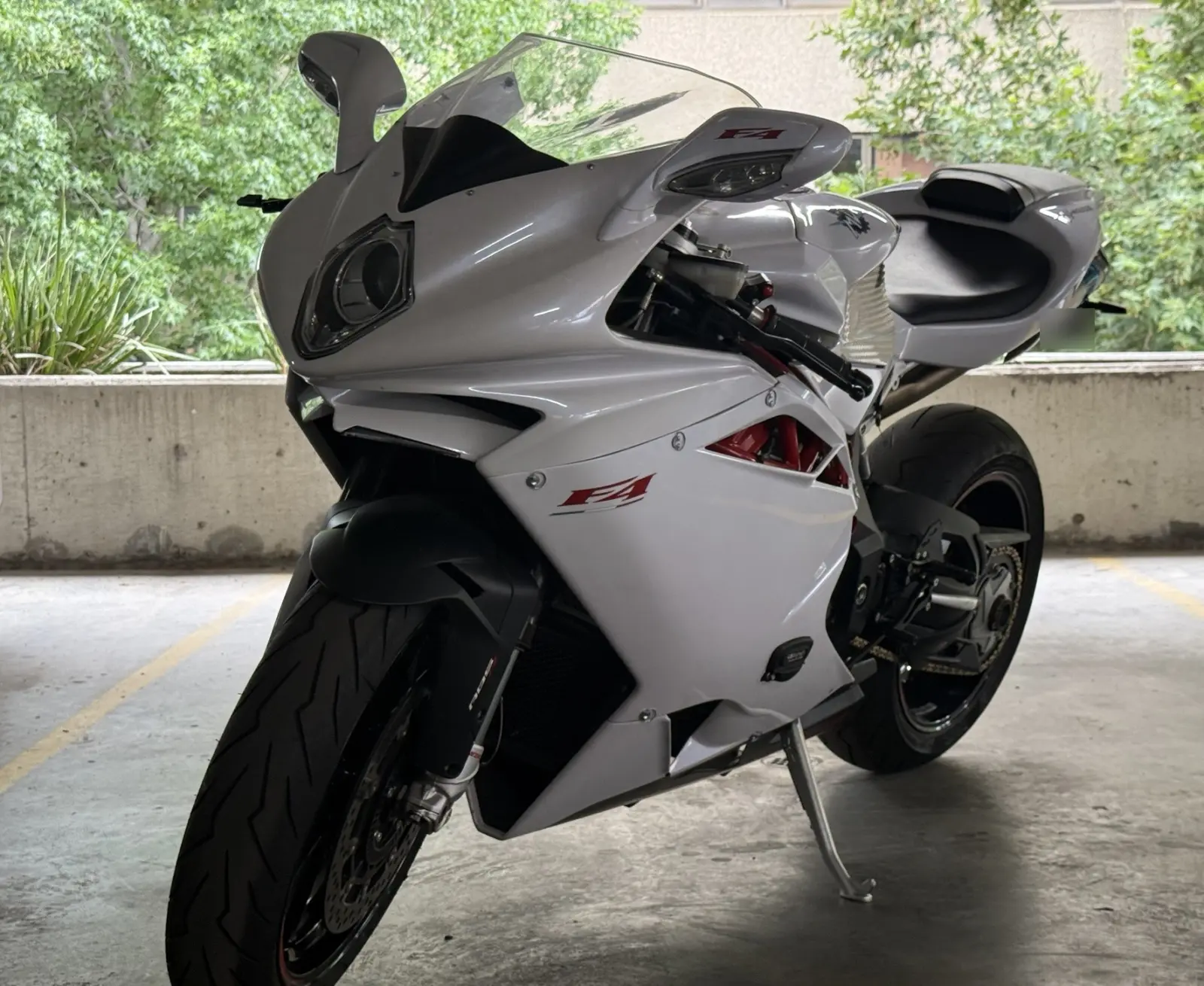
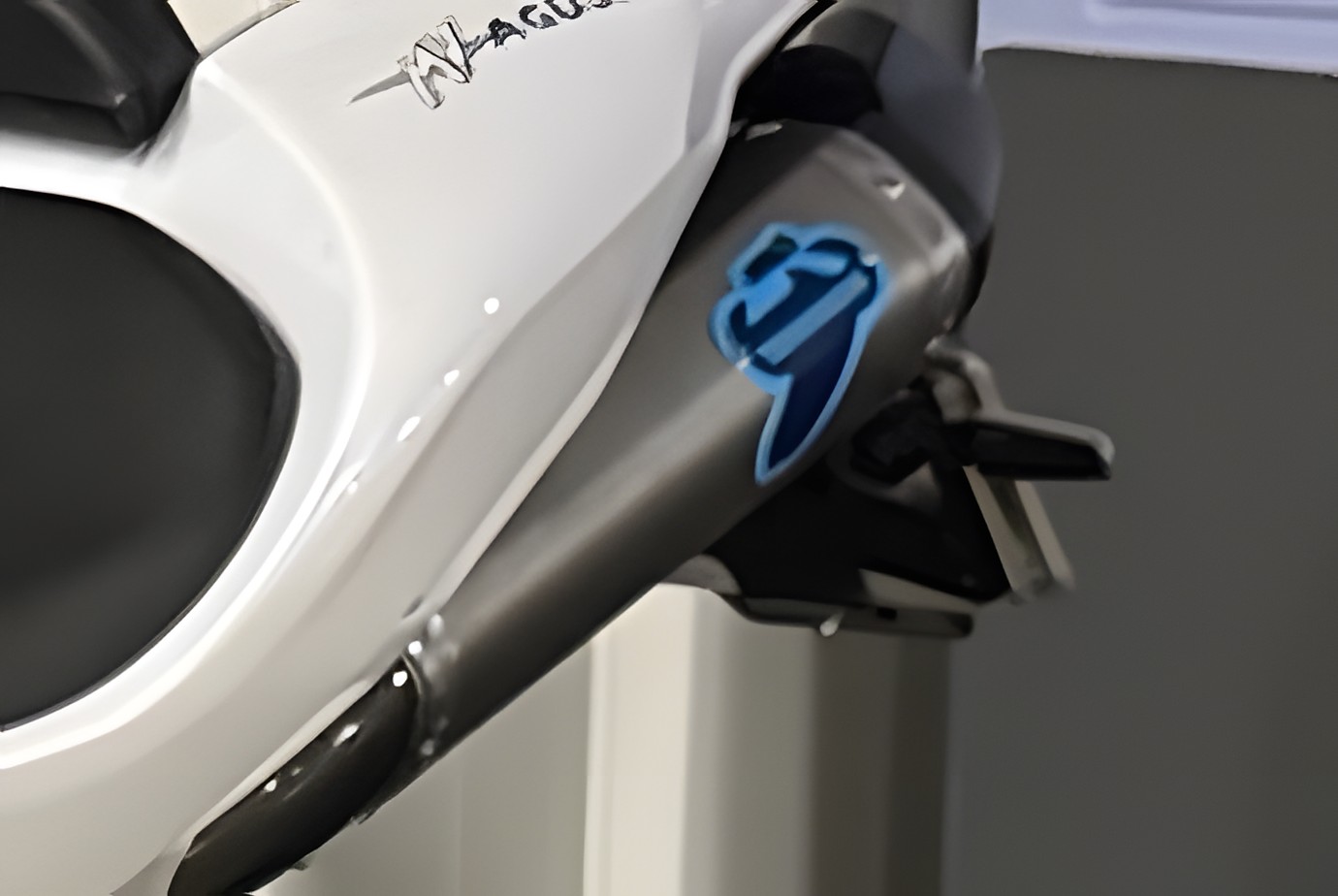
For a short valley ride we recommend the MV Agusta F4 (2017). It is a 998cc inline four finished in pearl white with a red trellis frame, and it has been tuned with a performance exhaust. On a road like this one, the bike gives you a sharp, precise feel through the bends and a satisfying sense of control on the sweepers. It suits a rider who wants a focused, engaging ride from the city to the creek and back.
A few hire conditions apply, and they shape how you plan the day. The MV Agusta F4 is a single-seater, so it is designed for one rider. Licence history matters here: the rider needs a full motorcycle licence held for a minimum of three years, plus an age of 25 or above. Your own gear is welcome, and if you would rather hire it, that is available for a charge per day. A helmet that is lost or damaged during the hire carries a replacement fee.
If a quiet creek picnic is on your list, reserve the MV Agusta F4 through the Book Now option on this page. Tell us the date you have in mind, and we will help you set up a day that feels relaxed from the first junction to the last bend.
Frequently asked questions
How long does the Berowra Valley ride take from the city?
The valley is close to the city, so the trip is short and easy to fit into a morning or an afternoon. Allow time for traffic on the suburban section, a relaxed run through the bush and a comfortable stop at the creek. A short ride can still feel like a proper escape, so there is no need to rush any part of the day.
Are the bush roads suitable for a relaxed rider?
Yes, provided you ride at a pace that suits the road. The bends can tighten and the shade can stay damp, so smooth inputs and clear sightlines matter more than speed. Riders who take their time, look well ahead and slow for creek crossings will find the valley an enjoyable and manageable run.
What is the best time of year for a creek picnic?
Autumn and spring are the most comfortable, with mild temperatures and a pleasant creek level. Winter mornings can be cold and damp, so start later in the day. Summer is lovely by the water, but the open sections can be hot, so choose a shaded spot and bring plenty of water.
Can I walk around the creek in riding boots?
Riding boots are fine for short distances on firm ground, but comfortable walking shoes are better for uneven banks and slippery stones. Keep your helmet and gloves in a pack while you walk, and avoid stepping onto unstable rock near the water. Take care on wet surfaces, which can be slick even when the sun is out.
What should I pack for a picnic by the creek?
Pack a simple lunch, a full water bottle, a thin layer for the cooler shade and a small bag for rubbish. Bring a rug or a foldable seat if you plan to sit on the grass, and keep food secure from wildlife. A small first aid kit is a sensible addition for any bush outing.
What should I do if the creek crossing looks flooded?
Do not ride through it. Stop well before the water, assess the depth and the speed of the flow, and turn back if there is any doubt. Floodwater can hide holes and debris, and even a shallow crossing can move a bike unexpectedly. Choose another route or come back on a drier day when the road is safe.
Ready when you are. Pick your dates and book the MV Agusta F4 online, or call us and we will sort it with you.
Book NowCall 0468 011 118