

Book the Yamaha MT-09 SP. Pick your dates and book the Yamaha MT-09 SP online, or call us and we will sort it with you.
Book NowCall 0468 011 118Late winter in the hills is a quiet time of year, and then the first blossoms begin to appear among the bare branches. A ride through the hills at that moment is about patience, cold mornings and warm midday sun, with a few well chosen stops to watch colour return to the orchards. This route runs from Parramatta up into the hill country, with an easy loop back through the valleys. Our Yamaha MT-09 SP is the bike we would pick for a relaxed day like this.
Everything to know before you book, from the licence rules to the bond, is on our Sydney motorbike hire page.
Why late winter suits a blossom ride
Late winter is the season most people overlook in the hills. The trees look bare, the grass is still brown in places and the mornings can be sharp. Then, almost without warning, the first blossoms show among the branches and the hills start to change colour. A ride timed for that moment rewards you with something most visitors miss, because the landscape is quieter and more honest than it is in peak season.
Riding in cooler weather gives the day a different rhythm. You need layers at the start, you warm up as the sun climbs and you appreciate a hot drink at a roadside stop. The bike is the same as ever, but the experience of the hills changes with the light and the temperature. It asks for a little more planning and rewards that planning with fewer crowds.
We see this ride as a seasonal gift rather than a guaranteed show. Blossom timing shifts from year to year, so plan the day around a fine forecast and be ready for the trees to be a few weeks ahead or behind. The aim is a relaxed ride through the hills, with the blossoms as a bonus rather than the whole point.
Best season and time of day
The window for this ride is late winter, roughly from late August into early September, although the exact timing depends on the weather that season. A cold snap can hold blossoms back, while a run of mild days can bring them on earlier than expected. Keep an eye on local conditions in the weeks before you plan the ride.
Start after six, once the day has begun, and expect a cold first hour. The air in the valleys can be close to freezing on a clear morning, and fog often sits in the low ground until the sun is well up. By late morning the temperature climbs, the fog lifts and the hills look their best in clear, bright light.
Weekends bring visitors to the hill towns and orchard roads, especially on sunny days in the blossom season. A weekday ride is calmer, and parking and quiet roads are easier to find. Check road conditions with Transport for NSW before leaving, since fog, wet patches and roadworks on the hill roads can change the plan at short notice.

The run out from Parramatta to the hills
The route heads west out of Parramatta and through the outer suburbs, then climbs gently toward the hills on quieter roads. Expect around an hour and a half of riding to reach the first hill towns, depending on traffic and stops. The early part of the ride is busy with commuters, so a steady pace and clear observation help you settle in before the climb.
As the suburbs fall away, the land begins to change. Paddocks give way to orchards and bushland, the air cools and the first hills rise on either side of the road. This is a good moment to check your mirrors, feel the brakes and let the morning settle into the rhythm of the ride.
Pause at the first lookout you pass rather than pushing on. A short stop to stretch, check the tyres and look at the tree line gives you a fresh start for the rest of the route. It also helps you judge the weather, since the hills can be colder and damper than the valleys below.
Kurrajong Road: corners and surface
Kurrajong Road is a sealed hill road with a varied character. The lower sections are open and fairly straight, with easy bends that suit a relaxed pace. Higher up, the corners tighten, the sight lines shorten and the road climbs through tree-lined sections where the sun rarely reaches in winter. Enter each bend smoothly, look through to the exit and keep the bike steady.
The surface is generally sound, but winter brings its own hazards. Shaded sections stay damp long after the open road has dried, and fallen leaves gather on the edges of the bends. Frost can settle on exposed stretches on very cold mornings, so take the first kilometres gently and leave a wide margin for the first hour. Ease the lean angle wherever the verge looks dull or disturbed.
Traffic is usually light, but you will meet local cars, delivery trucks and the occasional tractor pulling out from a farm entrance. Keep a steady gap and watch for vehicles turning across your path. Gravel dust can gather where farm vehicles join the road, so stay alert at those junctions. Keep the route on sealed road, since our road bikes stay off unsealed tracks whatever the view.

Stopping among the orchards
Orchard country is part of the charm of a blossom ride, but it deserves respect. Stop only where the road allows parking, and use a sealed verge or a marked space rather than the edge of a farm track. Keep the bike upright on level ground, and make sure it cannot roll or tip while you admire the blossoms.
Stay on public roads and footpaths when you are looking at the trees. Orchards are working farms, so avoid walking into rows of trees or through gates, and do not pick blossoms or fruit. Photographs from the roadside are usually all you need to capture the scene, and they keep the day running smoothly for the people who work the land.
Keep your helmet and jacket with you on any short walk, and watch your footing on uneven ground near the roadside. A quick look from the verge often shows more than you expect, especially when the low light catches the blossoms. Take your time, and then ride on when you are ready.
Fuel, food and a warm midday stop
Fill the tank in one of the larger towns before the hills. Fuel stations are less frequent once you are up among the orchards and bush, so note the next one before each stretch. Carry a reserve for detours, especially if roadworks or a closed road forces a longer way back.
A warm midday stop is one of the highlights of a late winter ride. Many hill towns have cafes with outdoor tables that catch the midday sun, bakeries with fresh bread and small shops selling local produce. Choose a spot with safe, level parking, and sit in the sun while you thaw out after the cold morning.
Keep lunch light enough for the ride home, and drink water, because cold air can mask thirst. A warm soup or a light sandwich works well, and a hot drink on a sunny step makes the stop memorable without slowing you down.
- Top up before the hills
- Choose a sunny table with safe bike parking
- Drink water even when it feels cold
- Pack a warm layer for the return
Want the Yamaha MT-09 SP for your date? Pick your dates and book the Yamaha MT-09 SP online, or call us and we will sort it with you.
Book NowCall 0468 011 118Cold start, warm midday: layering
The temperature swing is the biggest challenge of a late winter ride. A frosty valley at seven can become a bright, pleasant day by midday, and your layers need to keep pace. Start with a warm base layer, a mid layer and a windproof jacket over the top. Gloves that keep your fingers warm in the morning will feel too heavy by lunch, so pack a lighter pair as well.
Cold hands and stiff joints slow your reactions, so warm up gently. Take the first hour at a relaxed pace and let the tyres and brakes come up to temperature. Stretch your hands, shoulders and neck at the first stop, and keep your grip light to avoid tired fingers later in the day.
Layers are easier to remove than to find when you need them, so keep them within reach. A small bag with a spare layer and a light waterproof will see you through the ride, whatever the weather does. The aim is to stay comfortable from the first cold kilometre to the final warm stop.
Wildlife, wet weather and fatigue
Wildlife is most active at dawn and dusk, and hill roads often carry kangaroos, wallabies and birds moving between paddocks and bush. Slow down when you see movement near the verges, and expect a second animal behind the first. Keep your attention on the road edges, particularly on the quieter stretches where animals feel safe enough to cross.
Wet weather is a real risk in the hills in winter. Mist can hang over the ridges, and surface water on the bends can make the road slippery. Reduce speed, leave more room ahead and be gentle with the brakes. Painted lines and manhole covers are the first to catch you out in the wet, so take them slowly.
Fatigue arrives more quietly in the cold. Take a break every hour, stretch your shoulders and wrists, and keep drinking water. If you feel drowsy or your focus drifts, stop somewhere safe and rest. Keep alcohol well away from the day, and enjoy the warm lunch with a non-alcoholic drink instead.

The Yamaha MT-09 SP and the hire details
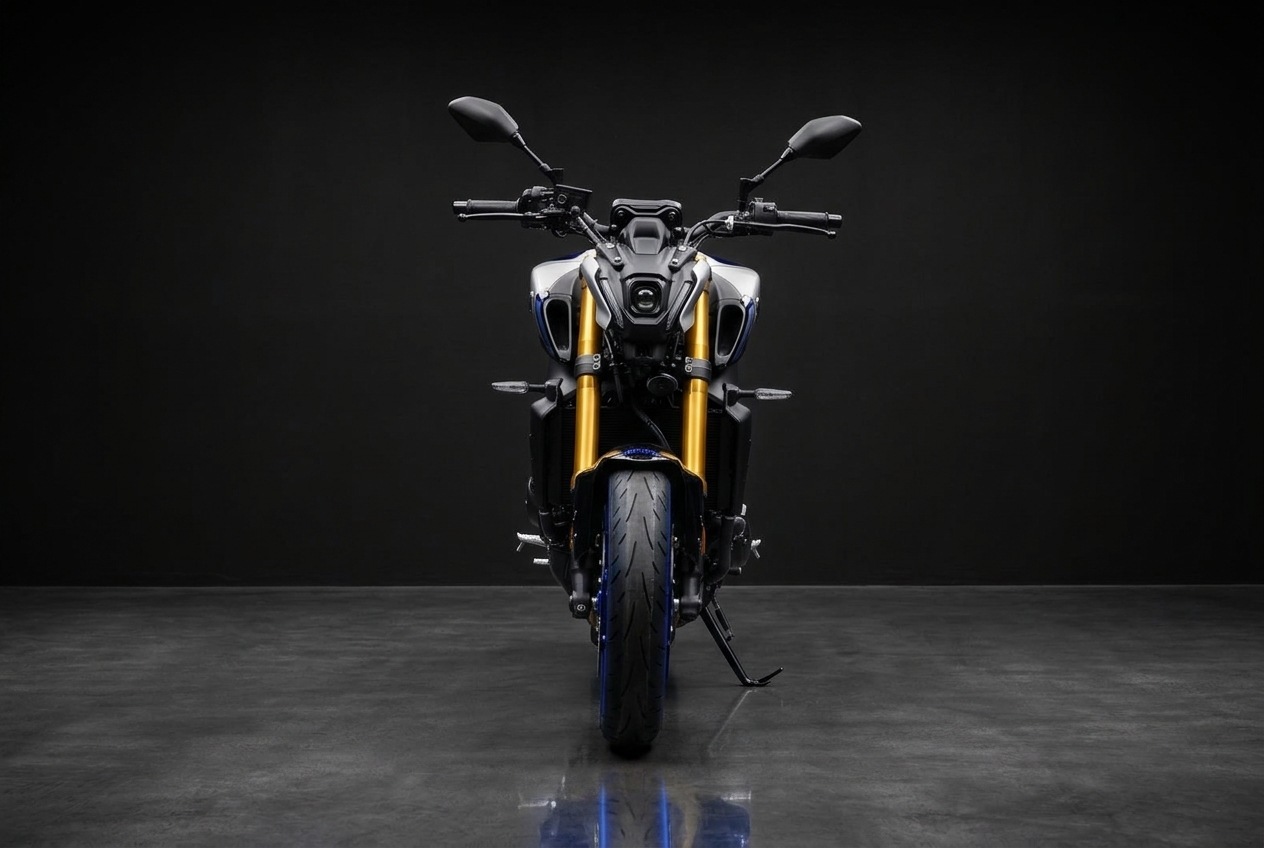
The Yamaha MT-09 SP is our recommended bike for a relaxed hill ride. Its inline three is easy to manage at a gentle pace, the premium adjustable suspension soaks up the rougher sections of country road, and the strong brakes inspire confidence on cold, damp bends. The gold front forks and naked styling look well at home among the blossom trees. It is the only bike in our range that takes a passenger, which makes it a natural choice for a couple sharing a morning in the hills.
You collect your bike from our Parramatta base and ride it yourself, and a three day minimum applies to every hire. The rider of every bike needs a full motorcycle licence held for at least 3 years, and must be 25 or older. On the Yamaha, one passenger may ride along, provided they are 16 or over.
The Ducati 1199R is a superbike for experienced riders, and it suits someone who wants a sharper focus on the hill roads. The MV Agusta F4 is a single-seater with a strong inline four, so it is best for a solo ride rather than a shared morning in the hills.
Planning your blossom ride
Plan the ride a few days ahead, watching the forecast and any bloom reports from the local area. Choose a fine day with a clear forecast, check the fuel, pack layers and set a turnaround time that suits everyone. A cold morning needs extra warm clothing, and a warm afternoon needs water and sun protection, so plan for both.
On the morning, check the bike, tyres and fuel before you move, and set off after six. Let the first hour be a slow warm up, enjoy the change of light as the sun climbs and keep the pace easy through the orchards. A blossom ride is at its best when it is relaxed and unhurried.
Ready to see the hills come back to life? Book the Yamaha MT-09 SP now, or browse the full fleet first. A cold start, a warm midday stop and the first blossoms among the bare branches make a late winter ride well worth the wait.

Frequently asked questions
When do the blossoms usually start in the hills?
Blossoms in the hill orchards typically begin to appear in late winter, although the exact timing shifts with the weather. A cold snap can hold them back, while a run of mild days can bring them forward. Check recent local reports before you plan the ride, and be prepared for the trees to be a little early or late. The ride is still worthwhile even if the blossoms are a few weeks away.
Is this route suitable for a rider who has not ridden in the hills before?
Yes, if you are comfortable on sealed roads and ride within your ability. Start with the lower sections, take a break at the first stop and build up to the tighter corners as your confidence grows. The hill roads are generally sealed and well used, so take your time and keep the pace relaxed from start to finish.
Can we stop to photograph the blossoms?
Yes, but park only where the road allows, on a sealed verge or in a marked space. Stay on public roads and footpaths, and avoid entering orchards or picking blossom and fruit. Keep the bike upright and clear of traffic, and watch your footing on uneven ground. A roadside photograph often captures the scene well.
What should I wear for a cold start that turns warm?
Start with a warm base layer, a mid layer and a windproof jacket over the top, with gloves that keep your hands warm in the morning. Pack a lighter pair of gloves and a small waterproof for the afternoon. Full protective gear remains essential, including a helmet, an armoured jacket, long trousers and boots that cover the ankles.
What should I do if fog settles on the road?
Slow down, use your headlight, increase the gap in front and be patient. Wait for the fog to lift before you commit to unfamiliar bends. If visibility becomes very poor, pull into a safe spot and wait it out. Turning back is a sensible choice, and the blossoms will still be there on a clearer day.
Is a late winter ride safe for a relaxed day out?
It can be, provided you plan for cold mornings, wet patches and changing light. Ride within your ability, take regular breaks and keep alcohol well away from the day. Check the forecast the night before and choose a day with settled weather. A cautious approach makes the hills a pleasure rather than a risk.
Ready when you are. Pick your dates and book the Yamaha MT-09 SP online, or call us and we will sort it with you.
Book NowCall 0468 011 118