
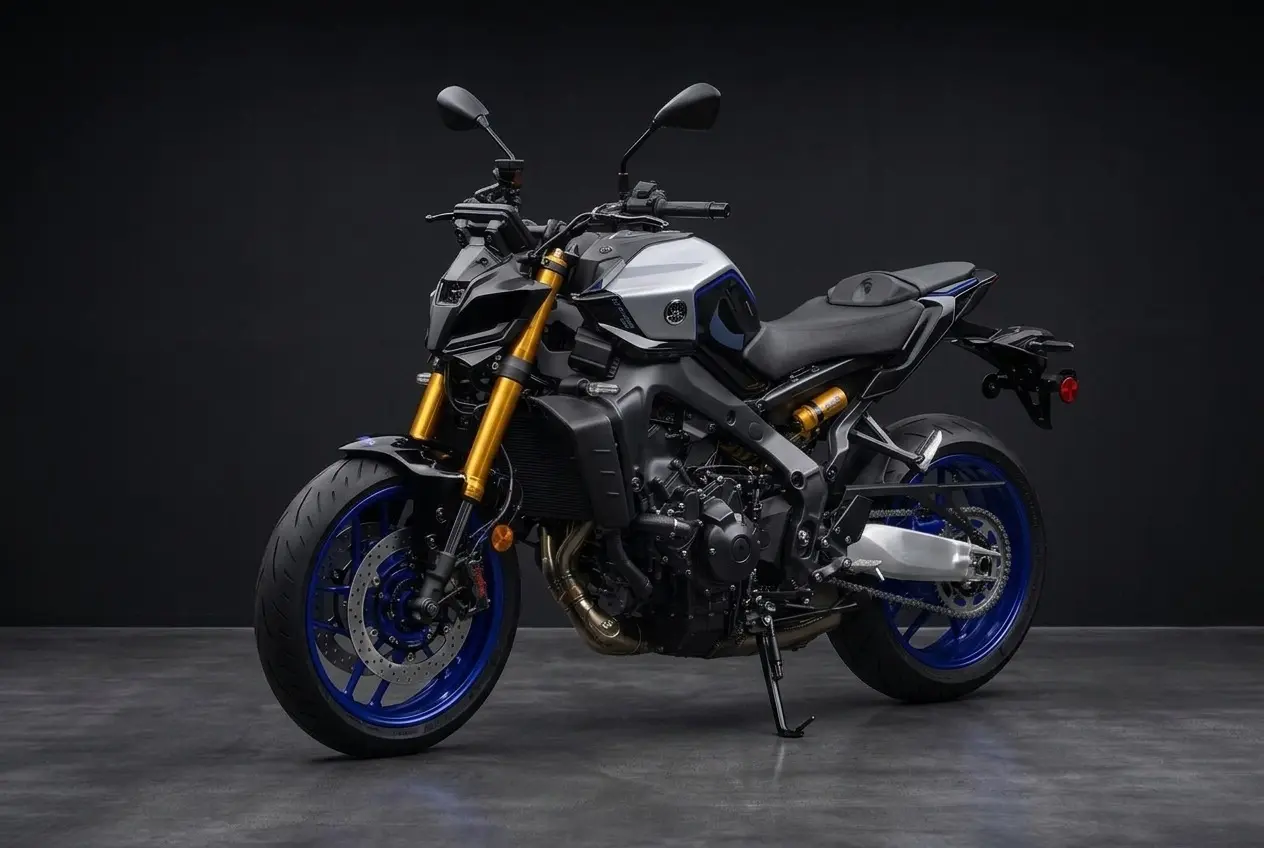
Book the Yamaha MT-09 SP. Pick your dates and book the Yamaha MT-09 SP online, or call us and we will sort it with you.
Book NowCall 0468 011 118Learning to ride is a big step, and it changes the rhythm of a relationship on two wheels. When one partner is working through the early kilometres on a practice bike and the other already rides, a quiet afternoon can become a shared project, with patience, clear signals and plenty of breaks. This guide looks at how that afternoon can work safely, from choosing a calm area to pacing the session, with the notes that matter for both riders.
New to riding with us? Our page on motorbike hire in Sydney covers the bikes, the rider rules and how pick-up works.
Why a quiet afternoon suits a learner
A learner needs space, time and low pressure more than anything else. A busy road with fast traffic can overwhelm even a confident beginner, while a quiet area with a clear layout lets them focus on balance, the friction point of the clutch and the feel of the brakes. An afternoon away from the rush hour is often the most productive time for those first lessons.
The experienced partner plays a supporting role, not a teaching one. Good support means watching, offering calm feedback and keeping the session short enough that concentration stays sharp. Many learners feel more at ease when the more experienced rider keeps their own riding modest and simply makes the afternoon feel relaxed.
We suggest setting an achievable goal before you start. Perhaps the aim is to pull away smoothly, to stop without stalling or to turn in a wide circle. A clear, small goal keeps the afternoon positive, and it gives both riders something to celebrate when it is achieved.
Learner rules and where to check them
Learner licence conditions are set by Transport for NSW, and they change from time to time. Before any practice session, check the current conditions for learner riders, including what a learner may ride and where, and make sure the practice bike and the rider meet every requirement. This article does not set out those rules, because the official source is the right place to confirm them.
Our bikes are not available to learners. Learner and provisional riders cannot hire from Drive Tribe, so the practice bike in this scenario belongs to the learner or to a school that provides it. The experienced partner can hire one of our bikes for their own riding, while keeping the learner's session separate and properly supervised.
Keep the paperwork and the plan in order. Make sure the learner has the right documents with them, knows the boundaries of the practice area and understands that the session stops the moment either rider feels unsafe.
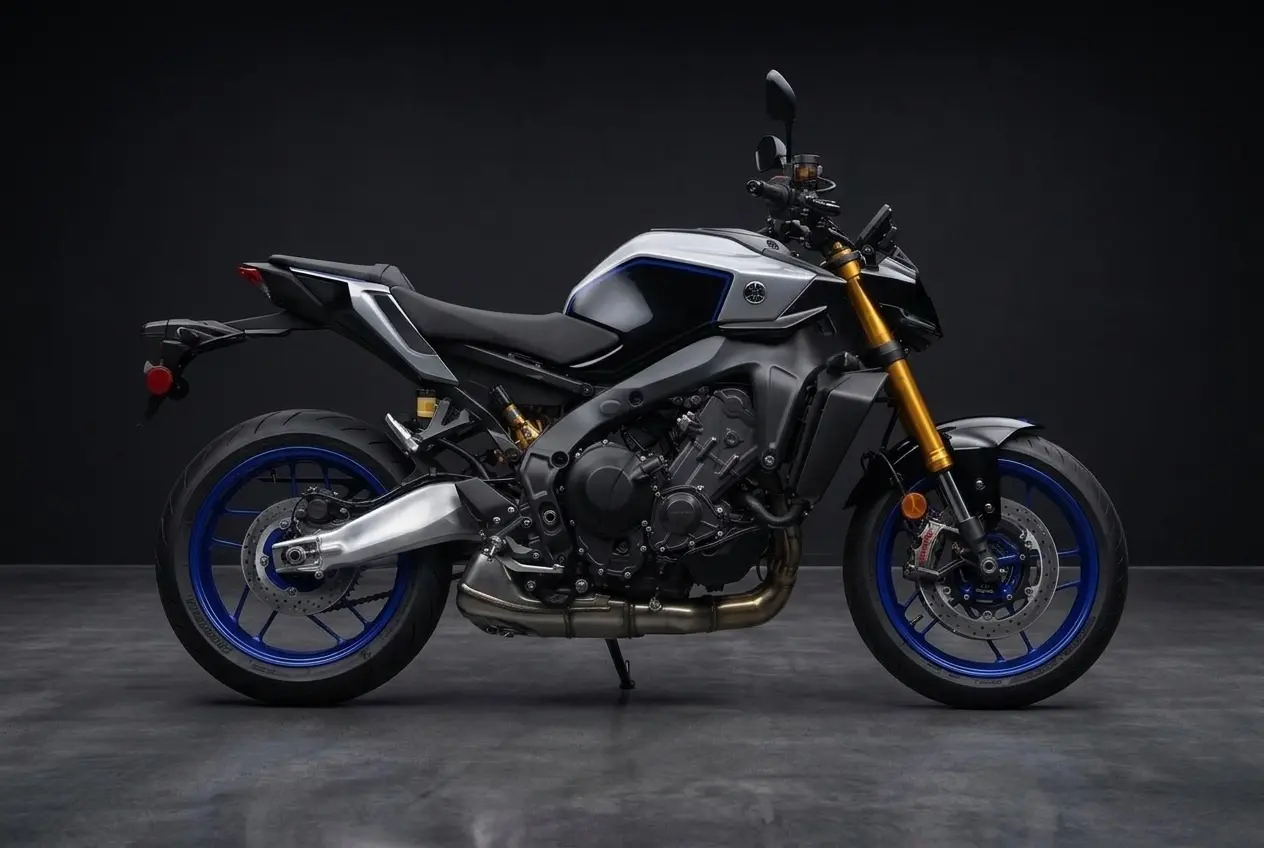
The Yamaha MT-09 SP for the experienced partner
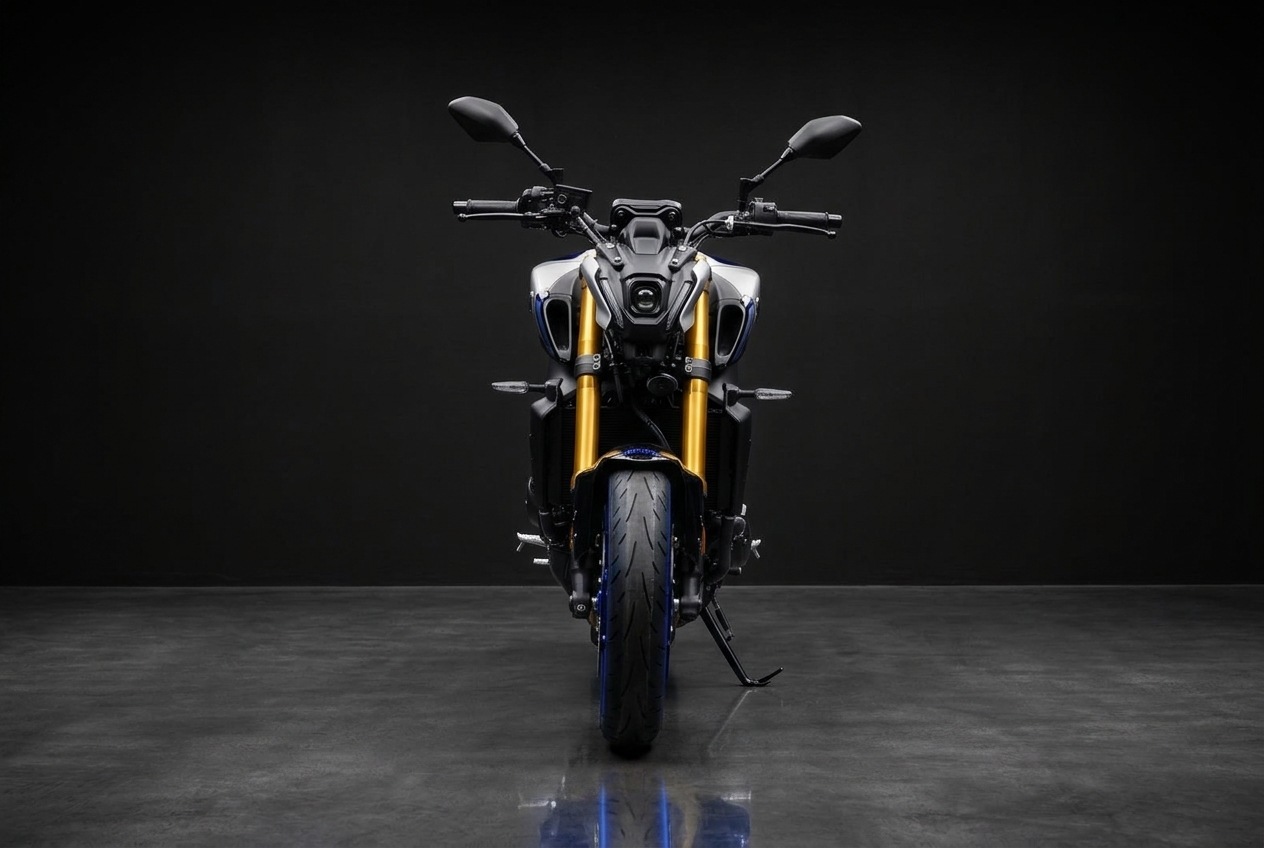
For the experienced partner we recommend the Yamaha MT-09 SP. It is an inline three performance naked bike with premium adjustable suspension and strong brakes, and its upright position is comfortable over a long afternoon. The gold front forks and the calm, progressive power mean the bike is easy to ride gently when you want to stay close to a learner in a quiet area.
The MT-09 SP rewards smooth inputs. Its engine delivers power in a linear way, so you can ride at a low, controlled speed without the bike feeling abrupt. That manageable character is valuable when you are riding near a learner, because you can match their pace and keep a steady, predictable line.
The Ducati 1199R and the MV Agusta F4 are sharper machines for experienced riders who want a focused ride. For an afternoon where the priority is patience and a calm pace, the Yamaha is the bike we would recommend.
Choosing a safe practice area
The best practice area is quiet, flat and free from traffic. A large, empty car park with clear sightlines is a common choice, provided the owner has given permission and there is no risk of other vehicles arriving. Look for a surface that is sealed and in good repair, and avoid loose gravel, sand, painted lines that are very slippery when wet and steep camber.
Mark out the area with cones or a few simple markers so that both riders know the boundaries. Keep the layout simple, with wide turns and a straight run for braking practice. Avoid placing obstacles where a learner could be startled or lose control, and clear the area of rubbish, puddles and debris before you start.
Check the area for hazards before every session. Look for drains, kerb edges, wheel stops and anything that could catch a wheel. A clean, flat surface is a good starting point, and the session should stop if the surface becomes damp or the conditions change.
Pacing the session and taking breaks
Short sessions work better than long ones. Aim for blocks of fifteen to twenty minutes, with a break between each block to drink water, talk through what went well and what needs work. Long sessions make tired riders careless, and tired riders are far more likely to make mistakes.
The experienced partner should set the tone. Keep your comments short and specific, praise progress and avoid rushing the learner through an exercise they have not yet mastered. A calm, patient voice does more than any instruction sheet, and it helps the learner keep their confidence.
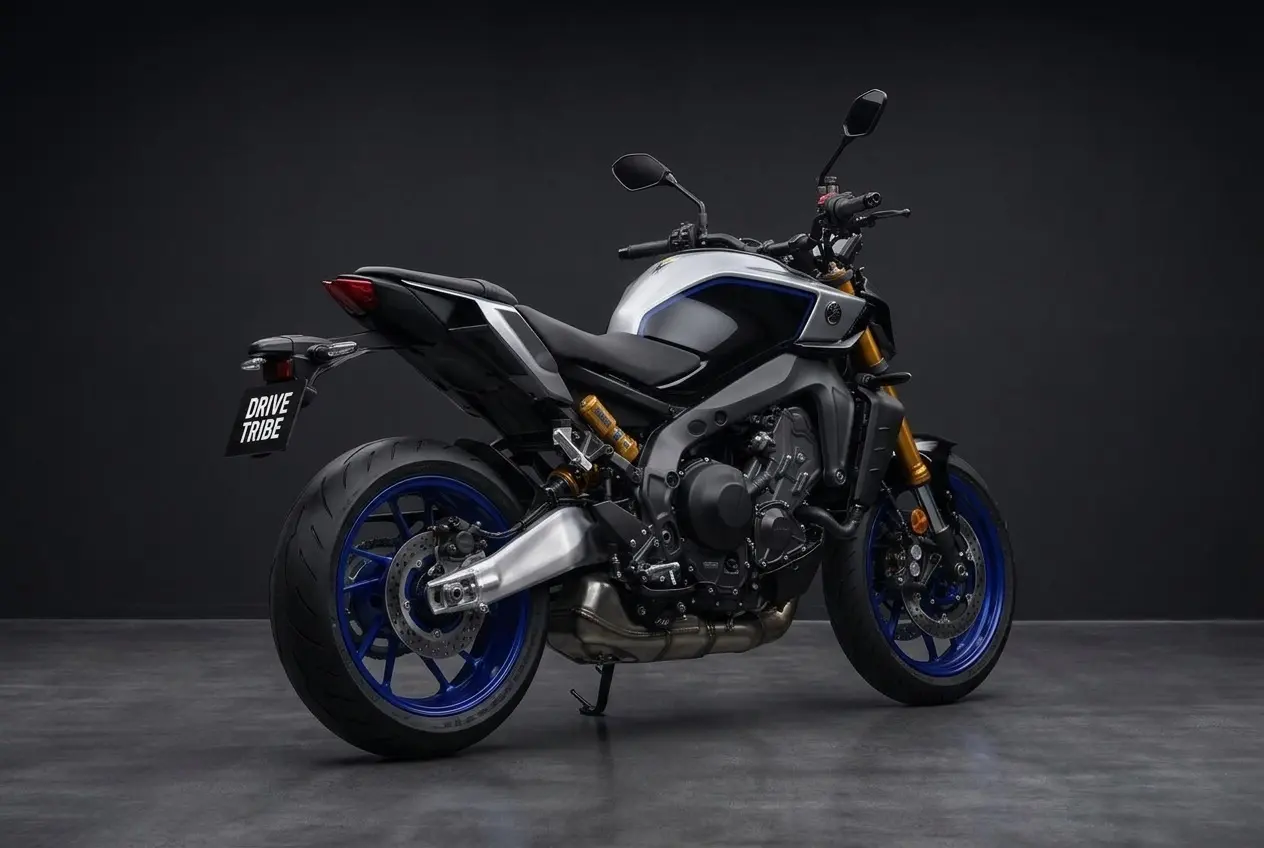
Between blocks, the experienced partner can simply stand beside the Yamaha with the engine switched off and watch, offering a nod or a short word of encouragement rather than instructions. Keeping your own bike still during the learner's turns removes any sense of competition, and it lets the learner concentrate on their own control and their own pace. The afternoon is about companionship and steady progress, not about who can ride the tightest circle.
End the session on a positive note. Finish with a manoeuvre the learner can already do well, and leave the practice bike parked and secured before you start to talk about the next session. Ending calmly helps both riders reflect on what they achieved without feeling rushed.
Want the Yamaha MT-09 SP for your date? Pick your dates and book the Yamaha MT-09 SP online, or call us and we will sort it with you.
Book NowCall 0468 011 118Weather, seasons and timing
Autumn and spring are the most comfortable seasons for practice. The temperatures are mild, the ground is usually dry and the light is kind. These months suit longer, relaxed sessions with plenty of breaks, and they reduce the risk of slippery surfaces.
Summer can be hot, and an open car park can become uncomfortable by midday. Start early, use shade where possible and keep water on hand. Winter brings damp, cold conditions, and a wet surface can make even gentle braking unpredictable, so postpone the session if the ground is wet or frosty.
Weekday afternoons are often quieter than weekends, which makes them a good time for practice. Before you go, check road conditions with Transport for NSW for any route you plan to take between sessions, since closures and roadworks can change plans at short notice.
Fuel, water and food for the afternoon
Fuel matters for the practice bike and for the experienced partner's ride. Top up before you start, and keep a note of the nearest station in case the afternoon stretches. A full tank removes one worry from a session that already needs focus.
Water is essential, and it is easy to forget on a warm afternoon. Both riders should carry water and drink regularly, since concentration suffers quickly when you are dehydrated. A light snack after the session helps you both recover from the effort of concentrating on small manoeuvres.
A relaxed coffee or lunch after the session is a good reward. Choose a place where you can sit together, talk through the afternoon and celebrate what was achieved. Keep the stop short enough that the bikes are not left unattended for long, and check the parking is suitable before you walk away.
Safety for both riders
Gear is non-negotiable for both riders. A well-fitted helmet, a riding jacket and pants with armour, gloves that let you work the controls and supportive boots protect a rider in a fall, and that is true even at low speeds. Check each other's gear before every session and make sure helmets fit snugly.
Fatigue and frustration are common problems during learning sessions. A learner who is tired or upset is more likely to make a mistake, so stop before frustration builds. Never ride after drinking alcohol, and keep the session in the early part of the day when you feel fresh.
Riding within your ability is the foundation of a safe afternoon. The experienced partner should not push their own riding to match a learner's pace, and the learner should never feel pressured to attempt a manoeuvre they are not ready for. Stop the session the moment either rider feels unsafe.

Hire rules and booking the Yamaha MT-09 SP
Our bikes are self-drive, collected from our Parramatta base, and every hire is for a minimum of three days. The experienced partner can plan a longer ride after the practice session, using the time for a relaxed run once the learner has finished for the day.
To hire from us you need a full motorcycle licence held for at least three years, and you must be 25 or older. Learner and provisional riders cannot hire, so a learner in the household cannot ride our bikes.
Helmets (Shark, AGV or Bell) can be hired from us in small, medium or large for $50 per hire, or you can bring your own. We do not supply jackets, gloves, pants or boots, so bring your own riding gear. A replacement charge applies if a helmet is lost or damaged, and the optional damage cover offered on cars does not extend to bikes. A security bond is held based on the bike's class, and personal injury cover beyond compulsory third-party insurance is for you to arrange if you want it.
When you are ready for a relaxed afternoon ride after the lesson, you can book the Yamaha MT-09 SP and we will help you prepare. The fleet page lists the whole range if you want to compare the other machines.
Frequently asked questions
Can a learner rider hire a bike from Drive Tribe?
No. Learner and provisional riders cannot hire from us, so a learner would need to practise on their own permitted bike or through a training provider. The experienced partner can hire one of our bikes for their own riding, provided they meet our licence and age requirements. Learner licence conditions are set by Transport for NSW, so check those directly before any practice session.
What makes a good practice area for a learner?
A quiet, flat and sealed area with clear sightlines works best, such as an empty car park where the owner has given permission. Avoid loose gravel, sand, wet paint and steep camber. Mark the boundaries with simple cones, keep the layout wide and clear of obstacles, and check for drains or kerb edges before every session.
How long should a practice session last?
Short sessions of around fifteen to twenty minutes work better than long ones, with a break between each block. Water, a short talk about what went well and a clear end point keep the learner focused and confident. Stop as soon as concentration drops or frustration builds, since tired riders are more likely to make mistakes.
Which bike suits the experienced partner?
We recommend the Yamaha MT-09 SP for an experienced partner who wants a calm, controllable ride. Its adjustable suspension and strong brakes handle varied surfaces, and its progressive power makes it easy to ride gently near a learner. Its upright position is comfortable over a long afternoon, and it is a practical choice for relaxed riding after the session.
When is the best time of year for practice?
Autumn and spring are the most comfortable seasons, with mild temperatures and dry ground. Summer heat can make open car parks uncomfortable by midday, so start early. Winter damp and frost make braking unpredictable, so postpone the session if the surface is wet or cold. Weekday afternoons are usually quieter for practice.
What gear should a learner and a partner wear?
Both riders need a well-fitted helmet, a riding jacket and pants with armour, gloves that let them work the controls and supportive boots. Check each other's gear before every session and make sure helmets fit snugly. Protective gear matters even at low speeds, so wear it for every practice block, not only for the longer rides.
Ready when you are. Pick your dates and book the Yamaha MT-09 SP online, or call us and we will sort it with you.
Book NowCall 0468 011 118