
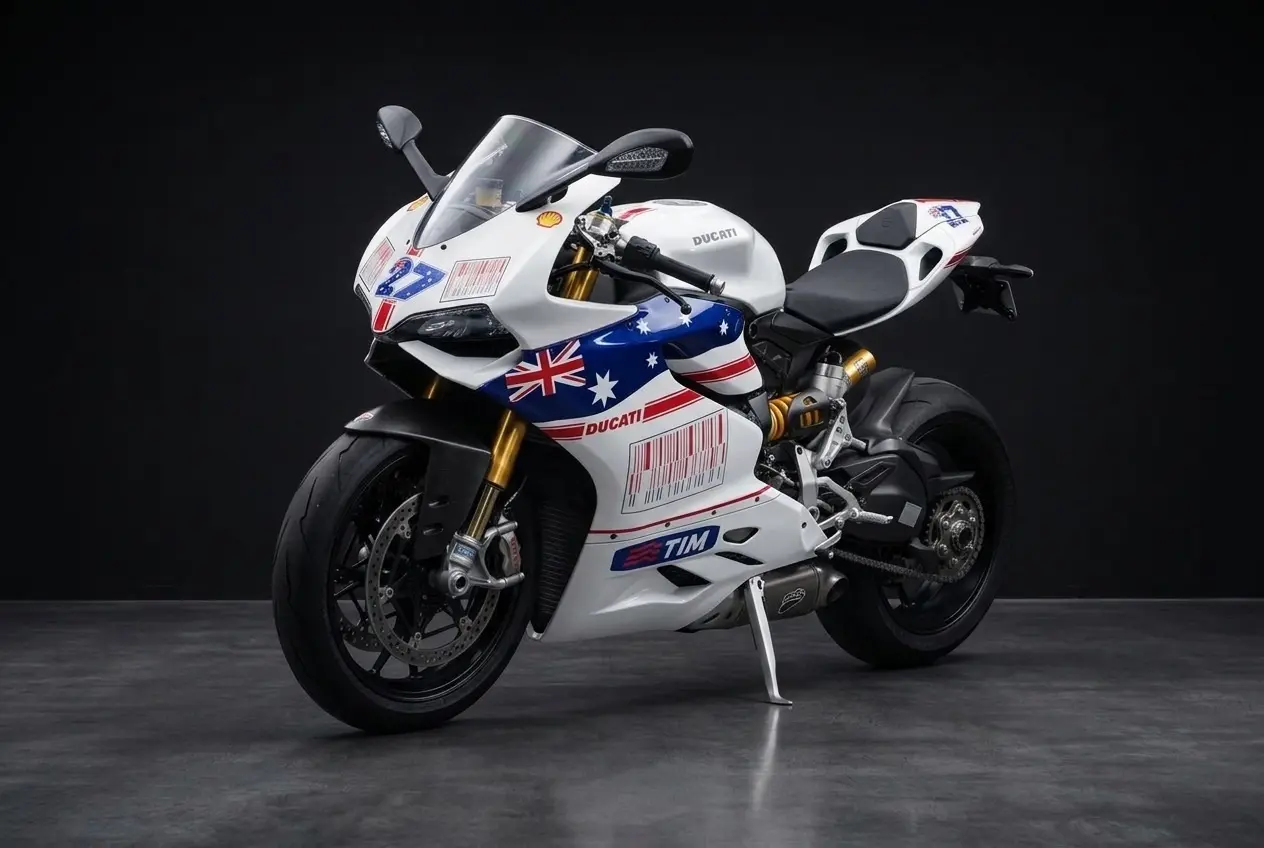
Book the Ducati 1199R. Pick your dates and book the Ducati 1199R online, or call us and we will sort it with you.
Book NowCall 0468 011 118There is a particular kind of freedom in riding alone, with the road and the scenery entirely your own. There is also a different kind of pleasure in riding with friends, sharing the bends and the stops and watching the bikes ahead flow through the country together. Both can be excellent, but they ask different things of a rider. This guide compares the two, explains how each one changes pace, focus and decision making on New South Wales roads, and helps you decide which kind of ride suits your confidence and experience.
New to riding with us? Our page on motorbike hire in Sydney covers the bikes, the rider rules and how pick-up works.
Two very different kinds of ride
Solo riding is about choice. You set the pace, pick the route on a whim and stop wherever the view invites you to. Nobody else's mood or ability shapes the day, and that independence can make the ride feel deeply personal. The road becomes a conversation between you and the bike, with few distractions and few compromises.
Riding in company is about shared rhythm. A group sets a collective pace, takes decisions together and looks out for one another at stops and junctions. The pleasure lies in the shared experience: the sound of several bikes through a long sweep, the banter at a lunch stop and the sense of moving as a unit across the countryside.
Neither style is better in every case. The right choice depends on your experience, your confidence and what you want from the day. Understanding how each one changes your riding is the first step to choosing well.
What changes when you ride alone
When you ride alone, every decision is yours. You decide when to brake, when to overtake and when to rest. That responsibility can be empowering, but it also means there is no one to remind you that you are tired or that the light is fading. Solo riders need to build their own warning systems, using their body, their concentration and their routine.
Solo riding also tends to be slower in a way that feels natural. Without the pressure to keep up, you can stop to photograph a river bend, linger at a quiet café or turn around when conditions look uncertain. Many riders find that these pauses are the best part of the day.
The main risk is complacency. A solo rider who is comfortable on familiar roads can slowly drift into habits that go unchecked, such as skipping mirror checks or riding a little too close to the edge of their ability. Regular self-review helps keep those habits honest.
What changes when you ride in company
Riding in company adds an extra layer of awareness. You are responsible for your own riding and for keeping an eye on the bikes around you, and that can feel demanding on a long day. A good group rider scans the road ahead, watches the rider in front and checks that the rider behind is still with them.
The group can also create pressure. Riders often feel they must keep up with the faster bikes or match a pace that is beyond their comfort zone. Resist that pull. Ride within your ability at all times, and let the group go ahead if it is moving faster than you are comfortable with.
Company can make the ride safer when it is well managed. Other riders can spot hazards you miss, share the navigation and help each other through tricky corners. The key is clear communication and a shared understanding of how the group will move through the day.
Pace, gaps and the group's rhythm
A group works best with an agreed pace and clear spacing. Keep a gap that gives you room to react to the bike in front, and avoid tucking in close, even when the road looks clear. The gap should widen on loose surfaces, in wet weather and on sections with limited sightlines.
The rhythm of a group can change on different roads. A long, open sweep may invite a faster line, while a tight, shaded section calls for patience. Let the group adjust naturally, and keep your own pace steady rather than matching the bikes around you.
Solo riders have a different rhythm. Your pace can change on a whim, and you can set your own gap to suit the traffic and the road. That freedom is valuable, but it requires the same discipline about spacing and speed that a group demands.
Signals, communication and regrouping
Clear communication keeps a group together. Agree on simple signals before you set off, such as a raised hand for a hazard, a wave for a stop or a pointed finger for a turn. Confirm the route and the regrouping point, and make sure everyone knows what to do if the group becomes separated.
Solo riders communicate through their riding. A consistent line, a steady speed and well-timed signals make your intentions clear to other drivers. Use your indicators early, check your mirrors regularly and avoid sudden changes that could surprise the traffic around you.
Regrouping is worth planning. Choose places that are wide, level and safe, and agree in advance how long the group will wait. Never try to catch up on a dangerous stretch, and never ride faster than your ability to rejoin the group.
Want the Ducati 1199R for your date? Pick your dates and book the Ducati 1199R online, or call us and we will sort it with you.
Book NowCall 0468 011 118Best time, season and the stops that suit a group
Early mornings and weekdays are the easiest times to ride on NSW roads, with lighter traffic and cooler air. Wait until the bikes have come out of the garage after 6am, and watch for wildlife at dawn and dusk, when kangaroos and cattle can step onto the road. A group should keep an even pace in those hours, with the lead rider calling out any animals on the verge.
Autumn and spring suit both solo and group rides, with mild temperatures and good visibility. Summer brings heat and busy weekends, and afternoon storms can close in quickly. Winter mornings are cold and damp, so plan a warm start and extra spacing on shaded corners.
Weekend riders, touring groups and caravans can make the popular roads crowded. Plan your fuel and food stops in larger towns, where the cafés and bakeries have space for a group. Choose a regrouping spot off the main road and avoid parking on bends or on narrow edges. Quiet days give you a calmer road and a more relaxed lunch.
The Ducati and the hire rules
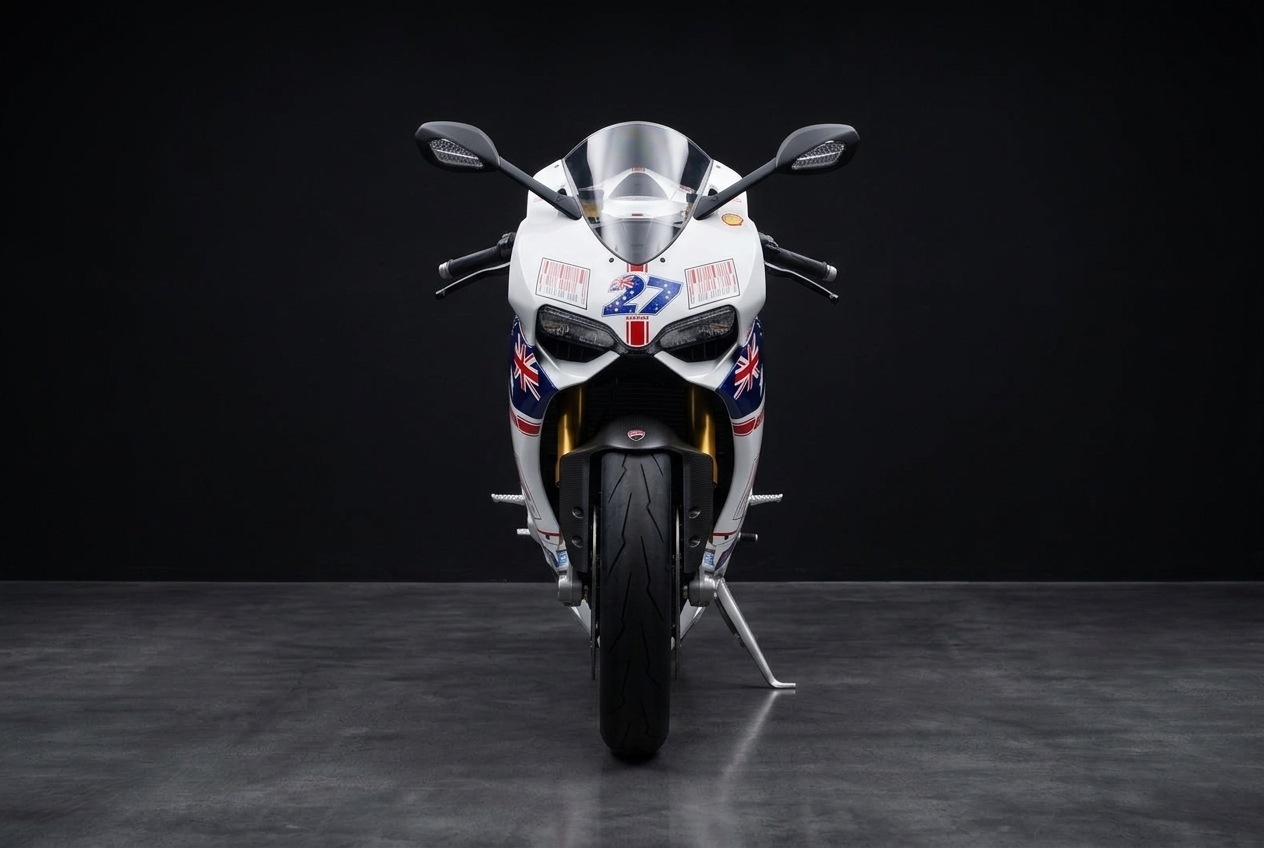
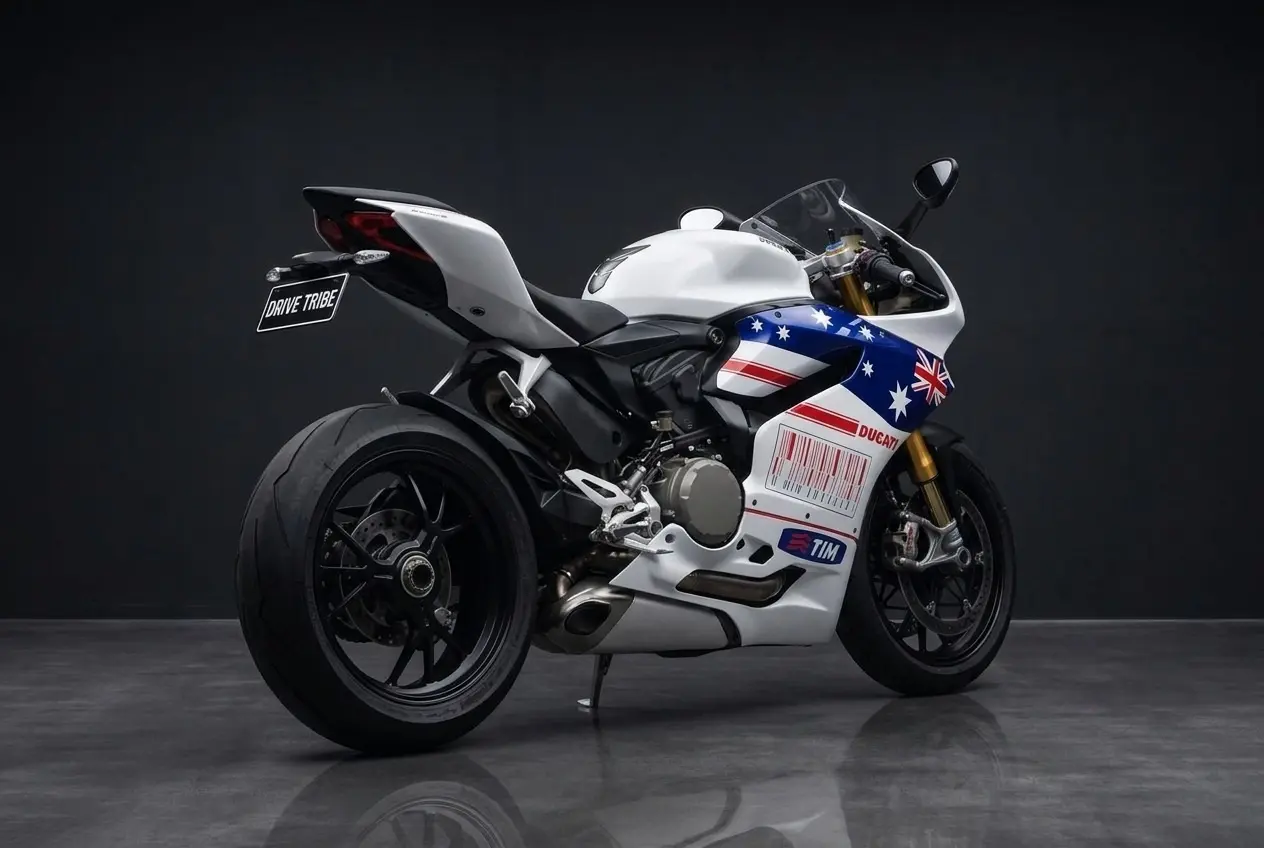
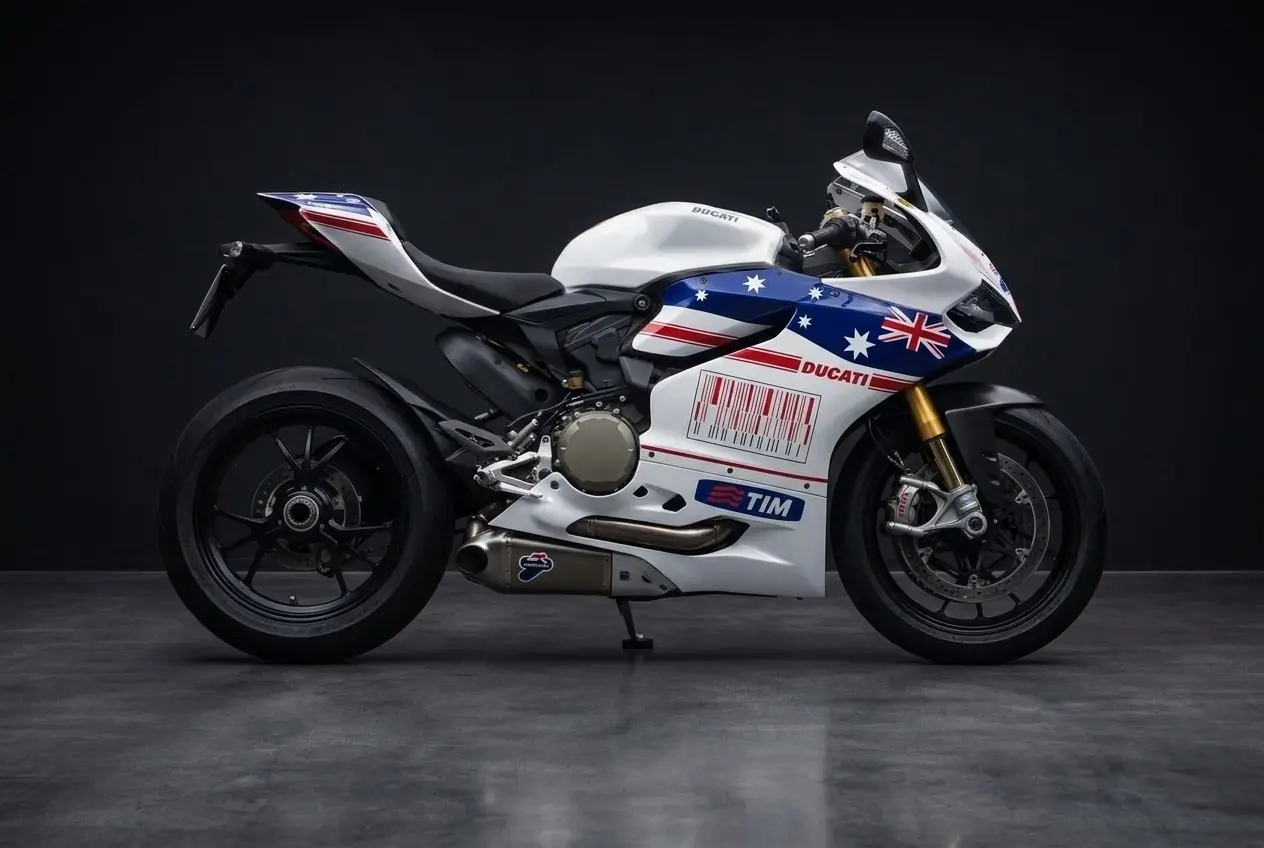
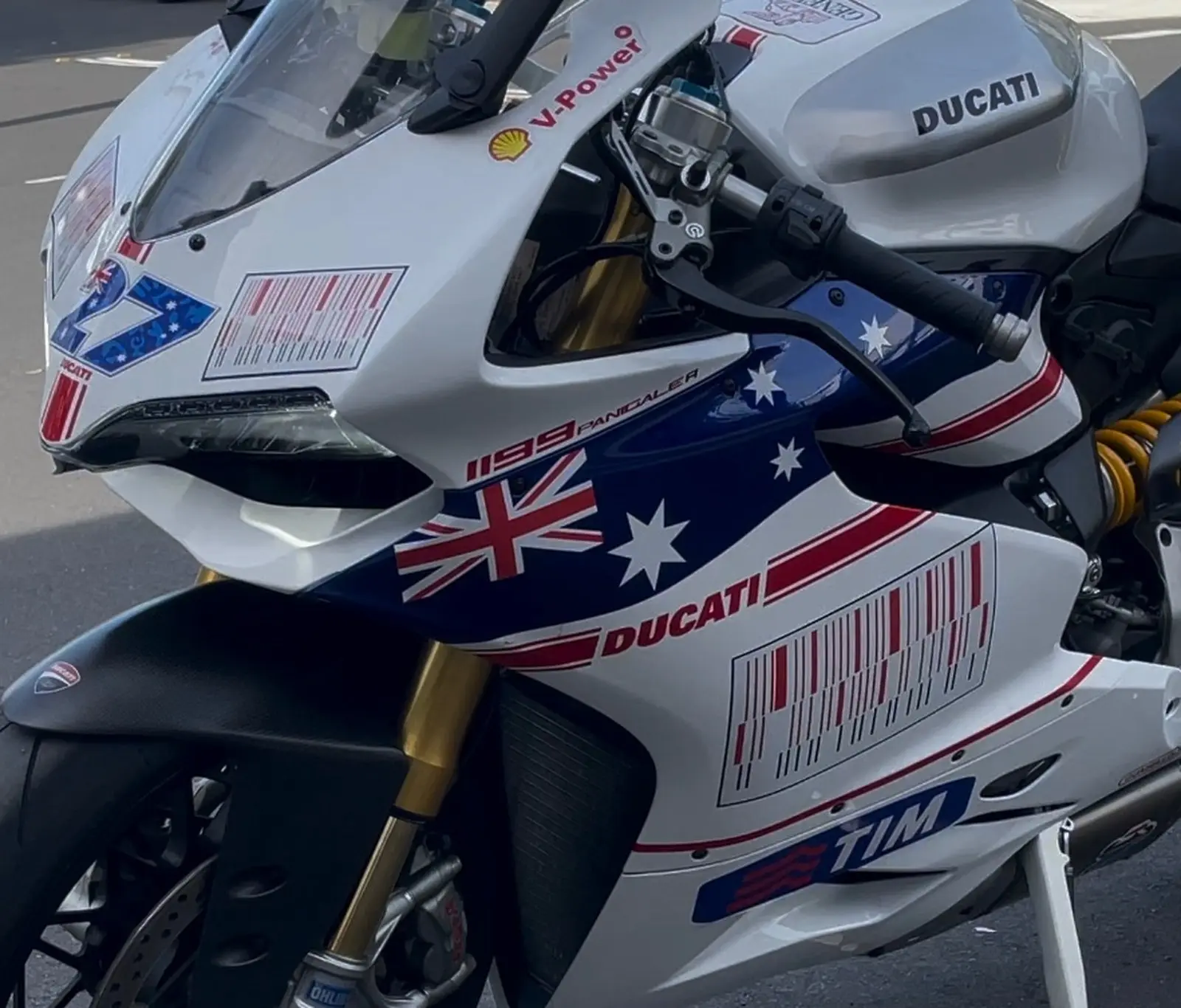
Our featured machine here is the Ducati 1199R Panigale, a superbike built for riders with real experience. Its gold front forks, black forged wheels and V-twin, rated at 143 kW, make it striking on the road. In a group, its performance should be matched by a clear head and a pace that keeps you comfortable, because the bike rewards a rider who stays within their limits.
Two hire points apply to group and solo rides alike. The rider must hold a full motorcycle licence and have held it for at least three years, and be 25 or over on every bike. Passengers are carried only on the Yamaha MT-09 SP, and the Ducati is a single-seater, so a riding partner will need their own machine.
Safety for solo and group riders
Gear protects every rider, whether they ride alone or in company. A helmet that fits well, gloves that keep your grip, a jacket and boots that cover your ankles are essential. Carry a warm layer for the cool mornings and a light layer for the afternoon heat.
Fatigue affects both styles of riding, but it can be harder to notice in a group, where a rider may feel pressure to keep up. Stop regularly, drink water and check in with yourself as well as the group. Never ride after drinking alcohol, and ride within your ability, even when the group is pushing on.
Before you set off, check road conditions with Transport for NSW and look at the forecast. Wet weather, gravel on corners and wildlife at the edges of the road affect solo and group riders in the same way, so plan the spacing and pace to suit the surface.
Choosing the ride that suits you
Think honestly about what you want from the day. If you value independence, quiet roads and a flexible plan, solo riding may be your style. If you enjoy shared experiences, conversation and the reassurance of other riders around you, a group ride may suit you better. Many experienced riders enjoy both, choosing solo days for reflection and group days for company.
Your experience matters as much as your preference. A newer rider may find a group pace unsettling, while a solo ride on unfamiliar roads may feel daunting. Start with the style that matches your confidence, and add the other once you feel comfortable.
Whichever style you choose, keep a simple debrief habit. After each ride, note what felt relaxed, what felt rushed and where you were tempted to match someone else's pace. Over several rides those notes show you whether you are growing in confidence or simply following the crowd. The honest answers you write down are often more useful than any advice a friend can offer.
Ready to ride on your own terms or with friends? Start with the fleet page, then open the Ducati listing and use the Book Now option to lock in a date. Mention your riding plans when you book, and we will help match the bike and the route to them.
Frequently asked questions
Is it safer to ride alone or in a group?
Neither is automatically safer. Solo riders have to rely on their own discipline and warning signs, while group riders must manage spacing, pace and communication. A well-run group can spot hazards and help one another, but a rider who feels pushed to keep up is at greater risk. Choose the style that you can manage calmly.
How far apart should riders in a group stay?
Keep a gap that lets you react to the bike in front, and widen it on loose surfaces, in wet weather and where sightlines are short. Avoid tucking in close, even when the road looks clear. The group should agree on spacing before you set off, so everyone knows what to expect.
What should I do if I get separated from my group?
Stop at the agreed regrouping point, or at the next wide and safe spot if you cannot reach it. Do not try to catch up on a dangerous stretch. Wait calmly, and let the group come back to you. Riding within your own ability matters more than rejoining quickly.
Can a newer rider join a group ride?
A newer rider can join if they are comfortable with the pace and the route. It helps to talk with the group beforehand, agree on a steady speed and ask for regular regroup points. Consider starting with a shorter run on quiet roads, and let the group know you may need extra space.
Does riding solo mean I have to plan everything?
Planning helps any ride, but solo riders can often be more flexible about the route and timing. Still, check the fuel points, the forecast and the road conditions before you set out. Leave a buffer in the day so that a change of plan does not turn into a rushed ride.
Can I bring a passenger on a group ride?
Check the bike section above before you plan, since it covers which machines can take someone on the back. Once that is settled, keep the pace comfortable for the bike carrying a passenger, and agree on stops that allow a proper rest. Clear communication helps the whole group move together safely.
Ready when you are. Pick your dates and book the Ducati 1199R online, or call us and we will sort it with you.
Book NowCall 0468 011 118