
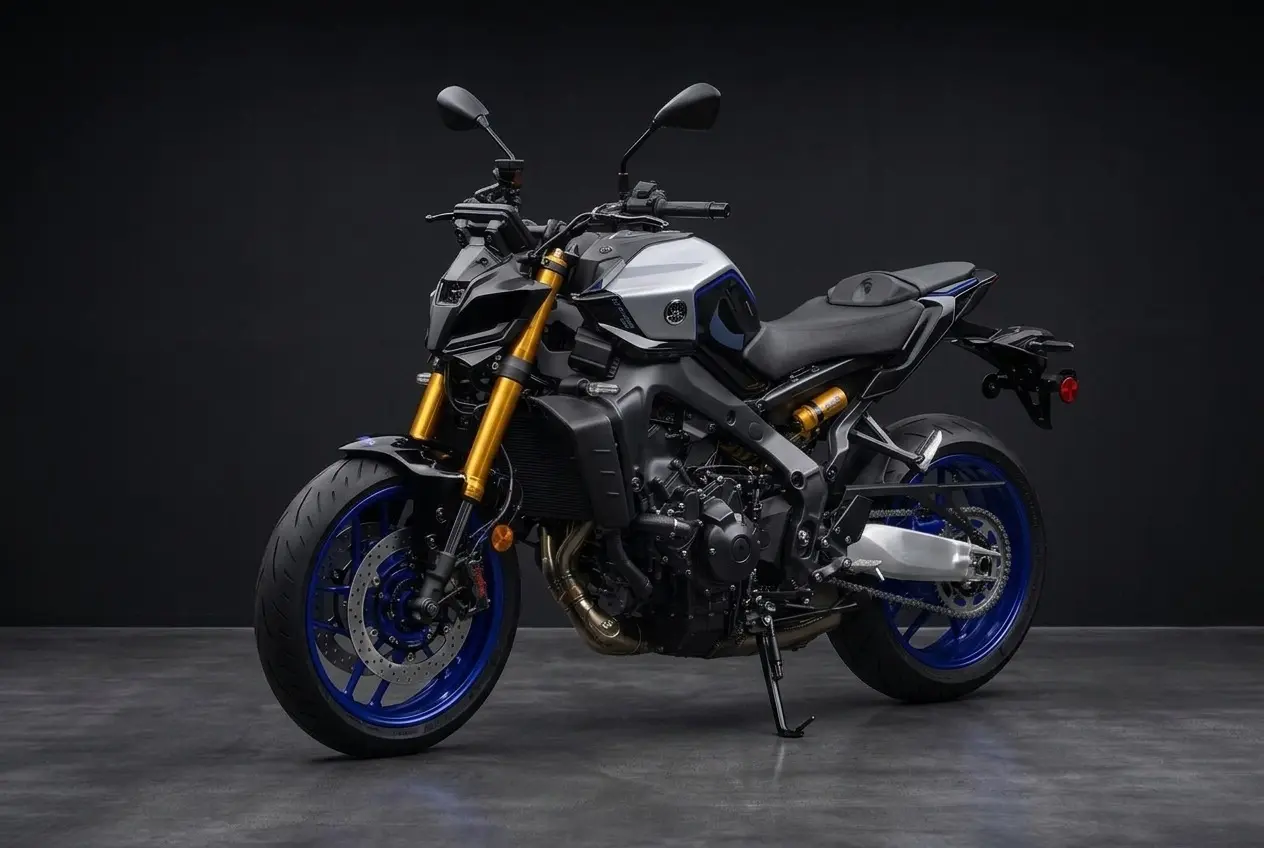
Book the Yamaha MT-09 SP. Pick your dates and book the Yamaha MT-09 SP online, or call us and we will sort it with you.
Book NowCall 0468 011 118Your first motorbike hire should feel controlled from the moment you swing a leg over the seat, and that begins with what you wear. A well-fitted helmet, an armoured jacket, gloves, boots and riding pants protect you in a slide and keep you comfortable through a full day in the saddle. This checklist walks through each piece, explains what to look for and shows how to match your kit to the roads you will actually ride, from the Parramatta start to the Blue Mountains and beyond.
New to riding with us? Our page on motorbike hire in Sydney covers the bikes, the rider rules and how pick-up works.
Start with the helmet, not the bike
The helmet is the one piece you never compromise on. Look for a label showing it meets an Australian standard, and try it on before you commit. It should sit snug all the way round your head without pressure points, and it should not shift when you gently twist your head from side to side. The chin strap must sit flush under the chin, with no slack. A helmet that feels a little loose in the shop will feel worse after an hour, so trust the fit test over any size chart you read.
Ventilation matters more than most first-time riders expect. A closed helmet on a warm afternoon in the western suburbs can become exhausting, while the cooler air on the climb into the mountains can sting your eyes if the visor is not sealed properly. Choose a helmet with a clear visor, or one with a visor you can change, and check that the vents open and close easily with one hand. Visors scratch and fog, so keep a soft cloth with you and clean the visor before you set off each morning.
Replace a helmet after a heavy knock, even when the shell looks fine. The foam liner is designed to crush on impact and does not bounce back, so hidden damage is common after a drop onto concrete. Treat the helmet as the most important item you carry on every ride, and never let a passenger or friend wear it on a shared ride without checking the fit first. A helmet that fits well, sits level and stays put is worth more than any accessory you could add.
Jacket and armour that stay in place
A riding jacket is your second line of defence. Look for abrasion resistant outer fabric, armour at the shoulders, elbows and back, and enough room to layer a thin top underneath. Leather is excellent for sliding, while modern textile jackets with a waterproof membrane suit the mixed weather of a Sydney to mountains day. Whatever you choose, it should fasten securely with every zip and vent working, because a jacket that flaps open at speed offers very little protection.
Fit is the detail most first-timers get wrong. Sit in a riding position with the jacket on: your arms should reach forward without lifting the back of the jacket, and the back protector should sit over the spine without riding up. Armour that shifts in a fall is armour in the wrong place. Hug yourself, then sit down on a chair to see whether the waist pulls open. If the jacket gaps at the belly or the cuffs ride up, go one size up or try another cut before you leave the shop.
On a cold morning in the hills, layers do the work. A thermal base, a light mid layer and a windproof outer shell give you options as the temperature changes through the day. The ride down from Katoomba can feel chilly before the sun clears the valley, while the afternoon back towards Parramatta often feels close and warm. Being able to add or remove a layer at a fuel stop keeps your attention on the road, and it means you are not tempted to push on through discomfort.
Gloves, boots and riding pants
Gloves protect the part of your body that will reach for the ground first. Pick a pair with reinforced palms and knuckles, and make sure you can work the clutch, the brake and the throttle without your fingers bunching. Thin summer gloves are fine for short trips, but a full-length cuff with a secure closure keeps wind and grit out of the jacket sleeves. Wear them around the house for an hour before your first ride so the seams have softened and nothing rubs.
Boots should cover the ankle, have a firm sole with a grip pattern that will not slip on a petrol station forecourt, and fasten with a buckle or laces that stay tied. Everyday sneakers will not protect your foot if the bike ever falls on it. Make sure your boots fit with the sock thickness you will actually wear, and that your toes have room at the front without touching the toe box when you press the rear brake. A comfortable boot is also a safer boot, because cramped feet tire quickly on a long day.
Riding pants should be armoured at the hip and knee and sit high enough to cover the top of your boot when you are seated on the bike. Jeans are not a substitute, because they offer little abrasion resistance and no impact protection. Textile or leather pants with a waterproof liner handle changing weather well, and a pair with a zip-in thermal liner suits cooler months. Check that the legs are long enough to reach the top of the boot, since a gap at the ankle is exactly where road rash starts in a slide.
The hire terms that shape what you bring
Our hire terms affect your kit, so here they are, stated once. Helmets (Shark, AGV or Bell) can be hired from us in small, medium or large for $50 per hire, or you can bring your own. We do not supply jackets, gloves, pants or boots, so bring your own riding gear. Losing or damaging a helmet while it is on hire brings a replacement charge with it. To ride, you must hold a full motorcycle licence, have held it for at least 3 years, and be aged 25 or over on every bike we rent.
If you bring your own kit, do the sizing at home in front of a mirror, and ask a friend to check that nothing gaps when you lean forward. Helmets (Shark, AGV or Bell) can be hired from us in small, medium or large for $50 per hire, or you can bring your own. We do not supply jackets, gloves, pants or boots, so bring your own riding gear. Either way, you should be satisfied with the fit before the bike is unlocked.
Wet weather and cold mornings
Rain changes everything on a motorbike. Road surfaces are at their slipperiest in the first hour of a shower, when oil and dust lift to the top of the bitumen. Pack a waterproof outer layer that covers the jacket and pants, and keep your gloves dry because cold, wet hands lose feeling quickly. If the forecast turns while you are out, shorten the ride rather than pushing on to a destination that can wait for another day.
Cold mornings in the hills need planning. Temperatures around the Blue Mountains can sit well below what Parramatta feels like at dawn, and shaded corners stay damp and cold for longer than the open road. Wear the thermal base before you leave home, and consider a neck tube or balaclava under the helmet. Your visor will fog as you warm up at lower speeds, so keep an anti-fog cloth in a jacket pocket where you can reach it without stopping.
Check the forecast before you leave Parramatta and again at your first fuel stop, rather than trusting the sky you see from the car park. Conditions can change quickly on the climb, and the descent may be damp from low cloud even when the valley looks dry. A rider who has packed for the weather can enjoy the scenery, while one who has not will spend the afternoon watching the clouds and wondering whether to turn back.
A gear check before you ride
Before you start the engine, run a short check of your kit: every zip and velcro closure, the visor, the gloves, the boots, and whether the pants stay in place when you crouch down. Give the helmet a firm tug at the chin strap to confirm it is locked. This takes two minutes at the start and saves a roadside problem on a corner where there is nowhere to pull over safely.
Then ride a short loop in quieter streets to test how the kit feels in motion. Check that the visor does not fog at walking pace, that the jacket does not balloon open, and that you can reach the controls without stretching. Pay attention to pressure points on the knees, the wrists and the lower back, because a small rub at the start of a ride becomes a sore spot after an hour on the highway.
Fatigue is a safety issue that no gear can fix. Stop at least once an hour, stretch your shoulders and hands, drink some water and check your visor. Never ride after drinking alcohol, and do not set out tired after a long day in the city. Ride within your own ability on every stretch, especially on your first hire, and let the bike show you what it can do before you ask more of it. A rider who arrives fresh at the end of the road is a rider who enjoyed the ride.
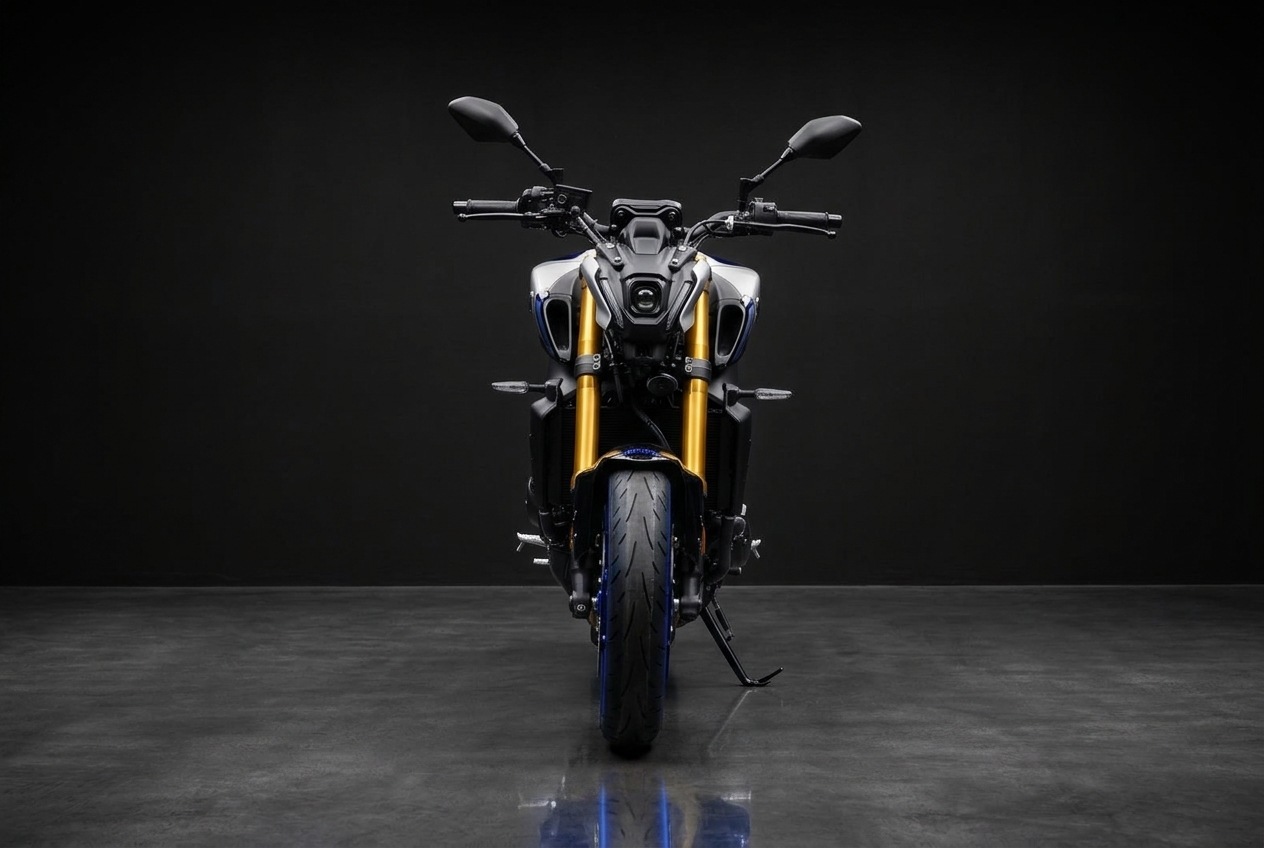
Want the Yamaha MT-09 SP for your date? Pick your dates and book the Yamaha MT-09 SP online, or call us and we will sort it with you.
Book NowCall 0468 011 118Riding in low light and wildlife country
Wildlife is most active at dawn and dusk. Kangaroos, wallabies and wombats can step onto the road without warning, especially on the rural edges of the Hawkesbury and in the valleys below the Blue Mountains. Your gear helps here. A bright helmet colour and a high-visibility or reflective band on the jacket make you easier to see in poor light, and they help drivers pick you out as you approach a bend or an intersection.
Riding at a speed that lets you stop within the distance you can see clearly ahead is the real protection, and it matters more than any single item of kit. Cover the front brake as you approach a dip or a blind bend, where an animal may be standing still in the shadow. Keep your eyes moving between the verge and the road ahead, and scan the tree line on both sides when you enter a shaded section of the highway.
Dusk falls quickly in the mountains, and cool air settles in the valleys long before the light goes from the ridgelines. Carry a warm layer you can put on at a stop, and keep your gloves dry so you can operate the controls smoothly. Plan the return leg so that you are not caught on unfamiliar stretches in the last of the light, and let the timing of your fuel stops work in your favour.
Route, season and stops for a Blue Mountains day
A typical first Blue Mountains loop starts in Parramatta and heads west on the Great Western Highway. The road climbs through Penrith and Emu Plains before the escarpment rises ahead of you. Expect roughly 90 kilometres to Katoomba, which takes around an hour and a half at a relaxed pace without long stops. The highway carries heavy trucks and a lot of weekend traffic, so ride with space in front of you and keep well clear of the lanes beside them.
Spring and autumn are the best seasons for this ride. Temperatures are mild, road surfaces are usually drier, and the bush looks its best. Summer afternoons are hot in the western suburbs and storms can build over the mountains. Winter mornings are crisp, and you should plan for frost in shaded hollows. Sundays and long weekends bring heavy crowds to the lookouts, so an early start on a weekday gives you a calmer road and easier parking at the viewpoints.
For fuel, top up in Penrith or Emu Plains before the climb, because you will want a full tank for the return trip. Food stops in Blackheath and Katoomba include cafes and bakeries with outdoor tables, a good place to stretch your legs and check your gear. The road character changes along the way: long sweeping bends, some tighter corners near the lookouts, and a mix of smooth bitumen and patched sections. Before you head off, look up the latest conditions through Transport for NSW.
Your pre-ride checklist
Use this list before every ride, not just the first one. A fresh set of eyes on your kit at the start of each day catches the problems that build up slowly, such as a worn glove seam or a visor that has picked up a scratch overnight. Work through it at a table rather than in a rush at the kerb, and you will leave with a clear head and a settled ride.
Confirm that your helmet is fitted and checked, your jacket has its armour in place, your gloves are dry, your boots are laced and buckled, and your pants have armour at the hip and knee. Add a warm layer, a waterproof layer and an anti-fog cloth, and make sure your phone is charged and secured in a holder that does not block your view of the instruments. Keep a bottle of water in reach.
- Helmet fitted, chin strap snug and visor clean
- Jacket zipped, vents closed or open as the day needs, armour in place
- Gloves dry, cuffs closed, seams comfortable
- Boots laced or buckled, soles grippy, toes clear of the controls
- Pants armoured at hip and knee, long enough for the boot top
- Warm layer, waterproof layer and anti-fog cloth packed
- Phone charged and mounted where it does not block your view
Ready for your first hire
Once your kit is sorted, the rest of the planning is simple: pick a day with good weather, plan your fuel and food stops, and give yourself time to enjoy the road. Our team at Drive Tribe will walk you through the bike at the Parramatta base before you go, so you know where the controls are and how the bike responds before you reach the Great Western Highway.
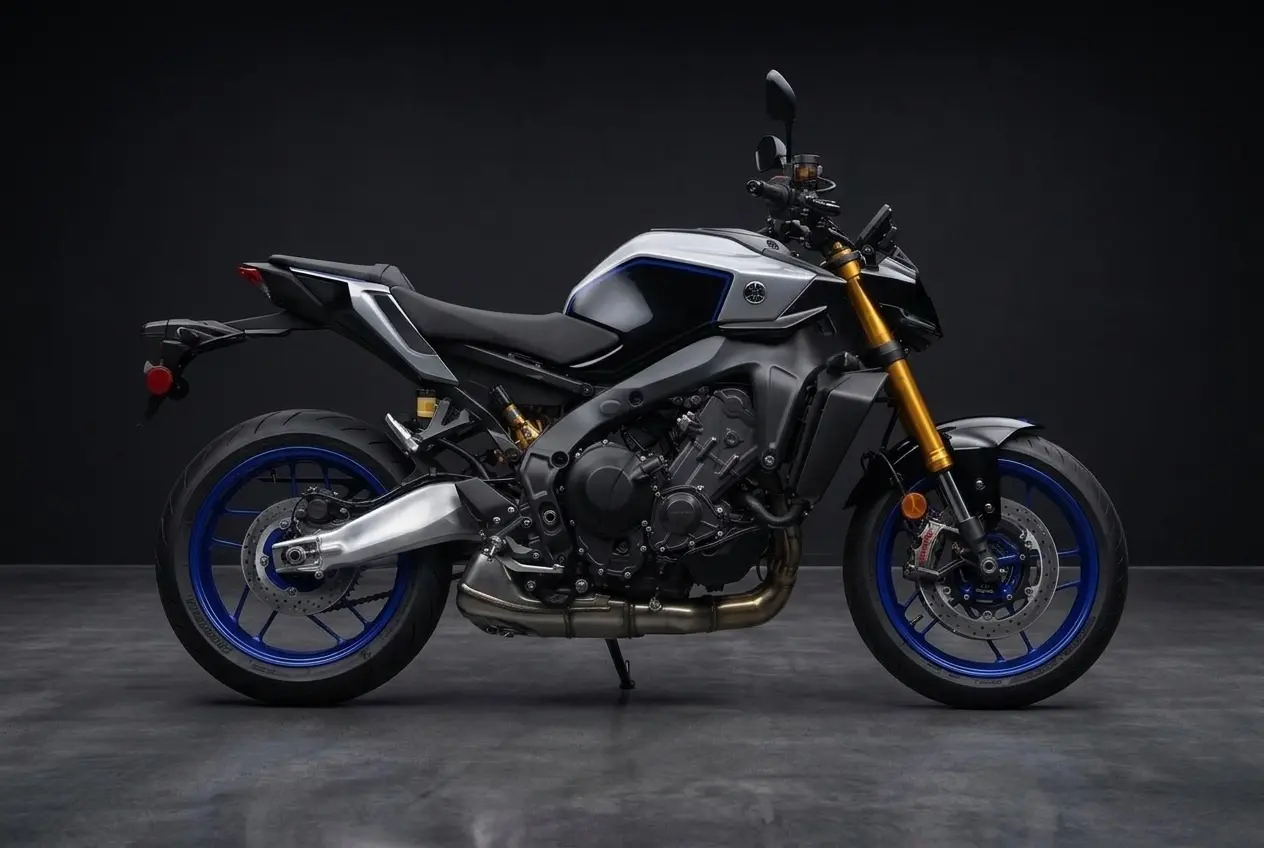
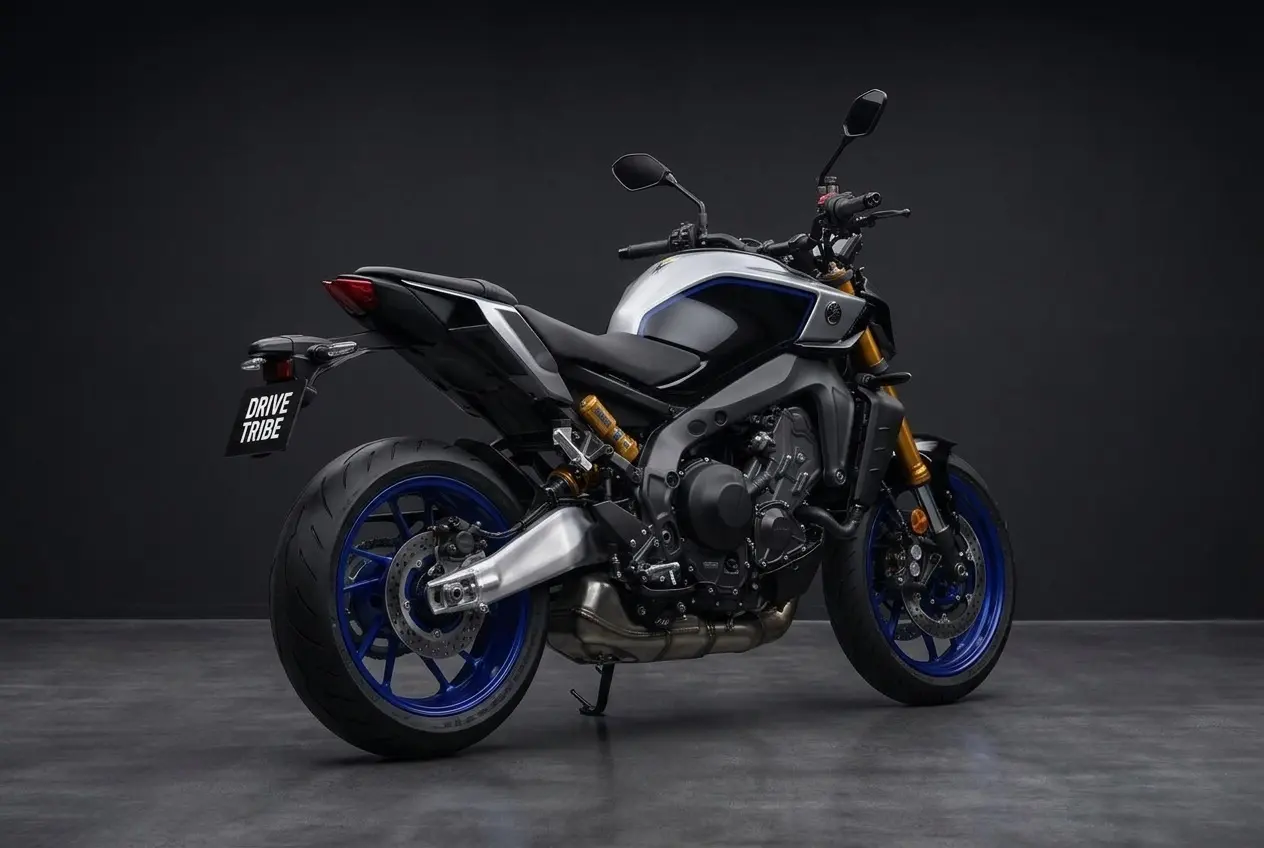
If you are ready to take your first ride with us, the Yamaha MT-09 SP is a good place to start. It is an inline three performance naked bike with premium adjustable suspension and gold front forks, and its strong brakes give you confidence as you find your rhythm on the corners. Book your Yamaha MT-09 SP hire today and bring the kit you have planned for, so every ride starts with confidence.
Frequently asked questions
What is the single most important piece of riding gear?
The helmet. It protects the part of your body most likely to be injured in a fall, so the fit matters more than the brand or colour. Try it on before you leave, check that it sits level and stays in place when you twist your head, and make sure the chin strap is snug. A helmet that moves around or pinches at the temples should not be used, no matter how good it looks on the shelf.
Can I wear sneakers instead of motorcycle boots?
It is not a good idea. Sneakers do not cover the ankle, offer little grip on the footpeg or the road, and provide no protection if the bike falls on your foot. Motorcycle boots have a firm sole, a secure fastening and a protective shell around the ankle. A comfortable, well-fitted boot is worth the effort on a long day in the saddle, and it is one of the simplest upgrades a first-time rider can make.
How do I stop my visor fogging on a cold morning?
Start with a clean visor, because smears and oils hold moisture. Keep an anti-fog cloth in your jacket and wipe the inside of the visor before you set off. Avoid breathing directly onto the visor by keeping the chin vents shut when the air is cold and damp. If the fog returns at a stop, lift the visor for a moment to let the air clear, then close it again before you ride on.
Do I need a waterproof layer if the forecast is clear?
Yes, it is worth packing one. Mountain weather can change within an hour, and the descent from the high ground can be damp even when the valley is dry. A lightweight waterproof layer takes up little room in a pack and keeps you warm and comfortable if a shower arrives. Carrying one means a passing cloud becomes an inconvenience rather than a reason to cut the ride short or ride cold.
Should I ride the same day I collect the bike?
Plan the first ride for a day when you have time to settle in. Give yourself a short loop to test the controls, the brakes and the way the bike responds at low speed before you head out onto the highway. Check the gear, take a break when you need one and do not feel you have to cover a long distance on your first outing. A relaxed first ride builds the confidence that makes the longer roads far more enjoyable.
What should I do if I feel tired on the road?
Stop somewhere safe as soon as you notice the signs, such as drifting attention, heavy eyes or stiff shoulders. Get off the bike, stretch, drink some water and eat something light before you continue. Do not push on to reach a destination, because fatigue slows your reactions just as much as alcohol does. Ride within your own limits on every trip, and treat a break as part of the ride rather than a delay to it.
Ready when you are. Pick your dates and book the Yamaha MT-09 SP online, or call us and we will sort it with you.
Book NowCall 0468 011 118