
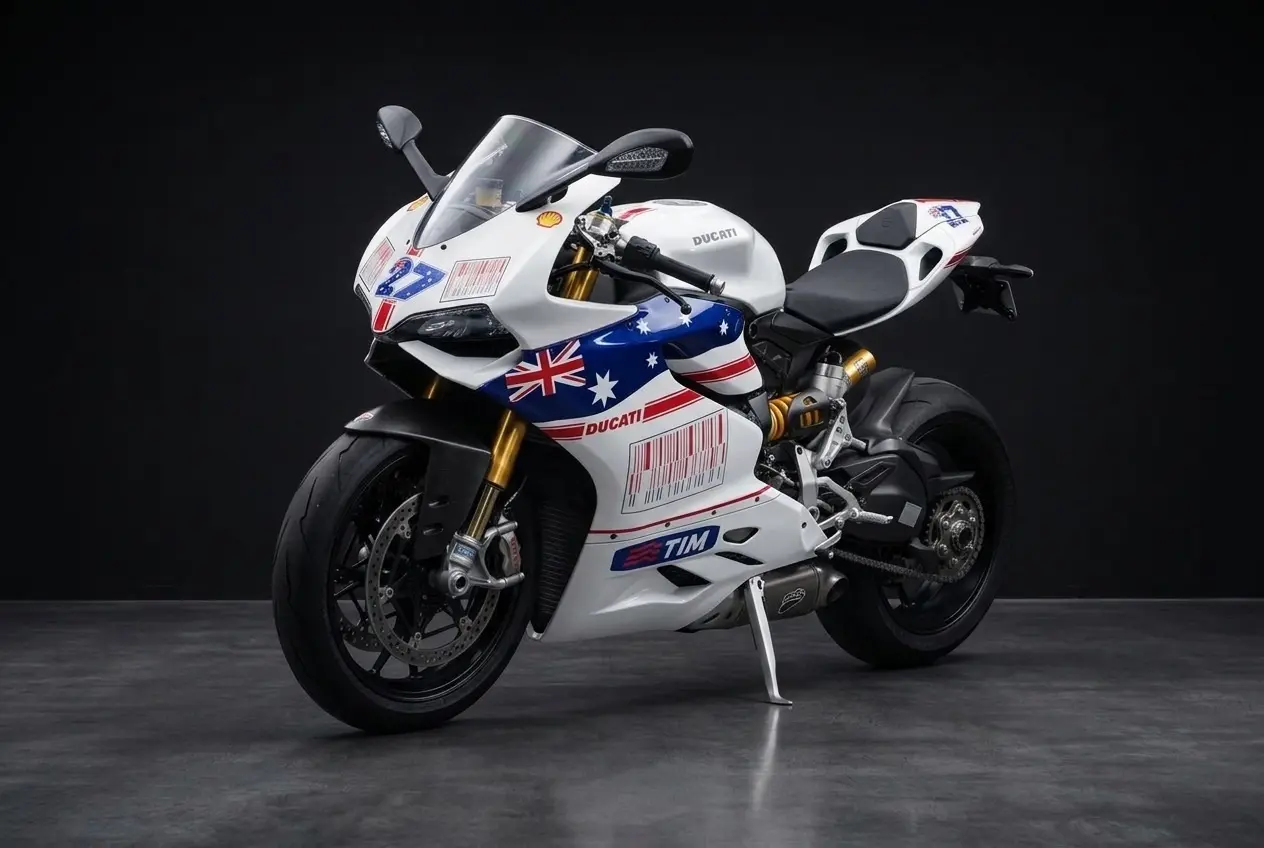
Book the Ducati 1199R. Pick your dates and book the Ducati 1199R online, or call us and we will sort it with you.
Book NowCall 0468 011 118A tailwind feels like a gift. The air that normally pushes back against you on a bike drops away, the engine seems to pull more easily and the whole ride takes on a lazy, effortless character. That is exactly why a following wind can be risky. The sensation of ease can persuade a rider that the road is calmer than it really is, and the pace creeps up without anyone noticing. This guide looks at how wind shapes a ride, why it can mislead the senses and how to keep every kilometre inside your own limits.
New to riding with us? Our page on motorbike hire in Sydney covers the bikes, the rider rules and how pick-up works.
Why a tailwind feels like nothing at all
On a motorbike, wind is usually the first thing you feel. A headwind pushes against the rider with every metre, and that resistance is one of the clearest signals of how fast you are travelling. A tailwind removes most of that signal. The breeze that normally buffets your jacket fades, the helmet stops rattling and the bike seems to glide along without much effort.
The result is a sense of calm that can hide the true pace of the ride. Your body reads the lack of wind as a lack of speed, even though the bike may be covering ground at a good rate. Riders who are used to judging their pace by the sensation of airflow can find that their feel for the road is out of step with reality.
This is not a problem with the bike. The bike is working as it should. It is the rider's sense of the situation that needs care, because a calm, easy ride can encourage small increases in pace that add up over a long stretch of road.
How wind shapes the ride
Wind affects the bike in several ways at once. A steady tailwind reduces the effort the engine needs to hold a given pace, which can make the throttle feel lighter and the bike more responsive. Gusts behind you can push the bike slightly forward or unsettle the rear, and sudden lulls can change the balance of the machine in the middle of a bend.
The air around you also changes how the ride feels through corners. When the wind comes from behind, your body may feel less braced than it would in a headwind, and that can make small movements of the bike seem more pronounced. Keep your posture relaxed but ready, and expect the feeling of stability to shift as the wind changes direction across the road.
Think of the wind as part of the road conditions rather than a separate factor. A breeze that is pushing you along can also set up a crosswind on the next bend, so the same gust that felt helpful on the straight may be a challenge when you lean into a corner.
Crosswinds, gusts and open country
Crosswinds are the more demanding cousin of the tailwind. A wind blowing across the road can push the bike sideways, particularly on open stretches where there are no trees, hills or buildings to break it up. Keep both hands on the bars, hold a steady line and avoid sudden corrections that could make the bike wander.
Open country and exposed coastal roads are where gusts are most noticeable. Headlands and bridges can funnel the wind, and a sudden change of direction can catch you unprepared. When you see the grass, the trees or the water moving in a way that suggests a shift in the wind, slow down early and give yourself space to adjust.
Gusts can also arrive from the side of the road at the edge of a shelter belt. Expect them where a line of trees or a cutting ends, and let the bike settle before you commit to a lean.
Why riders get carried away
Riders rarely decide to go faster in a tailwind. Instead, the pace creeps up as the ride feels easy and the road seems to ask for nothing. A few extra kilometres an hour on a long straight can feel like nothing at all, yet they reduce the distance you have to stop and the margin you have to react to a hazard.
A useful habit is to judge your pace by the road rather than by how easy the wind feels. Look at the sightline ahead, check what is around the next bend and ask whether you could stop comfortably if a vehicle or animal appeared. If the answer is no, ease off, whatever the wind is doing.
Stay within the posted limit at all times, and treat the limit as a ceiling rather than a target. The wind may tempt you to ride closer to it, but the road conditions, the traffic and your own ability should decide the pace on any given stretch.

The best time to ride with the wind
Choose your day with the wind in mind. Check the forecast the night before and look at how the breeze is expected to change through the day. Many riders find that the early morning is calmer, with lighter winds and cooler air, while the afternoon can bring stronger gusts as the day heats up. Riding after 6am, once the bike is out of the garage, lets you judge the conditions in better light.
Autumn and winter tend to bring steadier, cooler weather along the coast, although cold winds can be sharp at dawn. Spring can be windy, with changeable conditions that shift quickly. Summer brings heat and the risk of afternoon storms, which can turn a comfortable tailwind into a gusty, unpredictable push. Plan the ride for the time of year, and carry a warm layer for cool starts.
Traffic and crowds change the feel of the road too. Weekends draw touring riders, day trippers and caravans to the coast, and lookouts and cafés can fill up quickly. A weekday ride gives you more space and a steadier pace, whatever the wind is doing.
Want the Ducati 1199R for your date? Pick your dates and book the Ducati 1199R online, or call us and we will sort it with you.
Book NowCall 0468 011 118Fuel, food and the windy stretch
Fuel up before you reach an exposed stretch. Wind can make the bike work harder when you turn around, and the distance between service stations on open roads can be longer than it appears. Keep the tank above half where possible and plan the return leg so that you do not run low in a gusty section.
Food stops are best planned in the larger towns, where the cafés and bakeries offer a sheltered place to rest. Wind can be tiring in its own way, even when it is behind you, because your body is constantly making small adjustments to keep the bike steady. A proper break lets you reset your focus and warm up before the next section.
Keep water in your pack and take a short pause every hour. Stop somewhere sheltered, drink, check the bike and let the wind settle in your mind before you set off again.
The Ducati and the hire rules
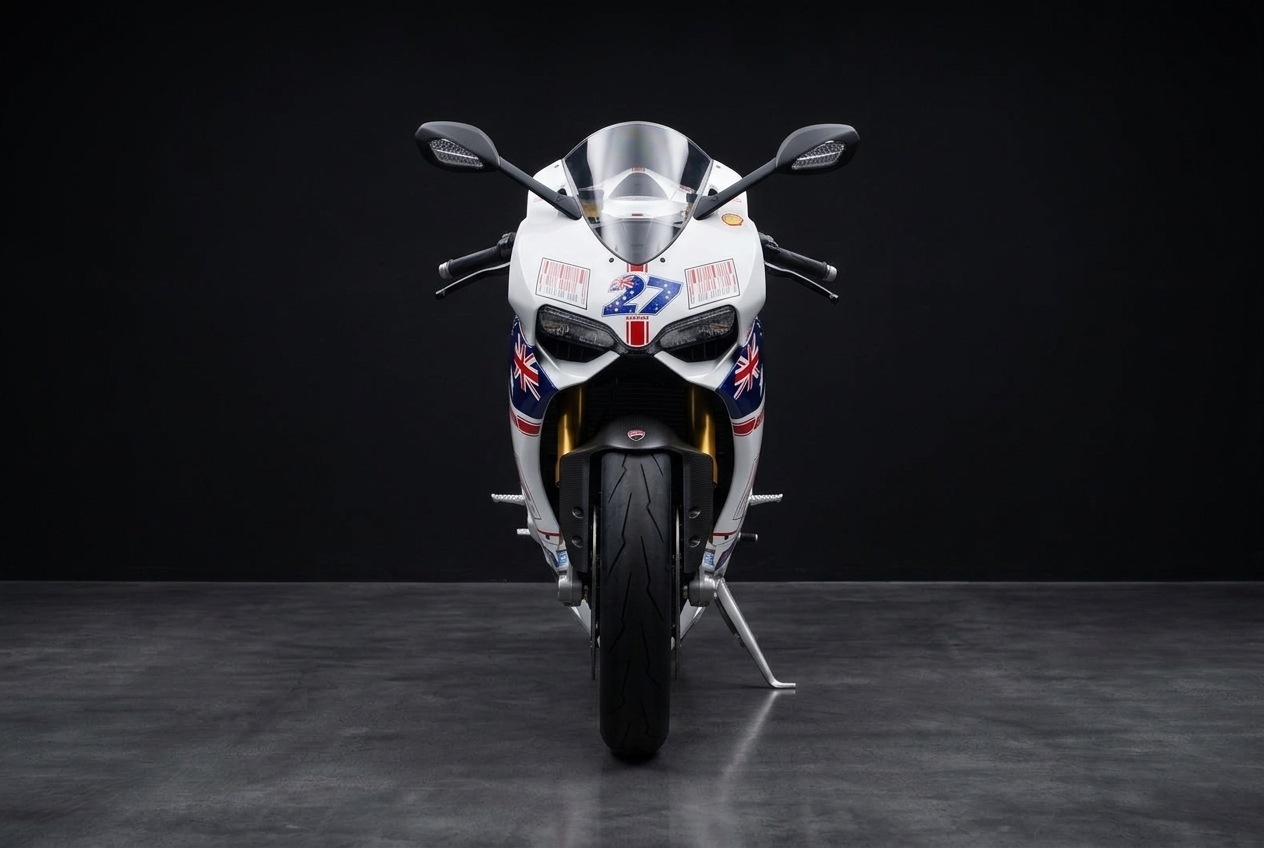
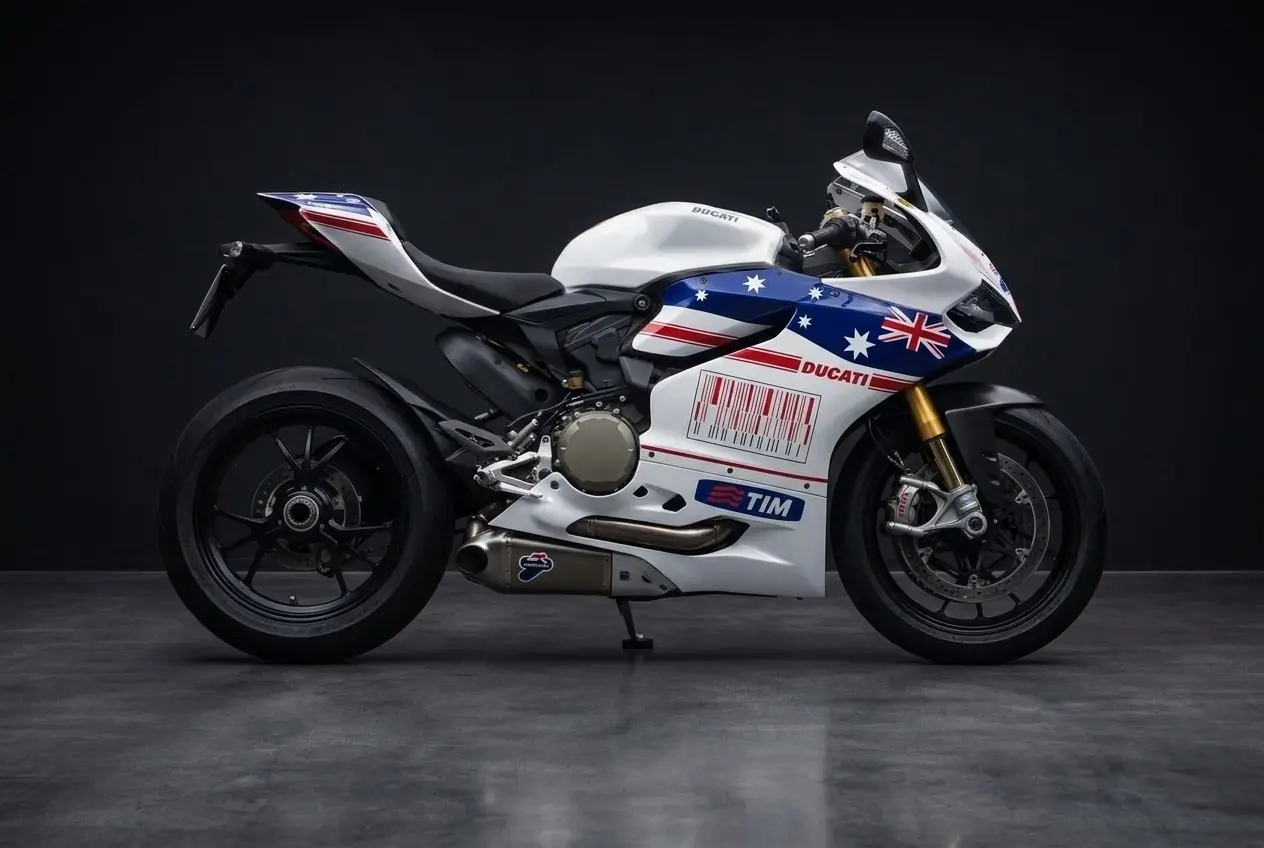
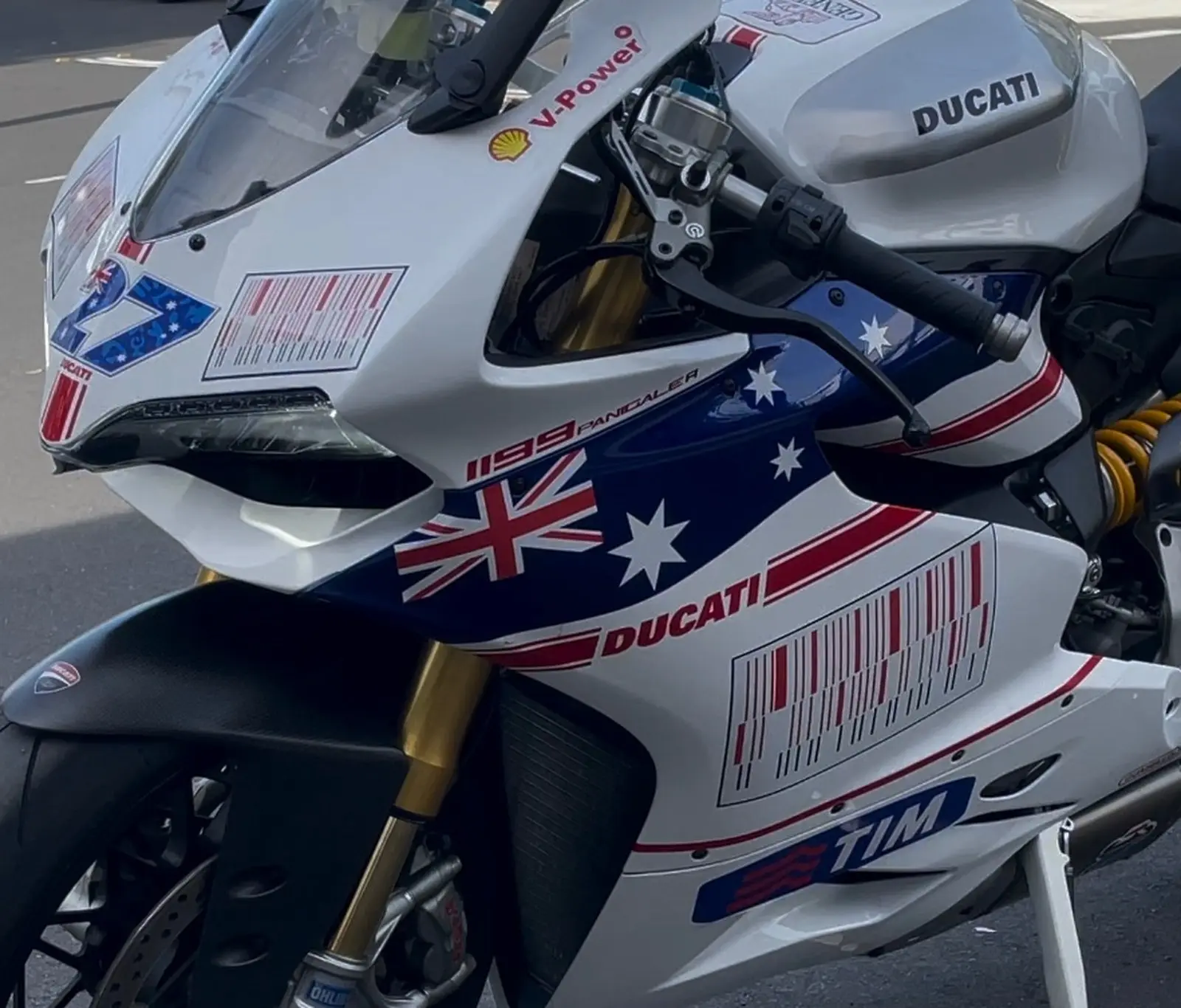
The Ducati 1199R Panigale is our featured bike for this topic, and it is a machine that rewards a respectful approach. It carries the Australian flag livery, a tribute to Casey Stoner, who won his first MotoGP World Championship on a Ducati in 2007. Its V-twin is rated at 143 kW, and its gold front forks and black forged wheels give it a striking look on the road.
Because the Ducati is a superbike for experienced riders, it is the bike that most needs a calm, measured pace in changing wind. Choose the day, keep the pace within your comfort zone and let the wind be a reason to slow down rather than a reason to push.
Two hire points apply to this ride. To ride, you need a full motorcycle licence that has been held for a minimum of three years, and you must be 25 or older for each machine. Helmets (Shark, AGV or Bell) can be hired from us in small, medium or large for $50 per hire, or you can bring your own. We do not supply jackets, gloves, pants or boots, so bring your own riding gear. Helmets (Shark, AGV or Bell) can be hired from us in small, medium or large for $50 per hire, or you can bring your own. We do not supply jackets, gloves, pants or boots, so bring your own riding gear.
Gear, fatigue and cold air
Gear matters more in changing wind than you might expect. A jacket that seals well, gloves that keep your grip and a helmet that fits snugly all help you stay stable and comfortable. Carry a warm layer for cool starts, because the wind can cool your body quickly even when the day looks warm.
Fatigue is a quiet hazard on a tailwind run. The smooth, effortless feel can lull you into inattention, so stop regularly, stretch and drink water. If you feel drowsy, pull into a safe place and rest. Never ride after drinking alcohol, and ride within your ability at all times.
Wildlife can appear from the verge at dawn and dusk, when kangaroos, wallabies and cattle move about. A gust can make a sudden swerve more dangerous, so keep your speed easy in low light and watch the edges of the road closely.
Planning the day and checking conditions
Before you set out, check road conditions with Transport for NSW and look at the wind forecast for the route. Know where the exposed sections are and where the sheltered stretches lie, so you can prepare for each one.
Plan a return that gives you time in hand. A tailwind on the way out often becomes a headwind on the way back, and a rider who has been pushed along all morning can be surprised by the change. Build in breaks, keep your pace steady and aim to be home before the wind and the light change.
If a windy coast ride is calling you, we would be glad to help you plan it. Browse the fleet, then use the Book Now option on the Ducati's page to reserve your date. Tell us about your experience when you book, and we will help you choose a bike and a route that suit the day.
Frequently asked questions
Why does a tailwind make riding feel easier?
The wind that normally pushes back against the rider is reduced, so the bike feels smoother and the engine works less to hold a pace. That easy feeling is a sensation rather than a measure of the road, and it can encourage riders to go faster without noticing. Judge your pace by the road and the traffic, not by how calm the air feels.
Is a crosswind more dangerous than a tailwind?
Crosswinds can be more demanding because they push the bike sideways and can change suddenly. A tailwind mainly affects your sense of pace, while a crosswind asks for constant small corrections through the bars and body. Hold a steady line, keep both hands on the grips and ease off early when gusts appear.
Should I slow down when the wind picks up behind me?
Yes, slowing down is a sensible response to gusts or a changing breeze. Give yourself more distance from other vehicles and expect the bike to shift slightly when the wind changes. Ease the pace until the bike feels settled, then continue at a speed that suits the conditions and the road ahead.
Does a headland or bridge change the wind?
Yes. Headlands, cuttings and bridges can funnel or deflect the wind, creating gusts and sudden changes of direction. Watch the grass, trees and water for signs of a shift, and slow down early when you approach an exposed point. Give yourself room to adjust before you lean into the next bend.
Can I ride a coastal route in the early morning?
Early mornings often bring lighter winds and cooler air, which can suit a rider who wants a calm, steady start. Wait until the bike has left the garage after 6am, carry a warm layer, watch for wildlife in the low light and keep your speed easy until the day warms up.
What should I pack for a windy day out?
Pack a warm layer, water, a light snack and any gear you need to stay comfortable and dry. A jacket that seals well and gloves that keep your grip are particularly useful when the wind changes. If you plan a longer ride, keep a small pause kit in your pack so you can stop safely and check the bike when needed.
Ready when you are. Pick your dates and book the Ducati 1199R online, or call us and we will sort it with you.
Book NowCall 0468 011 118