

Book the Yamaha MT-09 SP. Pick your dates and book the Yamaha MT-09 SP online, or call us and we will sort it with you.
Book NowCall 0468 011 118You are cruising along a flat stretch, the bend ahead looks gentle and then the road tips uphill or drops away more sharply than you expected. Suddenly the gear you are in feels wrong. Downshift too late and the engine labours, shift in the middle of the corner and the bike can unsettle under you. The skill is not speed but timing, and a steep road rewards a rider who makes the gear change before the lean begins. This guide sets out a calm, repeatable method for handling a steepening road on a Yamaha MT-09 SP.
For the bikes we hire, who can ride them and how a hire runs, see motorbike hire in Sydney.
When a road steepens without warning
Many country roads change character halfway through a bend. A gentle sweep can rise into a climb, or fall into a dip that drops the road away from you. Because the change often arrives without a clear warning, riders can be caught in a gear that suits the flat but not the slope, and the bike responds by feeling heavier, lazier or suddenly eager.
The first clue is usually the view. A horizon that lifts, a stretch of road that disappears over a crest or a change in the colour of the surface can all mean the grade is shifting. Pay attention to these signals early, because the earlier you notice them, the more time you have to set the bike up for the change.
Think of a steep road as a test of anticipation. You are not reacting to the hill so much as preparing for it, and the rider who looks ahead is the one who handles the gradient with ease.
Why gear choice matters on a grade
On a climb, the gear you choose determines how the engine delivers its pull. A gear that is too high asks the engine to work hard and may leave you rolling along at a slower pace than you would like. A gear that is too low can make the bike rev more than necessary and reduce the smoothness of the ride. The right choice keeps the engine in a comfortable range without constant adjustment.
On a descent, the gear choice takes on a different role. Engine braking helps control your speed, reducing the need for the brakes and keeping the bike settled. Choosing the gear before the descent begins means you are not forced to brake hard on the slope, which is when the bike is most likely to unsettle.
Gear selection is therefore part of your braking strategy, not just a matter of comfort. A well-chosen gear gives you control of the bike's speed without pressing the brake levers harder than the road allows.
Plan the downshift before the bend
The safest downshift is the one you make before you lean. Begin the change on the straight, while the bike is still upright, and use the time before the corner to settle into the right gear. Once the lean starts, the bike should be steady, and any further gear change should be avoided.
Work through the sequence in a calm order. Look ahead to see the shape of the bend, reduce speed in a straight line with the brakes if needed, select the lower gear as the speed comes down and then release the clutch smoothly. Keep your inputs gentle, because the front tyre carries the load of the brakes and any sharp movement can upset the balance.
Timing is everything. Downshifting too early can leave you with the bike slowing more than you need, while downshifting too late can put you in the bend with the wrong gear and the engine out of its comfort zone. Aim to finish the change while the bike is still upright and you are still on the straight.
Clutch control and the smooth release
Clutch control is the skill that makes a downshift invisible. Release the lever progressively, feeling for the point where the engine and the rear wheel begin to talk to each other. A sudden release can cause the rear to hop or the bike to lurch, and that is exactly what a steep bend does not need.
A small throttle adjustment during the downshift helps match the engine speed to the lower gear. Blip the throttle gently as the clutch comes up, so that the bike settles smoothly rather than jerking. Practise this on flat ground first until it feels natural, because the finer the touch, the calmer the bike will be on a grade.
Hold the lever with a light grip. Gripping hard can make the input jerky, and a relaxed hand makes it easier to feel the moment the clutch engages.
Staying upright through the corner
Once the bike is leaning, the gear should be set. Mid-corner shifts are where many steep-road problems begin, because the bike is loaded in a way that makes sudden inputs risky. If you find you have not changed gear before the bend, avoid the urge to shift in the middle of the lean. Instead, ease the throttle smoothly, hold your line and wait for the bike to exit the corner before adjusting.
Keep your head level and your gaze through the bend, toward the exit. Your body position should support the lean, without leaning against the bike. The bike follows the line your eyes set, so looking into the corner gives you the best chance of a smooth exit.
Ride the bend at a pace that suits the grade. On a climb, let the bike pull steadily; on a descent, let the engine slow you. A steady rhythm keeps the bike stable and the gear change predictable.
Best time and season for hill roads
Early mornings and weekdays are usually the quietest times on steep country roads, with fewer trucks, tractors and tourists. Wait until the bike has come out of the garage after 6am, and take the first climbs with care because the cold air can leave the surface damp. Watch for wildlife at dawn and dusk, since kangaroos and cattle can step onto the road where it steepens or bends.
Autumn and spring offer the most comfortable riding, with mild temperatures and good visibility. Summer heat can make a long climb tiring, and the afternoon can bring storms that leave the road slippery. Winter mornings can bring cold, damp surfaces and frost in the shaded hollows, so keep the first gear changes gentle and let the bike warm up before tackling the steepest sections.
Plan fuel and food stops around the climbs. Top up in the larger towns before you head into the hills, since fuel stops can be far apart on quiet roads. Choose a lunch stop in a town with a bakery or café, and avoid stopping on the grade itself. Weekend riders and touring groups can fill the better-known hill roads, so a weekday ride or an early start keeps the road calmer.
Want the Yamaha MT-09 SP for your date? Pick your dates and book the Yamaha MT-09 SP online, or call us and we will sort it with you.
Book NowCall 0468 011 118The Yamaha and the hire rules
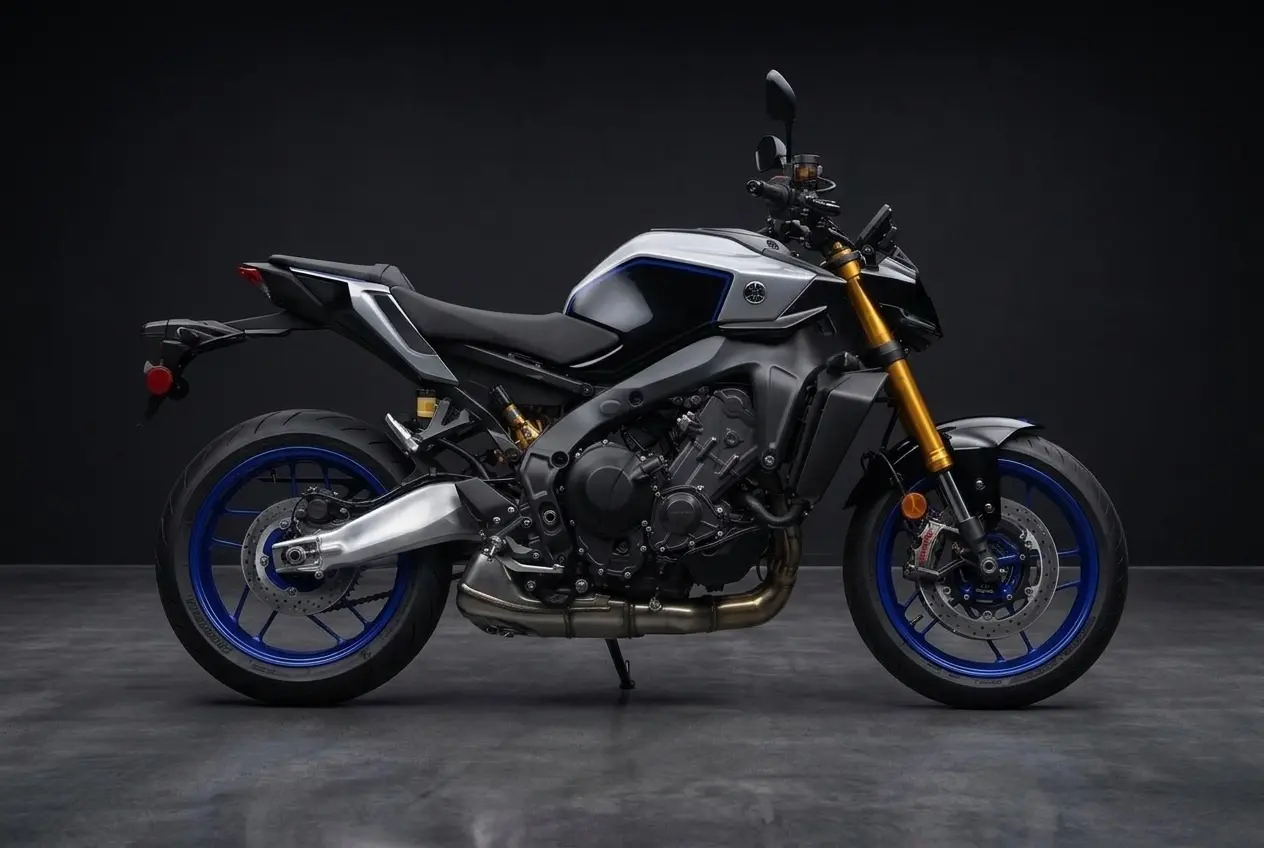
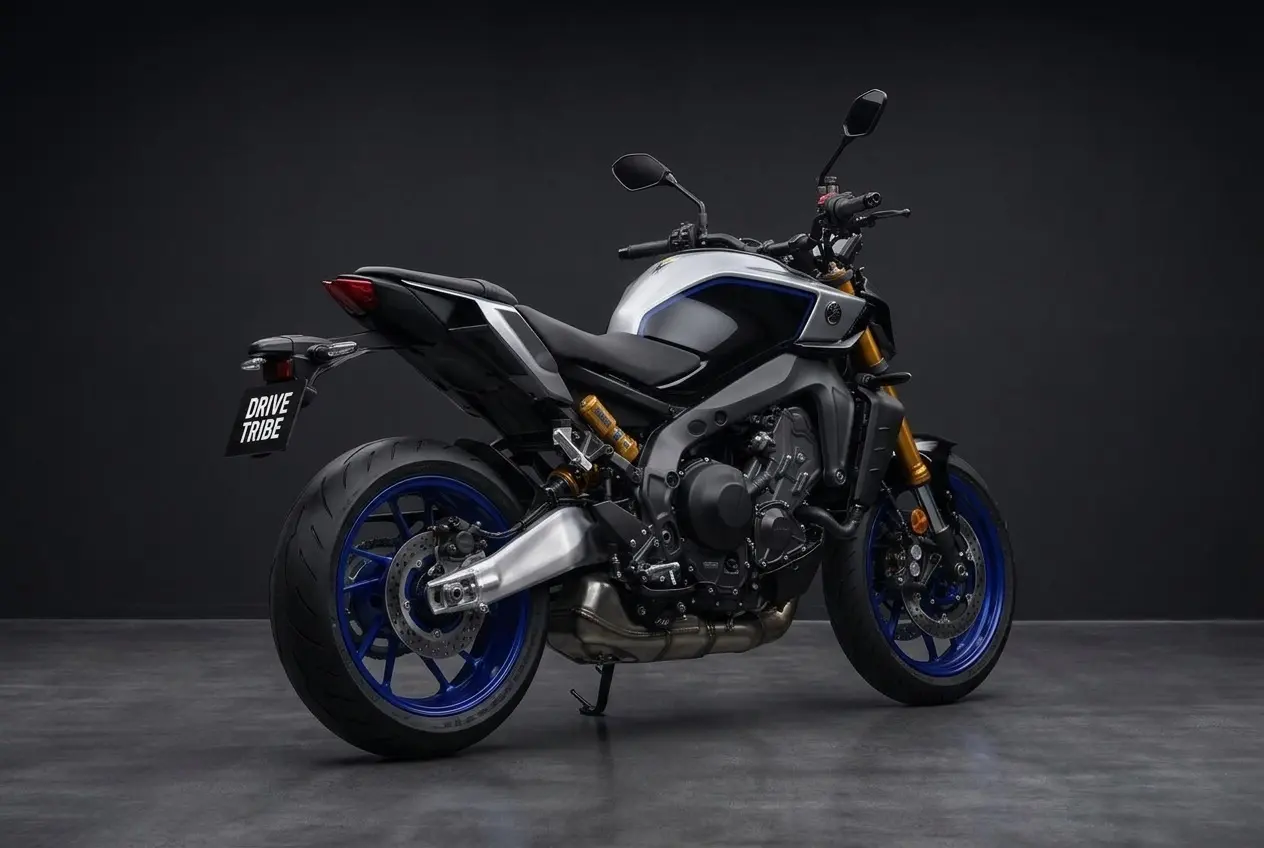
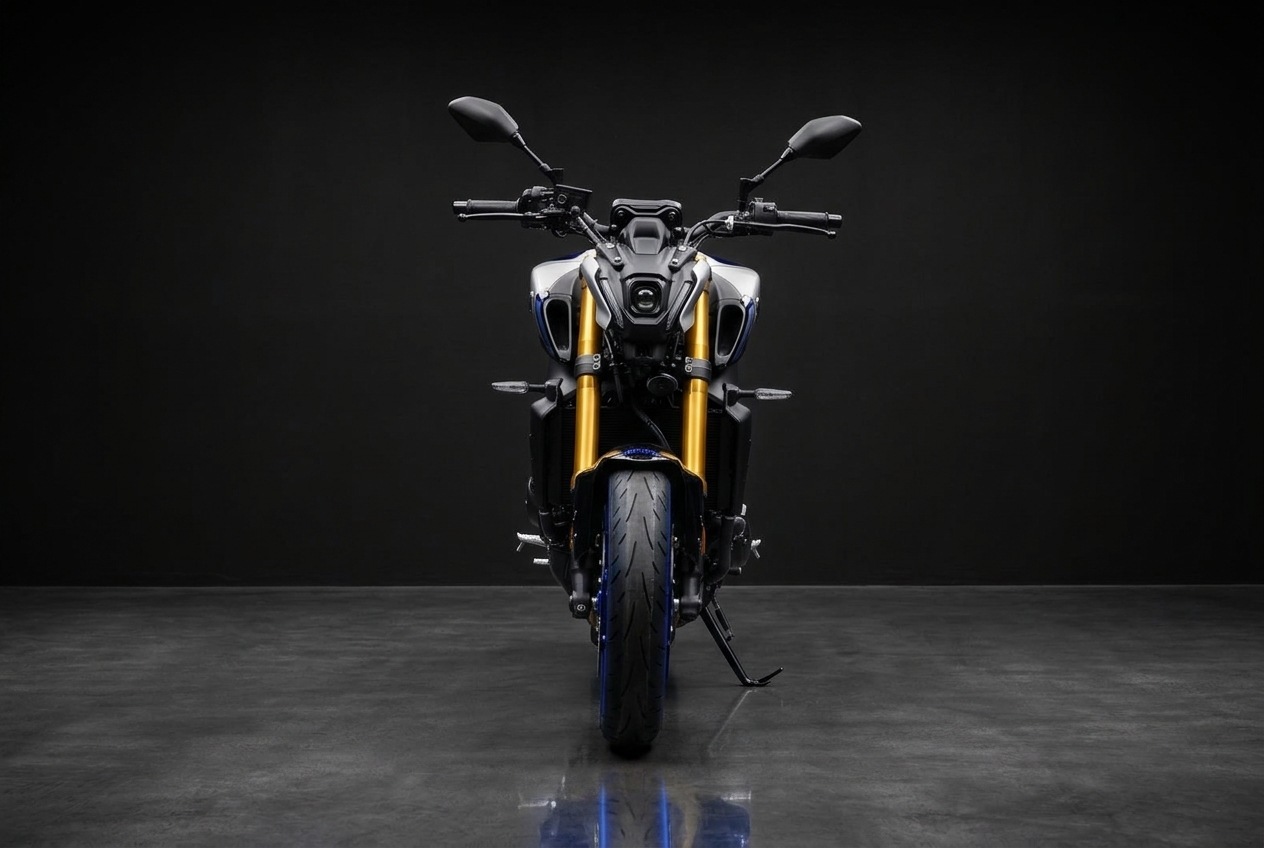
The Yamaha MT-09 SP is our featured bike for this topic. It is an inline three performance naked bike with premium adjustable suspension, gold front forks and strong brakes, which gives you a confident platform when the road changes gradient. Its adjustable suspension lets you set the bike up for the surface and the steepness, and its brakes give you control on the descents.
Two hire points matter for a steep-road ride. Riders must hold a full motorcycle licence with a minimum of three years behind it, and be 25 or older on each bike. If someone is riding behind you, only the Yamaha can carry them, and that person has to be one passenger aged 16 or over.
Safety, gear and fatigue
Protective gear is essential on any hill road. Wear a helmet, gloves, a jacket and boots that cover your ankles, and carry a warm layer for cold mornings or cool descents. Good gear keeps you comfortable and steady, which makes it easier to make the smooth movements a steep road requires.
Fatigue creeps in on long climbs and descents, so stop regularly and stretch. Concentration fades when you are tired, and a missed downshift can leave the bike in the wrong gear at the wrong moment. Ride within your ability, never ride after drinking alcohol and pull over if you feel drowsy.
Gravel is a particular hazard on hill roads. Loose stone can gather on corners and edges, and it can be most dangerous when you are braking or changing gear. Keep the bike on the sealed surface and avoid any section where the road turns to dirt. Before heading out, check road conditions with Transport for NSW and look at the forecast.
What to do if a gear goes wrong
Even careful riders sometimes select the wrong gear on a grade. If the bike feels wrong, do not panic or force the lever. Ease the throttle, let the speed settle and use the brakes gently to bring the bike under control. Find a safe, wide spot to stop if you need to reset.
If the engine starts to labour, roll off the throttle smoothly and let the bike slow naturally before changing gear again. Avoid aggressive inputs on the lever or throttle, since these can cause the rear to hop or the bike to lurch on a slope.
The key is calm recovery. A rider who takes a breath, reassesses the road and sets the bike up for the next section will almost always find that the problem passes quickly.
Build the skill and book your ride
Gear changes on steep roads become easier with practice. Repeat the sequence of planning, downshifting and releasing the clutch on quiet, flat roads until it feels automatic. Then start to apply the same method on gentle slopes, building up to steeper grades as your confidence grows.
The reward is a ride where the hills feel like a pleasure rather than a worry. When you are prepared for a change in grade, you can enjoy the views, the bends and the rhythm of the road without fighting the bike.
If you are ready to ride a Yamaha MT-09 SP on hill roads, we would be glad to help you plan the day. Browse the fleet, then use the Book Now option on the Yamaha's page to reserve your date. Tell us about your experience when you book, and we will help you choose the right route.
Frequently asked questions
Should I change gear before or during a steep bend?
Change gear before you lean into the bend, while the bike is upright and still on the straight. Shifting mid-corner can unsettle the bike and upset your line. If you have missed the change, ease the throttle smoothly, hold your line and wait until the bike exits the corner before adjusting.
Is engine braking enough on a long descent?
Engine braking helps a great deal on a long descent, but it is usually best combined with gentle use of the brakes. Choose a gear that holds the bike at a steady pace without the engine labouring. Brake lightly and early, rather than relying on hard braking on the slope itself.
What gear should I use on a steep climb?
Pick a gear that lets the engine pull smoothly without labouring or revving excessively. There is no single correct gear for every hill, so judge by how the bike feels. If it starts to struggle, downshift before the grade gets worse, and keep the throttle steady.
Why does the bike feel unstable when I downshift?
A sudden clutch release or a large throttle movement can cause the rear to hop or the bike to lurch, especially on a slope. Release the clutch gradually, add a small, gentle throttle adjustment and avoid braking hard at the same time. Smooth inputs keep the bike settled.
Can I practise downshifting on a hill?
It is best to build the skill on flat, quiet roads first, then move to gentle slopes. Practise in a safe, legal place where you are not blocking traffic and where you can stop easily. Increase the steepness only once the smooth release and timing feel natural to you.
What if I stall on a hill?
Stay calm, keep the bike upright and apply the brakes firmly. Pull the clutch in, select neutral if needed and restart the engine when it is safe. Find a wide, safe spot before you set off again, and take the next hill with a steady clutch release and a little throttle.
Ready when you are. Pick your dates and book the Yamaha MT-09 SP online, or call us and we will sort it with you.
Book NowCall 0468 011 118