
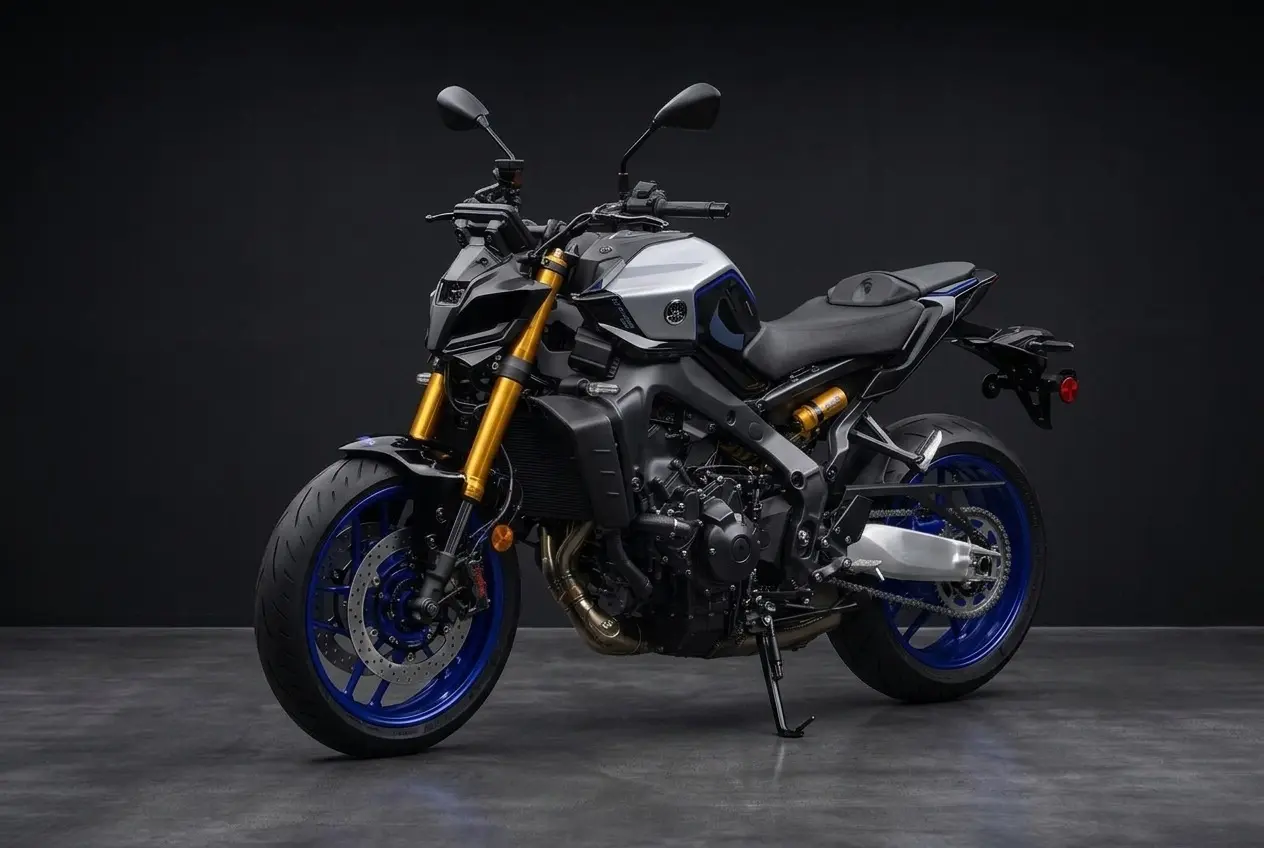
Book the Yamaha MT-09 SP. Pick your dates and book the Yamaha MT-09 SP online, or call us and we will sort it with you.
Book NowCall 0468 011 118A Sydney hotel is a convenient base for an early motorbike ride, but not every car park suits a motorcycle. Ramps are steep, bays are tight and some basements have low clearances that make a heavy bike awkward to manoeuvre. Before you check in, it pays to ask the right questions and look at the space yourself. Here is how we would secure a hire bike overnight in a Sydney hotel car park, from the booking call to the morning ride out of the city.
New to riding with us? Our page on motorbike hire in Sydney covers the bikes, the rider rules and how pick-up works.
Why a hotel car park is a common overnight base
Many riders who collect a bike for a weekend away want to stay in the city the night before, either to start early or because the trip begins with a late afternoon run. A hotel is a sensible place to base yourself, with a comfortable room, a reliable shower and a short walk to a cafe for breakfast. The challenge is the bike, which has to spend the night somewhere that is safe, dry and within reach of the lift in the morning.
Sydney car parks vary enormously. Some hotels have a secure underground garage with a barrier and cameras, while others use a shared lot in a busy street with no control over who comes and goes. A motorbike is small enough to slip into a corner unnoticed, which is an advantage for the rider who wants a quiet night, but a disadvantage if the space is poorly lit or open to the public.
Plan the night before you arrive. A short call to the hotel, a look at the car park on arrival and a clear plan for the morning will do more to protect the bike than any lock. Think about where you will leave the bike, how you will reach it with your luggage and how you will get it out again when the traffic is at its heaviest.
Asking the hotel the right questions
When you call, tell the hotel that you are riding a motorcycle and ask where bikes are parked. Find out whether the car park is underground or at street level, whether it has a gate or barrier and whether it is covered by cameras. Ask if there is a staffed reception or a night porter who can keep an eye on the area, since a staffed property is always a better choice than an unattended lot.
Ask about the access route as well. Some hotels have steep ramps, narrow turns and low ceilings that can be difficult on a heavy bike, especially when you are tired after a long day. Find out whether there is a motorcycle bay near a lift, whether the bay is marked and whether you can reverse or push the bike safely into it. A good answer will be specific, and a vague one is worth noting.
Finally, ask whether the hotel has any restrictions on bikes in the car park, such as where they can be left, whether they can be left overnight and whether the staff can help you move the bike if the car park is busy in the morning. Write down the answers, and check them again when you arrive so you know exactly what to expect.
Garage, gated bay or open car park
A locked garage is the strongest option, because the bike is out of sight, protected from the weather and behind a barrier that only residents or guests can pass. A gated bay in a shared car park is the next best choice, provided the gate closes overnight and the area is lit. An open car park with no barrier is the weakest option, and it is only worth using if there is a staffed reception and a clear view of the bay.
When you look at the space, check the lighting, the surface and the position of the bike. A bay under a bright light, with a flat surface and no moving traffic, is far better than a dim corner beside a bin store. Look for cameras, signs of regular cleaning and any evidence that the car park is actively managed. A space that looks neglected is usually a space that is less secure.
Avoid leaving the bike where it may be knocked by a delivery van, a bin lorry or a driver trying to fit into a tight space. Keep the bike away from pillars and walls where it cannot be pushed over easily, and check that the stand is stable on the surface you have chosen. A bike parked with some thought will look after itself much better overnight.
Hire rules that apply to the night
Every bike we hire carries a tracker, so we can locate it at any time, and overnight the bike must be kept in a locked garage or secure off-street parking between 9pm and 6am. A hotel car park can meet that standard if it has a locked area or a gated bay, but an open street or an unlocked lot does not. If you are unsure, ask the hotel before you check in, and choose a different option if the answer is not clear.
These two points shape the whole night. They mean the bike cannot be left at the kerb outside a bar or in an open bay where anyone can wander past. They also mean the hotel needs to be able to show you a secure space when you arrive, so ask in advance and do not assume that any car park will do. If the place you have chosen does not meet the standard, we would rather you moved the bike than took a risk.
Getting the bike into the bay safely
Arrive in daylight if you can. Riding a heavy bike down a steep ramp or through a tight basement is much easier when you can see the markings and the clearance. Walk the route before you ride it, especially if you are unsure where the ramp turns or where the pillars sit. Ride slowly, keep your feet ready to steady the bike and avoid rushing the turns in a confined space.
If you need to push the bike, do so with the engine off and the gear in neutral, and keep your hands on the bars rather than the levers. Take your time on any slope and never let the bike roll faster than you can control. Ask a staff member for help if the bay is awkward, since a second pair of hands is far safer than a struggle on a ramp.
Once the bike is in position, check the stand, switch off the ignition, and remove any loose luggage before you leave it. A quick walk around the bike also gives you a chance to spot any leak, loose part or damage before the morning rush.
Want the Yamaha MT-09 SP for your date? Pick your dates and book the Yamaha MT-09 SP online, or call us and we will sort it with you.
Book NowCall 0468 011 118Gear, luggage and the things you should not leave
Take your luggage up to the room. Tank bags, panniers, helmets and gloves are attractive to someone looking for an easy target, and they are much easier to keep safe in a locked room. Keep valuables and documents with you, and make sure nothing important is left in the bike's storage.
Keep the gear you need for the morning in one place, so you can dress quickly and leave without searching. A warm layer, a pair of dry gloves and your boots by the door will make the early start far more pleasant, particularly in cooler months when the city can still be damp at dawn.
Riding out of the city in the morning
Leaving the city early is the best way to beat the traffic. The roads are quieter, the light is softer and the first few kilometres are much easier when you are not competing with peak hour. Plan your route before you leave the hotel, and make sure you know which motorway or arterial road you will take to reach the country roads you want to ride.
Expect wet tiles, painted lines, tram tracks and sudden lane changes around the city. Keep your speed low, look well ahead and allow more room for buses and delivery vehicles. Lane filtering is permitted for fully licensed riders in slow or stopped traffic, but it is not allowed beside the kerb or next to parked cars, so take care when you move between lanes.
Check the road conditions with Transport for NSW before you leave, particularly if there are works or closures on your route. A quick check in the car park is a good habit, and it will help you decide whether to take the motorway or the back roads on the way out of the city.
Best time of day and season for the city ride
The best time to leave Sydney on a bike is early in the morning, before the working day builds. Roads are quieter, the air is clearer and you can cover the first leg of the trip with less stress. Midday is the busiest and least comfortable time to ride in the city, with heavy traffic, hot tar and crowded intersections. Plan to be clear of the built-up areas before the peak builds.
Autumn and spring are the most comfortable seasons for a city-to-country ride. The temperatures are mild and the mornings are fresh rather than cold, though you should still pack a warm layer for the first hour. Summer mornings can be humid and hot by mid-morning, and winter mornings may be cold and damp in the outer suburbs, so adjust your gear and timing to suit.
Fuel and food stops are easy to plan from the city. Fill up before you leave the built-up areas, and stop at a cafe or bakery in one of the towns on your route for a proper breakfast. The roads beyond the suburbs can have long, quiet stretches, and weekend traffic can build up at lookouts and scenic stops, so plan your break before you reach the busiest point.
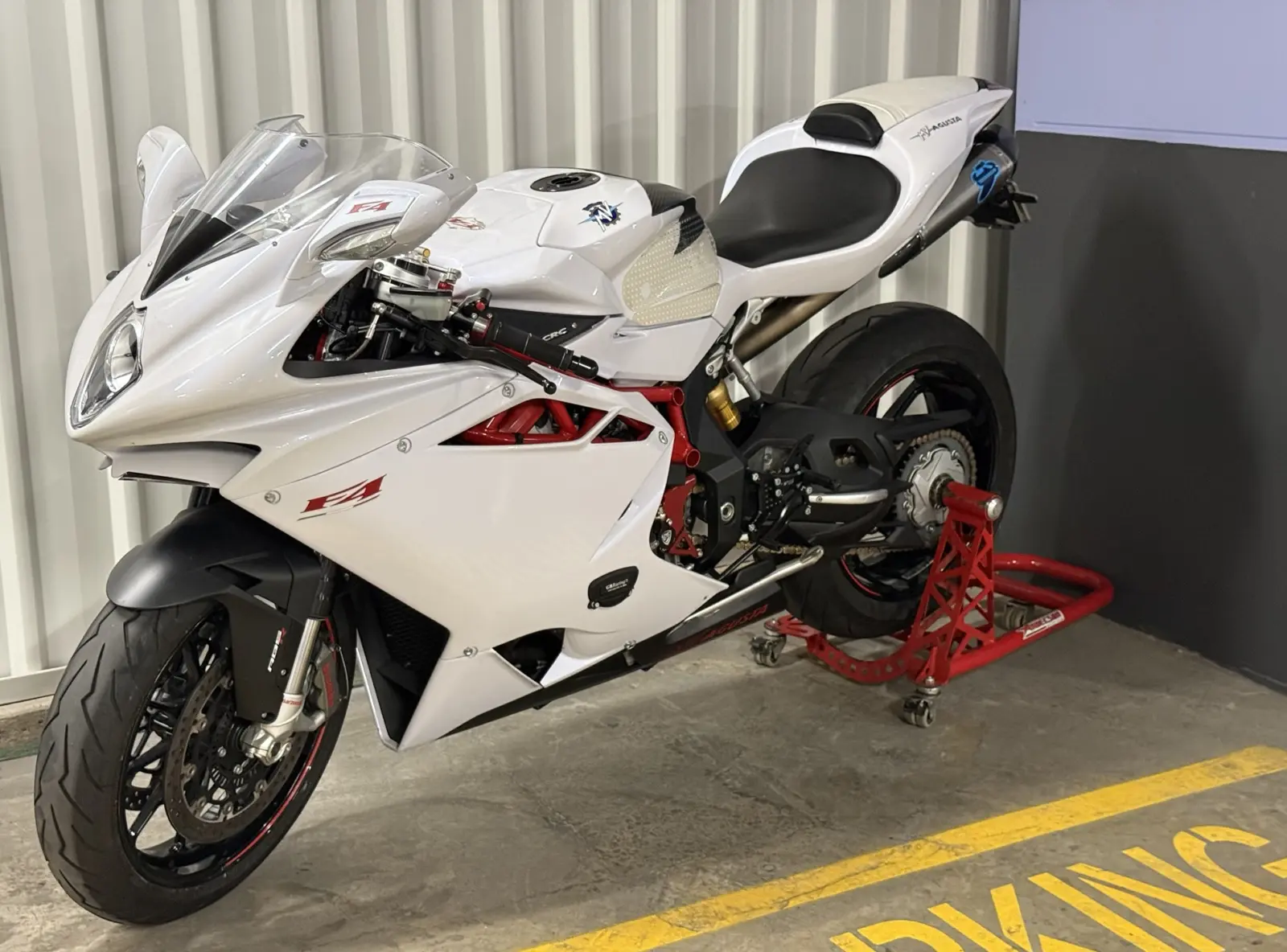
Booking the bike and planning the night
A hotel stay is easy to arrange once you know what you need. Book your room, ask about the motorbike bay and confirm the arrangements in writing if you can. Tell us the time you plan to collect the bike, and we will make sure it is ready for your early start.
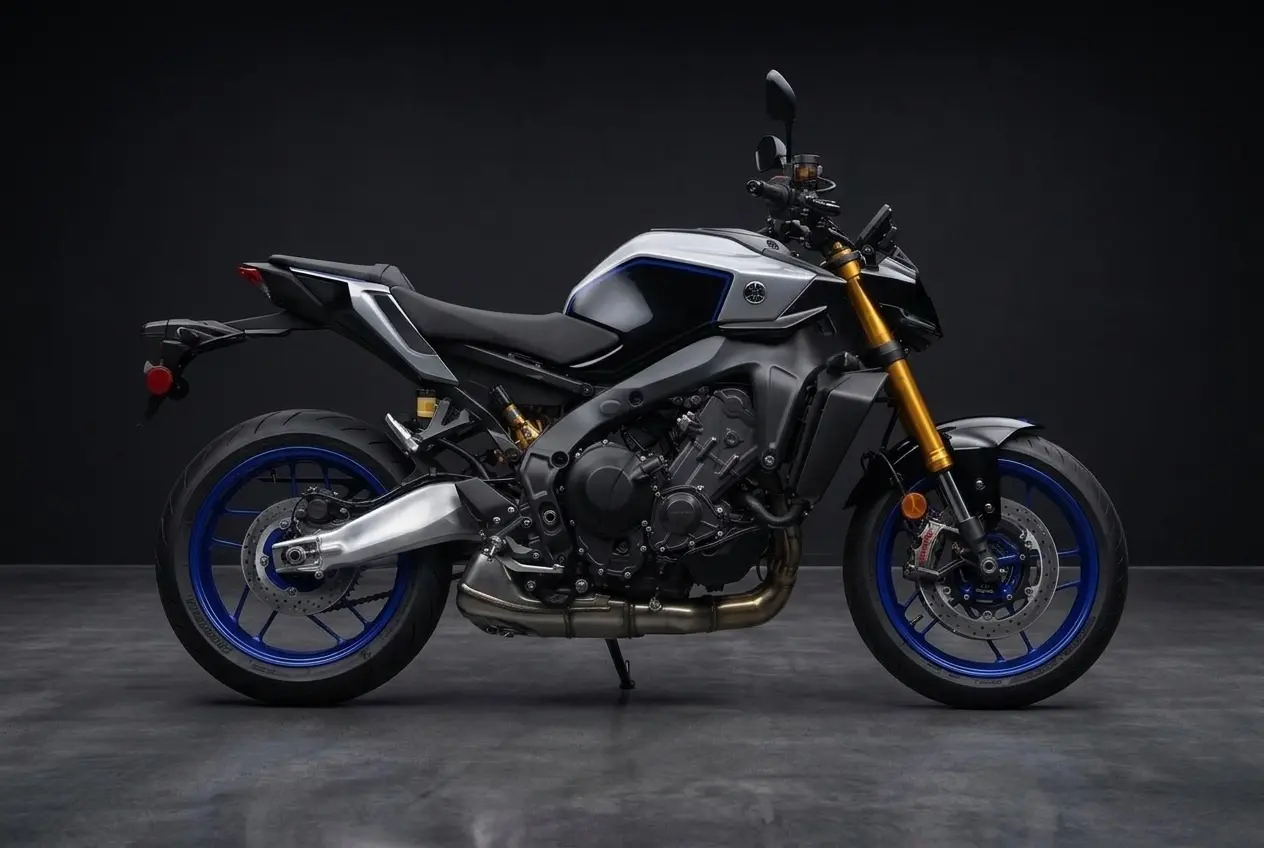
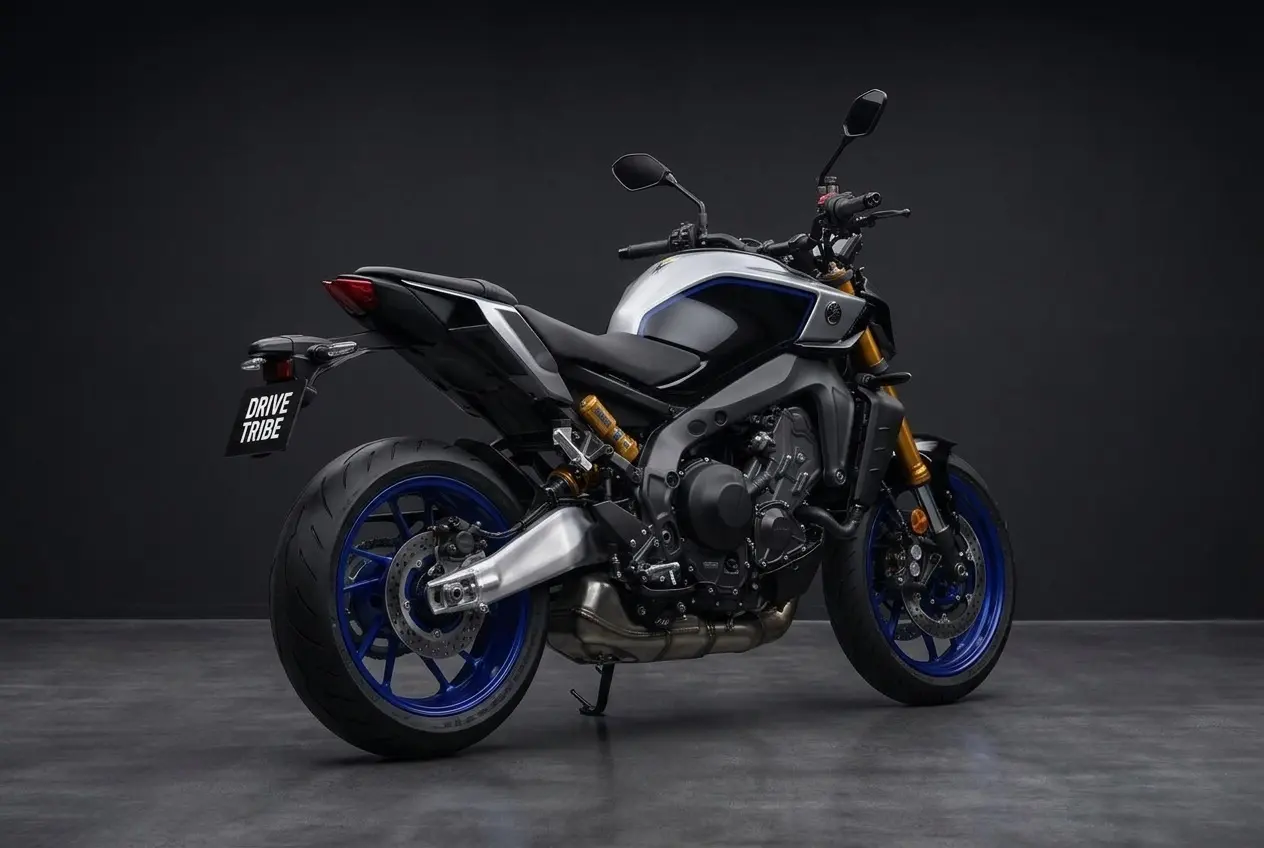
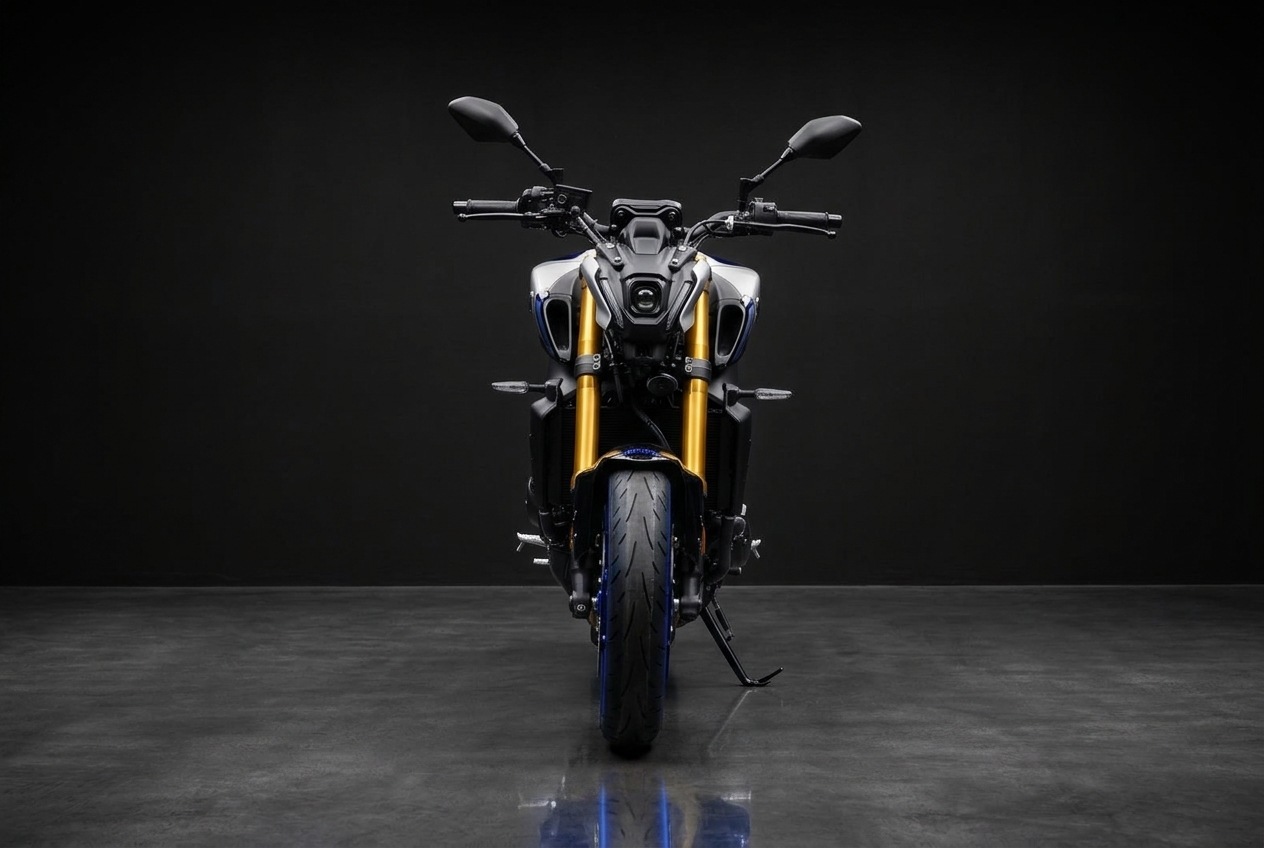
The Yamaha MT-09 SP is an inline three performance naked bike with premium adjustable suspension and strong brakes, and it is a good choice for a city-to-country run that begins with busy traffic and ends with open roads. When you are ready, book the MT-09 SP on our page, and plan your hotel night with the bay and the morning ride in mind.
Frequently asked questions
What should I ask a hotel about parking a motorbike?
Ask whether the car park is underground or at street level, whether it has a gate or barrier and if cameras cover the area. Find out if there is a staffed reception or night porter, how the ramps and turns are arranged and whether there is a marked motorcycle bay near a lift. Ask about any rules for leaving a bike overnight, and check the answers when you arrive.
Is a hotel car park safe enough for a motorbike?
It can be, if the space is locked, gated or staffed, well lit and away from delivery traffic. A bay under a light, with a flat surface and some sign of active management, is a good sign. An open lot with no supervision is much less suitable. If the car park does not look secure when you arrive, speak to the hotel about a safer option before you unpack.
How do I get a heavy bike down a steep car park ramp?
Walk the route before you ride it, and arrive in daylight if you can. Ride slowly, keep your feet ready to steady the bike and avoid rushing the turns. If you need to push the bike, keep the engine off, the gear in neutral and both hands on the bars. Ask a staff member for help with an awkward bay, because a second pair of hands is far safer.
What should I take off the bike overnight?
Take the luggage with you, including tank bags, panniers, helmets, gloves and any documents or valuables. Keep a warm layer and dry gloves in your room so the morning start is quick. Leave nothing on the bike that you would not want to lose, and check the bike in the morning for any leaks, loose parts or damage before you ride out.
Is lane filtering legal when I ride out of the city?
Fully licensed riders may lane filter in New South Wales when traffic is slow or stopped, at low speed. It is not lane splitting, which is riding between moving vehicles, and that is not permitted. Filtering is not allowed beside the kerb or next to parked cars, or in school zones during school hours. Check Transport for NSW for the full rules before you ride.
When is the best time to leave Sydney on a motorbike?
Early in the morning is the best time, before the working day builds and the traffic thickens. Roads are quieter, the air is clearer and you can cover the first part of the ride with less stress. Midday is the busiest and least comfortable time to ride in the city, so plan to clear the built-up areas before the peak arrives.
Ready when you are. Pick your dates and book the Yamaha MT-09 SP online, or call us and we will sort it with you.
Book NowCall 0468 011 118