

Book the MV Agusta F4. Pick your dates and book the MV Agusta F4 online, or call us and we will sort it with you.
Book NowCall 0468 011 118Few coastal stops on the Illawarra and South Coast are as dramatic as the Kiama blowhole. Here the ocean forces water through a gap in the rock and sends spray skyward, often higher than people expect. A morning ride down the coast makes an easy, satisfying lead-in, with the escarpment on one side and the sea on the other. Our advice is simple: go early, park sensibly and give the water plenty of respect. The MV Agusta is the bike we would choose for the trip.
Still choosing a bike? Start with our guide to motorcycle hire in Sydney, which sets out the licence, age and pillion rules.
What makes the blowhole worth a morning
The Kiama blowhole is a natural feature shaped by the sea working on the rock over a very long time. When a big swell rolls in and the conditions line up, the water surges into a narrow opening and bursts upward in a column of spray. It is one of the most recognisable sights on the New South Wales coast, and it looks different on every visit, depending on the swell, the tide and the wind. No two visits are quite the same, and that is much of the appeal.
Visiting on a bike gives the trip a different rhythm to a car. You feel the air temperature change as you drop out of the hills, smell the salt before you see the water and arrive with the whole morning still ahead of you. The coast road south of Sydney is a joy to ride, and the blowhole makes a natural finish point for a ride that starts well before the day trippers arrive.
We also like the blowhole as a place to slow down. Many riders are so focused on the road that they forget to stop, and a short walk to the viewing area reminds you why you made the trip at all. Give it an hour, bring a warm layer for the breeze off the water, and watch a few cycles of the spray before deciding what to do next.
Riding the escarpment and the highway south
From Parramatta, the route heads through the motorway network towards Wollongong, then turns onto the Princes Highway for the final stretch to Kiama. The climb over the escarpment is one of the best parts of the ride, with bends that reward a smooth rider and views opening out over the coastal plain. Keep your speed matched to the road and let the bike settle into a rhythm as the ground falls away towards the sea.
The Princes Highway south of Wollongong is a broad, well used road with mixed traffic, from heavy trucks to tourists in campervans. Pick your moment to pass, and do so only where the road and sight lines clearly allow it. Give slower vehicles room on the approaches to towns, because drivers often brake without warning when they spot a turn-off or a parking area.
Plan the trip in two parts. The first is the climb and the coastal run into Kiama, which takes around two hours from Parramatta on a clear morning. The second is the return, which can feel quicker in the afternoon but often brings heavier traffic back towards the city. Set out early, leave the blowhole with time in hand, and remember that some of the best views are from the road itself. Before you set off, check road conditions with Transport for NSW, since roadworks on the highway can change your plans at short notice.

Parking and walking to the blowhole
Park in the designated car park or on the street in the town centre, where the signed spaces are the safest and the easiest to leave. Avoid parking on the grass or on the verge near the headland, since the surface can be soft and wet, and a bike can sink or tip over. Take a moment to check the stand is firm before stepping away, especially on a cambered or sloping surface.
The walk from the car park to the viewing area is short and mostly on paved paths, but the final section near the edge can be slippery when the rock is wet. Stay on the marked paths, keep a safe distance from the railings and never climb over barriers to get closer to the spray. Walk slowly with your helmet and gloves in hand, and watch your footing as you go.
Once you are at the viewing point, stand back from the edge and wait for the spray to rise. Surges can be stronger than they look, and a wave can run farther up the rock than you expect. Keep children close, watch for changing conditions and stay together with your group so that everyone can leave when you are ready.
Headland paths and the beach stretch
The headland around the blowhole offers short walks with views north and south along the coast. On a clear day you can see far down the shoreline, and the cliffs and rock platforms show how the sea has carved its way into the land. The paths are easy to follow, but take care on any section where the grass has been trampled, since the edge can be closer than it looks.
Bombo beach sits a short drive from the blowhole and is a good place for a longer walk. The sand is firm near the water, and the surf can be lively in winter, so check the surf conditions and any warning signs before you go in. Wear footwear with grip, because wet sand and rock can be treacherous, and keep your riding gear away from the sand.
If you want to stretch your legs further, the coastal paths around the town are good for an easy stroll, with a mix of rock and grass and plenty of places to sit. Take a bottle of water and a light jacket, and leave the walking until you have parked the bike securely. A slow walk after a long ride is a good way to shake off the road.
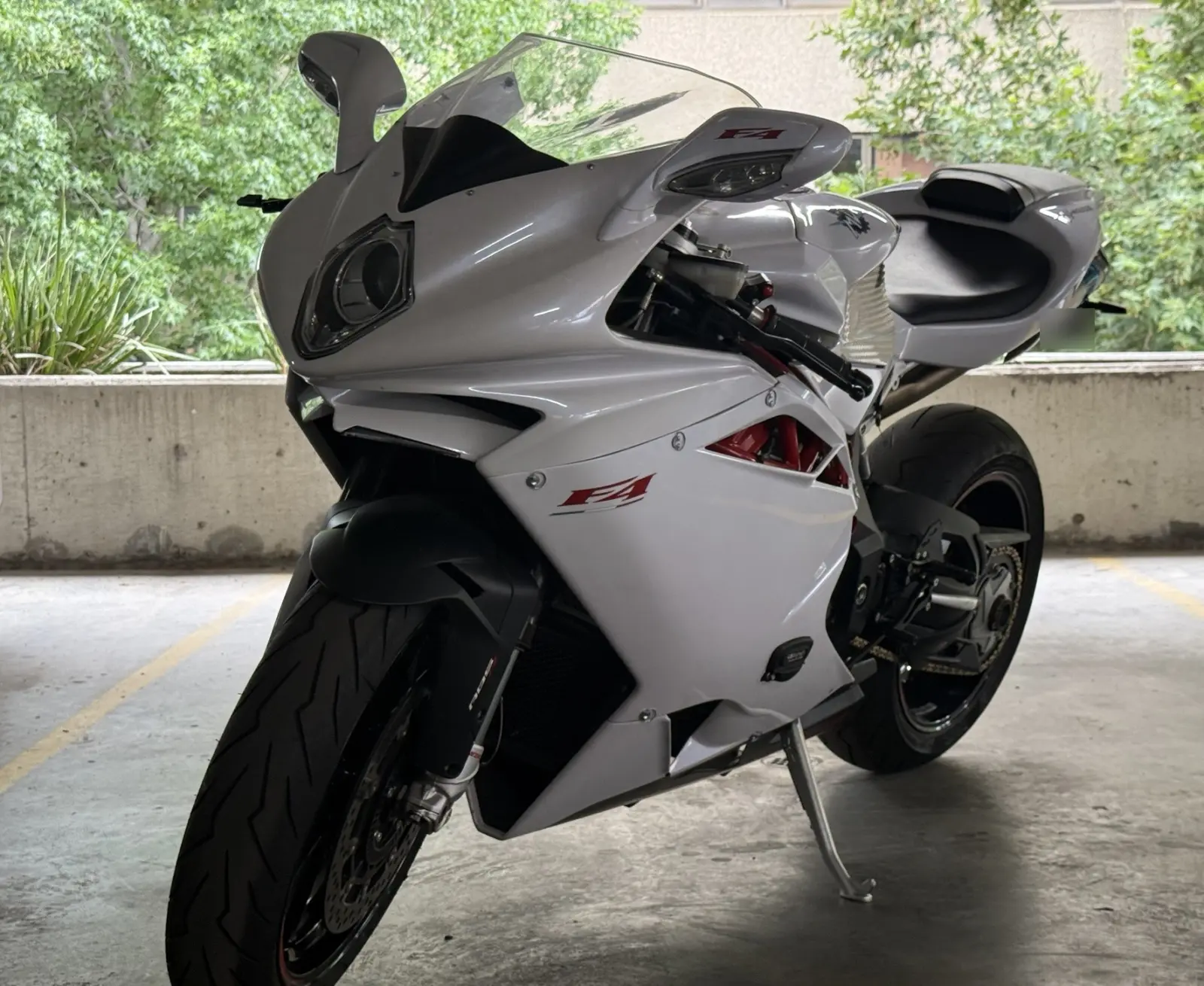
Road character on the Kiama stretch
The Princes Highway through this part of the coast is a mix of wide, open curves and shorter, tighter sections around the towns. Sight lines are generally good, but some bends hide what lies beyond, and the road narrows in places near the lower reaches of the coast. Keep a tidy, unhurried line, control your speed and let each corner reveal itself before you commit to it.
Surfaces are typically good on the highway, but coastal dampness can leave patches of moss or leaf debris on the shoulder, especially after rain. Morning mist off the sea can also leave the surface greasy, so brake gently and allow a little extra distance behind slower vehicles. Painted markings become slippery when wet, so treat them with respect in the bends.
Expect a mix of traffic. Heavy trucks use the highway, and caravans and campervans are common in the holiday seasons. Leave a good gap behind large vehicles, avoid lingering in their blind spots and do not assume a driver has seen you. Turning traffic at the entrances to towns and car parks can appear quickly, so cover the brakes as you approach each one.
Want the MV Agusta F4 for your date? Pick your dates and book the MV Agusta F4 online, or call us and we will sort it with you.
Book NowCall 0468 011 118When to visit: tide, swell and season
Big swells tend to produce the most dramatic blowhole displays, and winter often brings southerly swells that build along the coast. Storm conditions can make the spray spectacular, but they also make the rock more hazardous, so the best days are often those with a sizeable swell and a manageable surface. Check the marine forecast the day before and choose a morning with clear skies if you can.
Mornings are best. Early light gives the water a soft, warm colour, and the crowds are thinner before the day trippers arrive from Sydney and the Illawarra. The wind often picks up later, which can blow the spray sideways and make the viewing area less comfortable. Arriving soon after first light gives you a calmer, more unhurried visit.
Autumn and spring are lovely times for this ride. Summer brings bigger crowds and more traffic, and the coast can feel busy from late morning. Winter is cooler, but it can also deliver the most energetic surf, so pick the season that suits your appetite for cold air and big water.

Food, fuel and coffee in Kiama
Fuel is easy to find in the town and along the highway, but top up before you leave the outskirts of Wollongong if you are unsure of your next stop. Keep the tank at least half full, since a stretch spent sitting in traffic in the heat or the cold can use more than you expect. A top-up in town also gives you a good chance to check your tyres and stretch your legs.
Kiama has a good range of cafes and bakeries close to the harbour and the main street, which makes it a natural place to finish the morning with a hot drink. Choose a table where you can see the bike, and keep your gloves and helmet close rather than leaving them on the seat. Warmth in the hands makes a noticeable difference when you set off again.
Eat light, drink water and avoid a heavy meal before the return. Cold air hides how much you are sweating, so keep sipping through the morning. A simple breakfast before setting off and a light lunch in town keeps your energy up without leaving you sleepy on the bike. Nuts or fruit are easy to pack and useful between stops.
Safety near the water and on the road
Ride within what you can handle. The highway is busy in parts and the coast can throw up surprises, so keep your speed in line with the road and the traffic. Fatigue can creep up after a long climb and a morning of high concentration, so take a break if you feel tired and rest somewhere safe rather than pushing on.
Wildlife is often active near the coast at dawn and at dusk, particularly on the quieter roads that lead to the headland. Watch for animals at the roadside, scan the verges and be ready to brake gently if something appears. Check your visibility before setting off and make sure you can be seen by the drivers around you, especially in the early light.
Near the water, the rules come down to respect. Stay back from the edge, keep children close and never turn your back on the sea. Alcohol has no place on this ride, and a seaside lunch is a good moment to keep your focus on the road home. Let someone know your plans before you leave the city, so that a late return raises a flag.
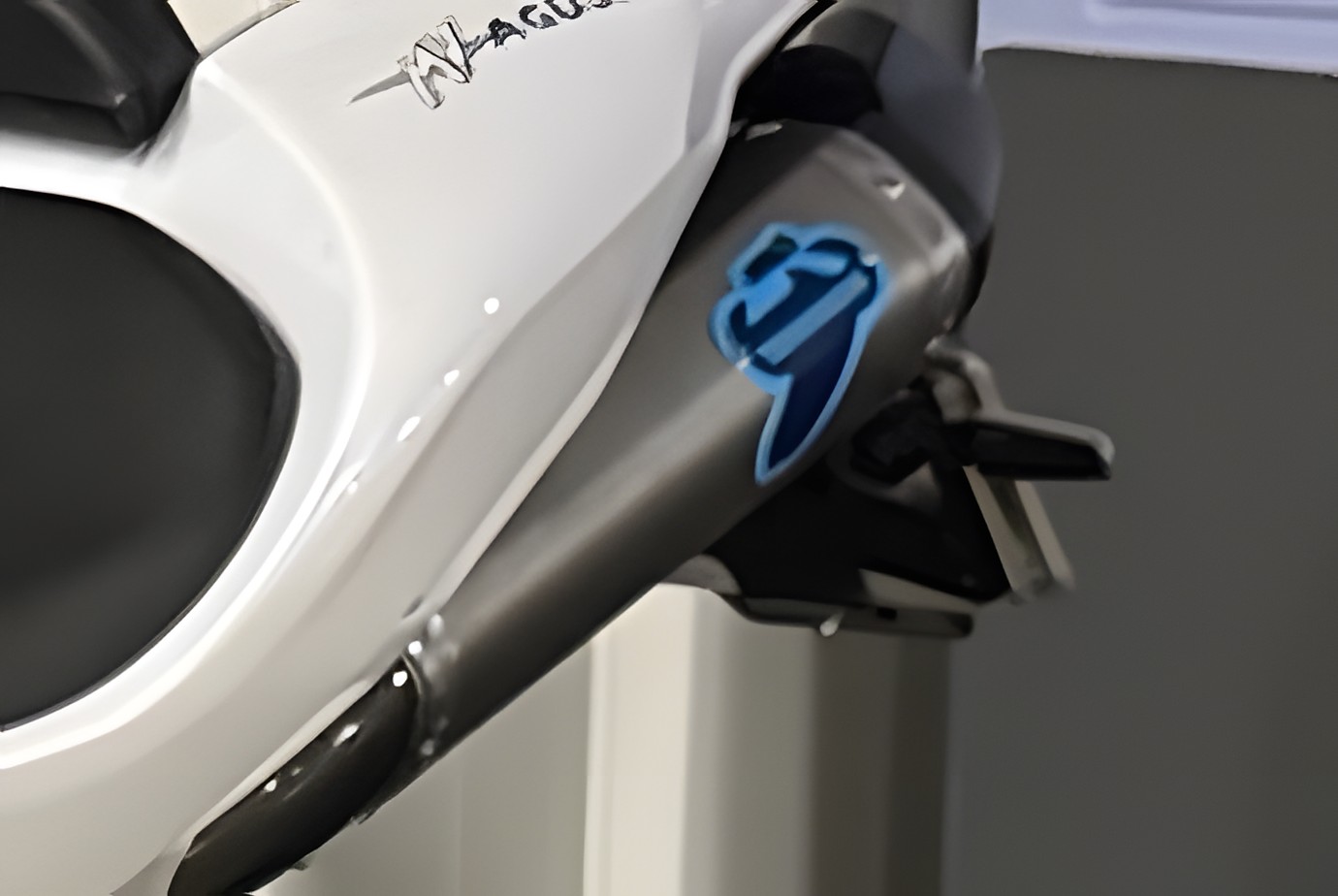
The MV Agusta F4 for the coast
For a morning like this, the MV Agusta F4 is the bike we would pick. Its 998cc inline four and 143 kW make it a rewarding machine for an experienced rider, and the pearl white finish with a red trellis frame looks as good parked near the headland as it does on the road. The tuned performance exhaust adds to its character, but the real pleasure is the way it feels through a string of corners with a calm, deliberate hand.
Hires begin in Parramatta and run for a minimum of three days, so a blowhole morning sits inside a longer trip. Applicants need a full motorcycle licence held for at least 3 years and must be 25 or over. The bike must be secured in a locked garage or off-street spot every night from 9pm to 6am.
Pick your dates, reserve the MV Agusta F4 and let the coast do the rest. Ride early, take the blowhole slowly and let the sea do the talking, and bring a warm layer for the walk back to the bike.
Frequently asked questions
What makes the Kiama blowhole different from other coastal features?
The Kiama blowhole forms when waves push water into a cavity in the rock and force it up through a narrow opening. It is not constant. Big swells and the right tide give the most dramatic displays, while calmer days produce a gentler spray. Each visit is a little unpredictable, so the best approach is to arrive, watch a few surges and enjoy the sea without expecting a particular show.
What is the best time of day to visit the blowhole?
Early morning is the best time, when the light is soft and the crowds are thinner. The wind often builds later in the day, which can push spray across the viewing area and make it less comfortable. Arriving soon after first light gives you a calm, unhurried visit and a better chance to find a good spot to stand.
Is the blowhole safe to visit?
It can be, but the rock is slippery when wet and waves can surge farther than they look. Stay on the marked paths, keep back from the edge and watch the water for a few minutes before moving closer. Never climb railings or barriers. Keep children with you and make sure everyone in your group knows the plan before you walk down to the viewing area.
Can I combine the blowhole with other stops on the South Coast?
Yes. Kiama is a natural stop on a longer coastal run, and nearby beaches and headlands offer easy walks and lookouts. Keep the total distance sensible so that you are not rushing the return. A few short stops at a relaxed pace usually make a better day than a long list of places ticked off in a hurry.
How far is Kiama from Parramatta?
Kiama is roughly two hours from Parramatta on a clear morning run, depending on motorway traffic and how many stops you make. The route is a mix of motorway, escarpment climb and coastal highway. Allow some extra time for the trip back, when afternoon traffic can build on the way towards the city.
What should I wear to see the blowhole on a bike?
Wear a fully enclosed helmet, a riding jacket and pants, boots that cover the ankle and gloves. Pack a windproof layer for the breeze off the water, since the spray can be cold even when the day is sunny. Sunglasses or a glare-reducing visor help on bright mornings, and sturdy shoes with grip are a good idea for the walk to the viewing point.
Ready when you are. Pick your dates and book the MV Agusta F4 online, or call us and we will sort it with you.
Book NowCall 0468 011 118