

Book the MV Agusta F4. Pick your dates and book the MV Agusta F4 online, or call us and we will sort it with you.
Book NowCall 0468 011 118Remote riding is one of the best parts of motorbike hire. Quiet roads, long sweeping bends and fresh country air can make a single day feel like a holiday. The catch is that a remote road is also a place where a fall or a breakdown can leave you out of contact for hours. A simple contact plan, shared with someone at home before you leave, closes that gap. Here is how we set one up for a day on our MV Agusta F4, and what to do when the plan changes on the road.
Everything to know before you book, from the licence rules to the bond, is on our Sydney motorbike hire page.
Why a contact plan matters more than a phone
A phone in your pocket feels like a safety net, but it only helps if somebody knows where you are. On a remote road you may be out of range for long stretches, and a message sent from a hilltop can take a long time to arrive. A contact plan is a simple agreement with someone at home: where you are going, when you expect to be back and what they should do if you do not check in. It is one of the most useful habits a rider can build.
We think of the plan as a handover of information, not a rescue order. Your contact is not expected to drive out and find you. Their job is to notice when a check-in is missed, call the number you have agreed and, if needed, ring the emergency services and give them the route. A plan is only as good as the person receiving it, so they need to know exactly what is expected of them before you ride.
Equipment can tell a rescuer where a machine is, but it cannot tell your family that you are tired, hungry or stuck behind a fallen branch. That gap is best filled by a person you trust, who knows your plans in detail and can respond with a clear head.
Choosing the right contact person
Pick someone who will answer the phone on the day and who can keep a calm head. A partner, a close friend or a family member who knows you well is usually the right choice. Avoid someone who will panic at the first missed call, and avoid someone who is likely to be away from their phone for the hours you will be riding.
Give them a copy of the plan in writing as well as talking it through. A short document with the route, the bike, the planned stops and the expected return time is far easier to follow than a conversation over breakfast. Make sure they know how to reach the emergency services, and where they should look for information if you are not answering.
Agree on a backup. If your first contact is unavailable, who should be called next? Two people who both know the plan are far safer than one, especially on a long day when the first person may be asleep, at work or on a flight. Write both names and numbers on the same page so nobody has to search for them in a hurry.

Writing the route down in plain steps
A good route note reads like a set of directions, not a map. List the towns in the order you will reach them, the roads you will ride between them and an approximate distance for each leg. For a run over the Bells Line of Road, for example, you might write the start point, the junction you will take, the summit area, the descent and the place you plan to stop for lunch.
Keep the wording simple and specific. Write road names as they appear on the signs, and mark the places where you expect to have mobile coverage. A note that says turn left after the orchards is far more useful than one that says the scenic bit. Note any road you are unsure of, and check it with Transport for NSW before you leave, so the plan you hand over is accurate.
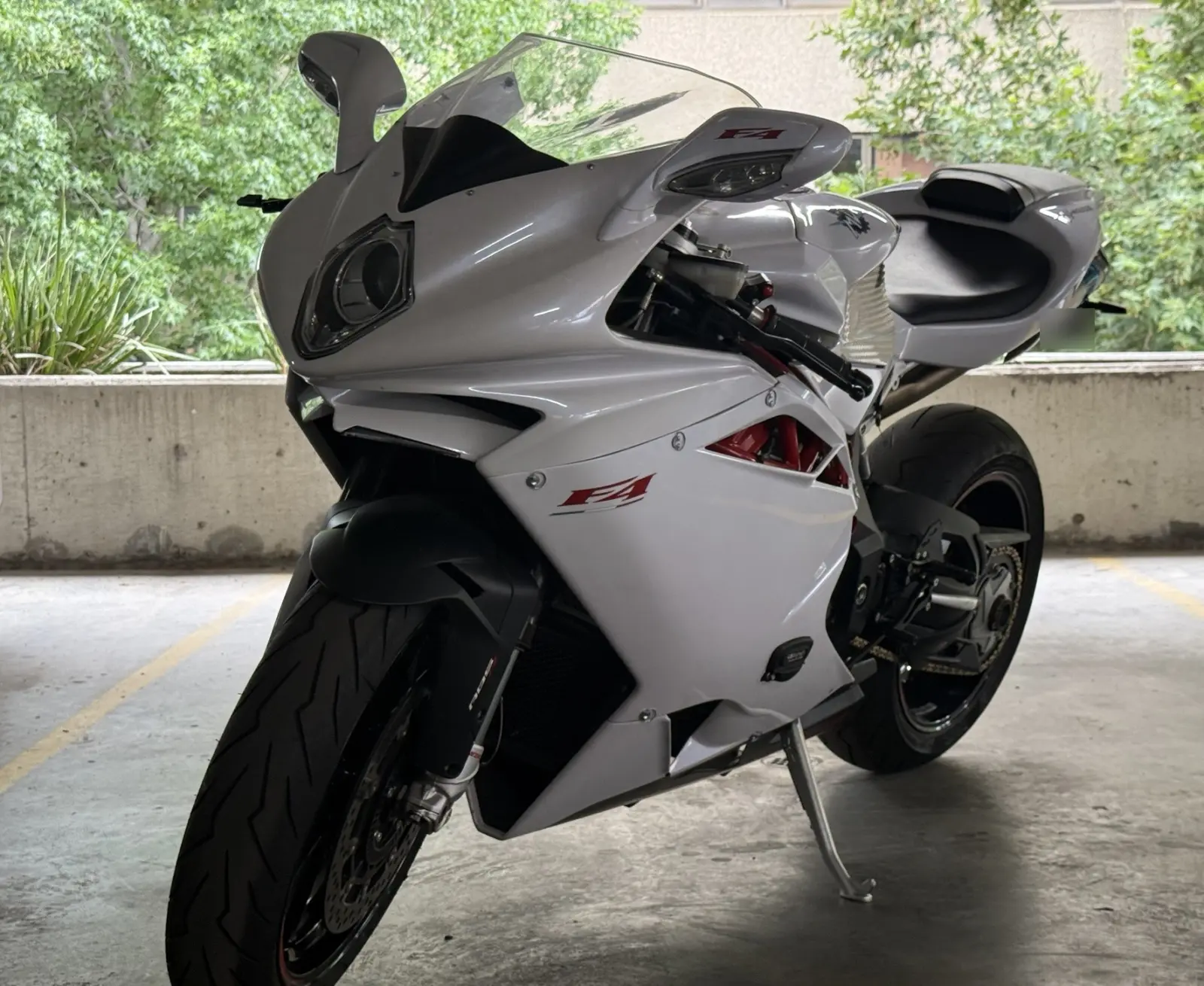
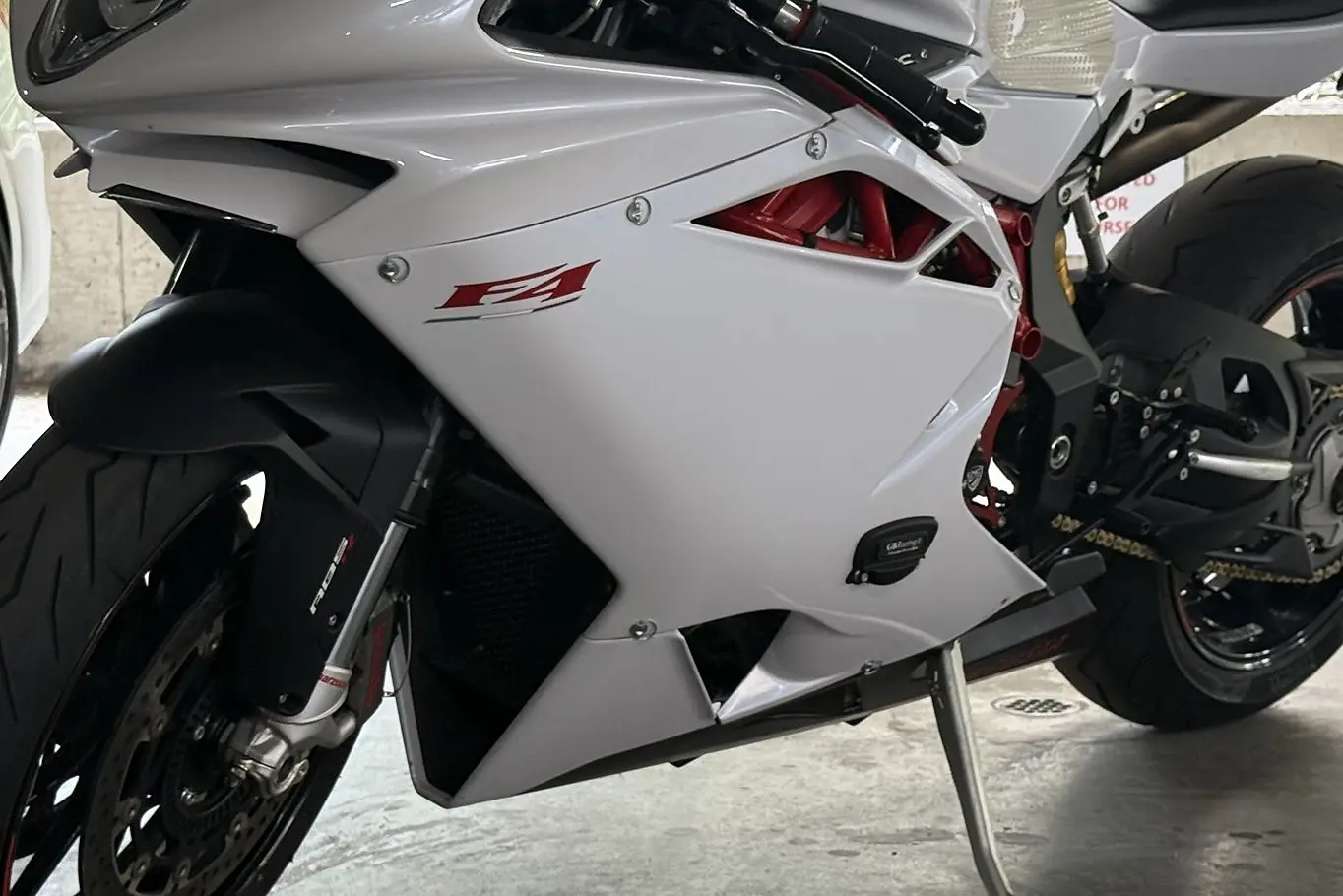
Include a clear description of the bike. Say that you are on a pearl white MV Agusta F4 with a red trellis frame, which is an easy description to pass on if a search becomes necessary. Add your planned return time and the point at which your contact should start calling if you have not reported in.
Setting check-in times that make sense
Check-in times should follow the terrain, not an arbitrary clock. A good habit is to report in at each major stop and at any point where the road changes character, such as the start of a long climb or the arrival in a town. Between those points, a short message saying all is well is enough. Nobody needs a report on every corner.
Plan the check-ins around the coverage you expect. If you know that a valley has no reception, set a check-in for the point just before it and another just after it. A missed check-in in a dead zone is a common false alarm, so tell your contact in advance which stretches are likely to be quiet, and let them know those gaps are expected.
Agree on what happens when a check-in is missed. Your contact should wait a set period, try your phone again, then move to the next person on the list. Write the times into the plan and ask your contact to repeat the schedule back to you. A missed check-in should trigger a call, not a drive, unless the plan says otherwise.
What to share and what to keep private
Share your route, your planned times, the bike you are riding and the names of the places you will stop. Keep your home address, your financial details and other personal information out of the plan. Your contact needs enough to find you and to raise the alarm, and no more than that.
Think about how you share your location. Most phones can share a live position with a trusted contact for a set period. Turn it on for the ride and switch it off afterwards. Check that the person has the right number and knows how to open a location message, because a link they cannot read is no help at all when the clock is ticking.
Do not post your route publicly before or during the ride. Public updates can tell strangers where you are not and make a bike easier to target. Share the plan privately with the people who need it, and update them personally if anything changes along the way.
When mobile coverage drops
Coverage on country roads is patchy. You can lose signal in a valley, under heavy tree cover or on the far side of a ridge, and a text may sit in the queue for an hour before it leaves your phone. Plan for this rather than hoping it will not happen. The contact plan should still work even if your phone stays silent for a few hours.
Carry a paper copy of the plan in a pocket or a tank bag. Write the contact numbers, the route and the check-in times on a small card, and keep it dry. A paper note is a sensible backup when the battery is low or the phone has slipped into a damp pocket, and it is far quicker to read than a screen in strong sun.
Charge your phone before you set out and carry a small battery pack if you have one. Keep the screen dim and the phone out of direct sun, because heat drains a battery quickly. A phone that has run out of power at the top of a pass is the same as no phone at all, so treat the battery as part of your route planning.

Want the MV Agusta F4 for your date? Pick your dates and book the MV Agusta F4 online, or call us and we will sort it with you.
Book NowCall 0468 011 118Riding within your ability on a remote day
The contact plan is only part of staying safe. The rest is how you ride. Remote roads tempt riders to push, because the view opens up and the traffic thins out. Ride within your own ability, keep a margin for surprises and treat every bend as if there could be loose grit or a damp patch on the line. Use the full width of your lane only when you can see the road ahead clearly.
Wear full protective gear every time, including gloves and boots, even on a short leg. A fall on a remote road can be a long way from the nearest hospital, and good protective gear makes the difference between a bad day and a serious one. Choose a helmet that fits well and check it before each ride, because a helmet that moves around is not doing its job.
Fatigue creeps up slowly. Take a break every hour or so, stretch, drink water and eat something light. Never ride after drinking alcohol, and be honest with yourself about how tired you feel. A rider whose eyelids are heavy in the middle of a long descent should stop, rest and reconsider the plan, because the contact plan cannot make up for lost concentration.
Best time of day and season for a remote route
Early mornings are cold and often misty in the valleys, and wildlife is most active at dawn and dusk. Kangaroos and wombats can step onto a road without warning, so slow down on the approach to open paddocks and keep your eyes well ahead. Mid-morning to mid-afternoon usually gives the best light and the most comfortable temperatures for a long run, with the road at its most predictable.
Autumn and spring suit the Bells Line of Road and the escarpment routes south of Sydney. The orchards look their best, the air is clear and the roads are rarely too hot. Summer afternoons can be humid, with storms building over the ranges, so start early and aim to be off the high roads before the heat peaks. Winter mornings can be frosty in shaded hollows, and wet corners stay slick for longer.
Plan fuel and food stops with the route in mind. Lithgow is a larger town with services on the western side of the mountains, and the towns at the foot of the escarpment on the coastal side also have fuel. Cafes and bakeries are easiest to find in the bigger towns, where they are open through the day. Weekend traffic builds up at lookouts and scenic stops, so a weekday ride or an early start means quieter roads and a more relaxed pace.
Changing the plan on the day
No plan survives every day. Weather can turn, a road can close and you may decide to take a different route at a junction. When that happens, call your contact before you change direction and give them the new route and the new check-in time. A quick update is far better than a silent detour that leaves them guessing.
Stop safely whenever you need to rethink. A pull-off with a view is a good place to check the plan, drink some water and send a short update. Do not look at your phone while moving, and do not try to plan the next leg while you are riding through a bend. Your attention belongs on the road, the bike and the traffic around you.
Before you leave home, check the road conditions with Transport for NSW, because closures and works can change a route at short notice. If you find a closure on the morning of your ride, update your contact before you set off, not halfway along the road.
Hire rules and booking the MV Agusta F4
Our bikes are self-drive and hired from our Parramatta base, with a three day minimum. Every bike carries a tracker, and overnight the bike must be kept in a locked garage or secure off-street parking between 9pm and 6am. Those two details fit neatly into a contact plan, because your contact and our team both know where the machine should be at any given hour.
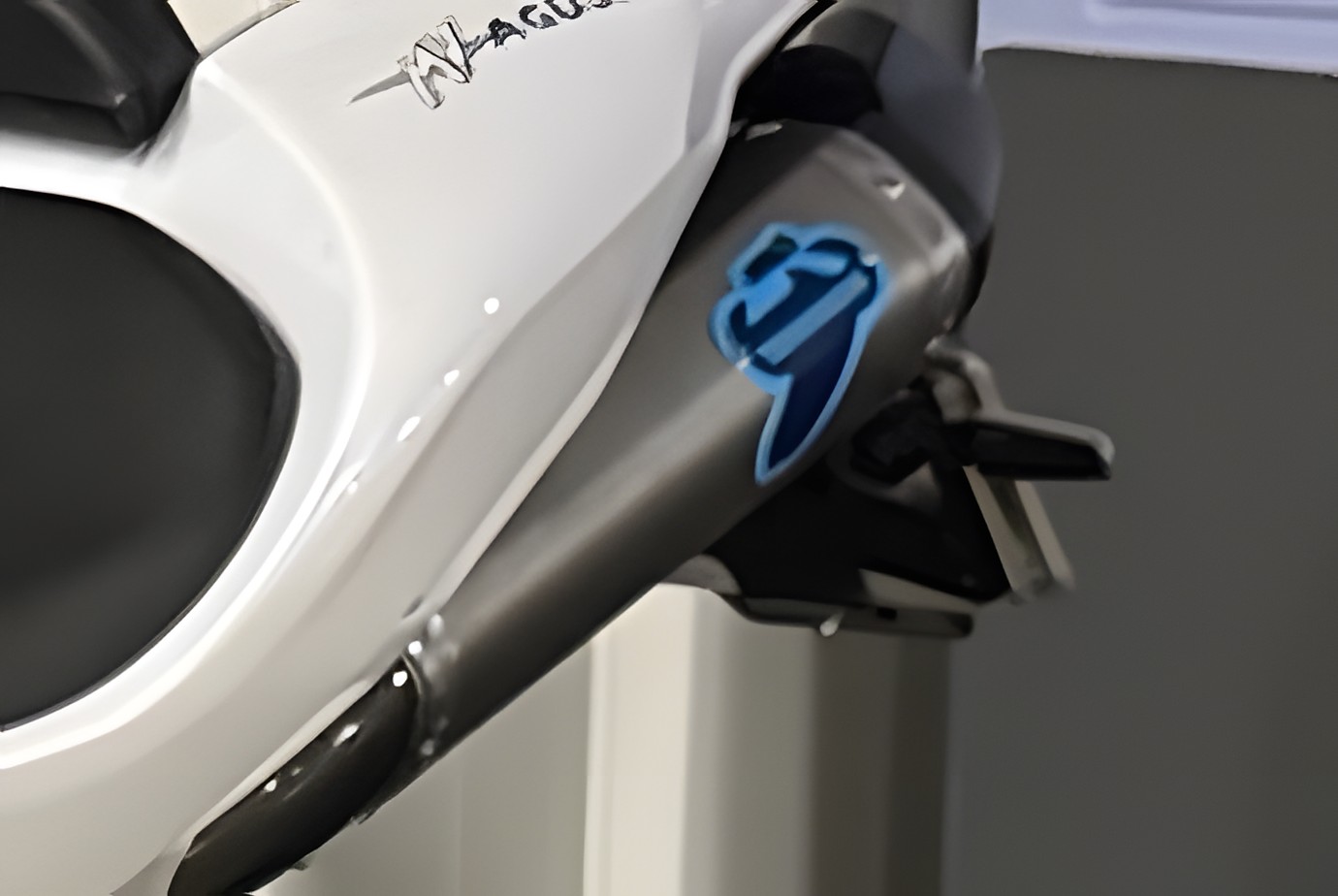
The MV Agusta F4 is a 998cc inline four with 143 kW on tap, finished in pearl white with a red trellis frame and a performance exhaust. It rewards a measured, smooth style on a country road, and it is a strong choice for a day in the hills. When you are ready to plan your ride, book the F4 on our page, and set up your contact plan before you leave the driveway.
Frequently asked questions
What should a rider contact plan include?
A good plan covers the route in plain steps, the expected stops, the planned return time and a clear description of the bike. It also names at least two contacts, sets check-in points at major stops and explains what happens if a check-in is missed. Keep a paper copy as well as a digital one, so the plan works when the battery is low or the signal is weak.
How often should I check in on a remote ride?
Check in at each major stop and whenever the road changes character, such as the start of a long climb or the arrival in a town. Between those points, a short message saying all is well is enough. Tell your contact in advance about any valleys or ranges where reception is likely to be poor, so a quiet period does not trigger an unnecessary alarm.
What if I lose phone signal for a few hours?
Plan for it before you leave. Your contact should expect gaps in reception and know how long to wait before trying again. Carry the paper copy of the plan, so your contact details and route are always to hand. If you are concerned about a long dead zone, stop at the last place with coverage and send an update before you ride on.
Should I share my live location with my contact?
Yes, for the length of the ride, if the person you have chosen is someone you trust. Turn the sharing on before you set off and switch it off once you are home. Keep personal details such as your home address and financial information out of the plan, since your contact only needs enough to find you and raise the alarm.
Does a contact plan matter for a short ride close to Sydney?
Yes, even a short ride can go wrong, and a plan takes only a few minutes to write. A quick note with your route, your return time and the name of your contact is enough for a half-day ride. It becomes more important as the distance from help grows, because coverage and traffic can both change quickly between the city and the hills.
When is the best time of year for a remote ride on the F4?
Autumn and spring are the most comfortable seasons for a remote ride. The air is clear, the temperatures are mild and the roads are less likely to be slick than in winter. Summer afternoons can be hot and humid, so start early if you ride in the warmer months, and keep your check-in times close together so your contact always has a clear picture of your progress.
Ready when you are. Pick your dates and book the MV Agusta F4 online, or call us and we will sort it with you.
Book NowCall 0468 011 118