
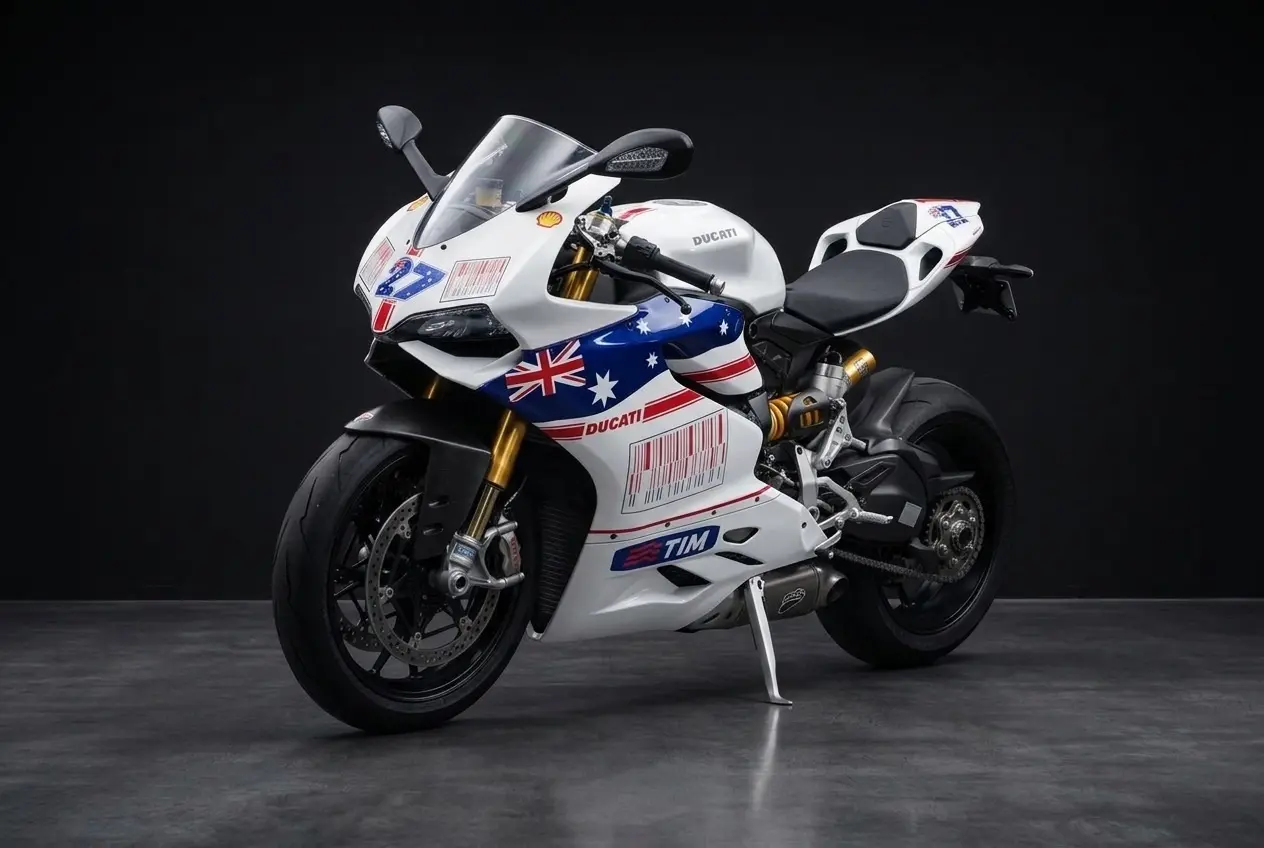
Book the Ducati 1199R. Pick your dates and book the Ducati 1199R online, or call us and we will sort it with you.
Book NowCall 0468 011 118Sublime Point Road ends at a clifftop lookout where the Illawarra coast opens out below you, and the approach is a run of bends that rewards a bike with precise handling. The road asks for steady, controlled riding on the way up, careful low-speed manoeuvres at the lookout and a calm, confident descent. Choosing the right bike is about balance: a machine that is composed at walking pace, sharp enough for the bends and easy to live with when you stop. This guide shows how the clifftop run shapes that choice and where the Ducati fits.
New to riding with us? Our page on motorbike hire in Sydney covers the bikes, the rider rules and how pick-up works.
What a clifftop run asks of a bike
A clifftop run is a different kind of ride. Most of the road is about bends and changes of direction, but the reward is at the end, where the road stops and you need to turn, park and manoeuvre the bike in a small space with a view to match. Both halves of the day matter, and the best bike for the run handles well in each.
On the approach, the bike should feel precise and predictable. You will be changing lean angle often, braking for corners and rolling on as the road opens. A bike that responds smoothly to small inputs makes those sections far more rewarding and far less tiring.
At the lookout, the bike should be easy to balance at walking pace. Turning around on a slope or in a tight space can be the hardest part of the ride, so a machine with confident low-speed manners takes away a lot of the stress. The sections below explain the approach, the lookout, the braking on the way down, the seasons and the crowds, the stops and the safety points.
The approach bends
The approach to the lookout climbs through bush and open sections, with bends that vary in tightness and camber. Some corners open out into long curves, while others tighten and hide the exit until you are committed. Set your line early, look through to where the road goes and adjust your speed to what you can see clearly.
A bike that changes direction without fuss makes these bends feel natural. You want to be able to move the bike from one side to the other without feeling it fight you, and hold a steady line through any mid-corner change of camber. Smooth throttle control through the exit lets you carry momentum without unsettling the bike.
Keep an eye on the surface, which can change from fresh seal to older patches and worn lines. Ease off before you lean into a bend rather than during it, and treat any dark or glossy section as a reason to slow down.
Low-speed control at the lookout
The lookout is where low-speed control matters most. You will be riding slowly, often on a slope, looking for a safe spot to stop, turning the bike and parking it on firm ground. Use the front brake gently and keep your feet ready, and avoid sudden throttle movements that can unsettle the bike at walking pace.
Choose your spot carefully. Look for a flat, firm area away from the edge of the cliff and clear of the path for pedestrians and other visitors. Do not stop on loose material or soft verges, and park the bike so that it cannot roll when you step away from it.
Turning around is best done slowly and deliberately. Use a steady line and a balanced stance, and let the bike track where you point it. A rider who takes their time at the lookout will have a far more enjoyable stop and a much calmer ride back down.
The Ducati for a clifftop run
The Ducati 1199R is a superbike for experienced riders, and its V-twin and 143 kW output give it a serious character on the approach bends. It responds sharply to the throttle, so it rewards a rider who keeps inputs smooth and uses the power in the right part of the corner. On a clifftop run, that precision helps you carry speed through the sections you know well.
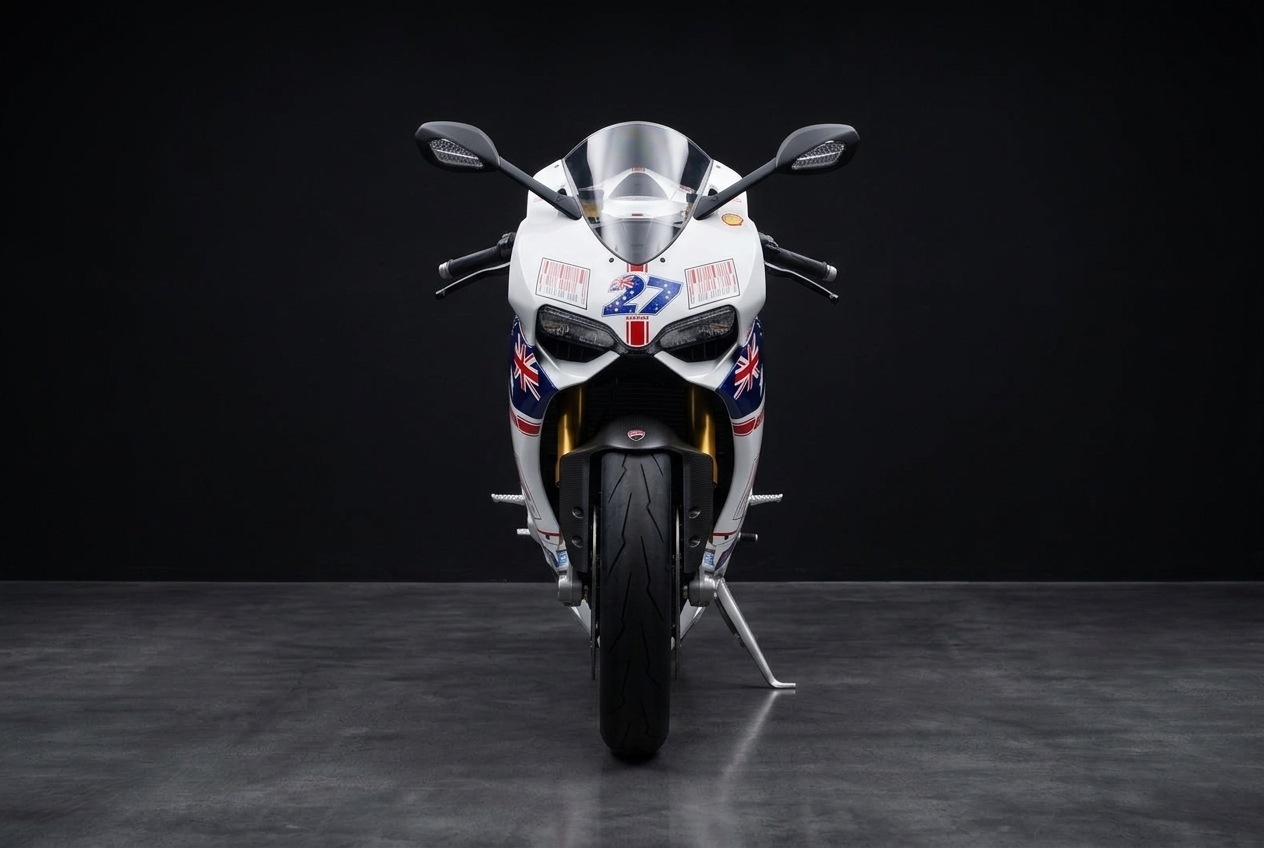
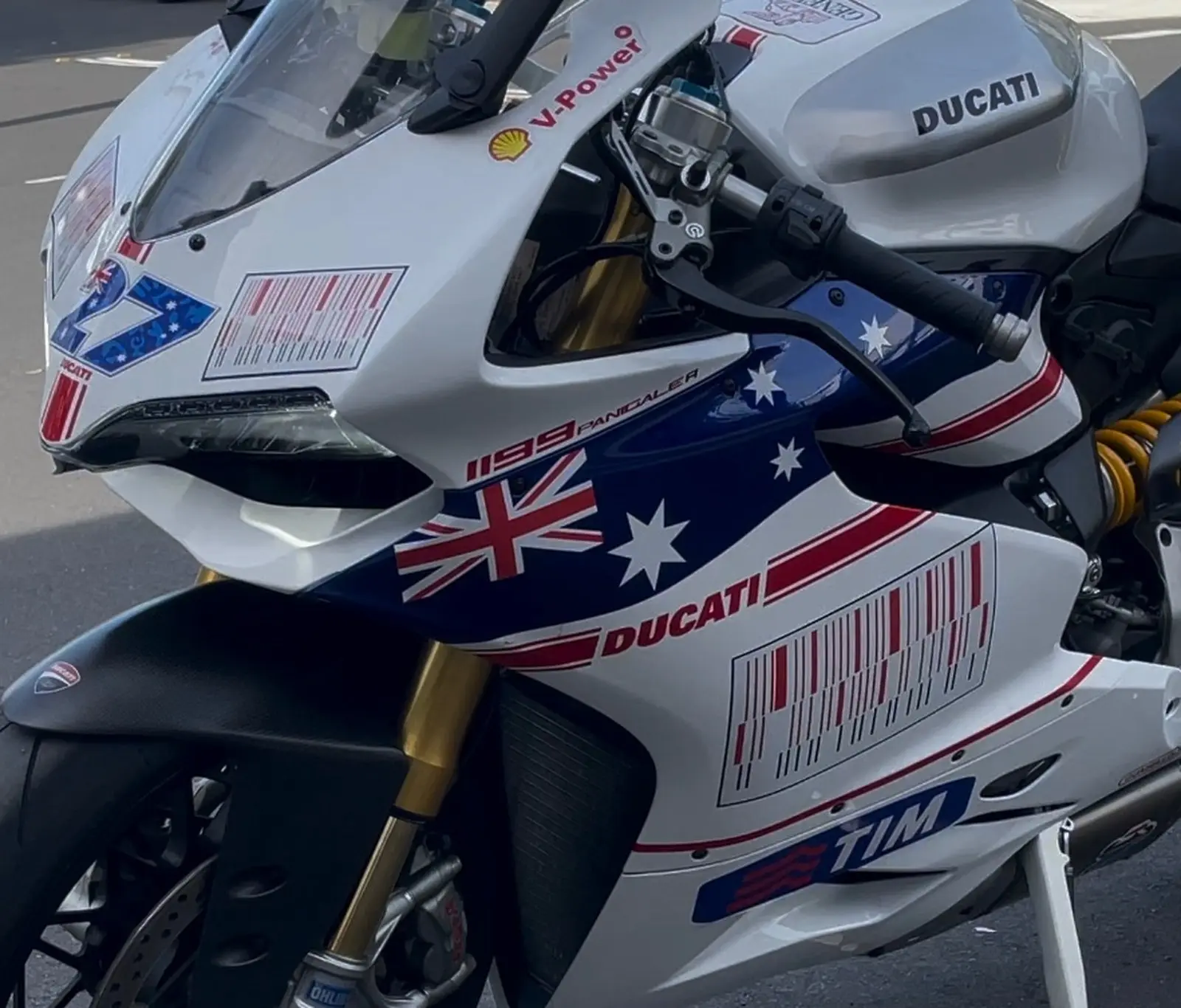
The Ducati also demands respect at low speed. Its focused character is at its best on a clear road with a steady pace, and at the lookout you should move the bike with care and patience. Its gold front forks and black forged wheels give it a distinctive look, and the Australian flag livery makes it a memorable machine to ride along the coast.
Choose the Ducati if you are an experienced rider who enjoys a precise, purposeful bike through the bends and is comfortable manoeuvring it at walking pace. For a rider who wants a more relaxed and forgiving machine for the same lookout, a naked bike with adjustable suspension may be the better fit.

Braking on the way down
The descent back down from the lookout needs controlled braking. Brake early and in a straight line where you can, and ease off the brakes as you lean into each corner. Avoid braking hard in the middle of a bend, since that is the surest way to upset the bike and your line.
Strong, predictable brakes give you confidence on a clifftop descent. You want a clear and steady response at the lever, so you can judge how hard to press without guessing. Keep your fingers ready on the lever and your eyes well through the corner, ready for changes in the road.
On a long descent, watch the brakes. If they begin to feel soft or hot, slow down further, use a lower gear to help control your speed and let the brakes cool at a safe stop before continuing.
Want the Ducati 1199R for your date? Pick your dates and book the Ducati 1199R online, or call us and we will sort it with you.
Book NowCall 0468 011 118Best time of day, season and crowds
The best time to ride to the lookout is a weekday morning, when the road is quiet and the light is clear over the water. Early in the day the air is fresh and the coast is calm, though you should watch for fog or damp patches in the shaded sections. Autumn and spring are generally the most comfortable seasons for a clifftop run.
Weekend crowds can be heavy at a popular lookout, particularly on warm, sunny days. Cars, cyclists and visitors gather at the view, and parking can fill quickly. Arrive early or ride midweek if you want a calm stop, and give other visitors plenty of room when you approach and leave.
Summer afternoons can be hot and humid, and storms sometimes build over the escarpment and the coast. Plan to finish before the afternoon storm window, and wait for any rain to pass before riding the bends on the way down. Winter mornings can be cold and misty, so allow for the fog to lift before you head up.

Fuel, food and rest stops
Fuel is worth planning before you head towards the coast. Fill up in a larger centre before the approach, and keep an eye on your range, since the hills and the stop-start running around the lookout use more fuel than steady riding. Do not assume a station will be open when you arrive.
Food stops are a pleasure on a coastal run. Cafes and bakeries in the towns along the Illawarra coast offer hot drinks, light lunches and a chance to relax after the bends. Plan your lunch for the middle of the day and check opening hours, since some places keep shorter times outside the busy seasons.
Rest every hour or so. Step off the bike at a safe, firm spot, stretch your back and shoulders and drink water. A break at the lookout gives you a moment to enjoy the view and reset your focus before the descent.
Safety on the clifftop approach
Gear is essential on a clifftop run. A full-face helmet, a jacket with armour, gloves that keep your grip and boots that cover the ankles should be the core of your kit. In the cooler months, add warm layers, since the coast can be windy and chilly at the top of the cliffs.
Wildlife can appear at the edges of the road at dawn and dusk, and the bush along the approach is home to kangaroos, wallabies and birds. Slow down in low light, scan the verges and treat any movement beside the road as a warning. Keep your lights on when visibility is poor.
Gravel, leaves and loose material can gather at corners and at the edge of lookout areas. Slow down before you reach them, keep the bike upright through any debris and never ride through a patch you cannot see clearly. Alcohol and riding never mix, and fatigue can creep in on a long afternoon, so take breaks and stop if your focus begins to slip.
Planning the run and booking the Ducati
Bikes are self-drive and collected from Parramatta, and a three day minimum applies to every hire. A clifftop run fits well into a longer booking that takes in the coast and a few more roads. To take out a bike, you must hold a full motorcycle licence that has been held for at least 3 years, and you must be aged 25 or over. Each night the bike is kept in a locked garage or a secure off-street space, from 9pm to 6am.
The Ducati 1199R is ready for a rider who knows what the clifftop run demands. You can browse the bike on our Ducati 1199R page and see the full range on our fleet page. Its Australian flag livery stands out on the coast road, and its precise handling rewards a rider who is ready for the bends.
Look at the current road conditions with Transport for NSW before you go, since works, closures and weather can affect coastal roads without much warning. Choose your window, plan your fuel and keep the pace calm at the lookout. When the morning is clear and the view is waiting, the Ducati will take you to a clifftop stop that makes the whole ride worthwhile.
Frequently asked questions
Is Sublime Point Road suitable for a confident rider?
Yes, the approach is a rewarding run for a rider who is comfortable with bends and low-speed manoeuvres. The bends demand smooth inputs and careful lines, and the turn at the lookout needs patience. Ride within your ability, take your time at the top and build your confidence before tackling the full approach.
What is the hardest part of a clifftop run?
For many riders the hardest part is the low-speed manoeuvring at the lookout, where the bike must be turned and parked on a slope or in a small space. Take your time, choose a flat and firm spot and use a steady, balanced stance. Practising slow turns on quieter roads beforehand can make a big difference.
Is it safe to park at the lookout?
Park only on firm, level ground away from the cliff edge and the path for pedestrians. Keep the bike upright, make sure it cannot roll and avoid soft verges or loose material. Stop well clear of other visitors and vehicles so that the area stays safe for everyone.
What should I wear on a windy coastal lookout?
A full-face helmet, a jacket with armour, gloves and boots that cover the ankles form the core of the setup. Add warm layers in the cooler months, since the coast can be windy and chilly at the top of the cliffs. A windproof outer layer helps keep you comfortable during the stop.
When is the best time to visit the lookout?
A weekday morning is the quietest time, when the light is clear and the lookout is calm. Autumn and spring are the most comfortable seasons. Weekends can be busy, particularly on sunny days, so arrive early if you plan to ride on a weekend. Summer afternoons can bring storms, so plan to finish before the storm window.
What is the biggest mistake riders make on the descent?
The biggest mistake is braking hard in the middle of a bend, which can upset the bike and the line. Riders also forget that long descents heat the brakes, so they need to slow earlier and let the brakes cool at a safe stop. Brake early in a straight line, ease off as you lean and keep the pace steady.
Ready when you are. Pick your dates and book the Ducati 1199R online, or call us and we will sort it with you.
Book NowCall 0468 011 118