
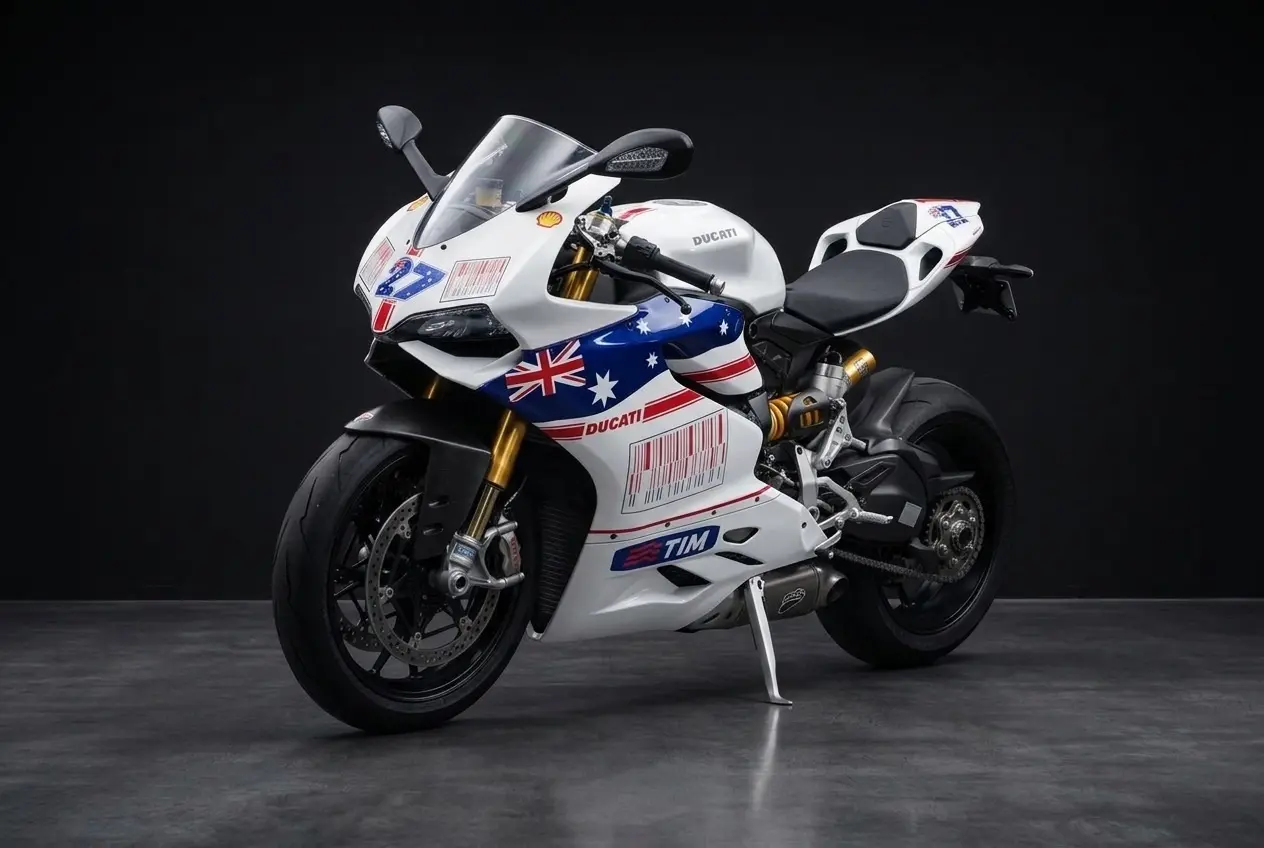
Book the Ducati 1199R. Pick your dates and book the Ducati 1199R online, or call us and we will sort it with you.
Book NowCall 0468 011 118A summer afternoon can start bright and finish with a fierce storm rolling over the ranges, and the ride home is often the moment a rider has to decide. Stay put, push on or find a middle ground? We have made all three calls and learned that a patient decision made early beats a rushed one made in the rain. Here is how we would weigh the choice on the Ducati 1199R, and what the evening road asks of a rider.
New to riding with us? Our page on motorbike hire in Sydney covers the bikes, the rider rules and how pick-up works.
Why afternoon storms change the ride home
Summer storms build quickly over hot ground. A clear sky can turn to towering cloud within an hour, and the first gusts often arrive before the rain. For a rider the danger is not only the rain itself, but the wind, lightning, hail and the sudden drop in visibility that comes with a heavy downpour.
The timing of a storm is what matters most. A cell that passes in twenty minutes is a very different problem from a line of storms that stacks up across the afternoon. Riders who watch the cloud build, and take official warnings seriously, usually have far more options than those who only look at the sky directly above them.
We think the ride home deserves the same planning as the outward trip. A storm is not an emergency in itself, but a decision made in a hurry is often the riskiest choice of the whole day. Make the call early, while you still have time to change the plan.
Best time of day and season for an evening return
Summer evenings are long and warm, and the light lingers well after the storms have passed. The period just after a storm can be a pleasant time to ride, with cooler air, damp roads and the sun low over the hills. The roads are often wet, the verges are dark and the light fades faster than many riders expect in the shadow of the ranges.
Plan the ride home to finish well before the sky darkens. Start the return in late afternoon if the forecast is clear, and aim to arrive before the sun is down. There is no ban on riding at dusk, but the corners and verges are harder to read in the last hour of daylight, so your pace has to match what you can see.
Weekend traffic on the main roads home can be heavy in the early evening, and the holiday rush can build as the storm clears. Expect slow traffic on the approaches to the city, and build that into your timing so that the last stretch does not become a rush.
- Watch the cloud build from late morning
- Start the return by late afternoon if the sky is clearing
- Expect heavy holiday traffic as the weather clears
Reading the sky and the forecast
Look for the signs of a building storm: a tall, dark cloud base, a sudden drop in temperature, a stronger breeze and a sharp, metallic smell in the air. These signals often arrive before the rain. If you notice them on the way out, consider a shorter route or a break until the cell has passed.
Check the official forecast and any warnings before you set off, then check again before the return. Warnings can change within minutes on a summer afternoon, so one check is rarely enough. Pay attention to the direction the storm is moving, because it may be heading straight toward your route.
If you are unsure, wait. A rider who holds back for an hour at a cafe or a base loses very little, while a rider caught in a storm on an open highway can lose a great deal. The safest call is often the one that avoids the decision altogether.
The evening road: visibility, surfaces and corners
Wet roads after a storm can be slippery in unexpected ways. Oil and dust rise to the surface during rain, and the first few minutes after a downpour can be the most slippery of the whole ride. Brake earlier, use smooth inputs and avoid leaning hard until the surface has cleared.
Evening light changes how you read the road. Shadows from the ranges can hide potholes and wet patches, while the low sun can dazzle as it breaks through the cloud. Keep your visor clean and your speed matched to what you can see clearly ahead.
Corners in the hills can be tight and shaded, with leaves and debris washed onto the edges. Look well ahead, keep the bike upright through the apex and treat any dark patch as dangerous until you can see it clearly. Check road conditions with Transport for NSW before you set off, because flooding and debris can close sections of road quickly after a storm.
Wildlife, fatigue and staying within your ability
Wildlife becomes active as the evening cools, and kangaroos and wallabies often move onto roadside verges at dusk. A storm can also drive animals toward the roads, so scan the edges carefully. Slow down near grassy verges and be ready to brake in a straight line if something appears.
Fatigue is a real risk after a storm. The tension of riding through rain, combined with a long day in the heat, can leave you drained and less alert. Take a break before the final stretch, drink water and stop if your concentration starts to drift.
Ride within your ability and be honest about how you feel. A cold, tired rider is far less safe than one who waits for the roads to dry. Alcohol has no place in this ride, and any celebration should wait until the bike is parked for the night.
Gear that handles a summer storm
Storm gear is about waterproofing and visibility. A fitted helmet with a clean visor, a jacket with armour and a waterproof outer layer, gloves that keep your hands dry and boots that cover the ankles are the essentials. A light waterproof kept in your bag can make the difference between a comfortable return and a miserable one.
Heat and rain can combine to make riding uncomfortable, so choose breathable waterproofs where you can. Carry a dry pair of gloves for the return, and keep the visor clean, because rain and dust can cut your view quickly.
Gear should fit properly and be in good condition. A torn seam or a leaking glove is easy to ignore in good weather, but it becomes a serious problem in a downpour. Check your kit before you set off.
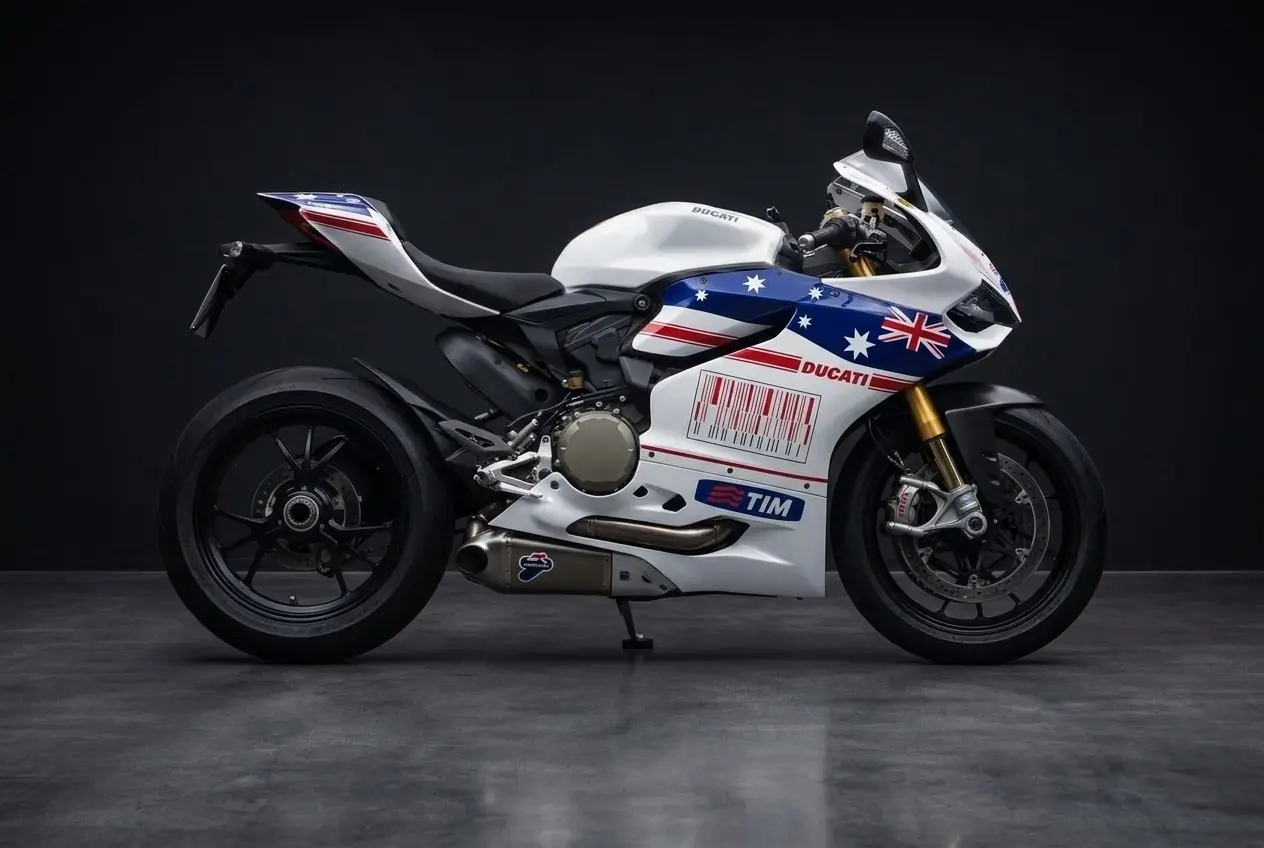
Want the Ducati 1199R for your date? Pick your dates and book the Ducati 1199R online, or call us and we will sort it with you.
Book NowCall 0468 011 118Holding position and choosing a safe place to wait
If the storm is heavy, look for a safe place to wait out the worst of it. A petrol station forecourt, a cafe car park or a sheltered picnic area can work well, provided you are not blocking traffic or a driveway. Park the bike on firm ground and keep it upright.
Do not shelter under trees, which can drop branches in strong wind and attract lightning. Stay clear of poles and open paddocks, and wait until the rain eases and the road surface is visible again before you carry on.
Once the storm has passed, give the road time to dry before you ride at pace. Test the brakes lightly, check the tyres and look for debris before you set off.
Planning a backup route and an exit point
Build a backup route before you leave. If the afternoon storm builds over the ranges, you want a route that drops you to lower, more sheltered roads or straight back toward the city. Mark the bail-out points on your plan, and choose roads you know well so you are not searching for a turnoff in poor visibility.
Think about the stopping points on that backup route as well. Known fuel stops, a cafe or a service station with shelter, and places where you can pull off safely all make the difference when the weather turns. Write them down before you leave, and make sure anyone riding with you knows the plan too.
A backup plan is only useful if you are willing to use it. If the sky changes, take the bail-out early rather than hoping the storm will pass you by. Many riders regret pushing on and few regret turning back, so treat an early exit as a normal part of the ride rather than a failure.
The hire rules for a summer evening return
The minimum hire is three days, which gives you room to pick the right day for the return. Helmets (Shark, AGV or Bell) can be hired from us in small, medium or large for $50 per hire, or you can bring your own. We do not supply jackets, gloves, pants or boots, so bring your own riding gear. Overnight, the bike must be kept in a locked garage or secure off-street parking between 9pm and 6am, so plan the evening arrival with that in mind.
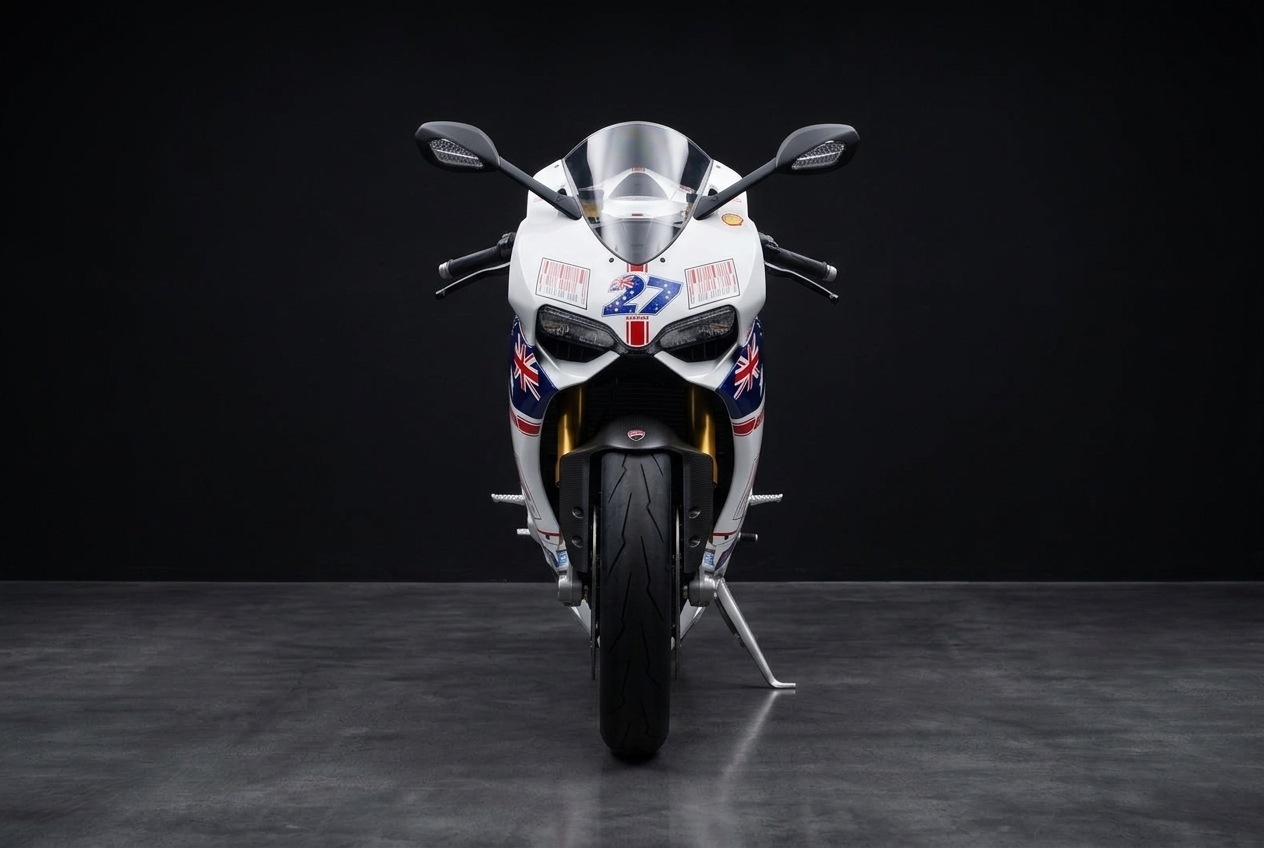
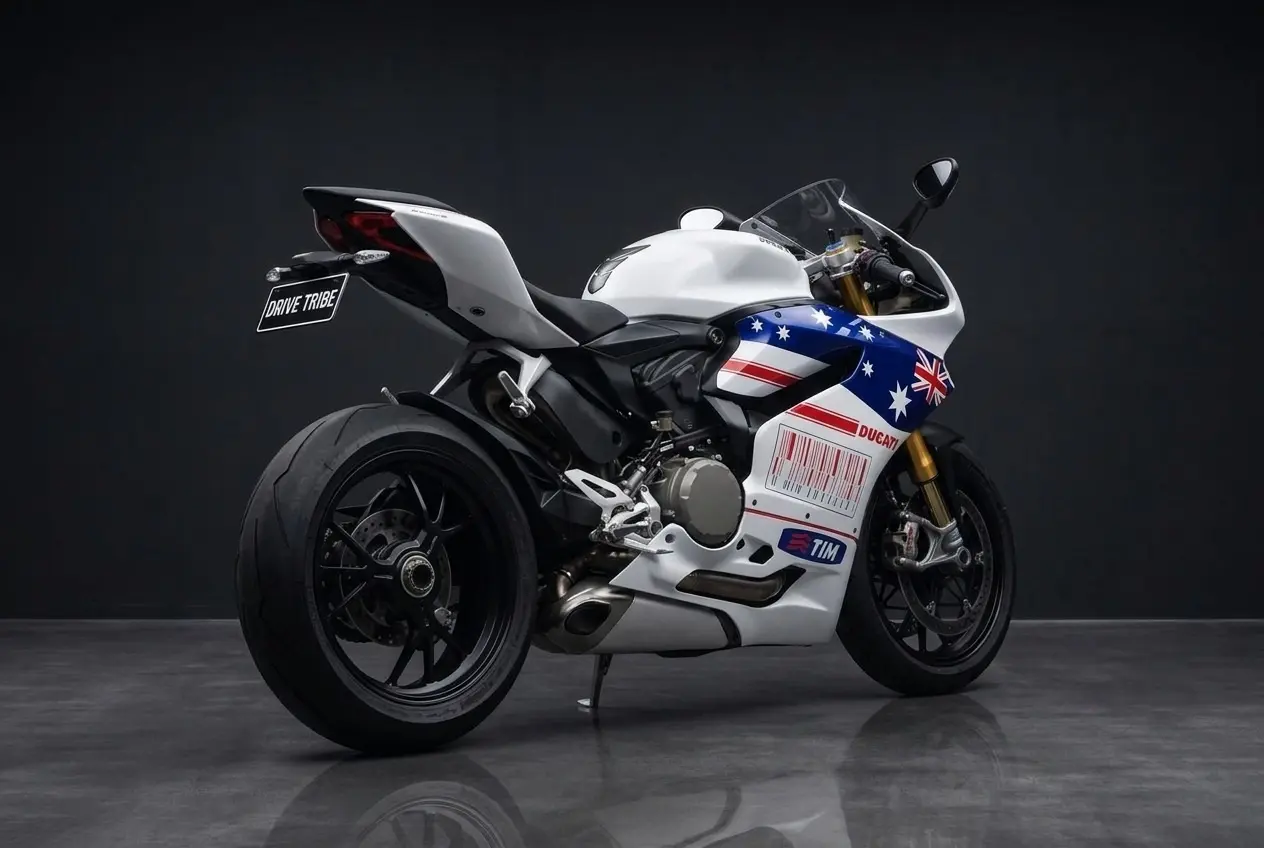
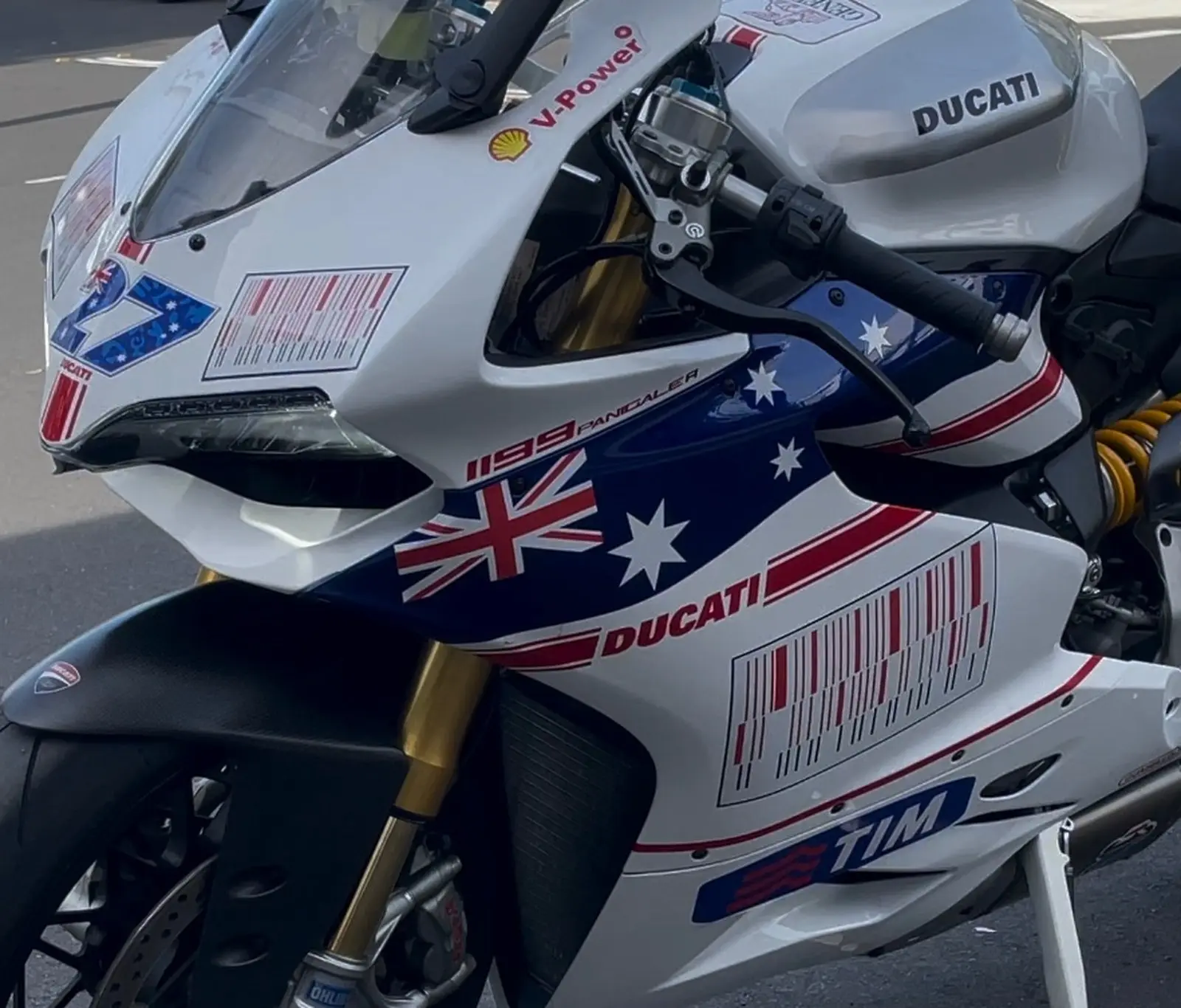
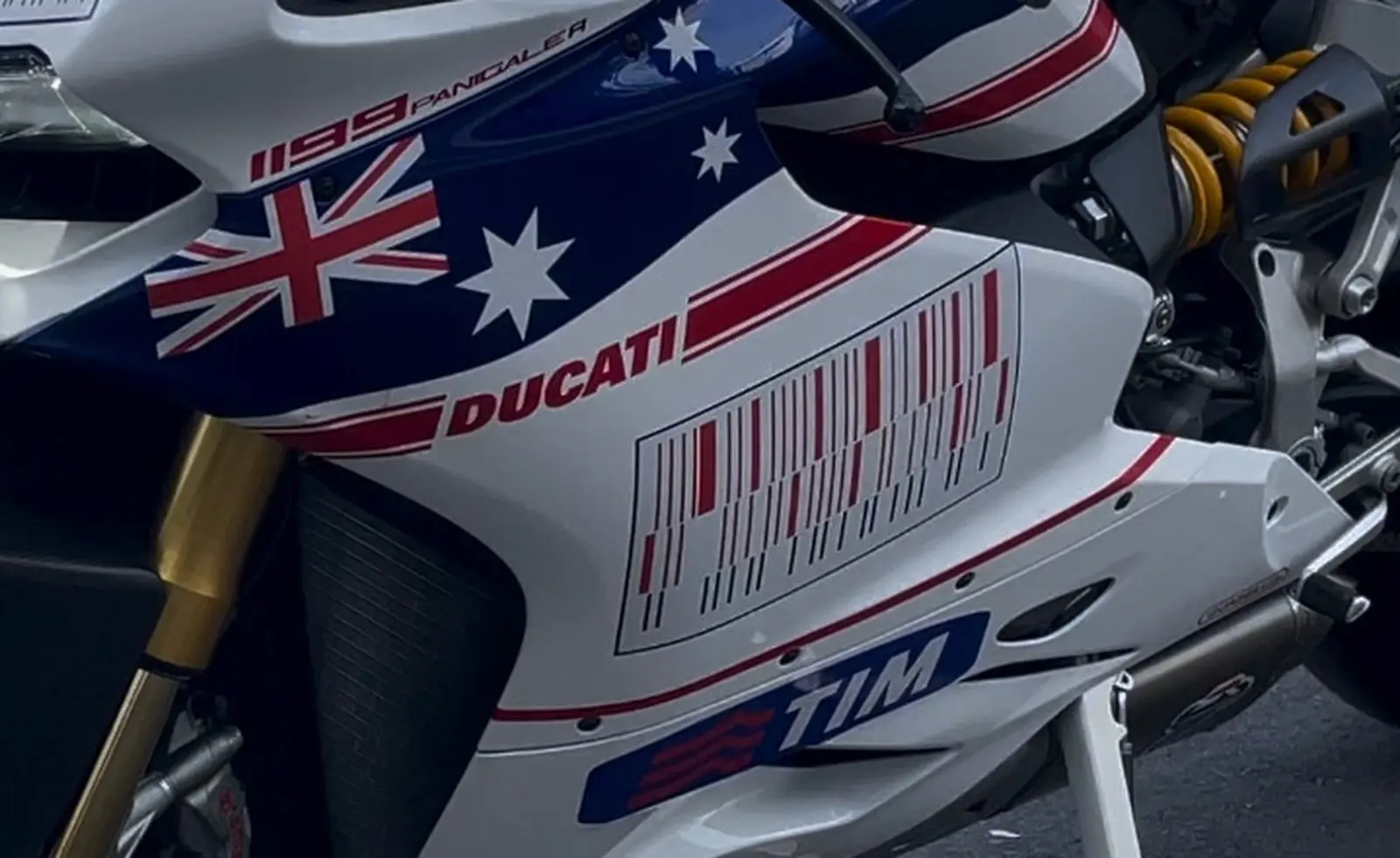
Built for experienced hands, the Ducati 1199R pairs a V-twin producing 143 kW with gold front forks and black forged wheels. Its tribute livery in Australian flag colours sets it apart on any road, and it rewards a calm, measured approach in wet weather.
Book your summer ride home with us
Summer rides are at their best when the weather is respected. Plan the outward leg with the storm forecast in mind, keep a flexible return and ride home at a pace that suits the road. The reward is a calm evening ride through cooler air and quiet hills.
When you are ready, the Ducati 1199R is the bike we would suggest for an experienced rider who wants a sharp, focused ride. Tell us your dates and planned route, and we will help you plan the trip around the weather. Book early and ride with care.
Frequently asked questions
How do I know if a storm is coming on the ride home?
Watch for a tall, dark cloud base building over the ranges, a drop in temperature, gusty wind and a sharp smell in the air. Check the official forecast and warnings before you leave and again before the return. If the cloud is building fast and moving toward your route, wait somewhere sheltered and let the cell pass before you commit.
Is it safe to ride in the evening after a summer storm?
It can be, once the worst of the weather has passed and the roads have had time to drain. Expect slippery surfaces, dark verges and falling light. Ride at a steady pace, keep your visor clean and leave plenty of room. If the road is still flooded, debris is visible or you feel tired, stop and wait rather than pushing on.
What should I do if the rain catches me on the road?
Ease off, increase your following distance and look for a safe place to stop away from traffic. Avoid stopping under trees or on the edge of a bend. Once you have stopped, wait for visibility to improve before continuing, and check your gear and brakes before you ride on. Turning back is a sensible choice if the storm is heavy.
Can I shelter under a tree during a thunderstorm?
No. Trees can drop branches in strong wind and are a common target for lightning, so they are not a safe place to wait. Choose a building, a covered area or a clear spot away from poles and open paddocks, and stay there until the storm has passed.
How much daylight do I need for the return?
Plan to finish the ride while there is still good light, ideally with time to spare. The last hour of daylight is harder to read because shadows hide the surface, and wildlife can be harder to see. There is no ban on riding at dusk, but a steadier pace and extra care are essential if the light is fading.
What gear should I carry for an afternoon storm?
Carry a waterproof layer, a spare pair of dry gloves and a visor cloth. Wear a fitted helmet, a jacket with armour, boots that cover the ankles and gloves that keep your hands dry. Pack a torch for the evening and a basic repair kit. Breathable waterproofs are the most comfortable choice in summer heat.
Ready when you are. Pick your dates and book the Ducati 1199R online, or call us and we will sort it with you.
Book NowCall 0468 011 118