
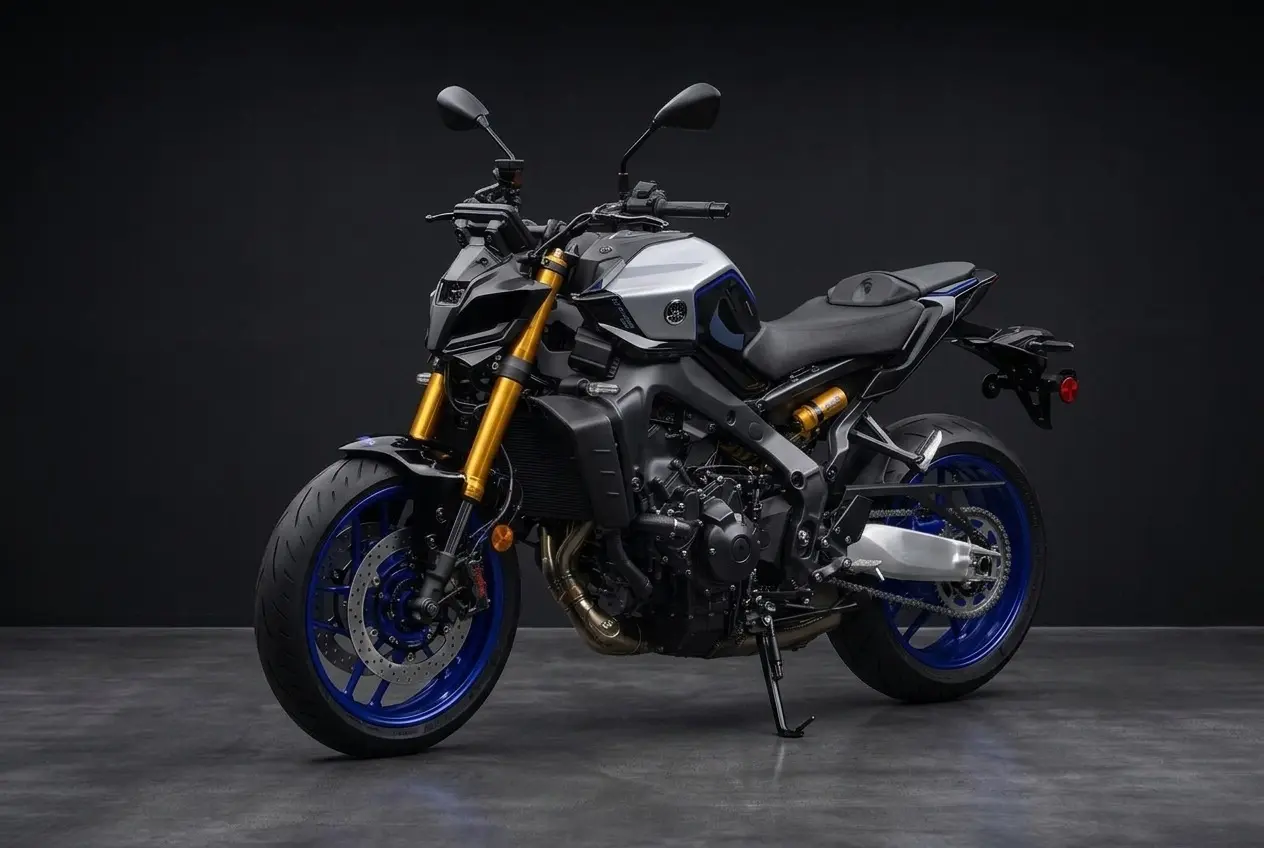
Book the Yamaha MT-09 SP. Pick your dates and book the Yamaha MT-09 SP online, or call us and we will sort it with you.
Book NowCall 0468 011 118Sydney summers have a rhythm that experienced riders learn quickly. The air is still and cool before seven, the main roads are quiet, and by eleven the asphalt is shimmering while the coast traffic builds. A weekend ride planned around that rhythm feels completely different from one started at noon. Our plan starts at six in the morning, the earliest moment a bike can leave our garage, and finishes back in the city before the worst of the midday heat. Here is how we structure those few hours.
New to riding with us? Our page on motorbike hire in Sydney covers the bikes, the rider rules and how pick-up works.
Why the day starts at six
Our bikes are self-drive, collected from Drive Tribe in Parramatta on a three day minimum hire, and the rider must hold a full motorcycle licence that has been held for at least three years and be 25 or over. The bike has to sit in a locked garage or secure off-street parking between 9pm and 6am, so the earliest ride of any weekend begins at six. Everything in this plan is built around that first moment of the day.
That six o'clock start is better than it sounds. In midsummer, sunrise in Sydney comes before six, so by the time you wheel the bike onto the street the sky is already bright and the air still holds the cool of the night. The main arterial roads are nearly empty, the weekend cafes are only just opening, and the first hour of riding feels like a different city from the one you will be dealing with by noon.
Think of the morning as three phases rather than one long run. The first is a warm-up stretch on flat, familiar road where you check the tyres and the brake feel. The second is the climb into the hills or the run down toward the coast, where the corners are the reason you came. The third is the easy run home before the heat builds. Setting that rhythm before you leave keeps the day honest and stops you chasing the clock when the road asks for patience.
Pre-ride checks while the air is cool
A cold start is the moment to be most thorough. Even in summer the early air can feel surprisingly cool, and tyres and brakes behave differently before they have warmed through. Walk around the Yamaha MT-09 SP before you start it, look at the tyre pressure and tread, confirm the lights and indicators work, and set the mirrors for your height. Five minutes here saves a great deal of trouble later on a winding climb.
Gear matters more in the early hours than most people expect. Sunrise air over water or down in the valleys can feel bitterly cold at road speed, even when the afternoon promises a hot day. Wear a full-length jacket with armour, gloves that let you work the controls with confidence, and closed footwear that covers the ankle. A thermal layer under the jacket is a simple decision that changes how the first hour feels, and it is far easier to strip off at the first stop than to wish you had it.
Give the bike a few minutes to come up to temperature before you ask it for anything hard. Ride gently through the first suburbs, watching for wet patches left by sprinklers and the dew that clings in the shade of leafy streets. The surface is at its least forgiving just after dawn, so treat that first kilometre as the test it really is.
- Tyres: pressure and tread checked before the first kilometre
- Brakes: a gentle test in the car park before the first corner
- Lights, indicators and mirrors set for your height
- Layers: a thermal under the jacket and a light waterproof in a pocket
Leaving the city before the traffic wakes
The route out of the western suburbs is a matter of picking the right corridor at the right time. Early on a summer weekend the motorway runs smoothly, and the arterial roads carry only the first delivery vans and a few riders out for a dawn loop. Aim to be clear of the built-up area by about half past six, when the light is good and the surface is cool. Watch for the first set of traffic lights where the roads cross, and give yourself room to stop cleanly.
Lane filtering is legal in New South Wales for fully licensed riders at up to 30 km/h, between slow or stopped traffic, but it is not allowed beside the kerb or parked cars, and it is not allowed in school zones during school-zone hours. Early weekend mornings rarely call for it anyway. Lane splitting above 30 km/h is illegal, so stay in your lane and let the traffic come to you rather than chasing the gaps.
Once you are past the last suburbs, the road character changes quickly. The posted limit is clear, the traffic thins to almost nothing, and the first farm gates and roadside stalls start to open. Keep your speed inside the posted limit and settle into a rhythm you can hold for the next hour, because the hills are where the day starts asking real questions of your concentration.
Choosing the Blue Mountains run
Bells Line of Road is the most rewarding early route from the city. It climbs out of the Hawkesbury country through orchards and tall timber, and its bends are long enough to settle into a line rather than stab at the controls. The surface is sealed and well known to riders, but the edges can collect leaf litter and loose debris after a storm, so ride as though the road might change under you at any moment.
Corner types here vary a great deal. You will find open, sweeping bends on the lower sections, tighter series of switchbacks higher up, and places where the view across the valley tempts you to look rather than steer. Keep your eyes where you want the bike to go, use the width of your lane on the open curves, and slow to a sensible pace before the tight sections rather than braking hard mid-corner.
The Yamaha MT-09 SP suits this kind of road well. Its inline three gives a performance character that is easy to read on the climbs, and the premium adjustable suspension keeps the bike settled over the bumps and the crests. Set up the suspension before you leave the city, so you are not fiddling with it on a corner with the sun coming up.
Fuel and food stops along the way
Plan your fuel before you leave the city. On a weekend morning some stations on the quieter roads may not be open yet, so top up at the last trading station you pass and note the next one on the route. A motorbike tank is smaller than most people expect, and climbing or riding with purpose drinks fuel faster than a relaxed commute, so do not let the needle drift into the last few litres on the hills.
The early start also pays off at the table. Many country bakeries and cafes in the Hawkesbury and the Blue Mountains open around seven, so timing your first real stop for mid-morning works well. A hot breakfast after the cool climb tastes better than it has any right to, and it gives you a chance to stretch your back and check the bike, the tyres and the weather ahead.
Carry water on the bike. Summer heat builds quickly once the sun clears the ridgelines, and you can lose more fluid than you realise under a jacket. Stop in shade rather than in the full glare of a car park, and drink before you feel thirsty. Keep a snack in an easy pocket so you can eat without rummaging, and avoid riding on an empty stomach after a long climb.
Coast runs for the late morning
A second option is to turn the other way and head for the coast. The Grand Pacific Drive runs south of the city past the cliffs and headlands, and the early hours are the best time to enjoy it. Traffic is light, the air cools in the shade of the escarpment, and the ocean views stay clear before the afternoon haze arrives. The road has long swooping corners and some tighter bends near the drop-offs, so take them at a pace that keeps you comfortably in control.
Ride with extra care where the road runs through bush and the shade of tall trees, because that is where wildlife moves at dawn and dusk. Kangaroos and wallabies are most active in the cool of the early morning, and a surprise on a bend leaves little room to react. Ease off where the trees close in, scan the verges as you enter each stretch, and assume that something may step out.
The coast is also where weekend crowds gather later on. By late morning the car parks at the lookouts fill, the cafes along the water are busy, and the traffic tightens around the popular beaches. Our suggestion is to reach the headland before the crowds, enjoy the most open road you will find all day, and turn back inland before midday brings in the heavier holiday flow.
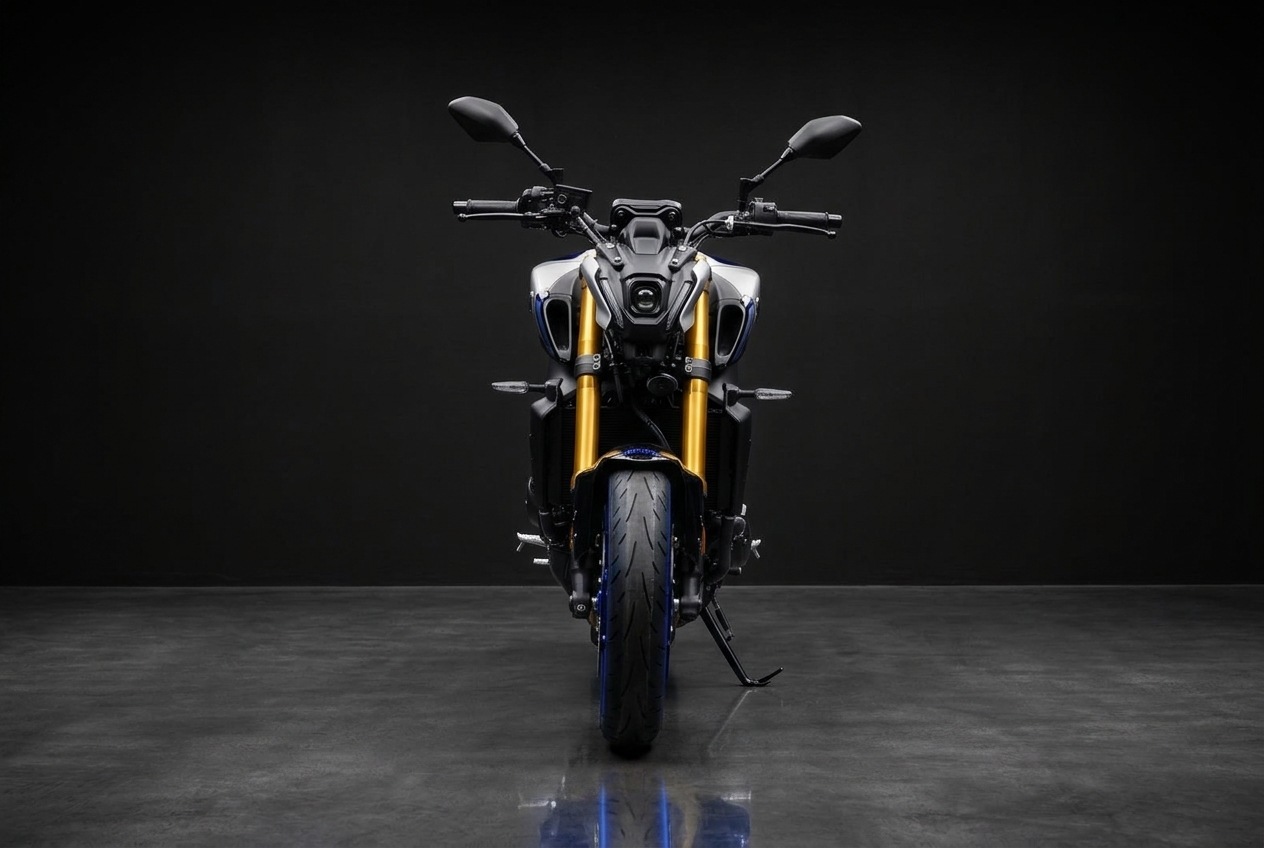
Want the Yamaha MT-09 SP for your date? Pick your dates and book the Yamaha MT-09 SP online, or call us and we will sort it with you.
Book NowCall 0468 011 118Gear, fatigue and the heat
Heat is a rider's quiet enemy. A hot day in traffic is tiring, and a hot afternoon on a powerful bike in full gear can drain concentration before you notice it going. Riding early works in your favour, but the sun still climbs hard as the morning wears on. Wear the protective gear that suits the heat, keep the visor clean so the glare does not catch you out, and plan to finish the main riding before the peak of the early afternoon.
Fatigue builds faster than most riders admit. Two hours of concentrated riding on tight corners can leave your shoulders aching and your focus slipping, and that slip is most dangerous on the way home, when you think you know the road by heart. Take a short break every hour or so, stretch your hands and legs, and be honest with yourself about whether you are still riding as sharply as you were at the start.
Ride within your ability and never mix riding with alcohol. A late night on a Saturday followed by an early start is a common way for a rider to end up on the back foot, and a bike does not forgive a slow reaction. If you feel the day slipping away from you, stop, rest and let the plan change. Turning round early is always the better decision compared with pushing on while tired.
Road conditions and changing weather
Before you leave, check road conditions with Transport for NSW, because closures, roadworks and hazard warnings change from one weekend to the next. Summer storms can drop branches or leave wet patches on shaded corners, and a road that was dry yesterday may still be slick in the morning. Check the forecast for the hills too, since they often run cooler and wetter than the city, and pack a light waterproof in case the sky turns.
Wet-weather riding deserves its own plan. Painted lines, manhole covers and tar strips become slippery when damp, and the first rain after a dry spell brings oil up to the surface. Reduce your speed well before the corners, avoid sudden inputs, and leave more following distance than feels natural. If the weather turns on the climb, a short ride back to the city by the most direct route is often the wisest choice.
Keep an eye on the sky as the day warms. Afternoon storms can build over the ranges quickly in summer, and the cloud can drop the temperature sharply. Know the way back to the city, keep the phone charged, and let someone know where you are heading. A plan is only as good as your willingness to adjust it when the conditions change.

Choosing the right bike for a dawn run
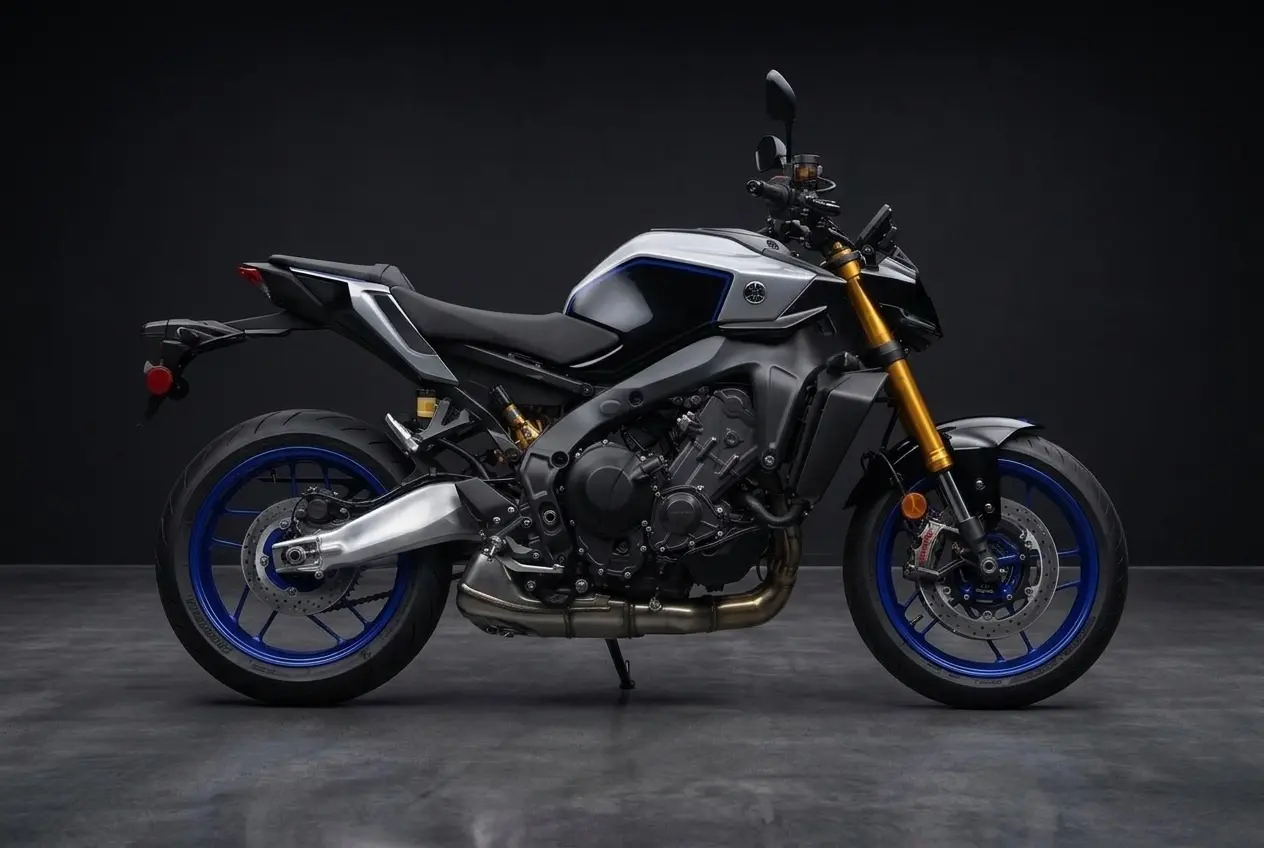
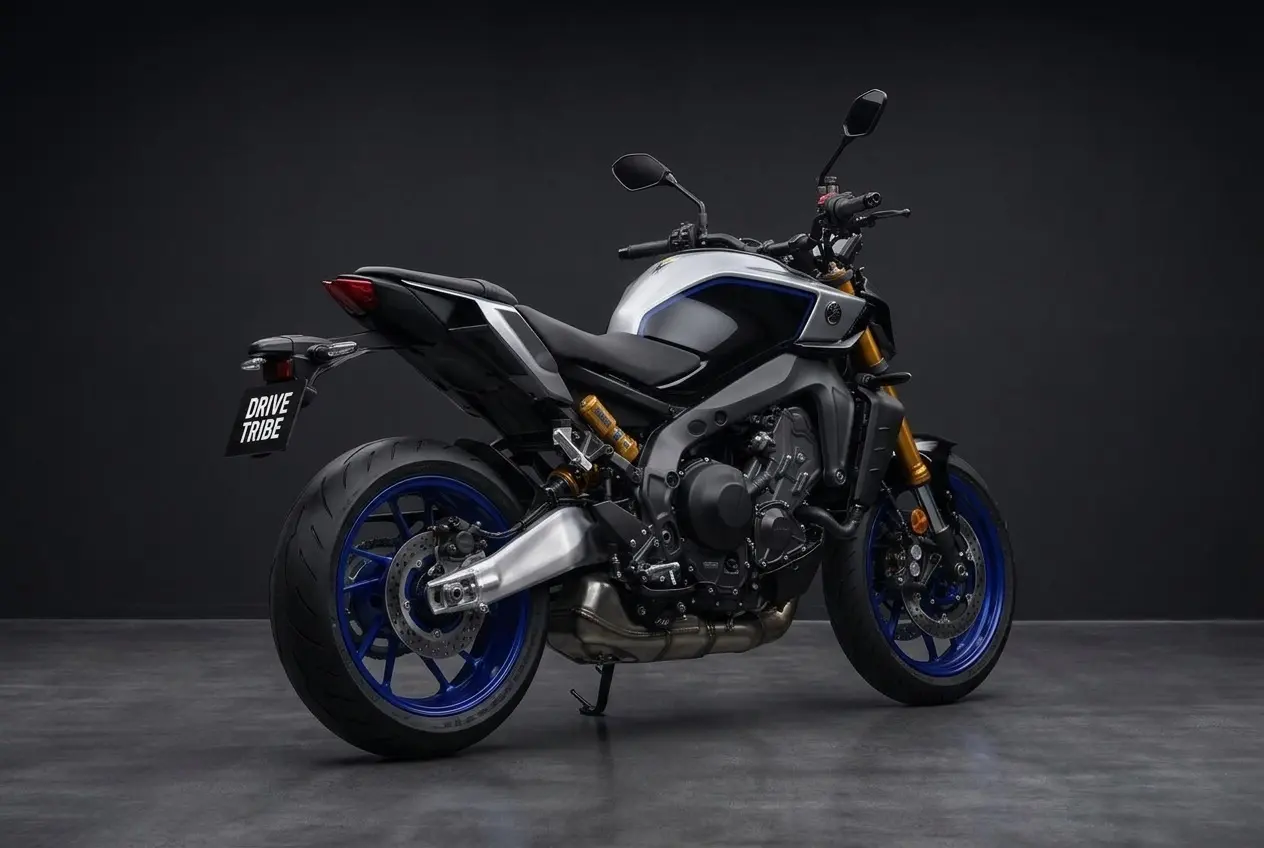
The Yamaha MT-09 SP is the bike we would choose for this kind of morning. It is an inline three performance naked bike with premium adjustable suspension, gold front forks and strong brakes, which means you get confidence on the descents and clear feedback in the corners. Its handling makes the long, changing bends of the Blue Mountains and the coast feel natural, and it is comfortable to ride for the length of a good morning loop.
If you are an experienced rider and want more, the Ducati 1199R Panigale is a superbike with an Australian flag tribute livery, gold front forks and black forged wheels. Its V-twin produces 143 kW, which makes it a very different proposition on a dawn ride, and it rewards a rider who has built real experience. The MV Agusta F4 is a 998cc inline four with a performance exhaust and a pearl white finish with a red trellis frame, and it offers a sharp, focused ride for someone who knows what they are doing.
Whichever bike you choose, the plan stays the same: start at six, keep the speed honest, stop before the heat, and make the most of the cool hours. A well-run morning leaves you relaxed rather than exhausted, and that is the feeling we hope every rider takes home with them from a summer weekend.
Booking the Yamaha for a summer weekend
If an early summer weekend ride sounds like the right way to spend your time off, the Yamaha MT-09 SP is the bike we would start with. Choose your dates first, then fit the morning plan around them. Riding in the cool of the day is one of the best ways to see the Hawkesbury, the Blue Mountains and the coast without spending the afternoon in heavy traffic or in the heat.
You can see the bike and its details on its fleet page, and our team can talk through the route, the gear you need and the conditions to expect before you commit. A short conversation at the start means the weekend begins with a clear picture rather than guesswork, and that makes the early start feel easy rather than like a chore.
Use the link below to book the Yamaha MT-09 SP, and if you are unsure which bike suits your riding, we are happy to help you decide before you go ahead. Early starts are a pleasure when the plan is clear, and a summer weekend that begins with cool air and quiet roads is very hard to beat.

Frequently asked questions
What time can I leave on a summer weekend?
The earliest start on a summer weekend is six in the morning. Sunrise comes before that in midsummer, so the first few minutes are in twilight. Starting at six puts you on the road with bright light, cool air and quiet roads from the first corner. Plan your first real stop for mid-morning, once the local cafes are open.
Is an early start safer than riding at midday?
In many ways it is. Traffic is thin, the air is cooler and the heat has not yet worn down your concentration. The early hours bring their own hazards, though. Cold tyres and brakes need a gentle start, and wildlife is most active at dawn and dusk. Ride with that in mind, and the early run is one of the more relaxed ways to spend a summer morning.
What kind of corners and surfaces should I expect on the hills?
The Blue Mountains roads mix open sweeping bends with tighter switchbacks higher up. The surface is sealed, but the edges can collect leaf litter and loose debris after a storm. Slow before the tight sections, keep your eyes through the corner, and treat any patch of debris with respect. The best line is usually the one that keeps the bike upright and calm.
How much fuel should I plan for a long morning run?
A motorbike tank is smaller than most people expect, and climbing hard drinks fuel faster than a relaxed commute. Top up in the city before you leave, and note the last trading station on the hills before you commit to a longer loop. Do not let the needle drift into the last few litres, because a long climb with no fuel is a poor way to end a good morning.
Do I need to check the forecast before a summer ride?
Yes, and it matters more in the hills than in the city. Mountain weather often runs cooler and wetter than the coast, and afternoon storms can build over the ranges in summer. Pack a light waterproof and a warm layer even when the morning looks clear, and be prepared to shorten the ride if the cloud thickens.
Can I ride the coast roads on a weekend morning?
The coast roads are at their best in the early hours, when traffic is light and the ocean views are clear. Expect wildlife in the bush sections, keep your speed down where the trees close in, and be ready for crowds at the lookouts later in the morning. Reaching the headland early gives you the most open road of the day, and turning back before midday keeps the ride relaxed.
Ready when you are. Pick your dates and book the Yamaha MT-09 SP online, or call us and we will sort it with you.
Book NowCall 0468 011 118