
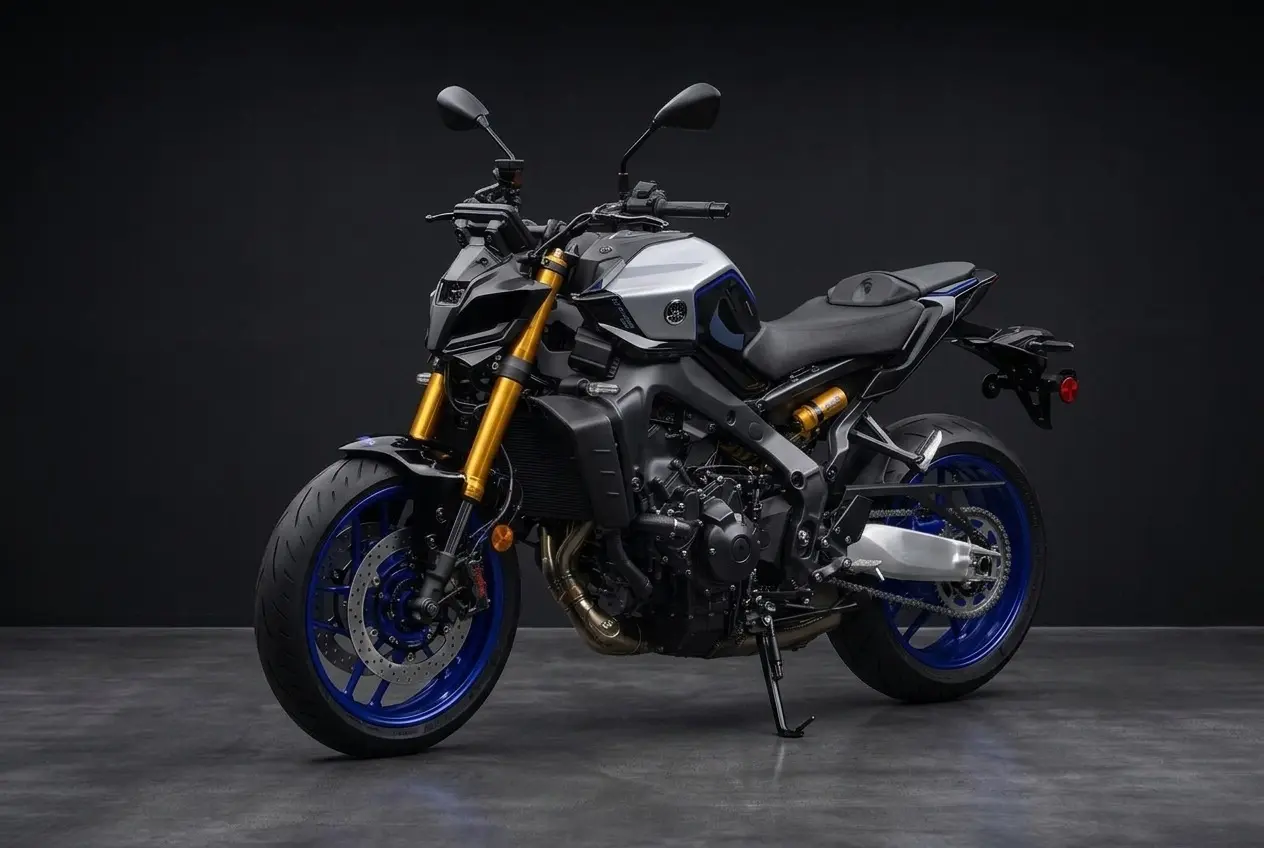
Book the Yamaha MT-09 SP. Pick your dates and book the Yamaha MT-09 SP online, or call us and we will sort it with you.
Book NowCall 0468 011 118On a group ride, the rider at the front sees the hazard first, and the riders behind only see it if the leader makes it clear. A pothole, a patch of gravel or a branch on the lane can catch a following rider off guard, especially when the bikes are spaced close together. Simple, agreed hand signals give everyone time to respond. This guide sets out a practical set of signals, how to use them without losing control of the bike and how to make the whole group safer before the first kilometre.
For the bikes we hire, who can ride them and how a hire runs, see motorbike hire in Sydney.
Why the leader needs to speak with their hands
In a group, the rider at the front is usually the first to see a hazard. The riders behind may be looking at the bike ahead, the road ahead of that bike or the traffic on the side. A clear signal from the leader closes that gap and gives the rest of the group a few extra seconds to slow, position and react.
Hand signals are useful because they work without any equipment. Nobody needs a headset, a radio or a special device, and the signals can be made on almost any road. The only requirement is that the group knows what each signal means before the ride starts.
A good leader does not wave madly or make signals that are hard to read. Calm, deliberate movements are easier to see and understand, and they show the following riders that the leader has seen the problem and is in control of the bike.
Agree the signals before the ride
The best time to talk about hand signals is in the car park, before anyone starts the engine. Walk through the signals one by one, show what each one looks like and make sure everyone is clear on which hand to use. Ask the group to repeat them back, so there is no confusion when the first pothole appears on the road.
Keep the set short. Four or five signals are enough for most group rides, and a longer list is harder to remember at speed. Choose signals that feel natural to you, and make sure everyone in the group uses the same ones, so a rider who is new to the group can follow the leader without guessing.
Agree on a rule for who gives signals and when. The leader is the usual signaller, but any rider who spots a hazard the leader has missed should also be encouraged to call it out. That shared responsibility makes a group far safer than a single person watching the road.
Signals for debris, potholes and gravel
For debris on the lane, a common approach is to point toward the hazard with the hand on the same side as the obstacle, and to keep the arm pointed until the rider behind has seen it. This gives the group a clear message without the leader taking a hand from the bars for long. Keep the movement brief and controlled.
For a pothole or a dip, a downward, flat hand held low and pointing toward the hazard works well. It tells the following riders that the road ahead has a surface change, and it encourages them to ease their speed and keep their bikes steady. Make the signal early enough that the riders behind have time to respond.
For gravel or loose material on the road, a repeated, slow patting motion with the flat hand down toward the surface is a common way to warn of loose ground. It is a clear reminder to slow down, stay upright and avoid braking hard in the affected section. Because gravel can push a bike sideways, the signal is worth making early and clearly.
Signals for slowing, stopping and traffic
To tell the group that the pace is dropping, the leader can lower a flat hand, palm down, and move it slowly toward the ground. This is a standard way to say ease off without saying anything, and it works well when the group is spread out or the wind is loud.
For a stop, the leader can raise a clenched fist or a flat hand, depending on what the group agreed. The key is that everyone knows the signal before the ride. For traffic ahead, such as a slow vehicle or a queue, a simple point toward the vehicle or a waving of the hand on the side of the slowdown gives the group time to react.
Be deliberate about when you use each signal. A stop signal given too late is almost as bad as none at all. Give the signal well before the stop, and keep your speed steady so the following riders have time to slow down behind you.
Keeping control of the bike while signalling
Giving a hand signal is only safe if the bike remains under control. Keep one hand on the bars when you can, and only lift a hand briefly. Avoid signals that take both hands off the bars, especially at speed or on a corner, because a bike can drift if the rider is not holding it firmly.
Make signals in a smooth, steady movement, then return the hand to the bars immediately. Do not look at your hand while signalling, since your eyes need to stay on the road ahead. The signal should be a small, clear movement rather than a large gesture that pulls your attention away from the road.
Signal early, well before the hazard, and make sure your speed is steady before you lift your hand. A rider who has to brake hard while signalling is already behind the curve, and the group will feel that in the spacing of the bikes behind.
Spacing, position and the following rider
Good spacing lets signals work. A group that rides in a staggered formation, with each rider leaving a clear gap ahead, gives every rider a view of the leader's hands and the road beyond. Tight formations make it hard for the riders at the back to see what is happening at the front.
Following riders should watch the leader's signals and the road beyond, not the bike ahead alone. Keep a steady gap, avoid following too close and be ready to respond to any signal with a calm, controlled change of speed or line. If a signal is unclear, slow down and wait for the next one rather than guessing.
Keep the group's pace reasonable. A leader who rides too fast leaves little time for signals to be seen, and a group that stretches out loses the benefit of the leader's warnings. Plan your pace so that the back of the group can read the front without strain.
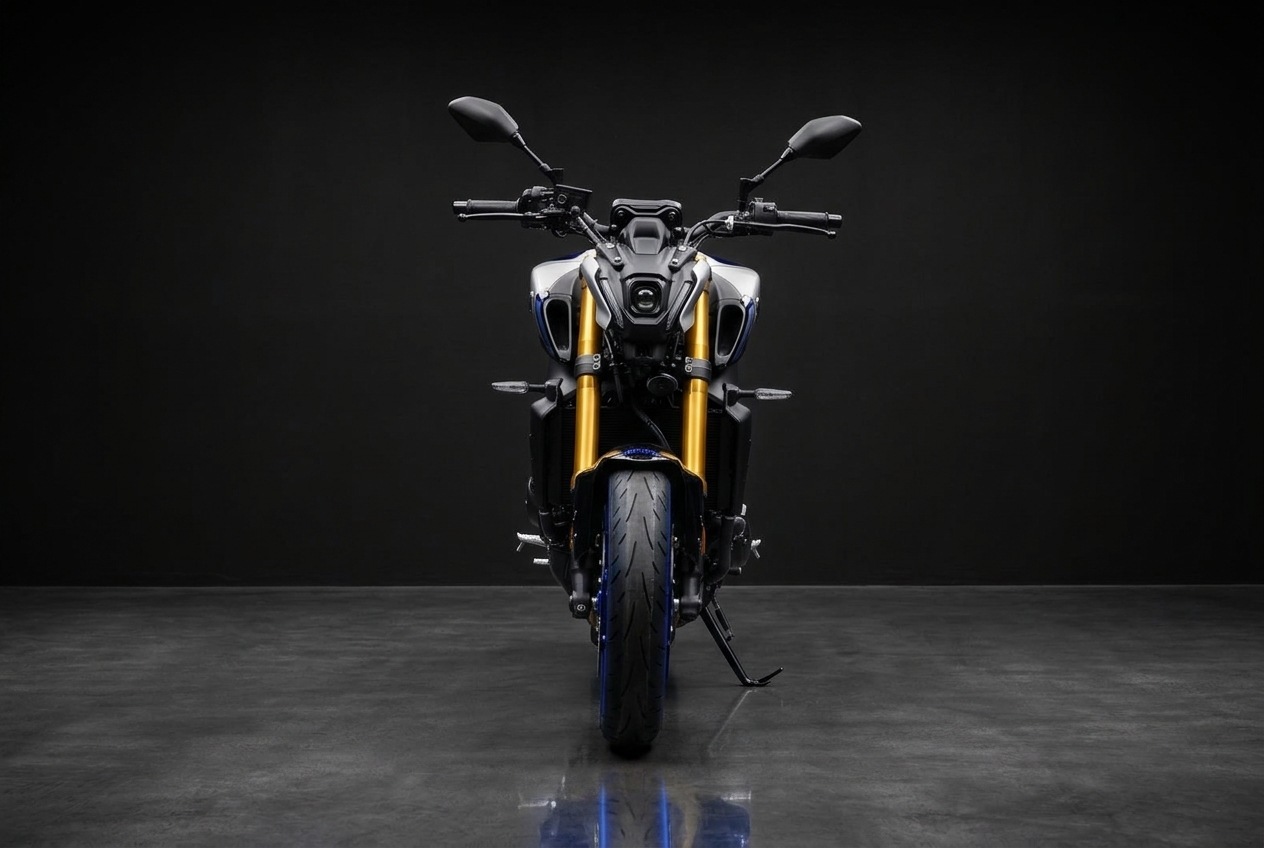
Want the Yamaha MT-09 SP for your date? Pick your dates and book the Yamaha MT-09 SP online, or call us and we will sort it with you.
Book NowCall 0468 011 118Best time of day and season for group rides
Mornings are generally the best time for a group ride, with lighter traffic and calmer roads. Start after about 7am so the group is not riding in the cold, and plan your breaks around the road rather than around the clock. Give yourself time to regroup at stops, because a group that is spread across several kilometres cannot use signals effectively.
Summer heat can make group riding tiring, and it encourages riders to rush their breaks. Autumn and spring give the most comfortable conditions. Winter brings cold mornings and frost on shaded sections, so signal early for any patch that looks damp. Wildlife is most active at dawn and dusk, and the leader should signal the presence of animals on the verge as well.
Weekend traffic can break up a group, with cars slipping between bikes and caravans slowing the pace. Plan fuel and food stops in advance, choose quieter towns where possible and check road conditions with Transport for NSW before you leave. A relaxed midweek group ride is often the easiest way to practise your signals.
Fuel, food and regrouping
Fuel stops are a natural point to regroup. Agree on a meeting point before you start, and make sure each rider knows where the next station is. Fill up in a safe spot, check that everyone is ready, and leave together with a clear plan for the next signal.
Food stops work best when the group sits close enough to talk and see one another. Choose a place with enough parking for the group and a clear view of the bikes. Keep the meal light if you plan to ride on, since a heavy lunch can dull concentration when the group heads back out.
Carry water and a snack, and remind the group to check fuel, tyres and gear before leaving. A rider who is thirsty or tired is less likely to read signals accurately, so build breaks into the day and make them part of the safety plan.
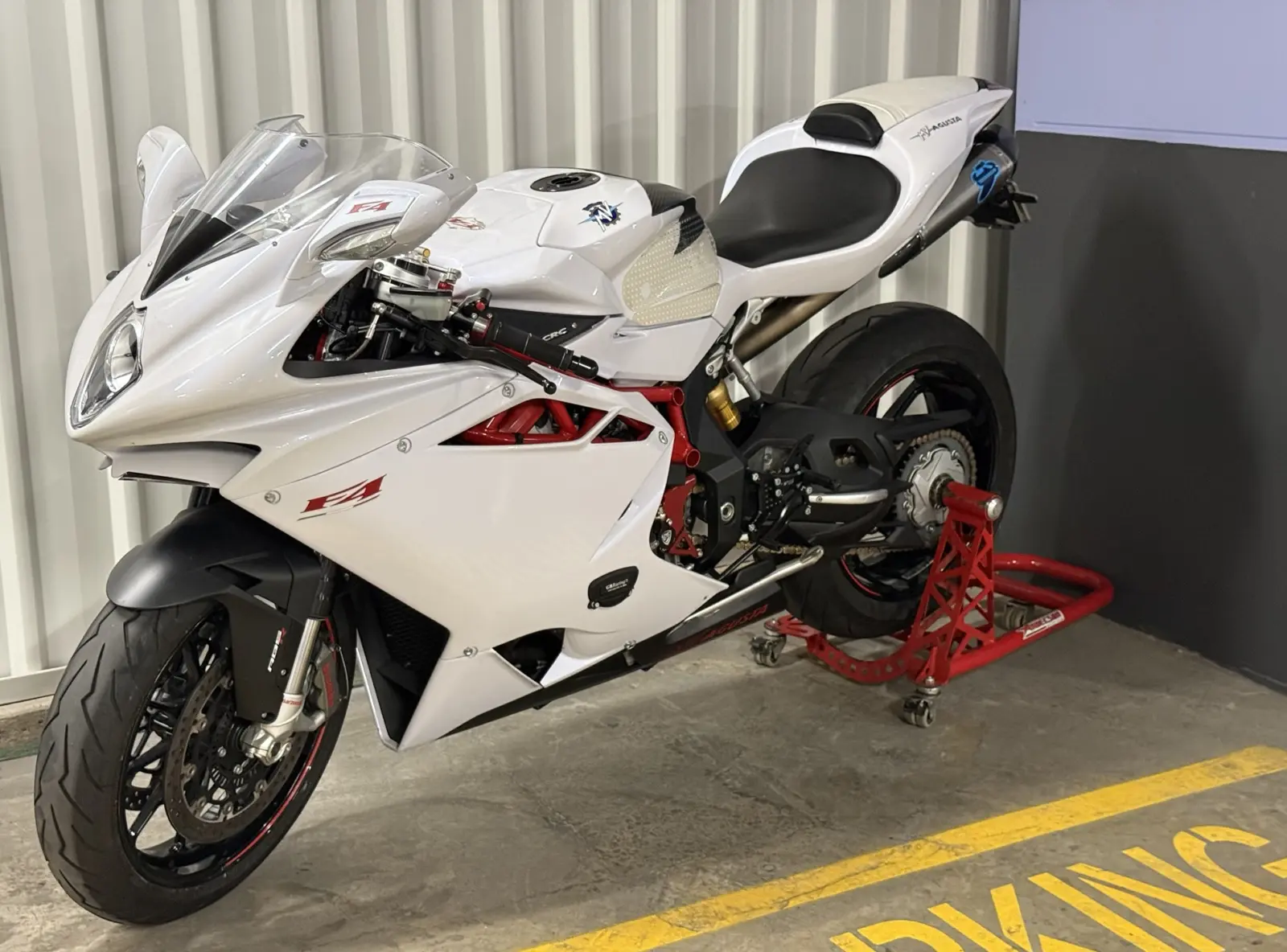
The Yamaha MT-09 SP in a group
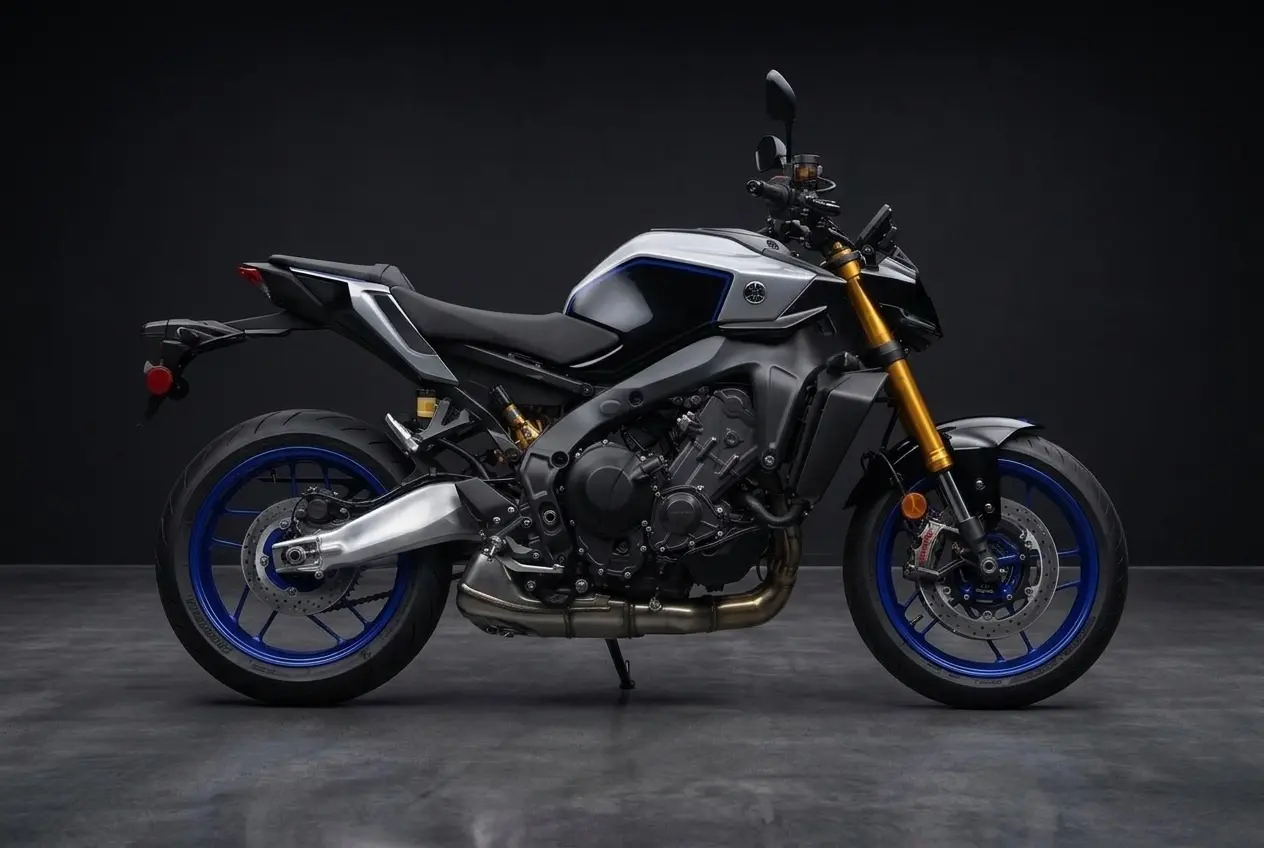
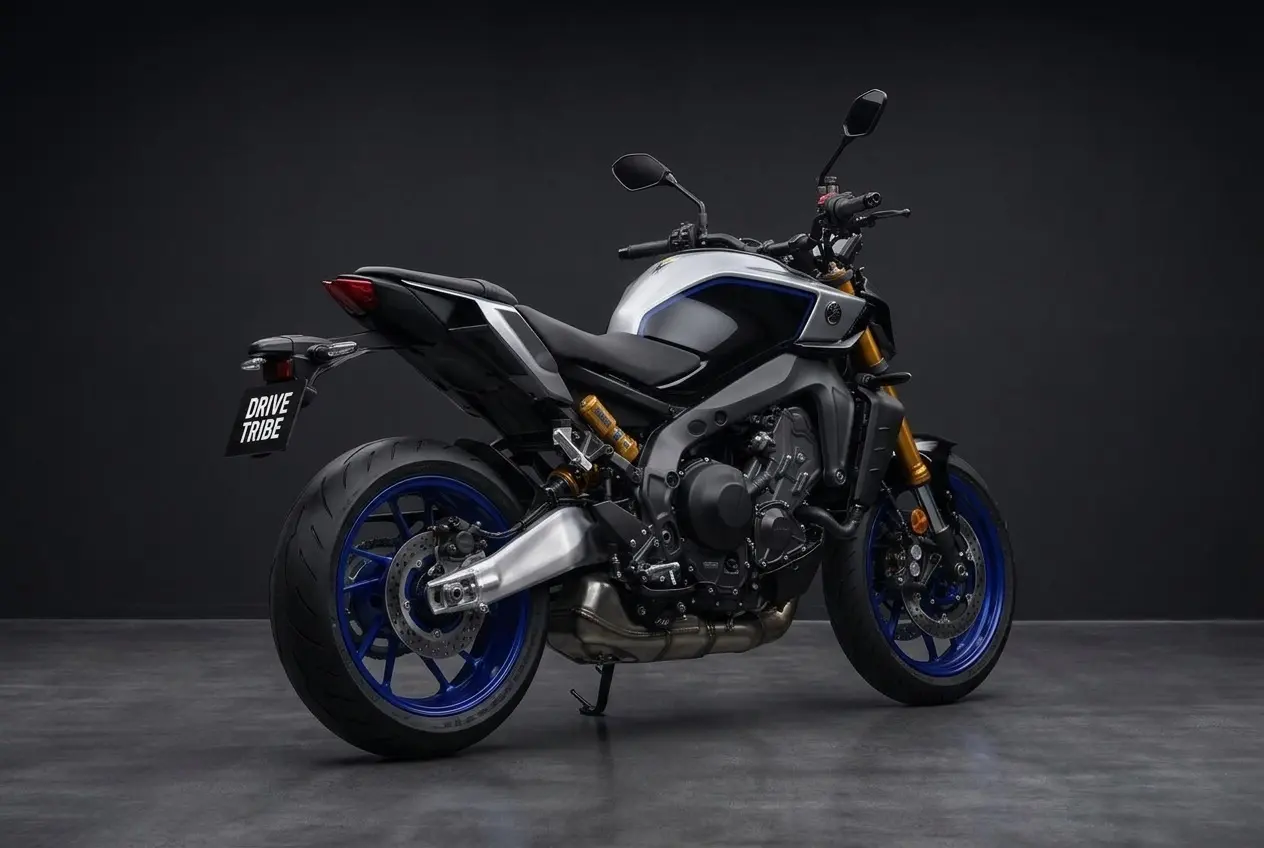
The Yamaha MT-09 SP is an inline three performance naked bike with premium adjustable suspension, gold front forks and strong brakes. In a group, its brakes and suspension help the rider respond to signals smoothly, and its naked design keeps the rider connected to the road and the traffic around them.
Because the Yamaha is the single machine in our range built to carry someone behind the rider, a group with a second person on board needs to plan its formation carefully. A passenger should stay still and hold on, and the rider should keep signals controlled and smooth so the bike stays steady at every speed.
Hire rules and planning your group
Three rules shape any group plan with us. Each rider needs a full motorcycle licence with three years behind it, and the floor age is 25 on whichever bike they take. Only the Yamaha carries a second person, and that passenger has to be 16 or older. Every hire is a self-drive arrangement from Parramatta with three days as the shortest term.
When you book a group, let us know early so we can confirm the bikes and dates. Each rider should check their own licence and paperwork, and read the terms before collection so everyone starts the ride on the same page.
Lead the group with confidence and book
Good hand signals are a simple skill, and they make a big difference to group safety. Agree on a short set, signal early and keep the bike under control at every moment. A group that communicates well rides with more confidence and enjoys the road more.
If you want a bike that handles group riding with composure and an engaging feel, the Yamaha MT-09 SP is the machine we would choose. Check availability for your dates and we will help you confirm the details, so your next group ride is planned with care from the first signal to the last.
Frequently asked questions
Are hand signals legal for warning riders behind?
Hand signals are used for indicating turns and manoeuvres in Australia, and the signals you agree within a group are a safety tool rather than a substitute for the rules. Keep your signals clear and controlled, and always use your indicators when they are working. Never let a signal take your hands off the bars at speed or on a corner.
What hand signals should a group agree on?
Four or five simple signals are enough for most groups. Cover debris, potholes, gravel, slowing down and stopping, and agree on them before the ride starts. Make sure everyone can recognise each signal, and ask the group to repeat them back so there is no confusion when a hazard appears on the road.
Should I signal with both hands or one?
Use one hand where possible, so you keep control of the bike. Lift the hand briefly, make the signal clear and return it to the bars at once. Avoid two-handed signals at speed or on corners, and never take your eyes off the road to check your signal. Signal early so you do not need to rush the gesture.
Can a passenger help warn riders behind?
A passenger should stay still and hold on, and should not signal to riders behind. The Yamaha MT-09 SP is the only bike in our fleet that takes a passenger, and that passenger must be aged 16 or over. The rider handles all signals, and the passenger's job is to keep steady so the bike stays balanced through every warning.
How far apart should bikes ride in a group?
Leave a clear gap ahead of you so the riders behind can see the leader's hands and the road beyond. Tight formations make signals hard to read, while a staggered spacing gives everyone a view. Keep a steady, reasonable pace so the back of the group can keep up with the signals without strain.
What licence do I need to ride in a group with you?
Every rider in the group needs a full motorcycle licence with three years behind it, and the minimum age is 25 on any bike. Check your paperwork before the group leaves, and carry your licence on every ride. Good preparation means the group can focus on signals and the road from the first kilometre.
Ready when you are. Pick your dates and book the Yamaha MT-09 SP online, or call us and we will sort it with you.
Book NowCall 0468 011 118