
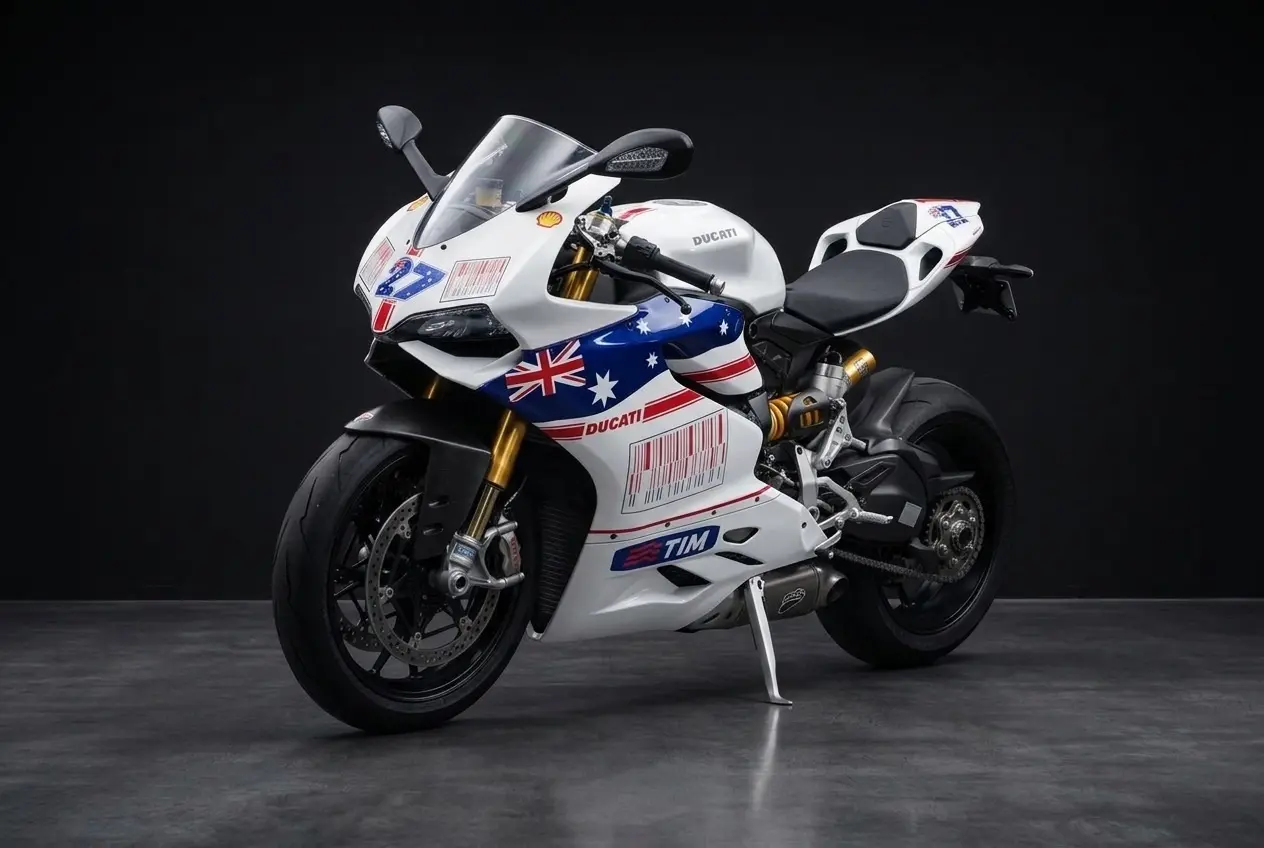
Book the Ducati 1199R. Pick your dates and book the Ducati 1199R online, or call us and we will sort it with you.
Book NowCall 0468 011 118Wakehurst Parkway rewards a bike with a light touch. The bends come quickly and the bush closes in on both sides. If you only have a morning or an afternoon, a short run here is a good test of any motorcycle on real Sydney roads. This guide looks at which of our three bikes suits a quick northern beaches blast, and why the answer depends on how you like to ride.
New to riding with us? Our page on motorbike hire in Sydney covers the bikes, the rider rules and how pick-up works.
What a short parkway run asks of a bike
A short run on the parkway is not a long highway stint. You lean into a bend, stand the bike up, then brake for a junction or a set of lights within a few hundred metres, and the cycle repeats. Bike choice matters because throttle response, the feel of the front end and the weight you carry through each turn decide how relaxed you feel by the fourth or fifth corner. Many riders underestimate how much this counts on roads where there is little time to settle before the next change of direction.
It helps to think of the ride in three parts. The approach from the suburbs is slow and calm, with traffic and stop signs to manage. The middle section through the bush is where you need confident cornering. The return, as the road fills with cars and buses in the afternoon, asks for patience. A good bike for this loop feels easy at a crawl and still responsive once the road opens up, without asking you to ride beyond your own ability.
Visitors often pick a machine that looks dramatic on paper and then find it tiring after a short loop. Match the bike to the corners you will actually meet rather than the picture in your head. A sensible choice on this road is the one you will still enjoy on the last bend, not just the first, and that is the test we suggest you apply before you commit to a bike for the morning.
Reading the bends and the quick changes of direction
The parkway is a sequence of bends that tighten without much warning. The first corner of any section sets the rhythm for the rest, and a rider who misjudges it early often spends the next stretch trying to catch up. Watch the surface and the camber as you enter each turn, because a bend that looks open from a distance can narrow sharply once you are committed. Look well ahead, through the corner to the exit, and let the bike settle before you ask for more.
Quick changes of direction are where weight and steering feel earn their keep. A light front end and a bike that turns without fuss make it easy to flick from one side to the other, while a more planted set-up gives confidence when you hold a line through the middle of a bend. On this road, a machine that changes direction willingly will feel less tiring than one that needs pushing into every turn, and that difference adds up over a short but demanding run.
Most trouble on bends like these starts when a rider corrects a line halfway through the turn. The usual cause is a car drifting over the centre line or a driver leaving on the outside. Slow earlier rather than harder, keep your eyes on where you want to go, and avoid braking hard in the lean. A smooth entry and a steady exit will do more for your confidence than any amount of power on the straight sections between bends.
Surfaces, shade and the road after rain
Much of the parkway runs through tree cover, and the shade keeps some sections damp long after the open road has dried. Leaves, bark and small patches of loose grit collect on the outside of bends, and the painted lines and drain covers can turn slick when the morning is cold. None of this is unusual on Sydney's northern roads, but it deserves attention every time you ride. Ease off the throttle before you lean, and treat any dark patch under the trees as wet until you have proved otherwise.
Wet-weather riding on the parkway calls for a slower and smoother approach. Give yourself more space to the car in front, avoid sudden inputs at the front brake, and use the engine to help you slow where the road allows. After a storm, expect debris to drift across the lanes and a little loose gravel to gather at the edges of the sealed surface. If the forecast is poor, a short ride is not worth the risk, and the bike is better kept for a drier day.
Stay on the sealed road at all times. Some side tracks off the parkway look tempting, but unsealed surfaces are no place for a road bike, and a patch of loose dirt can take the front wheel away in an instant. Keep the route simple, know where the next junction sits, and do not follow a track just because it looks like a shortcut. The best route on this road is the one that keeps you on bitumen from start to finish.
The Ducati 1199R for a short, focused blast
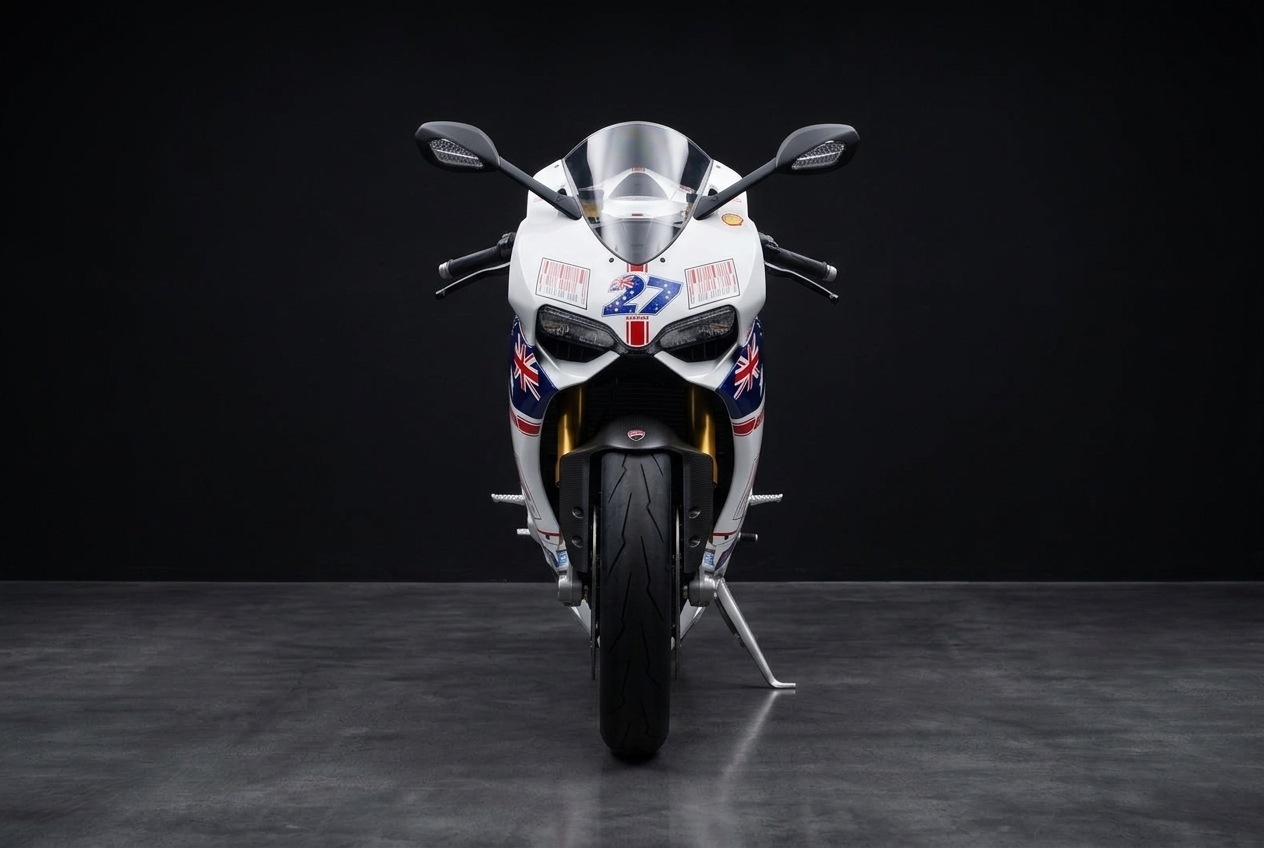
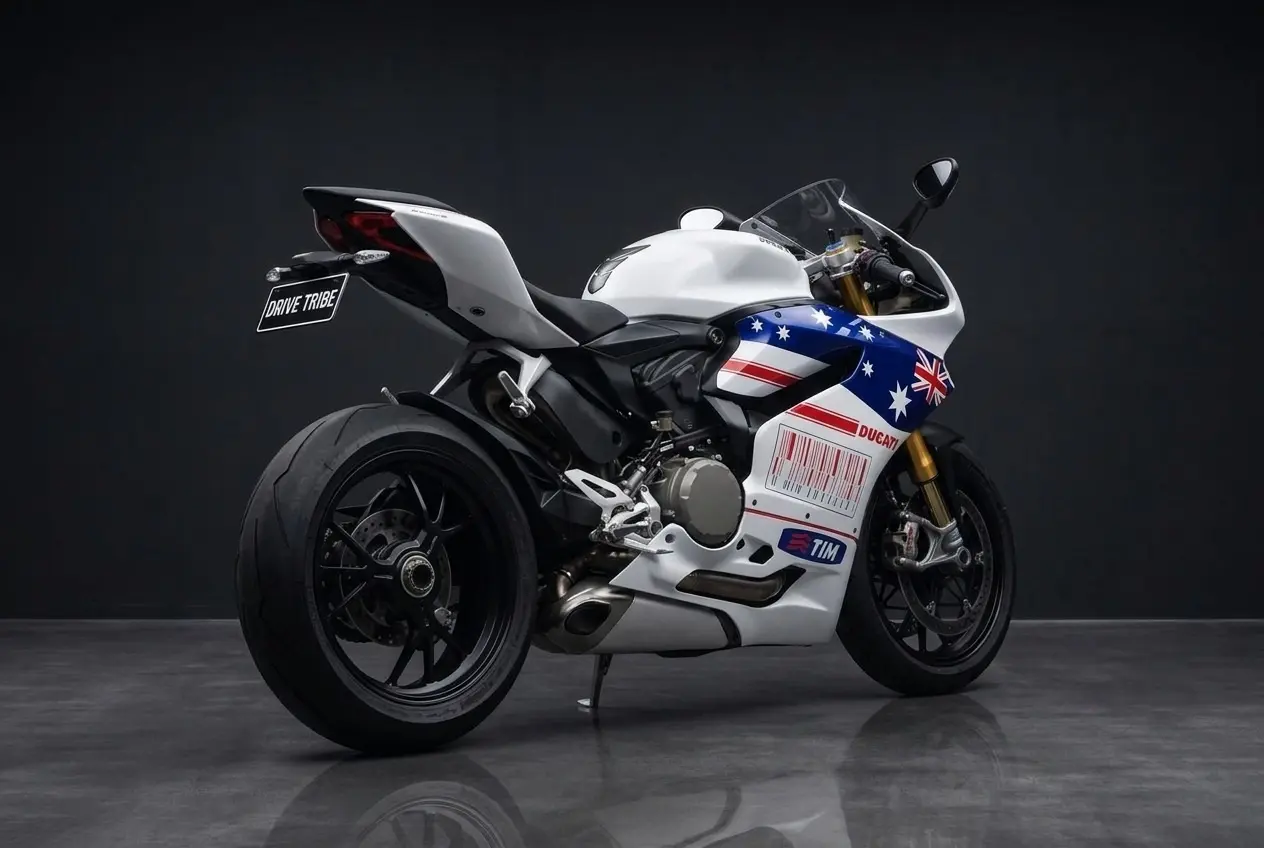
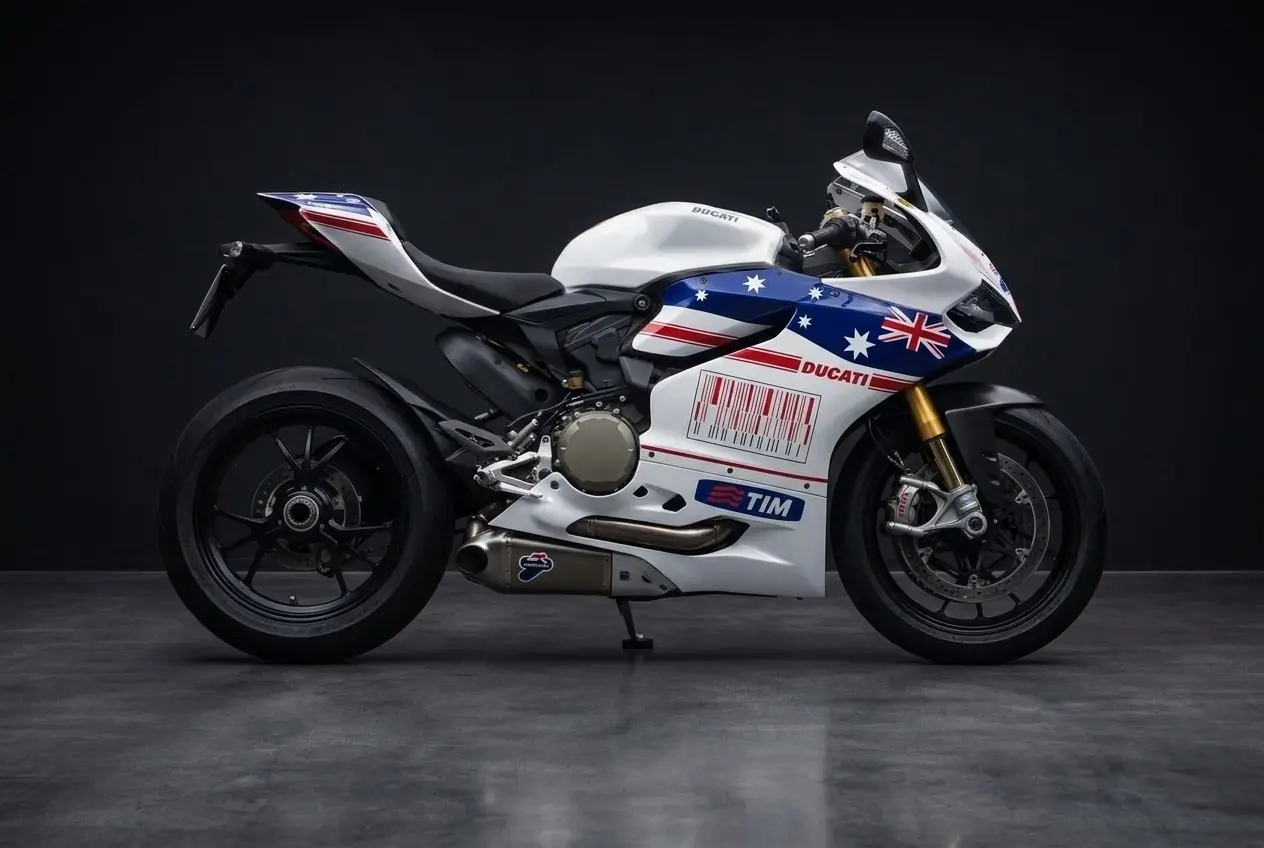
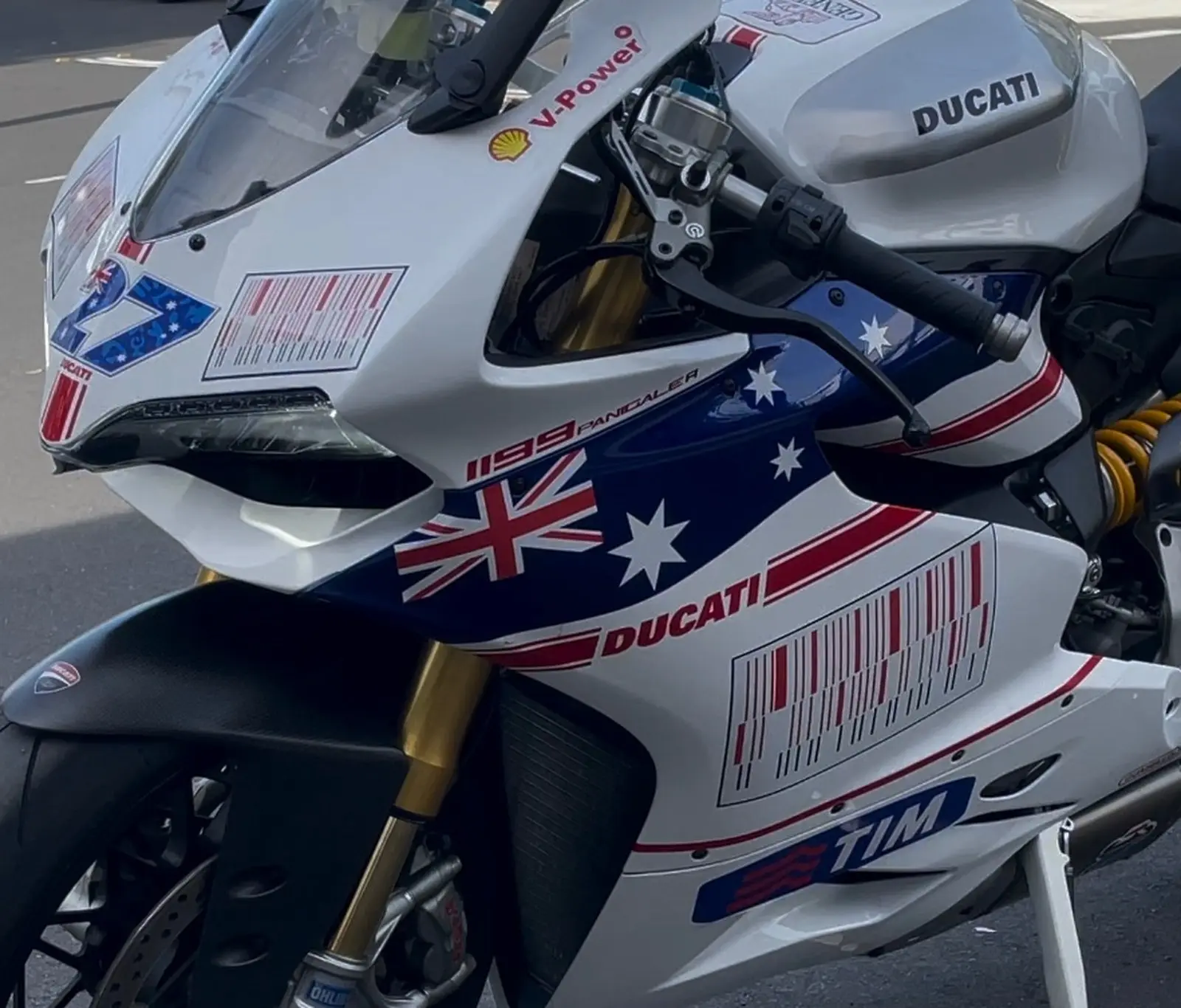
The Ducati 1199R Panigale is the bike many riders picture when they think of a sharp Sydney blast. Its Australian flag livery is a tribute to Casey Stoner, the Australian rider who won his first MotoGP World Championship on a Ducati in 2007. We describe it as a tribute livery, not as anything to do with him personally, but it makes a striking machine on a Sunday morning at the lights.
On the parkway the Ducati shows its character through its V-twin engine and 143 kW output, which give it a strong, urgent pull out of each bend. The gold front forks and black forged wheels look purposeful, and the chassis rewards a rider who likes to place the bike precisely. It is a superbike for experienced riders, and on a short loop it asks for full attention at every junction and every change of camber.
Because the loop is short, the Ducati suits a rider who wants to make each corner count. Time your braking, choose your line, and enjoy the feedback through the tyres rather than chasing numbers. A calm, controlled pace will be more rewarding on the parkway than any attempt to use the whole road at once, and the bike responds well to a rider who is patient at the entry.
The MV Agusta F4 as a sharper alternative
The MV Agusta F4 from 2017 is a 998cc inline four with a pearl white finish and a red trellis frame. It looks as good parked outside a cafe as it does in motion, and its performance exhaust gives it a distinctive voice that many riders enjoy on the quieter stretches of the road. If you like a bike that feels precise and tuned, the F4 is a strong candidate for a short northern beaches run.
An inline four rewards a rider who likes to stay in a useful part of the rev range through a run of bends. It asks for a little more attention to gear choice and throttle than a simpler machine, and that is part of its appeal for someone who enjoys the craft of a good corner. Plan your gear before each bend, roll on through the exit, and let the engine do the work in the middle of the sequence rather than fighting the bike at the entry.
Choose the F4 if you want the bike itself to be the point of the ride. Choose the Ducati if you want the most focused feel for a short, demanding loop. Either way, the bush and the bends will keep you busy, so let the bike suit your mood as much as the road.
Want the Ducati 1199R for your date? Pick your dates and book the Ducati 1199R online, or call us and we will sort it with you.
Book NowCall 0468 011 118Traffic lights, lane filtering and staying legal
Parts of the route run through traffic lights, roundabouts and busy junctions, so it is worth knowing the rules before you start. In New South Wales, fully licensed riders may filter between slow or stopped traffic at up to 30 km/h. Filtering is not allowed beside the kerb or between parked cars, and it is not allowed in school zones during school hours. Lane splitting above 30 km/h is illegal.
Filtering can make a short ride far more relaxed, but only when the road ahead is genuinely slow and you are in control. Stay alert for car doors, pedestrians stepping off kerbs and drivers changing lanes without signalling. If the lane is not clear or the traffic starts to move, drop back into line rather than pushing through. The rule exists for safety, and a rider who keeps to it arrives at the end of the loop calmer and more focused.
Check the current official road rules before you ride, especially if you have been away from Sydney traffic for a while. Lights change, lanes narrow and junction layouts vary across the northern suburbs. A few minutes spent reviewing the rules and your route will make the morning much easier, and it is far better to know the answer before you reach the first set of lights.
Timing the ride: season, time of day, fuel and food
Autumn and spring are the sweet spots for a short parkway run. Temperatures are mild, the bush is green, and the roads are generally drier than in midwinter. Summer heat can make a riding jacket feel heavy by mid morning, and the shaded sections stay damp longer after rain. Late morning or mid afternoon is usually the most comfortable window, once the road has warmed and the early chill has lifted.
Weekends bring more cars, cyclists and visitors heading to the beaches, while weekdays are quieter but still busy at peak commuter hours. Plan to be on the parkway outside the main school run and the lunchtime rush if you want clear road. Riders who enjoy a stop for coffee will find cafes near the northern beaches end, and it is wise to fill up with fuel before you leave the main roads so you are not searching for a servo in unfamiliar streets.
Fuel range is easy to overlook on a short ride, but it still needs a plan. Check the fuel level before you set out, note where the nearest servo sits on your route, and leave a margin for detours or a change of plan. A relaxed breakfast or lunch at the end of the loop is the perfect reward, so leave time for it rather than rushing straight back to the city.
Safety on a short run: gear, fatigue and cold starts
Good gear matters more on a short run than most riders expect, because the stops and starts are where the cold, the wind and the surprises arrive. Wear a properly fitted helmet, gloves, boots that cover the ankle and a jacket with armour. Cold mornings in the shade can feel bitter until the sun comes through, so layer up underneath and pack a light windproof top for the return.
Fatigue creeps in faster than you think, even on a short loop, because concentration is working hard on every bend. Take a short break after the first run, drink water, and stop if your attention starts to drift. Wildlife is most active at dawn and dusk, when kangaroos, possums and birds move near the roadside, so ease off and scan the verge if you are riding in those light conditions. Never ride after drinking alcohol.
Ride within your ability and within the posted limit. Riding 30 km/h or more over the posted limit ends the hire and the bond is forfeited, so keep your pace calm on every section, including the quieter stretches where it is tempting to open up. A sensible rider finishes the loop with a grin rather than a fright, and that is the whole point of a short, well-chosen blast.
A minute on Transport for NSW before you leave can save an hour of detours later.
Choosing your bike and planning the day
Choosing between our bikes for this route comes down to how you like to ride. The Ducati suits a rider who wants a focused, performance-led feel, the F4 suits someone who likes a tuned and characterful four, and the Yamaha MT-09 SP offers a versatile inline three with premium adjustable suspension and strong brakes. Each one will handle the parkway, so let your riding style and comfort guide the choice rather than the picture on a poster.
Before you book, the essentials are these. Bikes are self-drive and hired from our Parramatta base, with a three day minimum hire. You need a full motorcycle licence held for at least 3 years, and you must be aged 25 or over to ride any of our bikes. Overnight, the bike must be kept in a locked garage or secure off-street parking between 9pm and 6am.
Once you have the rules straight, the plan is simple. Pick a morning, check the forecast, fill the tank and head out for the loop with enough time left over to enjoy a coffee at the end. When you are ready, the Ducati 1199R page in our fleet has everything you need to book, and the full fleet is there if you want to compare the other two bikes first.
Frequently asked questions
Is the Ducati too much for a short run on the parkway?
Not if you ride within your ability. The Ducati 1199R is a superbike for experienced riders, so it suits someone who enjoys precise, focused riding. On a short loop with plenty of bends, its strong character rewards a calm and controlled pace. If you are newer to big bikes, the Yamaha MT-09 SP offers a more versatile feel, with adjustable suspension and strong brakes, and it still makes the parkway a rewarding ride.
What time of day is best for a parkway ride?
Late morning and mid afternoon are usually the most comfortable, once the chill has lifted and the road has warmed. Weekday mornings tend to be quieter than weekends, when beach traffic builds. Take extra care at dusk, when wildlife becomes more active near the verge, and keep your pace calm on the shaded sections where the road can stay damp. Fill up before you set out so you are not hunting for fuel on the way.
Can I filter through traffic on the way?
Fully licensed riders in New South Wales may filter between slow or stopped traffic at up to 30 km/h. Filtering is never allowed beside the kerb or between parked cars, and not in school zones during school hours. Lane splitting above that speed is illegal. Only filter when the lane is clear and the traffic is genuinely slow, and check the current official road rules before you ride.
What gear should I wear on a short run?
A properly fitted helmet, gloves, boots that cover the ankle and a jacket with armour are the basics. Layer up for cold mornings, since the shaded sections stay chilly until the sun is well up. Choose gear you can move in comfortably and that keeps the wind out on the return leg. Never ride in shorts or sandals, and check that your helmet and gloves are in good condition before you leave.
Is the parkway suitable for a first big bike?
It depends on your experience. The parkway is demanding because of its quick bends and changing surfaces, so a rider new to powerful machines should start at a gentle pace and build confidence on the quieter sections first. Take your time with the first corners, watch how the bike responds, and only increase your pace when you feel settled. If you are unsure which bike suits you, talk the choice through with our team before you book.
Do I need to ride the whole parkway in one go?
No. A short run can be as simple as a few sections and a return, with a coffee stop in between. Breaking the ride into parts helps you stay fresh, keeps your concentration sharp on each bend, and lets you adjust your pace as traffic changes. Plan a loop that starts and finishes near a junction you already know, and leave enough time to enjoy the ride without rushing.
Ready when you are. Pick your dates and book the Ducati 1199R online, or call us and we will sort it with you.
Book NowCall 0468 011 118