
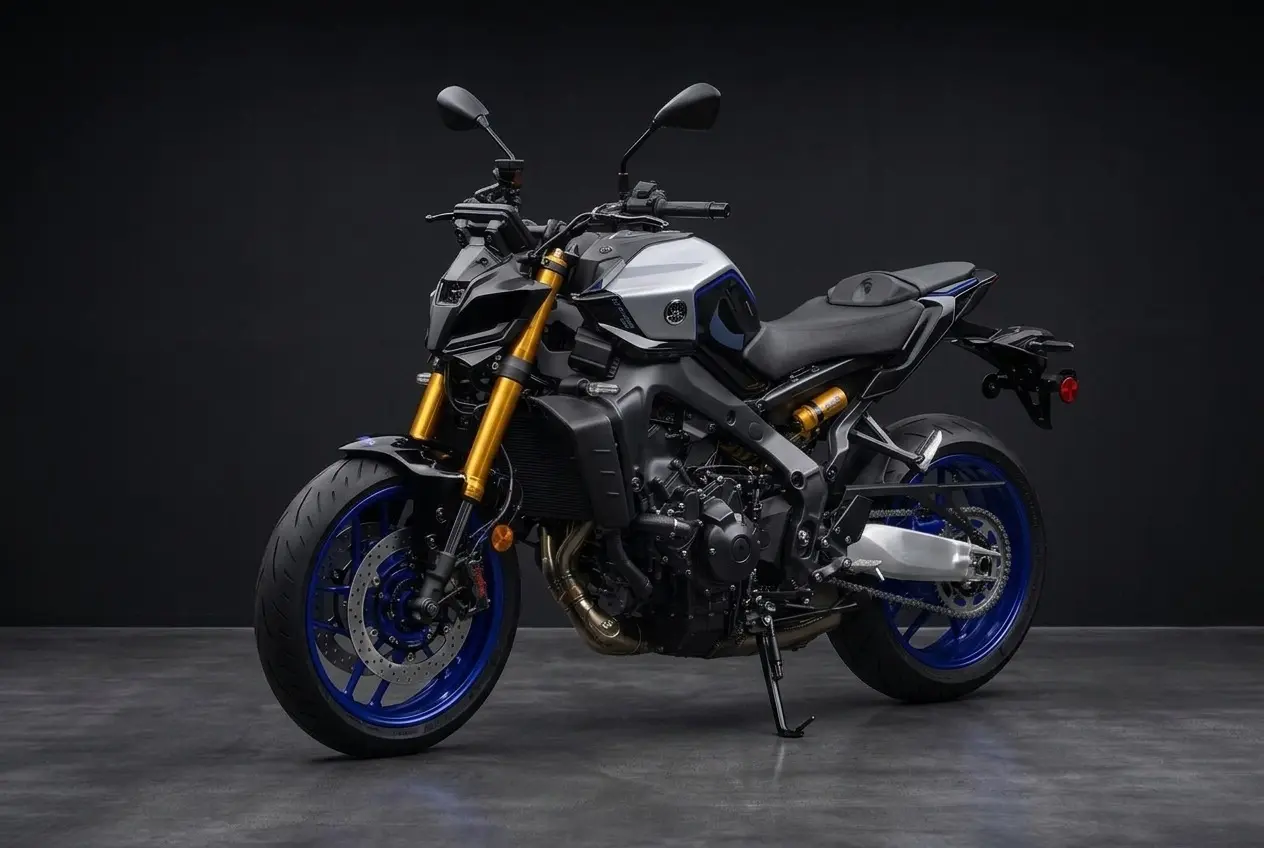
Book the Yamaha MT-09 SP. Pick your dates and book the Yamaha MT-09 SP online, or call us and we will sort it with you.
Book NowCall 0468 011 118The Warrumbungle Ranges rise abruptly from the north-west plains, a jumble of volcanic peaks and eroded rock that looks like nothing else in New South Wales. The park draws visitors for its walks and lookouts, and riders come for the long views and the climb up from the plains. The landscape and the weather change sharply with the seasons, so choosing your month matters. This guide walks through the year and shows how to plan a ride to the peaks with care.
Everything to know before you book, from the licence rules to the bond, is on our Sydney motorbike hire page.
A Park Shaped by Its Peaks
The Warrumbungles are the eroded remains of an ancient volcano, and the peaks dominate the landscape for many kilometres around. From the approach roads, the skyline looks dramatic, with jagged ridges and steep cliffs catching the light at different times of the day. That scale makes the ride feel like a journey into a different country.
The park sits well above the surrounding plains, and the climb from the lower country brings a noticeable change in temperature and wind. A warm, still morning on the flats can give way to a cooler, breezier afternoon in the ranges. Plan your clothing and your timing around the height you will reach, not the temperature at the start.
Most of the park is a place for walkers, campers and nature lovers, so riders should expect to share the roads with cars, caravans and visitors on foot. The reward is a ride with big views and a sense of space, especially on the quieter days of the week.
Autumn: Clear Air and Comfortable Riding
Autumn is often the most comfortable season for a Warrumbungle ride. The days are warm without being punishing, the nights are cool and the air is clear enough to see the peaks in sharp detail. Many riders consider autumn the ideal time to explore the ranges at a relaxed pace.
Mornings can be chilly, particularly in the valleys and on the shaded slopes, so give the bike and yourself time to warm up before you start climbing. Watch for early morning mist in the lower country, which can soften the view and reduce visibility on the approach roads.
Autumn weekends bring a steady stream of visitors to the park, while weekdays are calmer. Start early to enjoy the quieter roads and the lookouts before the midday crowds arrive, and plan your return before the afternoon wind picks up.
Winter: Frost, Cold Winds and Crisp Views
Winter is cold in the ranges, and frost is common in the shaded hollows and on the roadside verges. The clear winter days can be spectacular, with sharp views across the plains and the peaks standing out against a pale blue sky.
The main winter hazards are cold, ice and short daylight. Keep the early part of your ride gentle, because cold tyres and frosty patches reduce grip. Wind on the exposed ridges can be bitter, so wear a windproof layer, warm gloves and a thermal base under your jacket.
Plan a winter ride for the middle of the day and finish well before dusk. Wildlife becomes active at the edges of the park as the light fades, and the roads can be quiet enough that animals appear without warning.
Spring: Wildflowers and Changing Weather
Spring brings fresh growth to the park and wildflowers along the roadsides and the bush tracks. The temperatures warm steadily through the season, and the longer days allow a relaxed visit with time for lookouts and a proper lunch.
Spring weather can change quickly. A clear morning may turn into a windy, showery afternoon, and rain can leave the road damp and slippery on the corners. Pack a light waterproof layer and watch the sky as you climb.
Spring weekends attract families, walkers and campers, so the lookouts and car parks can fill up by midday. A weekday ride gives you more space and the chance to enjoy the peaks without the crowd.
Summer: Heat, Storms and Early Starts
Summer on the north-west plains is hot, and the heat can linger in the lower country long after the sun has risen. The ranges are usually cooler, but the climb still means more exposure to the sun and the wind, so an early start is the best plan.
Afternoon storms can build quickly over the peaks and bring sudden wind and heavy rain. Keep an eye on the clouds, drink water through the ride and avoid the hottest part of the day. Stop in shade regularly and carry more water than you think you need.
Summer visitors come in numbers, especially on the warmest weekends. Arrive early, park with care and give yourself a generous margin for the return trip, since traffic can slow on the approach roads.
Roads, Surfaces and Corner Character
The roads we recommend for our bikes are sealed, and the approach to the park offers a good surface with gentle to moderate bends. Park tracks and unsealed roads within the reserve are not suitable for our road bikes, and riders should stay off them entirely. Check the surface before committing to any section, and turn back if the road becomes loose.
The corners tend to be steady and rhythmic on the approach, with some tighter bends on the climb. Brake before you lean, pick a line that keeps you clear of the edge and let the bike settle before the throttle goes on through the exit. Watch for gravel and debris near the verges, particularly at junctions and parking areas.
Traffic varies with the time of day and the week. Expect slow caravans, tourist cars and walkers near the lookouts. Give them room and keep your speed controlled, especially where visibility is limited by the bends and rock faces.
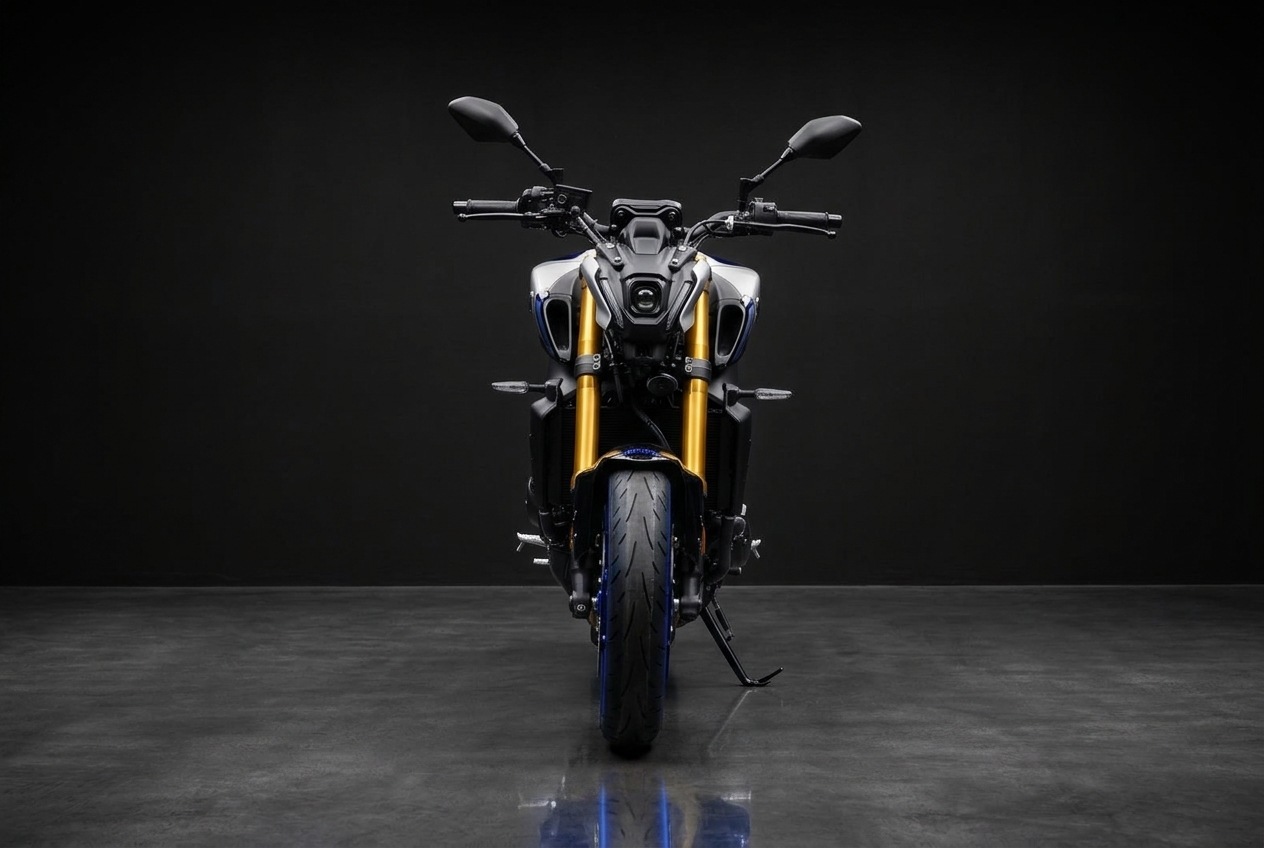
Want the Yamaha MT-09 SP for your date? Pick your dates and book the Yamaha MT-09 SP online, or call us and we will sort it with you.
Book NowCall 0468 011 118Fuel, Food and Stopping Points
Fuel planning matters because services are spread across the region, and some close early in the day. Fill up in the towns before you head into the ranges, and note the next station on your route. Carry a little extra range in mind for detours or closed roads.
Food stops are best made in the town before the park, where cafes and takeaways offer a warm meal. Choose a stop with sheltered parking away from the traffic lane, and avoid resting on the narrow shoulder of a park road.
On the park roads, use the official lookouts and parking areas with firm surfaces and clear sight lines. A short break there lets you stretch, drink water and check the sky before the next climb.
Gear, Wind and Staying Within Your Limits
Gear makes a clear difference in the ranges. A well-fitted helmet, gloves, a jacket with protection at the shoulders and elbows and boots that cover the ankles are the essentials. A warm layer is a must in autumn, winter and spring, and a light, breathable setup is better in summer.
Wind is the main hazard on the exposed ridges and open tops. Hold a relaxed grip, lean into gusts and make small corrections. Ease off before exposed bends, and stop at a safe spot if the wind becomes too strong to manage calmly.
Fatigue and heat reduce concentration faster than riders expect. Take a break every hour or so, eat well and never ride after drinking alcohol. Choose a pace that suits your ability and enjoy the peaks at a speed you can control.
Pack a small dry bag for the stops. Summer afternoons can turn from warm to wet in a few minutes, and a spare layer and a clean cloth for the visor are easy to keep within reach. Check the bag before you leave the hire point and make sure everything is secured. Small items like these make a long day in the ranges far more comfortable.

Planning the Peak Ride
Plan your route with the distances, fuel stops and turn-back points in mind. Keep the route on your phone and a paper copy in your bag, since mobile coverage can be patchy in the ranges.
Check road conditions with Transport for NSW before leaving, particularly after storms or in winter when frost and closures can affect the approach. Let someone know your plan and your expected return time, so that a delay is noticed.
A Warrumbungle ride rewards a rider who respects the weather and the scale of the landscape. Choose a season that suits you, and let the peaks set the pace of the day.
Book the Yamaha MT-09 SP for the Ranges
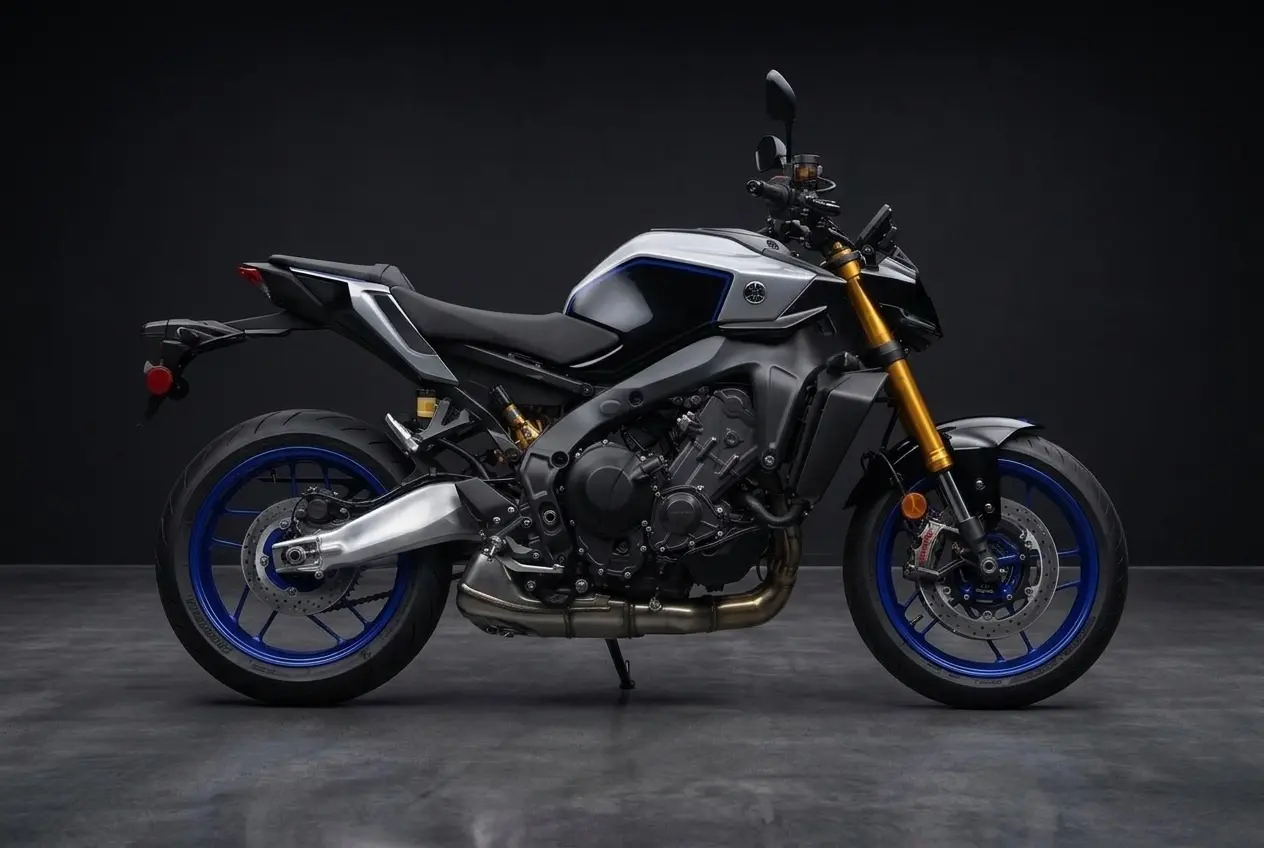
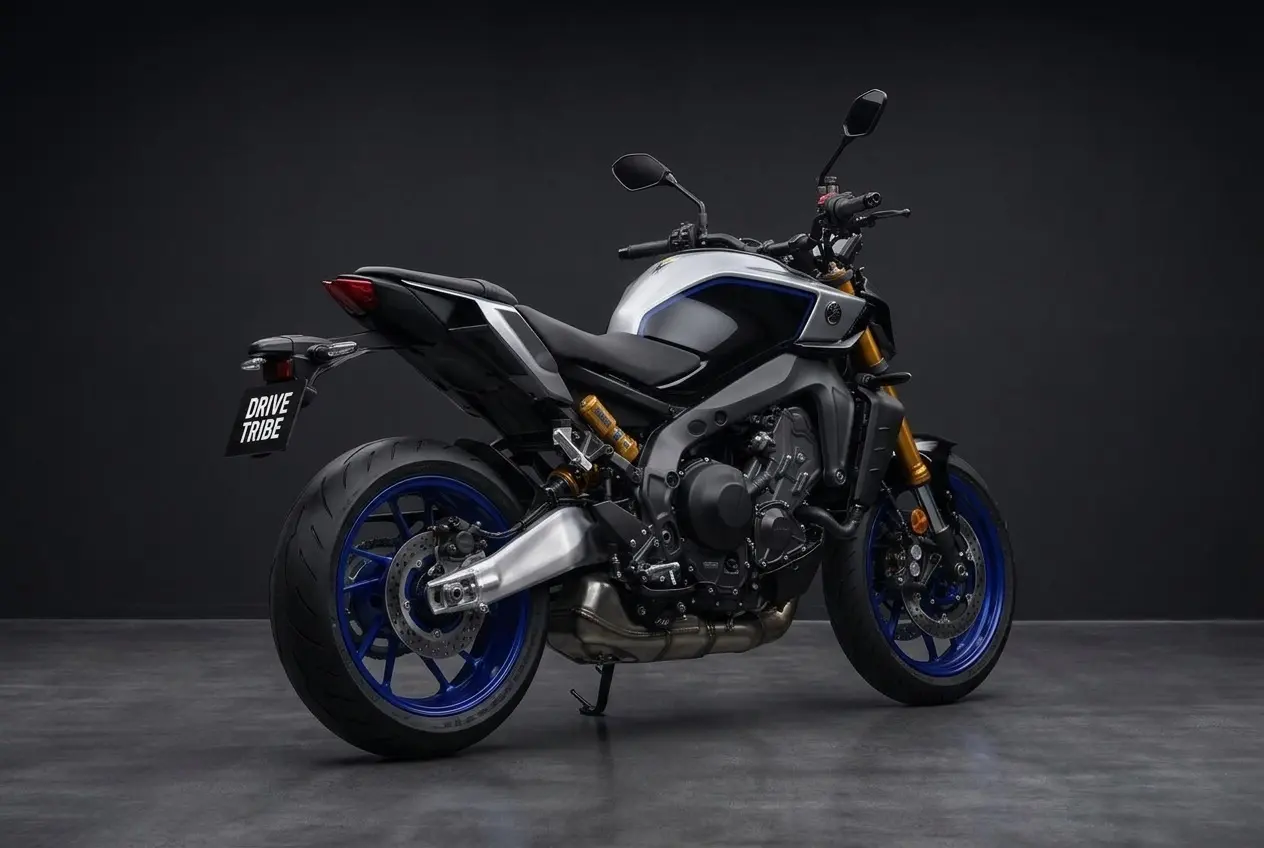
The Yamaha MT-09 SP is an inline three performance naked bike with premium adjustable suspension, strong brakes and gold front forks. Its steady handling suits the mix of climbing bends, open ridges and changing wind that the ranges provide. It is also the only bike in our fleet that can carry a passenger, so it is an option for riders who want to share the view.
The hire arrangements are straightforward. Bikes are self-drive from our Parramatta base, and a booking runs for at least three days. Riders must hold a full motorcycle licence for three years or longer, and be 25 years of age or older on every bike. A passenger may ride only on the Yamaha, and must be 16 or older. Our bikes must be kept overnight in a locked garage or secure off-street parking between 9pm and 6am.
When the season is right, reserve the Yamaha MT-09 SP and set out for the peaks with a plan that respects the weather and the road.

Frequently asked questions
When is the best season to ride to the Warrumbungle peaks?
Autumn and spring are generally the most comfortable seasons, with mild temperatures, clear air and pleasant riding conditions. Autumn offers steady weather and cool nights, while spring brings wildflowers and longer days, although wind and showers can arrive quickly. Winter can be rewarding on a clear day but needs careful timing for frost. Summer is hot, so an early start is essential.
Can I ride the unsealed tracks inside the park?
No. Our bikes are road machines and are not suitable for unsealed or gravel tracks. Stay on the sealed roads, check the surface before committing to any section and turn back if the road turns loose. Taking a detour onto a track to see a lookout is not worth the risk to you or to the bike.
How cold does it get on the ranges?
It can be significantly colder than the plains, particularly in winter and early spring. Frost forms in shaded hollows and on the verges, and the wind on exposed ridges adds a strong chill. Carry a windproof layer, wear a thermal base and allow time for the bike and yourself to warm up before the first climb.
What wildlife should I watch for?
Native animals are most active around dawn and dusk, moving to the edges of the park and onto the roadsides. Keep your speed controlled, watch the verges and expect animals to appear suddenly. Avoid riding in the last hour of light, and keep your headlight on if you are still on the road as the day ends.
Are there places to rest near the lookouts?
Yes, the official lookouts and parking areas are the best places to stop. Choose a firm surface with clear sight lines and room to park the bike well away from traffic. Avoid stopping on narrow shoulders or blind bends, and check that the spot is safe before stepping off the bike.
Is the ride suitable for a newer rider?
It can be for a confident rider who is comfortable with climbing bends, changing wind and the presence of caravans and visitors. The roads are generally manageable, but the exposed ridges and cold mornings need respect. A newer rider should choose a mild season, keep the first rides short and build confidence before tackling the full loop.
Ready when you are. Pick your dates and book the Yamaha MT-09 SP online, or call us and we will sort it with you.
Book NowCall 0468 011 118