
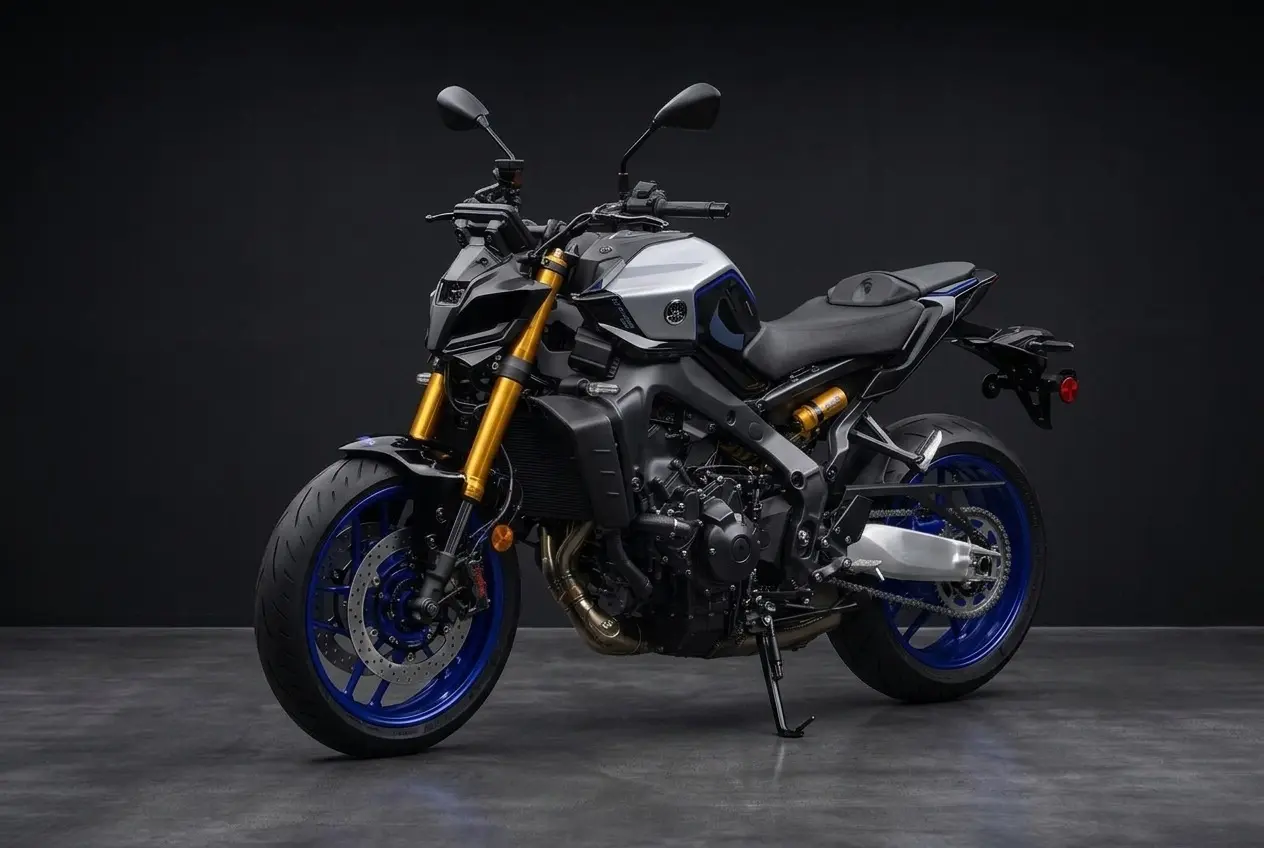
Book the Yamaha MT-09 SP. Pick your dates and book the Yamaha MT-09 SP online, or call us and we will sort it with you.
Book NowCall 0468 011 118The Warrumbungles rise out of the western plains like a volcanic skyline, all jagged peaks, boulder fields and rock faces that catch the light long before the valley floor. It is one of the most dramatic places to ride in New South Wales, and also one of the most demanding in the cold. Cool air, wildlife on the verges and a long run from Sydney all shape how a rider should approach the day. This guide covers timing, road character, safety and the practical stops that make a park ride enjoyable.
For the bikes we hire, who can ride them and how a hire runs, see motorbike hire in Sydney.
Why the Warrumbungles Rewards a Careful Morning
The Warrumbungles are a national park formed from the eroded remains of an ancient volcano, and the result is a skyline of broken spires, rock faces and boulder fields that look unlike anything else in the state. The Grand High Tops and the Breadknife are among the features that draw visitors, and the views from the higher ground stretch across the western plains. For a rider, the park offers a long, varied route with real scenery and a sense of wilderness close to a country town.
Getting there is part of the adventure. Coonabarabran is the gateway town, and from Sydney it is a long run of most of a day, with the final stretches on quieter roads. The air changes as you move west. Days can be hot and dry, while nights and early mornings turn cold quickly, so the start of the ride needs the same care as the finish.
A park ride also asks more of your attention than a highway run. Roads wind through open country, the views pull your eyes away from the surface, and wildlife can appear at any moment near the verge. A rider who sets a steady pace, scans the road ahead and treats the peaks as a reward at the end of each section will enjoy the Warrumbungles far more than one who treats the park as a race.
Starting After 6am and Letting the Cold Ease
Good planning starts with a sensible departure time. Plan your start for after 6am, when the cold has begun to ease and the roads are carrying more light. That gives the bike and rider time to settle before the first corners, and it keeps the early part of the ride clear of the coldest and darkest conditions of the morning.
Warming up matters more than most riders expect. Give your hands, feet and shoulders a few kilometres to loosen before you tackle the climbs. Check your tyres, lights and fuel level while you are still in town, and allow for the chance that you will want to pull over for a warm drink or a short rest. Starting in a calm frame of mind makes every bend easier to read.
Once the sun is up and the frost has lifted from the road edges, the park takes on a different character. Shadows shorten, the rock turns a warm gold and the line of the road becomes far easier to read. Most of the best views come in the late morning and early afternoon, so build the day around them rather than chasing the first light.
Road Character From Coonabarabran Into the Range
The approach roads are a mix of open farmland, gentle curves and the occasional sharper bend as the land rises toward the peaks. The surface on the main sealed roads is generally good, but the edges can carry loose material after rain, and some rural roads have patches that call for a careful line. Read the road ahead, keep a steady speed and avoid braking hard in the middle of a corner.
Inside the park, the road rewards a relaxed pace. Corners come in sequences, and the rock faces can throw shadows across the bitumen even in the middle of the day. Watch for changes in surface colour and dampness where the shade lingers, and be ready for slow vehicles, caravans and walkers near the lookouts. Traffic is lightest on weekdays, while school holidays and long weekends bring a noticeably busier flow.
Keep your riding on sealed roads from start to finish. Our bikes are built for the road, and any route that turns to an unsealed or closed track is one to leave alone. Check the park's current guidance before you leave, and be ready to turn around if a closure or a change in conditions alters your plans. A shorter loop on good surfaces is always a better outcome than a longer one on poor ground.
Wildlife at Dawn and Dusk
Wildlife is the biggest hazard on the park roads. Kangaroos and wallabies move to the edges of the bitumen to feed when the light is low, and that means the first and last hours of the day need the most attention. Slow down wherever you see warning signs, scan the verges and keep your eyes moving between the road and the trees rather than fixing on one spot.
If an animal appears on the road, brake in a straight line and keep the bike upright. Swerving hard into a bend or into oncoming traffic is far more dangerous than a controlled stop. Riders who keep within the distance they can see have time to react, and that margin is what turns a close call into an ordinary ride.
Dusk is the other time to be careful. Light falls quickly in the valleys, and animals become harder to pick out against the grass and the rock. Plan your return so you are clear of the park roads before the light fades, and keep a spare layer and a torch in your bag in case the day runs longer than expected.
Cold Air, Frost and Glare Off the Rock
The high country around the peaks gets properly cold on autumn and winter mornings. Frost can sit on shaded road edges and on grassy verges, and a cold start can make your grip feel less certain for the first few kilometres. Take the opening section steadily, and let the tyres and your hands warm up before you push into faster sections of road.
Glare is a quieter risk. Low sun reflecting off pale rock faces and wet tar can make it hard to read the surface, so keep your visor clean and choose eye protection that suits the light at that time of day. Riding with the sun slightly behind you, where the road layout allows, improves your view of the surface ahead.
Dust can add to the challenge in dry seasons, especially where passing traffic lifts loose material from the edges. Keep your distance from the vehicle ahead and let it clear the dust before you follow. A little patience on the approach to a lookout keeps the day comfortable and leaves the bike ready for the next leg.
Fuel, Food and Where to Stop
Fuel is the first planning point. Coonabarabran is the sensible place to top up before you head into the range, and you should not count on a station being open in the park or in the small villages along the way. Check your range before you leave town, and again at the first lookout, because a long climb and cold air both reduce efficiency.
Coonabarabran has cafes and bakeries that suit a warm breakfast or lunch before the park, and it is a good place to pick up water and snacks. Pack a flask of something hot and a light lunch if you plan to spend the day in the peaks. Plan on carrying your own food and water for the park, rather than relying on what is available once you are out on the range.
Before you leave, check road conditions with Transport for NSW, since park and road closures can change without much warning. Build in a stop at a shaded spot every hour or so to drink water and stretch. Pull fully off the bitumen to stop, and only move back onto the road once the traffic is clear and you have a safe gap.
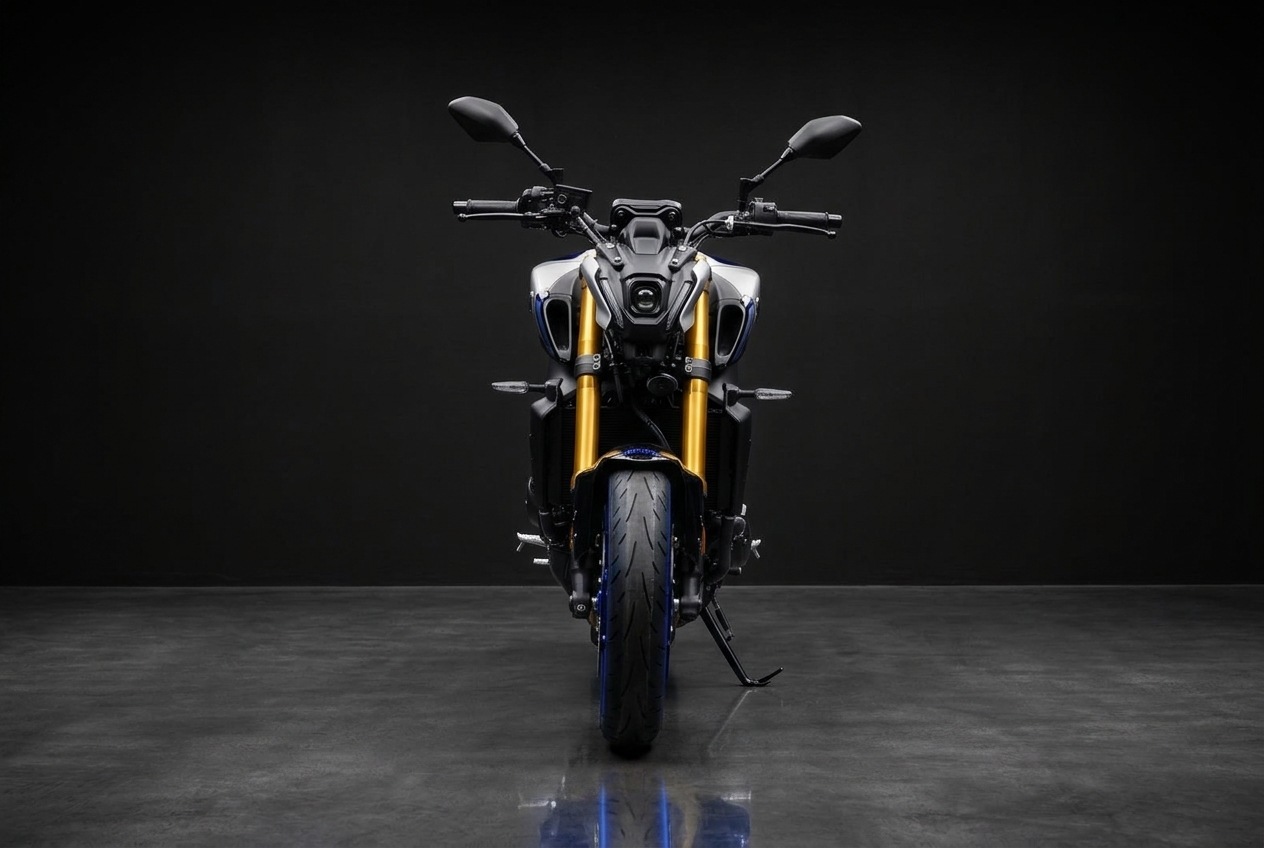
Want the Yamaha MT-09 SP for your date? Pick your dates and book the Yamaha MT-09 SP online, or call us and we will sort it with you.
Book NowCall 0468 011 118Gear, Layers and Keeping Your Hands Working
Warmth is the foundation of a safe park ride. Cold muscles respond slowly, and a rider who is chilled makes poorer decisions on the corners. Start with a warm base layer, add a windproof outer layer and pack a spare thermal top for the high ground. A neck tube or balaclava keeps the wind off the exposed sections, and insulated gloves help on cold mornings.
Your gloves and boots still need to let you feel the controls. Bulky gloves can make the clutch and brake harder to use smoothly, so test your gear before you leave the base. Closed footwear with proper grip is essential, especially if you plan to walk to a lookout or a trailhead. Visors fog quickly in cool, damp air, so carry a cloth and use the vents as you ride.
Wet weather can arrive quickly in the range, even when the morning looks clear. A lightweight wet-weather layer is easy to carry and can save an otherwise good day. Dry gear helps your concentration as much as your comfort, and a comfortable rider reads the road more accurately from one corner to the next.
Fatigue, Riding Within Your Ability and No Alcohol
Long park days wear you down more than you expect. Concentration on corners, shade and wildlife uses a lot of energy, and fatigue can creep in during the afternoon. Plan a break every hour or so, get off the bike, stretch and drink water. If you notice your attention drifting, stop and rest before you continue.
Riding within your ability matters most in a place like this. The Warrumbungles reward patience, and a rider who chases a time or matches a faster companion through the bends is taking risks the scenery does not justify. Set a pace you can hold comfortably for hours, leave space around other vehicles and let the day unfold at your speed.
No alcohol before or during a ride, and that includes the drink at the end of a long day. Alcohol slows reactions and dulls judgement, which is exactly what you need to avoid on loose edges, around wildlife and through cold corners. Save any celebration until the bike is parked and you have eaten a proper meal.

Hire Basics for a Park Weekend
Our bikes are self-drive from our Parramatta base, and hire runs for a three day minimum, which suits a trip to the western peaks best spread over more than one day. To hire one of them you must hold a full motorcycle licence that you have held for at least three years, and you must be 25 or over on every bike in the fleet. From 9pm until 6am the bike sits in a lockup or a safe spot clear of the street, so plan your overnight stop around that.
Think of those requirements as planning tools rather than hurdles. Choose accommodation that has a lockup or an off-street spot for the bike, book your nights early in the busy season, and make sure the licence details you carry match what you have told us. Once the logistics are settled, the park itself becomes the main focus of the trip.
Ask us any questions before the trip. We can talk through the route, the timing of your departure and the kind of riding you want, so the plan suits both your confidence and the bike. Good preparation makes the trip calmer and the peaks far more rewarding when you finally reach them.
Planning a Trip West on the Yamaha MT-09 SP
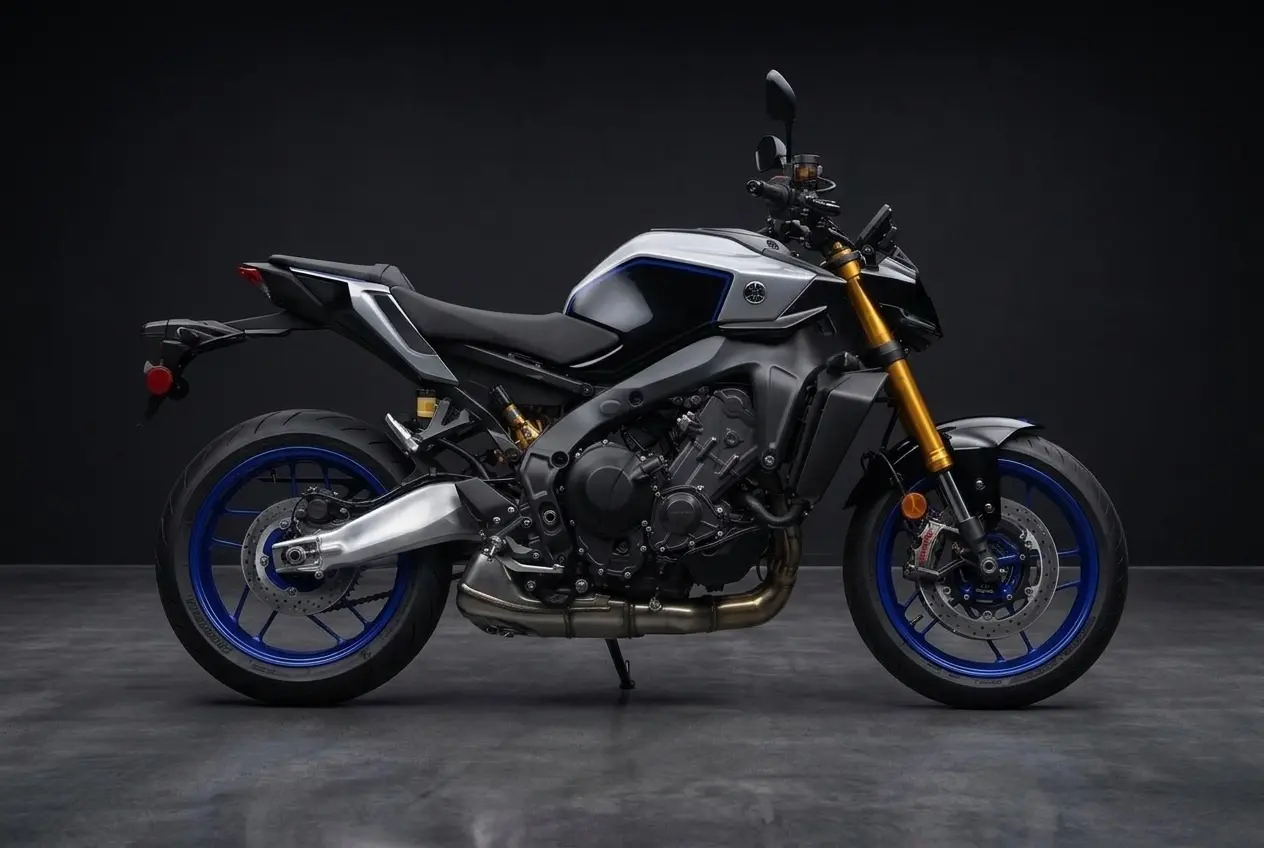
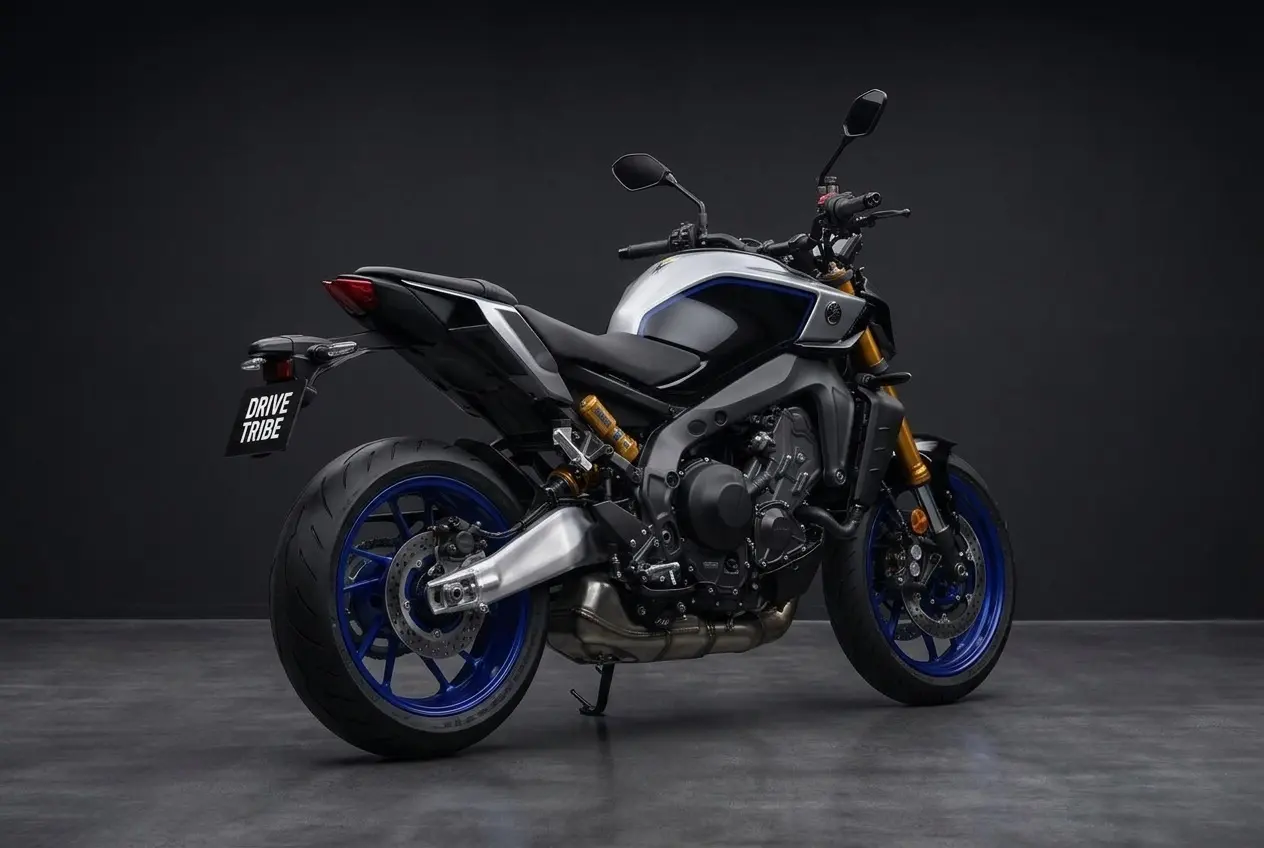
The Yamaha MT-09 SP suits a long park day well. Its inline three is lively without being intimidating, its premium adjustable suspension copes with the rougher edges of country roads, and its strong brakes give confidence when a kangaroo steps out near a bend. The gold front forks are a sharp touch at a lookout stop, but the practical strengths matter most on a day like this.
Build the day around a steady rhythm: a relaxed start after 6am, a fuel and food stop in town, a morning run into the range and a slower afternoon loop with time to spare. Keep the final leg inside daylight, leave a margin for slow traffic and give the wildlife on the verges the attention it deserves.
When you are ready, book the Yamaha MT-09 SP for your Warrumbungles trip and we will walk you through pick-up and the details of the route. The fleet page lists the rest of our bikes if you want to compare before you decide.

Frequently asked questions
When is the best time of year to ride the Warrumbungles?
Autumn and spring are the most comfortable seasons. Days are mild, the rock looks its best in clear light and the nights are cool rather than bitterly cold. Summer brings intense heat and dry air, while winter mornings can be icy at altitude. Whatever season you choose, plan your start for after 6am, when the cold has begun to ease, and keep the afternoon for the best views.
How far is the Warrumbungles from Sydney on a motorbike?
It is a long way, usually most of a day on the road even at a steady pace. The route runs west through the hills and across the tablelands before reaching the park gateway at Coonabarabran. Many riders split the trip with an overnight stop, so the final leg feels relaxed rather than rushed. Allow time for fuel, meals and the cooler air you will find once you are in the range.
Is it safe to ride inside the national park?
Yes, when you ride to the conditions. Keep to sealed roads, watch the verges for animals and go at a pace that lets you stop within the distance you can see. Shade, loose edges and cold air all call for patience. Turn back if the surface, the weather or your own energy level starts to work against you.
What should I do if kangaroos come near the road?
Slow down early and brake in a straight line if an animal steps out. Avoid swerving hard into a bend or into the path of other traffic, since a controlled stop is far safer than a sudden change of line. Watch the verges closely at dawn and dusk, when wildlife is most active, and do not assume an animal that is standing still will stay put.
Should I bring my own food and water for a day in the peaks?
Yes. Choices inside the park can be limited, so pack enough for the whole day, plus a little extra in case the ride runs longer than planned. A flask of something hot is welcome in the cooler parts of the day. Top up in town before you head into the range, and keep your drinks where you can reach them easily while you ride.
How do I stay warm on a cold morning ride in the hills?
Layer up. A warm base layer, a windproof outer layer and a light top you can add at a stop work well. Use insulated gloves that still let you feel the clutch and brake, and keep a neck tube or balaclava handy for the exposed sections. Warm up gradually, take breaks in sun-warmed spots and avoid pushing hard until the chill has left your hands and shoulders.
Ready when you are. Pick your dates and book the Yamaha MT-09 SP online, or call us and we will sort it with you.
Book NowCall 0468 011 118