
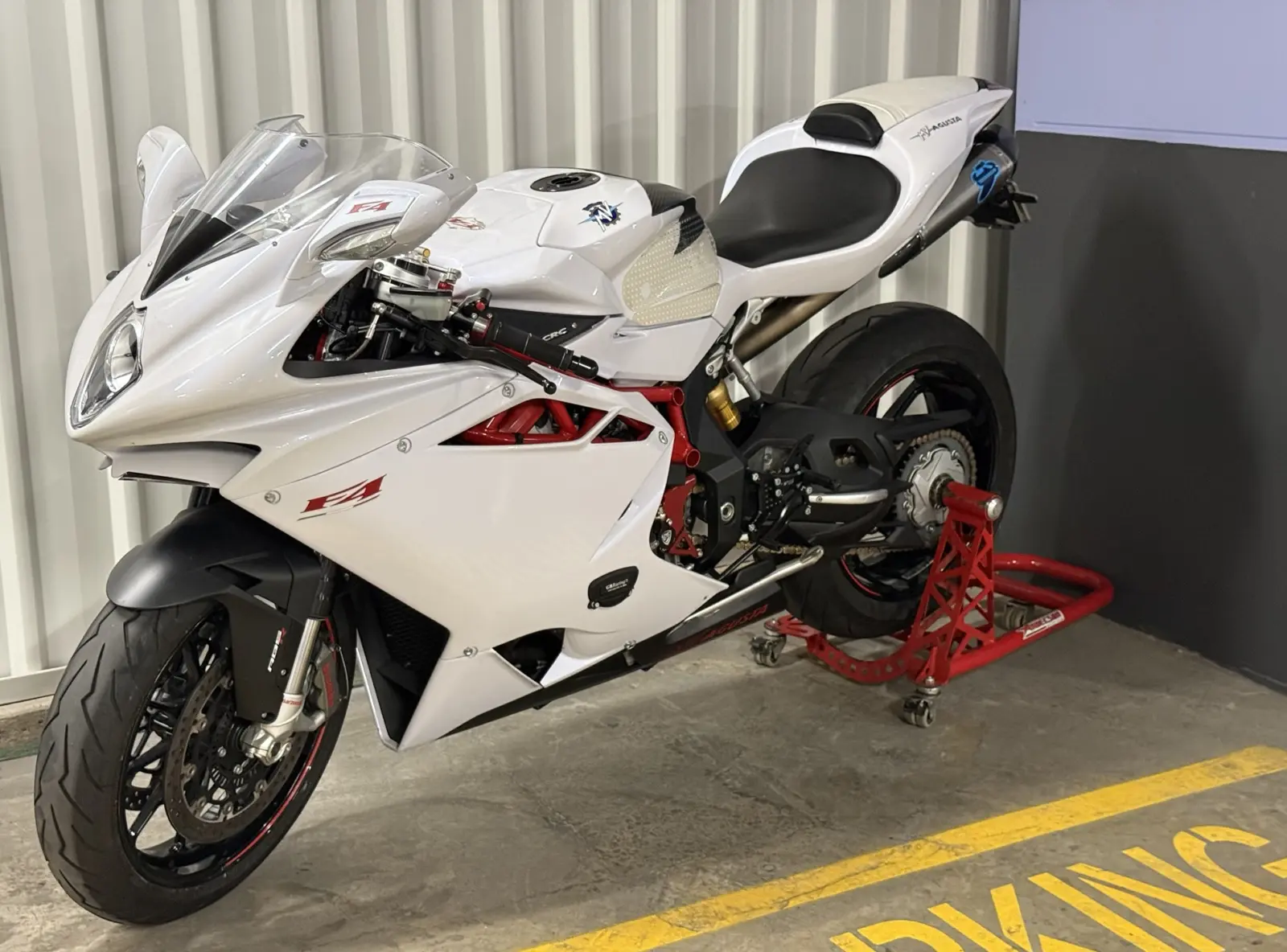
Book the MV Agusta F4. Pick your dates and book the MV Agusta F4 online, or call us and we will sort it with you.
Book NowCall 0468 011 118Nobody plans to drop a bike, and most drops happen at walking pace, in a car park, when a foot slips or the surface is not quite what it looked like. The first few minutes matter far more than the bike does. Stay calm, check yourself before anything else, make the scene safe and only then look at the machine. This guide sets out the order we would follow, from the first breath to the report, so you know what to do before it happens.
Still choosing a bike? Start with our guide to motorcycle hire in Sydney, which sets out the licence, age and pillion rules.
Why low-speed drops happen
Most bike drops happen at walking pace, not on a fast road. A foot slips off a peg as you stop, a front wheel finds a patch of sand in a car park, or the bike tips while you are manoeuvring in a tight space. These moments are common, and they happen to experienced riders as well as new ones. Knowing that a drop is ordinary, not shameful, helps you respond calmly when it happens.
Car parks are the most common place for a low-speed drop. Surfaces are uneven, painted lines turn slippery when wet, and there are kerbs, bollards, trolleys and parked cars to avoid. Drivers may reverse without looking, and pedestrians can step out from between vehicles. The lesson is simple: slow right down when you are manoeuvring, and keep the bike moving at a pace you can stop from.
The most important thing to remember is that a drop is an event with a clear order. Your first priority is always you and any other people nearby, then the scene, then the bike. Riders who run through that order in their head before they need it respond far better than those who try to work it out on the spot.
First, check yourself
Before you look at the bike, look at yourself. Take a slow breath and check whether you are hurt. Move your hands, feet, neck and back gently and notice any pain, numbness or dizziness. A shock can hide an injury for several minutes, so do not assume you are fine just because you can stand. If anything feels wrong, stay still and ask for help.
Ask the people around you whether they are all right, and check whether anyone else has been hurt. If you have a knock to the head, feel dizzy or feel confused, do not try to ride away. Call 000 if anyone is injured or unwell, and tell the operator exactly where you are. Describe the situation plainly so that help is sent quickly and with the right equipment.
Keep your helmet on until someone has checked your neck, unless it is causing a problem and a helper is with you to manage it. If you are sitting, stay where you are for a moment, since getting up too fast after a fall can make dizziness worse. Once you are confident you are not seriously hurt, you can begin to look at the scene and the bike.
Make the scene safe
The bike is now a hazard as well as a machine, so make the area safe for everyone. Switch the engine off if it is still running. Move the bike, if you can do so safely, out of the flow of traffic or to the edge of the car park. Do not stand between the bike and passing vehicles, and keep bystanders clear of the spot where the bike lies.
Check the ground around the bike. Look for spilled fuel, oil, broken glass, plastic fragments or other small hazards that could hurt someone who walks or drives past. If there is fuel on the ground, keep flames and sparks well away, do not smoke and move people back. A fuel smell or a visible leak is a clear reason not to start the engine again.
Ask a bystander to help control traffic if one is willing and it is safe for them to do so. Ask them to wave cars slowly past rather than stopping beside you. Do not put yourself where a driver could come around a corner and reach you. Your safety comes first, and a quick, calm step to the side is always better than a heroic lift in the middle of a lane.
- Engine off, and the bike moved out of traffic if safe
- Nobody standing between the bike and passing cars
- Fuel, oil and broken glass checked and cleared
- Bystanders asked to slow passing traffic
Look at the bike, but do not rush
Once you and the scene are safe, look at the bike with a clear head. Start with the obvious points: are the mirrors, levers, pegs, bars and both wheels still in place? Look for cracks in the body panels, bent bars or a lever that has snapped. A bent part can look minor and still affect how the bike handles, so be honest about what you see.
Check for leaks before you do anything else. Look under the bike for dark fluid, fresh stains or a wet patch that is spreading. A fuel leak needs immediate attention, and a bike with any leak should not be started or ridden. Oil or any other fluid on the ground is a sign that the bike needs assessment before anyone rides it again.
If you are unsure whether the bike is safe, do not ride it. Call us, describe what you can see and let us work through the next step together. Riding a damaged bike to test it is never a good idea. A bike that looks fine at a glance can still hide a problem that only shows itself once you are moving.
Photograph everything before you move the bike
Before you lift or move the bike, take photographs from several angles. Capture the bike where it lies, the surface around it, any marks on the ground and the position of nearby vehicles or objects. Pictures taken at the scene are far more useful than memory, which can fade quickly after a shock. Take a wide shot as well as close-ups of any damage.
Record what happened in your own words while it is fresh. Note the time, the place, the weather, the surface and what you were doing when the bike went down. Write down the names and contact details of anyone who saw the drop, and note the registration of any vehicle involved. Keep these notes simple and factual, and avoid guessing about things you did not see.
Keep a copy of your notes and photographs safely on your phone or with you. If you need to talk to anyone about what happened, stick to the facts. Leave any judgement about fault until you have had time to think it through, since a shaken rider can easily fill gaps in memory with guesses.
Lifting the bike safely
Lifting a bike off the ground is where many riders hurt their backs. Do not attempt it alone if you are shaken or hurt, or if the bike is heavy and awkwardly placed. Ask a bystander to help, agree on who does what and use a firm, steady lift powered by your legs rather than your back. Never rush a lift because traffic is nearby.
Make sure the bike is in neutral and the stand is ready before you start. Keep your fingers clear of the bars and levers as the bike comes upright, and keep your feet well away from the wheels. Once the bike is up, stop, check the ground and the bike again, and only then decide whether to move it any further.
If the bike will not stand, leave it where it lies and call for help. A bike that is awkwardly balanced can fall again and cause more damage or injury. Do not put yourself under the bike or try to hold a heavy machine on a slope. A patient, careful recovery is always safer than a heroic one.
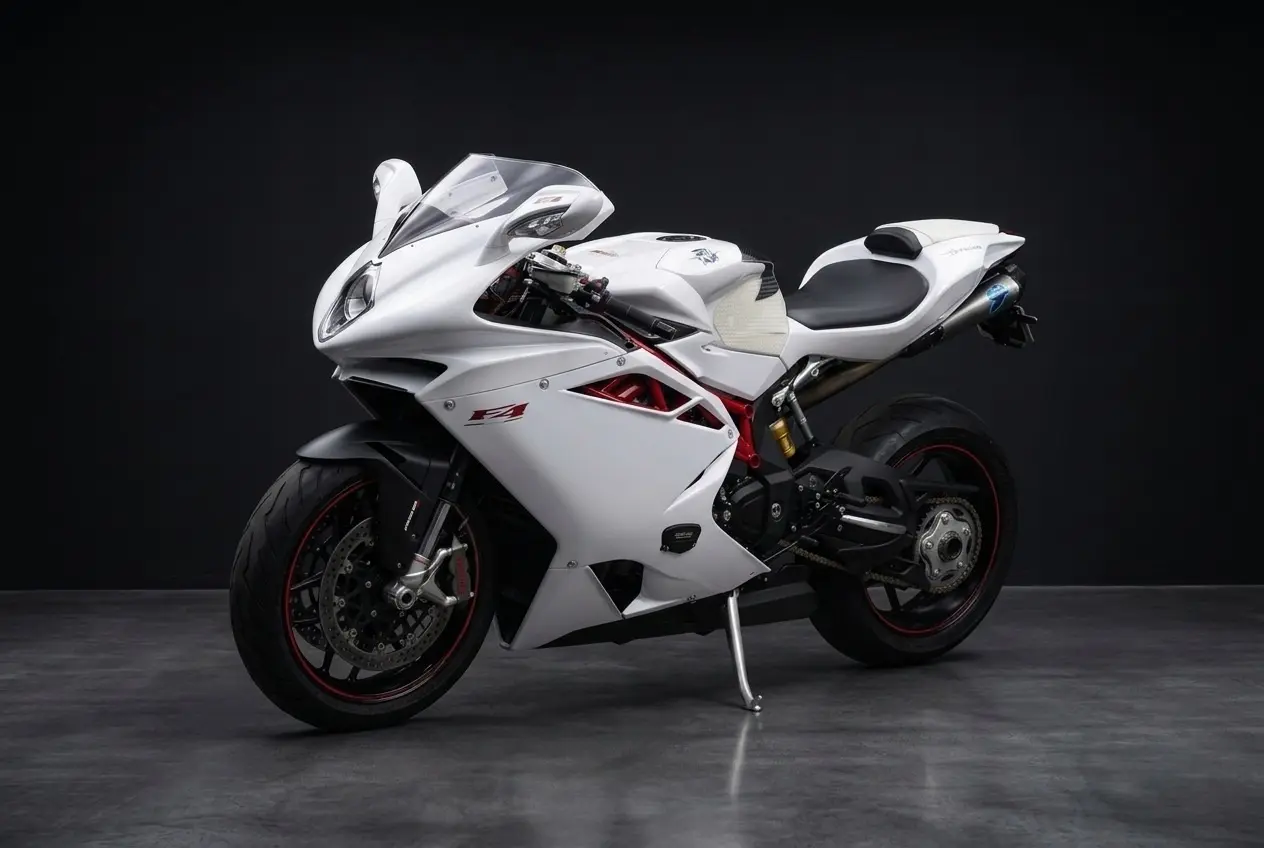
Want the MV Agusta F4 for your date? Pick your dates and book the MV Agusta F4 online, or call us and we will sort it with you.
Book NowCall 0468 011 118Best time of day and season to ride again
The best time to ride again after a drop is usually later rather than sooner, once you have rested and the bike has been checked. Mid-morning or early afternoon on a weekday gives you quiet roads and calm traffic. Avoid any start before 6am, and keep the first ride short, close to home and on roads you already know.
Season matters too. Autumn and spring offer mild conditions for a cautious return to riding. Summer heat can sap your focus, and a hot car park makes a bike harder to manage. Winter brings wet leaves, damp painted lines and cold hands that struggle with the controls. Choose a dry, mild day and build your confidence gradually.
The road after a drop is more demanding than the car park. Expect kerbs, parked cars, pedestrians, varied surfaces and weekend crowds in busy centres and near beaches. Wet paint and sand collect at the edges of roads and roundabouts, so take extra care at intersections. Ride slowly at first, and let the bike earn your trust again before you ask more of it.
Fuel, food and rest after a drop
A drop takes a toll, even when nobody is hurt. The adrenaline wears off and leaves tiredness behind, and tiredness leads to poor decisions. Eat something light, drink water and sit somewhere quiet before you decide whether to ride on. Do not hurry back onto the bike to prove you are fine.
Check the fuel situation before you ride again. If the bike has been lying on its side, do not assume the tank is still safe until you have looked. A fuel leak or a smell of petrol is a clear reason not to start the engine. Once the bike has been looked over, top up at a safe, well-lit station, and plan the route to the next fuel point.
Rest is part of recovery. Take a longer break than you think you need, stretch your hands and back and check how you feel over the next hour. Stiffness and bruising often arrive later, so keep an eye on yourself through the afternoon. If you feel unwell at any point, stop riding and seek medical advice.
- Eat something light and drink water before you decide
- Check for fuel leaks and smell before starting the engine
- Top up only once the bike has been looked over
- Rest longer than you think you need
Reporting to us and what the hire covers
Tell us about any drop straight away, even if it seems minor, so we can help with the next steps. Describe what happened, where it happened, whether anyone was hurt and the state of the bike. Send the photographs you took and any notes you made. Clear, early information helps us look after you and the bike, and it helps us plan what needs to happen next.
Three points matter when a bike is damaged during a hire. A security bond is held for every hire, and its level is set by the class of bike. Car-style damage cover does not extend to our motorcycles. If you want injury protection above the basic compulsory third-party cover, you arrange that yourself. Think about these before you ride, not after a drop.
We know a drop is stressful, and we would rather hear from you early than find out later. Be honest about what happened, keep your notes and photographs together and let us know if you need help getting the bike back to the depot. We will work through the next steps with you, one at a time.
Plan around the day by checking Transport for NSW for closures, roadworks and incidents first.
Getting back on: when and whether to ride again
Riding again after a drop is a personal decision, and it should be made calmly and honestly. If you feel nervous, shaky or distracted, leave the bike for another day. Confidence returns with short rides on quiet roads, and there is no shame in taking it slowly. Many experienced riders have gone through the same thing and come back stronger.
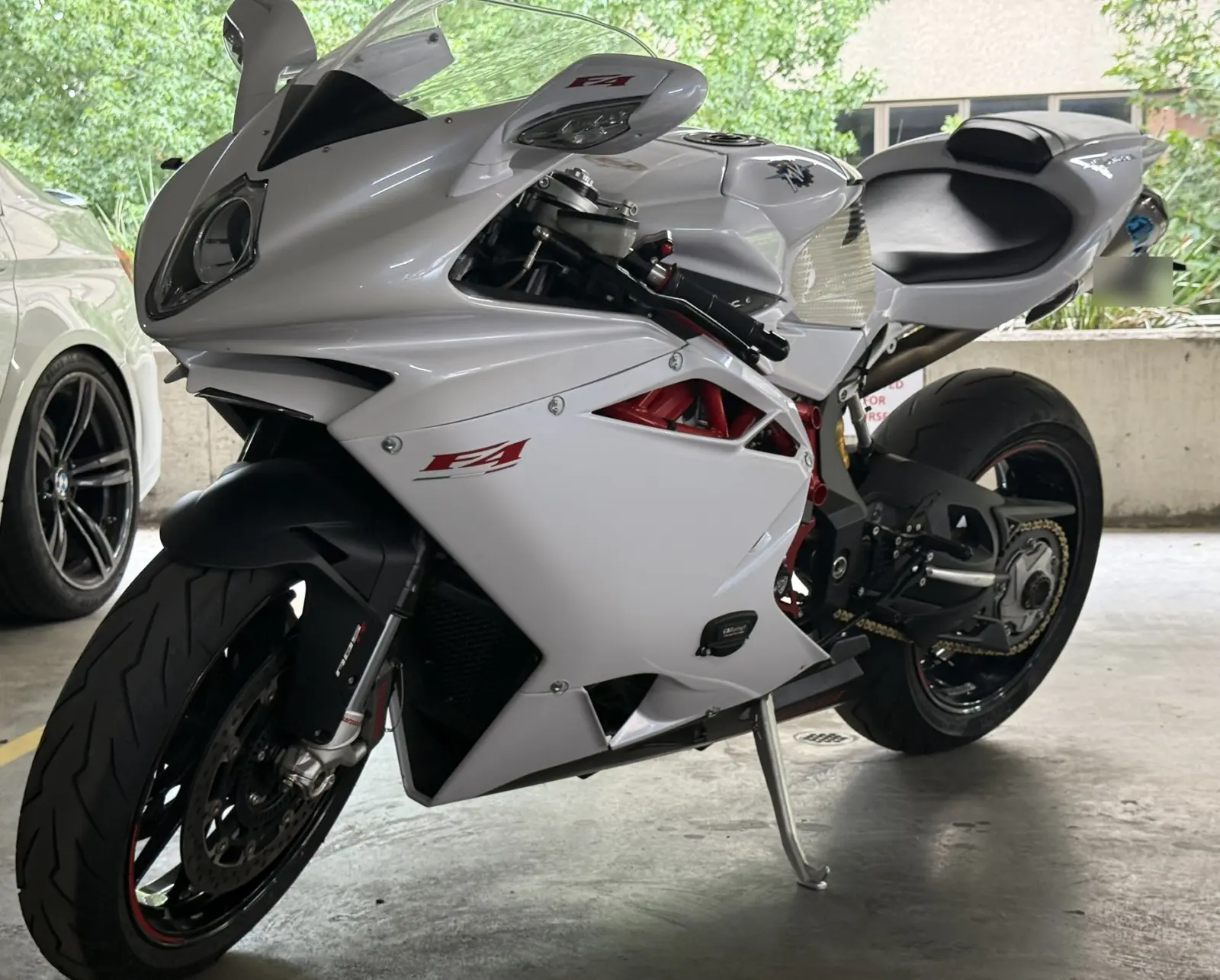
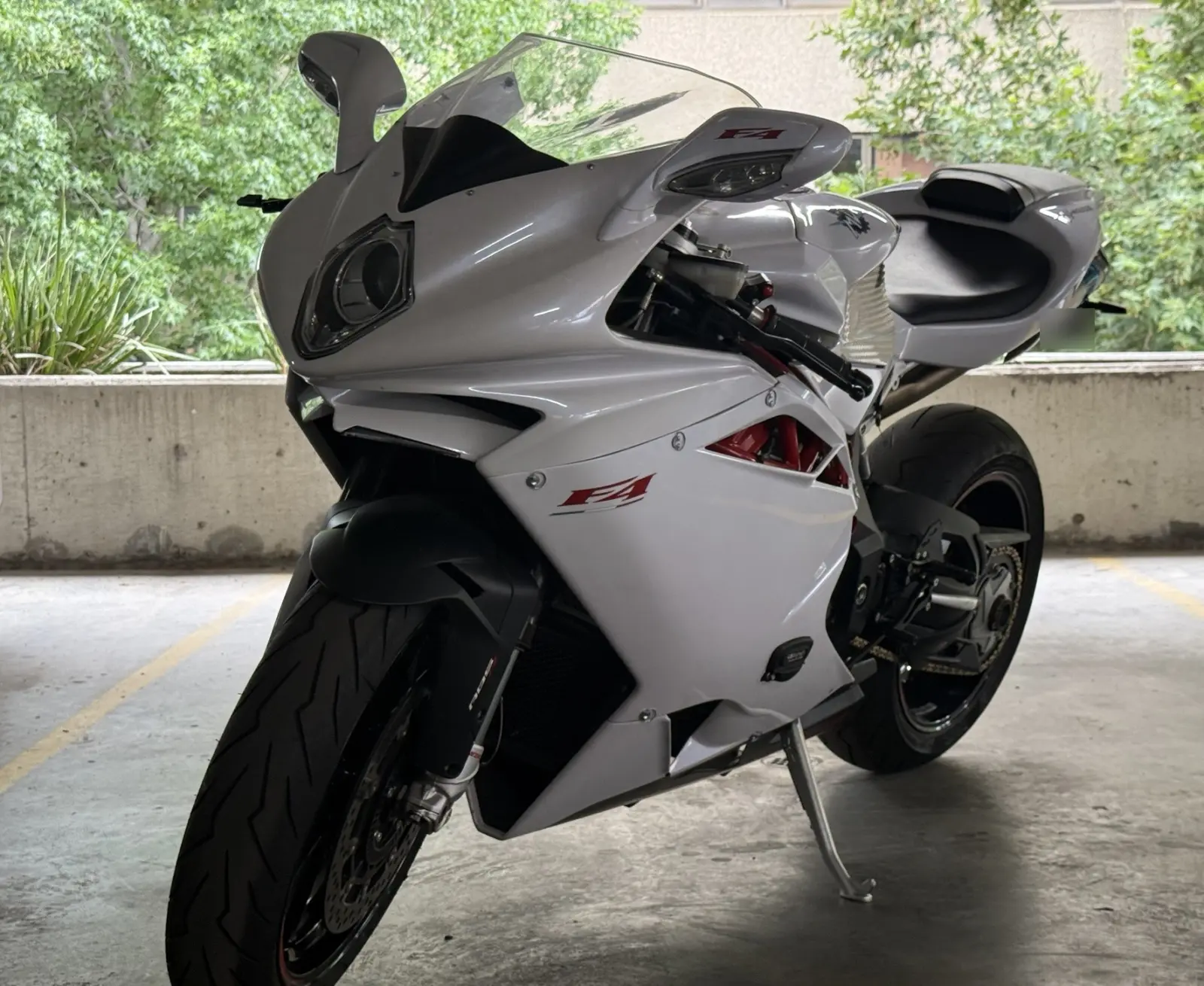
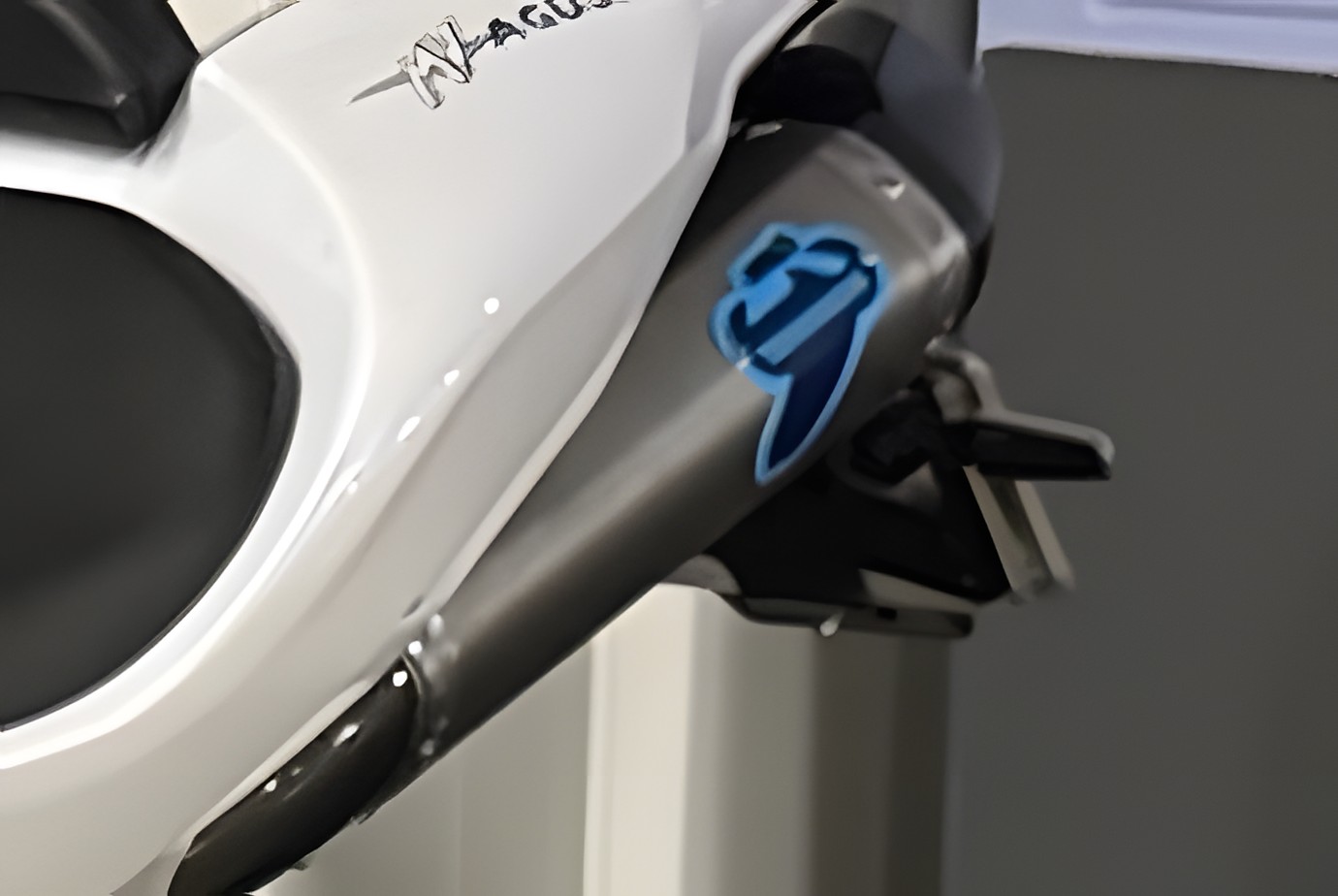
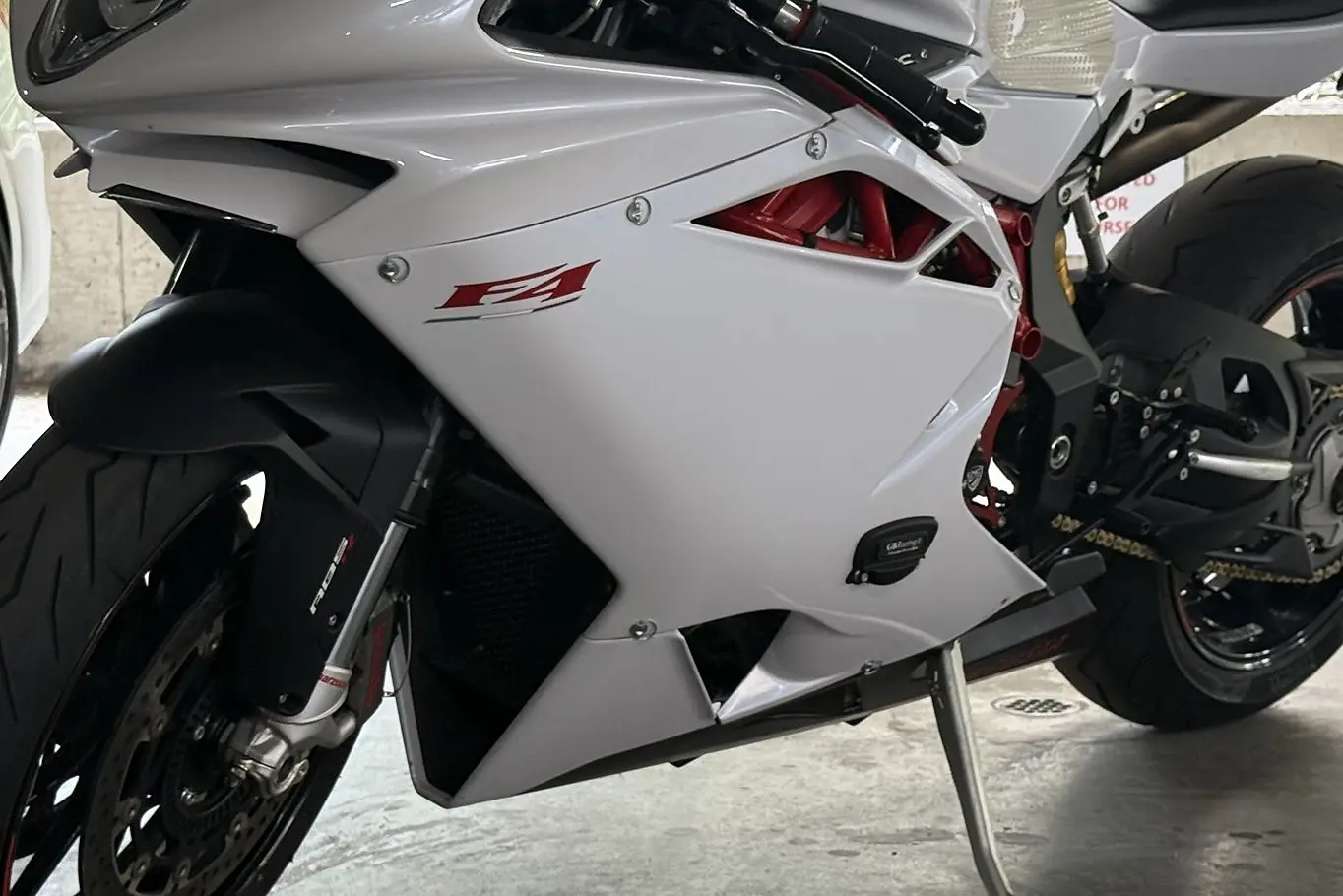
If the MV Agusta F4 is the bike you are thinking about, remember that it is a focused machine. Its 998cc inline four and tuned performance exhaust reward a rider who is calm, deliberate and fully confident. Pearl white with a red trellis frame, it is a striking bike, but its character suits a rider who is ready for a precise line through the bends.
When you are ready, we would be glad to have you ride with us. Visit the MV Agusta F4 page, confirm your licence and talk the plan through with us. Take the first ride gently, look well ahead and let your confidence come back one stretch of road at a time.
Frequently asked questions
What should I do first after dropping my bike?
Check yourself before anything else. Take a slow breath, move your hands, feet, neck and back gently, and notice any pain or dizziness. Call 000 if anyone is injured or unwell. Then make the scene safe, switch off the engine and move the bike out of traffic if you can do so safely. Only after that should you look at the bike, and take photographs before you lift it.
Should I try to start the bike after a drop?
Not until you have checked it. A fuel smell, a visible leak, bent controls or damaged bodywork are all reasons to leave the engine alone. Look under the bike for fluid and check the levers and mirrors. If you are unsure, do not ride it. Call us, describe what you can see and let us decide the next step together with you.
Who should I tell after a low-speed drop?
Tell us straight away, even if the drop seems minor. Describe what happened, where it happened, whether anyone was hurt and how the bike looks. Send your photographs and notes. If anyone else was involved, record their details and any witnesses factually. Early, clear information makes the next steps simpler for everyone and helps us look after you and the bike.
Do I need to read the hire terms before I ride again?
Yes, and it is worth doing before any ride, not only after a drop. The hire terms set out what covers apply, what is required of the rider and how the bond works. If something is unclear to you, ask us before you ride rather than guessing. A short conversation at the depot is far better than finding out about a gap in cover after an incident.
How do I lift a heavy bike without hurting my back?
Ask for help, agree on who does what and lift with your legs in a firm, steady movement. Keep your fingers clear of the bars and levers, and keep your feet away from the wheels. Make sure the stand is ready and the bike is in neutral before you start. If the bike is awkward, heavy or on a slope, stop and wait for more help rather than straining through the lift.
Should I ride straight home after a drop?
Usually not. Adrenaline can hide tiredness and minor injuries, and a shaken rider often makes poor decisions in traffic. Rest first, eat something light and check the bike thoroughly. If the bike is safe and you feel fit to ride, take a slow, familiar route home. If you feel unsure at any point, stop and arrange another way to get back.
Ready when you are. Pick your dates and book the MV Agusta F4 online, or call us and we will sort it with you.
Book NowCall 0468 011 118