

Book the MV Agusta F4. Pick your dates and book the MV Agusta F4 online, or call us and we will sort it with you.
Book NowCall 0468 011 118On a cold winter morning, the difference between a pleasant ride and a dangerous one can be a single shaded valley. Frost settles in the low ground on still, clear nights, and it can lie on the road long after the sun has lifted over the ridges. Choosing a route that keeps you out of the coldest hollows is one of the simplest and most effective ways to stay safe in winter. We think the MV Agusta F4 suits a rider who plans with that kind of care, and this guide shows how to build winter routes around the frost.
New to riding with us? Our page on motorbike hire in Sydney covers the bikes, the rider rules and how pick-up works.
Where Frost Forms and Why It Matters
Frost forms when the ground and the air close to it lose heat faster than the surroundings, usually on still, clear nights with little wind. Cold air is heavier than warm air, so it drains down into valleys, hollows and low-lying flats, where it pools and stays cold. The result is a road that can look dry and clean but carry a thin layer of ice in exactly the places where you need the most grip.
The risk is hard to see. Frost often sits in shaded bends, under tree lines and on bridges, which cool faster than open road. A patch of frost in full sun may melt within an hour, while the same patch under a ridge can last until well after lunch. Learning to read the landscape is a skill that serves a winter rider every time they leave the house.
Frost also forms on the bike. Seats, mirrors and the tops of the tank can carry a fine film of moisture that freezes, and the controls can feel stiff and cold. Warm up your hands and check the bike before you ride, and give the engine a few minutes to settle before you leave the driveway.
Choosing a Route That Stays Higher and Sunnier
The simplest winter route choice is to favour ridge roads and sunlit slopes over the low valleys. Ridges catch the sun earlier in the day and shed cold air more readily, so the surface is usually warmer and drier. A route that climbs onto open ground and follows the sun can be far safer than a shorter road that runs along a creek bed.
Look at the map with the landscape in mind. Roads that run along a river valley, through a hollow or beside dense forest are likely to hold cold air and moisture for longer. Roads on north-facing slopes in the southern hemisphere tend to receive more sun during the day, which helps to clear frost sooner. Use that knowledge to choose the sunny side of the hill when you have the choice.
Be honest about your own limits too. A route that looks gentle on a map can still hide cold corners and tight bends, so choose roads that you know well or that you have ridden before in better conditions. A winter route should feel comfortable, not like a test you need to pass.

Checking Conditions Before You Set Off
Check road conditions with Transport for NSW before you leave, paying attention to any warnings about frost, fog or closures. Winter can change a road from open to hazardous in a few hours, so check again on the morning of the ride rather than relying on the previous evening's report.
Look at the forecast for the minimum temperature as well as the maximum. A mild afternoon can follow a bitterly cold night, and the frost risk is highest in the hours just before sunrise. If the overnight low is far below freezing, plan a later start so the sun has time to warm the surface before you ride.
Plan a backup route. If a valley road looks icy, you should be able to switch to a higher or sunnier alternative without a long detour. Having a second option in your head makes it much easier to stay out of trouble when conditions change.
Best Time of Day and Season for Winter Riding
The safest window for a winter ride is the middle of the day. Once the sun has been on the road for an hour or two, frost has usually melted from the exposed sections and the shaded bends are the main concern. Start after first light, and never before 6am, but avoid riding through the frost-prone hollows until the sun has had time to work.
Late autumn and early spring are generally kinder than deep winter, with cold mornings that warm up quickly. Deep winter brings the longest frost periods, especially in valleys and on the plateau. Choose your season with the frost in mind, and be prepared to adjust your plans if the forecast shows a run of cold, still nights.
Fuel stops should be planned around the frost too. Top up in the sunnier towns rather than in the cold valleys, and allow for the extra fuel a cold engine can use. Food stops work best when they are in a warm, sheltered spot, and a cafe in a sunny street makes a welcome break after a chilly morning. Weekend traffic in winter is lighter than summer, but popular lookouts and villages can still draw crowds, so plan your stops with that in mind.
Road Character: Shade, Surface and Traffic
Shade is the central winter hazard. Bends that sit under trees or cuttings can stay icy long after the open road has dried. Approach shaded sections with a clear plan, slow before you enter them and avoid sudden steering or braking while you are inside the shadow.
Surfaces change with the cold. Painted lines, metal plates and drain grates can all become slippery when frosted or wet, and the edge of the seal may feel softer in the cold. Keep to the cleaner part of the lane, avoid lean angles over suspect patches and cross any bridge at a steady pace.
Traffic in winter tends to be lighter, but trucks and farm vehicles still travel the roads, and drivers may take shaded corners cautiously. Keep a generous gap, be patient on the climbs and only pass where the road is clear for the full length of the manoeuvre.
Want the MV Agusta F4 for your date? Pick your dates and book the MV Agusta F4 online, or call us and we will sort it with you.
Book NowCall 0468 011 118Why the MV Agusta F4 Suits a Careful Winter Rider
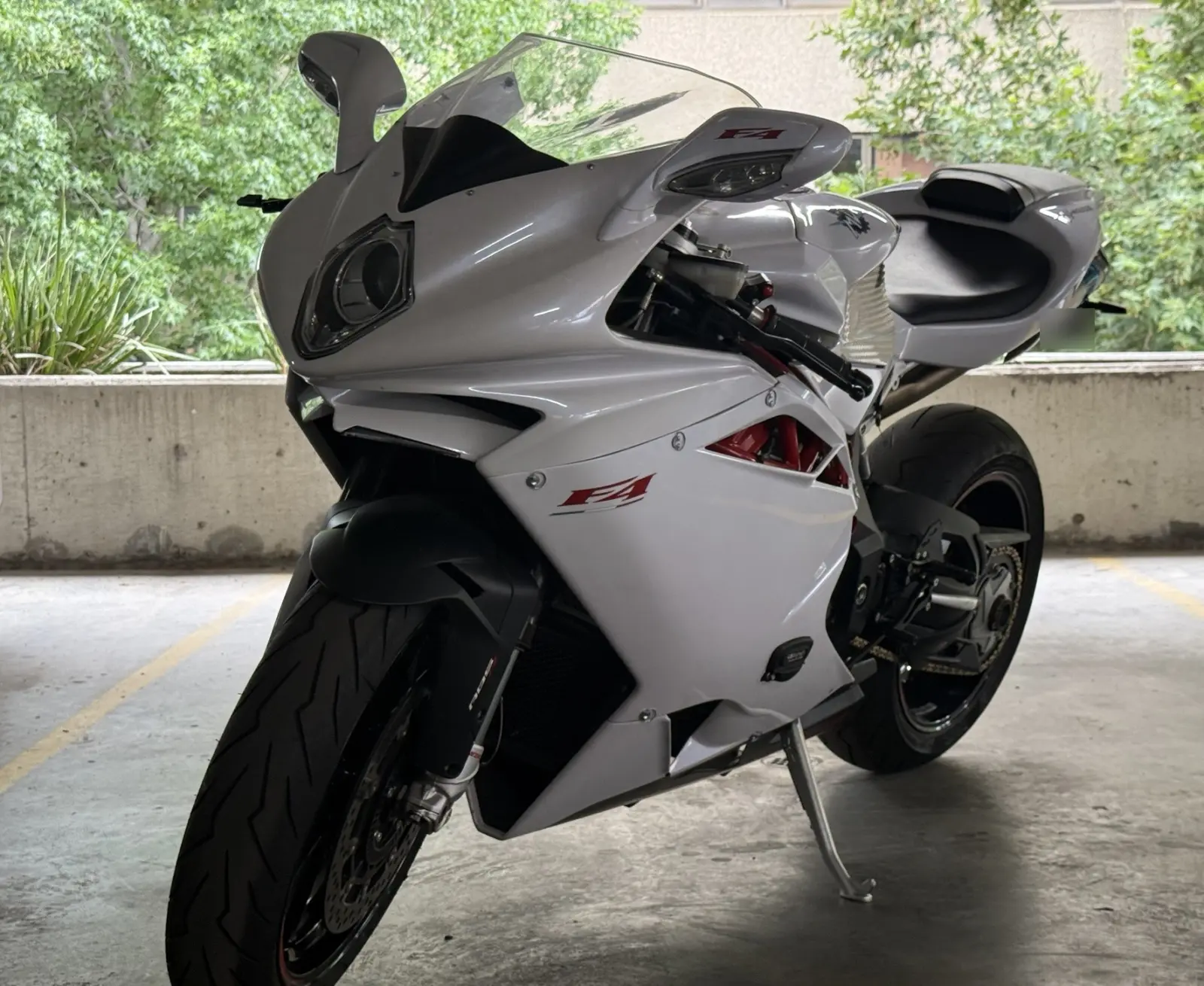
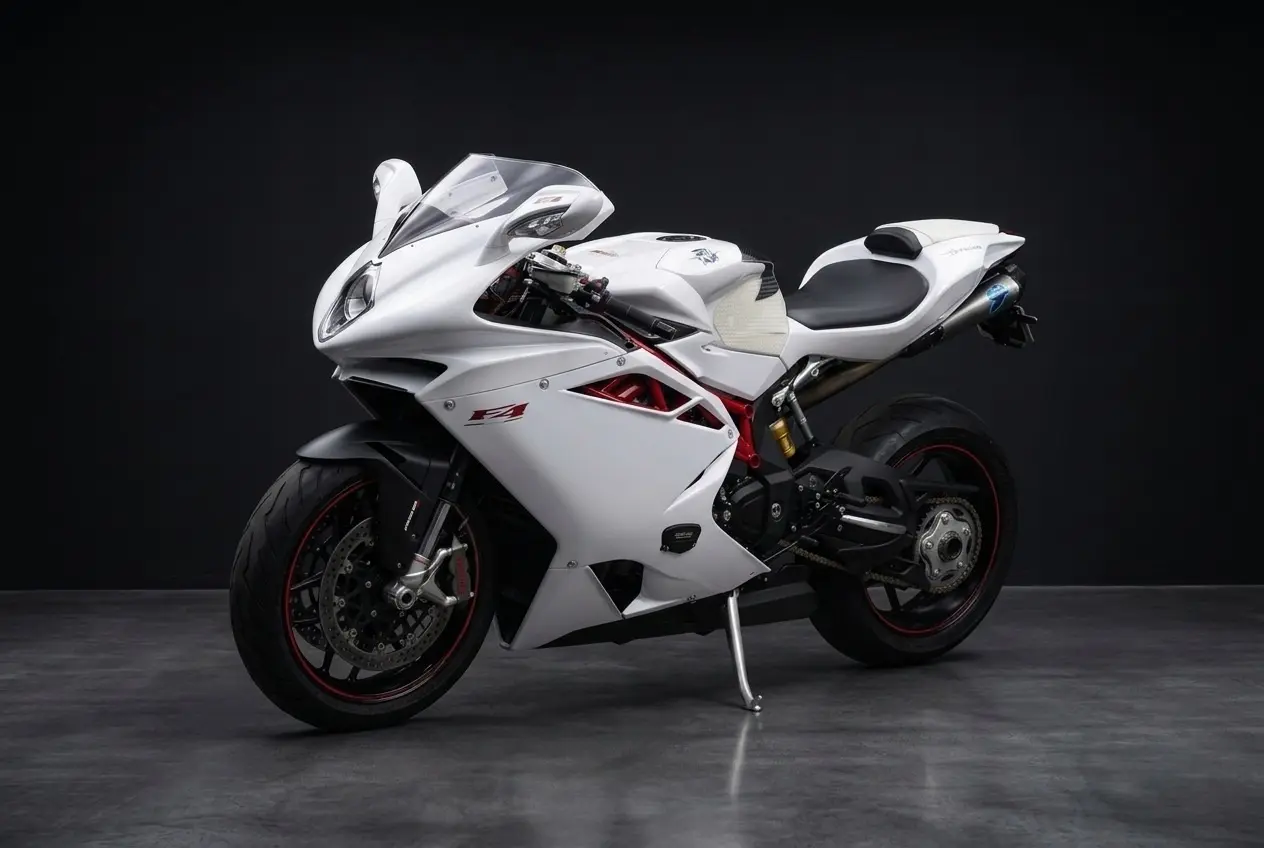
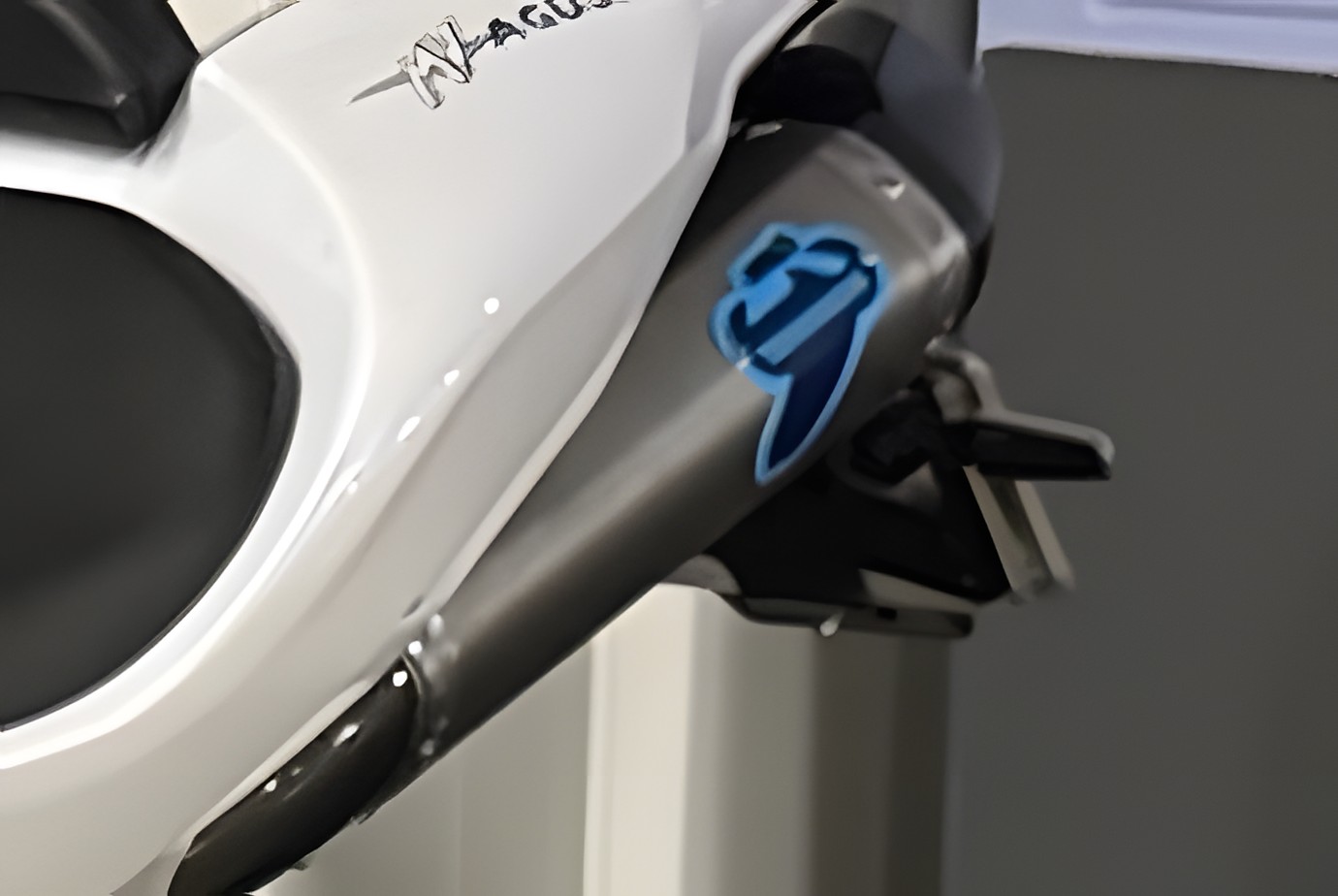
The MV Agusta F4 is a 998cc inline four with a performance exhaust and a pearl white finish with a red trellis frame. In winter, its character rewards precision. Small, deliberate inputs are what keep a bike settled over cold, patchy surfaces, and the F4 responds clearly when you ask for a smooth change of direction.
The bike suits a rider who plans with care. The engine response is strong, but winter calls for restraint, and the F4 is at its best when you use its character to hold a clean line rather than to push the pace. Give the tyres time to come up to temperature before you ask for lean angle, and keep your inputs gentle until you have a clear read of the grip.
Warm engines and warm tyres go hand in hand with a comfortable ride. Let the bike warm up for a few minutes, check the controls and take the first kilometres steadily. A calm start pays dividends once you reach the cold corners later in the day.
Safety When the Frost Is Down
Dress for the cold from the first kilometre. A fitted helmet, a jacket with armour, gloves and boots that cover your ankles are essential, and thermal layers beneath your gear keep the chill at bay. A windproof outer layer and dry gloves make a real difference, and damp gloves can be dangerous when the temperature drops.
Treat any glossy or pale patch on the road as ice until you have checked it. Brake early and gently, use gears to control speed and keep the bike upright through shaded sections. Give the vehicle ahead a wider gap than usual, since its brakes may behave differently on a cold surface too.
Fatigue and cold are a dangerous combination. Stop every hour, move around, drink something warm and check your concentration before you set off again. Never ride after drinking alcohol, and ride within your ability, especially on roads you have not travelled in winter before. Use this checklist before each frosty start:
- Check tyre pressures and brakes before you leave.
- Warm your hands and dress in thermal layers.
- Treat glossy patches, bridges and shaded bends as ice.
- Slow well before shaded corners and keep the bike upright.
- Stop every hour and drink something warm.
Hire Rules and Planning a Winter Route
To hire one of our bikes you need a full motorcycle licence held for at least three years, and you must be 25 or older. Helmets (Shark, AGV or Bell) can be hired from us in small, medium or large for $50 per hire, or you can bring your own. We do not supply jackets, gloves, pants or boots, so bring your own riding gear. Our bikes are self-drive, hired from Drive Tribe in Parramatta, and the minimum hire period is three days.
A three day hire gives you the flexibility to choose the right day for the frost. Use the first day to scout a sunny route close to home, the second to ride the route you have chosen, and the third as a spare day for a higher or slower alternative if the forecast turns cold.
When you are ready to plan a frost-aware winter ride, reserve your MV Agusta F4 through its bike page. We will help you pick dates with a settled forecast and talk through a route that keeps you out of the coldest valleys.
Frequently asked questions
How do I know which roads are most likely to have frost?
Low valleys, hollows, creek lines and shaded corners under tree cover are the usual frost traps. Roads that run through dense forest or beside water can hold cold air and moisture for longer. Check the ground in the early morning, watch for pale or glossy patches and ask locals about the roads they avoid in winter.
Is it better to ride in the afternoon during winter?
The middle of the day is usually the safest window, once the sun has warmed the road and melted the frost from exposed sections. Afternoons can cool quickly, so start heading home before the light fades and the temperature falls. Plan the return with the same care you gave the outward leg.
Should I avoid shaded corners entirely?
You cannot always avoid them, but you can ride through them with more care. Slow before you enter the shade, keep the bike upright and avoid sudden inputs. If the shaded corner looks icy, pause, wait for the sun to reach it or choose another road. A patient approach keeps you safe on the cold sections.
What should I do if I hit a patch of frost?
Stay calm, keep your hands light on the bars and avoid braking hard or steering abruptly. Keep the bike upright and let it roll through the patch if you can. Once you are clear, slow down and check your next few corners carefully, since frost often lies in similar places along the same road.
How do I keep my hands warm on a frosty ride?
Start with dry, insulated gloves, and warm your hands before you leave. Keep your grip light so the blood can flow freely, and flex your fingers at each stop. A windproof outer glove and a spare pair in your pack are useful, since damp gloves lose their warmth quickly in the cold.
Does the MV Agusta F4 suit winter riding?
The F4 suits a disciplined rider who plans carefully and keeps inputs smooth. Its engine response is strong, but winter calls for restraint and patience. Warm the bike and the tyres before you push, choose routes that avoid the coldest hollows and enjoy the clear, crisp air on the sunnier roads.
Ready when you are. Pick your dates and book the MV Agusta F4 online, or call us and we will sort it with you.
Book NowCall 0468 011 118