
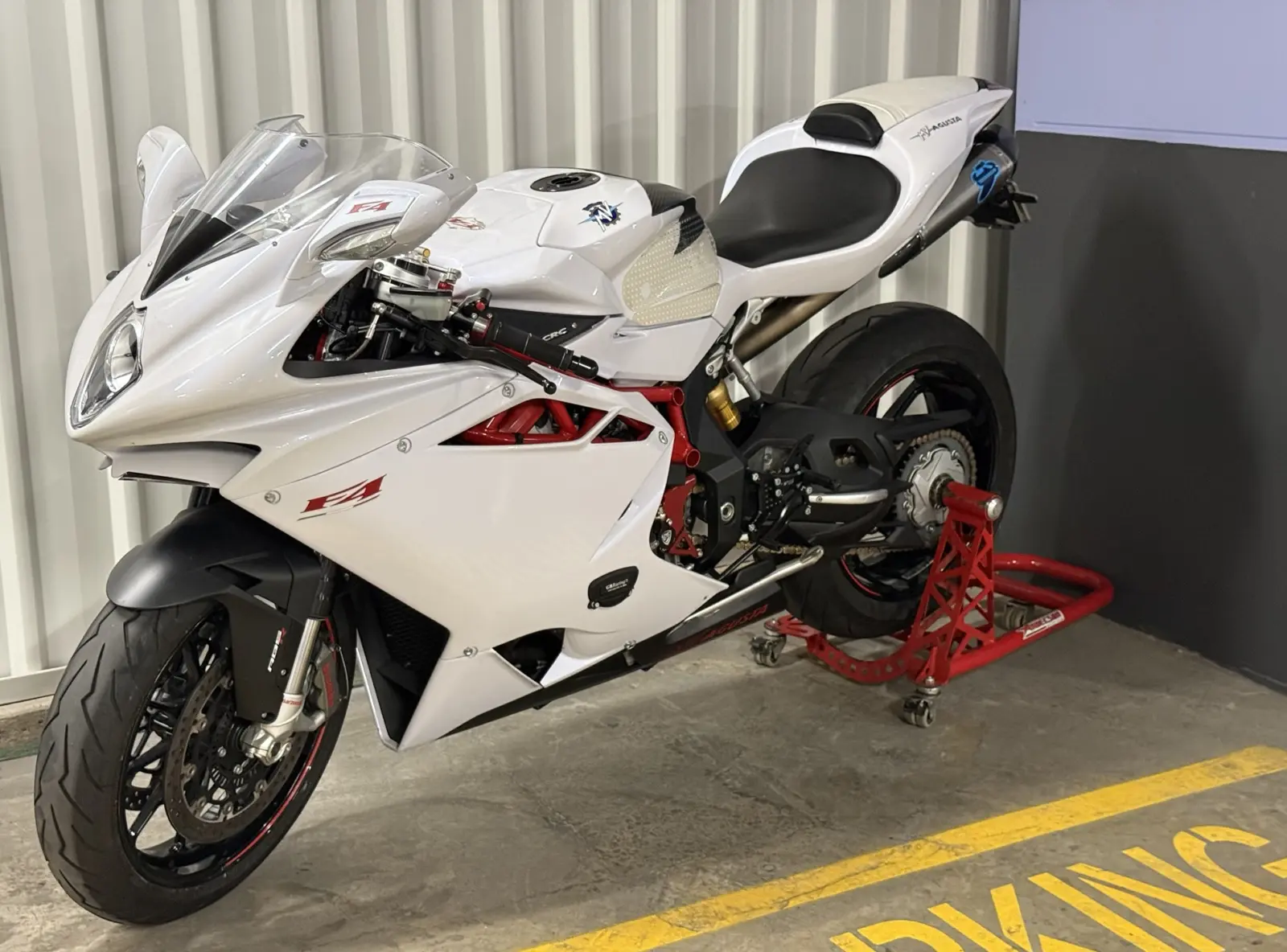
Book the MV Agusta F4. Pick your dates and book the MV Agusta F4 online, or call us and we will sort it with you.
Book NowCall 0468 011 118A winter morning on the coast feels deceptively mild in Sydney, but the rubber under your bike is working in cold air that changes how it grips. The first few kilometres of a run south often feel slippery and unsettled, even on a dry road, because the tyres have not yet reached their working temperature. This guide explains what happens to tyre temperature through a long coastal ride, where the road asks the most of you, and how to ride with that knowledge rather than against it.
For the bikes we hire, who can ride them and how a hire runs, see motorbike hire in Sydney.
The cold start problem on a winter coast run
Many riders set off from the city in the early hours believing that a mild winter day means warm tyres, but the air temperature is only part of the picture. The tyres sit in contact with cold ground for the whole time the bike has been parked, and the first few minutes of riding are spent bringing the rubber up to a usable temperature. Until that happens, grip is lower than the road surface suggests.
The effect is easy to misjudge because it feels subtle. The bike may turn in normally at walking speed, but a firm lean into a roundabout or a quick brake application can reveal a lack of confidence in the contact patch. Treat the first kilometres as a warm-up in every sense, with smooth inputs, gentle braking and a relaxed grip on the bars.
Coastal mornings add another layer of uncertainty. Salt, moisture and the cool sea breeze all work against a cold tyre, so a rider who has been warm in a car may find the bike feels different from the moment the ignition is turned on. Plan the first leg of the journey as a deliberate build-up, not a sprint.
What cold tyres actually do
A tyre grips the road through a small patch of rubber, and that patch behaves differently at different temperatures. Cold rubber is firmer and less willing to deform into the texture of the surface, which means it has less mechanical grip available. As it warms, the rubber softens slightly and the contact patch begins to conform to the road, improving the bite under braking and in corners.
Heat builds from two sources. The friction of the road and the flex of the tyre as it rolls both generate warmth, and the faster and harder you ride, the more heat the rubber produces. A long, steady cruise along a winding coast road will bring the tyres to a comfortable working range, while a stop-start drive in a cold queue can leave them cooler than you expect.
This means the same tyre can behave very differently across a single ride. A lap of the first village may feel tentative, while the same tyre an hour later, after a steady run on open road, may feel confident and predictable. Recognising that change, and adjusting your pace to match, is the most useful skill a rider can develop for winter coast runs.
Warming up across the first stretch
The most practical advice is to give the bike a gradual introduction to the day. Ride the first ten kilometres or so at a calm pace, using the brakes lightly and making smooth steering inputs. Pay attention to how the front end feels in each change of direction, and note how quickly the bike settles as the tyres warm up.
Shade plays a large part in the warm-up. Early sections that run beneath trees or along cuttings can hold a cold film for much longer than the open road, so keep your inputs gentle until you are out in the sun. Once the bike feels settled and predictable, you can begin to add a little more pace on the open sections.
Tyre pressure is worth checking before you leave on a cold morning, because the air inside the tyre contracts in low temperatures. Follow the figures in your owner documentation and check them when the tyres are cold. A quick look at the tyres before departure also helps you spot any damage or debris that could have collected overnight.
The coastal run south from Sydney
The classic winter run heads south along the Princes Highway, past the southern suburbs and into the escarpment country that sits above the coast. The road is well made and widely used, and it carries heavy traffic, trucks and fast cars, so the first priority is to settle into a position where you can see and be seen. Keep your speed sensible while the tyres are still coming up to temperature.
As you climb out of the suburbs toward Stanwell Park, the road begins to show its character. The bends tighten and open again, and the views to the sea appear in sudden flashes between the hills. The surface can carry a fine layer of grit or moisture in the morning, particularly around the shaded corners, so approach each bend with a clear line and a steady entry.
This is also the stretch where the coast starts to feel very different from the city. Sea air is cooler and damper, and the salt carried on the wind settles on the road edges and paint lines. On a winter morning that adds an extra layer of caution, and it is a good reason to ride in a relaxed rhythm rather than racing the day.
Sea Cliff Bridge and Grand Pacific Drive
Past Stanwell Park, the route follows the cliff line along the coast, and the highlight is the Sea Cliff Bridge, a long span that carries traffic high above the water. The bridge and the connecting road along Grand Pacific Drive are a wonderful place to ride on a clear winter day, with the ocean on one side and the cliffs on the other. The view is spectacular, but it also demands your full attention.
Expect a mix of surfaces and camber changes along this section. The bridge deck and the cliff road can carry sea spray and moisture that does not dry as quickly as the open sections, so brake early and gently before you enter a bend. Look well through each corner and avoid sudden steering inputs, particularly if the tyres are still cool from a stop.
Traffic on this stretch can be heavy on weekend mornings, as cyclists, touring riders and day trippers all head for the coast. Stay out of the way of faster traffic, keep to a safe distance and use the designated lookouts for photographs rather than stopping in the lane. A moment of patience here keeps the day both enjoyable and safe.
Kiama, the blowhole and a lunch stop
Kiama is one of the best-known towns on the south coast run, and the famous blowhole near the harbour is a great place to stretch your legs. In winter the swell can be strong and the spray dramatic, so keep well back from the edge and watch the waves rather than walking too close to the rocks. The town centre is compact and easy to explore on foot after parking.
For lunch, the towns along the coast offer a range of cafes and bakeries, and a stop in the middle of the day gives your tyres and your body a chance to warm through in the sun. Choose a table with a view of the street or the water, and make sure the bike is parked well away from the kerb. Check the tyres again before the afternoon leg, since they will have cooled while you were stopped.
The afternoon return can be just as scenic, but the light changes quickly in winter. The sun drops earlier than most riders expect, and the cliff road can fall into shade long before the town does. Plan to be past the most exposed sections before the light fades, and carry a warm layer to pull on if the temperature falls sharply.

Want the MV Agusta F4 for your date? Pick your dates and book the MV Agusta F4 online, or call us and we will sort it with you.
Book NowCall 0468 011 118Salt, sea mist and damp shade
Coastal roads are a different environment from inland highways. Salt spray, sea mist and dew can all sit on the road together, and the combination reduces grip more than many riders expect. The surface may look dry in the sun but still carry a fine film of salt that feels slippery under braking, especially where the wind has pushed spray across the lanes.
Shaded sections deserve particular attention. Trees, cuttings and the cliff face keep the road cool for much longer than the open stretches, so a bend in shade can be damp when the rest of the road is bone dry. Slow down before you reach these sections, keep your brakes applied smoothly and do not lean the bike further than you can see the road ahead.
Gravel and loose material can collect at the edges of the seal after storms or heavy traffic. These patches are easy to miss at speed, so scan the verges and the surface in front of you as you approach each corner. If the surface is unclear, ease off and let the bike pass over it at a steady pace rather than braking on top of it.
Riding pace, fatigue and long winter days
A long coastal run is an endurance ride, even when the distances look modest on the map. The cold, the constant attention needed for the corners and the sea breeze all draw on your energy, and fatigue can creep in more quickly in winter than on a warm day. Build regular breaks into the plan, and treat each stop as a chance to rest, hydrate and check how you feel.
Pace should match the tyres and the road rather than the clock. A steady rhythm gives the rubber time to stay in its working range, and it leaves you with the concentration to read the road ahead. If you find yourself pushing into bends faster than you planned, that is a signal to slow down and settle, rather than a reason to keep going.
Never ride after drinking alcohol, and do not ride when you are tired or unwell. Cold conditions can mask fatigue, and a rider who feels fine in the first hour may find their focus slipping by the afternoon. Stopping early and riding again the next day is always the better choice.
Best time of day and season for the coast
Mid-morning to early afternoon is the most comfortable window for a winter coast run. The air has warmed enough to bring the tyres and your hands up to temperature, and the frost and sea mist have usually lifted from the lower sections. Weekday rides offer the best road space, while weekend mornings can bring heavier traffic and group riders to the cliff road.
Winter also brings clearer skies than many people expect, particularly after a cold front has passed through. A clear, still day gives the best visibility over the ocean, but it can also bring a sharp drop in temperature once the sun sets behind the escarpment. Carry a warm layer and plan your return to arrive before the chill sets in.
Fuel and food stops are easiest in the coastal towns, which have a range of cafes, bakeries and service stations. Top up before leaving the city and again before any long, quiet section, so that you are not caught short with a cold, empty tank. A good rule is to fill up whenever you pass a service station and the tank is below half.
Check road conditions with Transport for NSW on the morning you ride, since works and weather can change a route overnight.
Hire terms and the MV Agusta for a coastal day
Our bikes are self-drive and hired from our Parramatta base for a minimum of three days, so you can run the coast at an easy pace and stay somewhere overnight if you wish. Bikes must be kept in a locked garage or secure off-street parking between 9pm and 6am, and trackers are fitted to the whole fleet. Those points should shape how you plan the return leg and where you park the bike at the end of the day.
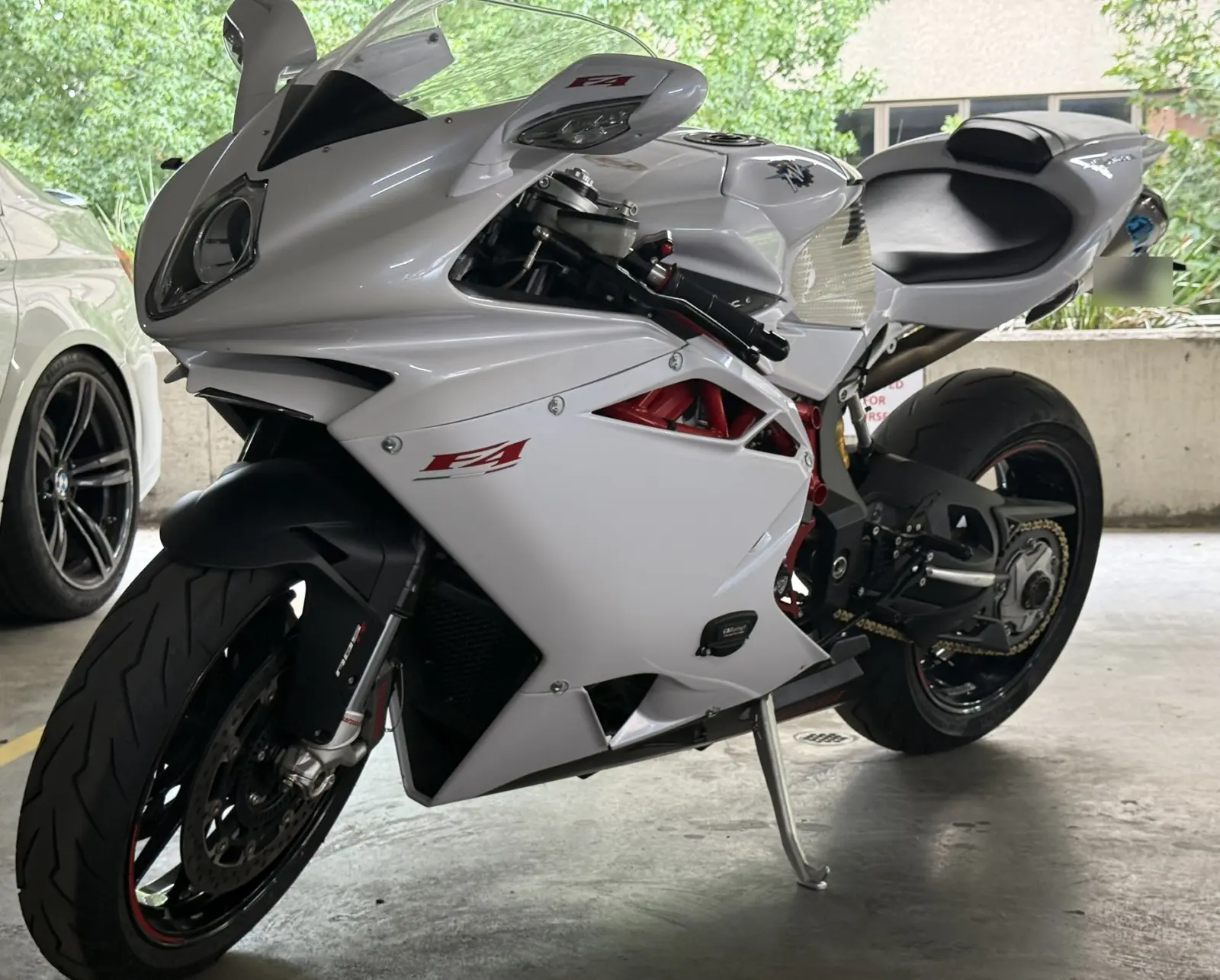
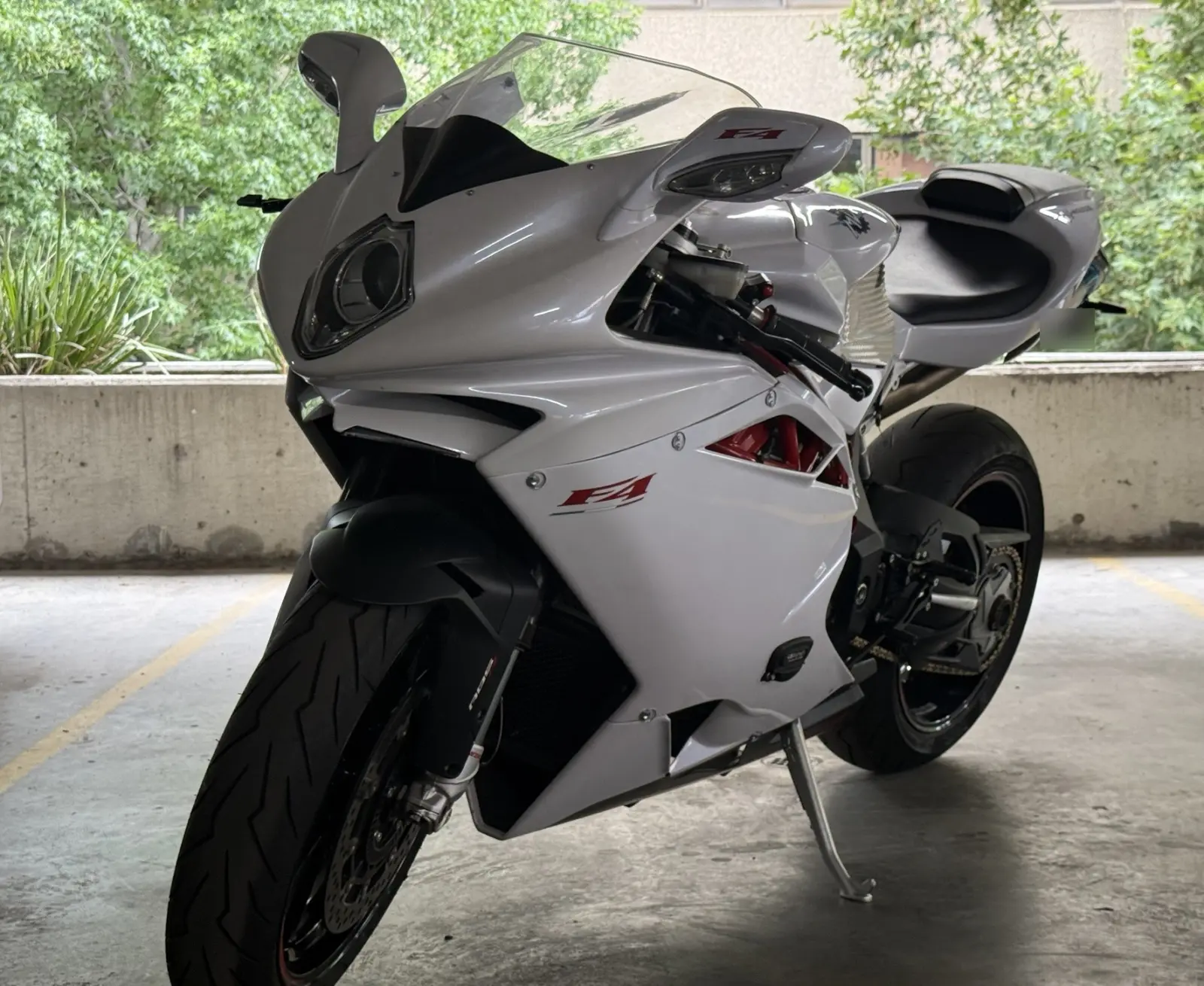
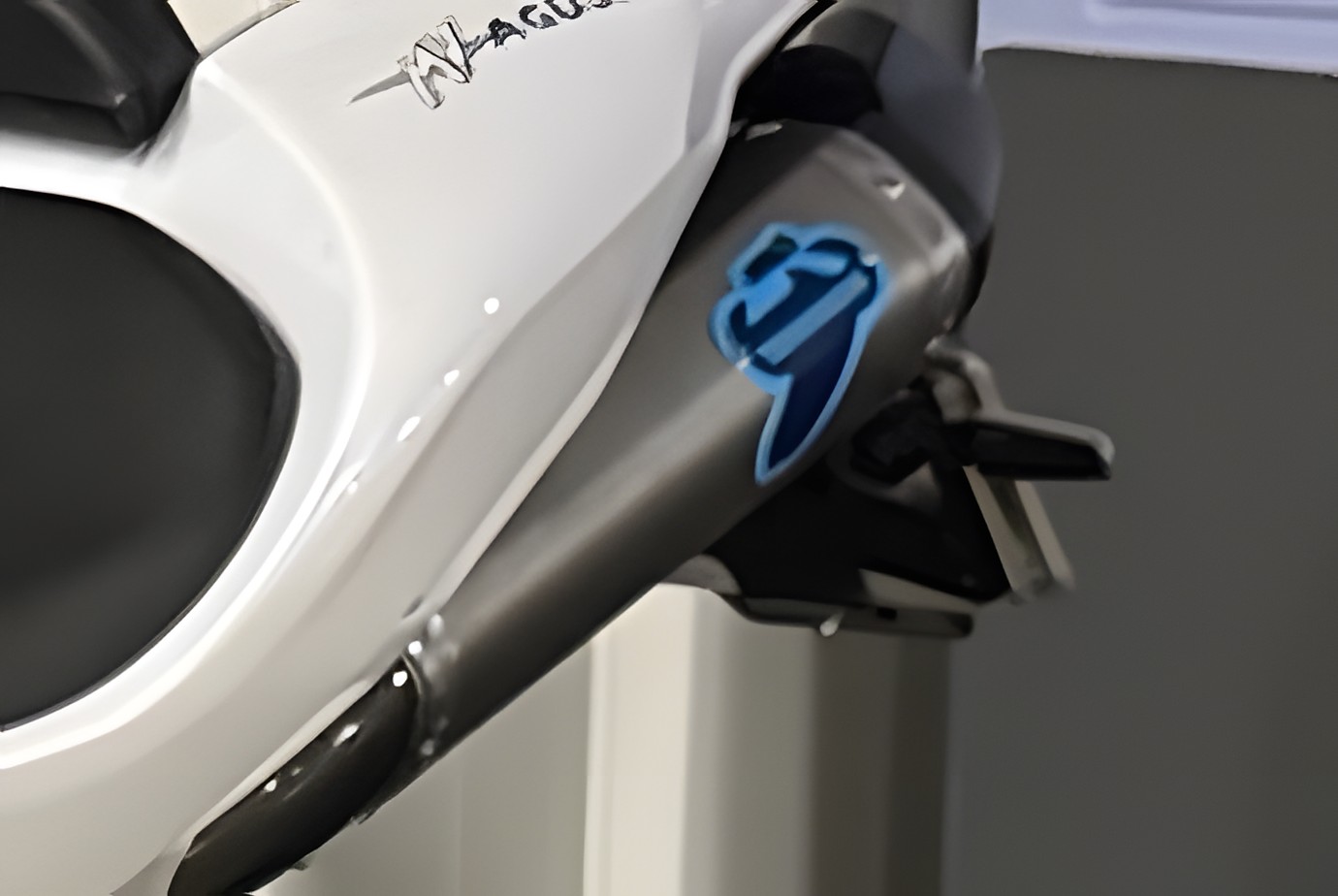
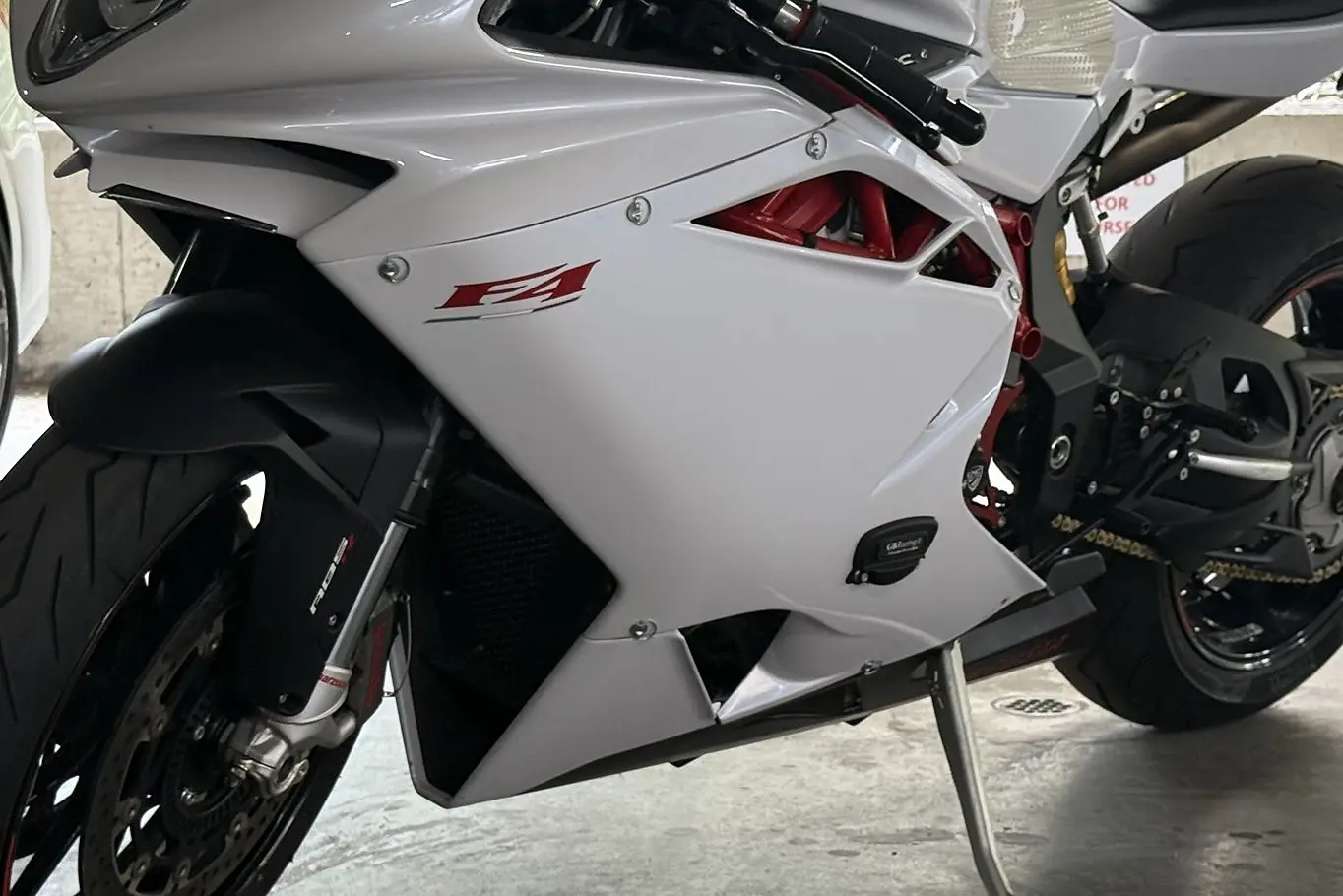
The MV Agusta F4 is a serious machine for a coastal day, with a 998cc inline four and a performance exhaust that suits sharp bends and open road. Its pearl white finish and red trellis frame stand out against the ocean, and the bike rewards a smooth rider who builds the tyres up gradually before making full use of the power.
When you are ready to plan a winter run down the coast, book the MV Agusta F4 for a clear, still day and start with the patience the cold asks for. You can also browse the full fleet to compare the other bikes before you decide.
Frequently asked questions
Do tyres really grip less when they are cold?
Yes. Cold rubber is firmer and does not conform to the road surface as well, so the contact patch offers less grip until the tyres have warmed through. The effect is most noticeable in the first kilometres of a ride and in shaded or damp sections. Riding smoothly and gently in the early stages lets the tyres come up to temperature, and the bike will feel more predictable as the ride goes on.
How long does it take a tyre to warm up on a winter morning?
There is no fixed number, because it depends on the air temperature, the sun, the surface and the way you ride. Many riders find the bike feels settled after the first ten kilometres or so of calm riding, but shaded sections can keep the rubber cooler for longer. Build in a gradual warm-up at the start of every run and let the feel of the bike guide you.
Is the Grand Pacific Drive safe to ride in winter?
It is a rewarding road in winter, but it asks for care. Sea spray, moisture in the shade and cool tyres can all reduce grip, and traffic can be busy on weekend mornings. Brake early and gently, look well through the bends and use the lookouts to take in the view rather than stopping in the lane. Ride at a pace that suits the conditions and the traffic around you.
What should I check on the bike before a cold coastal run?
Check tyre pressures when the tyres are cold, look over the tyres for damage or debris, and confirm the lights and indicators work before you leave. Make sure your fuel level gives you a comfortable margin for the day, and check the mirrors are set for the traffic you expect. A short walk around the bike is a simple habit that catches most problems before they become a roadside concern.
Should I stop often on a long coastal run?
Short, regular breaks are the best approach. They give you time to rest your hands and shoulders, drink water and let the tyres and the bike settle. Stop at a safe place away from traffic, step off the bike and stretch, and check how you feel before you set off again. On a winter run, a warm drink and a few minutes in the sun can make a real difference to your comfort and concentration.
Are there places to stay overnight on the coast?
The towns along the south coast have a range of accommodation, and many riders split a long weekend into two shorter days. If you stop overnight, plan the parking for the bike before you arrive so it sits somewhere secure and out of the weather. Check the accommodation options before you set out, as availability changes with the season and with local events.
Ready when you are. Pick your dates and book the MV Agusta F4 online, or call us and we will sort it with you.
Book NowCall 0468 011 118