

Ready to plan it? Choose a car and your dates online, or call us and we will plan it with you.
Choose Your CarCall 0468 011 118When the financial year nears its end, many business owners look at the car in the driveway and wonder whether it still earns its place. Short term car hire can be a sensible answer for occasional client visits, out of town meetings and the odd weekend event. The decision turns on how often the car is needed, how it is used and what records are kept. This guide walks through the practical side so you can ask your accountant the right questions before 30 June.
Why the question comes up at year end
The weeks before 30 June are a natural time to review the business. Budgets are being closed, equipment is being counted and every recurring expense is being questioned. A car that sits in the garage for most of the week can look like a poor use of money, especially if it is only needed for a few trips a month. Asking the question now gives you time to make a considered decision rather than a rushed one.
Many businesses find that their vehicle needs are uneven. A director may need a reliable car for two client days a month, a team may travel interstate once a quarter, or a business owner may want something special for a major presentation. Owning a car is built for steady, daily use. Occasional needs often sit more comfortably with hire, because the car is only paid for when it is in use.
The end of the financial year is also a good time to look at the paperwork. Receipts, logbooks and travel records are easier to tidy while the year is still fresh. If you plan to hire a car for business use in the coming months, setting up a simple record now means the next year starts with a clear system rather than a pile of loose papers.
Owning versus hiring for occasional use
Owning a car brings a set of ongoing expenses beyond the purchase itself. Registration, insurance, servicing, tyres, parking and depreciation all continue whether the car is driven or not. When you total these up across a year, the picture changes sharply for someone who uses the car only occasionally. The question is not whether a car is nice to own, but whether the business needs it every day.
Hiring turns many of those fixed expenses into a single decision for each trip. You choose the car for the day, the weekend or the week, and you pay for that period only. There is no depreciation to track, no servicing schedule to remember and no worry about where the car is parked between meetings. For a business with a clear list of upcoming trips, this can make budgeting more predictable.
Hire is not automatically the right answer. A business that drives the same vehicle every working day, carries heavy equipment or needs a fleet of vehicles will usually be better served by owning or leasing. The useful exercise is to count the days the car is actually needed over a year, then compare that with the cost of keeping a car ready and available for every one of those days.

Trips that suit short term hire
Short term hire works well for trips that are planned, occasional and important. A client visit where first impressions matter, a day of meetings across the city, a regional trip with a long drive or a conference weekend all fit well. In each case the business needs a reliable, presentable car for a defined period, and does not need one permanently.
Consider the trips where the car itself matters. A client who is being collected from the airport, a presentation to investors at a venue across town or a team outing that is part of a sales drive all benefit from a car that looks and feels right. Our corporate car hire service is built around exactly these moments, with cars and drivers arranged to suit the business purpose.
Keep a short list of recurring trips for the year ahead. Many businesses have two or three predictable events, such as a yearly client dinner, a trade show or a board meeting out of the office. Listing them now helps you decide which trips justify a hire, which can be covered by a taxi or a train and which can be done without a car at all.
Business use and the logbook question
Whether a car hire is claimable depends on how the car is used. Business use is generally the trips that relate to earning income, such as travelling to clients or meetings, while private use, such as the school run or a personal holiday, is treated differently. If a hire is used for both, the split between business and private use matters, and the records you keep are the evidence for that split.
Many people ask about logbooks, and the answer depends on the situation. Some arrangements require a record of trips over a set period to work out the business percentage. Your accountant will tell you whether a logbook is needed for your circumstances, how long to keep it and how the result should be recorded in the books. Do not assume the rules from a friend's business apply to yours.
Readers should ask their accountant about tax before making any decision, because the treatment of car expenses depends on the structure of the business, the way the car is used and the year's other transactions. This article explains the practical side of hire and the records that make any review simpler. It is not tax advice, and your accountant should confirm the details for your business.
Records to keep for a business trip
Good records make business travel simple to explain. For each hire, keep the booking confirmation, the dates and times, the pick-up and return locations and the names of the people who approved the trip. Attach the reason for the journey, such as a client meeting, a site visit or a conference, so the purpose is clear to anyone who reviews the file later.
Keep the invoices and the receipts for any associated expenses, such as parking, tolls and fuel if you pay for them directly. Tolls and parking are often claimed separately from the hire itself, so separate lines on your records make the claim easier. Store copies in a shared folder that your accountant can access without asking for them one at a time.
A simple spreadsheet or a notes page on your phone is enough for most small businesses. Record the date, the purpose, the start and end locations and the kilometres driven. Some businesses prefer a paper logbook, which is equally valid if it is kept up to date. The best system is the one you will actually use every time a trip is made.
Choosing a car for a client visit
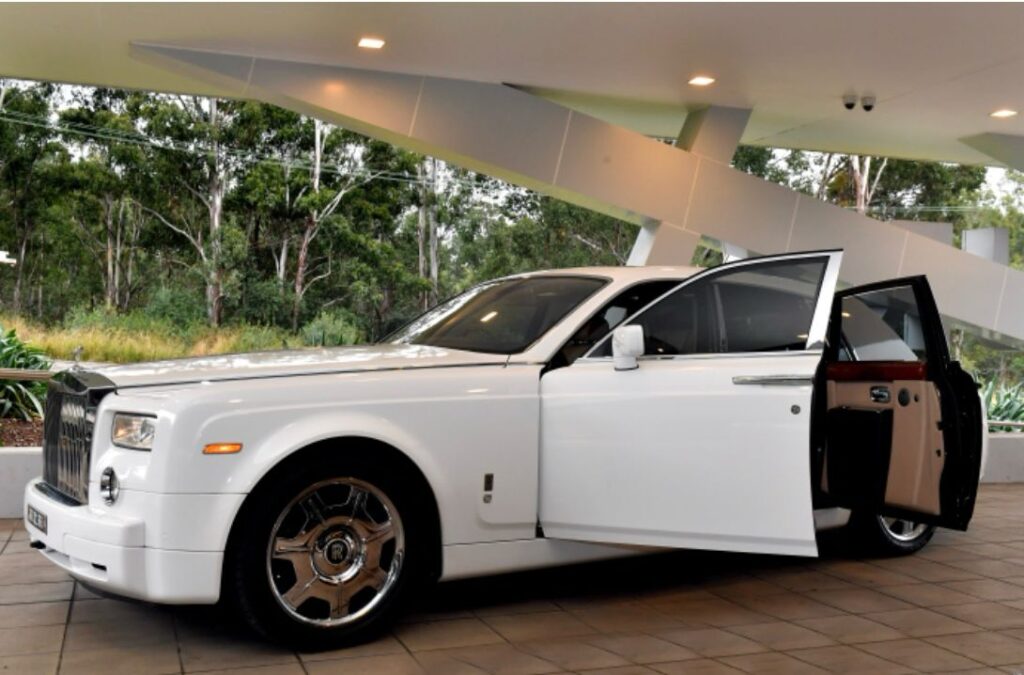
When a car is part of the impression, choose it with the guest in mind. A quiet, formal car suits a senior client or a board presentation, while a more striking car can help a celebration or a welcome for a visiting partner. Think about what the guest will notice first and what they should feel when they step out. The car should support the meeting, not distract from it.
Comfort matters as much as looks. A client who has flown in overnight will appreciate a car that is easy to get into and quiet on the road. Our luxury car hire page sets out the kind of cars we offer for business occasions, and the car page shows the driving options for each one so you know whether a chauffeur is included.
Plan the car around the schedule, not the other way round. Confirm the start time, the locations and whether the car needs to wait between appointments. A clear plan lets the business use the car efficiently and makes the records easier to complete afterwards, because each trip has a defined purpose and time.
Want to lock in your date? Choose a car and your dates online, or call us and we will plan it with you.
Choose Your CarCall 0468 011 118When owning still makes sense
Owning a car remains the right choice for many businesses. If a vehicle is used every working day, carries tools or stock, or makes regular trips to the same places, the convenience of having it on hand usually outweighs the ongoing expenses. A tradesperson, a courier or a sales representative with a fixed territory will often be better off with a car that is theirs.
Some businesses use a mix of both. They keep a practical everyday vehicle and hire a prestige car for client meetings, events or trips where image matters. This approach keeps the daily running costs low while giving the business access to a better car when it counts. It also avoids the trap of buying a showy car that spends most of its life parked.
The sensible test is to look at a full year of trips. Count the days the car is needed, the trips that matter most and the trips that could be handled another way. If the numbers show that the car is needed only occasionally, short term hire is worth a serious look. If the car is needed almost every day, owning may be the better path.
Planning hire before 30 June
If you are considering hire for the coming year, now is a good time to plan. The period before 30 June is busy for many businesses, with year end meetings, stock counts and planning sessions filling the calendar. Booking early gives you the best choice of car and date, and it lets you confirm the trips in your records while the year is still open.
Build a short calendar of planned trips for the next few months. Note the dates, the destinations, the number of people travelling and whether the car needs a driver. Share the calendar with your assistant or office manager so the bookings are made in one place and the records stay consistent with the business's own systems.
Availability is confirmed on the car page or by quote, so no car is promised until the date is confirmed. Asking early gives you a clearer picture of what is available, and it helps us plan a car that suits the trip. Ask for a written summary of the booking so the details are on file for your accountant.
Driving rules and who can drive
Self-drive hire needs a full licence and the minimum driver age shown on each car page. If a business trip involves an employee who holds a provisional licence or is under 18, that person should not drive a hire car. People under 18 travel as passengers in a chauffeured car, and the plan should make that clear to everyone in the team.
Never plan a business trip that involves drinking and driving. If a client dinner, a tasting or a celebration includes alcohol, the answer is a chauffeur or another sober arrangement for the whole group. Alcohol is never served to anyone under 18, and the driver of any hire car should stay sober for the entire trip, from the first mile to the last.
Read the terms of the booking before the trip. Check who is named as the driver, what the insurance covers and what happens if the trip changes. A short conversation with the people who will be driving avoids confusion on the day and keeps the business protected, particularly when a trip is busy or runs late.
Your next step with us
If your business needs a car for a few trips before the end of June, or for a regular schedule across the new year, the next step is simple. Book the car on its page for the date you have in mind, and we will confirm availability and the details with you. If you would like to talk the plan through first, you can message or call us and tell us the trips, the people and the timing.
Bring your list of trips, the number of people travelling and any notes from your accountant about records. The more we know in advance, the more precise our plan can be, and the easier your records will be to keep. We are happy to help you think through the choice between hire and owning, and to point you towards the cars that suit the trip.
Message or call us to plan your business trips, or contact us today with the dates and the purpose of each journey. We will come back with a clear plan and confirm the car, the driver and the details so you can approve the booking with confidence and get back to running the business.
Frequently asked questions
Is short term car hire tax deductible for a business?
It can be, but the answer depends on how the car is used and on your overall tax position. Business use is generally travel that relates to earning income, such as client meetings. Private use is treated differently, and the split matters. Readers should ask their accountant about tax before booking, and keep records of each trip.
Do I need a logbook for business car hire?
Your accountant will tell you whether a logbook is needed for your situation. Some arrangements require a record of trips over a set period to work out the business share. Even where a logbook is not required, keeping a simple record of dates, purposes and locations makes any review quicker and clearer.
When is hire better than owning a car for a business?
Hire usually suits occasional, planned trips rather than daily use. If the car is needed only a few times a month, paying for it only when it is used can be simpler. If a vehicle is used every working day or carries equipment, owning or leasing is often the better option.
What records should I keep for a business trip?
Keep the booking confirmation, the dates and times, the pick-up and return locations, and the purpose of the trip. Keep receipts for parking, tolls and fuel if you pay for them directly. A shared folder or a simple spreadsheet is enough for most small businesses, as long as you update it at the time of each trip.
Can an employee under 18 drive a hire car for work?
No. People under 18 never drive a hire car, so they travel as passengers in a chauffeured car. Self-drive needs a full licence and the minimum age shown on each car page. For any business trip that includes alcohol, the answer is a chauffeur or another sober arrangement for the whole group.
How early should a business book a short term hire?
Book as early as you can, especially before the end of June when many businesses are planning and reviewing. Availability is confirmed on the car page or by quote, so no car is promised until the date is confirmed. Asking early also gives you a clearer picture of what is available for the trips in your calendar.
More guides to read next
- EOFY Business Car Hire in Sydney 2027: Plan Ahead for 30 June
- Executive Chauffeur Services in Sydney: Airport, Meetings and Dinners
- Staff Rewards and Incentives: A Supercar Day for Your Top Performers
Ready when you are. Choose a car and your dates online, or call us and we will plan it with you.
Choose Your CarCall 0468 011 118