
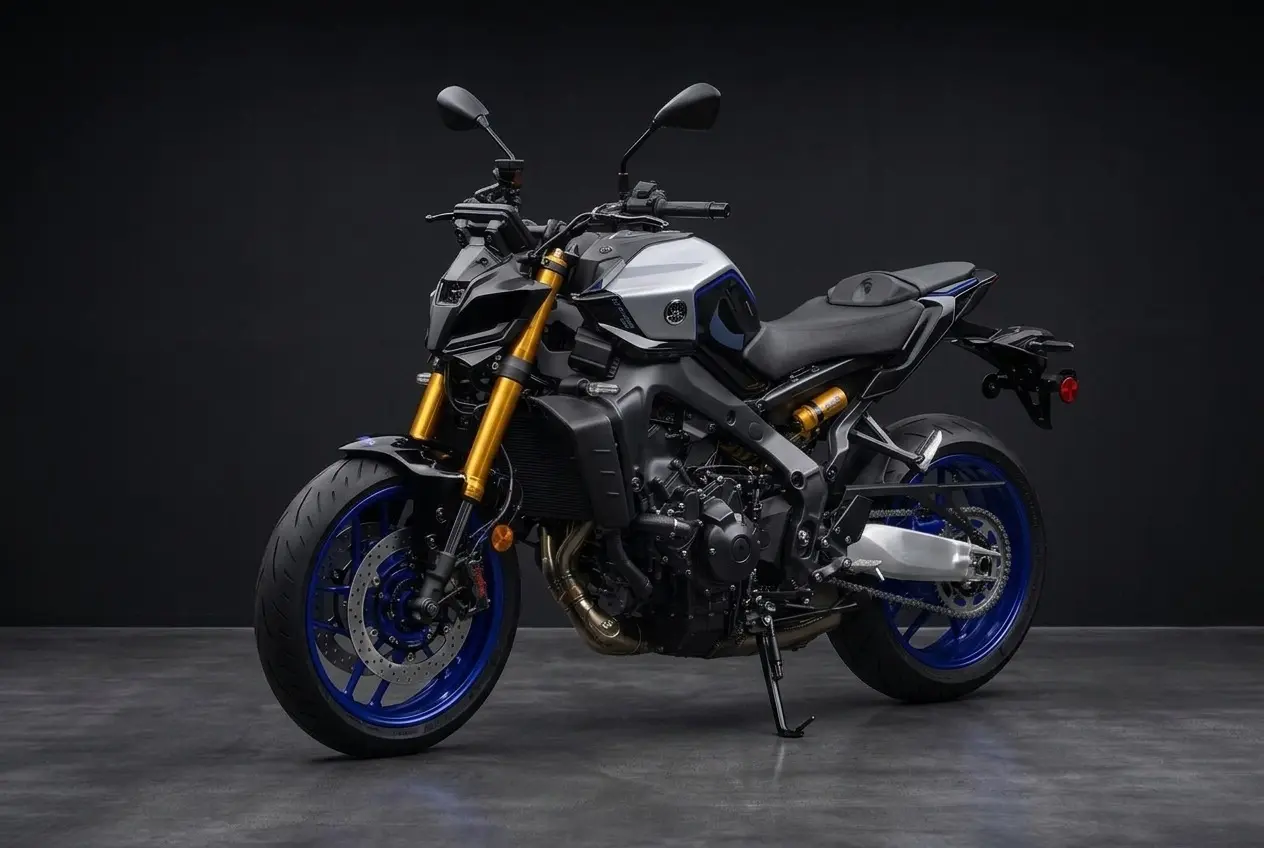
Book the Yamaha MT-09 SP. Pick your dates and book the Yamaha MT-09 SP online, or call us and we will sort it with you.
Book NowCall 0468 011 118A gust hits as you come out of a cutting and the bike shifts sideways by a few centimetres. On an open freeway, crosswinds can arrive without warning, particularly where embankments and cuttings funnel the air across the lanes. The Newcastle Freeway has stretches that catch the wind, and a rider who understands how it behaves will stay calm and in control. This guide covers how crosswinds affect the Yamaha MT-09 SP, the habits that keep the bike steady and the timing choices that make a windy day easier.
New to riding with us? Our page on motorbike hire in Sydney covers the bikes, the rider rules and how pick-up works.
What a crosswind actually does to a bike
A crosswind pushes against the side of the rider and the bike, and the bike responds by drifting or yawing. The effect is strongest on a light bike at speed, and the taller and wider the rider's body is, the more the wind can catch. The push may last a second or two, but in that time the bike can move toward the lane line or toward the edge of the seal.
Gusts are the real challenge. A steady wind is easier to manage because the rider can lean slightly into it and hold a line. A sudden gust that comes from behind a cutting or a bridge is harder, since it arrives with little warning and can change direction quickly.
The important thing to remember is that the bike will not usually fall over from a crosswind alone. What it does is push you off your intended line, and the danger lies in what is nearby, such as a vehicle in the next lane or a barrier at the edge.
Where the wind tends to catch riders
Exposed sections of the freeway, where the road runs across open ground, are the most affected. Embankments lift the road above the surrounding land, leaving riders with little shelter, and gusts can build as the wind rises over the edge. Open stretches near the coast or across flat country can be especially breezy.
Cuttings and bridges create a different problem. As you leave a deep cutting, the wind can hit from the side with force, and when you pass under a bridge or come out from behind a structure, gusts can meet you unexpectedly. Watch the road ahead for these changes, and be ready to adjust your grip.
Large vehicles change the picture as well. A truck or coach moving alongside you can create a pocket of turbulence, then release a strong blast of air when it passes. Keep your distance, and expect a short shove when a heavy vehicle goes by.
How to ride steady through a gust
Keep a relaxed but firm grip on the bars. Gripping too tightly makes the bike feel nervous and transmits every movement into your arms, while a loose grip can let the bike wander. Let the bike move slightly, and make small corrections rather than large jerks on the bars.
Look well ahead to the place you want the bike to be, not at the nearest white line or the edge of the lane. Your eyes steer the bike, and a rider who looks far ahead tends to make smoother corrections than one who fixes on the road right in front of the wheel.
Ease the throttle gently when a gust hits, rather than closing it abruptly. A sudden change in power can unsettle the bike further. If you need to brake, do so gently and upright, and avoid braking on a lean in a crosswind, since it can make the bike harder to control.
The Yamaha MT-09 SP in the wind
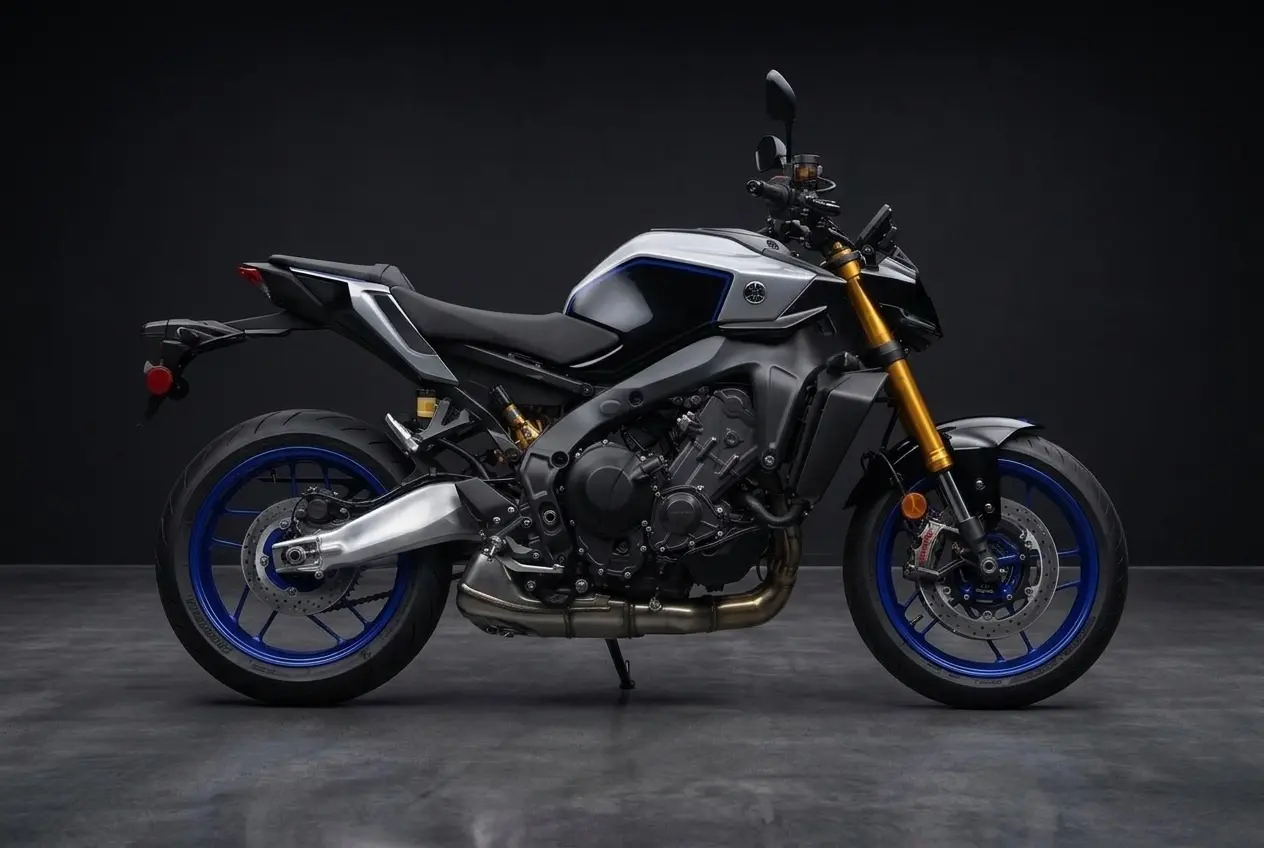
The Yamaha MT-09 SP has an upright, naked riding position that keeps the rider comfortable and in control. The inline three gives smooth, usable power, and that smoothness helps when you need to make small throttle adjustments in gusty conditions. The bike responds predictably when you ease off or add a little power.
Premium adjustable suspension helps the bike cope with uneven surfaces that can make a crosswind feel worse. A bike that settles well over the road surface is easier to keep on line when the wind is pushing. Check your suspension set-up at the depot and speak with our team if anything feels unusual.
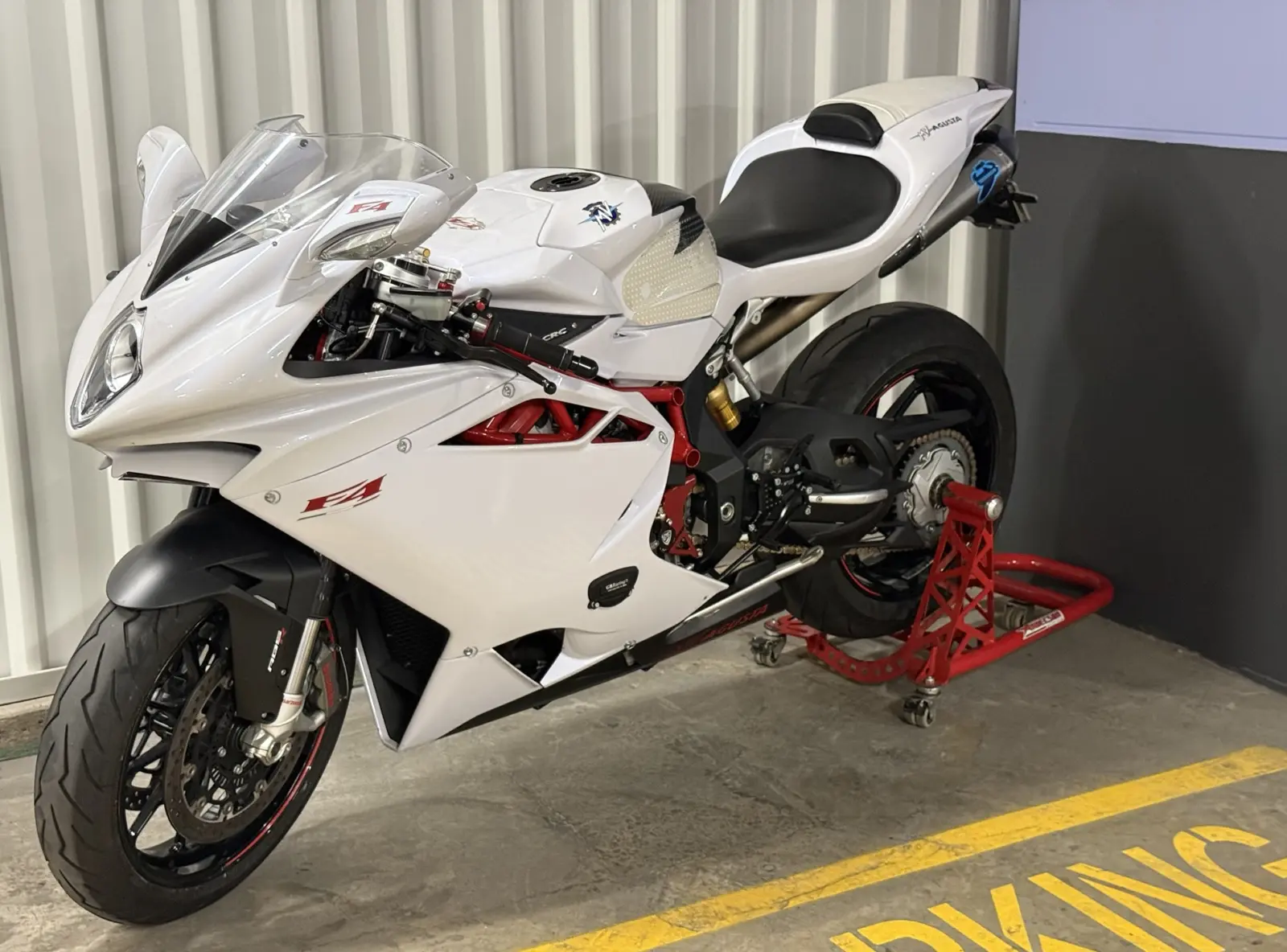
Strong brakes give confidence on approaches to junctions and exits, where wind can shift the bike at the moment you need to slow. The MV Agusta F4 is sharper and more focused, while the Ducati 1199R is a superbike for experienced riders who can manage high-speed wind with care. For a windy freeway run, the Yamaha is the most forgiving of the three.
Seasons and the best hours for a windy run
Autumn and spring are often the calmest seasons for a freeway run, with lighter winds and comfortable temperatures. Mornings tend to be quieter than afternoons, and the air is often steadier before the day warms. These are the best months for building your confidence on exposed roads.
Summer afternoons can bring strong sea breezes and gusty conditions, particularly on the coastal approach. Plan an early start to avoid the strongest winds, and check the forecast for the wind direction and speed before you set out. Carry a light layer in case the wind chills you.
Winter can bring cold, blustery fronts with sudden gusts. Wind chill makes the ride feel colder than the temperature suggests, so wrap up well and keep your visor clean and clear. Wait for a calmer period if the forecast shows strong, gusty conditions.
- Early morning: steadier air and lighter traffic.
- Midday: stronger winds may build, so keep your grip relaxed.
- Afternoon: sea breezes are common in summer, so plan extra space.
- Winter fronts: check for gusts before setting out.
Want the Yamaha MT-09 SP for your date? Pick your dates and book the Yamaha MT-09 SP online, or call us and we will sort it with you.
Book NowCall 0468 011 118Fuel, food and rest out of the wind
Fuel up before the freeway, and choose a station with some shelter from the wind if you can find one. Refuelling in a gust is awkward, so keep the bike steady and stand on the side away from the wind. Check your range for the whole run, and allow a margin for slow sections.
Pick a food stop away from the exposed sections, where the wind is less fierce. A light meal helps you concentrate, and a short break lets you rest your hands and shoulders. Plan the stop for a calm moment, not in the middle of a gusty stretch.
Use stops to check the bike, the tyres and the load. Wind can loosen straps and push loose items, so check everything before you move on. Take the time to settle your breathing and your grip before the next section of freeway. A calm stop is worth more than a fast one when the wind is up. Check the forecast for the wind direction before the next leg as well.
Safety in a crosswind
Gear matters in the wind. Wear a fitted helmet, an armoured jacket, gloves, pants and boots, and make sure the jacket fastens well so that it does not billow. A windproof layer helps on cold days and keeps you more comfortable on long exposed sections.
Keep clear of heavy vehicles, and give them room, particularly when they are moving alongside you or overtaking. Do not ride in the blind spot of a truck, and be ready for the shove of air when a large vehicle passes. A wide gap is always the safer choice.
Fatigue makes wind harder to manage. Take a break at least once an hour, drink water and never ride after drinking alcohol. Check road conditions with Transport for NSW before you leave, since works and wind alerts can change the route at short notice.
Hire terms for a freeway day
Our bikes are self-drive and hired from Parramatta on a three day minimum, which gives you room to choose a calm day for the freeway. A full motorcycle licence held for at least three years is required, and every rider must be 25 or older for the bike they take.
Trackers are fitted to all the bikes, and a security bond is held, set by the class of bike. Helmets (Shark, AGV or Bell) can be hired from us in small, medium or large for $50 per hire, or you can bring your own. We do not supply jackets, gloves, pants or boots, so bring your own riding gear. Overnight, the bike must stay in a locked garage or secure off-street parking between 9pm and 6am.
Be realistic about your confidence in wind. If gusty conditions make you uneasy, reschedule the run or take a quieter route, and talk with our team before you collect the bike.
Planning the run and booking
Plan the run around the wind forecast, the traffic and your own energy. Leave early if you can, and allow extra time for slow, careful riding on exposed sections. A written timetable and an offline map keep the day organised, since mobile coverage can be patchy on the edges of the city.
Tell someone your route and expected arrival time. Charge your phone, pack water and save our number before you set off. If a gust or a sudden change in conditions makes you feel unsafe, slow down, move to a safe spot clear of the lane and wait for the weather to ease.
When you are ready, bring your licence and gear, and use the Book Now option on the Yamaha MT-09 SP page to secure your bike. We look forward to seeing you on the road to Newcastle, riding steady and enjoying the coast on a bike that stays composed in the wind.
Frequently asked questions
Can a crosswind knock a bike over?
A crosswind alone rarely knocks a bike over, but it can push you off your line. The danger is in what is nearby, such as a vehicle in the next lane or a barrier at the edge. Keep a relaxed grip, look well ahead and make small corrections rather than large jerks on the bars.
What is the safest way to pass a truck in the wind?
Pass only when the road is clear for the full length of the move, and give the truck a wide gap. Expect a shove of air as you come alongside and again as you pull ahead. Avoid staying alongside the truck in its blind spot, and keep your speed steady throughout the pass.
Should I brake in a crosswind?
Brake gently and keep the bike upright where possible. Braking hard on a lean in a gust can make the bike harder to control, so reduce your speed before a bend or an exposed stretch. If a gust catches you mid-brake, ease the pressure slightly and hold a steady line.
Is the Newcastle Freeway windy all the time?
It varies with the weather, the time of day and the stretch of road. Exposed sections and cuttings can channel wind, and sea breezes can build in the afternoon. Check the forecast before you go, plan for the windier sections and be ready to adjust your speed.
What gear helps most in a windy ride?
A fitted helmet, a well-fastened armoured jacket, gloves that keep your grip, and a windproof layer are the most useful. Make sure the jacket fastens properly so it does not billow in the wind. Good gear keeps you warm, reduces fatigue and helps you stay focused on the road.
What should I carry for a windy day?
Carry water, a light snack, a warm layer, a waterproof, a charged phone and a small first aid kit. Keep the hire papers and the depot number close at hand in a safe pocket. Store everything so it does not shift in the wind, and check straps at each stop.
Ready when you are. Pick your dates and book the Yamaha MT-09 SP online, or call us and we will sort it with you.
Book NowCall 0468 011 118