
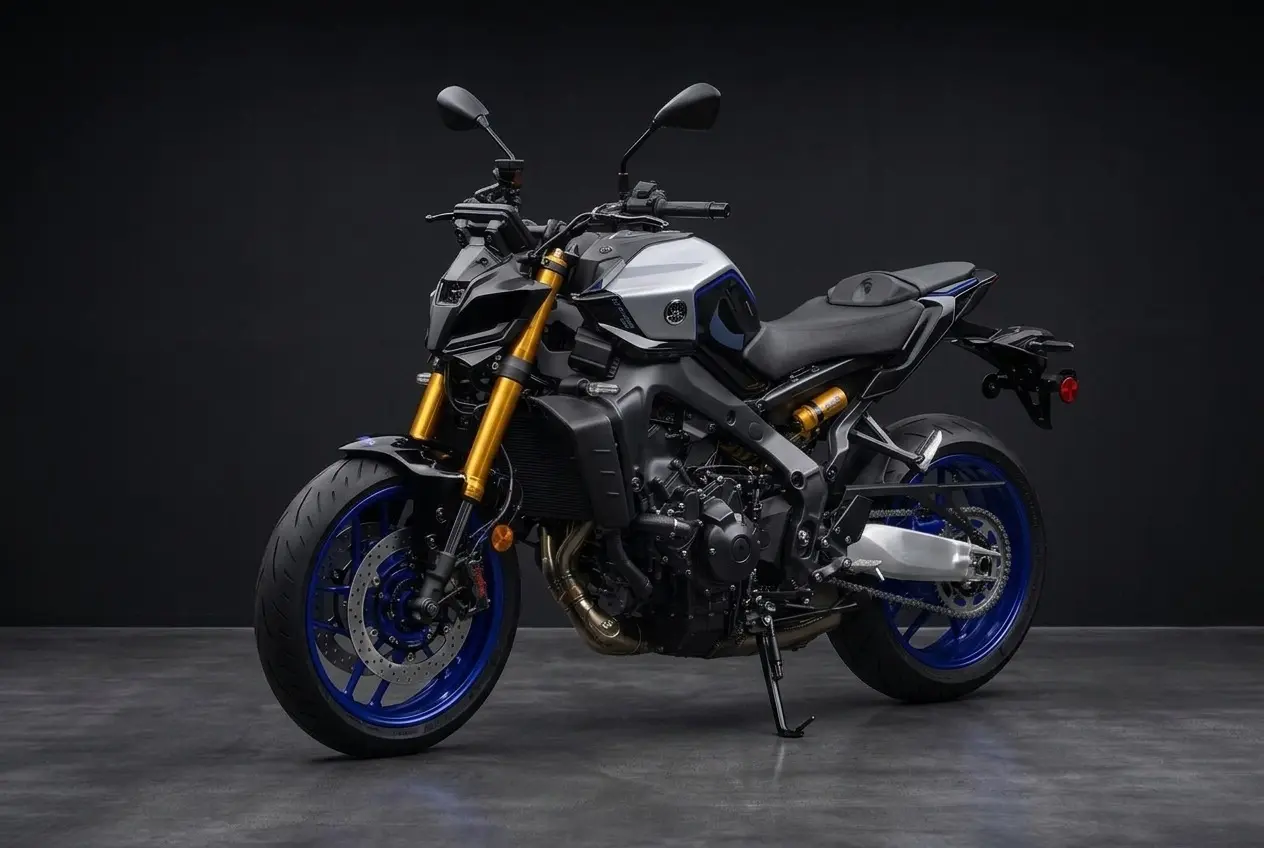
Book the Yamaha MT-09 SP. Pick your dates and book the Yamaha MT-09 SP online, or call us and we will sort it with you.
Book NowCall 0468 011 118The U-turn is one of the small manoeuvres that separates a relaxed rider from a nervous one. On a wide road it is simple. On a narrow suburban street with a kerb on one side and parked cars on the other, it becomes a test of balance, slow speed control and nerve. The Yamaha MT-09 SP is a manageable bike for this kind of work, but like any motorbike it rewards technique over force. This guide explains how the bike behaves at walking pace, how to build a reliable U-turn and where to practise before you tackle a busy street.
Everything to know before you book, from the licence rules to the bond, is on our Sydney motorbike hire page.
Why a U-turn is harder than it looks
A U-turn asks you to change direction while moving very slowly, and that is when a motorbike is least stable. At speed, the spinning wheels and the forward momentum keep the bike upright. At walking pace, the balance depends almost entirely on your inputs, and any hesitation or hard lock of the bars can cause the bike to wobble or drop a foot.
Many riders find U-turns hard because they try to turn with the handlebars alone. The bars do steer the bike, but the most effective tool is body position combined with a slight throttle and a controlled clutch. Learning to combine those inputs is what turns an awkward manoeuvre into a smooth one.
Treat the U-turn as a skill to practise, not a moment to hope through. The more often you repeat it in a safe place, the more natural it feels on the road.
How the MT-09 SP behaves at walking pace
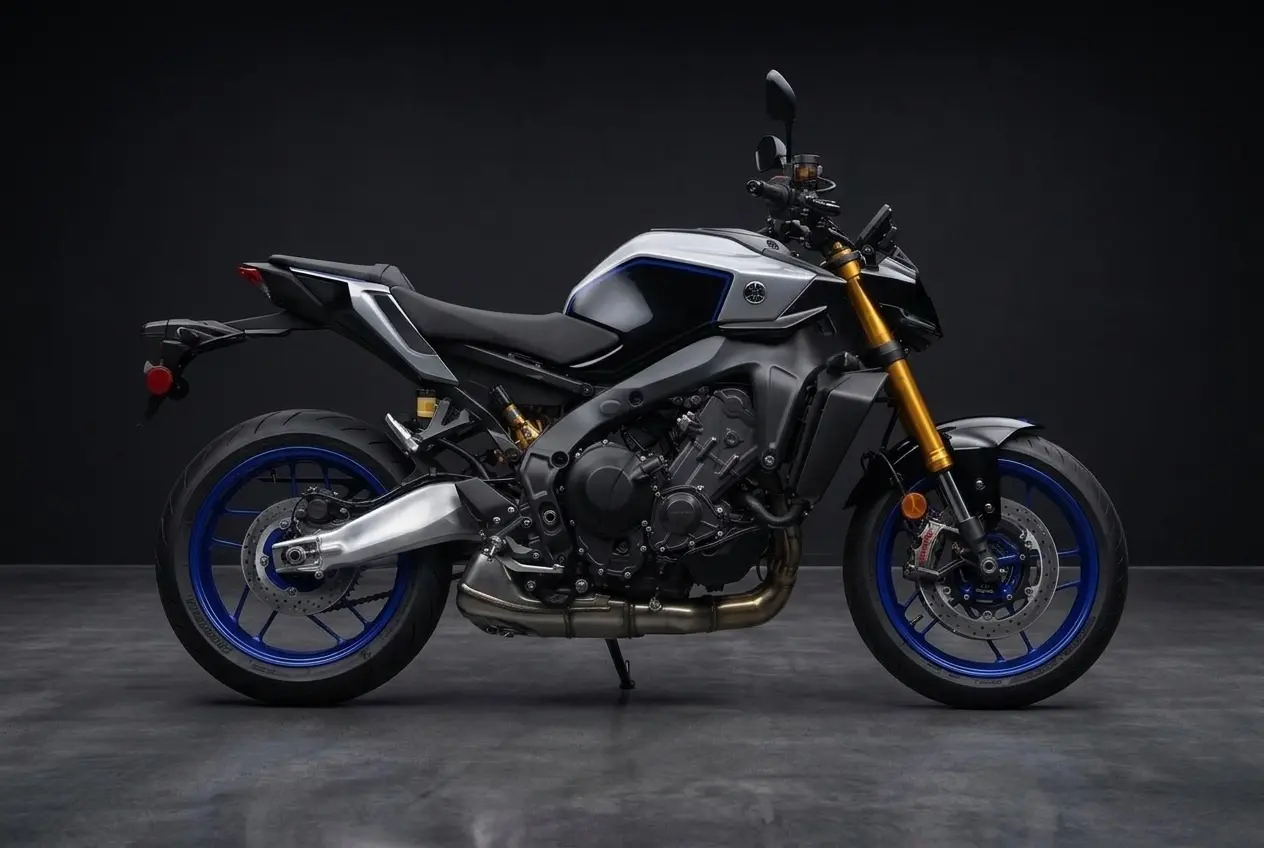
The MT-09 SP's inline three gives smooth, flexible power, and that smoothness helps at low speed. The engine pulls cleanly from a low rev, so you can ride at a steady walking pace without constantly feathering the clutch. That is a real advantage on a tight turn, because a bike that surges or stalls is harder to control.
The bike's weight sits low enough to feel stable once you are moving, but the front end still needs careful handling at very slow speed. Keep the bars relaxed, let the front wheel follow your eyes and avoid pushing hard against the bars to make the turn happen.
The strong brakes and the gold front forks give you confidence, but at walking pace the brakes are a tool for stopping rather than steering. Use them gently, and be ready to release them as soon as the bike needs to move forward again.
The technique for a clean U-turn
Start in the widest part of the road you can find, positioned well away from the kerb and any parked cars. Look over your shoulder in the direction you intend to turn, and make sure the way is clear of traffic and pedestrians. Begin with a steady, slow speed in first gear, with the clutch held just at the point of movement.
As you turn the bars, look through the turn toward the place you want to end up, not at the front wheel. Lean your upper body slightly into the turn and let the bike follow. Keep the throttle steady, and use a small amount of rear brake or clutch to control the speed if the bike wants to run wide.
Complete the turn at a walking pace, keeping the bike upright and the bars moving smoothly. Once you are pointing in the new direction, straighten the bars gently, look ahead and ride away without any sudden inputs.
- Start wide, away from the kerb and parked cars
- Look through the turn to the exit
- Keep the throttle steady and the speed low
- Use the clutch and brakes to control the pace
Hire rules you need before the first turn
Bikes are self-drive from our Parramatta base, and the hire period is at least three days, which gives you time to practise in a quiet area before you tackle the busier streets. A full motorcycle licence is required, held for three years or more, and you must be 25 or older for every bike. Only the Yamaha MT-09 SP takes a passenger, and only one passenger aged 16 or over. Gear hire is charged per day for each rider, or you can bring your own, and a helmet that is lost or damaged attracts a fee. Car damage cover does not apply to bikes, a security bond is held according to bike class, and personal injury cover beyond compulsory third-party insurance is for the rider to arrange. Each bike has a tracker, and overnight it must be parked in a locked garage or secure off-street spot from 9pm until 6am.
Finding a safe place to practise
The best practice spot is a large, empty car park with a smooth surface and clear sightlines. Look for one that is closed to traffic at the time you choose, and make sure there are no kerbs, bollards or drains that could catch the bike or your feet. A sports field access road or an industrial estate on a weekend is often a good option.
Avoid practising on a slope, even a gentle one. A slope makes a U-turn harder, because the bike wants to roll and you have to work against that movement. Find flat ground, and check it carefully for loose gravel, oil stains and painted lines that can reduce grip.
Practise at the same spot several times, marking a rough circle with your eyes or a cone if one is available. Gradually reduce the width of your turn as your control improves, and stop when you feel tired or uncertain.
Building your skill over several sessions
Begin each session with a few gentle turns in one direction, then repeat them in the other direction. Many riders find one side harder than the other, and it is important to practise both. Pay attention to the feel of the bars, the balance and the sound of the engine, and note anything that feels awkward.
Once turns feel steady at walking pace, begin to tighten the radius a little. Keep the same smooth inputs and resist the urge to rush. A tighter turn can feel more difficult, but the same technique still applies, and small improvements add up.
Finish with a few turns that mimic a real street. Imagine the kerb, the parked cars and the traffic, and practise the turn with the same care you would show on the road. This mental rehearsal makes the real manoeuvre far easier when the time comes.
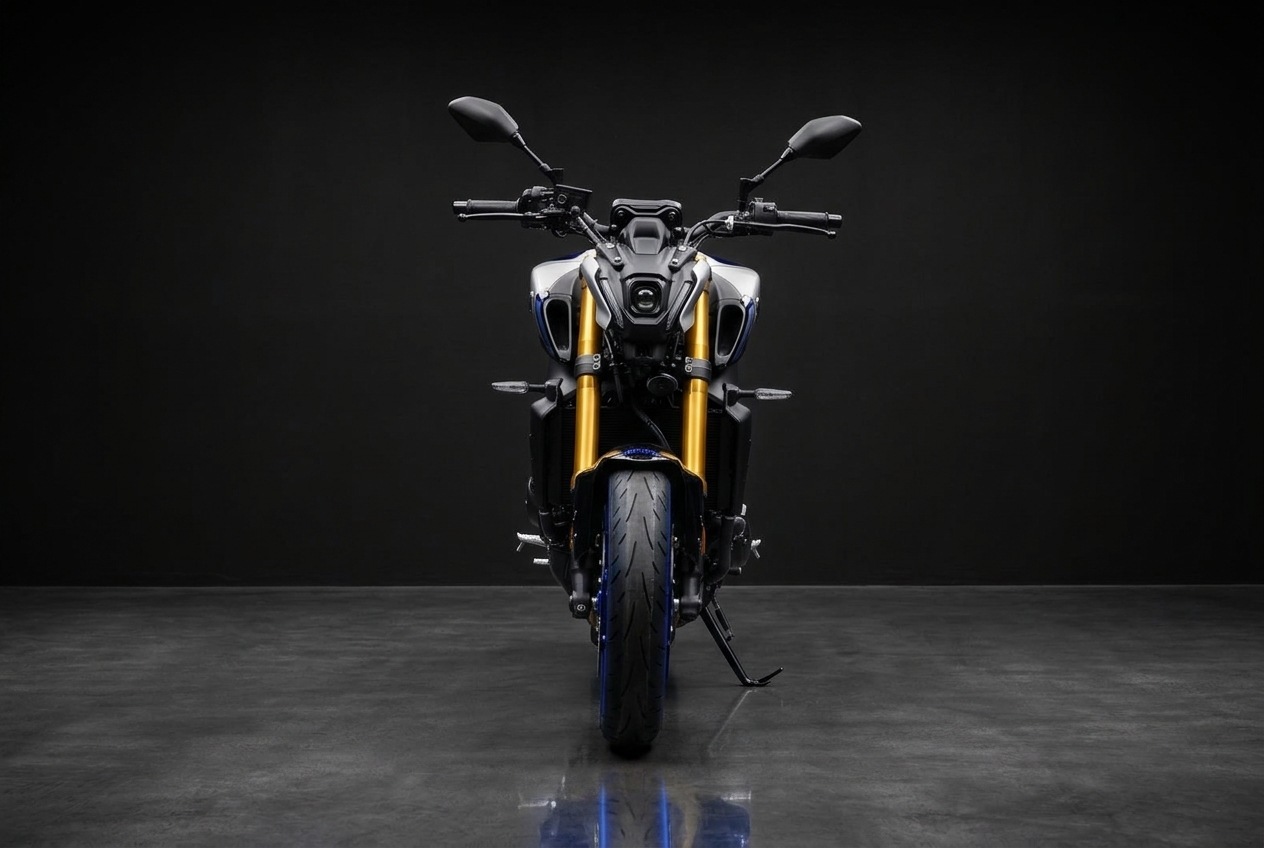
Want the Yamaha MT-09 SP for your date? Pick your dates and book the Yamaha MT-09 SP online, or call us and we will sort it with you.
Book NowCall 0468 011 118Suburban streets and what to watch
A suburban U-turn is rarely a simple event. Cars may be reversing out of driveways, pedestrians may cross without looking and children may run onto the road. Before you begin the turn, check mirrors and look over your shoulder. Make sure the traffic can see you and that you can see it.
Parked cars and kerbs narrow the space and can conceal a car door or a pedestrian. Give parked vehicles a clear margin, and avoid turning close to a driveway where someone may be pulling out. If the street is too narrow, choose a different route rather than squeezing the manoeuvre.
Watch the road surface too. Drains, metal covers, painted lines and oil spots all reduce grip. Turn on the cleanest part of the lane, and avoid starting the turn on a manhole cover or a grate.
Seasons, light and surface conditions
Autumn and spring are good times to practise. The surfaces are usually dry, the temperature is comfortable and the light is good for seeing kerbs and markings. Mornings can be cool, so warm up gently before you start the turns.
Summer heat can make the bike and the rider uncomfortable, so practise in the cooler part of the day and keep water with you. Winter can bring damp and cold surfaces, and grip is lower until the tyres warm. Wait for the surface to dry before you try any tight turns.
Rain makes U-turns much harder. Water reduces grip, and a wet surface can make the front wheel slide at very low speed. If the surface is wet, postpone the practice or move to a drier area.
Gear and body position for slow riding
Wear a properly fitted helmet, an armoured jacket, gloves, long trousers and boots that cover the ankle. At low speed the bike can drop a foot, and a boot with good grip helps you keep your balance. Gloves protect your hands if the bike tips or the bars catch a kerb.
Keep your body relaxed and your weight balanced. Sit forward slightly and keep your knees against the tank. Your arms should bend naturally rather than locking straight, because stiff arms make the bars harder to move smoothly.
Think about your feet as well. Keep one foot ready to steady the bike if it begins to wobble, and avoid placing your foot down too early, since that can throw off the balance of the turn.
Safety rules for slow manoeuvres
Ride within your ability, and remember that the slowest manoeuvres can still cause injury if they go wrong. Do not practise on public roads with traffic until you are confident, and never practise while tired or under the influence of alcohol or drugs.
Watch the posted limit on every road you use, and remember that any speed 30 km/h or more above it brings the hire to an end with the bond lost. Even on a quiet street, a steady approach is safer than a hurried one. If we judge a rider unsafe, we may stop the hire.
Take a break if you feel frustrated. A calm, patient session is far more productive than a rushed one, and it leaves you with a clearer memory of what worked.
Confidence in tight spaces
A reliable U-turn is one of the most useful skills a rider can build. With practice, the manoeuvre becomes calm and predictable, and the suburbs become much easier to navigate. The MT-09 SP is a manageable bike for this work, and it rewards a rider who keeps the inputs smooth and the pace low.
The Yamaha MT-09 SP is a versatile machine that works well in town and country, with adjustable suspension and strong brakes to help you on any kind of road.
If you would like a bike that feels manageable in tight spaces, the Yamaha MT-09 SP can be booked with us, and we will go over the low-speed basics with you before you set off.
Frequently asked questions
How tight a U-turn can the MT-09 SP make?
The bike can make a tight turn at walking pace with the right technique, but the exact radius depends on the rider, the road and the bike's setup. The best approach is to practise in a large, empty space and gradually tighten the turn as your control improves.
What is the most common U-turn mistake?
Turning with the bars alone, and looking at the front wheel instead of the exit, are the most common errors. Look through the turn to where you want to end up, keep your body relaxed and use the throttle and clutch to control the speed.
Where should I practise U-turns?
Choose a large, empty car park with a smooth, flat surface and no kerbs, bollards or drains nearby. Avoid slopes and painted lines, and check the surface for oil and loose gravel before you begin.
Can I bring a passenger while I practise?
Only the Yamaha MT-09 SP carries a passenger, and the passenger must be one person aged 16 or over. It is best to learn U-turns solo first, so that you can focus on the balance and the controls without extra weight.
What should I wear for low-speed riding?
A properly fitted helmet, an armoured jacket, gloves, long trousers and boots that cover the ankle. Good boots help you keep your footing if the bike needs to be steadied at low speed.
Do I need to check conditions before practising?
Yes. Check the surface for damp patches, loose gravel and oil before you start. Check road and site conditions with Transport for NSW if you plan to practise near public roads, and postpone if the surface is wet.
Ready when you are. Pick your dates and book the Yamaha MT-09 SP online, or call us and we will sort it with you.
Book NowCall 0468 011 118