
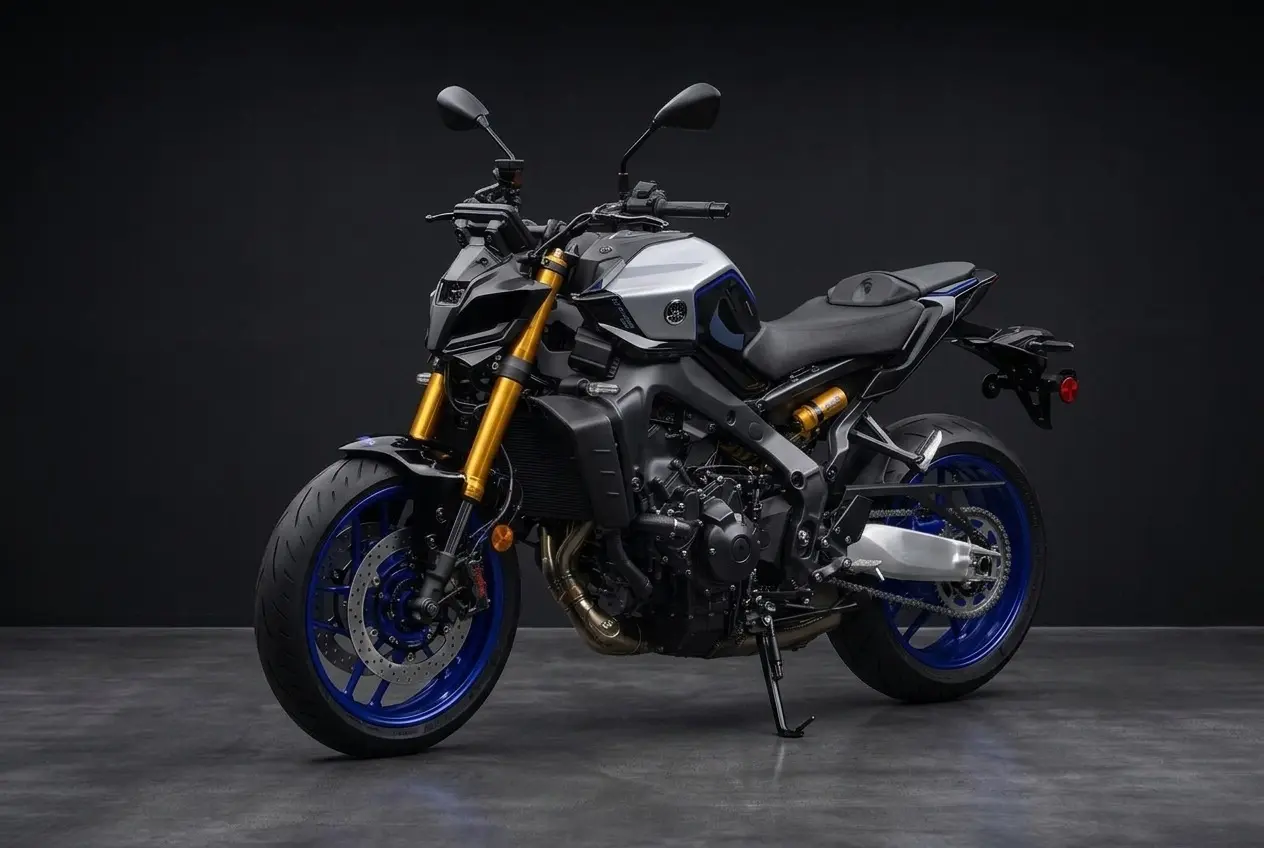
Book the Yamaha MT-09 SP. Pick your dates and book the Yamaha MT-09 SP online, or call us and we will sort it with you.
Book NowCall 0468 011 118Every bike leaves a record on its tyres, and the Yamaha MT-09 SP is no exception. The rear tyre shows where the bike has been pushed hardest in a straight line, the front shows how you brake and turn in, and the edges show how far you lean. Before you hand the keys back, a few minutes looking at the rubber can tell you a lot about your own habits. Here is how we read it, what each pattern means, and what to change on your next ride.
New to riding with us? Our page on motorbike hire in Sydney covers the bikes, the rider rules and how pick-up works.
Why the tyres make a useful mirror
A tyre is the only part of a motorcycle that touches the road, so every habit you have on the bike eventually shows up on its surface. Acceleration, braking, cornering speed and even the pressure you run all leave their mark, just more slowly than you might expect. For a rider hiring a Yamaha MT-09 SP for a few days, the tyres are not something you will service yourself, but they are worth understanding because they are the first clue to whether your riding suits the bike.
The MT-09 SP is a naked bike with plenty of torque from its inline three and strong brakes, which makes it easy to ride quickly on a good road. That same ease can hide small habits, such as holding the throttle steadily down a long straight or braking late and hard into a tight bend. Over a three day hire on mixed roads, those habits settle into the rubber in patterns you can read with a torch and a few minutes of attention.
We ask hire riders to look at the tyres at the start and end of each day. Nothing is wrong by default. The aim is a short feedback loop between the road and your right wrist, so you ride with more awareness. Nothing here replaces a proper inspection from a qualified workshop, and the notes below are general guidance rather than a diagnosis of any particular bike.
Centre wear and the straight-line habit
When the middle of the rear tyre looks clearly more worn than the edges, the bike has spent most of its life upright and on straight roads. This is common on long highway runs and commuting, where the bike sits in the centre of its contact patch for hours. A little centre wear is normal, but a flattened band running down the middle tells you the rider has been cruising more than carving.
Pressure is the first thing to check. A tyre run above the recommended pressure bulges slightly in the centre, so only the middle meets the road and wears faster. On the MT-09 SP, check pressures when the tyres are cold, before the first ride of the day, using a gauge you trust. Use the figures on the bike's information label rather than a number you remember from another machine.
Riding style plays a part too. Smooth throttle on an open road is pleasant, but it keeps the same part of the tyre working for kilometres. Vary your line through a corner, use the full width of the lane where it is safe, and place the bike in different positions on the road when traffic allows. This spreads the wear and gives you more confidence when you do lean the bike over.
Edge wear and the corners you carry
Wear on the outer edges of the rear tyre is the mirror image of centre wear. It comes from leaning hard and often, especially through long sweeping bends where the bike sits over on its side and the shoulder of the tread does the work. A rider who enjoys the handling on twisting roads will usually show this pattern after a weekend in the hills, and that is a sign of a good time rather than a fault.
Underinflation can cause the same edge wear, because a soft tyre flexes more and the sidewalls roll under load. If the edges are worn and the centre looks fine, check the pressure before you assume your cornering is at fault. Riders often blame their line when the real problem is a few psi short of the printed figure.
The safest way to ride harder is progressively. Build lean angle gradually on a road you know, notice how the bike settles, and back off when the tyre feels like it is working at its limit. Gravel, painted road markings and damp patches all reduce grip at lean, so give them extra room. A simple test: if the bike does not feel settled, you are going too fast for the surface in front of you.
Cupping, feathering and what is not the tyre
Some patterns look strange but come from elsewhere. Scalloped or cupped wear, where small dips repeat around the tread, often points to suspension or wheel balance rather than the rider. Feathering, where the tread blocks look sawn on one side, can suggest alignment or a worn component. None of these are things a rider should try to fix on the roadside.
Mention anything unusual when you return the bike. We would much rather hear about a vibration, a wobble or a noise at the start of a hire than discover it on a mountain road at dusk. Note where the wear sits, front or rear and left or right, and whether it appeared quickly or built up over the whole hire period. That detail helps the workshop more than a general complaint.
Chain condition and wheel alignment matter for the rear tyre as well. A chain that is too tight or too loose can wear the tyre unevenly, and a bent or misaligned wheel will scuff one side more than the other. These are workshop matters, so the right response is to report the bike and let the team inspect it, not to attempt adjustments in the car park.
- Scalloped or cupped wear: suspension or balance, report it.
- Feathering on tread blocks: possible alignment, report it.
- One sided rear wear: check the chain and the wheel.
- Uneven wear with a vibration: stop riding and call us.
Pressure checks before you ride
Before any long ride, check tyre pressures with the tyres cold. Warm tyres read higher than they will once they have cooled, so a reading taken straight after a ride is misleading. Early morning, before the bike has been run, is the most reliable moment. Use a good quality gauge, and keep your own in the pack if you ride regularly, because a gauge at a petrol station can be off by a noticeable margin.
Pressures should be set for the load you are carrying. A passenger and luggage change how the bike sits and how the tyres deform, so the figure for solo riding may not suit a two up run. The information label on the bike gives the correct figures for each case. If you are unsure which applies, ask us before you leave rather than guessing from memory.
Tread depth matters as much as pressure. Worn tread has less capacity to clear water, which makes wet roads far more slippery. If the tread looks very low or the rubber shows cracks along the sidewall, tell us before you set off. A tyre in that state is not worth the risk, and we will sort a replacement rather than ask you to ride on it.
Braking habits and the front tyre
The front tyre tells a different story. Heavy braking loads the front, and riders who brake late and hard into corners can wear the centre of the front quickly. A rider who brakes early and gently tends to leave a more even pattern. The MT-09 SP has strong brakes, which is a pleasure, but they reward a progressive touch, so feel the bite build before you ask for more.
Trail braking, where you carry some brake pressure into the bend, is a legitimate technique that many experienced riders use. It works best when the bike is settled and the surface is good. On loose surfaces or with cold tyres it can cause the front to slide. Practise it gradually on quiet roads before you use it on a road you do not know.
Look at the front for flat spots or uneven edges after a day of stop start traffic. Heavy traffic brings constant braking and clutch work, and the front can show it. Good habits, such as leaving space to slow down and using engine braking where it suits, reduce wear and give you more room to react when a car turns across your path.
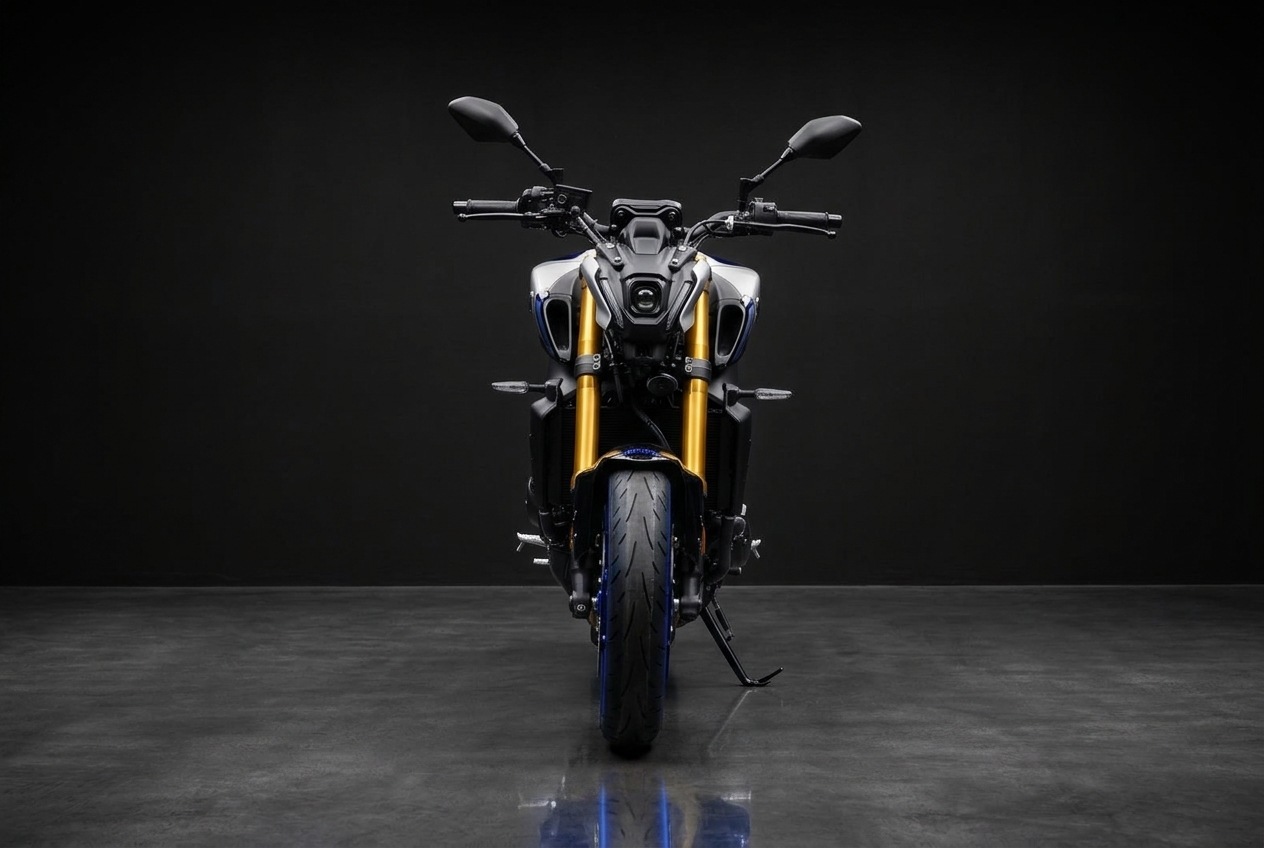
Want the Yamaha MT-09 SP for your date? Pick your dates and book the Yamaha MT-09 SP online, or call us and we will sort it with you.
Book NowCall 0468 011 118Where the tyres get tested: mountains, coast and the city edge
The routes we suggest for the MT-09 SP mix tight mountain bends, faster open sections and stretches of patchy surface. The Bells Line of Road west of the city offers long curves, shaded sections that stay damp, and lookouts where you can stop and check the tyres. Ride it early in the day when traffic is light, and the wear you see afterwards will be easier to read.
The Putty Road has a different character, with long straights, a few sharp bends and surface changes that arrive without warning. Coastal routes bring salt, sand and wind, all of which affect grip and make even a short ride more demanding. Let the tyres warm up over the first few kilometres before you lean into a corner, and keep your speed sensible while the rubber is still coming up to temperature.
Check road conditions with Transport for NSW before you leave, particularly after rain, when roadworks are under way, or when there has been a fire or landslide nearby. Closures and loose surfaces can change a route overnight. If a road looks unfamiliar or the surface looks dirty, take it slowly and give the bike room to move.
Best time of day, season, and fuel and food stops
Early mornings and weekday afternoons are the best times to ride these roads. Weekend mornings bring cyclists, sports cars and groups of riders, and weekend afternoons bring tourist traffic and slow vehicles on the climbs. In autumn and spring the temperatures are kind and the tyres reach working temperature quickly. Winter mornings can be cold and frosty in shaded sections, so take extra care until the sun has been on the road for a while.
Plan fuel stops before you need them. Most towns on the main routes have a servo, but hours change, and some smaller stops close early at weekends. A simple rule is to top up when the tank is about half full on any ride into the hills. Carry a little water and a snack, because riding on a cold day can hide how tired you are becoming.
For food, the villages along the mountain routes have cafes and bakeries that fill up at lunchtime, so arrive early or choose a quieter stop for a longer break. Stretch your legs every hour or so. Riders who stop, walk around the bike and look at the tyres tend to ride more safely and notice problems sooner.

The hire rules that matter for this ride
Our hire terms are straightforward, and we go through them again at pickup. Bikes are self-drive and hired from our Parramatta base on a three day minimum. The rider must hold a full motorcycle licence, have held it for at least three years, and be aged 25 or over on every bike. The Yamaha MT-09 SP is the only bike in our fleet that takes a passenger, and that passenger must be aged 16 or over.
Overnight, the bike must be kept in a locked garage or secure off-street parking between 9pm and 6am, which protects both the bike and the rubber from weather and road grime. Trackers are fitted to all our bikes. A security bond is held, set by the class of bike, and we explain how it works at pickup. For the exact figures, please ask us directly, because we do not put amounts in articles.
These rules exist for the same reason as this article. A bike that is kept secure is a bike we can keep in good condition for the next rider, and a rider who knows the terms can focus on the road. Read the rules once at pickup and ask any question before you leave the car park, because it is much easier to settle it at the counter than halfway up a mountain.
Ride within your ability and book the MT-09 SP
Ride within your ability, and leave alcohol well out of the picture. Wear proper gear, including a helmet, gloves, boots and abrasion resistant clothing, and talk to us at booking if you need help sorting it out. Fatigue is the quiet risk on a long run, so take breaks, watch for wildlife at dawn and dusk, and treat wet or gravel covered corners with respect.
Cold mornings, wet roads and fallen leaves all reduce grip, and the tyres are the only contact you have with the road. Slow down when the surface changes, keep your eyes up through corners, and remember that even a well set up bike is limited by what the tyre can do on the day. Good riders are patient on the way in as well as on the way out.
If you would like to ride the Yamaha MT-09 SP on these roads, you can see its details and check availability on its fleet page. We are happy to answer questions about the bike, the routes or the tyres before you commit, and we would rather you arrive with a clear plan than an unanswered question.

Frequently asked questions
How do I check tyre pressure on the Yamaha MT-09 SP before a ride?
Check the pressures when the tyres are cold, ideally first thing in the morning before the bike has been run. Use a gauge you trust and the figures on the bike's information label. Warm tyres read higher than they will once cooled, so a reading taken straight after riding can mislead you. If you are carrying a passenger or luggage, the correct figures can change, so ask us before you set off if you are not sure which settings apply.
What does centre wear on a rear tyre tell me?
Centre wear usually means the bike has spent most of its time upright on straight roads, or that the tyre has been run above the recommended pressure. A little centre wear is normal on any bike. A clearly flattened band down the middle suggests the rider has been cruising rather than carving, and pressure is worth checking first. Varying your line through corners and using the full width of the lane where it is safe will spread the wear more evenly.
Why would the edges of a rear tyre wear faster than the middle?
Edge wear comes from leaning the bike over often and for long periods, especially through sweeping bends. It can also be caused by underinflation, because a soft tyre flexes more under load and the sidewalls roll. If the edges look worn while the centre looks fine, check the pressure before deciding the cornering is to blame. Riding harder should always be built up gradually on roads you know.
Should I trail brake on a naked bike like the MT-09 SP?
Trail braking can be a useful technique for experienced riders when the bike is settled and the surface is good. It involves carrying a little brake pressure into a bend. On loose surfaces, with cold tyres, or on a road you do not know, it can cause the front to slide. Practise gradually on quiet roads first, and keep your braking progressive so you can feel the front build grip before you ask for more.
Can I check the tyres myself when I return the bike?
Yes, and we encourage a quick look at both tyres at the start and end of each day. Look for even wear, flat spots, cracks in the sidewall and anything that feels unusual to the touch. You do not need to measure anything. If you notice a pattern you cannot explain, note where it sits and tell the team when you return the bike so the workshop can look at it properly.
What should I do if I notice a wobble or vibration during a hire?
Pull over somewhere safe as soon as you can, away from traffic and off any corner. Check that nothing is loose, such as luggage or a mirror, and look at the tyres for obvious damage. If the wobble continues, do not carry on to a far destination. Call us and let us talk you through the next step. Your safety comes first, and it is always better to stop early than to push on with a bike that does not feel right.
Ready when you are. Pick your dates and book the Yamaha MT-09 SP online, or call us and we will sort it with you.
Book NowCall 0468 011 118