

Book the Ducati 1199R. Pick your dates and book the Ducati 1199R online, or call us and we will sort it with you.
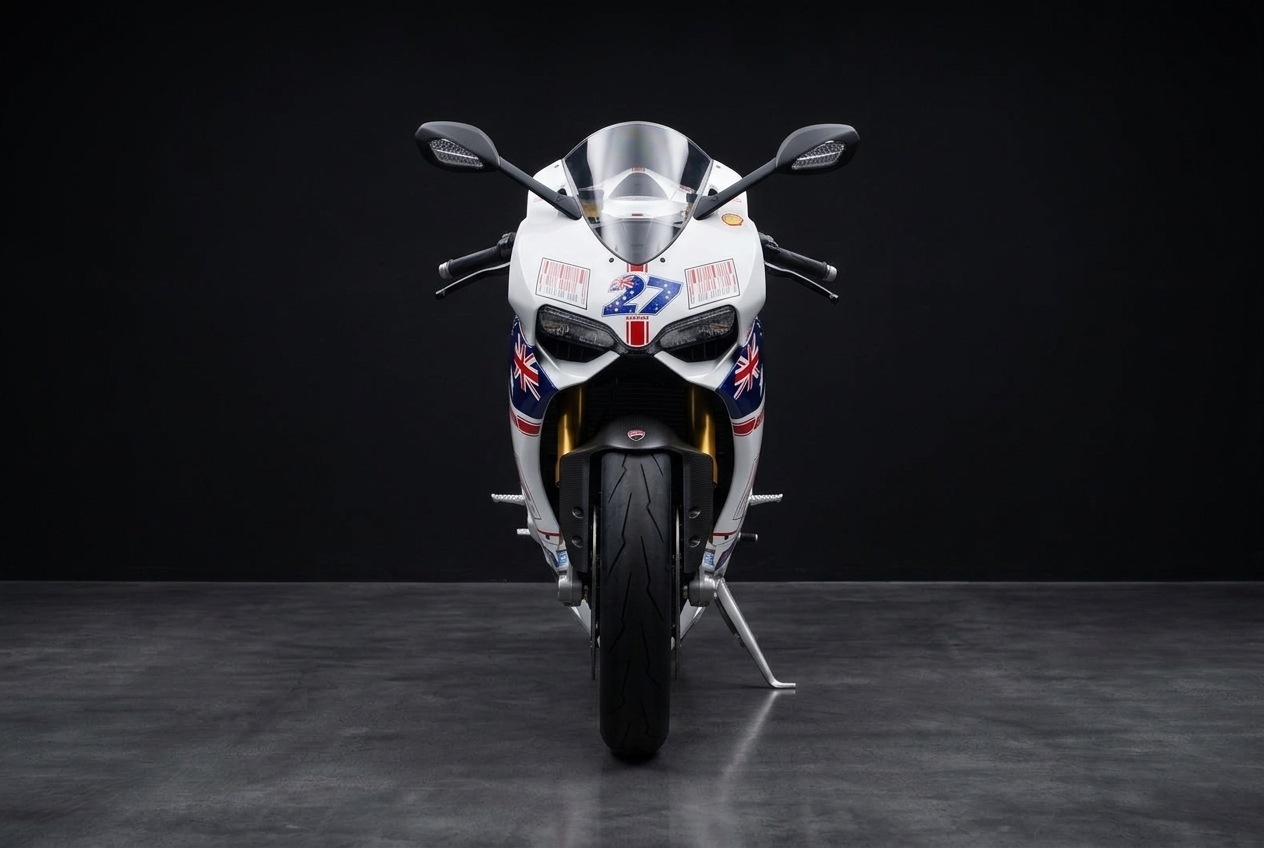
Book NowCall 0468 011 118Bogan Gate lies on the Bogan River in the far central west, a small place on a big landscape. The roads out here are long and quiet, the towns are few and far apart, and the horizon seems to keep moving as you ride towards it. It is a journey for a rider who likes distance, planning and a steady rhythm rather than constant bends. Our Ducati 1199R is the featured bike, and it is ready for an experienced rider who wants a serious machine for a serious road.
New to riding with us? Our page on motorbike hire in Sydney covers the bikes, the rider rules and how pick-up works.
Why the far central west asks for a plan
The far central west is a place where distance becomes the main challenge. The towns are small and widely spaced, the services are limited and the roads can run straight for long stretches. A rider who arrives without a plan can find the day stretching out far more than expected, so the first job is to decide where you will stop, where you will refuel and where you will sleep before the bike is even out of the garage.
Many riders break the journey into two or three stages. A first night in a larger regional town makes the approach manageable, and it gives you a fresh start for the final push across the plains. Riding in shorter blocks each day keeps your concentration sharp and your body fresh, and it turns a demanding route into a comfortable adventure.
There is also a reward for the effort. Out here the sky is enormous, the land is quiet and the pace of life slows right down. A motorbike gives you a close connection to that country, with the air and the light and the smell of the land all around you, and that connection is what makes the far central west so memorable.
The Bogan River and the country around it
The Bogan River runs through a flat and open landscape, shaped by seasonal water and the long dry spells that are part of life in the far west. Along its course you will see trees marking the watercourse, grazing land and cropping country, all under a wide and often brilliant sky. The river can be a dry bed for long periods, and in wet years it can run strongly and spread across the low ground.
Because the land is so open, the wind can dominate the day. Crosswinds can push a bike across the lane, and headwinds can make a long stretch feel like hard work. Keep your grip relaxed, make small steady corrections and avoid fighting the bike. When the wind eases, take a moment to notice how much the land and the sky change with the weather.
Animals are never far away on these roads. Kangaroos, emus, goats and livestock can wander onto the verge or the bitumen, and the risk is highest in the early morning and late afternoon. Keep your speed relaxed through the open sections, scan the edges of the road and be ready to ease off the moment you see movement in the scrub or the paddocks.
Sealed roads and the surfaces to avoid
The highways that carry you into the far central west are generally sealed, wide and well marked, with long, sweeping curves and sightlines that stretch for kilometres. They suit a superbike ridden within its rider's ability, because the grip is predictable and the rider can read the road well ahead. Watch for patches and edge breaks, and check the surface before you enter any section that looks rough.
Back roads and station tracks are a different matter. Many of them are unsealed, with loose surfaces, corrugations and dust that can unsettle a motorbike quickly. Our bikes are road superbikes and a naked road bike, and unsealed or gravel roads do not suit them. If a route you are considering turns to dirt, stop, turn back and find a sealed alternative, even if that adds distance to the day.
A simple rule helps out here: plan your route on sealed roads from the start, and check the surface type on your map before you leave. Sealed alternatives may be longer, but they keep the bike on the surface it was designed for and remove a major source of risk from a long, remote day.
Fuel and food: the long gaps
Fuel is the single most important planning point in the far central west. Towns can be many kilometres apart, and a station that looks certain on the map may be closed or out of stock when you arrive. Know your bike's approximate range, top up at every opportunity and never let the tank fall to the last reserve. A margin for detours and surprises is essential on a long day.
Food stops are fewer than on the coast, so use the towns you pass as proper breaks. A meal in a country café or a pub with shade and parking gives you time to rest your eyes and stretch your legs. Choose light food that will keep you alert, drink plenty of water and avoid long stretches with nothing to eat.
Carry water, a torch, a basic repair kit, a warm layer and a small first-aid kit. Mobile coverage is patchy across much of the far west, so let someone know your route, your fuel stops and your overnight destination before you set off. In remote country, that simple plan can make a real difference if something goes wrong.
- Plan every fuel stop before leaving the city
- Top up whenever a station is open
- Carry water, a torch, a repair kit and a warm layer
- Tell a contact your route and overnight stop

Best season and time of day
Autumn and spring are the most agreeable seasons for the far central west, with moderate temperatures and clear skies. Winter nights are cold and frosty, and mornings can be bitterly chilly on the open plains, so it suits a well-equipped rider who waits for the sun. Summer is very hot and dry, with dust and heat that drain concentration, so plan early starts, long shaded breaks and a flexible schedule.
Timing matters across these distances. We never start a ride before 6am, and in the cooler months the first hour can be bitterly cold and dark. Late morning to mid-afternoon is usually the most comfortable riding, with the sun warm and the animals less active. Aim to reach your overnight town before the light fades, because dusk is when the far west becomes most unpredictable.
Weekends are quieter out here than on the coast, and the roads are rarely busy. That gives the rider space and calm, but it also means help can be a long way off. Check the forecast the night before, look at the wind and the temperature for the day, and keep a flexible plan in case the weather or the road conditions change.
Want the Ducati 1199R for your date? Pick your dates and book the Ducati 1199R online, or call us and we will sort it with you.
Book NowCall 0468 011 118The Ducati 1199R on long, quiet roads
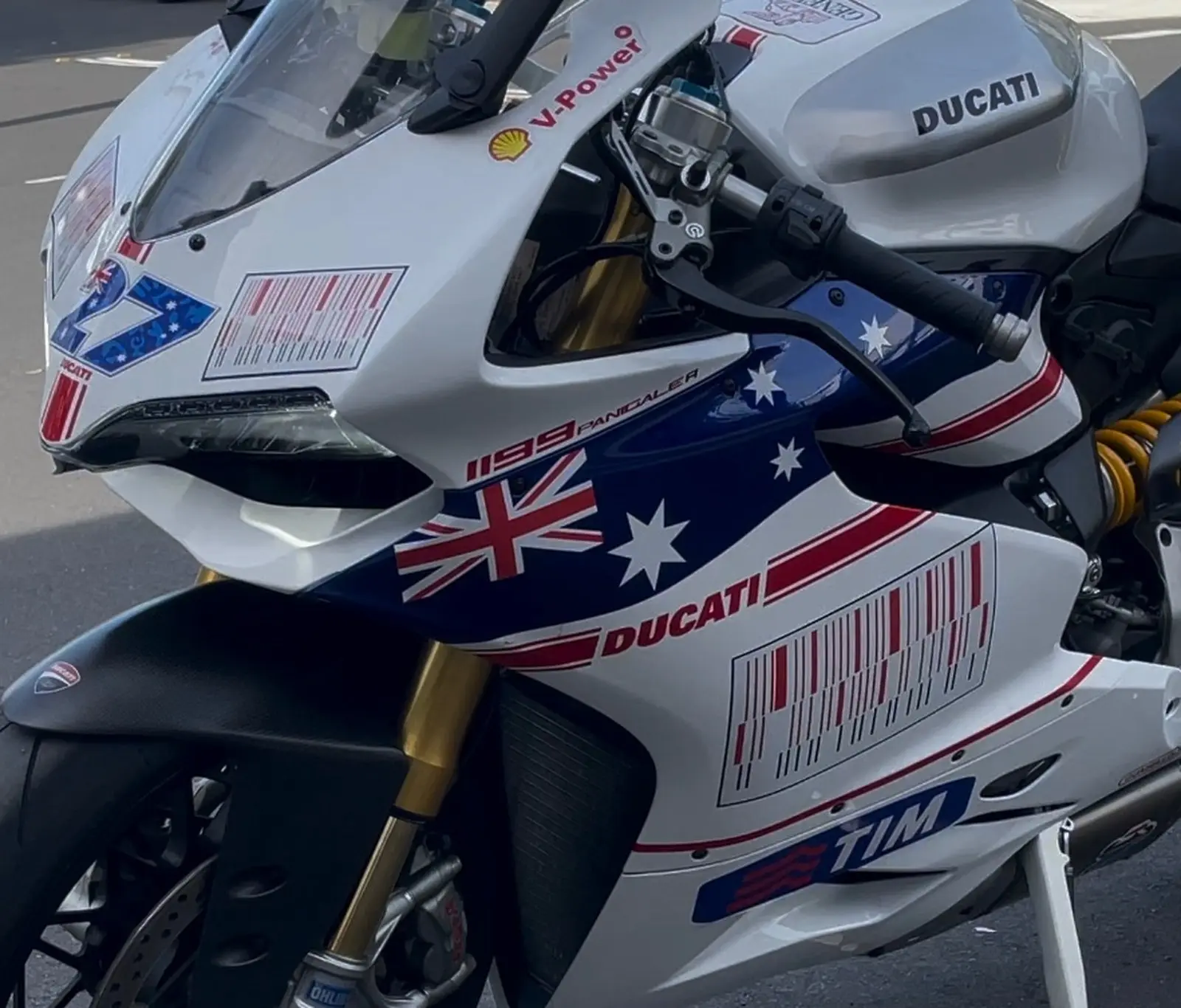
Our Ducati 1199R Panigale is a superbike for experienced riders. Its V-twin engine produces 143 kW, and its chassis rewards precise, committed riding on good sealed roads. The gold front forks and black forged wheels make a striking sight against the dry paddocks and the far horizon, and the bike gives you a strong sense of connection to the road.
On long, quiet roads the Ducati is at its best when the rider sets a steady rhythm and keeps the inputs smooth. Long straights are a chance to relax, settle your grip and watch the land roll past. Keep your attention on the road and the country, and avoid treating the open sections as a reason to push beyond your comfort.
Use the bike's character to your advantage on a long day. Plan regular breaks, check the tyres and the chain before you leave and keep an eye on the wind and the temperature as the hours pass. A considered approach makes the Ducati a rewarding companion for the far central west, and it ensures the day ends the way it began: calm, controlled and enjoyable.

Staying alert on the long haul
Gear is your first line of defence against the sun, wind and the rare fall. Choose a helmet that fits properly, a jacket with armour, gloves for a secure grip and boots for support. Carry a warm layer for the morning and a light layer for the heat of the afternoon, because the temperature swings in this country can be dramatic.
Fatigue is the biggest hidden risk of a long, quiet road. The repetitive scenery and the steady drone of the engine can dull your focus very gradually. Stop at least once an hour, drink water, eat something light and get off the bike if you feel drowsy, cold or distracted. Riding after drinking alcohol is not an option, and riders should not ride if they have taken drowsy medication.
Check road conditions with Transport for NSW before you leave, paying particular attention to flood warnings, road closures and any reported hazards such as stock on the road. In the far west, a closed road can add hours to a journey, so build flexibility into your plan from the start.
Hire terms and planning the far west trip
Our bikes are self-drive from Parramatta on a three day minimum hire. A rider must hold a full motorcycle licence, have held it for at least three years and be aged 25 or over on the bike. A security bond is held, and its level is set by the class of bike, so allow for it when you plan the trip.
The far central west suits a rider who wants a long, focused day on quiet roads and the reward of a remote, open landscape. The Ducati 1199R is our featured machine for the journey, and it is ready for an experienced rider who values precision and a steady pace.
If you are considering a trip to Bogan Gate and the far central west, we would be glad to help you plan it. Tell us your experience, the number of days you have and the routes you have in mind, and we will talk through the stops and the overnight options. Reserve your dates with us and we will prepare the Ducati for your journey.
Frequently asked questions
How far is Bogan Gate from Sydney by motorbike?
Bogan Gate is a long way from Sydney, and most riders plan the trip across at least two days so the riding stays manageable. The exact distance depends on your route and the stops you choose. Break the journey at regional towns where you can refuel, eat and rest. A planned overnight stop makes the return journey far less tiring.
Are the roads to the far central west suitable for a superbike?
The main sealed highways suit a superbike ridden within the rider's ability, with long sweeping curves and clear sightlines. Our bikes are road superbikes and a naked road bike, so unsealed or gravel roads do not suit them. If a route turns to dirt or stock tracks, turn back and find a sealed alternative, even if it adds distance to the day.
Which Drive Tribe bike is best for the far west?
The Ducati 1199R is the featured choice for a long, focused run. It is a V-twin superbike producing 143 kW, built for experienced riders who value precision on good sealed roads. If you prefer a naked road bike with premium adjustable suspension and strong brakes, the Yamaha MT-09 SP is a capable alternative. Let us know your riding background and we will suggest the right fit.
How do I manage fuel on a remote run?
Plan every fuel stop before you leave the city and top up whenever a station is open, because a closed station can be a long way from the next option. Know your bike's approximate range and carry a margin for detours. Check opening times where you can, and avoid running the tank down to the last reserve. A little planning removes most of the stress from a long remote journey.
When is the best time of year to visit Bogan Gate by bike?
Autumn and spring are the most agreeable seasons, with moderate temperatures and clear skies. Winter mornings are cold and frosty on the open plains, which suits well-equipped riders. Summer is very hot and dry, so plan early starts and long shaded breaks. Check the forecast and road conditions before you leave, and never start before 6am.
Is it safe to ride the far west roads at dusk?
We do not recommend riding the far west roads after dusk. Animals are most active near the verges at dawn and dusk, and visibility fades quickly across open country. Build the day around reaching your overnight town while there is still light. Riding while tired, cold or after alcohol is a serious risk, so stop early and resume the next morning if the day runs long.
Ready when you are. Pick your dates and book the Ducati 1199R online, or call us and we will sort it with you.
Book NowCall 0468 011 118